Analysis of Intelligent Association Discovery Methods


Intelligent association discovery methods play a pivotal role in identifying meaningful patterns and relationships within complex systems. These methods enhance decision-making by uncovering hidden connections, enabling industries to optimize operations and improve outcomes. For instance, experiments like the iDorm Test Bed demonstrated how embedded ambassador agents streamline communication and boost efficiency. Similarly, large-scale emulations revealed strongly correlated agent pairs, showcasing the potential of intelligent association in real-world applications.
In customer service, intelligent association methods empower tools like Sobot's AI Chatbot to predict customer needs and automate query resolution. These methods also transform knowledge management by optimizing data retrieval and categorization. However, implementing such methods across industries presents challenges, including domain-specific problem-solving and the integration of intelligent computing into existing systems. Addressing these hurdles is essential to fully harness the benefits of intelligent association.
Overview of Intelligent Association Discovery Methods
Machine Learning-Based Approaches
Supervised Learning for Intelligent Association
Supervised learning plays a critical role in intelligent association discovery by leveraging labeled data to predict outcomes. This method excels in tasks like regression and classification, where the goal is to map input features to specific outputs. For instance, spam detection systems use supervised learning to classify emails as spam or non-spam based on predefined labels. In customer service, tools like Sobot's AI Chatbot utilize supervised learning to predict customer needs and provide tailored responses, enhancing efficiency and satisfaction. By analyzing historical data, supervised learning models can identify patterns and associations that improve decision-making processes.
Unsupervised Learning and Clustering Techniques
Unsupervised learning focuses on discovering hidden patterns and associations within unlabeled data. Clustering techniques, a subset of unsupervised learning, group similar data points based on shared characteristics. These methods are invaluable for knowledge discovery, enabling businesses to segment customers or identify trends without prior knowledge of the data structure. For example, clustering algorithms can analyze customer interactions to uncover deep insights into behavior, aiding in personalized marketing strategies. Unlike supervised learning, unsupervised methods do not rely on predefined labels, making them versatile for exploratory data analysis.
Rule-Based Systems
Association Rule Mining Techniques
Association rule mining identifies relationships between variables in large datasets. Algorithms like Apriori and FP-Growth are commonly used for this purpose. Apriori employs a bottom-up approach to generate candidate item-sets, while FP-Growth uses a tree structure to enhance efficiency. These methods are particularly effective in market basket analysis, where they uncover associations between purchased items. For example, a retailer might discover that customers who buy bread often purchase butter, enabling targeted promotions. Rule-based systems like these offer explainability and straightforward implementation, making them ideal for well-defined domains.
Logic-Based Systems for Knowledge Discovery
Logic-based systems utilize predefined rules to facilitate knowledge discovery. These systems excel in domains where transparency and interpretability are crucial. For instance, a logic-based system might use if-then rules to categorize customer queries, streamlining the resolution process. Sobot's AI Chatbot integrates logic-based principles to automate workflows, ensuring accurate and efficient query handling. While these systems are computationally less expensive, they require well-defined rules to avoid incorrect assumptions, highlighting the importance of robust knowledge management.
Nature-Inspired Algorithms
Genetic Algorithms for Data Analysis
Genetic algorithms mimic natural selection to solve complex optimization problems. These algorithms adapt and learn, making them suitable for multi-dimensional data analysis. For example, genetic algorithms can optimize supply chain operations by identifying the most efficient routes and schedules. In intelligent association discovery, they uncover patterns that traditional methods might overlook, enhancing decision-making capabilities. Their ability to evolve and improve over iterations makes them a powerful tool for knowledge discovery.
Swarm Intelligence for Optimization
Swarm intelligence draws inspiration from collective behaviors in nature, such as ant colonies or bee swarms. Algorithms like Ant Colony Optimization and Artificial Bee Colony mimic these behaviors to solve optimization problems. For instance, Ant Colony Optimization uses pheromone trails to find the shortest paths, while Artificial Bee Colony algorithms simulate foraging behaviors to optimize resource allocation. These methods enable intelligent associations by allowing decentralized systems to make collective decisions. Their adaptability and efficiency make them valuable for applications ranging from logistics to customer service optimization.
Hybrid Intelligent Approaches
Combining Machine Learning and Rule-Based Systems
Hybrid intelligent approaches that combine machine learning and rule-based systems offer significant advantages in knowledge discovery. These methods merge the adaptability of machine learning with the transparency of rule-based systems, creating a balanced framework for intelligent association. For example, in fraud detection, this combination enhances accuracy by reducing false positives while improving operational efficiency. Fraud teams also benefit from these methods by gaining insights into emerging fraudulent techniques.
In customer service, hybrid systems excel in automating workflows and resolving queries. Sobot's AI Chatbot exemplifies this by integrating machine learning to predict customer intent and rule-based logic to ensure accurate responses. This dual approach not only improves efficiency but also educates businesses on customer behavior patterns. Studies show that hybrid intelligent computing methods outperform single methods in terms of time, space, and accuracy, making them indispensable for modern data-driven applications.
Integrating Nature-Inspired Methods with AI Models
Integrating nature-inspired methods with AI models enhances the depth of knowledge discovery and problem-solving capabilities. These methods, inspired by natural phenomena, complement AI by optimizing complex processes. For instance, genetic algorithms can refine machine learning models by selecting optimal parameters, while swarm intelligence algorithms improve data clustering and resource allocation.
In intelligent association discovery, hybrid algorithms combining AI and nature-inspired techniques deliver superior performance. They uncover deep patterns in data, enabling businesses to make informed decisions. Sobot's AI-powered solutions, such as its chatbot, leverage these methods to optimize customer interactions. By integrating AI with nature-inspired algorithms, businesses can achieve higher accuracy and efficiency in knowledge management and data analysis.
Applications of Intelligent Association Discovery in Customer Service
Enhancing Customer Support with Sobot Chatbot
Predicting Customer Needs and Preferences
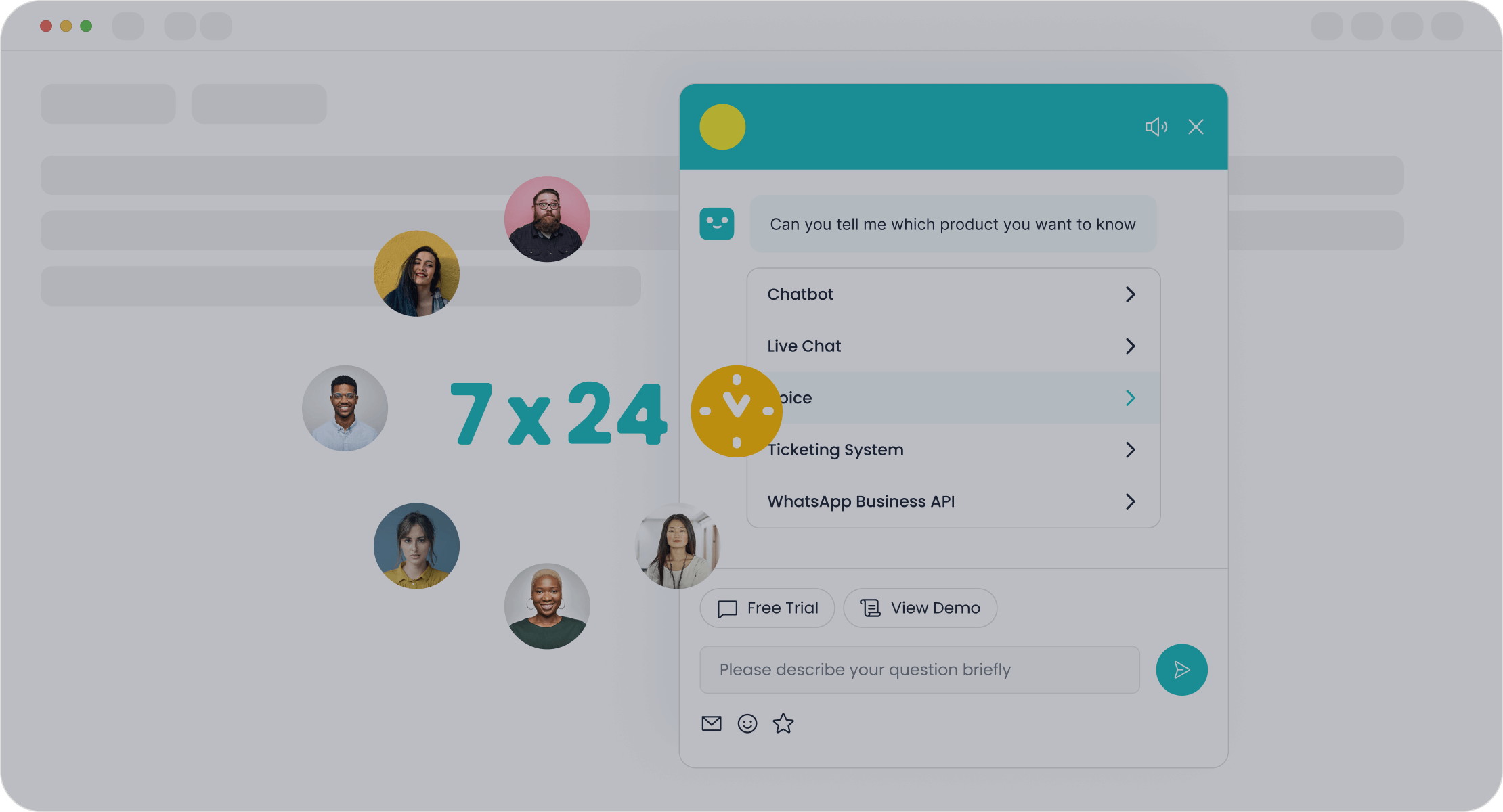
Intelligent assistants like Sobot's AI Chatbot leverage advanced methods to predict customer needs effectively. By analyzing historical data and identifying deep associations, the chatbot anticipates customer preferences, enabling proactive engagement. For instance, when a customer frequently inquires about a specific product, the chatbot can suggest related items or services. This predictive capability enhances customer satisfaction and fosters loyalty. Businesses benefit from these insights by tailoring their offerings to meet customer expectations, ultimately driving higher conversion rates.
Automating Query Resolution with AI Chatbots

AI-powered chatbots streamline query resolution by automating repetitive tasks. Sobot's AI Chatbot, for example, uses intelligent association techniques to categorize and resolve customer queries efficiently. It operates 24/7, ensuring uninterrupted support while reducing operational costs. The chatbot's ability to integrate knowledge from multiple sources allows it to provide accurate responses, even for complex inquiries. This automation not only improves productivity but also frees human agents to focus on more strategic tasks, enhancing overall service quality.
Knowledge Discovery and Management in Contact Centers
Optimizing Knowledge Bases for Multi-Society Systems
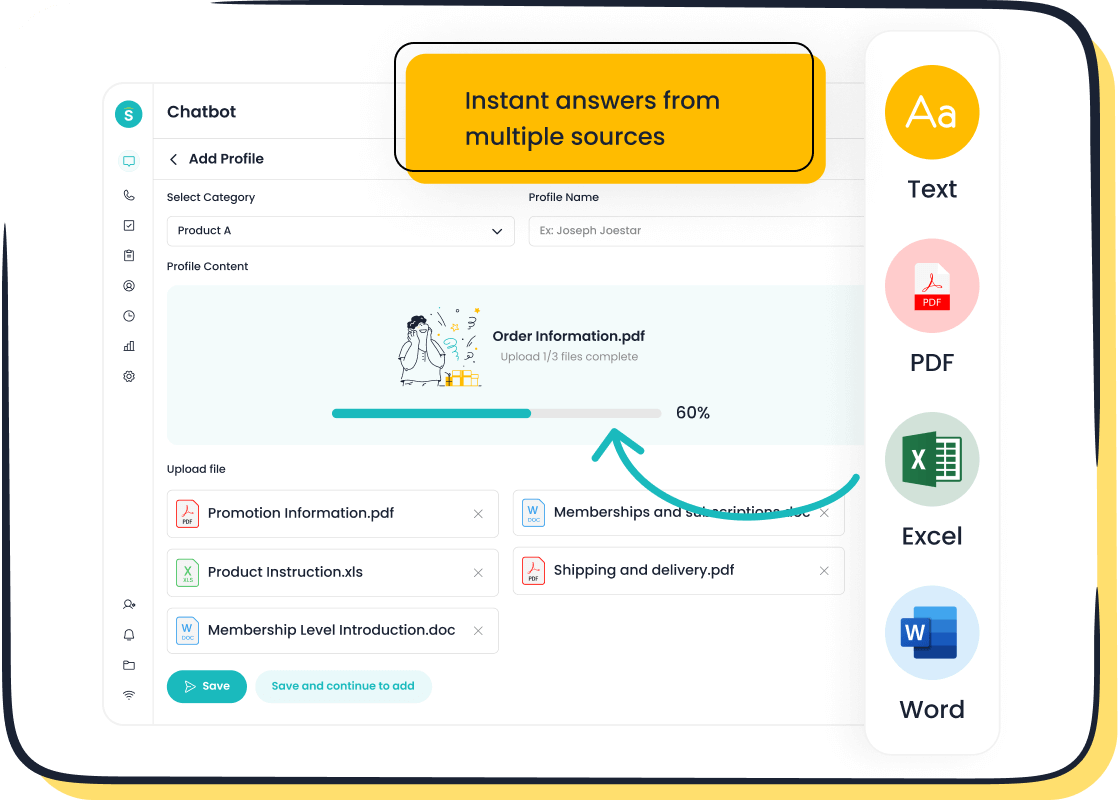
The management of knowledge in contact centers relies heavily on association rule mining to optimize knowledge bases. Techniques like particle swarm optimization improve the quality of mined rules, enabling faster data processing and better decision-making. Sobot's solutions, such as its AI Chatbot, utilize these methods to maintain up-to-date knowledge bases. This ensures that customer interactions are supported by accurate and relevant information, reducing response times and enhancing service efficiency.
Automating Knowledge Retrieval and Categorization
Automating knowledge retrieval is essential for efficient contact center operations. Intelligent assistants like Sobot's AI Chatbot employ deep learning methods to categorize and retrieve knowledge seamlessly. By integrating data from various sources, the chatbot ensures that agents and customers access the information they need quickly. This automation reduces manual effort, minimizes errors, and supports consistent service delivery across multi-society systems.
Data Analysis for Customer Insights
Cross-Channel Data Integration and Insights
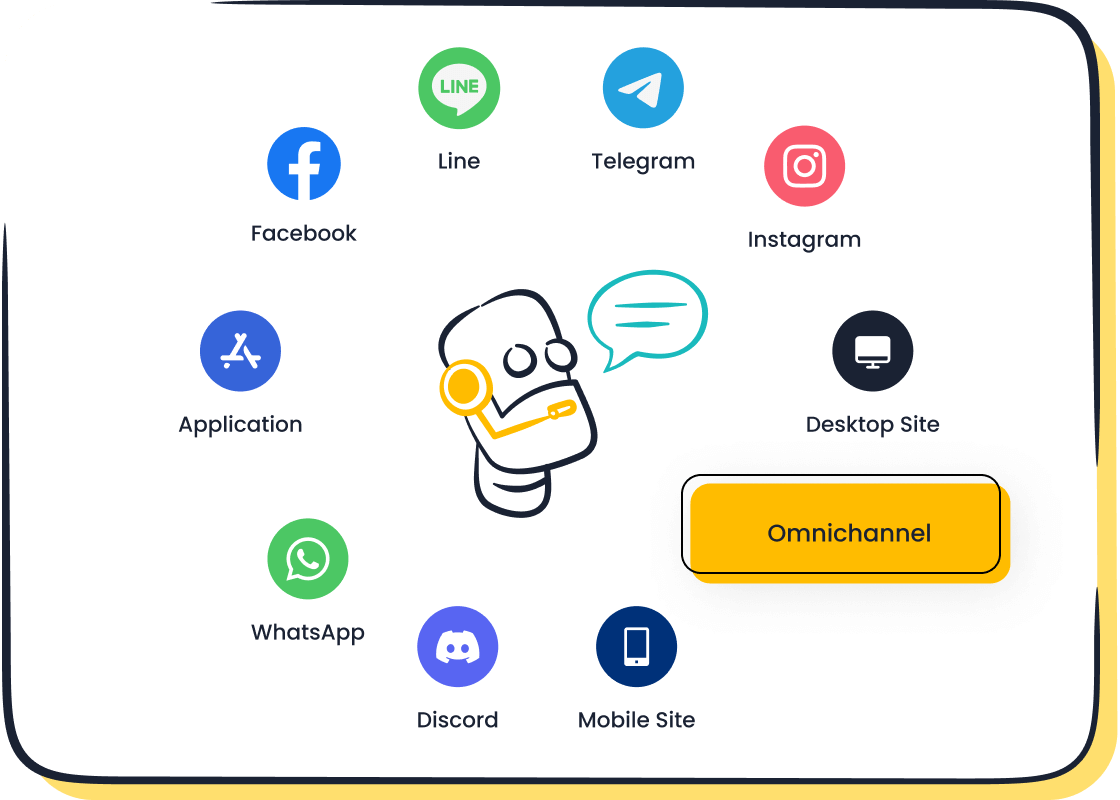
Data analysis plays a crucial role in extracting actionable insights from customer interactions. AI-powered methodologies streamline market research and enhance decision-making. Predictive analytics forecasts customer behaviors, while sentiment analysis identifies emotions through feedback. Real-time data processing provides up-to-date insights, enabling agile responses. Tools like Sobot's AI Chatbot integrate these techniques to unify data from multiple channels, offering businesses a comprehensive view of customer preferences and trends.
Real-Time Decision-Making in Customer Interactions
Real-time decision-making relies on intelligent association methods to process data instantly. Sobot's AI Chatbot exemplifies this capability by analyzing customer interactions in real time to deliver personalized responses. Data visualization tools further enhance this process by presenting insights in accessible formats for stakeholders. This approach ensures that businesses can adapt quickly to customer needs, improving satisfaction and retention rates.
Comparative Analysis of Intelligent Approaches for Discovery
Machine Learning vs. Rule-Based Systems
Scalability and Adaptability
Machine learning and rule-based systems differ significantly in scalability and adaptability. Rule-based systems rely on predefined rules, which require manual updates to accommodate changes. This limitation makes them less suitable for dynamic environments. As the number of rules increases, these systems become complex and error-prone. In contrast, machine learning systems excel in handling large datasets and complex problems. They adapt to variable environments by learning from data, enhancing scalability and adaptability. For instance, Sobot's AI-powered chatbot leverages machine learning to analyze customer interactions and predict needs, ensuring seamless adaptability across diverse scenarios.
Simplicity and Transparency
Rule-based systems offer simplicity and transparency, making them easier to understand and implement. Their logic is straightforward, which allows businesses to trace decisions back to specific rules. However, this simplicity comes at the cost of flexibility. Machine learning systems, while more complex, provide deeper insights by uncovering hidden associations in data. These systems may lack transparency due to their reliance on algorithms, but they deliver superior performance in tasks requiring intelligent association discovery. Businesses often choose between these methods based on their specific operational needs.
Nature-Inspired and Hybrid Methods
Advantages in Optimization and Flexibility
Nature-inspired algorithms, such as Genetic Algorithms (GA) and Particle Swarm Optimization (PSO), solve complex optimization problems by mimicking natural processes. These methods adapt intelligently to changing conditions, making them highly flexible. Hybrid methods enhance performance by combining features from multiple algorithms. For example, integrating swarm intelligence with AI models improves data clustering and resource allocation. This combination delivers superior results in intelligent association discovery, enabling businesses to optimize operations effectively.
Computational Complexity and Resource Requirements
Nature-inspired methods often require significant computational resources due to their iterative processes. Algorithms like Ant Colony Optimization (ACO) simulate natural behaviors, which can be resource-intensive. Hybrid methods, while efficient, also demand substantial computational power to integrate diverse techniques. Despite these challenges, their ability to uncover deep associations in data makes them invaluable for applications like customer service optimization. Sobot's AI Chatbot exemplifies this by using hybrid approaches to enhance customer interactions and streamline query resolution.
Performance of Sobot Chatbot in Intelligent Association
Efficiency in Customer Query Resolution

Sobot's AI Chatbot demonstrates exceptional efficiency in resolving customer queries. By leveraging intelligent association methods, the chatbot categorizes and resolves issues autonomously. Its 24/7 operation ensures uninterrupted support, reducing response times and operational costs. For example, the chatbot's ability to integrate knowledge from multiple sources allows it to handle complex inquiries with precision. This efficiency not only improves productivity but also enhances the overall customer experience.
Enhancing Customer Satisfaction and Retention
The chatbot's intelligent association capabilities significantly boost customer satisfaction and retention. By analyzing historical data, it predicts customer needs and delivers personalized responses. This proactive engagement fosters loyalty and drives higher conversion rates. For instance, OPPO achieved an 83% chatbot resolution rate and a 57% increase in repurchase rates after implementing Sobot's solutions. These results highlight the chatbot's effectiveness in enhancing customer interactions and supporting business growth.
Challenges in Implementing Intelligent Association Discovery Methods
Data-Related Challenges
Ensuring Data Quality and Availability
Organizations often struggle to maintain high-quality data for intelligent association discovery. The rapid adoption of cloud storage solutions has led to an average of over 400 data assets per enterprise. This proliferation creates data sprawl, making it difficult to locate and manage sensitive information. Poor data visibility increases security risks and complicates compliance with regulations. Additionally, inconsistent data formats and incomplete records hinder the effectiveness of association methods. Businesses must implement robust data governance frameworks to ensure data quality and availability.
Handling Large-Scale and Heterogeneous Data
The massive volume of data generated daily poses significant challenges. Enterprises must process diverse datasets from multiple sources, including structured and unstructured data. For example, customer service platforms like Sobot integrate data from emails, chats, and social media to provide seamless support. However, managing such heterogeneous data requires advanced methods capable of handling complexity. Scalable storage solutions and efficient processing algorithms are essential to address these challenges.
Algorithmic and Computational Challenges
Balancing Accuracy and Efficiency
Intelligent association methods must balance accuracy and computational efficiency. High-accuracy algorithms often demand significant processing power, which can slow down operations. For instance, real-time customer interaction tools like Sobot's AI Chatbot rely on optimized algorithms to deliver instant responses. Striking the right balance ensures that systems remain both effective and resource-efficient. Businesses must invest in hardware and software capable of supporting these computational demands.
Ensuring Scalability in Multi-Society Systems
Scalability is critical for deploying association methods across multi-society systems. These systems involve diverse domains, each with unique data requirements and operational constraints. For example, integrating customer service data from retail and financial sectors requires scalable solutions. Sobot's omnichannel support demonstrates how scalable systems can unify data from various platforms. Achieving scalability involves designing flexible algorithms that adapt to different environments without compromising performance.
Ethical and Privacy Concerns
Addressing Bias in Intelligent Association
Bias in association methods can lead to unfair outcomes. Algorithms trained on biased data may reinforce stereotypes or exclude certain groups. For instance, customer service tools must ensure that their responses are unbiased and inclusive. Regular audits and diverse training datasets help mitigate these risks. Ethical guidelines should govern the development and deployment of association methods to promote fairness.
Ensuring Data Privacy and Security
Data privacy and security remain top concerns in intelligent association discovery. The integration of sensitive customer data across platforms increases the risk of breaches. For example, Sobot's solutions prioritize data encryption and compliance with privacy regulations to protect user information. Businesses must adopt robust security measures, such as multi-factor authentication and regular vulnerability assessments, to safeguard data. Transparent policies also build customer trust and ensure regulatory compliance.
Future Directions for Intelligent Association Discovery
Advancements in AI and Machine Learning
Developing Explainable AI for Knowledge Discovery
Explainable AI (XAI) is becoming essential in intelligent association discovery. It ensures that AI systems provide transparent and interpretable results, fostering trust among users. For example, XAI can help businesses understand how associations between customer behaviors and preferences are formed. This transparency is particularly valuable in industries like finance and healthcare, where decisions must be justified. Sobot's AI Chatbot could benefit from XAI by offering clear explanations for its recommendations, enhancing user confidence and satisfaction. Developing explainable AI systems will enable organizations to adopt advanced methods while maintaining accountability.
Leveraging Deep Learning for Complex Pattern Recognition
Deep learning has revolutionized the ability to identify complex patterns in large datasets. These methods excel in tasks like image recognition, natural language processing, and predictive analytics. For instance, deep learning models can analyze customer interactions to uncover hidden associations, enabling personalized marketing strategies. Sobot's solutions, which integrate deep learning, demonstrate how these methods enhance customer service by predicting needs and automating responses. As deep learning continues to evolve, its role in intelligent association discovery will expand, driving innovation across industries.
Integration of Multi-Society Systems
Building Interoperable Frameworks for Cross-Domain Analysis
Integrating multi-society systems requires frameworks that enable seamless data sharing and analysis across domains. Embedded ambassador agents optimize communication between societies, while fuzzy-based intelligent embedded agents (F-IAS) facilitate the discovery of associations among agents. Real-world experiments have shown that these methods improve efficiency and performance. For example, Sobot's omnichannel solutions unify data from various platforms, enabling businesses to analyze customer interactions holistically. Building interoperable frameworks will allow organizations to leverage intelligent association methods more effectively.
Enhancing Collaboration Between Societal Domains
Collaboration between societal domains is crucial for advancing intelligent association discovery. Methods like cross-domain data integration enable organizations to identify associations that span multiple industries. For instance, integrating data from retail and financial sectors can reveal insights into consumer spending habits. Sobot's ability to unify customer data across channels exemplifies how collaboration enhances service delivery. By fostering partnerships and data-sharing agreements, businesses can unlock the full potential of intelligent association methods.
Ethical and Privacy Considerations
Creating Transparent and Fair Algorithms
Transparent and fair algorithms are vital for ethical intelligent association discovery. Best practices include:
- Utilizing diverse datasets to prevent biases.
- Maintaining comprehensive documentation of AI systems.
- Establishing ethical guidelines for fairness and privacy.
- Conducting regular audits to identify and mitigate biases.
These practices ensure that AI systems remain trustworthy and inclusive. For example, Sobot's AI solutions prioritize fairness by adhering to ethical standards, ensuring unbiased customer interactions. Transparent algorithms will play a key role in building user trust and promoting responsible AI adoption.
Implementing Robust Data Protection Mechanisms
Data protection is a cornerstone of ethical intelligent association methods. Organizations must safeguard sensitive information through encryption, multi-factor authentication, and compliance with privacy regulations. Sobot's solutions exemplify this commitment by integrating robust security measures into their platforms. Protecting customer data not only prevents breaches but also fosters trust. As intelligent association methods become more prevalent, implementing strong data protection mechanisms will remain a top priority for businesses.
Intelligent association discovery methods have proven essential for optimizing customer service and multi-society systems. Their significance lies in their ability to dynamically adapt and uncover meaningful associations, as highlighted by:
- The use of fuzzy-based intelligent architectures to identify key associations between embedded-agent services.
- Techniques that monitor user behavior to preemptively adjust environments, enhancing customer experiences.
- Solutions addressing challenges in managing interconnected devices, ensuring system efficiency and user satisfaction.
Sobot's AI Chatbot exemplifies the practical application of these methods. Its 24/7 availability, instant responses, and scalability enable businesses to handle increasing inquiries efficiently. By reducing operational costs and providing consistent, personalized service, the chatbot enhances customer interactions. For instance, Samsung achieved a 30% boost in agent efficiency and a 97% CSAT score by integrating Sobot's solutions.
To fully harness these methods, future research must focus on categorizing intelligent techniques, comparing their efficiency, and addressing domain-specific challenges. This approach will drive innovation and ensure intelligent systems continue to evolve and deliver value.
FAQ
What are intelligent association discovery methods?
Intelligent association discovery methods identify patterns and relationships within data. These methods include machine learning, rule-based systems, and nature-inspired algorithms. For example, Sobot's AI Chatbot uses these techniques to predict customer needs and automate query resolution, enhancing efficiency and customer satisfaction.
How does Sobot's AI Chatbot utilize intelligent association?
Sobot's AI Chatbot employs machine learning and rule-based systems to analyze customer interactions. It predicts needs, automates responses, and integrates data from multiple channels. This approach improves productivity by 70% and reduces costs by up to 50%, making it a valuable tool for businesses.
What industries benefit from intelligent association discovery?
Industries like retail, finance, and gaming benefit significantly. For instance, OPPO used Sobot's solutions to achieve an 83% chatbot resolution rate and a 57% increase in repurchase rates. These methods optimize operations and enhance customer experiences across diverse sectors.
Why is data quality important for intelligent association?
High-quality data ensures accurate pattern recognition and decision-making. Poor data quality leads to errors and inefficiencies. Sobot's solutions prioritize robust data integration and governance, enabling businesses to maintain reliable knowledge bases and deliver consistent customer support.
What challenges exist in implementing intelligent association methods?
Challenges include managing large-scale data, ensuring algorithmic accuracy, and addressing ethical concerns. Sobot addresses these issues by offering scalable, secure, and transparent solutions. Its AI Chatbot, for example, complies with privacy regulations while delivering efficient and unbiased customer interactions.
See Also
Comprehensive Overview of AI Software for Call Centers
Evaluating AI Solutions for Enterprise Call Centers
Best 10 AI Tools for Enterprise Contact Centers

