Inbound & Outbound Services Integration 2025


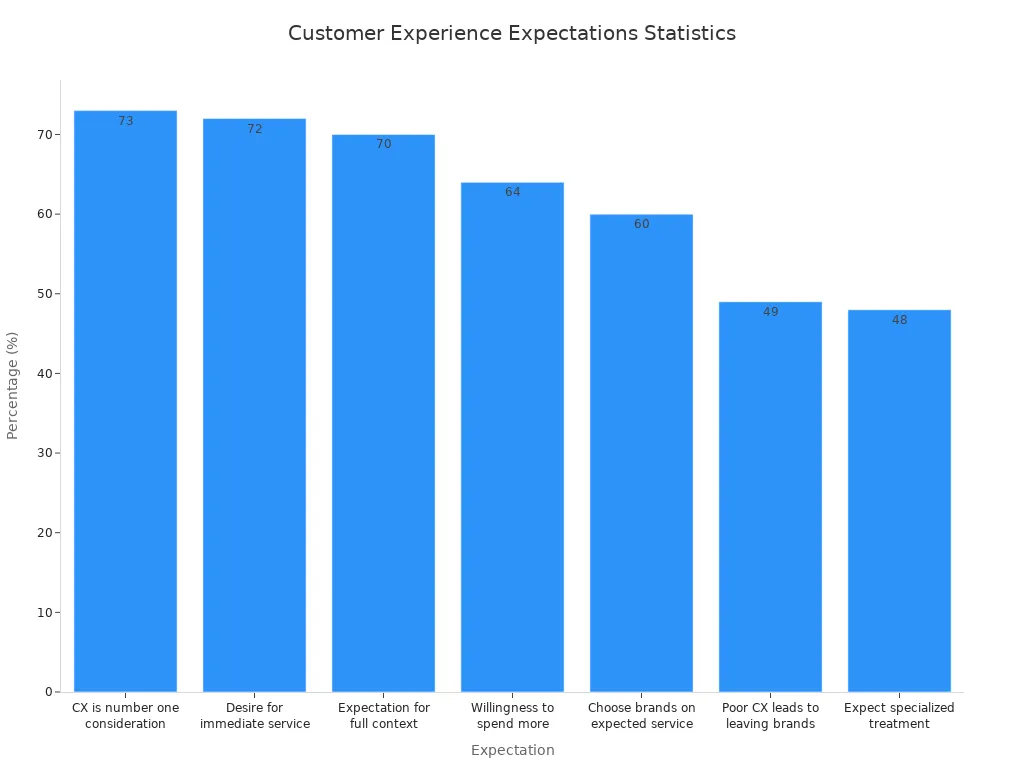
The traditional divide between inbound and outbound call center services is obsolete. You must now create a unified model for proactive customer service. This integration drives efficiency in your operations. A seamless customer experience is no longer a luxury; 73% of customers expect it across all channels. This unified experience is built on shared technology, skilled agents, and data-driven insights. Achieving this superior customer experience is a strategic move for loyalty. A Sobot call center, powered by Sobot AI, helps you unify call center operations, putting your customer first and transforming every customer interaction.
Why Integrate Inbound and Outbound Call Center Services?

Integrating your inbound and outbound call center services transforms your operations from a cost center into a strategic asset. This unified approach is essential for building a modern, effective call center. It allows you to move beyond simply reacting to customer issues. You can start anticipating their needs, which boosts both efficiency and customer satisfaction.
Shifting from Reactive to Proactive Service
A proactive customer service strategy sets you apart from the competition. Instead of waiting for a customer to report a problem, you can use outbound calls to address potential issues before they escalate. This shift improves key metrics and overall service quality.
- Boosts Satisfaction: Proactive outreach shows a customer you care, fostering loyalty and improving customer satisfaction scores.
- Improves Efficiency: You can reduce incoming requests by resolving common problems ahead of time. This allows your team to focus on more complex issues, enhancing operational efficiency.
- Reduces Churn: Identifying and addressing customer pain points early prevents frustration. This simple strategy significantly lowers your customer churn rate.
Enhancing the Customer Experience for Better Retention
A disconnected experience frustrates customers. When your inbound and outbound teams work together, you create a seamless journey that improves the customer experience and drives retention. A better experience directly impacts your bottom line. Increasing customer retention by just 5% can boost profits by as much as 95%. This unified management strategy ensures every interaction adds value, strengthening the customer relationship and their perception of your service quality.
Pro Tip: A unified service model gives agents a complete view of the customer's history. This context is crucial for resolving issues on the first contact, which is a major driver of customer satisfaction and a hallmark of an effective call center.
Creating a Single View of the Customer Journey
Your biggest challenge in delivering a great customer experience is often fragmented data. Different departments have different information, creating a disjointed view of the customer. Integrating your call center operations breaks down these silos. You create a single source of truth for all customer interactions, from marketing outreach and outbound calls to inbound support tickets. This unified data management is the foundation for consistent, high-quality service. It empowers your teams to deliver a personalized experience across all touchpoints, improving both satisfaction and the efficiency of your operations.
Foundational Pillars for Successful Integration
To successfully merge your inbound and outbound services, you must build your strategy on three core pillars. These pillars support your call center operations, improve management, and enhance the quality of every customer interaction. Focusing on technology, people, and data creates a powerful foundation for future growth and superior service.
The Unified Technology Stack: CRM, CTI, and Cloud Platforms
Your technology is the backbone of integrated operations. A fragmented system creates data silos and hurts efficiency. You need a unified technology stack that brings everything together. Solutions like the Sobot Voice/Call Center provide a unified workspace, making management simple with easy integration into your existing CRM. This creates a single source of truth for every customer.

Key tools are essential for building this foundation:
- Intelligent IVR: This feature allows you to customize greetings and menus, guiding a customer to the right agent or self-service option.
- Smart Call Routing: You can create automatic workflows that direct calls based on agent skills or customer needs, improving first-contact resolution.
- CTI (Computer Telephony Integration): This technology connects your phone system to your computer applications. It enables screen pop-ups with customer data during inbound calls and click-to-call functionality for outbound calls, boosting operational efficiency.
Cross-Training Agents for a Hybrid, Multi-Skilled Team
Technology alone is not enough. Your call center agents must have the skills to handle both inbound and outbound tasks. Cross-training transforms your team into a flexible, multi-skilled workforce. This approach improves your call center operations and agent satisfaction. In fact, contact centers with formal cross-training programs see 23% higher agent satisfaction rates.
A hybrid team gives you better resource management. You can adapt to changing call volumes without overstaffing, which can reduce overall staffing needs by 10-25%. This flexibility improves efficiency and ensures a high quality of service for every customer.
Strategic Management Tip: Investing in your agents' skills reduces burnout and turnover. A multi-skilled team feels more engaged, leading to better performance and a higher quality of customer care.
Using Inbound Insights to Fuel Outbound Campaigns
Your inbound calls are a goldmine of data. Every customer interaction provides valuable insights into their needs, pain points, and sentiment. You can use this information to make your outbound calls more relevant and effective. Instead of making cold outbound calls, your agents can make warm, informed calls.
For example, sentiment analysis from inbound support tickets can identify a frustrated customer. An outbound call can then proactively address their issue, turning a negative experience into a positive one. This data-driven approach to outbound calls ensures your team contacts the right customers at the right time with the right message, improving the quality of your outreach and strengthening customer relationships. This transforms your operations from reactive to proactive.
Actionable Integration Strategies for 2025

With a solid foundation in place, you can now implement specific strategies to unlock the full potential of your integrated contact center. These actionable steps turn theory into practice, transforming your call center operations into a hub for growth, retention, and exceptional customer service. Effective management of these strategies will define your success.
Leverage Inbound Calls for Upselling and Customer Retention
Every inbound service call is an opportunity to strengthen the customer relationship. When a customer contacts you for support, you have their full attention. With a unified view of their history, your call center agents can move beyond simple problem-solving. You can identify opportunities for upselling (suggesting an upgrade) or cross-selling (recommending a complementary product). This strategy turns your service team into a revenue-generating asset, directly boosting customer retention. In fact, some companies have generated over $3 million in sales revenue by empowering their inbound service teams.
To do this effectively, you must train your agents on the right techniques. Your management should focus on quality, not just quantity.
- Ask probing questions to fully understand the customer's needs and uncover new opportunities.
- Demonstrate value with testimonials or case studies to build confidence in additional purchases.
- Offer loyalty perks to make a customer more receptive to an upsell or cross-sell offer.
- Follow up after the interaction to ensure satisfaction and suggest relevant products later.
- Know when not to sell, especially with a frustrated customer, to protect the relationship.
This approach enhances the customer experience by providing more value, which is key to long-term retention and satisfaction.
Use Outbound Data to Anticipate Inbound Support Needs
Your outbound operations and system data are a crystal ball for future inbound support needs. By analyzing this information, you can shift from a reactive to a proactive service model. This proactive management strategy allows you to solve problems before customers even know they exist, which dramatically improves customer satisfaction and optimizes your operations.
For example, a leading financial service platform, Opay, faced challenges managing high volumes of customer interactions across social media, email, and voice. By implementing Sobot's omnichannel solution, they unified these channels into a single system. This integration allowed them to streamline their operations and use data more effectively. The results were transformative:
- Customer satisfaction soared from 60% to 90%.
- Overall operational costs were reduced by 20%.
You can achieve similar results by analyzing data from various sources to anticipate support needs. Look for patterns in:
- System error logs to find technical issues.
- Usage statistics from apps and devices to see where customers struggle.
- Outbound call campaign results to identify common questions or objections.
Using insights from outbound calls and other data points helps you create a higher quality of service and a more seamless experience for every customer.
Implement AI for Predictive Routing and Agent Assist
Artificial intelligence (AI) is the engine that powers modern, integrated call center operations. AI tools can analyze data in real-time to make your operations smarter, faster, and more efficient. Two of the most powerful applications are predictive routing and agent assist.
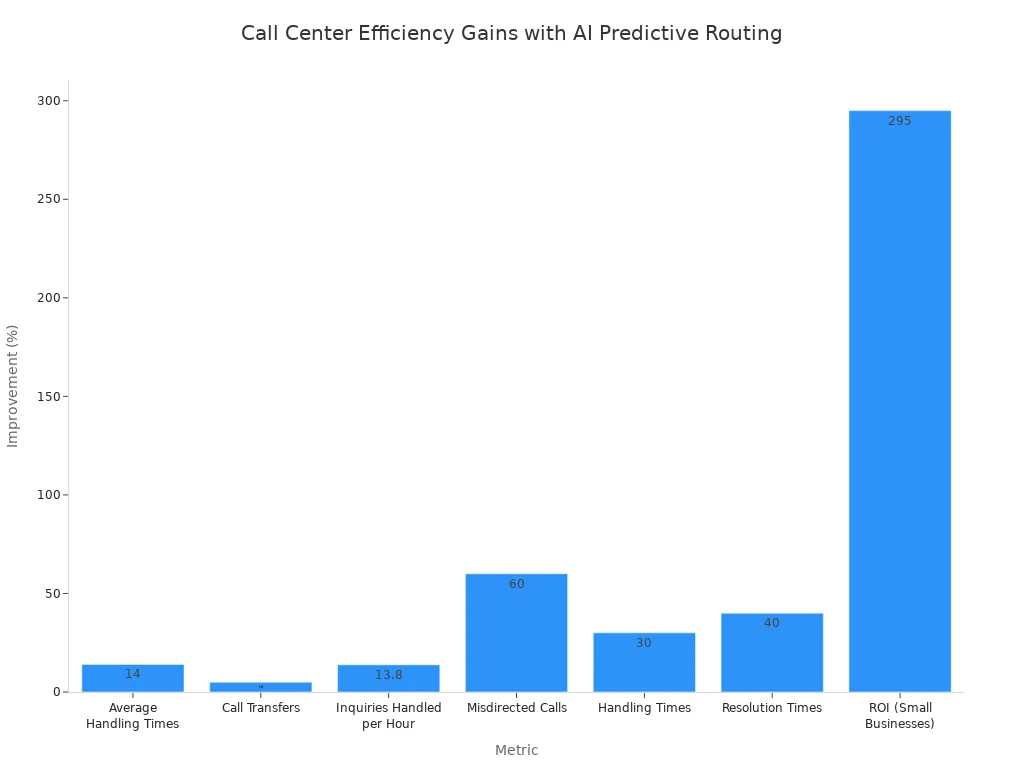
Predictive routing uses AI to connect a customer with the best-suited agent instantly. The system analyzes customer history, inquiry type, and agent skills to make a perfect match, dramatically improving key metrics.
| Metric | Improvement with Predictive Routing |
|---|---|
| Average Handling Time | 14% Drop |
| Misdirected Calls | Up to 60% Cut |
| Resolution Times | 40% Reduction |
| ROI (Small Businesses) | 295% Over Three Years |
Once the call is connected, AI agent-assist tools provide your call center agents with real-time support. This improves the quality of every interaction and boosts agent confidence.
AI in Action: Agent Assist AI-powered tools like Sobot's Voicebot can automate repetitive tasks and provide predictive insights. During a live call, an AI assistant can:
- Suggest relevant knowledge base articles.
- Draft messages and summarize previous customer interactions.
- Provide real-time guidance and checklists for complex issues.
- Automate post-call work like updating the CRM.
This level of support empowers your agents to deliver a superior customer experience, increasing satisfaction and making your management tasks simpler. By integrating AI, you ensure your outbound calls are smarter and your inbound service is more effective.
Measuring and Future-Proofing Call Center Operations
After integrating your services, you must measure success and prepare for the future. Proper performance management ensures your call center operations remain a strategic asset. This involves tracking the right metrics, overcoming challenges, and embracing new technology to enhance customer satisfaction and call center performance.
Key Performance Indicators for a Blended Contact Center
Traditional metrics are not enough for a blended environment. You need performance metrics that capture both inbound quality and outbound effectiveness. Platforms like Sobot give you the power of real-time monitoring and analytics, so you can track the performance metrics that truly matter for your call center management. This data helps you refine your strategy for better results.
Focus on these key indicators to measure the success of your integrated operations:
- Conversion Rates: This measures how many calls achieve the desired outcome, like a sale or a resolved issue. It is a direct indicator of the quality of your interactions.
- Average Handling Time (AHT): This combines talk time with post-call work. A lower AHT often points to better operational efficiency and agent training.
- Revenue per Right Party Contact (RPC): For sales-focused teams, this metric connects outbound efforts directly to revenue, proving the value of your operations.
- Customer Satisfaction (CSAT): This is the ultimate measure of quality. High satisfaction scores show your integrated approach is working for the customer.
Overcoming Common Integration Challenges
Integrating teams can create resistance. Agents may worry about new responsibilities or changes to their workflow. Your management approach is key to overcoming this friction and building an effective call center. You must communicate the benefits clearly to gain buy-in from every customer-facing employee.
💡 Pro Tip: Focus on the "Why" Address agent concerns by highlighting personal benefits. Explain how cross-training increases their skills, job security, and career opportunities. When your team understands how change helps them grow, they become advocates for the new model. This management strategy improves morale and the overall quality of your call center performance.
Involving your team in the process and providing strong training are essential parts of performance management. A supportive environment turns resistance into engagement, which is vital for successful call center operations.
The Future: Generative AI and Hyper-Personalization
The future of customer engagement is intelligent and deeply personal. Generative AI is transforming call center operations by automating routine tasks. This frees your agents to focus on complex, high-value interactions that require a human touch, boosting both agent and customer satisfaction.
This shift enables hyper-personalization at scale. You can now tailor every interaction to a customer's unique history and preferences. This is where Sobot's advanced capabilities give you a competitive edge. As an official WhatsApp Business Solution Provider (BSP), Sobot allows you to connect with customers on their preferred channel. Combined with powerful AI, you can deliver proactive, personalized messages and offers that build loyalty and drive engagement. This forward-thinking approach to call center management ensures your call center performance and customer relationships are future-proof.
In 2025, you must integrate your inbound and outbound call center services. This is a requirement for competitive call center operations. Your management must focus on a superior customer experience. Effective management of this transition creates a better experience for every customer. Your management should prioritize these critical steps for a successful customer engagement strategy:
- Unify your technology stack.
- Cross-train your agent teams.
- Create a shared data ecosystem.
This unified model is the future. Your management of these operations builds intelligent, proactive customer interactions. Your management of the customer journey ensures a positive experience. Your management of inbound and outbound call center services prepares your operations for what customers expect next. This approach transforms your call center operations and the entire customer experience.
FAQ
How does integration improve outbound calls?
Integration enriches your outbound calls with valuable customer data. Your agents see a customer's full history before dialing. This context allows for personalized conversations, turning cold outbound calls into warm, relevant interactions that build trust and improve the customer experience. Your management can track this improved performance.
What is the first step in unifying services?
Your first step is unifying your technology. A single platform breaks down data silos between teams. This gives every agent a complete view of the customer journey. Proper technology management is the foundation for successful integration and more effective outbound calls.
Will integration overwhelm my agents?
With proper management, integration empowers your agents. Cross-training expands their skills and provides more variety in their work. This approach improves job satisfaction and makes your team more flexible. Your management can then adapt to changing call volumes without stressing the team or the customer.
How does this model help a small business customer?
This model helps you deliver enterprise-level service to every customer. It makes your operations more efficient, reducing costs. Your management can use data from inbound interactions to make outbound calls more effective, which helps you grow your business and retain each valuable customer.
See Also
Discovering the Foremost Cloud-Based Contact Center Platforms for 2025
An In-Depth Review of Leading Contact Center Solutions in 2024
Evaluating the Premier Cloud Contact Center Services: A 2024 Analysis
A 10-Step Guide for Deploying Omnichannel Contact Center Solutions Effectively
Your Comprehensive Guide to Understanding Omnichannel Call Center Software