What Is Social Media Customer Service?

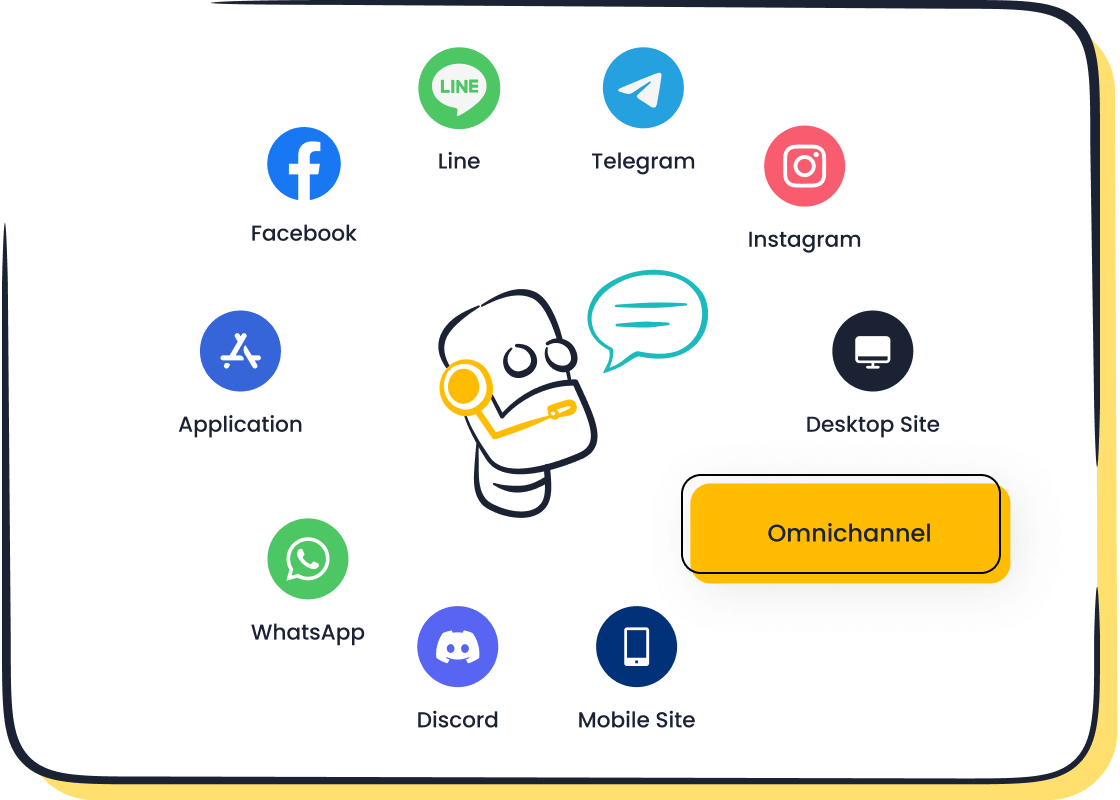
Social media customer service is the practice of using social media channels to provide support to your customer. This social media management strategy includes:
- Answering questions
- Resolving complaints
- Gathering feedback
Customer expectations are evolving, and your brand must meet these new expectations. A strong brand content strategy is key to your social media management. Your social media management strategy builds trust. Engaged customers often spend more with a brand. You need a clear strategy to integrate social media customer service into your social media management. Sobot helps refine your brand's social media management and content strategy. This content and content strategy supports your brand's overall strategy.
Why Social Media Customer Service Matters to Your Customer

Effective social media management goes beyond just posting content; it involves meeting your customer where they are. Your brand needs a clear social media management strategy to meet customer expectations. This strategy builds a strong connection with your audience and enhances the entire customer journey. A good marketing strategy includes social media management.
Meet Customers on Their Preferred Channels
Your customers expect you to be available on the platforms they use daily. Your social media management strategy should focus on presence. Messaging apps like WhatsApp and Facebook Messenger offer convenient ways for a customer to reach out. Many brands find success by being active on diverse platforms. Your brand can build a community and find insights on these channels:
- Reddit: Connect with potential customers in over 100,000 communities.
- Yelp: Improve your brand visibility for millions of monthly users.
- TikTok: Manage your brand reputation where users share video content.
- Discord: Offer real-time support and foster community-driven development.
Your social media management should adapt to new social media trends and platforms where your audience gathers. This marketing approach shows your brand is accessible.
Build Brand Trust and Loyalty
A responsive and helpful social media management presence builds trust. When you answer questions and solve problems publicly, you show transparency. This public engagement demonstrates that your brand values its community. Strong storytelling in your content helps your audience feel connected to your brand. This consistent engagement turns followers into loyal advocates. Your brand strategy should prioritize this trust-building through every interaction and piece of content. Good community management is key.
Enable Proactive Support and Engagement
Great social media management is not just reactive. You can use your platforms for proactive engagement. Your marketing team can monitor conversations to anticipate customer needs. This strategy allows your brand to offer solutions before a problem escalates. Proactive storytelling and content can educate your audience, reducing the need for support tickets. This level of audience engagement shows your brand is a true partner. Your social media marketing efforts should include this forward-thinking strategy.
Gather Valuable Customer Insights
Every interaction on social media is an opportunity to learn. Your social media strategy should include gathering insights to refine your marketing and content. Your brand can uncover powerful information about your audience and their expectations.
By analyzing conversations, you can gather deep insights. This data helps you improve your products, services, and overall social media marketing.
Your social media management provides direct access to these insights:
- Discovering customer demographics and interests.
- Analyzing audience sentiment about your brand and content.
- Learning what your audience appreciates about your products.
- Identifying opportunities for improvement from feedback.
- Understanding what drives your audience to make purchases.
These insights are crucial for a successful content and marketing strategy.
Key Components to Integrate Social Media Customer Service
To successfully integrate social media customer service, you need more than just a presence on social platforms. You need a structured framework that connects your social media management efforts to your broader business goals. This involves monitoring conversations, defining clear rules for engagement, connecting your tools, and measuring your performance. Building this foundation helps your brand deliver consistent and effective support to every customer.
Social Media Monitoring and Listening
Effective social media management starts with listening. Social media monitoring is not just about catching direct @mentions of your brand. It is a strategic practice to understand brand sentiment, track your reputation, and gain valuable insights from your audience. This process acts as an early warning system, helping you spot potential customer service issues before they escalate.
By actively monitoring your channels, you can catch burgeoning issues in real time. This is often where you will first discover trends in the customer experience or ongoing product problems.
A strong listening strategy helps your brand in several ways:
- Understand Customer Interests: You can learn what topics your audience engages with and what frustrates them. This data helps you create more relevant content and provide empathetic care.
- Manage Brand Reputation: You can track every relevant mention to address conversations that could harm your brand and amplify positive sentiment from your community.
- Identify Sales Opportunities: You can find conversations from users seeking solutions your brand offers, allowing for timely engagement and better conversion tactics.
- Monitor Competitors: You can track what your audience says about similar brands to benchmark your performance and find gaps in the market.
To build your listening strategy, you should define your objectives, choose the right tools, identify relevant keywords, and use analytics to interpret the data. This approach turns raw data into actionable insights for your marketing and support teams.
Clear Engagement and Response Protocols
Once you are listening, you need a clear plan for how to respond. An engagement and response protocol is a set of guidelines for your team. It ensures every customer interaction is consistent, professional, and aligned with your brand voice. This is especially critical when handling complaints or negative feedback in a public forum.
Your response protocol should prioritize timely, transparent, and personalized communication. Here are key steps to follow when a customer reaches out with an issue:
- Respond Quickly: Speed is crucial. Customers on social media expect fast replies, often within an hour. A quick response shows your audience you are attentive and can prevent negative sentiment from spreading.
- Acknowledge and Apologize: Start by acknowledging the customer's problem and offering a sincere apology for their experience. This simple act of empathy can diffuse frustration and shows your brand is committed to satisfaction.
- Personalize Your Response: Avoid generic, copy-pasted replies. Use the customer’s name and refer to their specific issue. Personalization makes your audience feel valued as individuals and strengthens their connection to your brand.
- Move the Conversation Private: After a public acknowledgment, ask the customer to switch to a private channel like a direct message (DM). This protects their sensitive information and allows your team to handle the resolution discreetly.
Following these steps turns a negative experience into an opportunity to build trust. A well-handled complaint can transform a frustrated customer into a loyal advocate for your brand. This consistent engagement is a cornerstone of great social media management.
Integration with CRM Systems
Your social media channels should not operate in a silo. A critical step to integrate social media customer service is connecting it with your other business systems, especially your Customer Relationship Management (CRM) platform. This integration creates a single, unified view of each customer.
When your social media management tools are connected to your CRM, your support team gains a complete picture of the customer journey. They can see past purchases, previous support tickets, and other interactions. This context allows for more personalized and efficient service. For example, solutions like Sobot's Omnichannel Solution provide this unified workspace. They offer seamless integration with major platforms like Salesforce and Shopify. This connection centralizes all client interactions, from social media comments to e-commerce history, onto a single platform.
This level of integration offers powerful benefits for brands:
- A Complete Customer View: Your teams can better understand customer expectations and behavior across all touchpoints.
- Personalized Engagement: With full context, you can deliver personalized recommendations and solutions, which can increase sales. Shoppers often spend 20% to 40% more with brands that respond quickly on social media.
- Improved Efficiency: Agents no longer need to switch between different systems to find information. This removes friction from the support process and reduces resolution times.
Ultimately, this integration transforms your social media management from a standalone function into a core part of your customer experience strategy.
Performance Analytics and Reporting
You cannot improve what you do not measure. Performance analytics and reporting are essential for understanding the effectiveness of your social media customer service strategy. By tracking the right metrics, you can demonstrate the value of your efforts, optimize your processes, and make data-driven decisions.
Your social media analytics should focus on metrics that connect directly to business outcomes. Instead of just tracking likes and shares, measure how your social media management impacts customer satisfaction and your bottom line.
Key performance indicators (KPIs) for social media support serve as an early warning system. They signal issues before they impact sales and provide insights into how customers perceive their experience.
Here are some essential metrics to track with your analytics:
- Customer Satisfaction (CSAT): Measures short-term happiness with a specific interaction.
- Net Promoter Score (NPS): Gauges long-term customer loyalty to your brand.
- Average Resolution Time: Tracks how long it takes your team to resolve a support ticket from start to finish.
- Issue Resolution Rate: Monitors the percentage of customer service requests successfully handled on social media.
Regularly reporting on these analytics helps you justify your marketing spend and secure budgets. When you can show how your social media marketing and support efforts contribute to revenue and customer loyalty, you create a compelling story for company leadership. These insights also allow you to refine your content, adjust your strategy, and continuously improve the experience for your audience and community.
How to Provide Effective Social Media Support

Providing effective support on social media requires a thoughtful strategy. Your social media management must be more than just responsive; it needs to be consistent, efficient, and human. You can turn your social channels into powerful tools for customer satisfaction. This involves defining your brand personality, setting clear expectations for your audience, using automation wisely, and knowing when a conversation needs more privacy.
Establish a Clear Brand Voice
Your brand voice is the personality your brand shows in all its content and communications. A clear brand voice makes your social media management feel consistent and authentic. It helps your audience build a stronger connection with your brand. Your storytelling should reflect this voice in every reply, post, and piece of video content. This consistency builds trust and makes your engagement more memorable.
Different brands use unique voices to connect with their community. Your strategy should define what your brand's personality is.
- Helpful and Professional: Brands like Nike use a dedicated support account to calmly reassure customers. They ask specific questions to solve problems effectively.
- Fun and Sassy: Wendy's is famous for its humorous and witty social media management. This unique voice allows them to handle customer service with personality while still being helpful.
- Empathetic and Generous: Zappos builds its entire brand around "wowing" the customer. Their storytelling often highlights how they go above and beyond, showing deep empathy in their engagement.
Your brand voice guides your team on how to communicate. This ensures every customer interaction reinforces your brand identity and strengthens your relationship with your audience. Good storytelling makes your brand more than just a company; it makes you a trusted partner.
Set Fast and Realistic Response Times
On social media, your audience expects speed. A slow response can turn a minor issue into a major complaint. Setting fast and realistic response times is a critical part of your social media management strategy. When you meet or exceed customer expectations, you show your audience that you value their time.
Customer expectations vary by platform. Your social media management strategy should account for these differences.
Research shows that on fast-paced platforms, speed is essential. A quick acknowledgment can prevent a customer's frustration from growing while your team works on a solution.
Here is what your audience generally expects:
- Twitter: 78% of users expect a response within one hour.
- Facebook: 85% of customers anticipate a reply within six hours.
- Instagram: A response within an hour is considered best practice for top-tier engagement.
Meeting these expectations is key to a positive customer journey. A timely response shows your brand is attentive and reliable. This builds confidence in your community and encourages future interactions. Your social media marketing efforts benefit when your audience knows they can count on you for quick support.
Automate Repetitive Tasks with AI
Managing a high volume of inquiries can overwhelm your support team. Automation is a powerful strategy to handle this challenge efficiently. Using artificial intelligence, you can provide instant answers to common questions. This frees up your human agents to focus on more complex issues that require a personal touch.
AI-powered tools can handle a significant portion of routine queries. Studies show that chatbots can resolve up to 80% of common customer questions without human help. This automation is a game-changer for social media management.
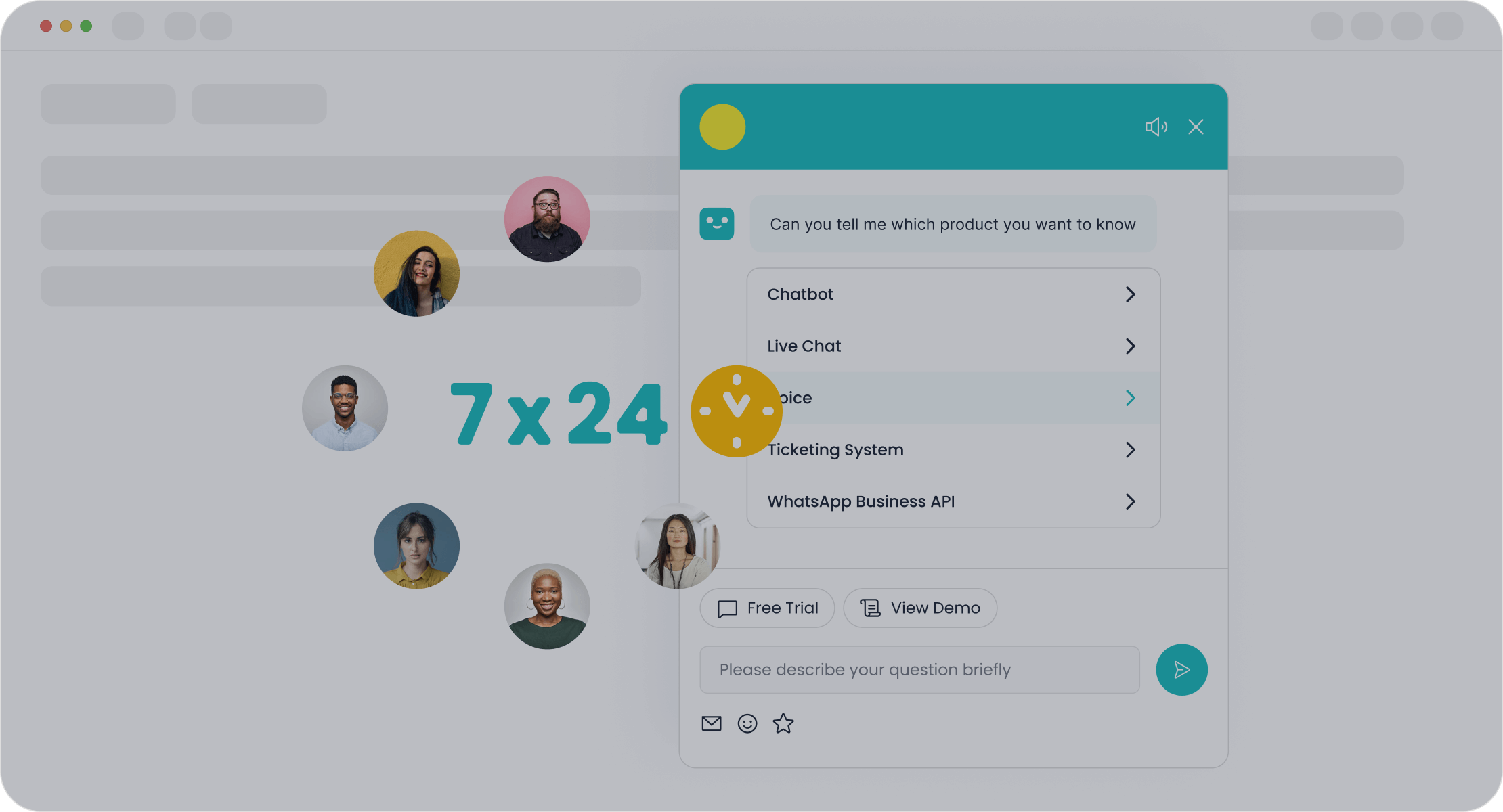
A great example is the Sobot AI Chatbot. It provides 24/7 support, ensuring your audience gets help anytime. Its multilingual capabilities allow you to serve a global community in their preferred language. This level of automation helps you cut costs while improving the customer experience.
Implementing automation offers several key benefits:
- 24/7 Availability: AI is always on. This means your brand can offer support even outside of business hours, which greatly improves customer satisfaction.
- Instant Responses: Customers no longer have to wait for an agent. Automation provides immediate answers, reducing frustration and wait times.
- Increased Efficiency: By handling simple tasks, automation allows your team to be more productive. They can dedicate their expertise to high-value interactions.
This smart use of technology enhances your social media management. It ensures your brand delivers fast, consistent, and scalable support to your entire audience.
Know When to Move Conversations Offline
Not every issue should be resolved in a public feed. Your social media management strategy must include clear guidelines on when to move a conversation to a private channel. This protects your customer's privacy and allows for a more focused resolution. Publicly acknowledging the issue first and then shifting to a private channel shows your entire community that you are responsive.
You should move a conversation offline in several situations:
- When you need to collect personal information like an email address, order number, or account details.
- When the issue is complex and requires multiple back-and-forth steps to resolve.
- When the customer is highly emotional and a private conversation would be more productive.
Transitioning the conversation smoothly is important. You can ask the customer to send you a direct message (DM) or move the discussion to a more secure platform like WhatsApp. As an official WhatsApp Business Solution Provider (BSP), Sobot helps brands manage these private conversations securely and efficiently. Using a verified BSP ensures your communications are encrypted and compliant with platform policies, which builds trust with your audience. This approach combines public transparency with private, secure problem-solving, creating a better experience for everyone. This is a key part of a modern social media management strategy.
Challenges in Social Media Management and How to Solve Them
Effective social media management faces challenges. Your brand will encounter high inquiry volumes, negative feedback, and the need for consistent service. You need a clear strategy to overcome these hurdles. This strategy will strengthen your brand and your relationship with your audience. Good analytics and data help you navigate these issues.
Managing High Inquiry Volumes
A surge in questions can overwhelm your team. Your social media management strategy must prepare for this. An omnichannel platform is a powerful solution. It unifies your channels into one workspace. This improves your social media management.
A great example is Opay. The financial service platform used Sobot's omnichannel solution to manage high volumes. This strategy improved their customer satisfaction from 60% to 90%. The brand also saw a 20% reduction in costs.
This approach shows how technology helps your social media management. You can use analytics to track key metrics and anticipate peak times. This data gives you insights to adjust your strategy. Your brand can use these analytics to improve content and support your community.
Handling Negative Feedback and Trolls
Your brand will receive negative comments. Your social media management must have a plan. You should respond quickly and professionally to your audience. Acknowledge the issue and move the conversation to a private channel. This shows your community you care. However, you must also identify trolls. Trolls often ignore facts and use a condescending tone.
Do not engage in arguments. Your social media management strategy should be to:
- Stay calm and professional.
- Use your platform's tools to block or report them.
- Focus on genuine feedback from your audience.
This community management approach protects your brand reputation. It turns negative feedback into valuable insights. Your analytics can track sentiment data. This helps you refine your content and strategy.
Maintaining Consistent Service Quality
Your brand needs to deliver consistent service. Every customer should have a great experience. Your social media management must ensure a uniform brand voice. This is hard with a large team. Training and quality assurance are key.
You can use scorecards to measure performance. These analytics track important metrics for your brand.
- Balance hard and soft skills: Your analytics should measure both rule adherence and empathy.
- Adapt to each channel: Your content and tone may change slightly between platforms.
- Review and calibrate: Use data and insights to update your training content.
This strategy helps your team embody your brand voice. It uses data and analytics to monitor social media trends and keep your service excellent. This builds trust with your audience and strengthens your community.
Your brand must integrate social media customer service into its core strategy. This approach is no longer optional for effective social media management. A strong social media strategy helps your brand build a lasting connection with your audience. Your brand can improve its customer service with a clear strategy.
Your brand should remember these key points for your social media strategy:
- Meet your customer on their preferred channels to improve engagement.
- Integrate social media customer service with an omnichannel strategy for a unified brand experience.
- Use tools like AI chatbots to enhance your social media management and content strategy.
Ready to enhance your brand interactions? Embark on your contact journey with the right tools.
FAQ
How do I start with social media customer service?
You can start by choosing the right channels for your brand. Monitor conversations about your brand. Create clear guidelines for your team. This helps your brand respond consistently. You should also define key metrics to track your progress. This data will guide your brand strategy.
What are the most important metrics to track?
You should track several important metrics. Customer satisfaction (CSAT) is a key metric. Average response time is another vital metric. These metrics give you valuable data. This data helps your brand understand performance. Good analytics provide deep insights into your service quality and brand health.
How should my brand handle negative comments?
Your brand should respond to negative comments quickly. Acknowledge the customer's issue publicly. Then, move the conversation to a private channel. This action protects customer data. It also shows your brand is responsive. Use these metrics and data to improve your service.
Why is a consistent brand voice important?
A consistent brand voice builds trust with your audience. It makes your brand feel reliable and familiar. Every interaction should reflect your brand's personality. This consistency strengthens your customer relationships. Your team needs good data and metrics to maintain this voice across all channels.
See Also
Essential Tips for Selecting Your Ideal Social Media Customer Service Software
How AI-Powered Agents Are Revolutionizing the Landscape of Customer Support
Elevate Your SaaS Customer Support Through Effective Live Chat Strategies
Discover the Top 10 Leading Customer Service Software Solutions for 2024
Unlocking Higher E-commerce Customer Satisfaction with Intelligent Chatbot Solutions

