Steps to Integrate AI Customer Service Platform in 2025


AI is revolutionizing customer service, and by 2025, its impact will be undeniable. Businesses will rely on predictive analytics and AI-driven insights to anticipate customer needs, offering proactive solutions like deadline reminders and personalized guidance. This approach not only enhances customer loyalty but also demonstrates a deep understanding of customer expectations. For instance, 80% of customer service organizations will use generative AI to boost productivity and improve the customer experience.
A structured approach to integrating an AI customer service platform ensures maximum benefits. AI tools provide 24/7 support, reduce wait times, and personalize interactions, leading to higher satisfaction. Platforms like Sobot simplify this process. Sobot AI combines advanced features like chatbots and sentiment analysis with scalability, making it a top choice for businesses aiming to transform their customer service operations.
Identify Business Goals and Customer Challenges
Define Objectives for AI in Customer Service
Align AI capabilities with business goals.
You need to start by identifying how AI can help achieve your business objectives. AI in customer service offers several benefits that align with common goals. For instance, it can decrease costs by automating routine inquiries, such as order tracking or FAQs. It also improves customer satisfaction by providing 24/7 support, reducing wait times, and delivering instant responses. AI tools like Sobot can summarize complex conversations quickly, enabling your agents to focus on resolving issues rather than gathering information. This efficiency not only enhances service quality but also boosts agent productivity.
Other goals include optimizing operations and personalizing customer experiences. AI can analyze customer data to suggest tailored solutions, ensuring every interaction feels relevant. Additionally, it handles high support demand by managing multiple requests across channels, ensuring no customer is left waiting.
Address specific customer pain points with AI.
AI in customer service addresses many challenges that customers face. For example, education organizations often struggle to meet students' expectations for fast responses. AI-powered chatbots can provide instant answers, improving self-service options. Businesses that handle complex inquiries benefit from integrated platforms like Sobot, which allow agents to collaborate efficiently and solve problems intelligently. Retail brands can unify sales, marketing, and support through AI, creating a seamless customer journey.
By addressing these pain points, AI ensures customers receive timely, accurate, and personalized support. This approach not only resolves issues faster but also builds trust and loyalty.
Analyze Current Customer Service Workflows
Map existing processes to identify gaps.
To integrate AI effectively, you must first understand your current workflows. Start by evaluating existing processes to identify bottlenecks or inefficiencies. For example, are customers experiencing long wait times? Are agents spending too much time on repetitive tasks? Collect feedback from both customers and employees to uncover pain points. This analysis will help you pinpoint areas where AI can make the most impact.
Standardizing procedures is another critical step. Consistent workflows ensure that AI tools like Sobot can seamlessly integrate into your operations. For instance, automating routine inquiries allows agents to focus on complex issues, improving overall efficiency.
Highlight areas where AI can add value.
AI adds value by improving key performance indicators (KPIs) in customer service. Metrics like first-contact resolution, customer satisfaction scores, and average resolution time often see significant improvements with AI integration. For example, Sobot’s AI tools provide real-time access to customer data, enabling agents to resolve issues faster. AI also ensures consistent application of company policies, reducing errors and enhancing service quality.
Other areas where AI excels include handling complex decision-making, integrating historical customer context, and providing 24/7 support. By focusing on these aspects, you can ensure your AI investment delivers measurable results.
Select the Right AI Customer Service Platform
Evaluate AI Tools and Features
Compare platforms like Sobot for their capabilities.
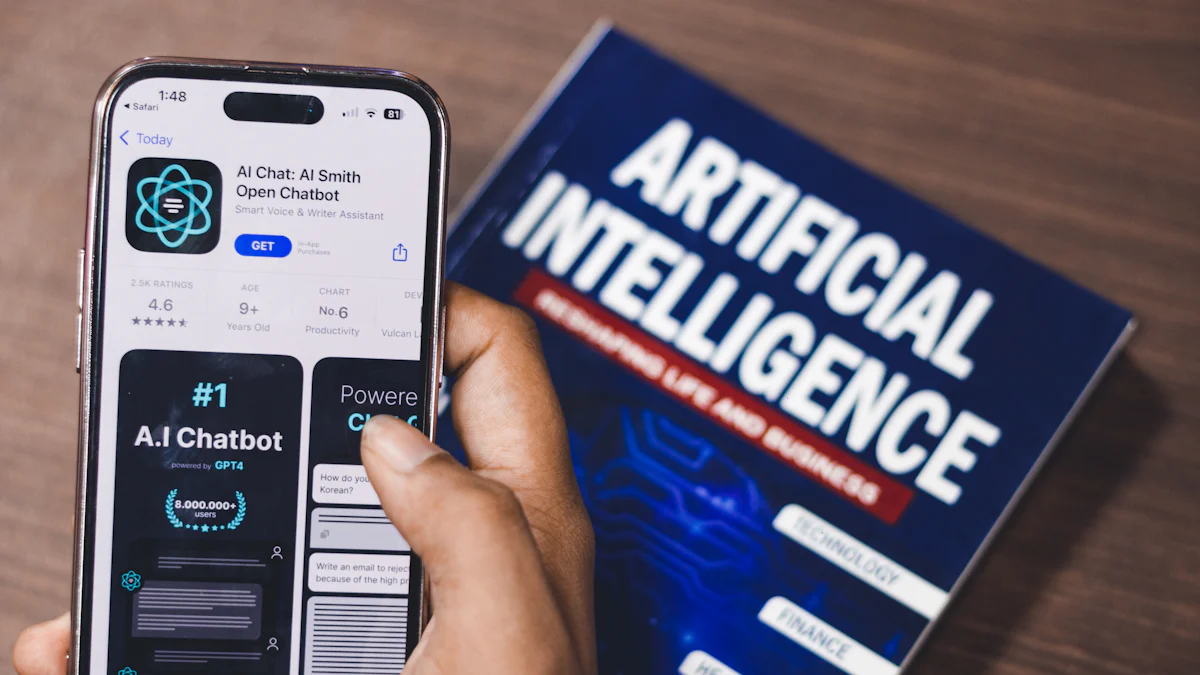
When choosing an AI customer service platform, you need to evaluate its features and how they align with your business needs. Platforms like Sobot stand out for their advanced capabilities, including chatbots that handle routine inquiries and sentiment analysis tools that gauge customer emotions. These features ensure faster responses and more personalized interactions.
To make an informed decision, consider the following criteria:
| Criteria | Description |
|---|---|
| Clear Error Messages | Provides concise, friendly, and informative error messages. |
| Escalation to Human Agents | Ensures smooth transitions to human agents when needed. |
| Integrating with Other Tools | Seamlessly connects with existing systems like CRM or helpdesk software. |
| Handling User Growth | Manages increasing user volumes without performance issues. |
| Tracking Key Metrics | Tracks response times, resolution rates, and customer satisfaction. |
Sobot excels in these areas, offering robust integration options and scalability to meet growing demands. Its ability to track key metrics ensures you can measure the platform's impact on your customer service goals.
Look for features such as chatbots and sentiment analysis.
The right AI customer service platform should include essential features that enhance efficiency and customer satisfaction. Chatbots, for instance, can handle repetitive tasks like answering FAQs or processing refunds, freeing up your agents for more complex issues. Sentiment analysis tools provide insights into customer emotions, helping you tailor responses to improve experiences.
Sobot’s AI tools combine these features with real-time data access, enabling your team to deliver faster and more accurate solutions. This combination ensures your platform not only meets current needs but also adapts to future challenges.
Ensure Scalability and Flexibility
Choose solutions that grow with your business.
Scalability is crucial when selecting an AI customer service platform. As your business grows, the platform must handle increasing user volumes without compromising performance. Sobot’s architecture supports high user traffic, ensuring consistent service quality even during peak times. Additionally, its customizable features allow you to adapt the platform to evolving business requirements.
A flexible approach to AI integration also helps you stay ahead of industry trends. By adopting scalable solutions like Sobot, you can expand your AI capabilities as your customer base grows.
Ensure seamless integration with existing systems.
Integrating AI with your current workflows requires careful planning. The platform should connect seamlessly with tools like CRM or helpdesk software to avoid disruptions. Sobot simplifies this process by offering robust integration capabilities, ensuring smooth data flow across systems. This reduces the risk of siloed data and enhances productivity.
To address potential challenges, focus on data standardization and quality management. High-quality data ensures accurate AI predictions, while effective integration enhances your team's ability to utilize these insights. Sobot’s compatibility with various systems makes it an ideal choice for businesses seeking a seamless transition to AI-powered customer service.
Plan AI Integration into Workflows
Develop a Step-by-Step Implementation Plan
Start with a pilot program for testing.
Starting small is the best way to integrate AI into your workflows. A pilot program allows you to test AI tools in a controlled environment. Begin by defining clear goals for the pilot. For example, you might aim to reduce response times or improve first-contact resolution rates. Next, assess the quality and accessibility of your data. AI systems rely on accurate data to deliver meaningful results. Platforms like Sobot can help you analyze and organize your data effectively.
Once your data is ready, choose the right AI technology for the pilot. Sobot’s AI tools, such as chatbots and sentiment analysis, are ideal for testing customer service improvements. Train your team to use these tools and foster a culture of AI innovation. Finally, test and evaluate the AI models in real-world scenarios. Use the results to refine the system before expanding its usage.
Gradually expand AI usage across workflows.
After a successful pilot, you can gradually expand AI integration across your workflows. Start by identifying additional areas where AI can add value. For instance, you might automate repetitive tasks like order tracking or enhance personalization through predictive analytics. Sobot’s scalable solutions make it easy to extend AI capabilities without disrupting existing processes.
Monitor performance metrics, such as customer satisfaction scores and resolution times, to measure the impact of AI. Use these insights to fine-tune the system and ensure it aligns with your business goals. A gradual approach minimizes risks and builds confidence in AI’s potential.
Collaborate Across Teams
Involve IT, customer service, and management teams.
AI integration requires collaboration across multiple teams. IT teams ensure the technology works seamlessly with your existing systems. Customer service teams provide insights into pain points and workflows. Management teams align AI initiatives with broader business objectives. By involving all stakeholders, you create a unified strategy that maximizes the benefits of AI.
Cross-team collaboration also reduces challenges like "collaboration drag," which affects 84% of marketers. AI tools like Sobot enable real-time data sharing, helping teams act on customer information faster. This improves efficiency and ensures a smoother integration process.
Define clear roles and responsibilities.
Clear roles and responsibilities are essential for successful AI integration. Assign specific tasks to each team. For example, IT teams can handle technical setup, while customer service teams focus on training and feedback. Management teams should oversee the project and ensure alignment with business goals.
Open communication channels are crucial. Regular meetings and updates keep everyone informed and aligned. This approach fosters teamwork and ensures that AI tools, such as those offered by Sobot, deliver maximum value. Collaboration not only enhances customer experiences but also drives innovation by leveraging insights from different teams.
Train AI Systems and Human Teams
Train AI for Optimal Performance
Use historical data to train AI models.
Training AI systems begins with leveraging historical data to build accurate and reliable models. Data preparation plays a critical role in this process. Transforming raw data into an analyzable format ensures the AI system can learn effectively. This step often requires up to 80% of the effort in setting up AI systems. High-quality data directly impacts the performance of AI-powered solutions, making it essential to focus on accuracy and relevance.
To enhance data security during this process, you should adopt best practices such as encrypting data end-to-end and using secure storage solutions. Additionally, logging and monitoring data access can help detect unauthorized activities. These measures not only protect sensitive customer support data but also ensure compliance with regulations.
Continuously update AI with new data.
AI systems require regular updates to maintain their effectiveness. Continuous monitoring helps identify performance issues, while real-time feedback ensures smooth operation. Establishing a regular training schedule allows you to keep AI models competitive and aligned with evolving customer needs. For example, Sobot’s automated response systems can adapt to new customer queries by incorporating fresh data into their training cycles.
Performance testing is another critical step. By evaluating speed and accuracy, you can identify areas for improvement. Defining key performance indicators (KPIs) ensures your AI system remains aligned with business goals, delivering consistent results in customer support.
Upskill Human Teams for AI Collaboration
Provide training on using AI tools like Sobot.
Human teams must understand how to use AI tools effectively. Familiarity with platforms like Sobot enables your staff to maximize the benefits of AI-powered solutions. Training programs should focus on key features such as chatbots and sentiment analysis. These tools streamline customer support by automating routine tasks and providing actionable insights.
Encourage your team to explore Sobot’s intuitive interface and real-time data capabilities. This hands-on approach builds confidence and ensures seamless collaboration between humans and AI systems.
Emphasize the importance of human oversight.
Human oversight remains vital in AI-driven customer support. It ensures transparency by making AI decisions understandable and trustworthy. Continuous monitoring by your team helps identify and correct errors in real time, preventing disruptions. For example, in industries like finance, human intervention can mitigate legal risks associated with AI errors.
Critical thinking and problem-solving skills are essential for effective oversight. Encourage your team to analyze AI outputs critically and make informed decisions. This balance between automation and human judgment enhances customer satisfaction and builds trust in your services.
Test and Iterate AI Solutions
Conduct Thorough Testing
Test AI in real-world scenarios.
Testing AI in real-world scenarios ensures it performs effectively under diverse conditions. You should evaluate your AI tools in environments that mimic actual customer interactions. For instance, test how well the system handles noisy backgrounds, varying distances, or accents during voice-based customer inquiries. Similarly, assess video-based AI tools under different lighting conditions to ensure consistent performance.
Follow a structured approach to testing. Use separate validation and test datasets to measure the AI model's accuracy and reliability. Metrics like precision, recall, and F1 score help you evaluate its effectiveness. Platforms like Sobot provide tools to monitor these metrics, ensuring your AI aligns with your customer service operations. Regular testing also prepares your system to adapt to changing customer needs and business goals.
Identify and resolve issues before full deployment.
Before deploying AI across your customer service operations, identify and address potential issues. Continuous monitoring during testing helps you spot errors, such as misinterpreted customer inquiries or delays in response times. For example, if your AI struggles with specific accents, retrain it using diverse datasets to improve accuracy.
Sobot’s AI tools simplify this process by offering real-time feedback and performance tracking. Use these insights to refine your system and ensure it meets your standards. Resolving issues early minimizes disruptions and builds trust with your customers.
Gather Feedback and Improve
Collect feedback from customers and employees.
Feedback is essential for improving AI performance. Gather input from customers through surveys, focus groups, or social media monitoring. This helps you understand their experiences with AI-driven customer service operations. For example, customers might highlight areas where the AI failed to resolve their inquiries or lacked personalization.
Employee feedback is equally valuable. Your team can provide insights into how well the AI supports their workflows. Sobot’s intuitive interface makes it easier for employees to share their experiences, helping you identify areas for improvement.
Use insights to refine AI performance.
Use the feedback you collect to enhance your AI tools. Implement performance metrics like response times and resolution rates to measure how effectively the AI handles customer inquiries. For instance, if response times are slower than expected, optimize the AI’s algorithms to improve efficiency.
Regular updates and retraining ensure your AI adapts to evolving customer needs. Sobot’s scalable solutions allow you to refine your system without disrupting your customer service operations. This iterative approach ensures your AI remains a valuable asset for delivering exceptional customer experiences.
Maintain a Human Touch in AI Customer Service

Balance Automation with Personalization
Use AI for routine tasks, leaving complex issues to humans.
AI excels at handling repetitive tasks, such as answering FAQs or processing refunds. By automating these routine inquiries, you can free up your human agents to focus on more complex and emotionally sensitive issues. For example, Sobot’s AI tools efficiently manage high volumes of simple requests, ensuring faster resolutions. This hybrid approach combines the speed of AI with the empathy of human agents, creating a balanced customer service experience.
To achieve this balance, follow these strategies:
- Recognize potential biases in AI models and address them.
- Use diverse and updated training data to improve AI accuracy.
- Regularly test AI systems to ensure fairness and reliability.
- Implement explainable AI (XAI) to maintain transparency.
- Allow AI to handle initial interactions while reserving complex cases for human agents.
This method ensures customers receive accurate, efficient, and empathetic support.
Ensure customers can easily reach a human agent.
While AI can handle many tasks, some situations require human intervention. Always provide customers with an easy way to connect with a human agent. For instance, Sobot’s platform includes seamless escalation features, ensuring smooth transitions from AI to human support. This capability is crucial for resolving complex issues or addressing customer frustrations.
Empathy remains a cornerstone of excellent service. By maintaining a human touch, you can build trust and foster long-term customer relationships.
Monitor Customer Satisfaction
Track metrics like response time and resolution rates.
Monitoring customer satisfaction helps you evaluate the effectiveness of your AI-driven service. Key metrics to track include:
| Metric | Description |
|---|---|
| Average Handling Time (AHT) | Measures how quickly customer inquiries are resolved. |
| Response Time | Tracks the speed of replies to customer questions. |
| Ticket Volume Handled per Time Unit | Shows how many inquiries AI manages, reflecting its efficiency. |
| Resolved on Automation Rate (ROAR) | Indicates the percentage of issues resolved without human help. |
| Customer Satisfaction (CSAT) | Collects feedback to assess the quality of service provided. |
Sobot’s tools allow you to monitor these metrics in real time, helping you identify areas for improvement.
Adjust AI-human interaction balance as needed.
Customer needs evolve, and so should your AI-human interaction strategy. Regularly review performance data to determine if adjustments are necessary. For example, if CSAT scores drop, consider increasing human involvement in customer interactions. Sobot’s flexible platform makes it easy to fine-tune this balance, ensuring your service remains both efficient and personal.
By continuously refining your approach, you can deliver exceptional customer experiences that combine the best of AI and human expertise.
Stay Updated with AI Advancements
Monitor Industry Trends
Keep up with the latest AI developments.
Staying informed about AI advancements ensures your customer service strategy remains competitive. Proactive service is one of the most significant trends. AI tools now anticipate customer needs, offering solutions before issues arise. For example, platforms like Sobot use predictive analytics to suggest personalized recommendations, enhancing customer satisfaction.
Hybrid support models are also gaining traction. These models combine AI efficiency with human empathy, creating a seamless experience. While AI handles routine tasks, human agents address complex issues. This approach builds trust, especially since 64% of consumers prefer companies to limit AI use in customer service. Transparency and balance are key to earning customer confidence.
Another trend focuses on improving employee experiences. AI tools streamline workflows, reducing repetitive tasks and enabling flexible work arrangements. This not only boosts productivity but also enhances job satisfaction. Monitoring these trends helps you adapt your AI customer service platform to meet evolving expectations.
Attend conferences and webinars on AI in customer service.
Conferences and webinars provide valuable insights into the latest AI innovations. Events like the AI Customer Experience Summit showcase cutting-edge tools and strategies. Attending these sessions helps you learn from industry leaders and discover practical applications for your business.
Webinars often feature case studies, offering real-world examples of successful AI integration. For instance, you might explore how Sobot’s AI tools improve response times and customer satisfaction. These events also connect you with experts, fostering collaboration and innovation. Regular participation ensures you stay ahead in the rapidly evolving world of AI customer service.
Regularly Update AI Tools
Work with providers like Sobot for updates.
Partnering with reliable providers ensures your AI tools remain effective. Sobot, for example, offers regular updates to enhance its features. These updates include improved chatbots, advanced sentiment analysis, and better integration capabilities. By working closely with providers, you can access the latest advancements without disrupting your workflows.
Regular updates also address security concerns. AI tools must comply with data protection regulations like GDPR. Providers like Sobot prioritize security, ensuring your customer data remains safe. Staying updated minimizes risks and keeps your AI customer service platform running smoothly.
Ensure tools remain cutting-edge and effective.
AI technology evolves rapidly. To maintain a competitive edge, you must ensure your tools stay up-to-date. Regular performance reviews help identify areas for improvement. For instance, if your AI struggles with specific customer queries, retraining it with new data can enhance accuracy.
Sobot’s scalable solutions make it easy to adapt to changing needs. Its tools integrate seamlessly with existing systems, ensuring consistent performance. By prioritizing updates, you can deliver exceptional customer experiences while staying ahead of industry trends.
Budget for AI Implementation
Plan for Initial and Ongoing Costs
Allocate funds for software, training, and maintenance.
Implementing an AI customer service platform requires careful financial planning. You need to account for both initial and ongoing costs. Initial expenses often include software licensing fees, which can range from $10,000 to $100,000 annually, depending on the number of users and the level of customization. If you opt for an on-premise solution, hardware costs may add $1,000 to $5,000 per server. For cloud-based platforms like Sobot, these hardware expenses are eliminated, making it a more cost-effective choice.
Ongoing costs include regular maintenance and employee training. Maintenance fees for custom AI solutions can range from $10,000 to $50,000 annually. Training your team ensures they can effectively use tools like Sobot’s chatbots and sentiment analysis features. By investing in these areas, you set the foundation for a successful AI integration that enhances customer service efficiency.
Consider ROI to justify the investment.
Calculating the return on investment (ROI) helps you justify the costs of AI implementation. Start by measuring performance metrics such as response times, resolution rates, and customer satisfaction scores. AI platforms like Sobot reduce the price per resolution by automating routine tasks and improving scalability. For example, automating FAQs or order tracking can significantly lower operational costs.
You should also evaluate the total cost of ownership, including implementation and maintenance expenses. An iterative approach—tracking metrics, gathering feedback, and refining strategies—ensures continuous improvement. This process not only enhances customer experiences but also drives long-term business growth.
Leverage Cost-Effective Solutions
Explore scalable platforms like Sobot.
Scalable AI platforms offer a cost-effective way to grow your business. Sobot, for instance, adapts to your needs as your customer base expands. Its tools automate tasks like ticket management and sentiment analysis, saving time and resources. These efficiencies allow you to focus on delivering exceptional customer experiences without incurring significant additional costs.
Small and medium-sized businesses benefit from Sobot’s affordability. Its flexible pricing models ensure you only pay for what you need, making it an ideal choice for businesses looking to optimize their customer service operations.
Use subscription-based models to manage costs.
Subscription-based models simplify budgeting for AI implementation. Platforms like Sobot offer predictable monthly or annual fees, eliminating the need for large upfront investments. This approach makes it easier to manage costs while accessing advanced features like chatbots and real-time analytics.
By choosing a subscription model, you can allocate funds more effectively. These models also include regular updates and support, ensuring your AI tools remain cutting-edge. This strategy helps you maintain high-quality customer service while keeping expenses under control.
Ensure Data Privacy and Compliance
Understand Relevant Regulations
Familiarize yourself with laws like GDPR and CCPA.
When using an AI customer service platform, you must comply with data protection laws like GDPR and CCPA. These regulations ensure customer data is handled responsibly and transparently.
- GDPR (General Data Protection Regulation): This EU law focuses on protecting personal data. It requires businesses to obtain explicit consent before processing data and to minimize the amount of data collected. Non-compliance can lead to hefty fines.
- CCPA (California Consumer Privacy Act): This U.S. regulation gives California residents more control over their personal information. It mandates businesses to disclose data collection practices and allows customers to opt out of data sharing.
AI tools like Sobot simplify compliance by offering features such as data anonymization and secure storage. These tools help you meet legal requirements while maintaining customer trust.
Ensure AI tools comply with data protection standards.
Your AI systems must align with data protection standards to avoid legal risks. For example, Sobot’s AI tools are designed to comply with GDPR and CCPA by encrypting sensitive data and providing clear consent mechanisms. This ensures your platform respects customer privacy while delivering efficient service. Regularly review your AI tools to confirm they meet evolving regulatory requirements.
Implement Robust Security Measures
Encrypt customer data and secure access.
Data encryption is essential for protecting sensitive customer information. AI customer service platforms like Sobot use advanced encryption methods to safeguard data during storage and transmission. You should also enforce access controls, such as role-based access and multifactor authentication, to limit unauthorized access. These measures ensure only authorized personnel can interact with customer data, reducing the risk of breaches.
Regularly audit AI systems for vulnerabilities.
Auditing your AI systems helps identify and address security gaps. Conduct penetration tests to simulate cyberattacks and uncover weaknesses. For instance, external experts can evaluate your platform’s defenses and recommend improvements. Sobot supports regular system updates and patches, ensuring your AI tools remain secure against emerging threats. Logging and monitoring tools also detect unusual activity, enabling you to respond quickly to potential issues.
Tip: Incorporate AI systems into your disaster recovery plan to maintain service continuity during unexpected events.
Gradually Expand AI Usage Based on Feedback
Start Small and Scale Gradually
Begin with one or two workflows.
Starting with one or two workflows allows you to test your AI customer service platform in a controlled environment. This approach minimizes risks and ensures you can evaluate its performance effectively. For example, you might begin by automating routine tasks like answering FAQs or processing order inquiries. These workflows are ideal for testing because they are repetitive and straightforward.
By starting small, you gain several benefits:
- Increased efficiency in handling customer inquiries.
- Enhanced customer experiences through personalized interactions.
- The ability to test and refine AI solutions gradually.
Sobot’s AI tools, such as chatbots and sentiment analysis, are perfect for these initial workflows. They provide real-time insights and automate repetitive tasks, allowing your team to focus on more complex issues. This step-by-step approach ensures your AI integration aligns with your business goals.
Expand AI usage as confidence grows.
Once you see positive results, you can expand AI usage to other areas of your customer service operations. For instance, you might integrate AI into workflows like ticket prioritization or predictive analytics for customer behavior. Sobot’s scalable platform makes this transition seamless, ensuring your AI tools grow with your business.
Monitor performance metrics like response times and resolution rates to measure the impact of AI. Use these insights to identify additional workflows where AI can add value. Gradual scaling builds confidence in your AI system and ensures a smooth transition for your team and customers.
Use Feedback to Guide Expansion
Analyze customer and employee feedback.
Feedback plays a crucial role in refining your AI customer service platform. Start by monitoring key metrics such as accuracy and customer satisfaction. For example, if customers report delays in responses, you can adjust the AI system to improve speed. Similarly, employee feedback helps you understand how well the AI supports their workflows.
AI tools like Sobot can analyze customer interactions to assess emotional tones. This analysis helps you gauge customer perceptions and feelings about your services. Real-time sentiment analysis fosters a responsive approach, allowing you to address customer needs proactively.
Adjust AI strategies to meet evolving needs.
Regularly reviewing AI-driven insights ensures your system adapts to changing customer expectations. For example, if sentiment analysis reveals dissatisfaction with automated responses, you can retrain the AI to improve its tone and accuracy. Performance reviews also help you refine AI tools to align with your business objectives.
Sobot’s intuitive interface simplifies this process. It allows you to gather feedback from both customers and employees, making data-driven adjustments easier. By continuously refining your AI strategies, you enhance its impact on customer experiences and ensure long-term success.
Integrating an AI customer service platform transforms how you engage with customers. Key steps include defining goals, selecting scalable tools, and training both AI systems and human teams. AI enhances customer service by automating repetitive tasks, offering 24/7 support, and delivering personalized interactions. It also provides real-time insights, enabling informed decisions and consistent policy application.
Balancing automation with human interaction ensures empathy in complex or sensitive situations. For example, AI handles routine inquiries, while human agents focus on high-stakes decisions. Platforms like Sobot simplify this process with features like chatbots and sentiment analysis, ensuring seamless integration.
AI improves customer satisfaction by reducing response times and enhancing service quality. Explore Sobot’s solutions to unlock these benefits and elevate your customer experience.
FAQ
What is the first step to integrating an AI customer service platform?
You should start by identifying your business goals and customer challenges. Define how AI can address pain points like long wait times or repetitive tasks. For example, Sobot’s AI tools can automate FAQs and improve response times, aligning with your objectives.
How does Sobot ensure data privacy and compliance?
Sobot complies with regulations like GDPR and CCPA. It uses advanced encryption to protect customer data and offers features like data anonymization. Regular audits and updates ensure your AI tools remain secure and compliant with evolving standards.
Can small businesses afford AI platforms like Sobot?
Yes, Sobot offers scalable and subscription-based pricing models. These options eliminate large upfront costs, making AI accessible for small businesses. For instance, you can start with basic features like chatbots and expand as your needs grow.
How do you balance AI automation with human interaction?
Use AI for routine tasks like order tracking while reserving complex issues for human agents. Sobot’s seamless escalation feature ensures customers can easily connect with a human when needed, maintaining empathy and trust in your service.
What metrics should you track to measure AI performance?
Key metrics include response time, resolution rates, and customer satisfaction scores. Sobot’s tools provide real-time insights into these metrics, helping you evaluate and refine your AI system for better results.
See Also
Enhancing Efficiency With AI Customer Service Solutions
An In-Depth Look At AI Call Center Solutions
A Comprehensive Guide To Omnichannel Contact Centers

