Inbound vs Outbound Calling 4 Easy Ways to Tell


A business phone rings. Is this an inbound or an outbound call? This question is crucial since voice channels handle 65 percent of all inbound contact center interactions. The core difference in inbound vs outbound calling is simple. Inbound calls come in to a business from a customer. Outbound calls go out from a business. A modern Sobot call center, powered by Sobot AI, helps manage both inbound and outbound communication. Understanding this distinction is the first step toward mastering your contact strategy.
Way 1: Call Initiation
The most fundamental difference in inbound vs outbound calling is who picks up the phone first. This simple action determines the call's entire context, from the agent's approach to the customer's expectations. One call type is reactive, while the other is proactive.
Inbound Calls: Customer-Initiated
Inbound calls begin when a customer contacts a business. The customer has a specific need or question. They control the start of the conversation. This makes inbound interactions primarily reactive. A customer service agent responds to the customer's request. Common reasons for inbound calls include:
- Technical Support: A customer needs help with a product or service.
- Billing Inquiries: A customer has questions about a recent charge.
- Placing an Order: A customer wants to make a purchase over the phone.
- General Questions: A customer seeks information about store hours or product availability.
These inbound calls are valuable opportunities. They allow businesses to solve problems, build trust, and strengthen customer relationships.
Outbound Calls: Business-Initiated
Outbound calls are the opposite. A business or its agent initiates the call to a prospect or existing customer. These calls are proactive. The business has a specific goal it wants to achieve. Examples of outbound calls include lead generation, telemarketing, and client retention efforts. Businesses make outbound calls for many reasons:
- Warm Calls: Following up with a user who showed interest online.
- Appointment Setting: Scheduling a product demo or sales meeting.
- Surveys: Conducting market research to gather feedback.
Effective outbound calling requires careful planning. Businesses must navigate complex regulations.
A Note on Compliance 📝 Outbound calls are heavily regulated. The Telephone Consumer Protection Act (TCPA) and state-level "Do-Not-Call" lists set strict rules. Businesses must get prior express written consent before making automated calls to mobile numbers. Penalties for violations are significant, reaching up to $1,500 per willful violation. This makes compliance a critical part of any outbound strategy.
Way 2: The Primary Call Purpose
Beyond who starts the call, the core purpose separates inbound vs outbound calling. The goal of the conversation dictates the agent's strategy, the tools they use, and how success is measured. An inbound call center focuses on reaction and resolution, while an outbound call center is built for proactive engagement.
Purpose of Inbound Calls
The primary purpose of inbound calls is reactive support. A customer contacts the business to get answers, solve problems, or receive assistance. The goal is to help the customer efficiently and leave them with a positive impression. This makes the interaction a critical touchpoint for customer service and retention.
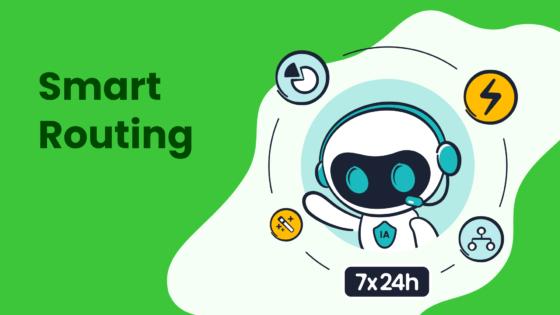
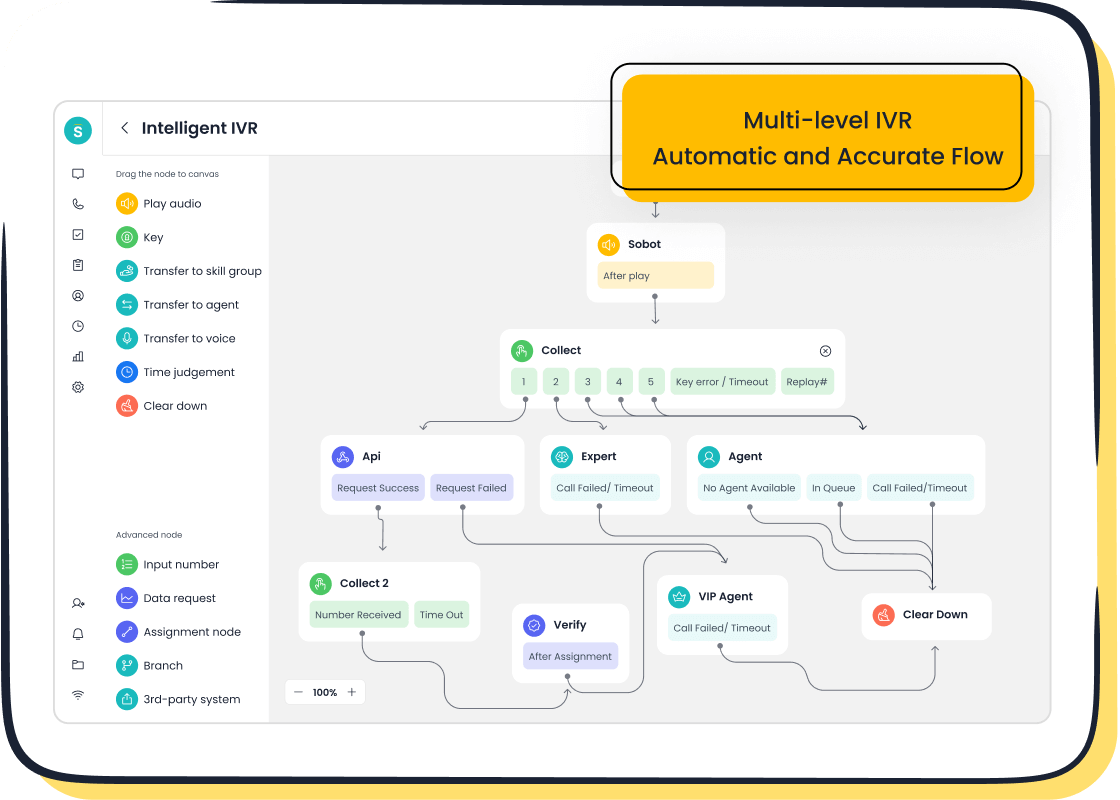
An effective inbound call center uses technology to manage these requests smoothly. For example, Sobot’s Intelligent IVR allows customers to find answers through self-service menus. For more complex issues, Smart Call Routing directs the customer to the best-qualified agent, reducing wait times and frustration. These inbound call center services ensure every inbound interaction is handled with speed and precision.
Success in Action: Weee! 🛒 America's largest Asian online supermarket, Weee!, manages a high volume of inbound calls daily. By implementing Sobot's voice solutions, Weee! improved agent efficiency and reduced resolution time, achieving an impressive 96% customer satisfaction score.
Purpose of Outbound Calls
The purpose of outbound calls is proactive outreach. Instead of waiting for the customer to call, the business initiates contact to achieve a specific objective. This strategy is essential for growth and maintaining customer relationships. Common goals for outbound call center services include:
- Lead Generation: Contacting potential customers to build interest in a product.
- Sales: Guiding prospects through the buying journey.
- Customer Retention: Checking in with existing clients to offer deals or gather feedback.
- Market Research: Conducting surveys to understand customer needs.
Managing these campaigns requires efficiency. Sobot’s Bulk Outbound Task feature streamlines outbound calls by automating dialing lists and assigning tasks to agents. This allows the outbound team to focus on valuable conversations rather than manual administrative work, making the entire outbound process more productive.
Way 3: Key Agent Skills

The different purposes of inbound and outbound calls demand distinct skill sets from agents. While some abilities overlap, the focus for each role is unique. Success in both inbound and outbound call centers depends on hiring and training for these specific competencies.
Essential Skills for Inbound
Agents in an inbound call center excel at reactive problem-solving. Their performance is built on three core skills:
- Empathy: An inbound agent must understand and share the feelings of a customer. Empathy allows the agent to connect with a frustrated caller, validate their concerns, and build trust. This transforms a routine customer service interaction into a positive brand experience.
- Problem-Solving: Effective agents use active listening to identify the root cause of an issue. They ask clarifying questions and avoid assumptions. A deep knowledge of products and services is essential for offering practical and timely solutions.
- Patience: Customers sometimes need to explain their situation at length. A patient agent allows them to speak without interruption, which helps de-escalate tension and makes the customer feel heard.
Essential Skills for Outbound
An outbound call center agent needs a proactive and resilient mindset. Their success hinges on a different set of skills:
- Resilience: Outbound agents face frequent rejection. Resilience helps them view setbacks as learning opportunities rather than failures. This mental toughness is crucial for maintaining motivation and performance.
- Persuasion: Ethical persuasion is key to achieving outbound goals. This involves being transparent, listening to the prospect's needs, and offering genuine value. An agent demonstrates authority by being well-prepared and knowledgeable.
- Goal-Orientation: Every outbound call has a clear objective, whether it's setting an appointment or closing a sale. Goal-oriented agents stay focused on the desired outcome throughout the conversation.
Empowering Every Agent 💡

Regardless of the call type, agents need quick access to information. Sobot's Unified Workspace supports both inbound and outbound teams by consolidating all customer data into a single view. This allows agents to focus on applying their unique skills—like empathy or persuasion—instead of searching for information, boosting efficiency for every interaction.
Way 4: Measuring Success in Inbound vs Outbound Calling
How do you know if your call strategy is working? Success in inbound and outbound call centers is measured differently. The key performance indicators (KPIs) for each reflect their unique goals. For inbound calls, the focus is on efficiency and satisfaction. For outbound calls, it is all about achieving proactive objectives. Understanding these metrics is the final step in telling inbound vs outbound calling apart.
Metrics for Inbound Calls
Success for inbound operations centers on resolving customer issues quickly and effectively. A positive experience is the main goal. Teams measure this using several key metrics:
- First Call Resolution (FCR): This is the percentage of inbound calls that resolve a customer's issue on the first try. A high FCR rate means fewer repeat calls, lower operating costs, and happier customers. The industry benchmark often targets an 80% FCR rate.
- Average Handle Time (AHT): This metric tracks the average duration of a call. It includes talk time, hold time, and any after-call work. A lower AHT often indicates greater agent efficiency.
- Customer Satisfaction (CSAT): This score directly measures customer happiness. A good CSAT score in the call center industry typically falls between 75% and 85%.
Metrics for Outbound Calls
The success of outbound campaigns is measured by their ability to achieve specific, proactive goals. These metrics focus on engagement and results. Key indicators for outbound calls include:
- Conversion Rate: This is the percentage of outbound calls that result in a desired outcome. A "conversion" does not always mean a final sale. It can also be a smaller success, like scheduling a product demo or a follow-up meeting.
- Answer Rate: Also known as connection rate, this metric tracks the percentage of outbound calls that a person answers. This rate varies widely. For example, B2B campaigns may see a 15-40% answer rate, while calls to warm leads can reach 40-60%. Tracking this helps optimize call timing and lead quality.
Understanding inbound vs outbound calling comes down to four points: who calls, the call's purpose, agent skills, and success metrics. Both inbound and outbound call centers require a powerful platform. A modern inbound call center and outbound call center thrive on efficiency. Sobot’s Omnichannel solution unifies inbound calls and outbound calls, giving agents full customer context for every interaction. This integration is essential for any successful inbound or outbound strategy.
| Differentiator | Inbound | Outbound |
|---|---|---|
| Initiation | Customer calls the business | Business calls the customer |
| Purpose | Reactive support & service | Proactive sales & outreach |
| Skills | Empathy & problem-solving | Resilience & persuasion |
| Metrics | FCR, AHT, CSAT | Conversion & answer rates |
Managing both an inbound call center and an outbound call center is simple with the right tools.
Embark on Your Contact Journey.
FAQ
Can one agent handle both inbound and outbound calls?
Yes, agents can handle both call types in a blended call center. This model increases flexibility. A unified platform helps agents switch between inbound and outbound tasks efficiently, making the best use of their time.
Which type of call is better for customer service?
Inbound calls are the foundation of customer service, as they focus on solving customer-initiated problems. However, proactive outbound calls for follow-ups or feedback can also significantly improve customer satisfaction and build loyalty.
Do I need different software for inbound and outbound calls?
No, you do not always need separate tools. Modern platforms like Sobot's Omnichannel solution manage both call types from one unified workspace. This integration is a core feature of effective inbound call center services and simplifies operations.
See Also
Exploring the Best Automated Voice Calling Software Solutions for 2024
Your Comprehensive Guide to Implementing Omnichannel Call Center Software Effectively
A Detailed Comparison of Leading Interactive Voice Response Software Options
Understanding How Call Center Automation Enhances Operational Efficiency and Productivity
An Essential Guide to Setting Up Interactive Voice Response (IVR) Software

