In-Person vs Virtual CX Events Pros and Cons

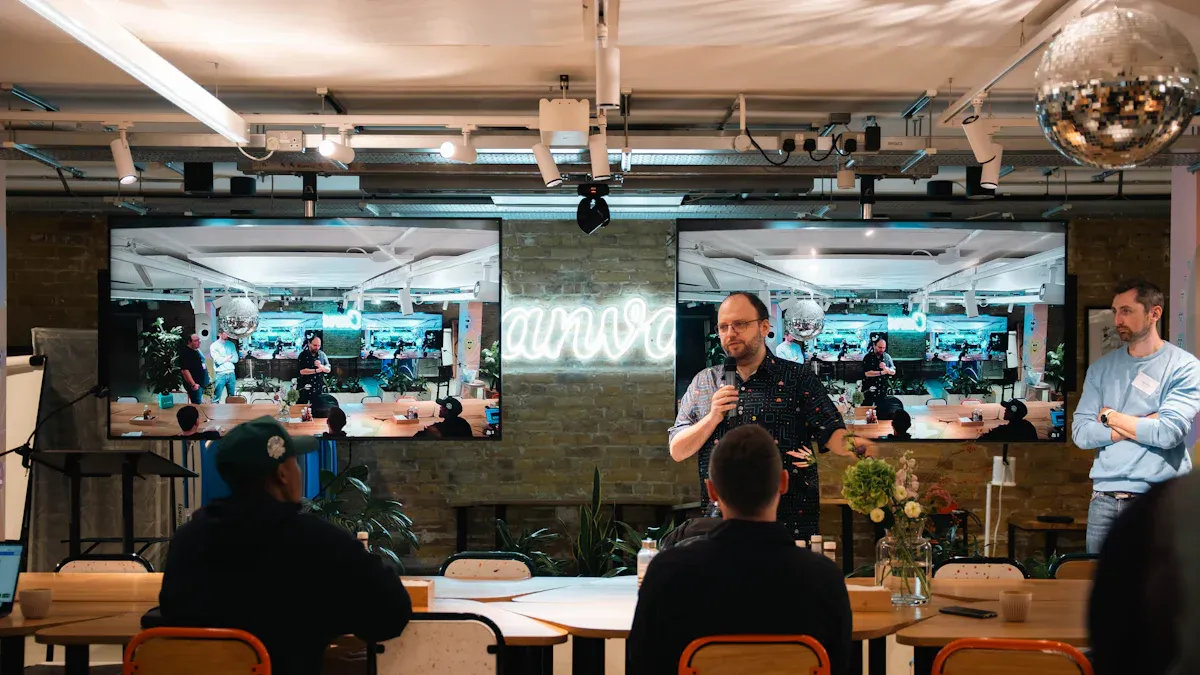
You face a critical choice for your upcoming customer experience events. Selecting the right event format is a strategic decision, not just a logistical one. The best event depends entirely on your specific goals, budget, and audience. Many successful events use tools like Sobot AI, and a Sobot call center can support your event. Sobot helps manage any event. Virtual events are a popular event format. This virtual event is one of many events.
An in-person event excels at creating a deep, personal connection. A virtual event offers unparalleled reach for a global experience. This event and that event, whether virtual or in-person, define your brand. That in-person event is another event.
Benefits and Drawbacks of In-Person Meetings

Choosing an in-person format for your CX event brings a unique set of benefits and drawbacks. You must weigh the power of physical presence against its significant resource demands. These meetings offer unparalleled opportunities for connection but come with their own challenges. Understanding both sides helps you make the best decision for your brand and your audience. Let's explore the pros and cons of in-person meetings.
Pro: Superior Networking Opportunities
In-person meetings create the ideal environment for building relationships. Face-to-face personal interaction allows for a stronger human connection. You can read body language, share a handshake, and have spontaneous conversations over coffee. These small moments build trust and rapport in ways that digital platforms cannot fully replicate. The networking opportunities at in-person events are a major draw for many attendees.
A Virgin survey highlights this point perfectly. It found that 95% of business professionals believe face-to-face meetings are essential for building long-term business relationships. This statistic shows the immense value placed on personal interaction in the business world.
This direct connection helps you foster a loyal community around your brand. The benefits of this deep networking extend long after the event concludes.
Pro: Higher Attendee Engagement
When attendees travel for an event, they dedicate their time and attention to it. This focused environment leads to higher engagement levels. Participants at in-person events are less likely to multitask. They are fully immersed in the sessions, workshops, and networking activities. This undivided attention is a key benefit of in-person meetings.
Research shows a clear difference in focus between formats. During virtual sessions, multitasking is common, with attendee engagement often dropping to 60-65%. In contrast, in-person meetings remove attendees from their daily distractions like emails and other work tasks. This immersion creates a better attendee experience and ensures your message is heard. Higher engagement means your content makes a bigger impact.
Pro: High-Impact Brand Presence
In-person events give you a physical stage to showcase your brand. You can create a memorable, multi-sensory experience that leaves a lasting impression. Think about how you can engage sight, sound, and touch to tell your brand story. This type of engagement is a powerful tool. Interactive installations and hands-on product demos make your brand tangible.
Many top brands use in-person events to create unforgettable moments.
- Google built giant, interactive playgrounds at CES to demonstrate Google Assistant in a fun, hands-on way.
- Samsung used virtual reality (VR) stations at Mobile World Congress, allowing attendees to experience new smartphone features immersively.
- Audible created a "beach" at Comic-Con with literary-themed sand sculptures, where people could listen to audiobooks.
These creative events generate buzz and make a brand stand out. A strong physical presence helps you connect with customers on an emotional level. Multi-sensory marketing can significantly boost brand recall and customer loyalty. This is one of the most significant benefits of in-person meetings.
Con: Higher Costs and Time Investment
The biggest drawback of in-person meetings is the cost. The expenses add up quickly. You have to consider venue rental, catering, staffing, travel, and accommodation for your team. Attendees also face significant costs for tickets, travel, and lodging. These high costs can be a major barrier for both organizers and participants.
The time investment is also substantial. Planning and executing a successful in-person event takes months of work. Your team dedicates countless hours to logistics, promotion, and content creation. For attendees, a multi-day event means time away from work and family. These high costs and time commitments are serious drawbacks to consider.
| Expense Category | Average Cost Per Person Per Night |
|---|---|
| Corporate Retreats (Pre-2020) | $550 |
| Corporate Retreats (Current) | $700 |
Con: Limited Geographic Reach
In-person events, by their nature, have a limited geographic reach. Your audience is restricted to people who can travel to the event's location. This excludes potential attendees from different cities, countries, or continents who cannot afford the time or expense of travel. If your goal is to reach a broad, global audience, in-person meetings might not be the most effective choice. This limitation is one of the key drawbacks of physical events. While you gain depth in your interactions, you sacrifice breadth in your audience. This makes in-person meetings less scalable than their virtual counterparts.
Con: Logistical Complexity and Carbon Footprint
Organizing in-person meetings is a complex logistical puzzle. You must manage venue contracts, vendor coordination, on-site registration, security, and countless other details. Any small issue can have a ripple effect, creating stress for your team and a poor experience for attendees. The sheer number of moving parts makes these events challenging to execute flawlessly.
Furthermore, in-person events have a significant environmental impact. The carbon footprint from attendee travel, venue energy consumption, and waste generation is substantial. For example, a three-day conference with 1,000 attendees can produce around 530 metric tons of CO2. As more companies focus on sustainability, the environmental costs of in-person meetings are becoming a more important consideration.
Advantages and Challenges of Virtual Events

Virtual events have transformed how you can connect with your audience. They offer a different set of opportunities and obstacles compared to in-person gatherings. By moving your event online, you open up new possibilities for reach and data analysis. However, you also face unique challenges in keeping your audience focused and engaged. Let's explore the pros and cons of hosting virtual live events.
Pro: Unmatched Scalability and Global Reach
Virtual events remove physical boundaries. This allows you to reach a massive, global audience without the limitations of venue capacity or travel budgets. You can attract attendees from different cities, countries, and continents who would never be able to join an in-person event. This scalability is one of the most powerful advantages of virtual experiences. A general trend shows that 83% of hosts now see larger turnouts with virtual events compared to their physical counterparts.
The numbers show a dramatic shift in attendance:
- Salesforce World Tour switched to a virtual format and registered 1.2 million views, a massive increase for a one-day event.
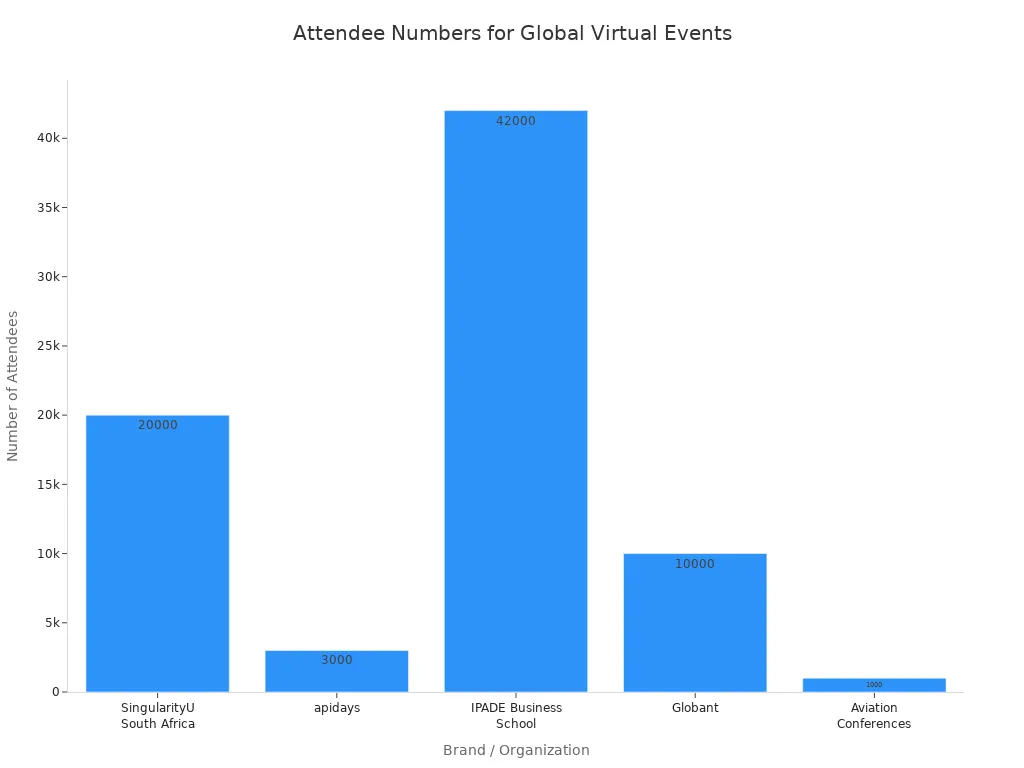
- Cvent’s annual conference grew from 4,500 in-person attendees in 2019 to 42,000 virtual participants in 2020.
- Tomorrowland Around the World, a music festival, attracted one million online participants, more than double its typical in-person crowd.
Many global brands use virtual live events to enter new international markets and connect with a wider audience. These virtual events demonstrate the power of digital platforms to create large-scale, impactful virtual experiences.
| Brand/Organization | Virtual Event | International Reach/Impact |
|---|---|---|
| IPADE Business School | IPADE Allenamenti Encuentro Global de Egresados 2020 | Invited more than 42,000 graduates to a virtual meeting focused on regional and global business developments. |
| Globant | Converge+ | Attracted over 10,000 attendees to a free online event focused on augmented coding. |
| Salesforce | World Tour Sydney Reimagined | Reached 80,000 livestream viewers and 1.2 million video views across social channels globally. |
Pro: Cost-Effectiveness and Convenience
Hosting virtual events can significantly reduce your expenses. You eliminate major costs associated with physical events, such as venue rental, catering, travel, and accommodations. A Markletic study found that some organizations save up to 75% by choosing virtual events over in-person ones. Your budget shifts from physical logistics to digital technology, like platform fees and production support. This makes virtual live events a financially smart option.
For Attendees: The convenience is a huge plus. Participants save money on travel and lodging. They can join your event from the comfort of their home or office, making it easier to fit into their busy schedules. This accessibility can boost your registration and attendance numbers for all your virtual live events.
These virtual meetings are a great way to deliver valuable content without a large financial commitment from you or your audience. The convenience of these virtual live events makes them an attractive option for many.
Pro: Rich Data Collection and Analytics
Virtual events provide a goldmine of data. Every click, comment, and view can be tracked. This gives you deep insights into attendee behavior and content performance. You can measure engagement in real-time and understand what resonates with your audience. This virtual experience is rich with data.
You can track a wide range of metrics, including:
- Session attendance and duration
- Participation in polls and Q&A sessions
- Resources downloaded
- Virtual booth visits
- Networking connections made
This data is invaluable for proving the success of your event. Platforms like Sobot provide comprehensive analytics on customer interactions. This helps you measure event success, gather qualified leads, and understand your audience on a deeper level. You can use this information to calculate your return on investment (ROI) by tracking how many leads generated from the event become customers. This makes your virtual live events a powerful tool for business growth. The data from these virtual live events can shape future marketing strategies.
Con: Attendee Screen Fatigue
One of the biggest challenges of virtual events is "screen fatigue." Asking attendees to stare at a screen for hours can be draining. People are easily distracted by emails, notifications, and other tasks on their computers. This can lead to a drop in focus and a poor attendee experience. The virtual format makes it harder to hold your audience's undivided attention.
To combat this, you need to design your virtual event with engagement in mind.
- Keep sessions short and focused.
- Build in frequent breaks.
- Use interactive elements like polls, Q&A, and breakout rooms.
- Vary your content formats to keep the experience fresh.
Creating dynamic and interactive virtual experiences is key to keeping your audience energized and involved throughout the event. These virtual meetings require careful planning to maintain high engagement.
Con: Challenges in Spontaneous Networking
Replicating the spontaneous "hallway conversations" of an in-person event is difficult in a virtual setting. In-person networking often happens organically over coffee or between sessions. These casual interactions build strong professional relationships. Virtual networking, on the other hand, is often more structured.
While virtual platforms offer tools like breakout rooms, 1-on-1 meeting schedulers, and chat functions, these interactions can feel more forced. Attendees must make a conscious effort to connect rather than bumping into someone naturally. This structured approach can be a barrier for some people. It makes creating a sense of community more challenging for your virtual event. These virtual meetings must find creative ways to foster connection.
Con: Technology and Connectivity Issues
Your virtual event is only as good as the technology behind it. Technical glitches are a major risk that can disrupt the experience for everyone. If attendees or speakers face issues, it reflects poorly on your brand and can derail your entire event.
Common technical problems include:
- Audio and video problems, like poor quality or frozen screens.
- Connectivity drops from unstable internet connections.
- Screen sharing issues that prevent presenters from sharing their content.
- Platform crashes that make the event inaccessible.
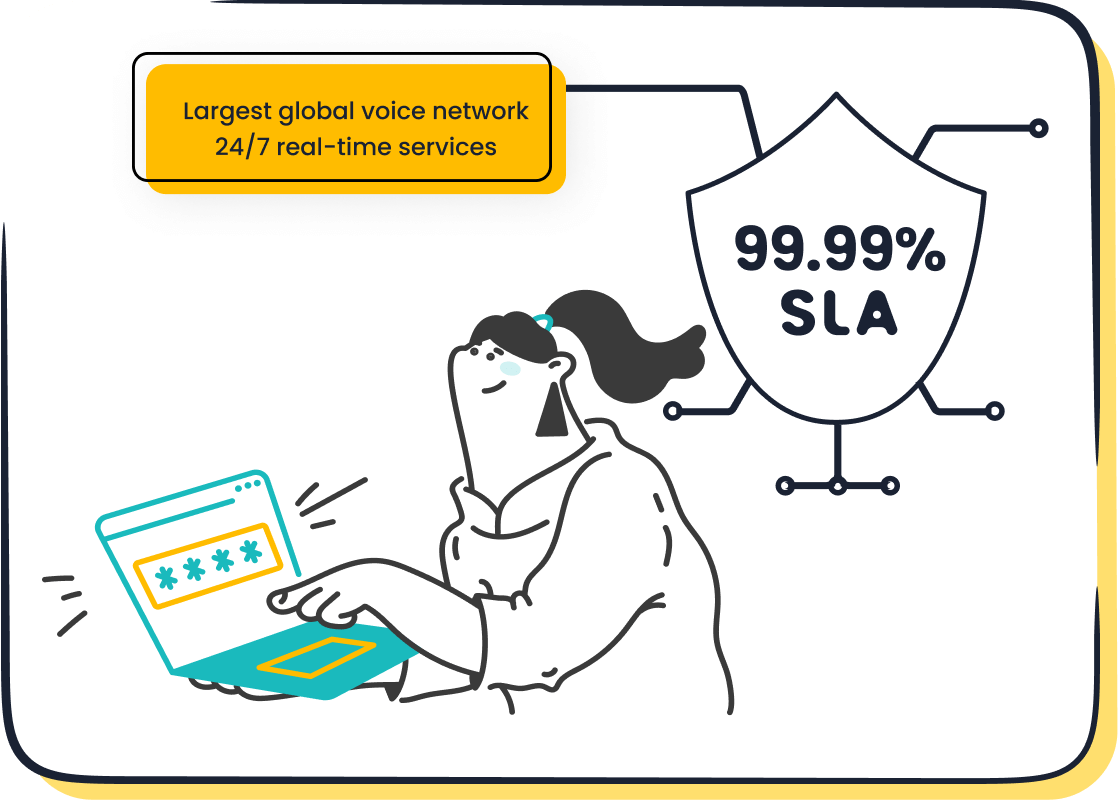
These hurdles emphasize the importance of choosing a stable, reliable platform for your virtual live events. You need a solution that can handle high traffic and provide a seamless experience. For example, if you are using a call center for event support, you need to ensure its stability. Solutions like Sobot's Voice/Call Center offer 99.99% uptime, ensuring a smooth experience for virtual attendees and support staff managing the virtual live events. Investing in robust technology is critical for the success of your virtual meetings and events.
How to Choose the Right Event Format
Choosing the right event format is a strategic decision. You must align your choice with your goals, audience, and resources. The best format for one event might not work for another. These steps will help you select the perfect event format for your upcoming meetings.
Define Your Primary Goal
First, you need to define what you want to achieve with your event. Your primary goal will heavily influence the best format. Are you trying to build deep relationships or reach the widest audience possible? Each event format serves different objectives. Clear goals make your decision easier for all your events.
Your primary goal for the event could be one of many things. Consider these common objectives for your meetings:
- Establish Brand Awareness
- Generate Leads
- Drive Event Attendance
- Enhance Attendee Engagement
- Establish Thought Leadership
For example, if your main goal is lead generation on a global scale, virtual events offer a clear advantage. If you want to establish thought leadership through intimate discussions, in-person meetings might be better.
Analyze Your Target Audience
Next, you must understand your audience. Who are you trying to reach? Their preferences and technical skills are very important. Audience tech-savviness is a crucial factor in deciding your event format. If your target audience struggles with basic technology, an in-person event is a better choice than a virtual one. A virtual format may exclude them. Younger, tech-savvy professionals might prefer the convenience of virtual meetings. Senior executives may value the exclusive nature of in-person meetings. Analyzing your audience ensures you choose a format they will embrace for your events.
Evaluate Your Budget and Resources
Your budget is a major factor. In-person events require significant investment in venues, travel, and catering. Virtual events shift costs to technology platforms and digital marketing. You need to evaluate what you can realistically afford. Consider both money and time. Both types of meetings require careful planning. A virtual event may seem simpler, but high-quality virtual meetings demand strong technical support and content production. Choose a format that fits your resources for your events.
Plan Your Content for Virtual Meetings vs. Live Stages
Finally, think about your content. How do you want to deliver your message? A hands-on product demo works best in person. A panel discussion with speakers from different continents is perfect for a virtual format. The content for virtual meetings should be short and interactive to keep a virtual audience engaged. Live stage presentations can be longer and more theatrical. The right event format will make your content shine. Your choice of format for meetings and events will shape the entire experience.
The Rise of Hybrid Customer Experience Events
You no longer have to choose between in-person and virtual events. A third option combines the best of both worlds. The hybrid event is gaining incredible momentum. The global market for hybrid event software is projected to grow from $4.2 billion in 2023 to $16.4 billion by 2032. This shows that the hybrid model is the future of many events.
What Defines a Hybrid Event?
A hybrid event is a single event with two distinct audiences. One group attends the event in-person at a physical venue. The other group joins the same event remotely through a virtual platform. The key is to create a shared experience that connects both the in-person and virtual attendees. This hybrid format requires a seamless integration of physical and digital components to succeed.
Benefit: Extending Reach and Maintaining Intimacy
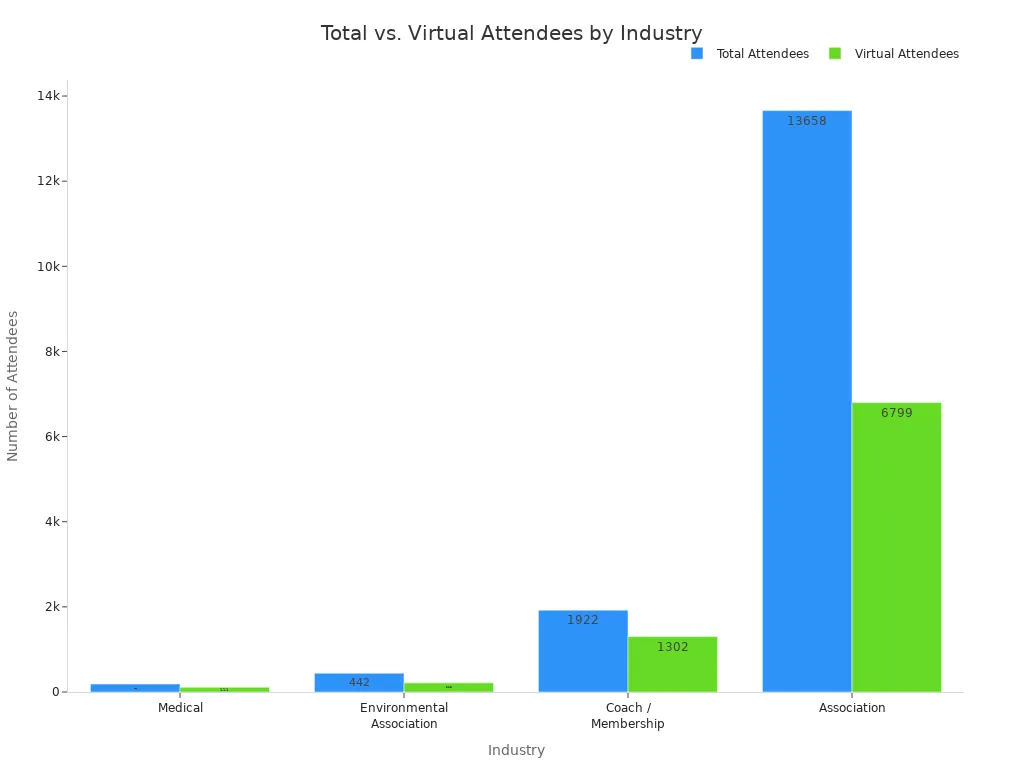
The main advantage of a hybrid event is its unique ability to combine scale and connection. You can host an engaging in-person event while also reaching a global virtual audience. This approach dramatically increases your potential attendance. Many organizations find that a large portion of their audience for hybrid events participates virtually. This dual approach maximizes your event's impact.
Challenge: Managing Two Audiences at Once
The biggest challenge of a hybrid event is creating a unified experience. You must ensure your virtual audience feels just as included as your in-person attendees. This means managing two sets of needs and expectations simultaneously. A key to success is unifying communication for all your customer experience events.
An all-in-one contact center solution like Sobot can solve this problem. Its omnichannel capabilities (Voice, Chat, WhatsApp) create a single communication hub. You can manage pre-event questions, in-event engagement, and post-event follow-up for both your in-person and virtual audiences from one place. This makes the hybrid experience smoother for everyone.
Is a Hybrid Model Right for You?
Deciding on a hybrid event requires careful thought. You must evaluate if this complex format aligns with your goals and resources. Ask yourself these questions:
- Can you create content that is engaging for both in-person and virtual viewers?
- Do you have the budget for the necessary technology, like streaming equipment and a robust virtual platform?
- Is your team prepared to manage the logistics for two simultaneous events?
Answering these questions will help you determine if a hybrid event is the right strategic choice for your brand.
Your best event is a strategic choice for your business objectives. An in-person event offers depth. A virtual event provides breadth. A hybrid event gives you flexibility. This hybrid event is a powerful event. The hybrid event is a modern event. A hybrid event is a flexible event. The hybrid event is a great event. Your customer experience events need clear goals. Define your goals for your next event. This is the first step for your customer experience events. A hybrid event can be the right event.
Embark on Your Contact Journey today. Explore how an omnichannel solution supports your hybrid event strategy.
FAQ
Which event format is best for my business?
You should choose the format that matches your main goal. An in-person event is great for building deep connections. A virtual format helps you reach a global audience. The best event depends entirely on your specific business objectives.
How can I make my virtual event more engaging?
You can boost engagement with interactive elements. Use polls, Q&A sessions, and breakout rooms to involve your audience. Keep your sessions short and include frequent breaks. This helps fight screen fatigue and keeps attendees focused on your event.
Is a hybrid event more expensive than an in-person one?
Yes, a hybrid event can cost more. It combines the expenses of a physical venue with the costs of virtual streaming technology and support staff. You are essentially planning and paying for two experiences at once for a single event.
What is the first step to plan any event?
Your first and most important step is to define your primary goal. You must decide what you want to achieve. This key decision will guide all your other choices, from the format you select to the content you create.
See Also
Exploring the Advantages and Disadvantages of Remote Call Center Operations
Strategies to Enhance Live Chat Effectiveness in the Retail Sector
A Comprehensive Comparison of Leading Live Chat Platforms for 2024
Unpacking the Superior Advantages of Live Chat Over Traditional Email
Essential Strategies for Achieving Success with Depop Live Chat Interactions

