Control vs Cost B2B Outbound Call Centers

Choosing a b2b outbound call center for your business pits control against cost. This decision is critical in a growing market.
| Metric | Value |
|---|---|
| Market Size in 2023 | USD 11.08 Billion |
| Market Size in 2030 | USD 14.10 Billion |
| CAGR (2024-2030) | 3.5% |
If your goal is absolute brand control, lean towards in-house contact centers; an in-house call center gives you command. If cost savings and scalability are key, outsourcing is your path. An outsourced call center is efficient, which is why many choose an outsourced model. Both in-house and outsourced contact centers can be enhanced with the Sobot call center, powered by Sobot AI from Sobot, to improve the customer experience. This makes outsourcing a flexible strategy.
The Case for In-House Contact Centers: Prioritizing Control
Choosing in-house contact centers puts you in the driver's seat. You gain complete authority over operations, training, and quality assurance. This path is ideal when your brand identity and customer relationships are your top priorities. An in-house call center allows your business to build a team that truly understands your mission.
Full Control Over Brand Messaging
An in-house call center gives you direct command over how your team communicates with customers. You can provide real-time coaching and immediate feedback. This direct oversight ensures every interaction reflects your brand’s voice and values.
- Your in-house team develops a deep emotional connection to the brand.
- You maintain complete control over hiring and training.
- This leads to consistent service quality and a stronger customer experience.
Seamless Sales and Marketing Integration
You can create a powerful, unified front with in-house contact centers. Integrating your b2b outbound call center with your CRM system connects your teams. This alignment boosts productivity and helps you build long-term customer loyalty.
Tip: When your teams share goals and data, every customer interaction becomes more informed. This strategy is key to creating exceptional customer experiences and boosting sales.
Enhanced Security for In-House Data
Keeping your call center in-house protects your most valuable asset: customer data. When you outsource customer support, you share sensitive information. This can expose your business to data breaches and compliance violations, which carry heavy financial and reputational costs. Managing data security is much simpler when it all stays within your own walls. An in-house call center gives you full control over security protocols.
Deep Product and Culture Expertise
Your in-house team lives and breathes your company culture every day. They develop a deep knowledge of your products and a 'can-do' attitude that is difficult to replicate. This immersion translates directly into better customer interactions. An in-house team that values teamwork and responsiveness makes the customer feel heard and valued. This focus on a human touch builds trust and creates a superior experience for every customer. The quality of your in-house team becomes a competitive advantage.
The Advantage of Outsourced Contact Centers: Prioritizing Cost
When your primary goal is cost efficiency and rapid growth, outsourcing your b2b outbound call center is a powerful strategy. Choosing a reliable outsourcing partner allows your business to leverage external resources. This move can significantly lower expenses and boost productivity without the heavy lifting of building an in-house team. Outsourced contact centers provide a path to immediate operational readiness.
Drastic Reduction in Operational Costs
Outsourcing offers dramatic cost savings for your business. You avoid the large upfront investments required for an in-house setup. This includes the high cost of infrastructure, technology, and office space. A reliable outsourcing partner handles these expenditures. This approach shifts your spending from a large fixed cost to a more manageable operational expense.
Many businesses report saving between 30% and 40% on operational costs with a flexible outsourcing model. This makes outsourcing a financially smart decision for growth.
Access to Specialized Outsourced Expertise
A key benefit of outsourcing is immediate access to expertise. An outsourced call center provides a team already skilled in complex tasks. They excel at finding and qualifying prospects, handling objections, and securing meetings with decision-makers. This level of quality and experience is difficult and time-consuming to build internally. Your outsourced team brings proven methods for managing the sales pipeline, ensuring your customer interactions are effective from day one.
Effortless Scalability for Campaigns
Outsourced contact centers deliver unmatched scalability and flexibility. A reliable outsourcing partner can quickly scale your team up or down to meet campaign demands. This flexibility is crucial for seasonal surges or new product launches. An outsourced team has trained agents and the necessary infrastructure ready to go. This avoids the long delays and costs associated with hiring and training temporary staff for your customer support needs. This scalability ensures you never miss an opportunity.
Reduced HR and Management Overhead
Choosing business process outsourcing greatly reduces your internal workload. The outsourced provider manages all human resources functions. This includes recruiting, hiring, training, and payroll for the call center agents. Your management team is free from the daily oversight of the customer support team. This allows your key personnel to focus on core business objectives and strategy. The outsourced call center model enhances overall company productivity by letting you focus on what you do best.
The Hybrid Approach: A Modern B2B Outbound Call Center Solution


You do not have to make a final choice between in-house contact centers and outsourced contact centers. A third option exists. You can leverage a powerful SaaS platform like Sobot's Voice/Call Center to get the best of both worlds. This modern approach gives you the control of an in-house team and the cost benefits of outsourcing. It provides the flexibility your business needs to grow.
Unifying Channels with Sobot's Omnichannel Platform
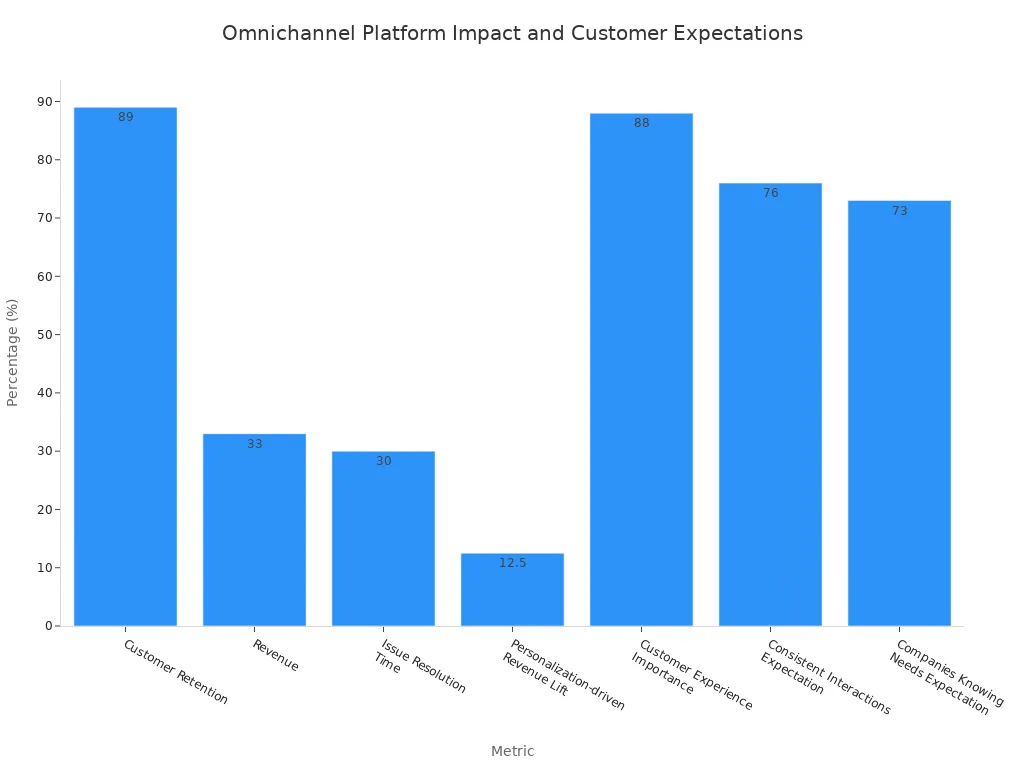
A hybrid solution unifies all your customer communication. Sobot’s platform brings every channel and conversation into a single, AI-powered workspace. Your team no longer needs to switch between systems. This creates a seamless customer experience and boosts team performance. A unified strategy is key to retaining your customer base.
Boosting Efficiency with an AI-Powered Voicebot
You can dramatically increase your team's productivity with AI. Sobot’s platform includes features like a drag-n-drop IVR builder and bulk outbound tasks. These tools give you control without the high cost of a traditional in-house call center.
For example, Agilent used Sobot to achieve a 6x increase in service efficiency and a 95% customer satisfaction score. This shows the power of combining human agents with smart automation. This is a better option than a fully outsourced call center.
Achieving Global Reach and 99.99% Stability
A modern b2b outbound call center needs global reach. Sobot provides global number availability, allowing your business to connect with clients worldwide. This scalability ensures you can expand into new markets without technical limits. The platform also guarantees 99.99% system stability. This gives you the reliability of an in-house call center without the maintenance overhead of outsourcing. A reliable outsourcing partner can't always guarantee this level of stability.
Simple Integration with Your Existing CRM
Your data should work for you, not against you. A major benefit of this hybrid model is simple integration. Sobot’s platform connects smoothly with your existing CRM. This ensures your customer data is always synchronized. Your in-house team can access complete customer histories, making every interaction smarter and more personal. This avoids the data silos common with a purely outsourced call center. This is why many avoid a fully outsourced model. A reliable outsourcing partner may offer integration, but a dedicated platform makes it seamless.
A 3-Step Framework for Your Decision

Making the right choice requires a clear look at your business needs. This simple three-step framework helps you analyze your priorities. Use it to decide whether an in-house, outsourced, or hybrid model is the best fit for your b2b outbound call center.
Step 1: Assess Budget vs. Control Needs
Your first step is to weigh your financial constraints against your need for operational control. An in-house call center offers maximum control but comes with a higher initial cost. Outsourcing reduces expenses but means giving up some direct oversight. To make an informed decision, you should analyze a few key financial metrics.
Tip: A clear understanding of your call center costs is the foundation of a smart budget. Tracking these numbers helps you compare the financial impact of an in-house model versus an outsourced one.
Consider these core metrics when planning your budget:
- Cost Per Call (CPC): This measures the total cost of your operations divided by the total calls handled. A lower CPC indicates greater efficiency. An in-house setup requires you to cover all staffing, technology, and facility costs, which can raise your initial CPC.
- Average Handle Time (AHT): This is the average time an agent spends on a call, including all related work. A high AHT can increase labor costs. You have more direct influence over A_H_T with an in-house team, but an experienced outsourced provider may already have optimized processes.
- Call Volume: This is the total number of calls your center manages. High call volumes demand more staff and technology. Understanding your call volume trends is essential for accurate staffing and budgeting, whether you choose to build in-house or partner with an outsourced call center.
Step 2: Evaluate Scalability and Growth Plans
Your long-term business goals directly impact your call center needs. If you anticipate rapid growth, you need a solution that can scale with you. Both growth and scalability are critical factors in your decision. An in-house model provides steady growth, while outsourcing offers rapid flexibility.
Your long-term growth projections require a strategy that can adapt. An outsourced solution can be a game-changer here. It allows your business to adjust to changing demands quickly. A reliable outsourcing partner gives you access to trained professionals and the latest technology without the delays of in-house expansion.
Think about these points as you plan for growth:
- Flexibility: Outsourced contact centers allow you to quickly scale your agent count up or down. This is ideal for handling seasonal peaks or new campaign launches without the overhead of hiring permanent staff.
- Cost Efficiency: Many companies choose outsourcing to reduce expenses. You can save significantly on infrastructure and technology investments, as the outsourced provider already has these resources in place.
- Forecasting: Use data to prepare for future needs. You can use methods like regression modeling to link call volume forecasts to your customer base growth. This helps you make informed decisions about the resources you will need.
Step 3: Consider Product Complexity
The complexity of your product or service is a major factor in your decision. Simple products often lead to a high volume of short, quick calls. Complex products usually result in fewer, longer, and more in-depth conversations. This directly affects training requirements and operational costs.
If your product is highly technical, your agents will need deep expertise.
- An in-house team can develop this deep knowledge over time. They are immersed in your company culture and can become true product experts. However, the investment in training is significant. Specialized training for complex products can cost thousands of dollars per employee.
- An outsourced provider may offer agents with pre-existing technical skills. This can reduce your training burden. However, you must ensure the outsourced team can represent your brand with the level of detail your customer expects.
For example, companies with complex offerings often see a higher cost per call due to longer call durations. An in-house call center gives you full control over the quality of these critical interactions, but at a substantial upfront investment. Outsourcing can offer a more predictable cost model, but you must carefully vet the provider's expertise.
Ultimately, you must decide if the deep expertise of an in-house team is worth the investment or if the efficiency of an experienced outsourced team better aligns with your goals.
Your decision balances control and cost. An in-house call center gives you control over your customer interactions. Outsourcing to an outsourced call center reduces expenses. A hybrid solution like Sobot offers a powerful, scalable alternative for your business.
The right choice is not universal. Your best path depends on your primary business objective and plans for growth.
Use the 3-step framework to align your strategy with your goals. Modern platforms can bridge the gap between an in-house team and an outsourced provider. This helps you deliver an excellent customer experience without compromise.
FAQ
What is a hybrid B2B outbound call center model?
A hybrid model combines your in-house team with a powerful software platform. You use a solution like Sobot's Voice/Call Center to gain advanced features, AI efficiency, and scalability. This gives you full control without the high cost of building everything from scratch.
How does a platform like Sobot keep my data secure?
Your data security is a top priority. Sobot ensures secure, encrypted data transfer and dialing. By integrating directly with your CRM, the platform keeps your sensitive customer information synchronized and protected within your own systems, avoiding the risks of sharing data with third-party agents.
When should I switch from an outsourced to a hybrid model?
You should consider switching when you need more control over brand messaging and data security. If your outsourced team struggles with product complexity or you want tighter integration with your sales team, a hybrid solution offers a powerful and cost-effective upgrade.
Is a hybrid solution expensive?
No, it is a cost-effective choice. You use a SaaS rental model, which avoids large upfront investments in hardware and infrastructure. This approach gives your b2b outbound call center enterprise-level tools for a predictable operational cost, making it a smart financial decision.
See Also
Optimizing Call Center Performance: Essential Quality Management Strategies and Practices
Unlocking Efficiency: Understanding the Mechanics of Call Center Automation
Navigating Seamless Customer Journeys: An Omnichannel Call Center Software Guide
Discovering Leading Remote Work Opportunities: Top 10 Call Center Employers
Comprehensive Review: Best Contact Center Solutions and Software for 2024

