Improving Customer Service Skills: A Guide for 2025


Customer service skills are more crucial than ever in 2025. Why? Because customers expect faster, friendlier, and smarter interactions. Did you know 93% of service teams say expectations have skyrocketed? Plus, 80% of people often face bad customer service. This shows that good customer service isn’t just nice—it’s necessary.
Businesses now compete on customer experience, with 89% prioritizing it over products or prices. Companies like Sobot, known for enhancing customer interactions, prove that focusing on the functions of customer service can transform how customers feel and respond to brands.
Understanding the Functions of Customer Service
Defining Customer Service in 2025
Customer service in 2025 is all about creating seamless, personalized experiences. It’s no longer just about solving problems—it’s about building relationships. With 30% of consumers planning to use social media more and 56% maintaining their current usage, you need to meet customers where they are. Personalized service on these platforms is now a top priority.
Think of customer service as the bridge between your business and your customers. It connects their needs to your solutions. By clearly defining the functions of customer service, you can streamline workflows, improve team accountability, and align your goals with broader business objectives.
| Key Area | Impact |
|---|---|
| Enhanced Efficiency | Streamlined workflows and reduced efforts |
| Improved Performance | Achieving measurable goals |
| Accountability | Clear goals foster team responsibility |
| Strategic Alignment | Goals align with business objectives |
The Role of Customer Service in Business Success
Customer service isn’t just a department—it’s the backbone of your business. Metrics like First Response Time (FRT) and Average Resolution Time (ART) show how service impacts success. For example, reducing FRT from 6 hours to 2 hours can boost positive feedback. Similarly, cutting ART from 14 days to 2 days improves customer retention.
| Metric | Description | Impact on Business Success |
|---|---|---|
| First Response Time (FRT) | Speed of initial customer response | Faster FRT increases positive feedback |
| Average Resolution Time (ART) | Time to resolve customer issues | Shorter ART boosts customer retention |
| Customer Satisfaction Score (CSAT) | Satisfaction levels post-interaction | Higher CSAT drives customer loyalty |
How Customer Service Impacts Customer Retention and Loyalty
Great customer service keeps customers coming back. Over 90% of consumers say a positive experience makes them more likely to buy again. On the flip side, poor service causes 61% to switch brands.
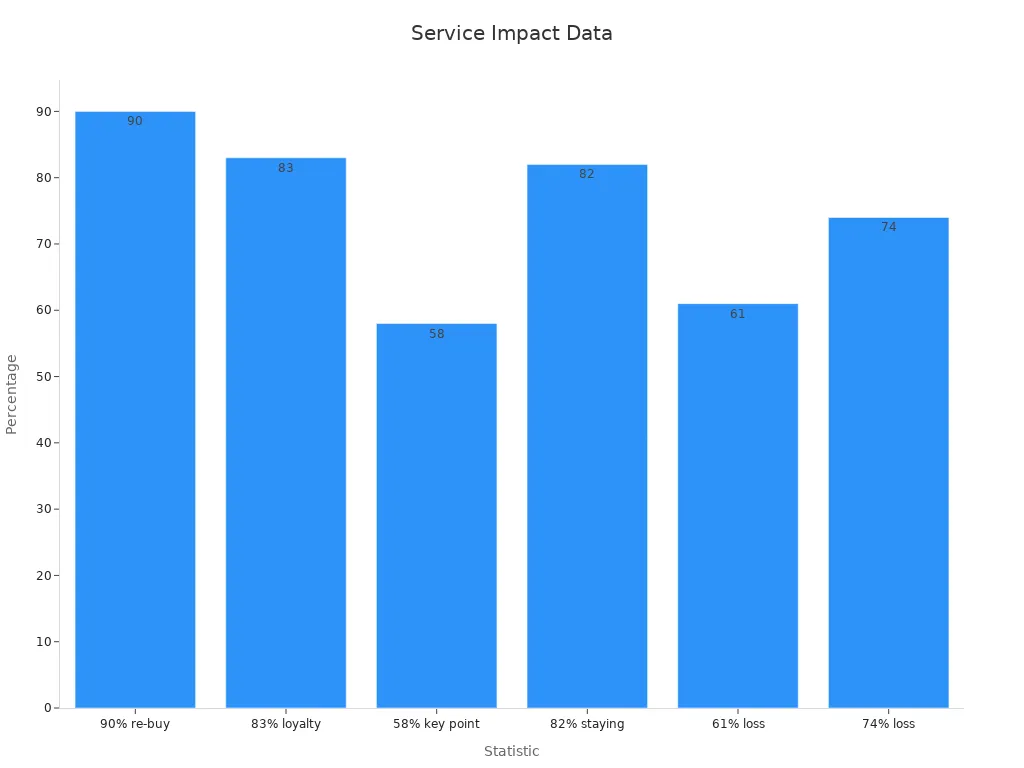
When you focus on improving customer service processes, you’re not just solving problems—you’re building trust. And trust leads to loyalty. Customers who feel valued are 82% more likely to stick with your brand. That’s the power of excellent service.
Essential Customer Service Skills for 2025

Communication and Active Listening
Clear communication and active listening are the foundation of excellent customer service skills. When you actively listen, you show customers that their concerns matter. This builds trust and rapport, making them feel valued. It also reduces misunderstandings, ensuring you provide accurate solutions.
Think about this: A customer calls your support team with a complex issue. If your agent listens carefully and asks clarifying questions, they can resolve the problem faster. This enhances customer satisfaction and loyalty.
- Why it matters:
- Builds trust and rapport with customers.
- Enhances problem-solving by understanding issues better.
- Improves satisfaction, leading to repeat business.
- Reduces misunderstandings, saving time and effort.
Sobot’s Voice/Call Center is a great tool for honing these skills. Its unified workspace allows agents to access customer data instantly, making communication smoother and more effective.
Empathy and Emotional Intelligence
Empathy is your ability to understand and share the feelings of others. Combine this with emotional intelligence, and you can turn even the most frustrated customer into a loyal advocate. Research shows that companies with emotionally intelligent teams report 20% higher sales and 10% better customer satisfaction.
Imagine a customer upset about a delayed order. Instead of just apologizing, you empathize by acknowledging their frustration and offering a solution. This approach not only resolves the issue but also strengthens the relationship.
- Key benefits of emotional intelligence:
- Boosts team effectiveness by 20%.
- Increases employee engagement by 30%.
- Improves customer satisfaction, driving loyalty.
Sobot’s AI-powered tools, like its chatbot, can handle routine queries, freeing your team to focus on emotionally charged interactions that require a human touch.
Adaptability and Problem-Solving
In 2025, customer expectations change rapidly. You need to adapt and think on your feet. Effective problem solving is about staying calm, analyzing the situation, and finding the best solution.
For example, a customer might ask for a feature your product doesn’t have. Instead of saying no, you could suggest a workaround or escalate the request to your development team. This shows you’re committed to helping them, even if the solution isn’t immediate.
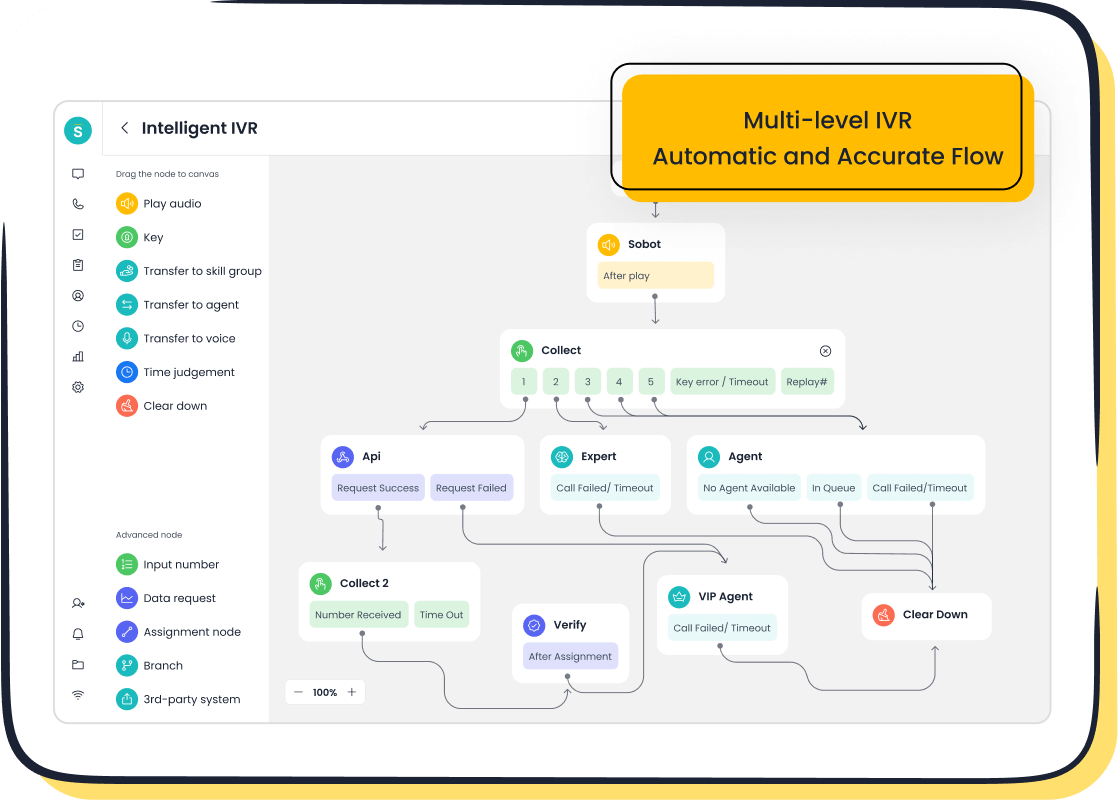
Sobot’s Omnichannel Solution supports adaptability by giving agents a unified view of customer interactions across platforms. This makes it easier to address issues quickly and effectively.
Technical Proficiency and Product Knowledge
Technical skills are no longer optional. You need to know your tools and products inside out. Mastery of CRM systems helps you manage customer data efficiently, while in-depth product knowledge ensures you can answer questions accurately.
- Why it’s essential:
- Accessing customer history quickly leads to faster resolutions.
- Accurate answers build trust and improve service quality.
- Data analysis skills help tailor interactions, boosting satisfaction.

Sobot’s Voice/Call Center integrates seamlessly with CRM systems, making it easier for agents to retrieve customer information and provide timely support.
Conflict Resolution and Patience
Conflict is inevitable, but how you handle it makes all the difference. Staying calm, listening actively, and proposing fair solutions can turn a negative experience into a positive one.
| Skill | Benefit |
|---|---|
| Conflict Resolution | Resolves disagreements, improving customer satisfaction. |
| Empathy and Compassion | Makes customers feel heard, fostering trust and loyalty. |
| Patience | Guides customers through solutions without making them feel pressured. |
For instance, a customer might call in frustration over a billing error. By patiently walking them through the issue and resolving it, you not only fix the problem but also leave a lasting positive impression.
Sobot’s AI-powered Voicebot can assist by handling initial frustrations, allowing agents to focus on resolving the core issue calmly and effectively.
Strategies for Effective Customer Service Training
Designing Comprehensive Training Programs
A well-designed training program is the foundation of building strong customer service skills. You can’t expect your team to excel without the right tools and knowledge. Start by identifying the core skills your team needs, such as communication, empathy, and technical proficiency. Then, structure your program to address these areas step by step.
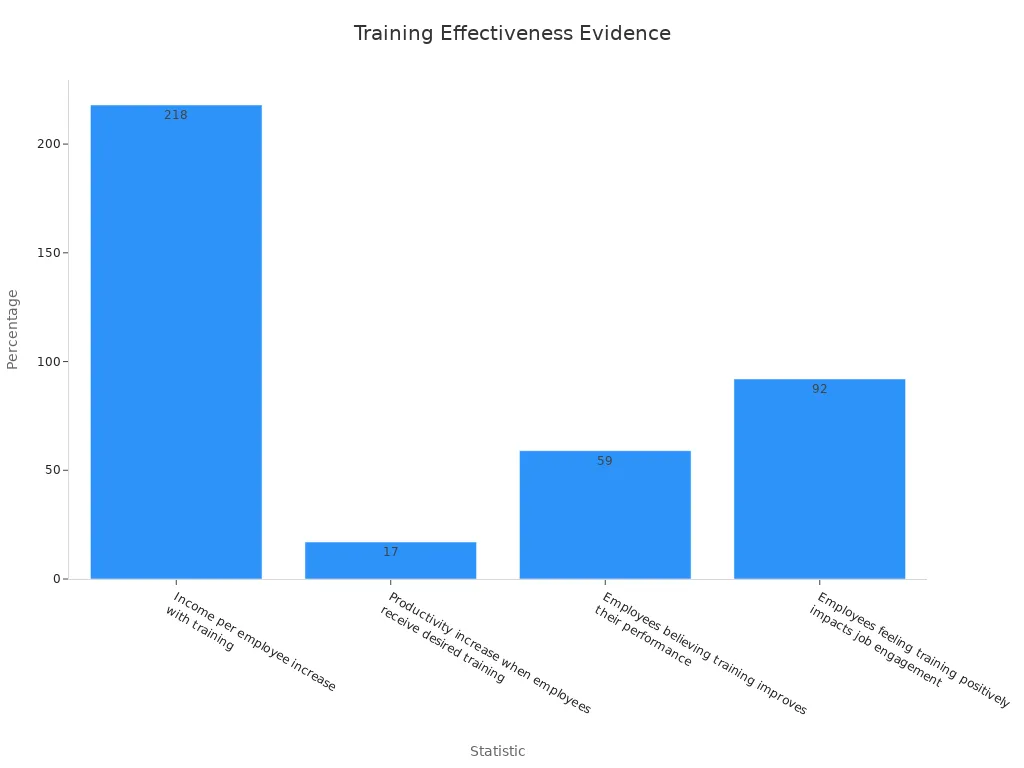
Comprehensive training programs don’t just improve individual performance—they boost overall business outcomes. For instance, companies that invest in training see a 218% increase in income per employee and a 17% rise in productivity.
| Statistic | Value |
|---|---|
| Income per employee increase with training | 218% higher |
| Productivity increase with desired training | 17% more productive |
| Employees believing training improves performance | 59% |
| Employees feeling training boosts engagement | 92% |
Sobot’s Voice/Call Center can play a key role here. Its unified workspace and real-time analytics help you monitor training effectiveness and identify areas for improvement. This ensures your team stays on track and delivers exceptional service.
Leveraging Customer Feedback for Skill Development
Customer feedback is a goldmine for improving your team’s skills. By listening to what your customers say, you can pinpoint areas where your team excels and where they need improvement. For example, if customers frequently mention slow response times, you know it’s time to focus on speed and efficiency during training.
To make the most of feedback, encourage a culture of open communication. Train your managers to act as coaches, offering constructive advice based on customer insights. Shift from annual reviews to regular coaching sessions. This approach not only improves performance but also boosts team morale.
| Key Actions | Description |
|---|---|
| Transform managers into coaches | Develop coaching skills to provide effective feedback for growth. |
| Adjust management practices | Replace annual reviews with frequent coaching conversations. |
| Become a feedback evangelist | Foster a culture of ongoing feedback to enhance collaboration and engagement. |
Sobot’s Omnichannel Solution simplifies this process by consolidating customer feedback from multiple channels. This makes it easier to analyze trends and tailor your training programs accordingly.
Role-Playing and Real-World Scenarios
Role-playing is one of the most effective ways to prepare your team for real-world challenges. It gives them a safe space to practice handling difficult situations, like resolving conflicts or managing frustrated customers. This hands-on approach builds confidence and sharpens problem-solving skills.
Imagine this: Your team practices a scenario where a customer is upset about a billing error. They learn to stay calm, empathize, and offer a solution. When a similar situation arises in real life, they’ll handle it like pros.
| Measurable Outcome | Description |
|---|---|
| Improved Employee Confidence | Role-playing boosts confidence by providing a safe practice environment. |
| Enhanced Problem-Solving Skills | Employees develop critical thinking through simulated scenarios. |
| Better Communication and Collaboration | Role-play fosters teamwork and soft skills. |
| Effective Handling of Difficult Interactions | Employees learn to manage challenging situations without real-world consequences. |
| Increased Engagement and Productivity | Engaging training methods lead to higher productivity. |
| Reduced Employee Churn | Better training experiences result in higher job satisfaction and lower turnover rates. |

Sobot’s AI-powered Voicebot can simulate customer interactions, offering your team a realistic training experience. This prepares them for a variety of scenarios, ensuring they’re ready for anything.
Continuous Learning and Certification Opportunities
Training shouldn’t stop after the onboarding process. Continuous learning keeps your team sharp and adaptable. Encourage your employees to pursue certifications in areas like product knowledge or customer service protocols. This not only enhances their skills but also boosts their confidence.
Continuous learning has measurable benefits. Teams that prioritize ongoing education are better at solving complex problems and retaining customers. Plus, employees feel more engaged when they see their company investing in their growth.
- Benefits of continuous learning:
- Enhanced problem-solving skills for tackling complex issues.
- Improved customer retention through proactive support.
- Increased employee engagement and job satisfaction.
Sobot supports continuous learning by offering tools like real-time analytics and performance tracking. These features help you identify skill gaps and provide targeted training, ensuring your team stays ahead of the curve.
How Sobot’s Voice/Call Center Enhances Training Efficiency
Sobot’s Voice/Call Center isn’t just a tool for managing calls—it’s a game-changer for training your team. Its real-time monitoring and analytics features let you track how well your team applies their training in live interactions. This helps you identify strengths and areas for improvement instantly.
The platform’s unified workspace gives agents access to customer data and call histories, making it easier to provide personalized service. Plus, its AI-powered Voicebot can handle routine queries, freeing up your team to focus on more complex issues. This combination of technology and training ensures your team delivers top-notch service every time.
With Sobot, you’re not just training your team—you’re setting them up for long-term success.
Measuring and Sustaining Customer Service Excellence
Setting Clear Objectives and KPIs
To measure customer service excellence, you need clear objectives and key performance indicators (KPIs). These metrics help you track progress and identify areas for improvement. For example, tracking "First Response Time" ensures your team responds quickly to customer complaints, while "Customer Satisfaction" scores reveal how well your service meets expectations.
| KPI | Description |
|---|---|
| First response time | Time taken to respond to a customer inquiry. |
| Average speed of answer | Average time taken to answer customer calls. |
| Customer retention rate | Percentage of customers who continue to use the service. |
| Net Promoter Score (NPS) | Metric indicating customer loyalty and likelihood to recommend. |
| Customer Effort Score (CES) | Measure of how easy it is for customers to get their issues resolved. |

By focusing on these KPIs, you can improve efficiency and enhance customer satisfaction. Sobot’s Voice/Call Center simplifies KPI tracking with real-time analytics, helping you set and achieve measurable goals.
Monitoring Performance with Real-Time Analytics
Real-time analytics give you instant insights into your team’s performance. You can monitor metrics like wait time and problem resolution rates to ensure your service stays on track. For example, analyzing "Customer Satisfaction" data in real time lets you address customer complaints before they escalate.
| Metric | Description |
|---|---|
| Wait Time | The average time a customer waits before being attended to. |
| Problem Resolution Rate | The percentage of issues resolved during the first interaction. |
| Customer Satisfaction | A measure of how satisfied customers are with the service. |

Sobot’s tools provide these insights, enabling you to optimize staffing and improve agent effectiveness. With predictive capabilities, you can anticipate customer needs and deliver proactive solutions.
Fostering a Customer-Centric Culture
A customer-centric culture focuses on understanding and meeting customer needs. Regularly gathering feedback through surveys and embedding quality principles into your processes can transform your service. For instance, prioritizing customer satisfaction builds trust and loyalty, while minimizing errors improves operational efficiency.
- Key practices for fostering customer-centricity:
- Collect feedback through surveys and interviews.
- Integrate quality standards into product development.
- Prioritize responsive and effective customer support.
Sobot’s Omnichannel Solution helps you consolidate feedback from multiple channels, making it easier to act on insights and improve service quality.
Celebrating Success and Addressing Challenges
Recognizing achievements motivates your team and boosts morale. For example, celebrating high "Customer Satisfaction" scores or resolving customer complaints quickly can inspire your team to maintain excellence. At the same time, addressing challenges like long wait times ensures continuous improvement.
| Metric | Value |
|---|---|
| Employee Satisfaction (2014) | 87% |
| First Call Resolution Performance | Highest in industry |
| Customer Satisfaction Performance | Highest in industry |
Sobot’s analytics tools help you identify successes and challenges, ensuring your team stays motivated and focused on delivering exceptional service.
Using Sobot’s Tools to Track and Improve Service Quality
Sobot’s tools make tracking and improving service quality effortless. Features like AI-powered Voicebot and real-time analytics reduce inbound discussions by 20% and increase positive feedback by 96%. These tools also enhance problem resolution rates and boost customer satisfaction to 95%.
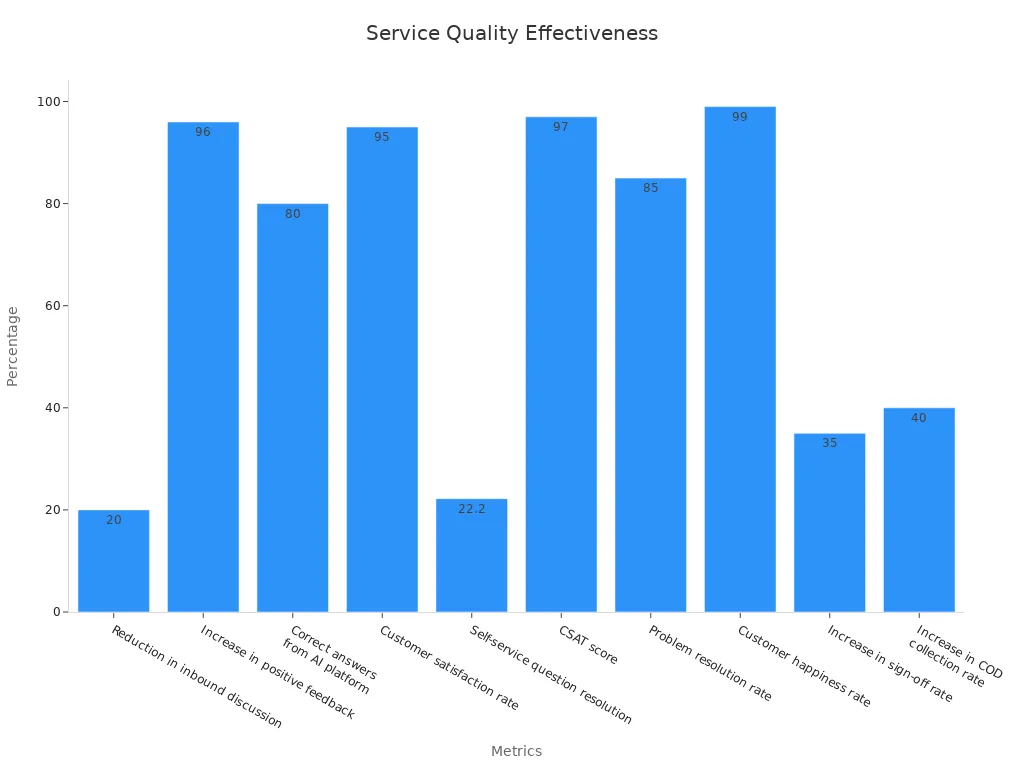
With Sobot, you can streamline operations, resolve customer complaints faster, and achieve measurable improvements in service quality.
Preparing for the Future of Customer Service

Embracing AI and Automation in Customer Service
AI and automation are transforming customer service. They help you handle repetitive tasks, reduce errors, and improve efficiency. For example, adaptive AI can boost resolution times by 35-63% and enhance accuracy by 38-47%. These tools also deliver a 287% financial return over three years, nearly doubling the ROI of traditional AI.
Imagine your team using Sobot’s AI-powered Voicebot. It handles routine queries, freeing your agents to focus on complex issues. This not only improves response times but also enhances customer satisfaction. After implementing automation, brands have seen a 52% reduction in resolution time and a 36% increase in repeat purchases.
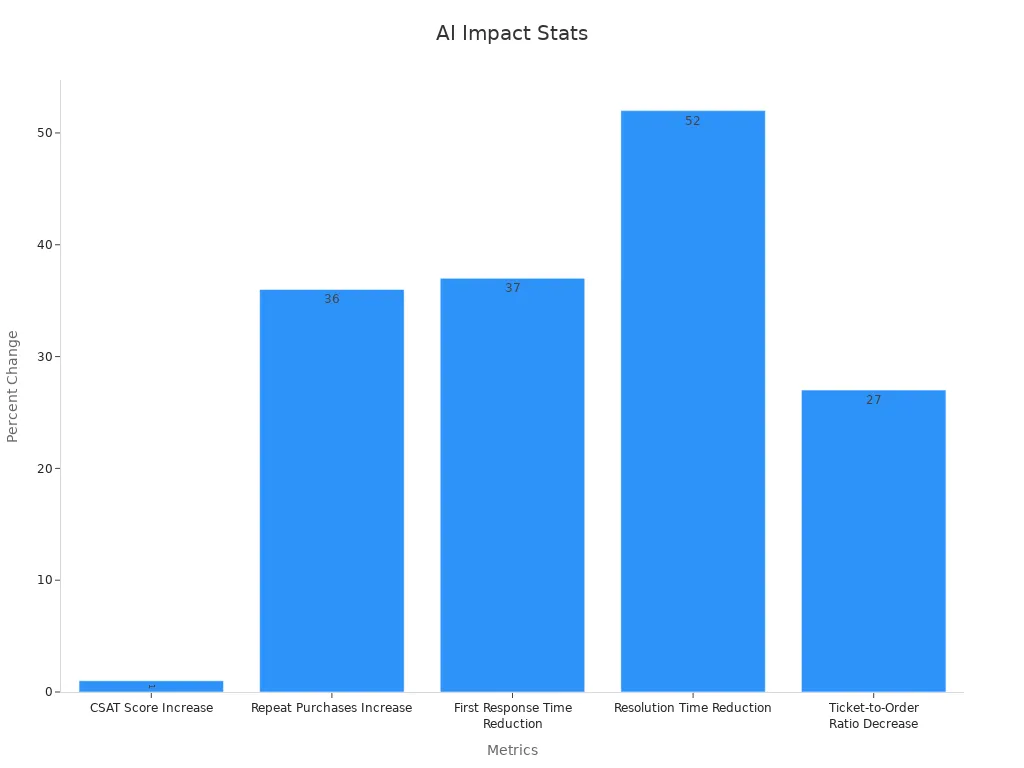
AI doesn’t replace the human touch—it enhances it. While 82% of U.S. consumers want more human interaction, automation ensures your team has the time to deliver it. By blending AI efficiency with empathy, you can meet customer needs while staying ahead of the competition.
Staying Ahead of Industry Trends and Customer Needs
Staying ahead means understanding what your customers want. Data-driven insights from CRMs and analytics help you create personalized experiences. For instance, tracking the customer journey allows you to tailor support and content to specific challenges. This builds loyalty and engagement.
You can also listen to your customers through surveys and sentiment analysis. These tools help you identify unmet needs and refine your services. Sobot’s Omnichannel Solution consolidates feedback from multiple channels, making it easier to act on insights. By embracing omnichannel strategies, prioritizing data privacy, and blending AI with human empathy, you’ll stay ahead of industry trends and meet evolving customer needs.
Building Resilient and Agile Customer Service Teams
Resilient teams adapt quickly to change. To build one, focus on collaboration, continuous improvement, and employee satisfaction. Metrics like team happiness and throughput measure how well your team performs. For example:
| Metric | Description |
|---|---|
| Team happiness | Reflects morale and impacts productivity. |
| Agile maturity index | Assesses how well your team adopts Agile principles. |
| Throughput | Measures task completion rates, showing team efficiency. |
Sobot’s tools support agility by providing real-time analytics and unified workspaces. These features help your team respond to customer needs faster and more effectively. When your team feels supported, they deliver better service, creating a positive cycle of improvement.
The Role of Sobot’s Omnichannel Solutions in Future-Ready Service
Sobot’s Omnichannel Solution is your key to future-ready customer service. It integrates multiple communication channels into one platform, ensuring seamless interactions. Whether your customers reach out via email, social media, or voice, your team can respond quickly and efficiently.
This solution also uses AI to automate repetitive tasks, giving your agents more time to focus on complex issues. With features like a unified workspace and performance analytics, Sobot helps you optimize operations and meet customer needs. By adopting Sobot’s Omnichannel Solution, you’ll be prepared to deliver exceptional service in 2025 and beyond.
Developing strong customer service skills is essential for thriving in 2025. Customers value excellent service, with 90% considering it a key factor in their decisions. They’re even willing to spend 17% more on businesses that deliver it. Take action by training your team and tracking metrics like Customer Effort Score. Tools like Sobot’s Voice/Call Center simplify this process, helping you achieve service excellence.
FAQ
1. How can Sobot’s Voice/Call Center improve my team’s efficiency?
Sobot’s Voice/Call Center streamlines workflows with features like smart call routing, real-time analytics, and a unified workspace. These tools help your team resolve issues faster and more effectively.
2. Is Sobot’s Omnichannel Solution suitable for small businesses?
Absolutely! Sobot’s Omnichannel Solution works for businesses of all sizes. It simplifies communication by integrating multiple channels, making it easier for small teams to manage customer interactions.
💡 Tip: Start with Sobot’s free trial to explore its features and see how it fits your business needs.
3. Can Sobot’s tools help with training new customer service agents?
Yes! Sobot’s tools, like the AI-powered Voicebot and real-time monitoring, provide hands-on training opportunities. They allow new agents to practice and improve their skills in a controlled environment.
See Also
Enhancing Customer Satisfaction Through Live Chat Strategies
Effective Strategies for Quality Management in Call Centers
Essential Principles of Quality Management Systems for Call Centers
Increasing Efficiency with AI-Driven Customer Service Solutions

