Why Quality Call Monitoring Matters


Effective quality call monitoring is a strategic tool for business growth, not merely an operational task. This process offers the most direct path to understanding your customer and boosting agent performance. The Sobot call center, powered by Sobot AI, transforms your quality monitoring.
This continuous monitoring provides actionable insights from every interaction. Such deep monitoring helps you improve overall quality and the performance of your agents, ensuring a high-quality customer experience.
Establish a Data-Driven Call Center Monitoring Process
To truly improve your contact center, you must move beyond outdated monitoring practices. Relying on small, random call samples gives you an incomplete and often misleading picture of your service quality. A modern, data-driven process for call center monitoring is the only way to gain full visibility and drive meaningful change.
Move from Small Samples to 100% Call Analysis
The foundation of effective quality monitoring is analyzing every single customer interaction. This comprehensive approach eliminates guesswork and provides a complete dataset for evaluation. Modern technology makes this possible. With Sobot’s Voice/Call Center product, you can leverage automatic Call Recording & Transcripting to capture every conversation. This creates a rich, searchable database of all interactions, ensuring your call quality monitoring efforts are based on total information, not just a fraction of it. This shift is central to improving call center performance.
Define Your Call Center Quality Assurance Strategy
Capturing every call is just the first step. You need a clear call center quality assurance strategy to turn that data into intelligence. First, you must set clear goals that align with your primary business objectives, like improving first-contact resolution. Next, you should create call center quality assurance forms that reflect these goals.
Your call center quality assurance forms should evaluate key areas such as:
- Effective communication and soft skills
- Adherence to company guidelines
- Efficiency in problem resolution
This structured approach to call center quality monitoring ensures your team has a consistent framework for evaluations. Following call quality monitoring best practices helps standardize the quality of your management and monitoring.
Uncover Root Causes with In-Depth Analytics
Your ultimate goal is to find and fix the root causes of customer issues. A robust call center quality assurance program uses analytics to dig deeper than surface-level metrics. By analyzing trends across all interactions, you can identify recurring problems. For example, you might discover that many customers call about a confusing step in your checkout process. Sobot’s robust Data Analytics provides the actionable insights needed for this analysis. This level of monitoring transforms your call center quality assurance from a simple review task into a powerful tool for business improvement. When you invest in call center quality monitoring software, you empower your team to make data-backed decisions that enhance quality and customer satisfaction.
Improve Quality Monitoring with Customer-Centric Metrics
A data-driven process is only as good as the metrics you measure. Many contact centers fall into the trap of focusing on internal efficiency metrics that do not reflect the customer experience. To elevate your call center quality monitoring, you must shift your focus from operational outputs to customer outcomes. This change transforms your monitoring from a simple check-the-box activity into a powerful engine for building customer loyalty.
Align Scorecards with Customer Values
Your quality assurance scorecards are the blueprint for agent success. You must design them to reflect what your customer truly values. A scorecard focused only on internal procedures misses the point. Instead, you should build your call center quality assurance forms around metrics that directly measure the quality of the customer's experience.
Evaluate every interaction from two perspectives: the business's needs and the customer's feelings. Your scorecard should measure an agent's empathy, understanding, and effectiveness in resolving the issue on the first attempt.
Key performance indicators that capture the customer perspective include:
- First Contact Resolution (FCR): Did you solve the customer's problem on the first try? A high FCR rate is a strong indicator of both efficiency and customer satisfaction.
- Customer Satisfaction (CSAT): This metric directly asks customers how they feel about their interaction, providing immediate feedback on agent performance.
- Net Promoter Score (NPS): This measures long-term loyalty by asking how likely a customer is to recommend your company. It provides a high-level view of your overall service quality.
By weighting these customer-centric metrics heavily in your scorecards, you send a clear message to your agents: the customer’s happiness is the top priority. This approach to quality monitoring ensures your team is focused on delivering exceptional service.
Move Beyond AHT with Call Center Quality Monitoring
One of the most common mistakes in call center monitoring is an overemphasis on Average Handle Time (AHT). While efficiency is important, pressuring agents to end calls quickly can be destructive. This focus often leads to rushed service, where agents provide superficial fixes instead of addressing root causes. The result is frustrated customers, repeat calls, and lower first call resolution rates.
An excessive focus on AHT can create a culture that harms both your customers and your agents. It discourages thorough engagement and can lead to agent burnout. Effective call center quality monitoring looks beyond speed. Instead of AHT, you should prioritize metrics that reflect the quality and completeness of the interaction, such as:
- Call Transfer Rate: A high rate may signal that your routing is inefficient or that agents need more training.
- Average Resolution Time: This measures the entire journey from initial contact to final resolution, giving you a more holistic view of efficiency.
Shifting your monitoring focus away from AHT empowers agents to spend the necessary time with each customer, ensuring their issues are fully resolved. This builds trust and improves the overall quality of your customer service.
Drive CSAT and Loyalty with Outcome-Based Goals
Ultimately, the goal of quality call monitoring is to drive positive business outcomes. Customer-centric companies are significantly more profitable and grow revenue faster than their competitors. When you build an emotional connection with your customers, they become loyal advocates for your brand. This requires setting clear, outcome-based goals for your team.
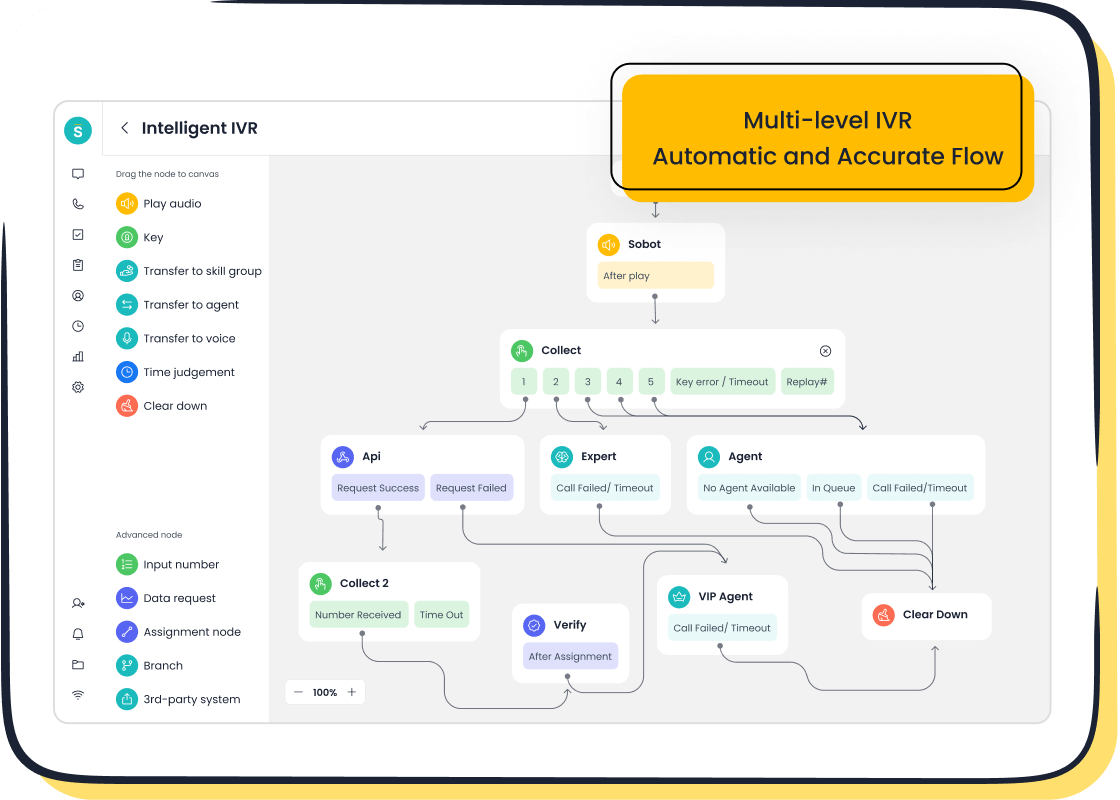
Your call center quality assurance process should be designed to improve CSAT and foster loyalty. This means moving beyond simply reviewing calls and actively using insights to improve performance. For example, America's largest online Asian supermarket, Weee!, faced challenges with an inflexible IVR system that created poor customer experiences. By implementing Sobot’s flexible IVR, Weee! could intelligently route customers based on their specific needs and language. This customer-centric use of technology led to a 96% customer satisfaction score.
The Weee! story demonstrates the power of aligning your technology and processes with outcome-based goals. When your call center monitoring is geared toward improving the customer journey, you empower your team to create experiences that build lasting loyalty and drive business growth.
Empower Agents Through Fair and Transparent Evaluations
Effective quality call monitoring is a tool for development, not punishment. When you shift your focus from catching mistakes to coaching for improvement, you build a stronger, more motivated team. A fair and transparent evaluation process is the foundation of this culture. It transforms monitoring from a source of anxiety into a catalyst for growth.
Research consistently shows that transparent evaluation processes significantly lower agent turnover rates and boost morale. When agents understand how they are measured and see the process as fair, they become more engaged and invested in their performance.
Involve Agents in Scorecard Development
The first step toward fairness is collaboration. Instead of imposing standards from the top down, you should involve your agents in the process to create call center quality assurance forms. Your frontline team has invaluable insight into what makes a customer interaction successful. By working with them to define KPIs and scoring criteria, you ensure the metrics are relevant and realistic. This collaborative approach builds buy-in and empowers agents to take ownership of their performance. Following these call quality monitoring best practices ensures your evaluations are seen as a partnership for success.
Provide Specific, Evidence-Based Coaching
Vague feedback like "be more empathetic" is not actionable. To truly help your agents improve, your coaching must be specific, objective, and rooted in evidence. This means focusing on concrete behaviors, not personality traits. The best way to do this is by reviewing actual interactions together.
This is where the right technology becomes indispensable. With Sobot’s Unified Workspace, managers have instant access to call recordings and transcripts. During a coaching session, you can pinpoint exact moments in a conversation to illustrate a point. For example, you can review a specific part of a transcript to show an agent where they successfully de-escalated a situation or where a different approach could have improved the outcome. This data-driven training makes feedback tangible and empowers agents with clear steps for improvement.
Leverage Sobot for Effective Quality Call Monitoring
A fair evaluation process depends on having a complete and unbiased view of agent performance. Modern call center quality monitoring tools eliminate subjectivity by providing a single source of truth. Sobot’s platform gives managers all the necessary data in one place, making the call center quality assurance process both efficient and transparent.
By leveraging a unified system for monitoring, you ensure every agent is evaluated against the same objective criteria. This consistency builds a culture of trust and continuous improvement. When agents know that feedback is based on comprehensive data, not random sampling or personal opinion, they are more receptive to coaching. This transforms your call center monitoring from a simple oversight task into a powerful engine for developing top-performing agents.
Effective quality call monitoring is a strategic tool for business growth, not just an operational task. A quality-focused process transforms your contact center. It turns raw data into actionable insights, aligns operations with customer happiness, and empowers agents to become brand ambassadors. This approach to quality monitoring creates a cycle of continuous improvement.
- It transforms raw data into business intelligence.
- It aligns operations with customer happiness.
- It empowers agents to be brand ambassadors.
Ultimately, your monitoring process is a core driver of business success. You build lasting customer loyalty when you invest in quality.
FAQ
What is the main goal of quality call monitoring?
The primary goal is to improve agent performance and enhance the customer experience. You use it as a strategic tool for coaching and development, not just for finding errors. This process drives customer loyalty and supports overall business growth.
How can I analyze every call?
You can move beyond small samples by using modern tools. Sobot’s Voice/Call Center product offers automatic Call Recording & Transcripting. This feature captures every interaction, giving you a complete dataset for your call center quality monitoring and analysis.
Why should I focus on CSAT instead of AHT?
Focusing on Average Handle Time (AHT) can lead to rushed, poor service. Customer Satisfaction (CSAT) measures the quality of the interaction from the customer's perspective. Prioritizing CSAT encourages agents to fully resolve issues, which builds trust and loyalty.
How does Sobot help make evaluations fair?
Sobot provides a Unified Workspace where managers can access call recordings and transcripts. This allows you to use objective data for coaching. Feedback becomes specific and evidence-based, creating a transparent and fair evaluation process for your agents.
See Also
Implementing Top Strategies for Superior Call Center Quality Management
Essential Guide: Selecting and Utilizing Call Center Quality Assurance Software
Elevate Call Center Performance: Effective Monitoring Strategies for Success
Understanding Core Principles: A Guide to Call Center QMS
Comparing Leading Voice of Customer Software Solutions for Your Business

