10 Tips to Improve User Feedback Collection Workflows

User feedback collection plays a vital role in shaping a superior customer experience and driving business success. Companies that implement effective feedback workflows often see significant improvements in customer satisfaction, with 85% reporting positive outcomes, as shown below:
| Percentage | Description |
|---|---|
| 85% | Companies using feedback loops report improved customer satisfaction |
However, businesses face several challenges in user feedback workflows:
- Insufficient feedback due to limited channels or poor timing.
- Low-quality feedback caused by poorly framed questions.
- Feedback overload, making analysis difficult.
- Challenges in closing the feedback loop, which impacts customer trust.

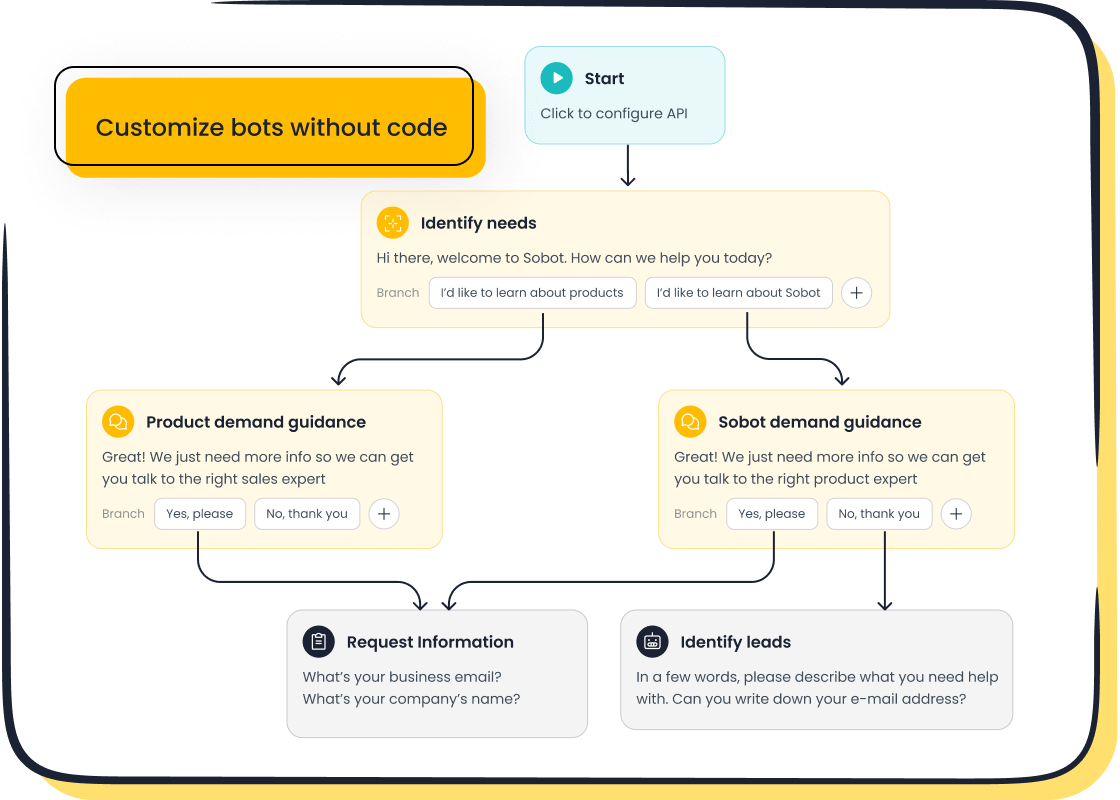
Adopting innovative tools like Sobot's Chatbot can address these issues. Its AI-powered capabilities streamline workflows, ensuring efficient user feedback management while enhancing data security and actionable insights.
Simplify the User Feedback Collection Process
Design Intuitive Feedback Forms
Keep forms concise and user-friendly
When designing feedback forms, simplicity is key. Long forms often discourage users from completing them. Focus on asking only the most relevant questions. For example, instead of requesting detailed personal information, ask for just a name and email. This approach reduces friction and increases the likelihood of receiving user feedback. Additionally, ensure the form layout is clean and easy to navigate. Use dropdown menus or checkboxes to make the process faster for users. A well-structured form not only saves time but also improves the quality of the feedback you collect.
Use clear, accessible language
The language you use in feedback forms should be straightforward and inclusive. Avoid technical jargon or overly complex terms that might confuse users. For instance, instead of asking, "What are your thoughts on our product's UX design?" you could say, "How easy was it to use our product?" This ensures that users from diverse backgrounds can understand and respond effectively. Clear language fosters trust and encourages more users to share their thoughts, enhancing the overall user feedback collection process.
Offer Multiple Feedback Channels
Include options like live chat, email, and surveys
Providing multiple channels for feedback ensures you meet users where they are most comfortable. Some users prefer quick interactions through live chat, while others might opt for detailed responses via email or surveys. Offering these options increases the chances of capturing diverse perspectives. For example, live chat can capture real-time feedback during a customer interaction, while surveys can gather more structured insights. This variety ensures you collect comprehensive user feedback that reflects different user preferences and behaviors.
Leverage omnichannel tools like Sobot's Chatbot
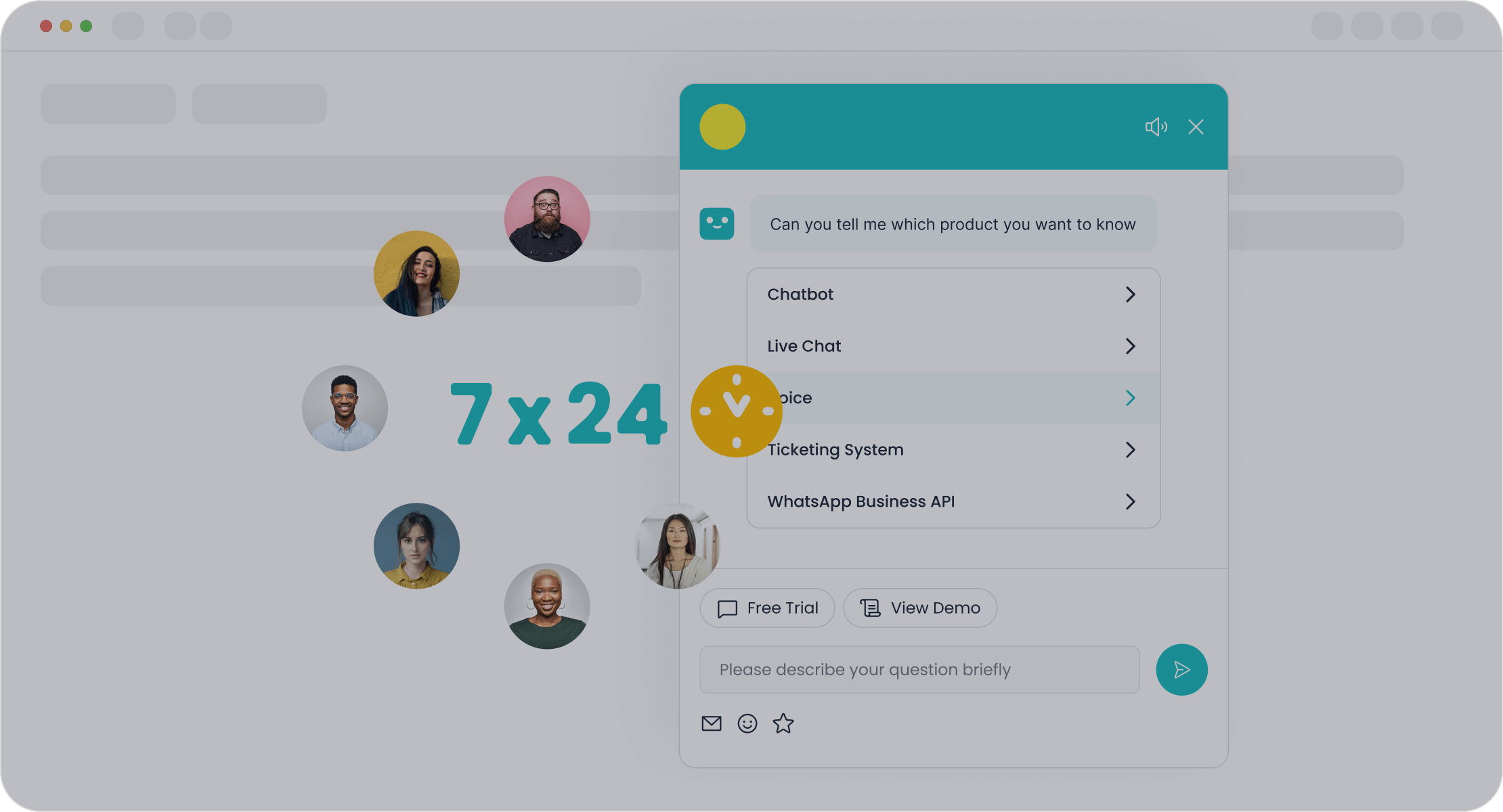
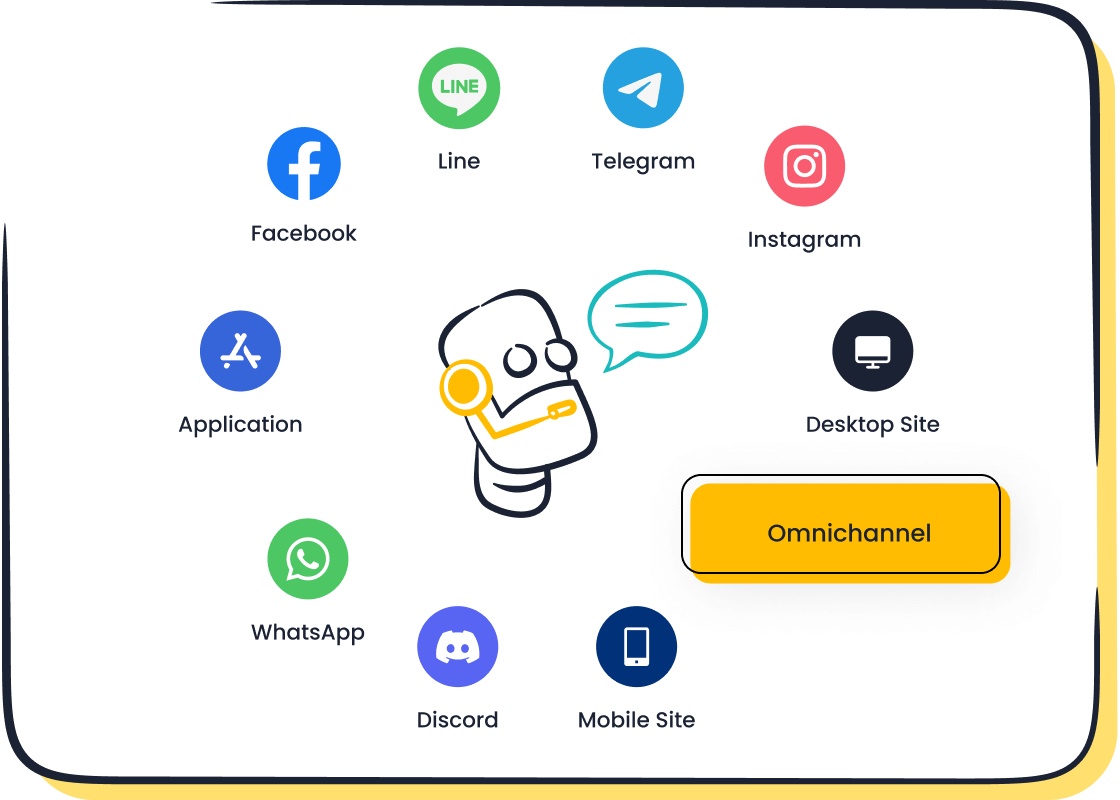
Using advanced tools like Sobot's Chatbot can streamline your feedback workflows. The chatbot operates 24/7, allowing users to share their thoughts at any time. Its omnichannel support integrates with platforms like WhatsApp and SMS, ensuring users can provide feedback through their preferred channels. This flexibility boosts engagement and helps you gather actionable insights. For instance, Sobot's Chatbot can automatically categorize feedback, making it easier to analyze and prioritize. Businesses like Agilent have seen significant improvements in efficiency by adopting such tools, achieving a sixfold increase in customer service efficiency.
Tip: Offering multiple feedback channels not only increases engagement but also provides varied insights. The table below highlights the benefits:
| Benefit | Description |
|---|---|
| Increased Engagement | Customers are more likely to provide feedback when they can choose their preferred method, leading to higher participation. |
| Comprehensive Insights | Different channels provide varied insights; written feedback offers detail, while calls provide emotional context. |
Customize Feedback Workflows for Your Business
Tailor Feedback Questions to Business Goals
Align questions with specific objectives
To make user feedback meaningful, align your questions with your business goals. For instance, if your goal is to improve customer satisfaction, ask users about their experience with your product or service. Questions like "What features do you find most helpful?" or "How can we improve your experience?" provide actionable insights. This approach ensures that the feedback you collect directly supports your objectives. Tools like Sobot's Chatbot can help you design these targeted questions, ensuring they are relevant and easy to answer.
Avoid generic or irrelevant queries
Generic questions often lead to vague responses, making it harder to derive actionable insights. Avoid asking broad questions like "What do you think about our company?" Instead, focus on specifics. For example, "How would you rate our delivery process?" or "Was our support team able to resolve your issue?" These targeted queries yield precise feedback, helping you identify areas for improvement. By refining your questions, you can enhance the quality of your user feedback collection process.
Segment Feedback by User Demographics
Differentiate feedback by user type or behavior
Segmenting feedback by user demographics allows you to understand the unique needs of different customer groups. For example, a retail business might categorize feedback based on age groups or purchase history. Younger users may prioritize mobile app usability, while older customers might value in-store experiences. This differentiation helps you tailor your strategies to meet diverse needs. Sobot's omnichannel tools make it easy to collect and analyze segmented feedback, ensuring you address specific user concerns effectively.
Use segmentation to derive actionable insights
Segmented feedback offers several benefits that can drive your business forward:
- Better brand awareness
- More efficient processes
- Improved customer relationships
- The ability to offer new products and services
- Better product delivery
- Staying ahead of your competition
For instance, analyzing feedback from high-value customers can reveal opportunities to enhance loyalty programs. Similarly, understanding the preferences of first-time users can help you refine onboarding processes. By leveraging segmentation, you can transform raw feedback into actionable strategies that boost customer satisfaction and business growth.
Enhance Workflow Automation with AI
Automate Feedback Requests
Trigger requests after key interactions
Timing plays a crucial role in collecting meaningful user feedback. Automating feedback requests immediately after key interactions ensures you capture users' thoughts while their experience is still fresh. For example, after a customer completes a purchase or resolves an issue with support, an automated system can send a quick survey. This approach not only increases response rates but also provides more accurate insights into user satisfaction. Tools like Sobot's Chatbot can trigger these requests seamlessly across multiple channels, such as WhatsApp or email, ensuring a smooth workflow.
Schedule periodic surveys for consistent insights
Regularly scheduled surveys help you maintain a steady stream of user feedback. By automating this process, you can gather insights without burdening your team with manual tasks. AI-powered tools like Sobot's Chatbot can schedule surveys at optimal intervals, ensuring you stay updated on user sentiment. For instance, a quarterly survey can help you track trends in customer satisfaction over time. This consistency allows you to identify patterns and make informed decisions to improve your workflows.
Tip: Automating feedback requests saves time and ensures consistency. It also uncovers hidden patterns in responses, enabling faster and more informed decision-making.
Use AI-Powered Tools for Analysis

Leverage Sobot's Chatbot for sentiment analysis
AI-powered tools like Sobot's Chatbot excel at analyzing user feedback. The chatbot uses advanced natural language processing (NLP) to determine whether feedback is positive, negative, or neutral. This sentiment analysis helps you gauge customer satisfaction at scale. For example, if a majority of users express frustration with a specific feature, you can prioritize improvements in that area. By automating this analysis, you save time and gain actionable insights without manual effort.
Automatically categorize and prioritize feedback
Manually sorting through feedback can overwhelm your team, especially when dealing with large volumes. AI tools like Sobot's Chatbot simplify this process by automatically categorizing feedback into themes, such as product features or customer service. The chatbot also prioritizes feedback based on urgency or sentiment, ensuring critical issues receive immediate attention. For instance, Agilent, a global leader in life sciences, used Sobot's Chatbot to streamline their workflows, achieving a sixfold increase in efficiency. This automation allows your team to focus on solving problems rather than sorting data.
Note: Other AI tools, such as MonkeyLearn and Revuze, also offer sentiment analysis and trend detection. However, Sobot's Chatbot stands out with its omnichannel support and seamless integration into existing workflows.
Derive Actionable Insights from Customer Feedback
Focus on Key Metrics
Track NPS, CSAT, and other relevant KPIs
Tracking key performance indicators (KPIs) helps you measure the effectiveness of your customer experience. Metrics like Net Promoter Score (NPS), Customer Satisfaction (CSAT), and Customer Effort Score (CES) provide valuable insights into how well your business meets customer expectations. For example:
- NPS evaluates customer loyalty by asking how likely they are to recommend your service.
- CSAT measures satisfaction with specific interactions or products.
- CES assesses how easy it is for customers to resolve issues.
These metrics allow you to identify strengths and weaknesses in your user feedback collection process. Tools like Sobot's Chatbot can help you gather these metrics efficiently by automating surveys and categorizing responses. This ensures you have accurate data to improve your workflows and enhance customer satisfaction.
Use qualitative feedback for deeper understanding
While metrics provide a quantitative overview, qualitative feedback offers richer customer insights. Comments and suggestions from users reveal the "why" behind their ratings. For instance, a customer might rate your service highly but mention that delivery times could improve. Analyzing this type of feedback helps you address specific pain points. AI tools like Sobot's Chatbot can analyze text responses using sentiment analysis, making it easier to extract actionable insights from large volumes of data.
Visualize Feedback Data
Create dashboards for easy analysis
Visualizing feedback data simplifies decision-making. Dashboards present key metrics and trends in a clear, digestible format. For example, you can track NPS trends over time or compare CSAT scores across different customer segments. Sobot's omnichannel tools integrate seamlessly with your existing systems, enabling you to create real-time dashboards. These visualizations help you identify patterns and prioritize areas for improvement, ensuring your user feedback management process remains efficient.
Share insights across teams for collaboration
Sharing feedback insights across departments fosters collaboration and drives meaningful changes. For instance, your product team can use customer feedback to refine features, while your marketing team can tailor campaigns based on user preferences. Sobot's unified platform centralizes feedback data, making it accessible to all teams. This eliminates silos and ensures everyone works toward enhancing the overall customer experience. By involving multiple teams, you can turn feedback into actionable strategies that benefit your entire organization.
Tip: Regularly update your dashboards and share insights during team meetings to keep everyone aligned with customer needs.
Foster Collaboration in Feedback Workflows
Centralize Feedback Data
Use platforms like Sobot to unify data
Centralizing user feedback is essential for efficient workflows. Platforms like Sobot provide a unified system to manage feedback data effectively. By consolidating feedback from multiple channels, such as live chat, email, and surveys, you can eliminate confusion and streamline decision-making. For example, Sobot's omnichannel tools allow you to access all customer feedback in one place, ensuring no valuable insights are overlooked. This approach not only saves time but also improves the accuracy of your user feedback management process.
Avoid silos by integrating tools and systems
Data silos can hinder collaboration and lead to inconsistent information. Integrating tools and systems ensures that feedback flows seamlessly across departments. This integration enhances collaboration, improves data accuracy, and reduces redundant software costs. For instance, a unified feedback management system enables teams to work with up-to-date information, fostering smarter decision-making. Breaking down silos also increases agility, allowing your business to adapt quickly to market changes. By using Sobot's solutions, you can unify your workflows and create a single source of truth for all customer feedback.
Encourage Cross-Departmental Collaboration
Involve teams in analyzing and acting on feedback
Collaboration across departments ensures that feedback leads to actionable outcomes. When teams analyze feedback together, they gain a deeper understanding of task interdependencies, improving communication and cooperation. For example, project closure meetings can serve as a platform for sharing feedback, helping teams refine processes and grow professionally. Sobot's centralized platform makes it easy to share customer feedback across teams, ensuring everyone works toward common goals. This collaborative approach drives better results and strengthens customer engagement.
Use feedback to drive product and service improvements
Customer feedback is a powerful tool for innovation. By involving multiple teams, you can turn insights into meaningful product and service enhancements. For instance, your product team can use feedback to refine features, while your marketing team can tailor campaigns to customer preferences. This cross-departmental effort ensures that improvements align with customer needs, boosting satisfaction and loyalty. Companies that prioritize collaboration often see higher efficiency and better customer engagement. Sobot's tools simplify this process by providing actionable insights, enabling your teams to focus on delivering exceptional customer experiences.
Prioritize Data Security in Feedback Workflows
Ensure Compliance with Regulations
Follow GDPR, CCPA, and other relevant laws
Compliance with regulations like GDPR and CCPA is essential when collecting user feedback. These laws protect user privacy and ensure businesses handle data responsibly. For example, GDPR requires you to store data securely and only use it for its intended purpose. Non-compliance can lead to hefty fines and damage your reputation. To stay compliant, review the legal requirements in your region and implement policies that align with them. Tools like Sobot's Chatbot simplify compliance by securely managing feedback data across multiple channels, ensuring your workflows meet regulatory standards.
Obtain user consent for feedback collection
Obtaining user consent is a critical step in feedback workflows. Always inform users about how their data will be used and stored. For instance, include a checkbox in your feedback forms where users can agree to your terms. This transparency builds trust and encourages more users to share their feedback. Sobot's Chatbot can automate this process by integrating consent requests into its feedback collection workflows, making it easier for you to comply with privacy laws while maintaining user trust.
Use Secure Feedback Tools
Encrypt sensitive data to protect user privacy
Encryption is one of the most effective ways to safeguard user feedback. It ensures that data remains secure both during transmission and while stored. For example, using encryption protocols like SSL/TLS protects feedback submitted through online forms or chatbots. Sobot's Chatbot employs advanced encryption methods to secure user feedback, giving you peace of mind that sensitive data is protected. Additionally, encryption reduces the risk of data breaches, which can harm your business and erode customer trust.
Regularly audit systems for vulnerabilities
Regular audits help you identify and fix potential security gaps in your feedback workflows. These audits should include reviewing software updates, conducting risk assessments, and monitoring access logs. For example, role-based permissions can restrict access to sensitive data, while audit trails track who interacts with the system. Sobot's tools support these practices by providing centralized data management and robust security features. By auditing your systems regularly, you can ensure your feedback workflows remain secure and compliant with industry standards.
Tip: Implementing best practices like encryption, regular audits, and role-based permissions not only protects user feedback but also strengthens your overall data security strategy.
Close the Feedback Loop with Users
Respond to Feedback Promptly
Acknowledge user input in real-time
Acknowledging user feedback in real-time demonstrates that you value your customers' opinions. A simple "Thank you for your feedback" or an automated acknowledgment message can go a long way in building trust. For example, Sobot's Chatbot can instantly respond to user feedback across multiple channels, ensuring no input goes unnoticed. This immediate acknowledgment reassures users that their voices matter, encouraging them to continue sharing their thoughts. Prompt responses also help you address concerns before they escalate, improving the overall customer experience.
Share updates on how feedback is being used
Sharing updates about how you’ve implemented user feedback strengthens customer trust and loyalty. When users see their suggestions lead to tangible changes, they feel more connected to your brand. For instance, you can send follow-up emails or use tools like Sobot's Chatbot to inform users about updates. This transparency not only closes the feedback loop but also enhances your brand's credibility. The table below highlights the benefits of responding promptly to feedback:
| Benefit | Description |
|---|---|
| Customer Trust and Loyalty | Shows that the company values feedback and is committed to resolving issues. |
| Control Narrative | Helps prevent misinformation from spreading. |
| Service Improvement | Provides an opportunity to enhance services or products based on feedback. |
| Positive Turnaround | Demonstrates commitment to customer service, turning negatives into positives. |
Implement Changes Based on Feedback
Highlight improvements to build trust
Implementing changes based on user feedback shows your commitment to continuous improvement. Highlighting these changes builds trust and encourages more customers to share their opinions. For example, Tesla achieved a high NPS score of 96 by rapidly implementing customer feedback and communicating updates through social media. Similarly, Airbnb uses guest ratings and reviews to refine its platform, enhancing both guest and host experiences. Sharing these success stories with your audience can inspire confidence in your brand.
Use tools like Sobot's Chatbot to communicate updates
Sobot's Chatbot simplifies the process of keeping users informed about changes. Its omnichannel capabilities allow you to send personalized updates via platforms like WhatsApp or SMS. For instance, if you’ve improved a product feature based on user feedback, the chatbot can notify users instantly. This proactive communication not only closes the feedback loop but also strengthens customer relationships. By leveraging tools like Sobot's Chatbot, you can ensure your updates reach users effectively, fostering a sense of collaboration and trust.
Continuously Optimize Feedback Workflows
Regularly Review and Update Processes
Identify inefficiencies and bottlenecks
Optimizing user feedback workflows begins with identifying inefficiencies that slow down your processes. Common issues include overprocessing, delays, and mismatched skills, which can lead to errors and reduced productivity. For example, excessive manual sorting of feedback data wastes time and increases the risk of mistakes. To address these challenges, focus on streamlining repetitive tasks and automating where possible. Tools like Sobot's Chatbot can help by categorizing and prioritizing feedback automatically, reducing the workload on your team.
A structured approach to reviewing workflows ensures continuous improvement. Follow these steps:
- Request feedback on your current processes.
- Filter and analyze the feedback to identify pain points.
- Implement changes based on the insights gathered.
- Request further feedback to evaluate the effectiveness of updates.
- Reflect on the results to refine future workflows.
This iterative process keeps your workflows efficient and aligned with your business goals.
Adapt workflows to evolving business needs
Adapting your workflows to meet changing business needs ensures long-term success. For instance, as your customer base grows, you may need to integrate new feedback channels or scale your data analysis capabilities. Automation plays a key role here, allowing your team to focus on strategic tasks rather than manual processes.
The benefits of adapting workflows include enhanced employee satisfaction, streamlined operations, and a positive work environment. For example:
| Benefit | Explanation |
|---|---|
| Enhances employee experience | Streamlined processes increase job satisfaction and productivity. |
| Fosters a positive work environment | Recognition and improved workflows boost morale and collaboration. |
| Streamlines operations | Automation reduces errors and frees up time for strategic activities. |
By staying flexible and proactive, you can ensure your user feedback workflows remain effective and scalable.
Stay Updated on Feedback Tools
Explore new technologies and platforms
The rapid evolution of technology offers new opportunities to enhance user feedback workflows. Feedback Management Systems, powered by AI and Machine Learning, are transforming how businesses collect and analyze feedback. These tools provide actionable insights by identifying trends and patterns in user feedback. For example, AI can detect recurring issues in customer comments, enabling you to address them proactively. Staying informed about these advancements ensures you leverage the best tools to improve your workflows and drive better results.
Test and adopt tools like Sobot's Chatbot
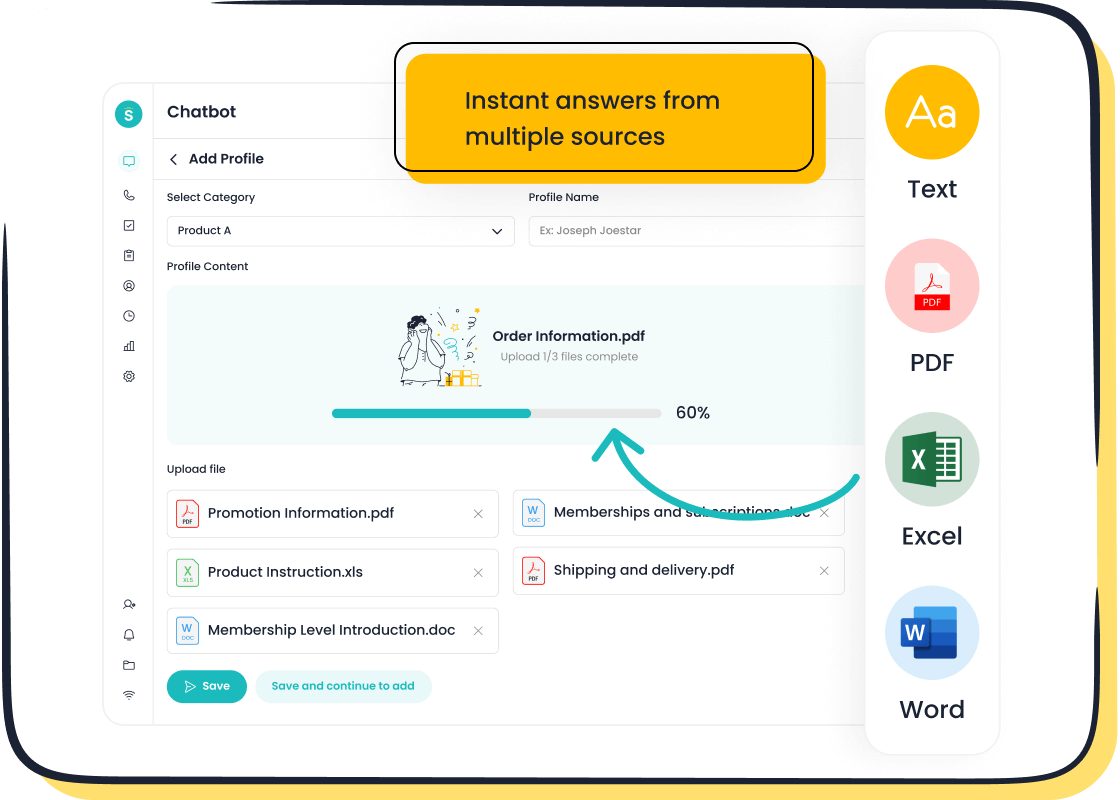
Testing and adopting advanced tools like Sobot's Chatbot can revolutionize your feedback processes. This AI-powered solution automates feedback collection, categorization, and sentiment analysis, saving time and improving accuracy. Its omnichannel support allows you to gather feedback across platforms like WhatsApp, SMS, and live chat, ensuring you meet users where they are most comfortable. Businesses like Agilent have already seen significant improvements by integrating Sobot's tools, achieving a sixfold increase in efficiency.
By regularly testing and adopting innovative tools, you can stay ahead of the curve and ensure your workflows remain efficient and user-focused.
Train Teams on Feedback Collection Best Practices
Educate Teams on the Value of Feedback
Share success stories from feedback-driven changes
Sharing success stories with your team can inspire them to see the transformative power of user feedback. For example, Agilent, a leader in life sciences, achieved a sixfold increase in customer service efficiency by integrating Sobot's Chatbot into their workflows. This improvement not only reduced costs by 25% but also boosted customer satisfaction to 95%. Highlighting such examples shows your team how feedback can lead to measurable success.
| Evidence Source | Key Benefit |
|---|---|
| Unlocking Success Through Team Feedback And Collaboration | Provides a blueprint for leaders, illustrating the integral role of feedback in innovation |
| Utilizing feedback systems for leaders to drive innovation and manage change effectively | Shifts perception of feedback from critique to growth component |
These stories help your team understand that feedback is not just a critique but a tool for growth and innovation.
Highlight the impact of user insights on business growth
User feedback plays a critical role in driving business growth. For instance, companies that actively use feedback loops report an 85% improvement in customer satisfaction. When your team sees how user insights directly influence product development, marketing strategies, and customer retention, they become more invested in collecting and analyzing feedback. Tools like Sobot's Chatbot simplify this process by automating feedback collection and analysis, ensuring your team can focus on actionable insights.
Provide Training on Tools and Techniques
Offer workshops on using tools like Sobot's Chatbot
Workshops are an effective way to train your team on feedback collection tools. Sobot's Chatbot, for instance, offers features like automated sentiment analysis and omnichannel support, which streamline user feedback workflows. During workshops, you can demonstrate how the chatbot categorizes feedback, prioritizes urgent issues, and integrates with platforms like WhatsApp. This hands-on training ensures your team understands the tool's capabilities and feels confident using it.
Effective training methods include:
- Anonymous Surveys: Encourage honest feedback from employees about the training process.
- Clear Goals: Set measurable objectives for the workshop, such as improving feedback response times.
- Using Training Technology: Incorporate tools that allow participants to rate and review the training content.
These methods enhance engagement and ensure your team gains practical skills.
Ensure team proficiency in feedback workflows
Proficiency in feedback workflows requires continuous learning. Regularly update your team on best practices, such as tailoring questions to business goals or segmenting feedback by user demographics. Use role-playing exercises to simulate real-world scenarios, helping your team practice collecting and analyzing user feedback effectively. Sobot's Chatbot can serve as a training tool, allowing your team to explore its features in a controlled environment. This approach not only improves their skills but also ensures your workflows remain efficient and user-focused.
Tip: Encourage your team to share their own feedback on the training process. This creates a culture of continuous improvement and collaboration.
Measure the Success of Feedback Workflows
Track Workflow Efficiency
Measure time spent on feedback collection and analysis
Tracking the time spent on collecting and analyzing user feedback is essential for improving your workflow. Start by identifying how long it takes to gather feedback from different channels, such as surveys, live chat, or email. For example, if analyzing survey responses takes longer than expected, consider using tools like Sobot's Chatbot to automate the process. The chatbot can categorize and prioritize feedback in real-time, saving your team valuable hours. By monitoring time metrics, you can pinpoint inefficiencies and streamline your processes, ensuring faster and more effective feedback management.
Identify areas for improvement
Evaluating your workflow helps you uncover bottlenecks that hinder efficiency. For instance, if your team struggles to process large volumes of customer feedback, automation can be a game-changer. Sobot's AI-powered tools simplify this by automatically sorting and analyzing data, allowing your team to focus on actionable insights. Regularly reviewing your workflow ensures you adapt to changing business needs and maintain a high level of efficiency. This proactive approach not only saves time but also enhances the overall customer experience.
Evaluate the Impact of Feedback
Assess changes made based on user feedback
Measuring the impact of changes driven by user feedback helps you understand its value. For example, if customers frequently mention slow response times, implementing a chatbot like Sobot's can address this issue. Track metrics such as resolution time and customer satisfaction to evaluate the effectiveness of these changes. Companies like Starbucks have successfully used feedback to refine their offerings, achieving a high Net Promoter Score by implementing customer suggestions. This demonstrates how acting on feedback can lead to tangible improvements in customer experience.
Monitor customer satisfaction and retention rates
Customer satisfaction and retention rates are key indicators of how well your feedback strategies work. Businesses like Amazon and Zoom use feedback to enhance their services, resulting in improved customer loyalty. For example, Amazon combines reviews and ratings to refine products, while Zoom collects feedback to innovate its platform. Monitoring these metrics helps you identify trends and make data-driven decisions. Tools like Sobot's Chatbot can assist by gathering and analyzing customer feedback across multiple channels, ensuring you stay aligned with user needs.
| Company | Feedback Strategy | Impact on Customer Satisfaction |
|---|---|---|
| Amazon | Combines reviews, ratings, and feedback to improve products and services. | Enhances customer experience and informs development and marketing strategies. |
| Starbucks | Uses feedback for menu development and customer experience improvements. | Achieved a high Net Promoter Score by implementing customer ideas and enhancing service quality. |
Tip: Regularly monitor these metrics to ensure your feedback workflows remain effective and customer-focused.
Improving your user feedback collection workflows can transform how you engage with customers and employees. By following these 10 tips, you can simplify processes, customize workflows, and leverage AI tools like Sobot's Chatbot to automate and analyze feedback effectively. These strategies not only enhance customer satisfaction but also drive business growth by fostering collaboration and innovation.
Streamlined workflows offer long-term benefits, as shown below:
| Benefit | Description |
|---|---|
| Enhanced Employee Satisfaction | Streamlined processes lead to increased job satisfaction and a sense of accomplishment. |
| Improved Collaboration | Transparency fosters trust, promoting teamwork and accountability among employees. |
| Increased Productivity | Satisfied employees are more motivated, resulting in higher efficiency and quality of work. |
Businesses that embrace feedback loops—whether for customer feedback, product development, or quality control—achieve measurable growth. For example, collecting customer feedback through surveys and reviews helps refine products and services, while performance feedback loops optimize business strategies. By adopting these practices, you can create a feedback-driven culture that benefits both your team and your customers.
FAQ
What are user feedback collection workflows?
User feedback collection workflows refer to the processes businesses use to gather, analyze, and act on customer feedback. These workflows often include tools like surveys, live chat, and AI-powered solutions such as Sobot's Chatbot, which streamline feedback collection and provide actionable insights.
How can Sobot's Chatbot improve feedback workflows?
Sobot's Chatbot automates feedback collection, categorization, and sentiment analysis. It operates 24/7, integrates with platforms like WhatsApp, and supports multiple languages. Businesses like Agilent have achieved a sixfold increase in efficiency by using it, reducing costs and improving customer satisfaction.
Why is segmentation important in feedback workflows?
Segmentation helps you understand different customer groups. For example, younger users may prioritize app usability, while older customers might value in-store experiences. Tools like Sobot's Chatbot simplify segmentation, enabling you to tailor strategies and improve satisfaction across demographics.
What metrics should you track in feedback workflows?
Key metrics include Net Promoter Score (NPS), Customer Satisfaction (CSAT), and Customer Effort Score (CES). These indicators help you measure loyalty, satisfaction, and ease of interaction. Sobot's Chatbot can automate surveys to collect these metrics efficiently.
How does automation benefit feedback workflows?
Automation saves time and reduces errors. For instance, Sobot's Chatbot can trigger feedback requests after key interactions and categorize responses automatically. This ensures faster analysis and allows your team to focus on implementing improvements based on actionable insights.
See Also
10 Strategies to Enhance Customer Satisfaction via Live Chat
10 Guidelines for Selecting Social Media Support Tools
Effective Strategies for Managing Live Chat Representatives

