How to Implement Predictive Calling in 2025

Predictive calling uses advanced algorithms to connect agents with customers at the perfect moment, minimizing idle time and boosting efficiency. In 2025, this technology transforms call centers by enabling businesses to predict customer needs and optimize interactions. It ensures faster responses and tailored communication, which enhances customer satisfaction.
AI and machine learning play a pivotal role in predictive calling. These technologies analyze historical data to forecast call volumes, allocate resources effectively, and anticipate customer behavior. For example, AI-driven predictive analytics can help managers prepare for peak periods, ensuring seamless service delivery. The table below highlights key contributions of AI and machine learning:
| Contribution | Description |
|---|---|
| Predictive Analytics | Uses historical data to forecast call volumes, helping managers prepare for busy periods. |
| Resource Allocation | Forecasts peak call times, allowing for optimal staffing during high-demand periods. |
| Anticipating Customer Needs | Analyzes customer behavior patterns to provide tailored service and improve satisfaction. |
| Enhancing Service Delivery | Streamlines operations by suggesting solutions based on previous interactions. |
| Data-Driven Decisions | Informs staffing, training, and technology investments based on accurate forecasts. |

With advancements like cloud-based dialers and CRM integration, predictive calling becomes indispensable for businesses. Tools like Sobot's Voice/Call Center leverage these innovations to deliver stable, AI-powered solutions that enhance operational efficiency and customer engagement.
What Is Predictive Calling and Why Does It Matter?
Definition and Key Features
What is predictive calling?
Predictive calling is an advanced technology that uses algorithms to connect agents with customers at the right time. It predicts when an agent will be available and automatically dials numbers, ensuring minimal idle time. Unlike traditional methods, predictive calling focuses on efficiency and customer satisfaction. For example, a predictive dialer can analyze call patterns and agent availability to ensure seamless transitions between calls. This approach allows businesses to maximize productivity and improve customer interactions.
How does it differ from traditional dialing systems?
Traditional dialing systems often rely on manual or basic automated processes. These methods lack the intelligence to predict agent availability, leading to longer wait times and inefficient call handling. Predictive dialers, on the other hand, use advanced algorithms to minimize downtime and enhance conversation quality. For instance, while an auto dialer simply connects calls, a predictive dialer ensures that agents are always engaged in meaningful conversations. This difference makes predictive calling a game-changer for modern call centers.
The Evolution of Predictive Dialing Systems
From basic auto-dialers to AI-driven predictive dialers
The journey of predictive dialing began in the late 1980s with the introduction of basic auto-dialers. These systems automated the dialing process but lacked the sophistication of modern solutions. Over time, advancements in technology led to the development of AI-driven predictive dialers. These tools leverage machine learning to forecast call volumes and optimize resource allocation. For example, cloud-based predictive dialers now offer flexibility and cost-effectiveness, making them indispensable for businesses.
The impact of machine learning on predictive calling in 2025
Machine learning has revolutionized predictive calling by enhancing efficiency and personalization. In 2025, predictive dialers analyze interaction history to anticipate customer needs and provide tailored service. The table below highlights key impacts:
| Impact Area | Description |
|---|---|
| Efficiency | Forecasts call volumes for better resource management. |
| Personalization | Anticipates customer needs based on interaction history. |
| Data-Driven Decision-Making | Informs staffing and technology investments through predictive analytics. |
These advancements ensure that predictive calling remains a vital tool for businesses.
Applications in Business and Call Centers
Outbound sales and marketing campaigns
Predictive dialers excel in outbound sales and marketing campaigns. They automate the dialing process, allowing agents to focus on productive conversations. For example, businesses can use predictive calling to reach more customers in less time, boosting sales and engagement. This efficiency makes predictive dialers a preferred choice for mid-sized call centers and large-scale campaigns.
Customer support and follow-up strategies
Predictive calling also enhances customer support by reducing agent downtime and improving response times. For instance, a predictive dialer can prioritize follow-up calls based on customer needs, ensuring timely and personalized service. This approach not only improves customer satisfaction but also strengthens brand loyalty.
How Predictive Calling Works
The Technology Behind Predictive Dialers
Algorithm-based dialing and call pacing
Predictive dialers rely on advanced algorithms to optimize the dialing process. These systems analyze agent availability and customer data to determine the best time to make calls. By dialing multiple numbers simultaneously, they ensure agents connect only with live respondents. This approach reduces idle time and maximizes productivity. For example, a predictive dialer can prioritize high-value leads during peak hours, ensuring your team focuses on meaningful interactions. Additionally, call pacing adjusts dynamically based on agent activity, preventing overwhelming workloads or excessive downtime.

Integration with CRM and call center software like Sobot Voice/Call Center
Integrating predictive dialing systems with CRM platforms enhances functionality and efficiency. This integration allows seamless data sharing, enabling agents to access customer histories and personalize conversations. For instance, Sobot Voice/Call Center syncs with CRM systems to automate call logs, link tasks, and streamline follow-ups. Real-time analytics from the CRM also help you track performance and refine strategies. With tools like Sobot, you can deliver tailored customer experiences while improving operational efficiency.
Key Features of Predictive Dialing Systems
Real-time agent availability tracking
Predictive dialing systems monitor agent activity in real time, ensuring calls are routed to available team members. This feature minimizes delays and keeps your call center running smoothly. For example, if an agent finishes a call, the system immediately assigns the next one, reducing idle time. Real-time tracking also helps managers allocate resources effectively, boosting overall productivity.
Call abandonment rate management
Managing call abandonment rates is critical for maintaining compliance and customer trust. Predictive dialers use algorithms to balance dialing speed with agent availability, reducing the likelihood of dropped calls. For instance, Sobot Voice/Call Center includes features to monitor and adjust dialing ratios, ensuring compliance with regulations like TCPA. This proactive approach safeguards your reputation while enhancing customer satisfaction.
Compliance and Security Considerations
Adhering to regulations like TCPA and GDPR
Compliance is a cornerstone of predictive dialing. Regulations such as TCPA in the U.S. and GDPR in Europe impose strict rules on call abandonment and data handling. For example, TCPA limits dropped call rates to 3%, while GDPR mandates secure storage of customer information. Using a predictive dialing system that prioritizes compliance, like Sobot Voice/Call Center, helps you avoid penalties and maintain ethical practices.
Ensuring data privacy and secure communication
Predictive dialing systems handle sensitive customer data, making security a top priority. Encryption and secure data transfer protocols protect information during calls and storage. Sobot Voice/Call Center, for instance, ensures encrypted communication and adheres to global data protection standards. This commitment to security builds trust with your customers and safeguards your business from potential breaches.
Benefits of Predictive Calling for Businesses
Enhanced Efficiency and Productivity
Reduced idle time for agents
Predictive dialers automate the dialing process, ensuring agents connect only with live customers. This reduces downtime and allows your team to focus on meaningful conversations. For example, predictive dialers filter out busy signals and disconnected lines, helping agents handle more calls in less time. This approach not only improves call center productivity but also ensures resources are used effectively.
| Benefit | Description |
|---|---|
| Reduced Idle Time | Predictive dialers automate dialing, minimizing gaps between conversations. |
| Increased Talk Time | Agents are engaged continuously, leading to more productive interactions. |
| Higher Call Volume | Agents can handle more calls per hour, boosting overall productivity. |
Increased call connection rates
Predictive dialers enhance connection rates by dynamically adjusting dialing speeds based on agent availability. This ensures that calls are routed efficiently, reducing the likelihood of abandoned calls. For instance, Sobot Voice/Call Center uses AI-powered algorithms to optimize dialing ratios, enabling your team to reach more customers during outbound calling campaigns.
Improved Customer Experience
Faster response times and personalized interactions
Predictive calling eliminates manual dialing, allowing agents to respond to customers faster. By connecting agents to live responders immediately, you can reduce wait times and improve satisfaction. Additionally, integrating predictive dialers with CRM systems, like Sobot Voice/Call Center, enables agents to access customer histories in real time. This personalization fosters stronger relationships and enhances the overall experience.
Proactive customer engagement through predictive dialer campaigns
Predictive dialers empower you to run effective outbound campaigns by increasing call volume and providing actionable insights. For example, these systems analyze performance data to refine your outbound calling strategy, ensuring better engagement. With tools like Sobot, you can proactively reach customers, address their needs, and build loyalty.
Cost Savings and ROI
Lower operational costs with tools like Sobot Voice/Call Center
Predictive calling minimizes idle time and maximizes agent utilization, reducing operational costs. By automating dialing and improving efficiency, tools like Sobot Voice/Call Center help you achieve more with fewer resources. This makes predictive calling an essential part of any cost-effective outbound calling strategy.
Higher revenue generation through optimized outbound calling
Predictive dialers increase contact rates, enabling agents to engage with more customers and close more deals. For instance, businesses using predictive calling report up to a 300% increase in productivity. With higher call volumes and improved efficiency, you can boost revenue while maintaining a streamlined operation.
Steps to Implement Predictive Calling in Your Business
Choose the Right Predictive Dialing Software
Key features to look for in a predictive dialer in 2025
When selecting predictive dialing software, you should focus on features that align with your business needs. Look for a solution that integrates seamlessly with your CRM to streamline operations. Ensure it offers voice call recording for compliance and monitoring. Flexible redialing rules are essential to maximize contact rates. Additionally, prioritize software that includes compliance tools like DNC list management and TCPA adherence. A full contact center solution that supports automated dialing and reporting capabilities will further enhance efficiency.
Why Sobot Voice/Call Center is a top choice for predictive dialer implementation
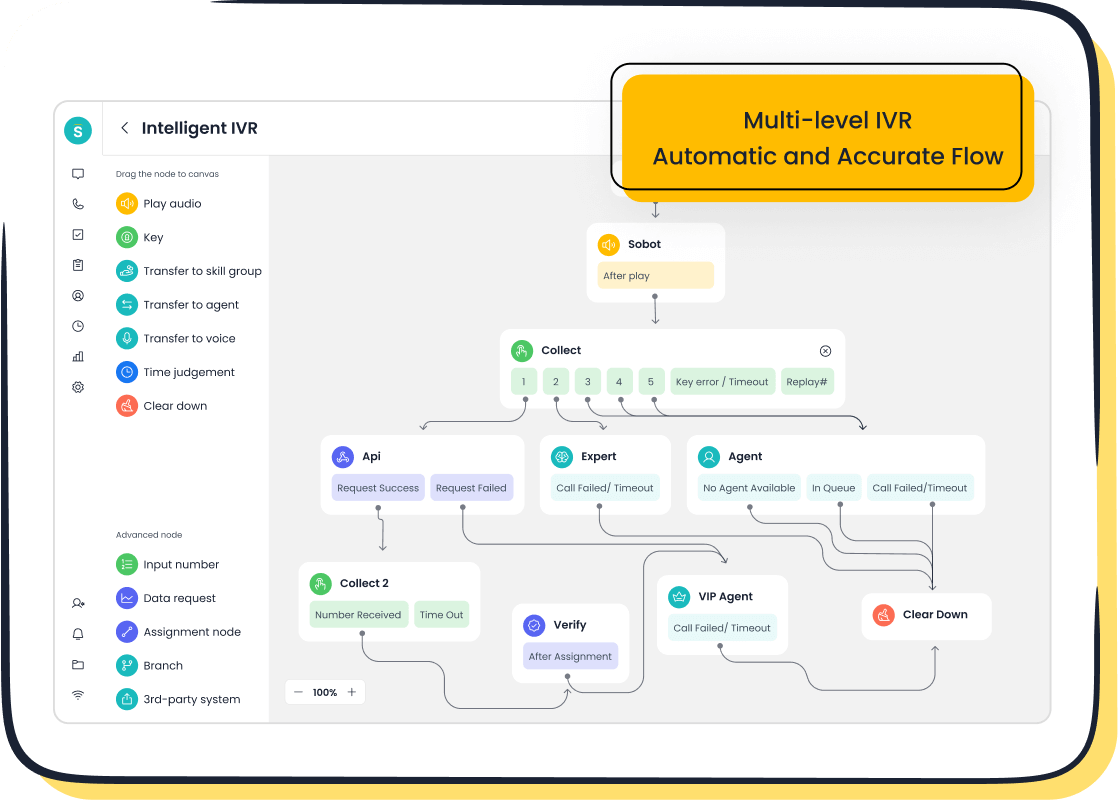
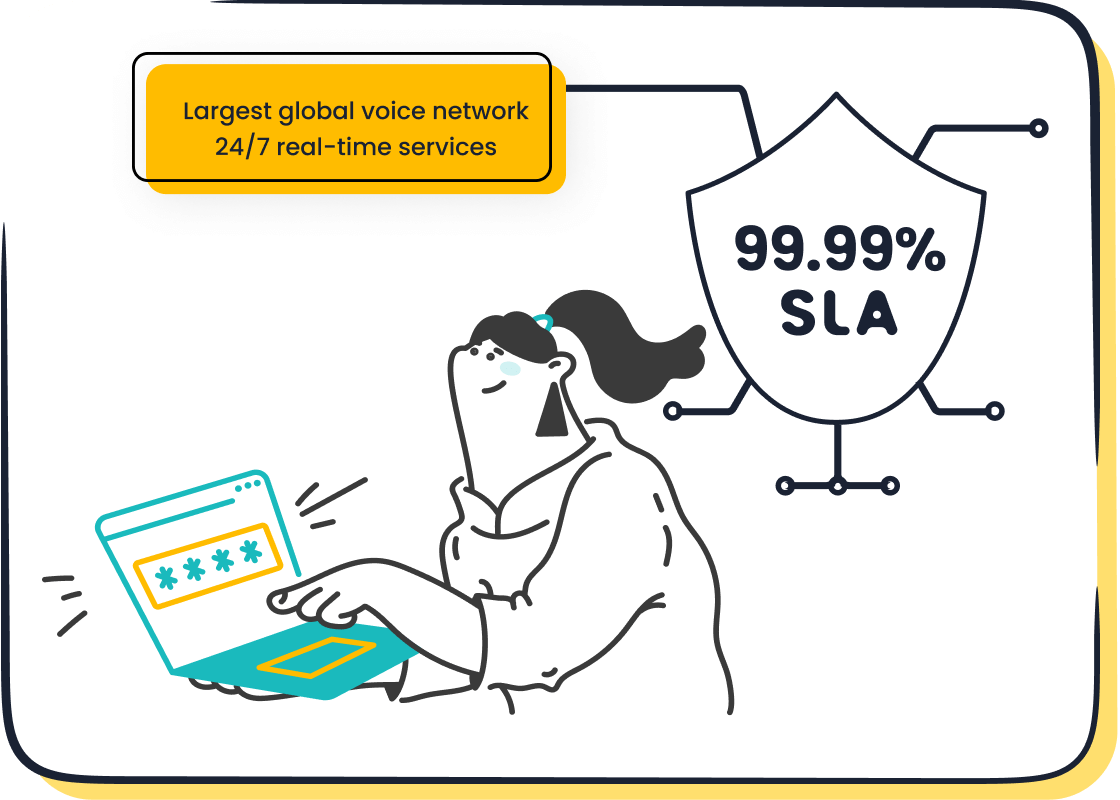
Sobot Voice/Call Center stands out as a reliable predictive dialer software. It offers seamless integration with existing systems, ensuring smooth operations. Its AI-powered features, such as intelligent IVR and call routing, help automate outbound calls effectively. With a 99.99% system uptime and global telephony support, Sobot ensures stability and scalability. The platform also prioritizes compliance, offering encrypted data transfer and adherence to regulations like GDPR. These features make it an excellent choice for predictive dialer implementation.
Set Up and Configure the Predictive Dialing System
Integrating with existing call center infrastructure
Integrating predictive dialing systems with your current infrastructure can be challenging. You must address data privacy concerns and ensure compliance with regulations like GDPR. Sobot Voice/Call Center simplifies this process with its easy integration capabilities. It connects seamlessly with CRM tools, enabling you to automate outbound calls and access customer data in real time. This integration enhances efficiency and ensures a smooth transition.
Customizing settings to align with business goals
To achieve optimal results, you need to choose the right dialer settings. Adjust campaign parameters like dialing speed and the number of outbound lines to balance productivity and customer experience. Randomizing contact lists can help maintain steady contact rates. Sobot Voice/Call Center allows you to customize these settings easily, ensuring your predictive dialing software aligns with your objectives.
Train Your Team for Success
Educating agents on predictive calling technology
Training your team is crucial for successful predictive dialer implementation. Provide personalized learning experiences tailored to each agent's performance. Virtual simulations can help agents practice using the software in realistic scenarios. For example, Sobot's unified workspace simplifies agent training by offering an intuitive interface for managing calls and customer data.
Best practices for using predictive dialing systems effectively
Following predictive dialer best practices ensures your team maximizes the software's potential. Train agents to use scripts effectively and optimize call placement. Encourage them to monitor performance metrics and refine their approach. Regularly update call lists to minimize unproductive calls. These practices will help your team use predictive dialing systems efficiently.
Monitor and Optimize Operations
Tracking performance metrics and KPIs
To ensure your predictive dialer operates at peak efficiency, you must monitor campaign performance by tracking key performance indicators (KPIs). These metrics provide actionable insights into your call center's productivity and help identify areas for improvement.
- Occupancy Rate: This metric measures how efficiently agents use their time. Aim for an occupancy rate between 75% and 85%. Rates below 70% may indicate inefficiencies in your system.
- Average Speed of Answer (ASA): ASA reflects how quickly agents respond to calls. A target of answering within 60 seconds ensures responsiveness. If ASA increases, consider adjusting staffing levels.
- Average Handle Time (AHT): AHT tracks the time agents spend on calls. Use this metric to set benchmarks and identify training needs.
- Cost Per Call (CPC): CPC evaluates the financial efficiency of your operations. Lower CPC values indicate better productivity and cost management.

By analyzing these KPIs, you can refine your strategies and ensure your predictive calling campaigns deliver optimal results. Tools like Sobot Voice/Call Center simplify this process by providing real-time analytics and detailed performance reports.
Adjusting dialing ratios and pacing for optimal results
Optimizing dialing ratios is essential for balancing agent productivity and customer experience. Start by establishing a consistent dialing strategy for all agents. Regularly monitor and adjust these settings based on performance outcomes.
| Strategy | Description |
|---|---|
| Optimal Dialing Ratio | Adjust dialing ratios to balance agent workload and minimize dropped calls. |
| Regular Monitoring | Continuously fine-tune settings to maintain efficiency and satisfaction. |
Specialized training for agents using predictive dialers can also improve dialing ratios. Equip your team with the skills to handle outbound calls effectively. This reduces dropped calls and enhances overall performance. Additionally, analyze KPIs like connection rates and call abandonment to identify weaknesses and implement targeted improvements.
Sobot Voice/Call Center offers advanced features to help you adjust dialing ratios dynamically. Its AI-powered algorithms ensure your campaigns run smoothly, maximizing both efficiency and customer satisfaction.
Overcoming Challenges in Predictive Dialer Implementation
Compliance and Legal Issues
Understanding and adhering to regulations
Compliance is one of the most significant challenges when implementing predictive dialing systems. Regulations like the Telephone Consumer Protection Act (TCPA) and General Data Protection Regulation (GDPR) impose strict rules on how businesses can contact customers. For instance, TCPA requires businesses to obtain prior consent before making calls and mandates filtering out numbers listed on the National Do Not Call Registry. Violations can result in hefty fines and lawsuits, which can damage your call center's reputation. To stay compliant, you should maintain an updated Do-Not-Call list, respect call timing restrictions, and provide customers with an opt-out option for future calls.
Leveraging compliance-focused features in Sobot Voice/Call Center
Sobot Voice/Call Center simplifies compliance with its automated list-scrubbing features. These tools help you filter out prohibited numbers, ensuring adherence to regulations like TCPA. Additionally, the platform encrypts customer data and supports secure communication, reducing the risk of data breaches. By integrating compliance tools into your operations, you can focus on delivering excellent service while avoiding legal pitfalls.
Agent Burnout and Fatigue
Balancing call pacing with agent well-being
Predictive dialers can sometimes overwhelm agents with back-to-back calls, leading to burnout. To prevent this, you should optimize call pacing to ensure even distribution of calls among agents. Advanced systems like Sobot Voice/Call Center use algorithms to balance workloads, reducing stress and improving efficiency. This approach not only enhances agent performance but also fosters a healthier work environment.
Providing regular breaks and support
Short breaks between calls are essential for maintaining agent well-being. Encourage your team to take regular pauses to recharge and avoid exhaustion. Additionally, offering ongoing training and recognizing hard work can boost morale. For example, real-time monitoring in Sobot Voice/Call Center helps identify performance trends, allowing you to address issues proactively and support your team effectively.
Technology Limitations
Addressing integration challenges with tools like Sobot Voice/Call Center
Integrating predictive dialers with existing systems can be complex. Compatibility issues may arise, especially when syncing with CRM platforms. Sobot Voice/Call Center addresses these challenges with seamless integration capabilities, enabling you to connect your call center software with other tools effortlessly. This ensures smooth operations and enhances overall efficiency.
Ensuring system reliability and uptime
System downtime can disrupt operations and impact customer satisfaction. Predictive dialers must offer high reliability to support continuous service. Sobot Voice/Call Center guarantees 99.99% uptime, ensuring your call center remains operational even during peak hours. Its global network and advanced infrastructure provide the stability needed to handle high call volumes without interruptions.
Predictive calling in 2025 transforms how businesses connect with customers. It enhances efficiency, allowing agents to handle more calls and focus on meaningful conversations. Predictive dialers, powered by advanced algorithms, reduce idle time and provide real-time analytics to refine outreach strategies. For example, businesses can track metrics like calls per hour and agent productivity, ensuring smarter targeting and better results during sales calls.
The benefits extend beyond efficiency. Predictive calling improves customer satisfaction by enabling timely and relevant communication. Agents can engage more customers, leading to higher call volumes and better outcomes. Tools like Sobot Voice/Call Center offer seamless integration, AI-powered features, and compliance-focused solutions, making them ideal for implementing predictive dialing. By adopting this technology, you can boost productivity, enhance customer experiences, and achieve a higher ROI. Explore Sobot Voice/Call Center to unlock the full potential of predictive calling in your business.
FAQ
What is the difference between a predictive dialer and an auto dialer?
A predictive dialer uses algorithms to predict agent availability and customer response, ensuring seamless call connections. An auto dialer, however, simply dials numbers without considering these factors. Predictive dialers, like Sobot Voice/Call Center, reduce idle time and improve efficiency, making them ideal for modern call centers.
How does predictive calling improve customer satisfaction?
Predictive calling connects agents with customers faster, reducing wait times. It also integrates with CRM systems to provide personalized service. For example, Sobot Voice/Call Center enables agents to access customer histories in real time, ensuring tailored interactions that enhance satisfaction and loyalty.
Is predictive calling compliant with global regulations?
Yes, predictive calling systems adhere to regulations like TCPA and GDPR. Tools like Sobot Voice/Call Center include compliance features such as encrypted data transfer and automated list scrubbing. These ensure your operations meet legal requirements while maintaining customer trust.
Can small businesses benefit from predictive calling?
Absolutely! Predictive calling boosts efficiency and reduces costs, making it accessible for businesses of all sizes. Sobot Voice/Call Center offers scalable solutions with features like bulk outbound tasks and AI-powered voicebots, helping small businesses optimize their operations and improve customer engagement.
How do I measure the success of predictive calling campaigns?
Track key performance indicators (KPIs) like call connection rates, average handle time, and cost per call. Tools like Sobot Voice/Call Center provide real-time analytics and detailed reports, helping you refine strategies and achieve better results in your predictive calling campaigns.
See Also
Best Automated Voice Calling Solutions for 2024
Leading Cloud Contact Center Platforms to Explore in 2024
Comprehensive Overview of Omnichannel Call Center Solutions

