Steps to Implement Customer Service Scripts in 2025


Customer service scripts have transformed significantly by 2025, becoming essential tools for businesses aiming to deliver exceptional customer experiences. These scripts now integrate AI with human agents, enabling faster resolutions and personalized interactions. For example, structured prompts guide support teams across channels like live chat and voice calls, ensuring consistent and high-quality service. Businesses benefit from reduced training time and seamless customer experiences, which build trust and loyalty.
Flexibility has also become a priority. Modern scripts adapt to unique customer needs, allowing agents to personalize responses while maintaining efficiency. Companies like Sobot lead this evolution by offering AI-powered solutions that unify customer interactions and enhance operational efficiency. With tools like Sobot’s chatbot, businesses automate routine queries, empowering agents to focus on complex issues. This approach ensures every interaction reflects a commitment to service excellence.
Why Customer Service Scripts Matter in 2025
Benefits of Customer Service Scripts
Ensuring consistency in customer interactions
Customer service scripts ensure uniformity across all communication channels. Whether customers reach out via live chat, email, or phone, they receive consistent responses. This consistency builds trust and enhances the overall customer experience. For example, Sobot's AI-powered chatbot provides unified messaging across platforms like WhatsApp and SMS, ensuring seamless interactions. A well-structured script also acts as a definitive reference for agents, reducing errors and maintaining professionalism.
Reducing training time for new employees
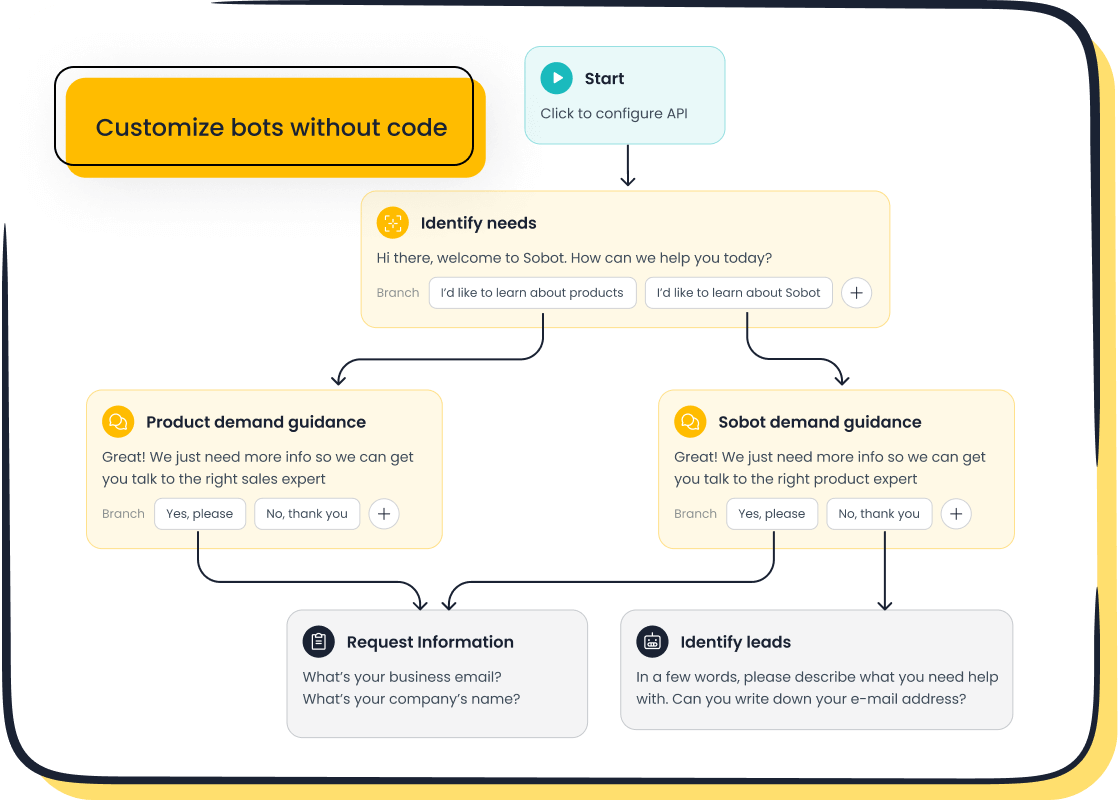
Scripts simplify the onboarding process for new agents. They serve as a practical guide, helping employees navigate customer conversations confidently. For instance, scripts outline key questions and responses, enabling agents to handle inquiries effectively from day one. This approach not only reduces training time but also minimizes resource allocation. Companies using Sobot’s solutions, such as OPPO, have reported significant improvements in agent efficiency and faster onboarding.
Enhancing customer satisfaction and loyalty
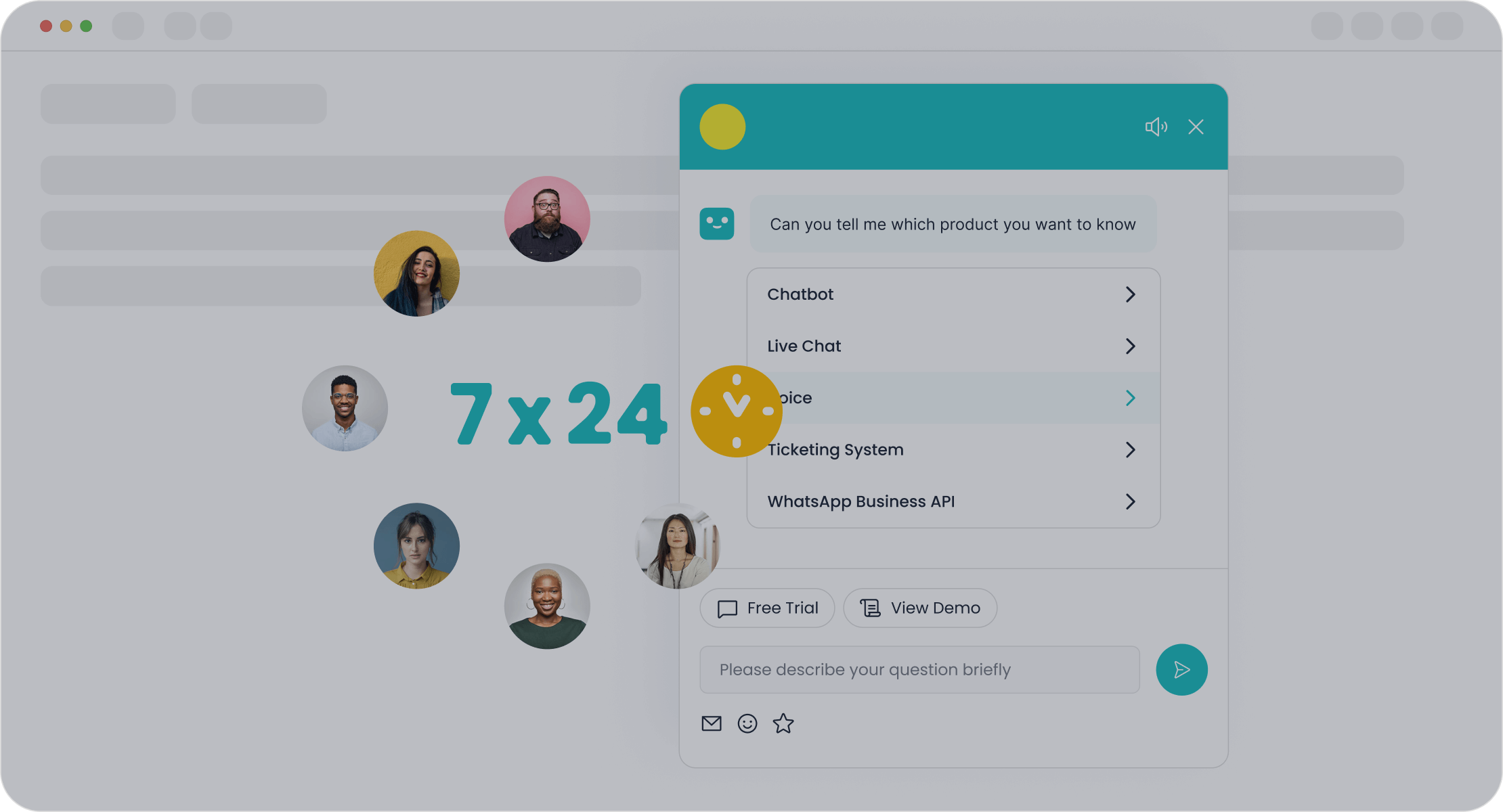
Accurate and timely responses improve customer satisfaction. Scripts empower agents to resolve issues quickly while maintaining a professional tone. For example, Sobot’s chatbot enhances resolution rates by 83%, as seen in OPPO’s case study. Personalized interactions, guided by scripts, also foster loyalty. Customers appreciate when their concerns are addressed promptly and empathetically, leading to higher satisfaction scores and repeat business.
Addressing Potential Drawbacks
Avoiding robotic or impersonal communication

Over-reliance on scripts can make interactions feel robotic. To counter this, treat scripts as guidelines rather than rigid rules. Encourage agents to personalize responses and use the customer’s name during conversations. Sobot’s chatbot, for instance, allows businesses to customize interactions, ensuring a balance between automation and empathy.
Adapting to unique customer needs
Scripts may not cover every scenario. Agents must adapt to unique situations by thinking critically. Flexible scripts, like those supported by Sobot’s AI chatbot, include guidelines for unexpected scenarios. This adaptability ensures that agents can address complex issues without compromising service quality.
Balancing structure with critical thinking
While scripts provide structure, they should not hinder problem-solving. Encourage agents to use scripts as a foundation while applying their judgment. For example, Sobot’s solutions integrate AI to assist agents in real-time, offering suggestions without limiting their ability to improvise. This approach ensures a balance between efficiency and personalized service.
Steps to Implement Effective Customer Service Scripts
Understand Customer Needs and Expectations
Conduct surveys and gather feedback
Understanding your customers begins with listening to them. Surveys and feedback forms are excellent tools for gathering insights into their preferences and pain points. Open-ended questions allow customers to share their experiences in detail, helping you uncover new ideas for improvement. For instance, asking, “What challenges did you face during your last interaction with us?” can reveal recurring issues. By organizing customer interaction scripts based on this feedback, you can address these concerns effectively.
Analyze common queries and complaints
Analyzing customer feedback helps you identify trends and recurring themes. Categorize responses into themes, such as product issues or service delays, and track their frequency. This approach highlights areas needing immediate attention. For example, if many customers mention delayed responses, you can refine your scripts to prioritize faster resolutions. Visualizing this data through charts or graphs can also make it easier to communicate findings to your team.
Create Flexible and Positive Customer Interaction Scripts
Use empathetic and conversational language
Empathy transforms customer interactions. Using phrases like, “I understand how frustrating this must be for you,” shows customers that you value their emotions. Positive scripting focuses on solutions, ensuring every conversation leaves a good impression. For example, Sobot’s chatbot uses empathetic language to maintain a consistent and solutions-focused tone, enhancing customer satisfaction.
Include guidelines for unexpected scenarios
No script can cover every situation. Including guidelines for handling unique or complex issues ensures your team remains prepared. Flexible customer interaction scripts empower agents to adapt responses based on the context. For instance, Sobot’s AI-powered chatbot provides real-time suggestions, helping agents navigate unexpected questions without compromising service quality.
Train Your Team for Success
Role-play scenarios to practice script usage
Role-playing prepares your team for real-world challenges. Simulating customer interactions helps agents develop confidence, improve problem-solving skills, and practice active listening. For example, you can create scenarios where agents handle difficult customers or resolve technical issues. Immediate feedback during these exercises allows agents to refine their approach, ensuring effective communication in live interactions.
Encourage adaptability and personalization
Training should emphasize the importance of personalization. Encourage agents to use customer names and reference past interactions to build rapport. Tools like Sobot’s agent-facing chatbot make it easier for new agents to access scripts and adapt them to specific situations. This approach ensures every interaction feels genuine and tailored to the customer’s needs.
Test and Optimize Scripts
Pilot scripts with a small team

Testing your customer interaction scripts with a small team ensures they are practical and effective before full implementation. Select a group of experienced agents to pilot the scripts in real-world scenarios. This approach allows you to identify potential issues, such as unclear phrasing or gaps in coverage. For example, if agents struggle to address a specific customer concern, you can revise the script to include more detailed guidance. Using tools like Sobot’s chatbot, you can also simulate interactions to test how well the scripts handle routine queries. This step minimizes risks and ensures a smoother rollout.
Collect feedback from employees and customers
Feedback is essential for refining your customer interaction scripts. Encourage agents to share their experiences using the scripts, highlighting areas that need improvement. Similarly, gather input from customers through surveys or follow-up emails. Ask questions like, “Was your issue resolved quickly?” or “Did you find the interaction helpful?” This feedback helps you understand how well the scripts meet customer needs. For instance, if customers report dissatisfaction with response times, you can adjust the scripts to prioritize faster resolutions. Organizing customer interaction scripts based on this input ensures they remain relevant and effective.
Monitor and Continuously Improve
Track key metrics like customer satisfaction scores
Monitoring key metrics helps you evaluate the success of your customer service scripts. Metrics such as first response time, average resolution time, and the number of interactions required to resolve an issue provide valuable insights. For example, a shorter first response time indicates that your scripts enable agents to address customer concerns promptly. The table below outlines these metrics:
| Metric | Description |
|---|---|
| First Response Time | The time taken for a support representative to respond to a customer's initial message. |
| Average Resolution Time | The total time taken to resolve a customer's issue once it has been acknowledged by the support team. |
| Number of Interactions | The number of interactions between the support team and the customer before an issue is resolved. |
Tracking these metrics ensures your scripts contribute to improved customer satisfaction and operational efficiency.
Regularly update scripts based on feedback
Customer needs evolve, and your scripts should too. Regularly review feedback from both agents and customers to identify areas for improvement. Best practices include setting clear goals, creating concise messages, and incorporating personalization. For example, Sobot’s chatbot allows you to update scripts easily, ensuring they remain aligned with customer expectations. Reviewing competitor strategies and monitoring industry trends can also provide insights for script optimization. By continuously refining your customer interaction scripts, you maintain high service standards and adapt to changing demands.
Best Practices for Effective Customer Service Scripts
Use Positive and Empathetic Language
Avoid negative phrases and focus on solutions
Positive language creates a welcoming atmosphere for your customers. Instead of saying, “We can’t do that,” try rephrasing with a solution, such as, “Here’s what we can do for you.” This approach not only resolves issues but also leaves a lasting impression. Studies show that more than half of consumers stop doing business with a company after a single negative interaction. By focusing on solutions, you reduce the risk of losing customers and build trust in your brand. Sobot’s chatbot, for instance, uses gratitude and solution-oriented phrasing to ensure every interaction feels constructive and professional.
Show understanding and care for customer concerns
Empathy strengthens customer connections. Phrases like, “I understand how this might be frustrating,” show that you value their feelings. Standardized yet empathetic responses align with your brand values and enhance satisfaction. Customers who feel understood are more likely to remain loyal, which is key to enhancing customer relationships. Sobot’s AI-powered solutions help agents maintain this balance by offering real-time suggestions for empathetic responses.
Keep Scripts Clear and Concise
Avoid overly complex or lengthy responses
Customers appreciate straightforward communication. Avoid jargon and keep your scripts simple. For example, instead of saying, “We are currently experiencing technical difficulties,” you could say, “Our system is temporarily down, but we’re working to fix it.” Clear and concise scripts save time and reduce confusion. Well-prepared scripts also lead to quicker resolutions, which improves customer satisfaction.
Focus on clarity and ease of understanding
Clarity ensures your message gets across effectively. Use short sentences and focus on delivering key points. For instance, Sobot’s chatbot excels at providing concise answers to routine queries, ensuring customers get the information they need without unnecessary back-and-forth. This approach not only speeds up interactions but also leaves customers with a positive impression of your service.
Allow Personalization and Flexibility
Empower agents to adapt scripts as needed
Rigid scripts can feel robotic. Empower your agents to personalize interactions by addressing customers by name or referencing past conversations. For example, if a customer mentions a previous issue, an agent could say, “I see you had trouble with your last order. Let’s make sure this one goes smoothly.” Personalization fosters loyalty and strengthens connections. Sobot’s solutions enable agents to adapt scripts while maintaining consistency, ensuring every interaction feels authentic.
Encourage natural conversations over rigid adherence
Flexibility allows agents to handle unexpected situations effectively. For instance, if a customer receives the wrong item, a flexible script might guide the agent to offer a replacement or discount. Studies show that over 90% of customers are willing to spend more with businesses that provide personalized service. Sobot’s chatbot supports this approach by offering real-time suggestions, empowering agents to deliver exceptional customer experiences.
Common Mistakes to Avoid When Using Customer Service Scripts
Over-Scripting Customer Interactions
Making scripts too rigid or detailed
Overly rigid scripts can limit your team’s ability to respond naturally. Customers often prefer authentic conversations over robotic responses. For example, if a script includes excessive details or step-by-step instructions, it may overwhelm customer support representatives and hinder their ability to adapt. Instead, focus on creating flexible guidelines that allow agents to personalize their responses. Tools like Sobot’s chatbot can help by offering real-time suggestions while still giving agents the freedom to adjust based on the situation. This balance ensures your team delivers both efficiency and empathy.
Ignoring the need for flexibility
Scripts that lack flexibility can fail to address unique customer needs. A rigid approach may leave customers feeling unheard, especially when their concerns fall outside predefined scenarios. Encourage your team to use scripts as a foundation rather than a rulebook. For instance, Sobot’s AI-powered solutions provide adaptable frameworks, enabling agents to handle unexpected queries effectively. This adaptability not only improves customer satisfaction but also empowers your team to think critically during interactions.
Neglecting Employee Training
Failing to prepare staff for real-world scenarios
Without proper training, your team may struggle to use scripts effectively. Role-playing exercises and scenario-based training can prepare agents for real-world challenges. For example, simulating difficult customer interactions helps agents build confidence and refine their communication skills. The consequences of neglecting training are significant, as shown in the table below:
| Consequence | Description |
|---|---|
| Poor customer interactions | Inadequate training can lead to ineffective communication with customers, resulting in dissatisfaction. |
| Decreased customer retention | Customers may choose to leave if their service experience is poor due to untrained employees. |
| Negative impact on employees | Untrained employees may feel frustrated and disengaged, affecting their performance and morale. |
| Increased turnover risk | Dissatisfied employees are more likely to leave the company, leading to higher turnover rates. |
| Management burden | Untrained staff may require more assistance from management, diverting attention from other tasks. |
Overlooking the importance of soft skills
Soft skills like empathy and active listening are essential for effective customer interactions. Scripts alone cannot teach these skills. Incorporate soft skills training into your onboarding process to ensure agents can connect with customers on a personal level. For example, Sobot’s solutions support agents by providing empathetic language suggestions, helping them maintain a professional yet compassionate tone.
Ignoring Customer Feedback
Not updating scripts based on customer input
Customer feedback is a goldmine for improving your scripts. Ignoring it can lead to outdated or ineffective responses. Use tools like spreadsheets to categorize feedback into themes and track recurring issues. For example:
- Separate feedback into positive and negative categories.
- Assign codes to different types of feedback for easier tracking.
- Log the frequency of comments to identify trends.
Artificial intelligence can also enhance this process by analyzing large volumes of data quickly. Sobot’s chatbot, for instance, uses AI to identify patterns and suggest updates, ensuring your scripts remain relevant and effective.
Overlooking recurring issues in customer interactions
Recurring issues often indicate gaps in your scripts. If customers frequently complain about delayed responses or unclear instructions, it’s time to revise your approach. Visualizing feedback trends through charts can help you identify these gaps. For example, if many customers mention long wait times, you can adjust your scripts to prioritize faster resolutions. Regular updates based on feedback ensure your scripts evolve alongside customer expectations.
The Role of Sobot and Chatbot in Customer Interaction Scripts
Leveraging Sobot’s Chatbot for Script Automation
Automating routine queries with AI-powered solutions
AI-powered solutions like Sobot’s chatbot revolutionize customer interaction scripts by automating repetitive tasks. This automation allows your team to focus on more complex customer needs. For example:
- AI chatbots handle routine queries, such as order tracking or FAQs, 24/7.
- Virtual assistants provide instant responses, reducing wait times.
- Automated ticketing systems streamline issue resolution.
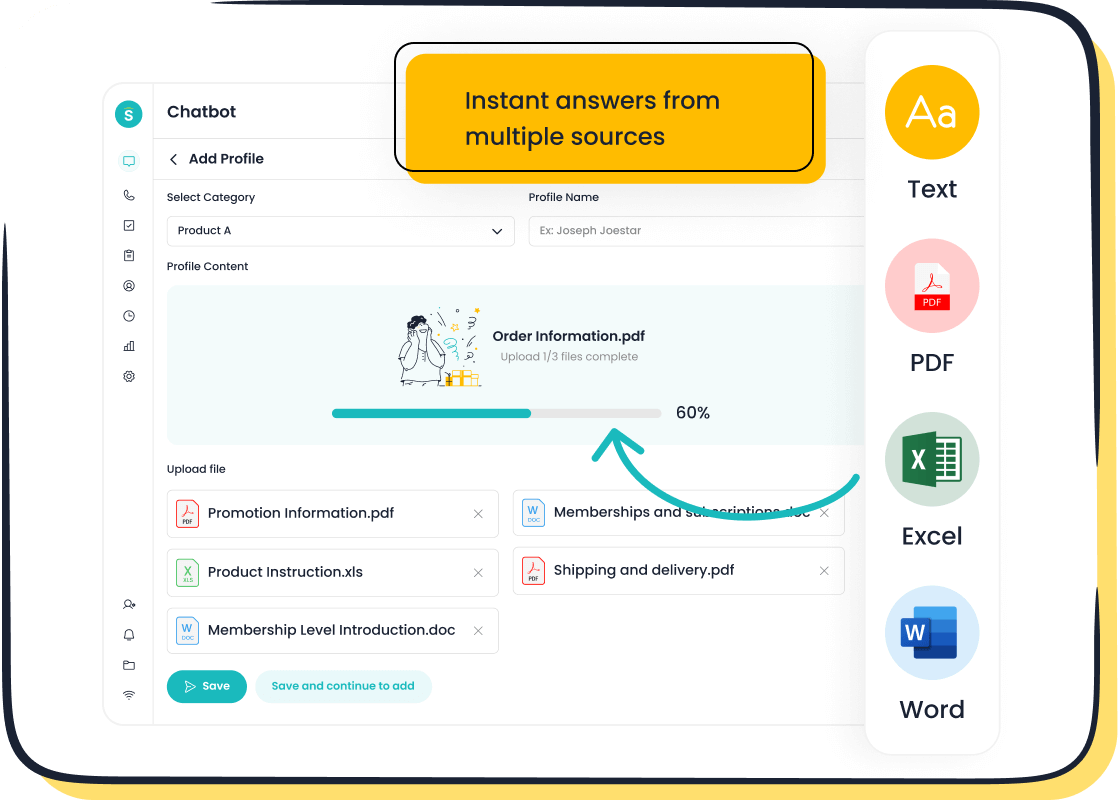
Sobot’s chatbot enhances efficiency by solving regular queries autonomously. It operates around the clock, ensuring no customer inquiry goes unanswered. This approach not only improves response times but also minimizes human errors, leading to higher customer satisfaction. By integrating Sobot’s chatbot, you can optimize your scripts to deliver consistent and accurate customer service responses.
Enhancing efficiency and reducing agent workload
Sobot’s chatbot significantly reduces the workload on your agents. It resolves up to 83% of routine inquiries, as demonstrated in OPPO’s case study. This efficiency allows your team to dedicate their time to more critical tasks, such as resolving complex issues or building customer relationships. With Sobot’s AI-driven solutions, you can achieve a 70% boost in productivity while cutting operational costs by up to 50%. This balance between automation and human expertise ensures your customer interaction scripts remain effective and adaptable.
Integrating Sobot’s Solutions for Seamless Customer Service
Unifying customer interactions across multiple channels
Sobot’s solutions unify customer interactions across platforms like WhatsApp, SMS, and live chat. This multichannel support caters to diverse communication preferences, enhancing customer engagement. Benefits of this integration include:
- Consistency: Ensures uniform service quality across all touchpoints.
- Efficiency: Reduces the need for customers to repeat information when switching channels.
- Enhanced satisfaction: Provides a seamless experience, minimizing frustration.
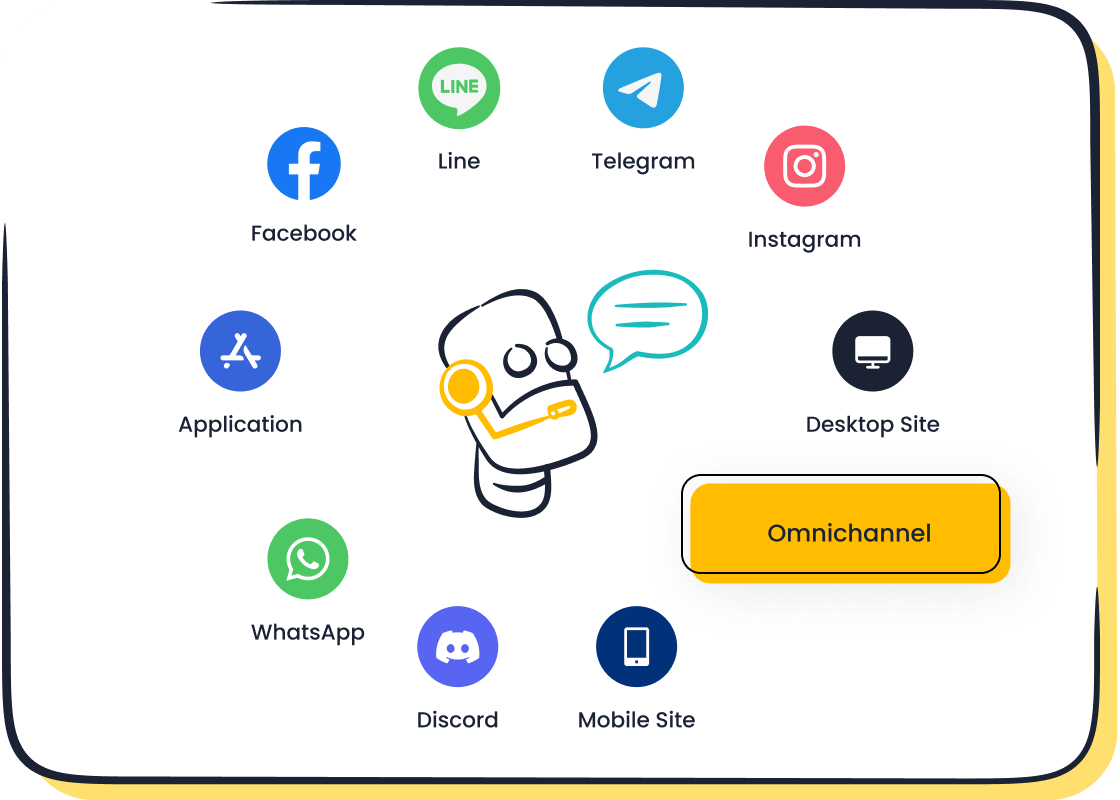
For instance, Sobot’s chatbot consolidates customer data from various channels into a single interface. This integration simplifies your scripts, enabling agents to deliver faster and more personalized responses.
Using data analytics to refine scripts and improve outcomes
Data analytics plays a crucial role in optimizing customer interaction scripts. Sobot’s chatbot collects and analyzes customer feedback, identifying trends and recurring issues. This data helps you refine your scripts to address common pain points effectively. For example, if analytics reveal frequent complaints about delayed responses, you can adjust your scripts to prioritize faster resolutions. By leveraging Sobot’s analytics tools, you can continuously improve your scripts, ensuring they align with evolving customer expectations.
Implementing customer service scripts effectively involves several key steps:
- Set clear goals and objectives.
- Understand customer needs through surveys and feedback.
- Create concise, flexible, and empathetic scripts.
- Regularly review and update scripts based on customer input.
Flexibility and continuous improvement are critical. Rigid scripts often frustrate customers, while dynamic frameworks allow agents to adapt and personalize responses. For example, Sobot’s AI-powered chatbot enables businesses to automate routine queries while empowering agents to focus on complex issues. This balance enhances customer satisfaction and operational efficiency.
"Sobot's omnichannel approach has allowed us to unify interactions into a single, streamlined workbench, ensuring a consistent and high-quality service experience for our customers."
Explore Sobot’s solutions, like the Chatbot, to elevate your customer service capabilities. Learn more at Sobot.
FAQ
What are customer service scripts, and why are they important?
Customer service scripts are pre-written guidelines that help agents handle customer interactions. They ensure consistency and professionalism across all communication channels. For example, organizations use scripts to streamline responses, reduce errors, and improve customer relationship management by addressing concerns efficiently.
How can customer service scripts improve customer satisfaction?
Scripts provide agents with structured responses, enabling faster resolutions. They also include empathetic language, which enhances the customer experience. For instance, Sobot’s chatbot uses AI to automate routine queries, allowing agents to focus on building stronger customer relationships.
What role does AI play in modern customer service scripts?
AI enhances scripts by automating repetitive tasks and providing real-time suggestions. Tools like Sobot’s chatbot improve efficiency by resolving up to 83% of routine inquiries. This allows your organization to allocate resources to more complex issues, strengthening customer relationship management.
How often should customer service scripts be updated?
You should review and update scripts regularly based on customer feedback and performance metrics. This ensures they remain relevant and effective. For example, Sobot’s solutions allow organizations to refine scripts easily, adapting to evolving customer needs.
Can customer service scripts be personalized?
Yes, personalization is essential for effective customer service. Flexible scripts empower agents to adapt responses based on individual customer needs. Sobot’s chatbot supports this by integrating customer data, enabling personalized and seamless interactions across multiple channels.
See Also
A Comprehensive Guide to Omnichannel Contact Center Implementation
Essential Practices for Effective Call Center Quality Management
Understanding QMS Principles for Effective Call Center Operations
Enhancing Efficiency with AI in Customer Service Software
Enhancing SaaS Support Through Effective Live Chat Techniques

