Your Guide to eCommerce Chatbots

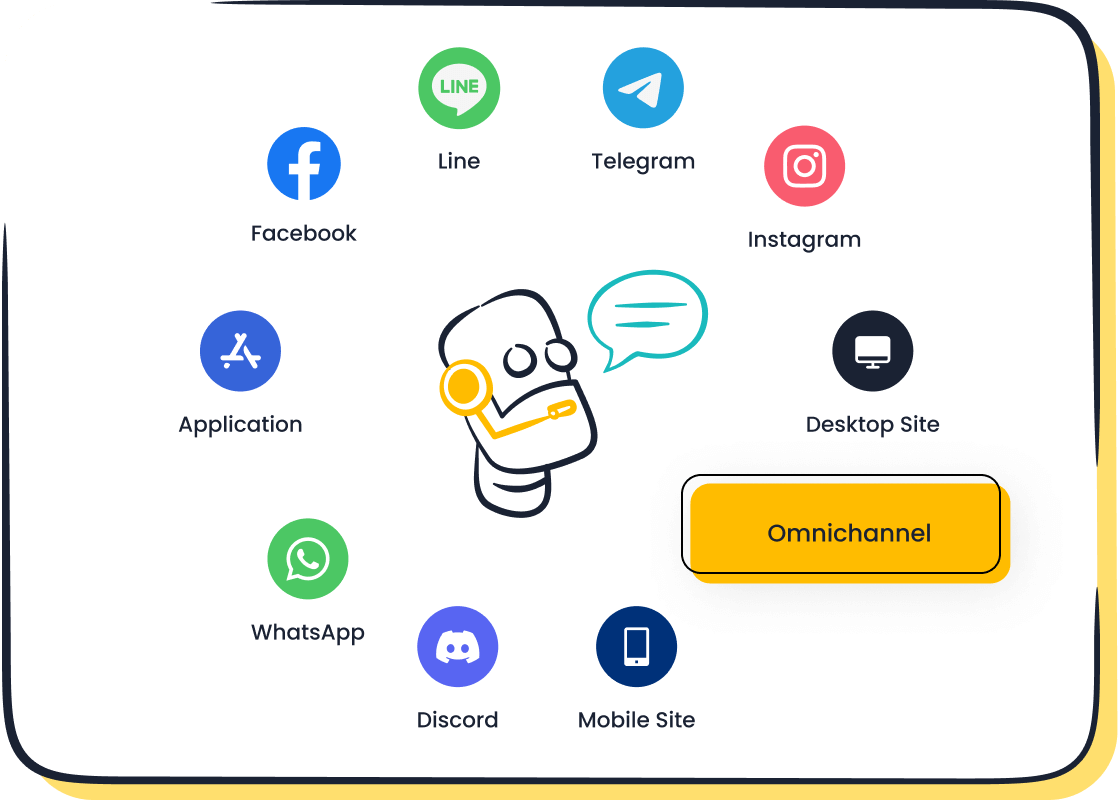
eCommerce chatbots are essential AI tools for your online store. You can use a chatbot to increase sales and automate customer service. This guide shows you how to use ecommerce chatbots effectively. An eCommerce chatbot delivers a great customer experience for your customers. You can achieve 24/7 support and offer a personalized shopping experience. This improves your customer interactions. Leading brands like OPPO use AI chatbots to enhance their customer experience. With a chatbot from Sobot, you can improve your eCommerce experience and see why 19% of eCommerce businesses already use chatbots for their customer interactions.
What is an eCommerce Chatbot?
An eCommerce chatbot is an intelligent assistant for your online store. It does more than answer simple questions. A modern eCommerce chatbot acts as a virtual agent, deeply integrated with your business operations. It helps you create a better shopping experience for every customer on your eCommerce site.
Defining the Modern eCommerce Chatbot
You can think of a modern eCommerce chatbot as a proactive team member. While a standard chatbot follows a simple script, an eCommerce chatbot understands complex customer needs. It uses data to guide shoppers, provide personalized support, and even help complete a purchase. This type of chatbot can perform actions directly within your eCommerce platform, like checking an order status or processing a return, making it a powerful tool for your business.
- Standard Chatbot: Answers basic FAQs with scripted replies.
- eCommerce Chatbot: Manages complex issues, personalizes conversations, and integrates with store systems to perform tasks.
Core Technologies: AI and NLP Explained
Artificial Intelligence (AI) and Natural Language Processing (NLP) are the core technologies that make advanced chatbots so effective.
- AI is the "brain" of the chatbot, allowing it to learn and make smart decisions.
- NLP lets the chatbot understand and respond to human language naturally.
NLP has two key parts. First, Natural Language Understanding (NLU) helps the chatbot figure out a customer's true intent. Second, Natural Language Generation (NLG) helps it create a clear, human-like reply. These technologies allow AI chatbots to understand customer emotions and provide helpful, relevant answers for your eCommerce brand.
Rule-Based vs. AI-Powered Chatbots
You will find two main types of chatbots: rule-based and AI-powered. Understanding the difference is crucial for your eCommerce strategy.
| Feature | Rule-Based Chatbots | AI-Powered Chatbots |
|---|---|---|
| Flexibility | Rigid, follows a set script. | Adapts to complex questions. |
| Learning | Does not learn or improve. | Gets smarter with each interaction. |
| Personalization | Offers generic responses. | Provides personalized replies. |
Rule-based chatbots are simple and can only respond to specific keywords or commands. They cannot handle unexpected questions. In contrast, AI chatbots use machine learning to understand context, learn from conversations, and handle a wide variety of queries. For a dynamic eCommerce environment, AI chatbots provide the flexibility and intelligence needed to boost customer satisfaction and sales.
Top 10 Use Cases for eCommerce Chatbots
You can transform your online store by implementing AI chatbots in strategic ways. These tools are more than just pop-up windows; they are powerful engines for growth, engagement, and support. Understanding the top chatbot use cases helps you unlock their full potential to improve your customer experience and drive sales.
Provide 24/7 Instant Customer Support
Your customers shop at all hours, and they expect answers instantly. Making them wait for an email response or the next business day is no longer acceptable. This is one of the most valuable chatbot use cases. An AI chatbot provides immediate, round-the-clock support. It can handle a high volume of common questions without human help.
Research from Gartner predicts that by 2029, advanced AI chatbots will resolve 80% of common customer service issues on their own. This frees up your human agents to focus on complex problems that require a personal touch. By automating routine queries, you can save up to 50% on agent costs.
Real-World Success: OPPO Smart device leader OPPO uses Sobot's solution to manage customer inquiries. Their AI chatbot achieved an incredible 83% resolution rate, meaning most customer issues were solved without needing a human agent. This led to a 94% positive feedback rate and a better overall customer experience.
Guide Shoppers with Product Recommendations
Imagine having a personal shopper for every visitor on your site. That's what a chatbot can do. It asks shoppers questions to understand their needs, preferences, and budget. Then, it delivers tailored product recommendations. This guided selling process makes shopping easier and more enjoyable for your customer.
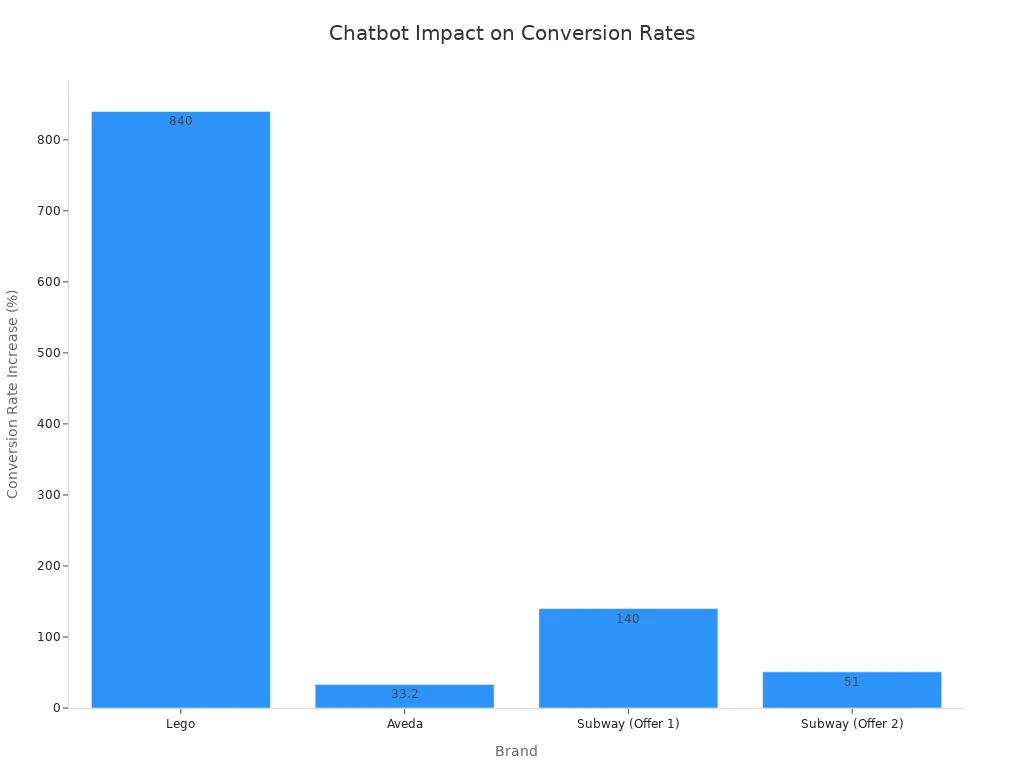
Studies show that personalized recommendations from a chatbot can increase Average Order Value (AOV) by 5% to 35%. The chatbot helps customers discover products they might have missed. Many top brands use this strategy effectively.
| Brand | Chatbot Functionality | Benefits/Outcome |
|---|---|---|
| Lego | Helps users find the right Lego set based on age and interests. | Drove 25% of social media sales. |
| H&M | Acts as a digital stylist to create outfits based on user tastes. | Remembers user preferences for future recommendations. |
| Maybelline | Uses guiding prompts to help customers find their perfect makeup match. | Enhances the shopping experience and reduces returns. |
These examples show how AI chatbots create interactive and helpful customer interactions that lead to more sales.
Reduce Cart Abandonment at Checkout
The average eCommerce cart abandonment rate is a shocking 70.22%. This means seven out of every ten shoppers who add items to their cart leave without buying. An eCommerce chatbot is your best tool for abandoned cart recovery. It can proactively engage a customer who is about to leave your site.
AI interventions can reduce abandonment rates by 15% to 40%. A chatbot can pop up to ask if the customer has a question or is facing a technical issue. It can also offer a small, one-time discount to encourage them to complete the purchase.
Example Chatbot Script for Abandoned Carts: A customer is on the checkout page for over 90 seconds without acting.
- Chatbot: "In a hurry? You can check out as a guest. No account needed!"
- Incentive: "If you do create an account today, we’ll add 50 loyalty points to get you started toward your first reward!"
This simple, automated interaction can recover potentially lost revenue and improve the customer experience.
Increase Conversions with Upselling
Upselling and cross-selling are proven methods to increase revenue. A chatbot automates this process with perfect timing. When a customer adds an item to their cart, the chatbot can suggest a related product (cross-sell) or a premium version (upsell). For example, if a customer buys a camera, the chatbot can recommend a compatible lens or a protective case.
This strategy is highly effective. Retail chatbots have been shown to increase sales by 67%. By making relevant and timely recommendations, you provide value to the customer while boosting your bottom line. This is a key part of creating a dynamic shopping experience that drives conversions.
Automate Post-Purchase Support
A customer's journey doesn't end at checkout. The post-purchase experience is critical for customer retention. Many customers will have questions like, "Where is my order?" (WISMO). Answering these queries manually consumes a lot of your support team's time.
You can automate these post-purchase customer interactions with a chatbot. It can integrate with your shipping and order management systems to provide instant updates. Here are tasks a chatbot can handle:
- Provide real-time order tracking information.
- Check return eligibility and generate return labels.
- Explain your store's refund policy and timeline.
- Help customers with basic account questions.
By automating these tasks, you deliver a seamless post-purchase experience and build long-term customer loyalty. This is essential for customer retention.
Capture and Qualify Leads Proactively
Not every visitor to your eCommerce site is ready to buy immediately. Many are just browsing. A chatbot can proactively engage these visitors, turning them from anonymous traffic into qualified leads. It can ask questions to understand their interest and offer to send them more information or a special discount in exchange for their email address.
The impact on lead generation is significant. Websites with an AI chat see an average lead conversion rate of 12.3%, compared to just 3.1% for sites without one. With a customizable solution like Sobot, you can get 30% more leads while reducing your service costs. This proactive engagement is key to building your sales funnel.
Gather Customer Feedback and Reviews
Do you know what your customers really think about your products? Getting feedback is essential for improving your business, but it can be hard to collect. A chatbot offers a simple and effective way to gather reviews. After a customer receives their order, the chatbot can send a friendly message asking for their opinion.
To get the best results, you should:
- Keep it simple: Use a star rating or a single-question survey.
- Offer an incentive: Provide a small discount on their next purchase for leaving a review.
- Personalize the request: Address the customer by name and mention the product they purchased.
This approach feels less intrusive than an email survey and improves the customer experience. The positive feedback loop created by a great experience, like the one OPPO built, is vital for customer retention.
Announce Promotions and Special Offers
You can use chatbots as a direct and powerful marketing channel. Unlike emails that can get lost in a crowded inbox, chatbot messages have incredibly high visibility. This makes them perfect for announcing flash sales, new product launches, and special promotions.
The engagement rates are impressive. Campaigns using Facebook Messenger chatbots have shown open rates as high as 98% and click-through rates of 44%. This is significantly higher than traditional email marketing. By sending targeted offers directly to interested customers, you can drive immediate traffic and sales for your eCommerce store.
Assist with Buy Online, Pick Up In-Store
The "Buy Online, Pick Up In-Store" (BOPIS) model is becoming more popular. It combines the convenience of online shopping with the immediacy of a physical store. A chatbot can streamline this experience for both you and your customers.
Here’s how a chatbot helps with BOPIS:
- Checks item availability at a local store before the customer places an order.
- Answers questions about pickup times and store locations.
- Sends a notification to the customer when their order is ready.
This automated assistance ensures a smooth and efficient process, improving the overall customer experience and encouraging repeat business.
Offer Multilingual Support Globally
If you sell to customers around the world, you need to speak their language. Language barriers can create confusion and lost sales. Multilingual chatbots break down these barriers, allowing you to connect with a global audience.
When customers can ask questions and receive support in their native language, they feel more confident and are more likely to make a purchase. An advanced chatbot, like the one offered by Sobot, can communicate fluently in numerous languages. This capability is essential for any eCommerce business looking to expand its global reach and improve customer retention.
How to Choose the Right eCommerce Chatbots
Choosing the right eCommerce chatbot is a critical decision for your business. The best chatbot acts as a partner, helping you improve the customer experience and drive sales. You should evaluate several key factors to find a solution that fits your eCommerce needs. This ensures you select a tool that grows with you and delivers real value to your customers.
Integration with Your eCommerce Platform
Your chatbot must connect smoothly with the tools you already use. A deep integration with your eCommerce platform, like Shopify, is essential. This allows the chatbot to access order data and help customers with their specific issues. You should also look for a solution that offers omnichannel support. A strong integration strategy unifies customer interactions across channels like WhatsApp, SMS, and your website.
Pro Tip: Look for a provider like Sobot that offers an all-in-one contact center solution. This seamless integration connects your chatbot, live chat, and ticketing system, creating a single view of your customer and making every experience consistent. The right integration capabilities are key for your eCommerce success.
Ease of Setup and Customization
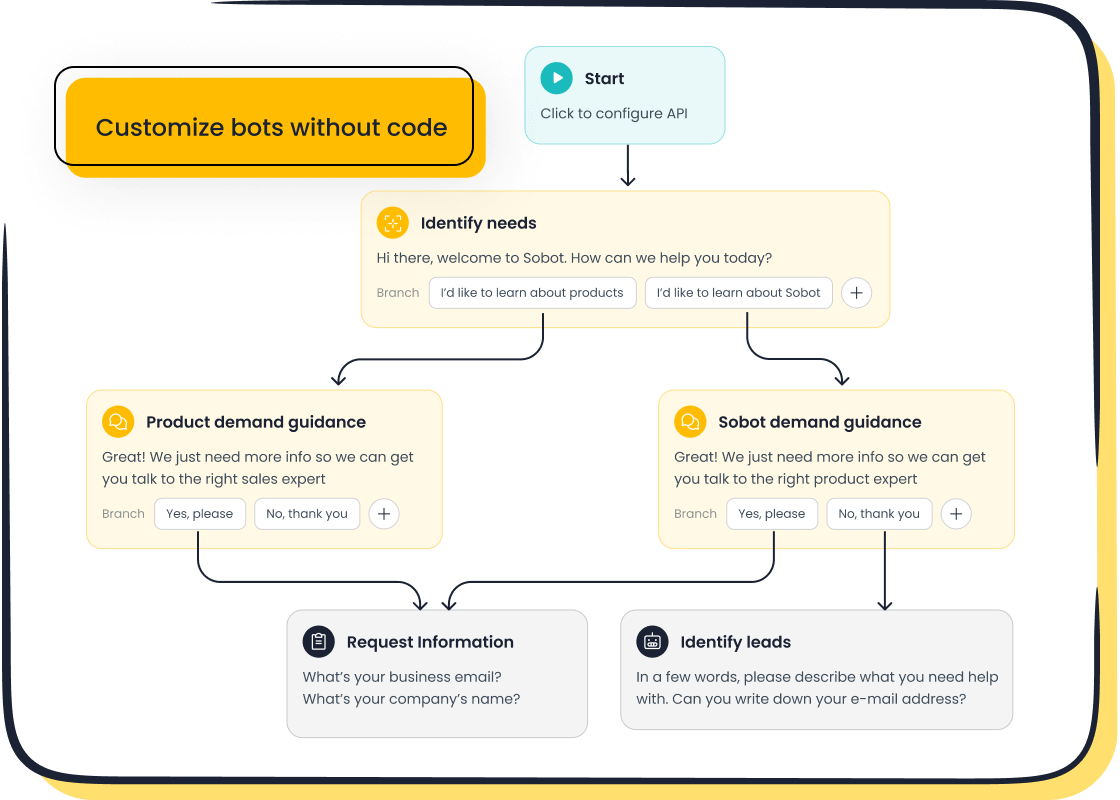
You should not need a team of developers to launch your chatbot. The best AI chatbots offer user-friendly, no-code interfaces. This allows you to build and customize your chatbot easily.
- Drag-and-drop interface: A visual editor helps you design conversation flows without writing any code.
- Pre-built templates: You can use ready-made templates for common eCommerce tasks to get started quickly.
This ease of use empowers your team to make changes and optimize the chatbot's performance, ensuring it always meets the needs of your customers. A simple setup process means you can improve your customer interactions faster.
AI and Personalization Capabilities
Modern AI chatbots go beyond simple scripts. They use advanced AI to create a truly personal experience for every customer. These chatbots analyze a customer's browsing behavior and purchase history to offer relevant product recommendations. This level of personalization makes your customers feel understood and valued. The chatbot learns from all customer interactions to improve its responses over time, making the experience better for future customers.
Scalability and Pricing Models
Your eCommerce business will grow, and your chatbot needs to grow with it. Consider the chatbot's scalability and pricing. Common models include:
- Subscription: A fixed monthly fee, which makes budgeting predictable.
- Usage-based: You pay based on the number of conversations, which can be cost-effective for smaller businesses.
Choose a model that aligns with your expected volume of customer interactions. Ensure the platform can handle more conversations as your business expands without a significant price jump.
Seamless Human Agent Handoff
Even the smartest AI chatbots cannot solve every problem. Sometimes, a customer needs to speak with a person. A seamless integration between your chatbot and human agents is crucial. The chatbot should transfer the full conversation history to the agent. This prevents the customer from having to repeat themselves. This smooth handoff is vital for maintaining a positive customer experience and resolving complex issues efficiently.
How to Use eCommerce Chatbots: A 4-Step Plan
Implementing a chatbot for your eCommerce store is a straightforward process. This simple plan shows you how to use ecommerce chatbots to achieve your business goals. Following these steps ensures a smooth setup and successful integration. A proper integration strategy is key to unlocking the full power of your new chatbot.
Step 1: Define Your Primary Goal
First, you need to decide what you want your chatbot to accomplish. A clear goal guides your entire strategy. Do you want to lower costs or increase sales? Your objective will shape how you build and deploy your eCommerce chatbot. Common goals include:
- Reducing support tickets
- Improving lead generation
- Increasing sales conversions
- Enhancing customer satisfaction
Step 2: Choose and Integrate Your Platform
Next, select a platform that fits your needs. Look for a solution with a simple setup and powerful integration capabilities. A deep integration with your eCommerce platform is essential. Your chatbot needs a seamless integration to access customer data. Sobot offers an all-in-one contact center solution with excellent integration. This ensures a perfect integration with tools like Shopify and WhatsApp. A successful integration is the foundation of a great chatbot experience. The right platform makes this integration easy.
Step 3: Train Your Bot with Business Data
An untrained chatbot is not very helpful. You must train your chatbot with your business data. This is how the chatbot learns to answer customer questions accurately. You can use several data sources for training:
- Internal Documentation: Product manuals and policy documents.
- Customer Interactions: FAQ databases and past chat transcripts.
- Structured Data: Product catalogs and pricing information.
A well-trained chatbot provides immense value to your eCommerce business.
Step 4: Test, Launch, and Monitor with Sobot
Finally, you are ready to launch. Before you go live, test your chatbot thoroughly. After launching, you must monitor its performance. This is how to use ecommerce chatbots for continuous improvement. Sobot provides excellent reporting to track key metrics. You should watch the resolution rate to see how many issues the chatbot solves alone. Also, monitor the conversion rate to measure its impact on sales. This process helps you refine your chatbots over time. This is the best way how to use ecommerce chatbots effectively.
You now know how to use ecommerce chatbots for your eCommerce business. An eCommerce chatbot is a smart investment. It improves the customer experience for your customers and helps you increase sales. This tool enhances the customer experience. In the competitive eCommerce market, a solution like Sobot gives you an edge. It boosts customer engagement and drives sales. AI chatbots are essential for a great customer experience. Your customers get a better experience, and you see growth. The future of eCommerce relies on this technology.
A chatbot provides a superior customer experience for all your customers. AI chatbots create a positive experience for every customer. Sobot's chatbot helps your customers have a great customer experience.
Embark on Your Contact Journey. Explore the Sobot AI Chatbot to see how this powerful chatbot can transform your eCommerce customer experience.
FAQ
How do chatbots improve the customer experience?
AI chatbots provide your customer with instant, 24/7 support. A good chatbot offers personalized help. A deep integration with your store systems is vital for this process. The right integration ensures every customer interaction is smooth. This chatbot integration makes the experience better for the customer.
Is it difficult to set up an eCommerce chatbot?
No, you can set up a modern chatbot without any coding. Platforms like Sobot offer a point-and-click interface. This makes the initial integration simple. You can design your chatbot flows easily. A successful integration means your chatbot is ready to help your customer much faster.
What makes a chatbot integration so important?
A strong integration connects your chatbot to your store's data. This integration allows the chatbot to check order status or product availability for a customer. Without a proper integration, the chatbot cannot perform these helpful tasks. A seamless integration is the key to a powerful chatbot.
Can a chatbot handle all customer questions?
A chatbot resolves most common questions on its own. For complex issues, it needs a human. A seamless integration allows the chatbot to transfer the conversation to an agent. This integration ensures your customer always gets the right help without repeating themselves.
See Also
Elevating E-commerce Customer Happiness Through Intelligent Chatbot Interactions
Driving E-commerce Revenue Growth With Dynamic Live Chat Solutions
Selecting Optimal Chatbot Software: A Comprehensive Implementation Guide
Leading Live Chat Platforms for E-commerce Success This Year
Effortlessly Deploying Effective Website Chatbot Examples for Your Business

