Setting Effective Service Standards


You want to provide every customer with an excellent experience. However, delivering consistent, high-quality service is a major challenge. Poor customer support can drive a customer away for good; studies show 65% of customers have switched brands due to a single poor interaction. This guide will show you how to establish clear customer service standards. Setting effective service standards for customer service is the key to improving customer satisfaction. The right tools provide essential support, and platforms like Sobot, with its Sobot AI and Sobot call center, help your team meet these customer service standards.
Step 1: How to Establish Customer Service Standards
The foundation of excellent service is a clear and shared understanding of your goals. Before you can measure performance, you must first establish customer service standards that guide your team. This initial step ensures every action your team takes aligns with your company's identity and what your customer truly values.
Align with Brand Mission and Values
Your customer service standards should be a direct reflection of your brand's core mission. Many successful companies build their identity around service. For example:
- Virgin America aims "to make flying good again, with... top-notch service."
- Hilton's vision is "To fill the earth with the light and warmth of hospitality."
You can translate your values into specific behaviors. Use "always" and "never" statements to give your team clear guidance. For a value like "Responsive," you can define it with actionable rules.
Responsive means we always:
- Quickly acknowledge a customer with a same-day response.
- Give prompt, focused attention to every customer's needs.
Responsive means we never:
- Leave a customer unaware of our plan of action.
- Avoid follow-up conversations.
This approach removes confusion and sets clear expectations for your team's interactions with each customer.
Identify Key Customer Expectations
You need to understand what your customer wants. Research shows that 90% of buyers believe an immediate response is crucial when they have a question. Speed is a top priority for any customer. Beyond speed, customers also expect:
- Multiple contact options like chat, email, and phone.
- A personalized customer experience where agents know their history.
- A human touch for complex problems.
Meeting these expectations is essential for building strong customer service standards.
Define Your Service Team's Primary Purpose
Your team does more than just solve problems. You should define a purpose that inspires them. Involve your team in this process to build a shared sense of ownership. Ask key questions together: Who does our work help? What impact do we have? A clear purpose improves agent morale and performance. It makes your team more resilient and motivated. Defining this purpose is a critical part of creating effective service standards for customer service and empowering your team to deliver exceptional support to every customer.
Step 2: Develop Customer Service Standards with Metrics
Once you establish your service foundation, you must develop customer service standards with measurable targets. These metrics turn your abstract goals into concrete actions. This step helps you track performance and ensure every customer receives consistent support.
Set Clear Response and Resolution Times
Speed is a top priority for any customer. You should set clear goals for how quickly your team responds to and resolves issues. Two key metrics help you develop customer service standards for speed.
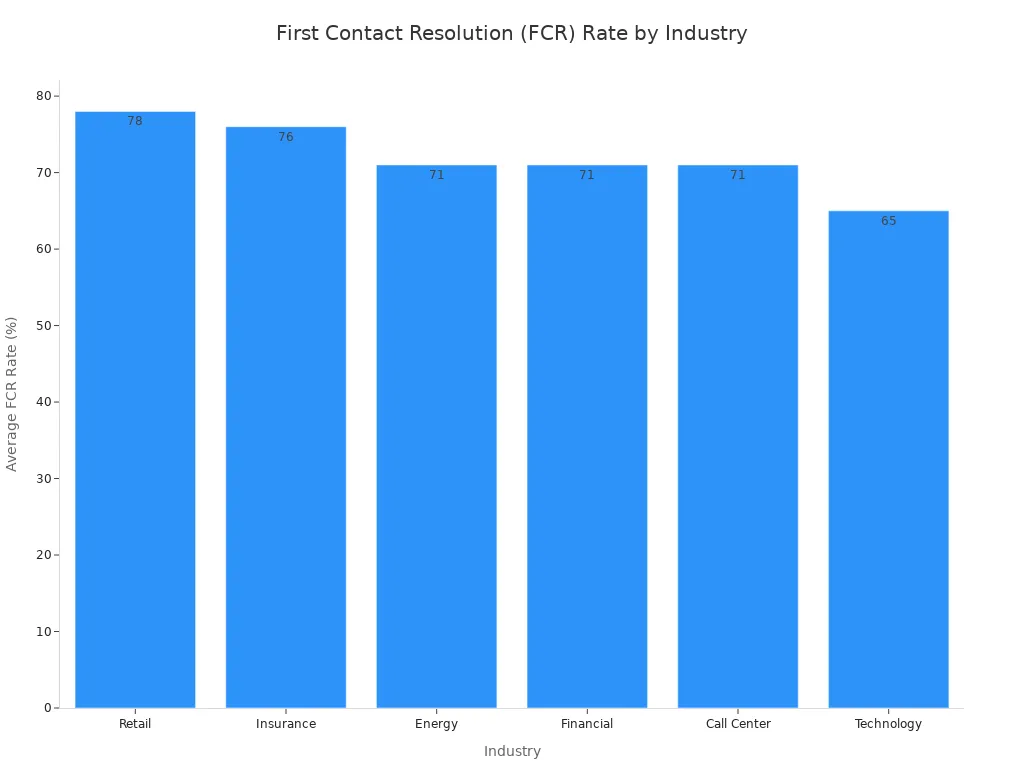
- First Contact Resolution (FCR): This measures how often you solve a customer issue in the first interaction. A good FCR rate is between 70-79%. This metric shows your team's efficiency.
- Average Handle Time (AHT): This tracks the average time an agent spends on a customer interaction. The industry benchmark is around six minutes. AHT helps you balance speed with quality service.
Establish Communication Quality Benchmarks
Great service is more than just speed. The quality of communication is equally important. Your customer service standards must include benchmarks for tone, empathy, and clarity. You can measure these soft skills with a quality scorecard.
A quality scorecard should assess:
- Empathy: Did the agent acknowledge the customer's feelings?
- Clarity: Was the agent's language simple and easy to understand?
- Professionalism: Did the agent maintain a positive and helpful tone?
Regularly reviewing interactions against these benchmarks helps you coach your team effectively. This process is vital when you develop customer service standards that focus on the customer experience.
Define Protocols for Follow-Up and Escalation
Not every issue has an immediate resolution. Your customer service standards must outline clear procedures for complex situations. You need a defined escalation path. This ensures a customer with a difficult problem moves from a junior agent to a senior one smoothly. A warm handoff prevents the customer from repeating information.
You also need protocols for following up after a resolution. A simple follow-up message shows the customer you care. For example:
These protocols are a key part of your service standards for customer service. They help you develop customer service standards that build trust with every customer.
Step 3: Implement Standards with Training and Tools

Defining your customer service standards is only the beginning. To bring them to life, you must implement them through effective training and equip your team with the right technology. This step turns your documented goals into consistent actions that every customer experiences.
Develop Training and Role-Playing
You need to train your team to master your new customer service standards. Ongoing training ensures everyone has the skills to handle any customer situation. Role-playing is one of the most effective techniques. It allows your team to practice in a safe environment before interacting with a real customer.
You can create scenarios that test your team's ability to deliver quality support. For example:
- Handling an upset customer who received an incorrect bill.
- De-escalating a conversation with a frustrated customer.
- Explaining a complex return policy to a confused customer.
This practice builds confidence and prepares your agents to uphold your customer service standards, even under pressure.
Communicate Service Standards for Customer Service
Clear and consistent communication is essential for team-wide adoption. Every agent must understand what is expected of them in every customer interaction. You can ensure your team fully embraces the new customer service standards by making communication a priority.
To ensure your team understands the standards, you should:
- Provide Regular Feedback: Let agents know when they meet or exceed expectations. Offer constructive suggestions for improvement.
- Involve Your Team: Ask for your team's input when refining standards. This builds a sense of ownership.
- Monitor Performance: Track metrics to see how well the team is meeting the customer service standards and identify where more support is needed.
This approach helps create a culture of excellence in your customer support department.
Equip Your Team with the Right Tools

The right tools empower your team to meet customer service standards efficiently. An all-in-one contact center solution removes friction and helps agents focus on the customer. For example, Sobot's Voice/Call Center provides a unified workspace where agents can manage calls and access customer information in one place. Its intelligent IVR routes each customer to the right agent immediately, improving first-contact resolution and reducing wait times.
Integrated platforms like Sobot's Omnichannel Solution connect all your support channels. This gives your agents a complete history of every customer interaction, whether it happened via email, chat, or phone. With full context, your team can deliver the fast and personalized experiences that every customer expects. These tools are vital for turning your service standards for customer service into a reality.
Step 4: Monitor, Measure, and Refine

Setting your customer service standards is not a one-time project. It is a continuous cycle of improvement. You must regularly monitor performance, measure results, and refine your approach. This final step ensures your service evolves with your customer and your business, helping you consistently deliver a positive customer experience.
Track Key Performance Indicators
You need to track the right metrics to understand your performance. Key Performance Indicators (KPIs) show you if your team is meeting the customer service standards you have set. Important metrics to monitor include:
- Customer Satisfaction (CSAT): This measures how happy a customer is with a specific interaction.
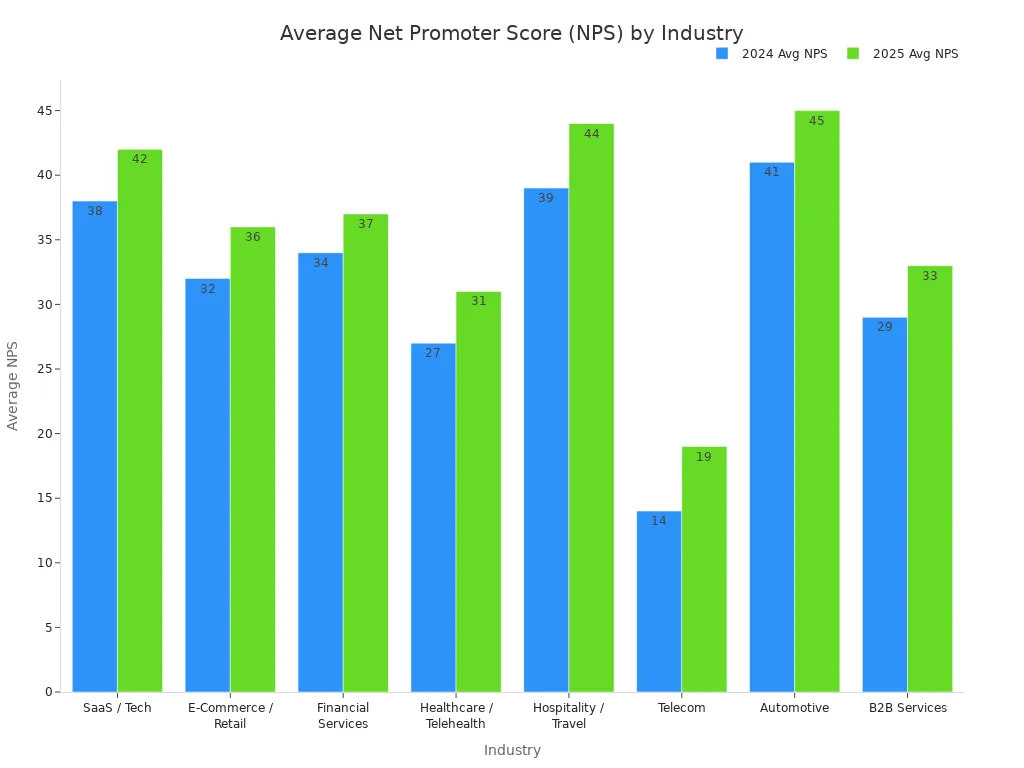
- Net Promoter Score (NPS): This gauges overall customer loyalty.
- Chatbot Resolution Rate: This shows how effectively your automated support solves issues.
You should compare your scores against industry benchmarks to see where you stand.
Refining your customer service standards with the right tools delivers real results. For example, by implementing and refining its standards with Sobot, global tech leader OPPO achieved an 83% chatbot resolution rate and a 94% positive feedback rate. This shows the direct impact of monitoring and improving your service standards for customer service.
Provide Regular, Constructive Feedback
Data tells you what is happening, but your team needs guidance to improve. Providing regular, constructive feedback is essential for upholding your customer service standards. A good feedback session helps your agents understand how their actions affect each customer.
To give effective feedback, you should:
- Start with a positive to build confidence.
- Use specific examples from a customer interaction.
- Focus on behaviors, not personality.
- Encourage a two-way conversation by asking for the agent's perspective.
- Agree on clear next steps for improvement.
This process helps every agent grow and contributes to a stronger support team and a more positive customer experience.
Boost Customer Satisfaction via Feedback
The most valuable insights come directly from your customer. You must actively seek out and act on feedback from customers to improve your customer service standards. Use surveys after an interaction to ask direct questions. You can ask about their satisfaction with the resolution or how likely they are to recommend your brand.
Collecting this information is only the first step. The real value comes from analyzing the feedback and using it to make changes. When a customer points out a problem, you have an opportunity to fix it. This shows every customer that you value their opinion. This cycle of listening and improving is the key to boosting customer satisfaction and building lasting loyalty.
You can build excellent customer service standards by following four key steps. You must establish your foundation, develop metrics, implement with tools, and refine through measurement. This is an ongoing process. Superior customer experience drives superior revenue growth. You gain a competitive edge with the right strategy, as customers with the best experiences spend 140% more. Partners like Sobot help you turn your customer service standards into your greatest strength. Embark on your contact journey and make your customer service standards a true advantage.
FAQ
What is the first step to creating customer service standards?
You first align your customer service standards with your brand's mission. This step ensures your service reflects your company's core values. It provides a clear foundation for your team's actions and helps define your service identity.
How do metrics improve customer service standards?
Metrics turn your goals into measurable targets. You can track performance with data. This helps you see if your team meets its customer service standards. It also shows you where to focus your coaching efforts for better results.
Why are tools important for meeting customer service standards?
The right tools help your team meet customer service standards efficiently. ⚙️ An all-in-one platform like Sobot gives agents a unified workspace. This provides the full customer context needed for fast, personalized, and effective support.
How often should you review your customer service standards?
You should review your customer service standards regularly. A quarterly or bi-annual review is a good starting point. This process ensures your standards stay relevant. It helps you adapt to new customer expectations and business goals effectively.
See Also
Optimizing Call Center Performance: Essential Strategies for Quality Management Excellence
Mastering Quality Management Systems: Core Principles for Call Center Success
Selecting the Best Quality Assurance Software for Your Call Center Operations
Elevating Customer Experience: Ten Proven Tips for Superior Live Chat Satisfaction
Effective Management Strategies for Empowering Your Live Chat Agent Team

