How to Scale Omnichannel Customer Support

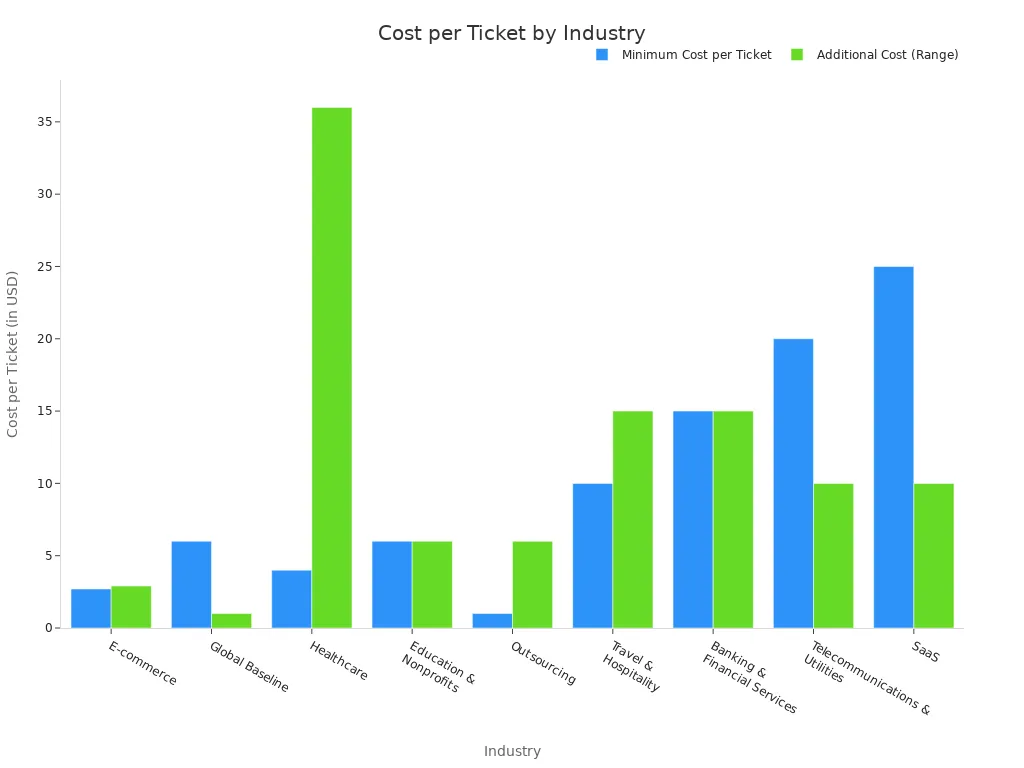
You face a core challenge with business growth. How do you scale omnichannel customer support without costs spiraling or the customer experience suffering? The rising cost per ticket highlights this pressure on your service.
Effective scaling requires a smart omnichannel strategy. This omnichannel approach unifies technology for better customer engagement and satisfaction. It is not just about hiring more agents. Sobot’s all-in-one omnichannel contact center provides the tools for this strategy. With Sobot AI and the Sobot call center, you can scale omnichannel customer support, improving your omnichannel customer service for all customers.
Foundations to Scale Omnichannel Customer Support
Scaling omnichannel customer support effectively relies on a strong foundation. You cannot build a lasting structure on a weak base. This means moving beyond reactive fixes and adopting a proactive strategy. Your growth depends on creating a system that can handle more customers and more channels without breaking. You need to build the right framework with a smart omnichannel approach from the start.
Treat New Channels Like a Product Launch
You should treat every new support channel as a new product launch. Adding a channel without a plan leads to inconsistent service and confused agents. A strategic launch ensures the new channel adds value to your customer experience. This process requires careful thought and preparation for successful scaling.
Before you go live, you must:
- Define Success: What is the goal for this channel? Is it for quick support, detailed problem-solving, or customer engagement? Set clear Key Performance Indicators (KPIs) to measure its impact.
- Understand Your Audience: Who uses this channel? Customers on social media may expect faster, shorter replies than those sending an email. Tailor your service style to meet their expectations.
- Prepare Your Team: Train your agents on the channel’s specific tools and best practices. Give them the knowledge they need to provide excellent service from day one.
- Develop Workflows: How will an inquiry on this channel move from first contact to resolution? Map out the process to ensure a smooth journey for every customer.
This disciplined strategy ensures each new channel strengthens your overall omnichannel support strategy rather than weakening it.
Unify Your Tech with an Omnichannel Platform
Your customers expect a connected journey. In fact, 73% of customers want seamless journeys when they switch between your website, app, and support channels. They do not want to repeat their story every time they talk to you. A fragmented tech stack makes this seamless experience impossible. You need a single platform that brings everything together.
This is where an omnichannel contact center becomes essential. Sobot’s Omnichannel Solution provides this unified workspace. It integrates all your customer conversations from channels like voice, email, social media, and live chat into one view. Your agents no longer need to switch between multiple tabs and programs. They have all the context they need in one place.
A unified omnichannel platform is the engine of efficiency. It empowers your team to deliver faster, smarter, and more personal service to every customer.
Unifying your technology with an omnichannel contact center delivers powerful benefits for your business and your customers:
- Faster Resolutions: Agents see the full customer history across all channels, allowing them to solve issues more quickly and improve satisfaction.
- Increased Efficiency: A single workspace eliminates duplicate work and streamlines workflows. This boosts agent productivity and lets them handle more conversations.
- Data-Driven Decisions: You capture data from every interaction. This gives you real-time insights to optimize your support strategy and improve the customer experience.
- Enhanced Customer Engagement: By offering support on your customers' preferred channels, you build stronger relationships and increase loyalty.
With an integrated customer service solution like Sobot's, which includes a powerful Ticketing System and Voice Call Center, you create a true omnichannel experience. This foundation is critical to scale omnichannel customer support effectively.
Segment Agents by Skill, Not by Channel
In a traditional contact center, you might have an "email team" and a "phone team." This model creates silos and is inefficient for an omnichannel environment. As you scale, you should organize your agents by their skills and expertise, not by the channel they work on. This is known as skill-based routing.
Skill-based routing dramatically improves the quality of your support. It ensures that a customer with a complex billing question connects directly to a billing expert. This simple change has a huge impact. It boosts First Contact Resolution (FCR) because the first agent the customer talks to has the right knowledge to solve the problem. Customers feel more confident and satisfied when they get expert help right away. This strategy prevents customers from being transferred multiple times and having to repeat their issue.
An omnichannel contact center makes this possible. The system can identify the topic of an incoming message—whether it's a chat, email, or call—and automatically route it to the agent with the most relevant skills. This improves key metrics like handle time and customer satisfaction. You create a better experience for your customers and a more efficient workflow for your agents. This is a core part of a smart omnichannel strategy for long-term growth.
AI and Automation in Omnichannel Customer Service

A solid foundation prepares you for growth. Now, you can add AI and automation to accelerate it. This technology is not about replacing your team. It is about empowering them. You can use AI to handle repetitive tasks. This frees your agents to focus on complex customer issues that require a human touch. This omnichannel approach makes your support operations smarter, faster, and more cost-effective. It is the key to delivering excellent omnichannel customer service at scale.
Build an AI-Powered Escalation Firewall
Many customer questions are simple and repetitive. They ask about order status, password resets, or store hours. These queries can overwhelm your support agents and increase wait times for everyone. You can build an AI-powered escalation firewall to solve this. This firewall acts as the first line of defense for your omnichannel customer service.
Sobot’s AI Chatbot is the engine for this firewall. You can deploy it across your website, app, and social media channels. The chatbot works 24/7 to provide instant answers to common questions. This immediate support improves the customer experience and builds confidence.
An AI firewall deflects simple inquiries so your expert agents can resolve complex problems. This boosts efficiency and customer satisfaction.
The impact of this strategy is significant. AI agents currently deflect over 45% of incoming customer queries. Some industries see deflection rates over 50%. Gartner even predicts that by 2029, advanced AI will autonomously resolve 80% of common customer service issues. This automation gives your agents the time they need to deliver high-quality, personalized support when it matters most. Your customers get quick answers, and your team avoids burnout.
Automate Tasks with Sobot's WhatsApp API
Your omnichannel strategy should go beyond reactive support. You need to proactively engage your customers. Automation helps you build relationships and drive engagement on the channels your customers prefer. WhatsApp is a powerful channel for this, with incredibly high open rates.
Sobot's WhatsApp API helps you automate communication for both support and engagement. It is more than just a messaging tool. It is a platform for building automated workflows that enhance the entire customer journey. You can use it to create a seamless omnichannel customer engagement experience.
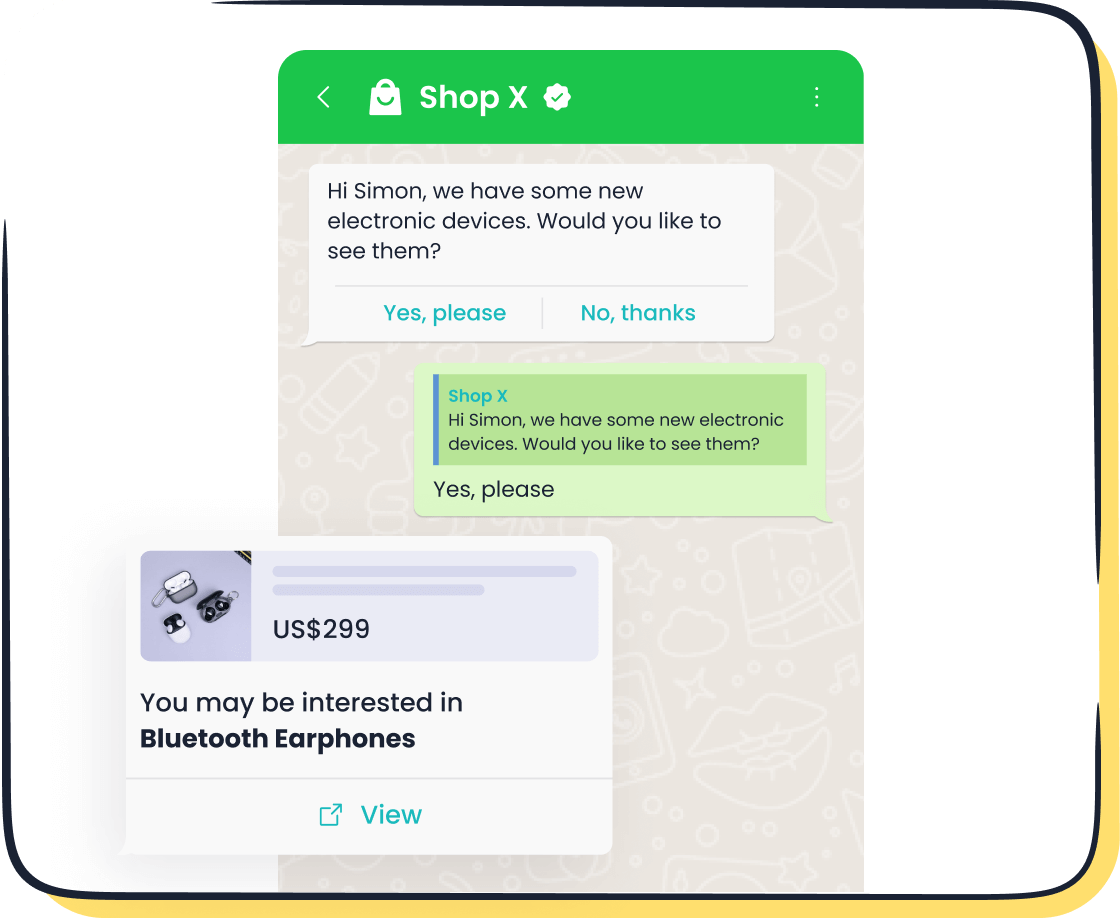
Key features allow you to automate a wide range of tasks:
- Send automated updates for shipping notices, appointment reminders, or payment confirmations.
- Broadcast messages for new product releases or special events.
- Integrate seamlessly with your CRM to send personalized offers based on customer behavior.
- Use predefined message templates for consistent and personalized communication.
- Expand two-way communication by connecting customers with chatbots for instant answers.
Companies are already seeing massive returns from this approach. For example, the online retailer 6thStreet used automated, behavior-triggered campaigns on WhatsApp to achieve a 5x improvement in abandoned cart conversions. This shows the power of combining automation with a popular communication channel.
| Company | Smart Move with WhatsApp Automation | Result/Impact |
|---|---|---|
| Tata CLiQ | Deployed campaigns for order updates and personalized promotional messages. | Generated $500K revenue in 4 weeks; achieved a 10X higher ROI than email and SMS. |
| Doubtnut | Used a WhatsApp chatbot to provide instant video solutions in 11 languages. | Increased learner engagement by 260% in two months; reached a 95% user satisfaction rate. |
This level of automation transforms your omnichannel contact center from a cost center into a revenue driver. You provide valuable service and build stronger customer relationships at the same time.
Predict Demand with Merged Customer Data
Scaling your customer support team effectively requires you to anticipate future needs. Hiring too many agents wastes resources. Hiring too few leads to long wait times and a poor customer experience. The solution is to predict demand with data. An omnichannel contact center gives you the unified data you need to make accurate forecasts.
When you merge customer data from all your channels—voice, email, chat, and social media—you get a complete picture of your support operations. This integrated data allows you to identify complex demand patterns that would be invisible otherwise. You can see how a marketing campaign impacts chat volume or how a new product launch affects call center traffic. This is a critical part of any long-term omnichannel strategy.
Data scientists use several modeling techniques to predict demand from this merged data:
- Time Series Analysis: Analyzing historical data to find trends and seasonal patterns.
- Machine Learning Models: Using algorithms like Random Forest or Gradient Boosting to handle complex relationships in your data.
- Deep Learning Techniques: Leveraging advanced neural networks to make highly accurate predictions.
You do not need to be a data scientist to benefit from this. A modern omnichannel contact center provides dashboards and analytics that make this information accessible. By understanding future demand, you can optimize agent schedules, reduce costs, and ensure you always have the right number of people ready to help. This proactive approach is essential to scale omnichannel customer support without sacrificing the quality of your service.
Measuring and Improving the Customer Experience

Scaling your omnichannel customer support is an ongoing process. You cannot set your strategy and forget it. You must continuously measure performance to find areas for improvement. This data-driven omnichannel approach ensures your service evolves with your customers' needs. It transforms your omnichannel contact center from a simple support hub into an engine for sustainable growth and customer retention.
Track KPIs for Scalability and Retention
You cannot improve what you do not measure. Tracking the right Key Performance Indicators (KPIs) is essential for scaling. Metrics like First Contact Resolution (FCR) and Channel Switch Rate directly show the effectiveness of your omnichannel strategy. A high FCR means your customers get answers on their first try, which boosts customer satisfaction. A low channel switch rate shows your omnichannel experience is seamless.
These metrics are directly tied to customer retention. Retaining existing customers is far more cost-effective than acquiring new ones. A great service experience encourages loyalty. For example, financial service platform Opay used Sobot’s omnichannel contact center to track performance. This focus on metrics helped them increase customer satisfaction from 60% to 90% and reduce overall costs by 20%. This shows how a clear focus on KPIs drives both a better customer experience and business efficiency.
Analyze Performance Across All Channels
Your customers see your brand as one entity. They do not care if they are on chat, email, or social media. They expect a consistent experience. Analyzing performance in silos gives you a fractured view. You need to see the complete picture of the customer journey.
A unified analytics dashboard is your single source of truth. It allows you to compare channel performance, spot trends, and make informed decisions to improve the entire customer service experience.
An omnichannel contact center brings all your data into one place. This allows you to monitor key metrics across every channel simultaneously. You can track:
- Overall response and resolution times.
- Customer satisfaction scores per channel.
- Agent productivity and workload distribution.
This holistic view helps you optimize resource allocation and refine your support strategy for maximum impact.
Act on Customer and Agent Feedback
Data tells you what is happening. Feedback tells you why. To truly improve the customer experience, you must listen to both your customers and your agents. You can collect customer feedback through methods like post-interaction surveys and by analyzing support conversations.
Your agents are on the front lines every day. They have invaluable insights into customer pain points and process inefficiencies. Create a culture where agents feel safe and encouraged to share their ideas. Remember that constructive criticism is best delivered privately in one-on-one meetings. When you act on feedback from both customers and agents, you build trust and show that their voices matter. This collaborative strategy is key to improving your omnichannel customer service.
Overcoming Common Scaling Challenges
Scaling your omnichannel customer support presents new hurdles. Your growth can lead to fragmented data and impersonal service. You must address these issues to maintain a high-quality customer experience. A smart omnichannel strategy helps you overcome these common challenges and build a resilient support operation.
Solve Data Fragmentation for a Single View
As your business grows, so does your customer data. You collect information from many channels. This often creates data fragmentation. Separate systems for sales, marketing, and support lead to data copies and inconsistencies. This fragmented view makes it impossible to understand your customers. You need a single view of the customer to provide excellent omnichannel customer service.
An omnichannel contact center solves this problem. It merges customer data from all your sources into one unified profile. This gives your agents a complete history of every customer interaction. They see past purchases, previous support tickets, and recent website activity in one place. This single customer view is the foundation for an effective omnichannel approach. It empowers your team to deliver a consistent and informed service.
Maintain Personalization at Scale
Customers expect a personal touch. They want you to remember their history and preferences. Maintaining this personalization becomes difficult as your support volume increases. Generic service can hurt customer satisfaction and loyalty. You need a strategy to deliver personalized interactions for all customers.
You can use an omnichannel contact center to maintain personalization. It allows you to segment customers based on their behavior and purchase history. You can then tailor your communication to meet their specific needs. Your agents have the full context for every conversation. This allows them to provide a relevant and personal experience. This level of personalization strengthens customer engagement and builds lasting relationships. A great customer service experience feels personal, no matter how large your company gets.
Train Your Team for a Scaled Environment
Technology alone cannot scale your omnichannel customer support. Your team needs the right skills to succeed in a dynamic omnichannel environment. Agents must be comfortable switching between channels like chat, email, and phone. They need training on your omnichannel contact center technology and channel-specific communication styles.
Effective training empowers your agents to become true omnichannel experts. They learn to deliver a consistent brand voice and a seamless experience for every customer.
Your training program should cover:
- Technical Skills: Using the unified workspace and AI tools.
- Channel Proficiency: Understanding the best practices for each support channel.
- Soft Skills: Developing empathy and problem-solving abilities for complex issues.
Investing in continuous training ensures your team can handle the demands of scaling. It prepares them to provide exceptional omnichannel customer service and adapt to future growth.
Scaling your omnichannel customer support is a continuous journey. Your success depends on a smart omnichannel strategy. You must unify technology, use automation, and measure performance. This strategy ensures a great customer experience. With a partner like Sobot, you can boost efficiency and deliver superior omnichannel customer service. Our omnichannel contact center provides the tools for sustainable growth. This customer service solution helps you provide excellent service for all customers. The omnichannel experience you create will define your customer relationships. Start your contact journey by optimizing your highest-volume channel with an integrated omnichannel contact center solution from Sobot.
FAQ
What is omnichannel customer service?
Omnichannel customer service unifies all your support channels. This omnichannel approach creates a single, seamless conversation for every customer. It ensures a consistent customer experience, no matter how a customer contacts you. This makes your customer service journey smooth and efficient.
How does an omnichannel strategy help my customer?
An omnichannel strategy puts your customer first. It allows them to switch between channels without repeating information. This saves the customer time and reduces frustration. A great omnichannel experience builds customer loyalty and improves your overall customer service.
What is the first step to building an omnichannel experience?
You should start by unifying your technology. An omnichannel platform integrates your support channels into one system. This gives your team a complete view of every customer interaction. This is the foundation for a successful omnichannel customer support strategy.
How does AI improve omnichannel support?
AI automates simple tasks within your omnichannel service. An AI chatbot can answer common customer questions 24/7. This frees your agents to handle complex issues. This use of AI makes your omnichannel support faster and more effective for every customer.
See Also
Your Comprehensive Guide to Seamless Omnichannel Call Center Software Solutions
Ten Essential Steps for Implementing Effective Omnichannel Contact Center Solutions Successfully
Unlock Superior Customer Support by Mastering the Art of Live Chat
Elevate Your SaaS Support: Powerful Live Chat Strategies for Enhanced Engagement
How AI Customer Service Agents Are Revolutionizing the Future of Support

