How to Reduce Service Costs 7 Ways


Your customer service costs are rising. Projections for 2026 show this trend continuing, with labor making up 60-75% of your budget. You need to know how to save customer service costs without harming customer satisfaction. This guide will help you reduce expenses and improve your customer support experience.
Customer service cost reduction is not about cutting corners. It is an opportunity to build a better customer support experience with greater efficiency.
You can reduce customer service costs by investing in modern tools. A platform like Sobot helps you enhance the customer experience and transform your operations.
How to Save Customer Service Costs with Self-Service

Empowering customers to find their own answers is a powerful way to reduce your support workload. Effective self-service options not only lower your customer service costs but also provide the instant answers modern consumers expect. You can implement several self-service solutions to achieve this.
Deflect Tickets and Reduce Costs
Your goal with self-service is to deflect tickets before they are created. However, many self-service solutions are not effective. A Gartner survey found that customers fully resolve their issues using self-service only 14% of the time. This shows a big opportunity for improvement. Better self-service options directly reduce the number of tickets your agents handle. This frees them to focus on more complex problems.
Build a Comprehensive Knowledge Base
A well-organized knowledge base is the foundation of great self-service. This self-service help center acts as your primary resource for customer questions. When you build a library of articles, FAQs, and guides, you create a 24/7 support hub. This approach deflects common inquiries and helps you reduce operational expenses. An effective self-service help center means fewer customers need to contact an agent, which is a key step in how to save customer service costs.
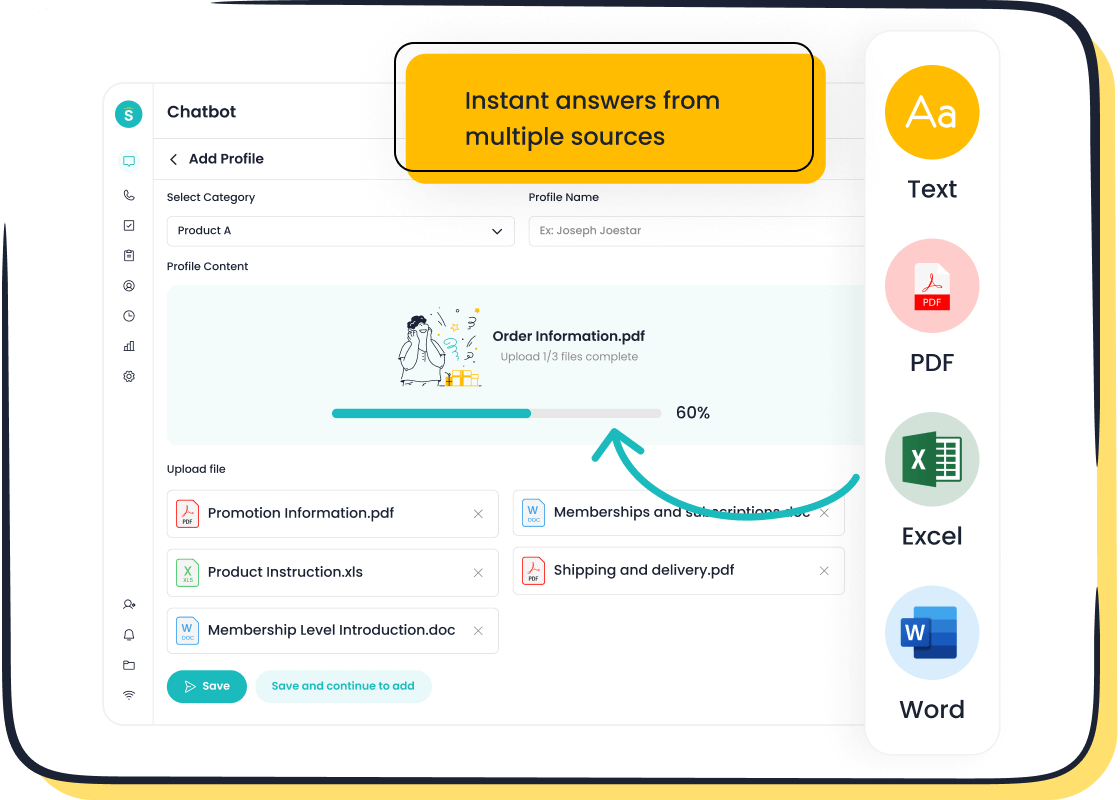
Deploy an AI-Powered Chatbot for 24/7 Support
An AI-powered chatbot takes your self-service strategy to the next level. Chatbots can automate 70-80% of routine support inquiries. Imagine a customer trying to track an order at 2 AM. Instead of waiting for an agent, chatbots can instantly provide the order status. This immediate support improves customer satisfaction.
Sobot's Chatbot provides 24/7 self-service and can cut expenses by up to 50% by triaging queries without extra agents. Its no-code interface makes it easy to deploy and customize, so you can build powerful chatbots quickly.
These self-service solutions allow you to handle more queries without increasing staff. Chatbots are excellent tools to reduce customer service costs.
Create Video Tutorials and How-To Guides
People process visuals much faster than text. Video tutorials are one of the most effective self-service options. Creating short videos that walk customers through common processes can reduce how-to-related tickets by up to 40%. Viewers also retain 65% of information from a video compared to just 10% from text. This makes video a smart investment for your self-service strategy. It is a simple way how to save customer service costs while improving the customer experience.
Leverage AI and Automation to Reduce Workload
Self-service is a great start, but you can further reduce costs with AI and automation. These tools help your team work smarter, not harder. They automate repetitive tasks and provide agents with the information they need instantly. This approach helps you improve the customer support experience. For example, imagine a customer asking about a return policy on WhatsApp. Instead of an agent manually looking up the answer, automation can handle it.
Sobot's AI Solution, an official WhatsApp BSP, integrates multiple channels to create a seamless, automated customer experience. Our AI can improve agent productivity by 70% by autonomously solving regular queries. This lets your team focus on issues that need a human touch.
Reduce Agent Handling Time
A key goal is to reduce time on each interaction. When you automate repetitive tasks, you give your agents more time. They can then solve complex customer problems more thoughtfully. This focus on efficiency helps improve your entire support operation and provides a better customer support experience.
Automate Ticket Routing and Categorization
Manual ticket sorting is slow and prone to error. Smart automation changes that. It can instantly categorize and route incoming tickets to the right agent or department. One company saw a 60% reduction in triage time by using automation for ticket classification. This ensures high-priority issues get addressed faster. This automation can also automate incoming support calls, directing customers correctly from the start.
Use AI to Suggest Replies for Agents
AI can act as a helpful assistant for your agents. It suggests replies based on the customer's question. This helps agents respond faster and more consistently. This technology is especially useful for new team members.
| Agent Group | Response Time Improvement |
|---|---|
| All Agents | 22% |
| Less-Experienced | 70% |
Using AI suggestions is a simple way to reduce time on each interaction and improve service quality.
Implement Automated Customer Follow-ups
Following up with customers is important, but it takes time. You can use automation to handle this task. Automated follow-ups can confirm issue resolution or share helpful resources. This simple step can significantly reduce agent workload and boost satisfaction.
- Enhanced Engagement: AI-driven interactions lead to higher response rates and stronger client relationships.
- Streamlined Processes: Automation helps reduce manual work, which increases team productivity.
- Improved Retention: Quick, relevant interactions make customers happier and more loyal.
How to Reduce Customer Support Costs via Agent Optimization
Your agents are your most valuable asset. Optimizing their workflow is a direct path to lower customer service costs and a better customer support experience. When you empower your team with the right tools and processes, you can achieve productivity gains of up to 40%. This helps you reduce expenses while boosting team morale.
Boost Agent Productivity and Morale
Happy, productive agents create happy customers. You can improve efficiency by removing daily frustrations from your agents' work. When agents have the tools to resolve issues quickly, their job satisfaction increases. This positive attitude translates directly into a better customer experience. Focusing on agent productivity is a powerful strategy to reduce customer support costs.
Unify Customer Data in One Workspace
Agents often waste time switching between different applications to find customer information. A unified workspace solves this problem. It brings all customer data—past purchases, contact history, and previous interactions—into a single view.
The life sciences leader Agilent faced this exact challenge. By using Sobot's omnichannel workbench, they unified their tools and data. This single change helped them achieve a 6x increase in efficiency and a 25% reduction in overall costs.
Imagine a customer starts with a chatbot and then calls for more help. With a unified platform, your agent sees the entire chatbot conversation instantly. They don't need to ask the customer to repeat themselves. This seamless handover helps you improve the customer support experience and reduce handling time.
Create Templates for Common Issues
Many customer questions are repetitive. You can create pre-written templates or canned responses for these common issues. This allows agents to answer questions about order status, return policies, or password resets in seconds. Templates ensure your answers are consistent and accurate, which helps you reduce errors and improve service quality.
Provide Ongoing Training on New Tools
Investing in your team's skills is how to save customer service costs in the long run. Ongoing training ensures your agents can use new tools effectively. Companies that invest in training see higher profit margins and productivity.
| Investment in Training per Employee | Profit Margin |
|---|---|
| $1,500/year | 24% higher |
| Less than $1,500/year | Lower |
Proper training helps your team work faster and smarter. This investment pays for itself by improving agent performance and retention, which is essential to reduce your long-term customer service costs.
Adopt a Proactive Support Model
The best way to reduce your workload is to solve problems before customers contact you. A proactive support model shifts your team from a reactive to a preventive mindset. This approach not only improves the customer support experience but also builds long-term customer loyalty. You can proactively reduce ticket volume by anticipating customer needs and addressing issues before they escalate.
Prevent Inbound Queries Before They Happen
Proactive service is a powerful strategy to lower your support costs. Instead of waiting for customers to report a problem, you reach out first. This simple change can reduce inbound support calls by 20-30%. You give customers answers before they even ask the question. This builds trust and provides a better customer experience.
Monitor Social Media for Customer Issues
Customers often share their frustrations on social media. You can monitor these channels to find and solve issues quickly. The telecommunications company Brastel did this by consolidating all its social media messages into one platform. This allowed their agents to respond faster, cutting ticket resolution time from 23 minutes to just 15 minutes. A unified view helps you manage conversations efficiently and improve your customer support experience.
Send Proactive Outage or Shipping Alerts
You can proactively reduce ticket volume by sending timely alerts. If your website is down or a shipment is delayed, tell your customers immediately. An energy provider used automated outage notifications and successfully reduced repeat calls by 50%. Informing customers about an issue and its expected resolution time can prevent a flood of support tickets.
Note: Be careful not to send too many alerts. Your messages should be relevant and helpful. Too many notifications can annoy customers and damage trust.
Identify At-Risk Customers with Product Data
Your product data can help you find customers who might leave. You can identify these at-risk users and take action to keep them. This is a key way to proactively reduce ticket volume related to dissatisfaction.
Look for these warning signs:
- A decline in how often they use your product.
- Low scores on customer satisfaction surveys.
- An increase in support tickets from a specific user.
When you spot these patterns, you can trigger automated re-engagement campaigns or improve your onboarding process. This helps you reduce churn and keep your customers happy.
Offer Tiered Support Channels
Not all support channels cost the same. A tiered support strategy helps you guide customers to the right channel based on their needs. This approach allows you to provide cost-effective customer service while still offering high-touch support for complex problems. You can strategically manage your resources and improve the customer experience.
Lower Your Cost-Per-Interaction
Understanding the cost of each customer interaction is the first step. Phone support is often the most expensive channel due to the one-on-one time required. Digital channels like web chat and email are much more affordable.
Different channels have very different costs. A phone call can cost nearly twice as much as a web chat interaction.
Here is a breakdown of average costs:
| Channel | Average Cost per Interaction |
|---|---|
| Phone Call | $6.69 |
| $4.00 | |
| Web Chat | $3.64 |
By knowing these numbers, you can make smarter decisions about where to direct your support traffic.
Prioritize Low-Cost Digital Channels
You should encourage customers to use your most affordable channels first. You can make web chat and email the most prominent options on your website. This simple change steers customers toward self-service or low-cost agent interactions for common questions. This strategy helps you reduce your overall support budget without sacrificing service quality. It is a fundamental part of building a cost-effective customer service model.
Reserve Phone Support for Complex Issues
Phone calls are a valuable resource. You should reserve them for issues that are urgent, sensitive, or too complex for a chat or email. For example, a customer dealing with a major account security issue needs the immediate reassurance of a human voice. Using phone support for these high-stakes situations ensures your most powerful tool is used where it has the most impact.
Offer Premium Support as a Paid Service
You can also turn your support into a revenue opportunity. Consider offering premium support as a paid service. This could include dedicated phone support, faster response times, or access to senior agents. Customers who need a higher level of service are often willing to pay for it. This model helps you offset your support costs and can even generate profit.
Use Data Analytics to Pinpoint Inefficiencies

Your support data is a goldmine of information. You can use analytics to find and fix hidden problems in your service operations. This data-driven approach helps you make smart decisions that lower your customer service costs and improve the entire customer journey.
Analyze Ticket Trends to Inform Product Changes
You can stop problems at the source by analyzing your support tickets. Look for patterns in the issues customers report. This helps you identify root causes and make changes that prevent future tickets. A deep dive into your ticket data can reveal specific, actionable insights.
- Defect Tickets: Tracking defects for a specific product, like a faulty zipper on a backpack, helps you fix design or manufacturing flaws.
- Shipping Tickets: Monitoring issues with certain delivery carriers allows you to renegotiate contracts or optimize your logistics for better service.
- Resolution Tickets: Analyzing how you solve problems can show if you are overusing costly solutions. You might offer a discount for a minor issue instead of a full replacement to reduce expenses.
Track First Contact Resolution (FCR)
You should measure how often your team solves an issue on the first try. This metric is called first contact resolution (FCR). A high FCR means your team is efficient and your customers are happier. The industry standard for a good first contact resolution rate is between 70% and 79%. World-class teams achieve an FCR of 80% or higher. Improving your first contact resolution is a direct way to reduce follow-up interactions and their associated costs. A better first interaction leads to a faster final resolution.
Measure Customer Satisfaction (CSAT) by Channel
You need to know which support channels are performing best. Measure customer satisfaction for each channel, such as chat, email, and phone. This data shows you where your team excels and where you need to improve training or processes. Focusing on channels with high satisfaction can guide your resource allocation for better overall resolution quality.
Use Insights to Reduce Customer Service Costs
The ultimate goal of data analysis is to take action. Use the insights you gather to make changes that have a real financial impact. Many companies have successfully used data to transform their operations. This is how to save customer service costs effectively.
| Company | Data-Driven Strategy | Impact on Costs |
|---|---|---|
| Neptune Flood | Used an AI assistant for routine claims | Cost per ticket dropped by 78% |
| Nexo | Automated case closure for simple issues | 62% of cases closed automatically, saving thousands of hours |
These examples show that a focus on data-driven resolution can lead to major savings and a more efficient support team.
Empower Your Community for Peer-to-Peer Support
You can turn your most passionate customers into a powerful support asset. A community forum allows your users to help each other. This peer-to-peer support model builds a strong brand connection and is a smart way to reduce your service costs.
Outsource Support to Your Super Users
Your most experienced customers, or "super users," already know your product inside and out. You can empower them to answer questions from other users. This outsources a portion of your support workload to a knowledgeable and enthusiastic group. It frees up your agents to handle more complex issues while your community tackles common questions.
Build a Branded Online Community Forum
A branded online forum creates a central hub for your users to connect. This space allows them to share tips, solve problems, and discuss your products. Many successful brands use this strategy.
- PlayStation offers forums where gamers can exchange tips and tricks.
- HubSpot Academy built a community by providing free courses that encourage knowledge sharing.
- Adobe uses platforms like Discord to let users share resources and get help directly from peers.
A dedicated forum helps you build a self-sustaining support ecosystem.
Reward Top Forum Contributors
You should recognize and reward your most helpful community members. This encourages continued participation and helps you improve the quality of support. A simple rewards system can make a big difference. You can offer:
- Digital Badges: Award badges on user profiles to show their expert status.
- Exclusive Access: Provide early access to new products or features.
- Tangible Rewards: Send branded merchandise or gift cards as a thank you.
These incentives motivate your top contributors to stay active and helpful.
Integrate Forums into Your Help Center
You can make your forum even more effective by integrating it with your help center. When a customer searches for an answer, they see results from both your knowledge base and the community forum. This approach can significantly reduce support tickets.
One study showed that peer-to-peer content in a community can resolve up to 73% of inquiries.
This integration helps customers find answers on their own, which is a key way to improve efficiency and lower your support costs.
You now have seven powerful strategies to lower your customer service costs. You can implement self-service, use AI, optimize agents, and adopt proactive support. You can also offer tiered channels, use data, and build a community. This customer service cost reduction is about strategic investment in a better customer service solution. You can reduce customer support costs by improving efficiency.
Ready to transform your support? Explore how Sobot's all-in-one customer service solution can help you embark on your new contact journey.
FAQ
What is the first step to reduce customer service costs?
You should start with self-service. Building a knowledge base or deploying a chatbot allows customers to find answers on their own. This is a simple way to deflect tickets and reduce your team's workload, which helps you reduce customer service costs immediately.
How does AI help lower support expenses?
AI automates repetitive tasks like ticket routing and answering common questions. This frees up your agents to handle complex issues. Tools like Sobot's AI can improve agent productivity by 70%, which is a powerful strategy to reduce customer service costs.
Can I reduce costs without hurting customer satisfaction?
Yes. You can reduce customer support costs by improving efficiency, not cutting corners. Using data to find problems and offering proactive support actually improves the customer experience. This approach makes your service better and more affordable at the same time.
See Also
Selecting Social Media Customer Service Software: 10 Essential Tips for Success
Implementing Omnichannel Contact Center Solutions: A 10-Step Guide for Businesses
Comparing Live Chat Support Costs: Your Essential Guide to Smart Investment
Discovering the Top 10 Customer Service Software Solutions for 2024
Optimizing Call Center Quality: Essential Management Practices for Peak Performance

