Personalized Steps to Measure Customer Experience


Measuring customer experience is vital for business growth. Companies that prioritize it often gain a competitive edge. In 2023, the customer experience management market reached $12.04 billion, with 80% of businesses planning to increase investments in this area. Customers’ expectations are high—86% are willing to pay more for a superior experience, while 65% switch brands after poor interactions. These numbers highlight why businesses must focus on improving customer satisfaction.

So, how do you measure customer experience effectively? You need actionable strategies. Tools like Sobot’s Voice/Call Center simplify this process. With features like intelligent IVR and real-time call tracking, Sobot enables you to analyze customer interactions, identify pain points, and boost operational efficiency. Businesses using such tools report up to a 30% increase in conversion rates and save over 70% of their time, making customer experience measurement both impactful and efficient.
Define Clear Customer Experience Goals
Setting clear goals is the foundation of any successful customer experience strategy. Without defined objectives, it becomes challenging to measure customer experience effectively or align it with your business growth.
What Do You Want to Measure?
Start by identifying what aspects of the customer experience you want to evaluate. Do you want to understand how satisfied your customers are? Or are you more focused on how easy it is for them to interact with your services? For example, companies like Stitch Fix improved customer retention by focusing on personalization, which significantly increased customer lifetime value. Similarly, HubSpot redesigned its onboarding process to enhance user experience, reducing churn and boosting satisfaction. These examples show that knowing what to measure can lead to impactful changes.
Align Goals with Business Objectives
Your customer experience goals should align with your broader business objectives. For instance, if your goal is to increase revenue, focus on metrics like Net Promoter Score (NPS) or Customer Satisfaction Score (CSAT). A McKinsey study revealed that enhancing customer satisfaction by 20% could lead to a 15-25% increase in cross-sell rates and a 5-10% boost in share of wallet. Aligning your goals ensures that your customer experience strategy directly contributes to your company’s growth.
Set Measurable Customer Experience Metrics
Once your goals are clear, define measurable customer experience metrics to track progress. Metrics like CSAT, NPS, and Customer Effort Score (CES) are highly effective. For example:
| Metric | Description | Importance |
|---|---|---|
| Customer Satisfaction Score (CSAT) | Measures customer satisfaction with a product or service. | Helps identify immediate issues and successes in customer interactions. |
| Customer Effort Score (CES) | Assesses the ease of customer interaction with services or products. | Identifies friction points that can impact satisfaction and loyalty. |
| Net Promoter Score (NPS) | Quantifies customer loyalty and likelihood of recommending a company. | Useful for predicting business growth through referrals. |
These metrics provide actionable insights, helping you refine your customer experience strategy. Companies that use measurable metrics often see significant benefits. For example, businesses delivering superior customer experiences grow revenue 1.7 times faster than others. By focusing on measurable outcomes, you can strengthen customer relationships and drive long-term success.
Map and Understand the Customer Journey

Understanding the customer journey is essential for improving customer experience. Mapping this journey helps you identify key touchpoints, address pain points, and create a seamless experience. By analyzing how customers interact with your business, you can uncover opportunities to enhance satisfaction and loyalty.
Identify Key Customer Touchpoints
Customer touchpoints are the moments when customers interact with your brand. These could include visiting your website, contacting support, or making a purchase. Identifying these touchpoints allows you to focus on areas that matter most to your customers.
A recent study found that 88% of customers value the experience a company offers as much as the quality of its products or services. To identify touchpoints effectively:
- Define your target audience and understand their needs.
- Collect data through surveys, interviews, and competitor analysis.
- Segment customers based on their interactions to find patterns in their journeys.
This process ensures you focus on improving specific aspects of the experience rather than overhauling the entire journey.
Address Customer Pain Points
Addressing pain points transforms challenges into opportunities. Customers often face issues like long wait times, unclear communication, or difficulty navigating services. Resolving these problems significantly enhances their experience.
For example, analyzing user interactions can help you suggest relevant content, improving engagement. Proactively addressing pain points also creates a smoother journey, leading to higher satisfaction and loyalty. Businesses that focus on resolving these issues gain a competitive edge and improve customer retention.
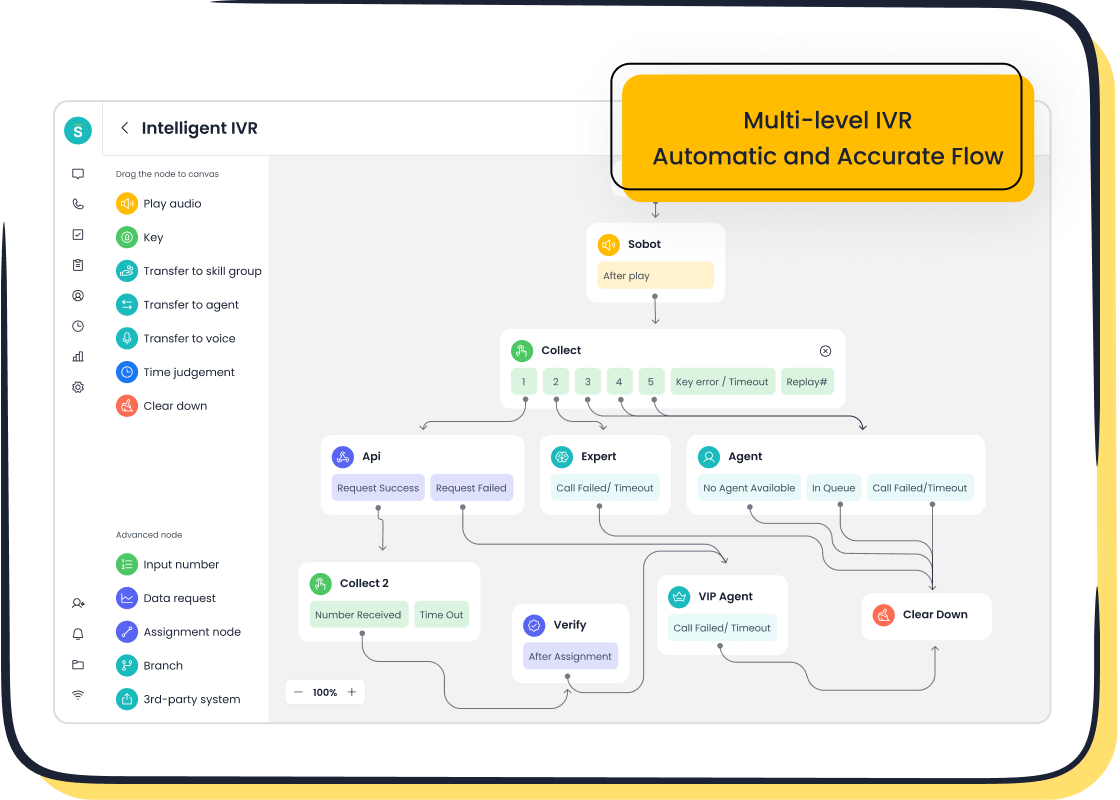
Use Tools Like Sobot's Omnichannel Solution
Sobot's Omnichannel Solution simplifies mapping the customer journey by consolidating interactions across multiple channels. This tool provides a unified workspace, enabling you to track customer behavior and identify service gaps.
For instance, businesses using Sobot's solution have achieved a 97% customer satisfaction score and a 20% reduction in inbound discussion volume over two years. The platform also offers AI-driven insights, helping you address pain points effectively. By leveraging such tools, you can enhance the customer experience and build stronger relationships.
Collect and Analyze Customer Feedback
Collecting and analyzing customer feedback is essential for understanding how your customers perceive their experience with your business. This process helps you identify areas for improvement, build trust, and create a customer-centric approach.
Leverage Surveys and Questionnaires
Surveys and questionnaires are effective tools for gathering customer feedback. They allow you to ask targeted questions about specific aspects of the customer experience. For example, you can measure satisfaction levels, ease of interaction, or loyalty.
To maximize the effectiveness of surveys:
- Keep questions concise and relevant.
- Use a mix of open-ended and multiple-choice questions.
- Offer incentives to encourage participation.
Metrics like response rate, completion rate, and time spent on surveys provide valuable insights into customer engagement. A well-designed survey not only collects data but also shows customers that you value their opinions. Businesses that prioritize feedback through surveys often see improved customer satisfaction and loyalty.

Monitor Customer Interactions with Sobot's Voice/Call Center
Monitoring customer interactions is crucial for understanding their needs and improving service quality. Sobot's Voice/Call Center offers advanced features like real-time call tracking and AI-powered analytics. These tools help you analyze customer interactions and identify trends in their behavior.
For example, Sobot's platform enhances operational efficiency by optimizing agent schedules and tracking adherence. Businesses using this solution have reported significant improvements in customer service metrics. By leveraging such tools, you can refine your customer experience strategy and address pain points effectively.
| Improvement Area | Description |
|---|---|
| Operational Efficiency | Sobot’s platform uses AI to track agent adherence and optimize shift scheduling. |
| Customer Service Metrics | Enhancements in overall customer service metrics are noted but not quantified. |
Track Social Media and Online Reviews
Social media and online reviews play a significant role in shaping customer perceptions. Monitoring these platforms helps you understand what customers think about your brand and identify areas for improvement.
Statistics show that 93% of customers read online reviews before making a purchase, and 91% of 18-34-year-olds trust these reviews as much as personal recommendations. Tracking this feedback allows you to address concerns, respond to reviews, and build a positive reputation.
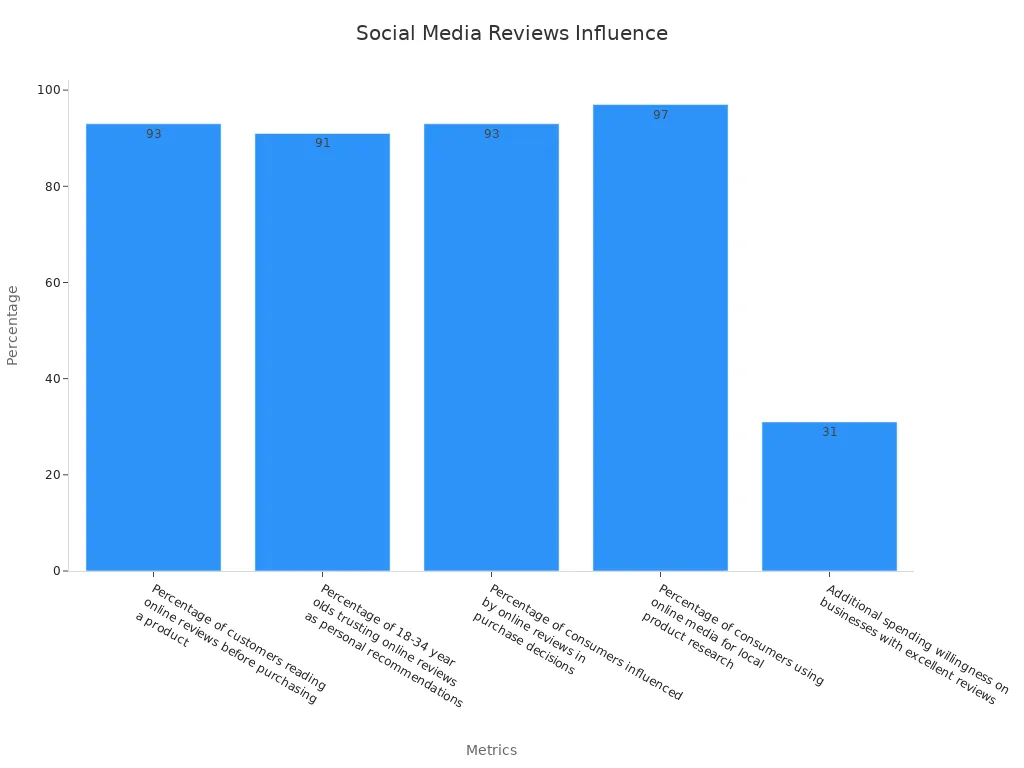
By actively engaging with customers on social media and responding to reviews, you demonstrate that their feedback matters. This approach not only improves customer satisfaction but also fosters loyalty and trust.
Use Data to Measure Customer Experience

Data is a powerful tool for refining your customer experience strategy. By analyzing customer experience metrics, segmenting data, and identifying trends, you can make informed decisions that enhance customer satisfaction and loyalty.
Implement Customer Experience Metrics (NPS, CSAT, CES)
Customer experience metrics like Net Promoter Score (NPS), Customer Satisfaction Score (CSAT), and Customer Effort Score (CES) provide actionable insights into how customers perceive your business. These metrics help you track customer experience metrics effectively and identify areas for improvement.
- NPS measures customer loyalty by asking how likely they are to recommend your business. For example, Taylor & Hart doubled their revenue by focusing on NPS and turning one-time buyers into repeat customers.
- CSAT evaluates satisfaction with specific interactions. An e-commerce platform improved its checkout process after identifying issues through CSAT, leading to higher repeat visits.
- CES assesses how easy it is for customers to interact with your services. Companies that streamline onboarding processes based on CES insights often see reduced customer churn rates.
Businesses leading in customer experience achieve twice the revenue growth of their peers, according to Bain & Company. By implementing these metrics, you can drive customer satisfaction and long-term success.
Segment Data by Customer Demographics
Segmenting data by demographics allows you to tailor your customer experience strategy to meet the unique needs of different groups. This approach enhances customer relationships and boosts loyalty.
| Evidence Type | Description |
|---|---|
| Product Customization | Refine products to cater to specific segments, increasing brand loyalty. |
| Marketing Campaigns | Create targeted campaigns, such as trendy memes for younger audiences. |
| Pricing Strategies | Align pricing with the purchasing power of each demographic. |
| Customer Support | Customize support channels to match demographic preferences. |
| Behavioral Insights | Use age-based insights to inform product and marketing strategies. |
For instance, offering personalized marketing or tailored support channels can significantly improve customer engagement. This segmentation ensures efficient resource allocation and provides a competitive advantage.
Identify Trends with Sobot's Analytics Tools
Sobot's analytics tools empower you to uncover trends that shape your customer experience management. These tools provide insights into customer behavior, enabling you to make data-driven decisions.
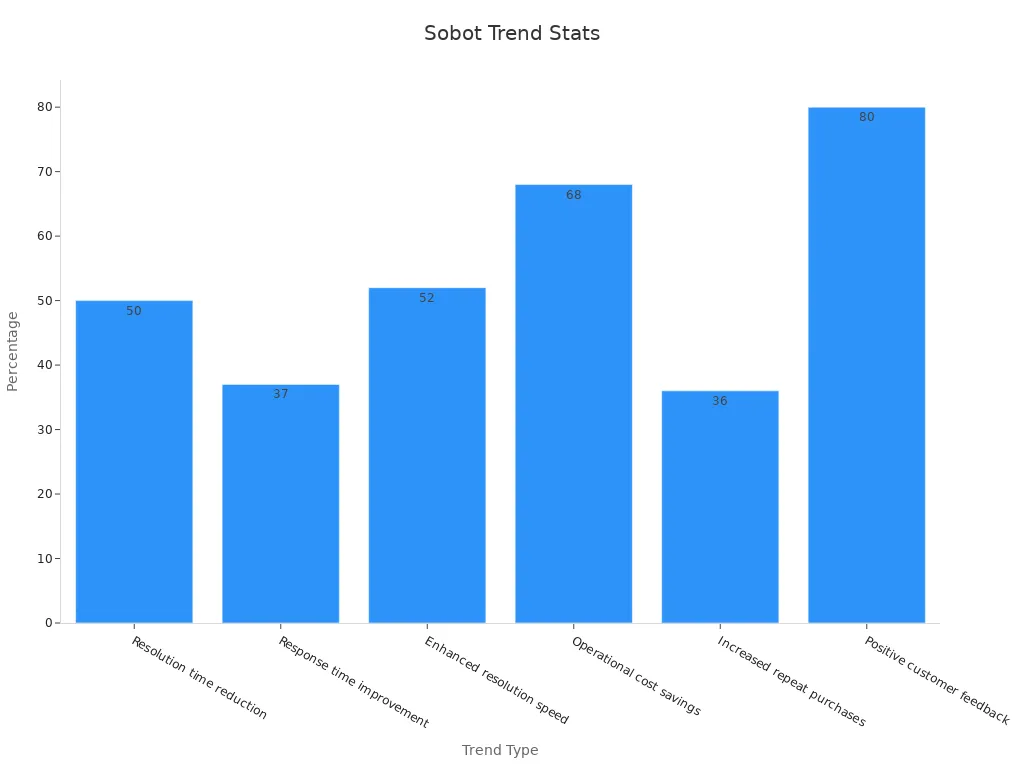
For example:
- AI-powered personalization can increase revenue by 15%, according to McKinsey.
- Sobot's tools reduce resolution times by up to 50%, improving customer satisfaction.
- Businesses using AI-driven marketing campaigns report increased purchases and reduced churn.
By leveraging Sobot's analytics, you can identify opportunities to enhance customer experiences, reduce churn, and foster loyalty.
Take Action and Continuously Improve
Taking action based on insights is the final step in creating a successful customer experience strategy. By implementing changes, monitoring results, and fostering a culture of continuous improvement, you can ensure your business stays ahead in customer experience management.
Implement Changes Based on Feedback
Customer feedback provides a roadmap for improvement. Acting on this feedback demonstrates that you value your customers’ opinions and are committed to enhancing their experience. For example, Turum-burum, a digital design agency, helped Intertop, a shoe retailer, increase average revenue per user by 11.46%. They used exit-intent surveys to identify website malfunctions that caused customers to abandon their orders. By fixing these issues and improving the checkout process, they reduced the bounce rate by 13.35% and boosted customer satisfaction.
You can follow similar steps by analyzing feedback from surveys, social media, and tools like Sobot’s Voice/Call Center. These tools provide real-time insights into customer interactions, helping you identify areas for improvement and implement changes effectively.

Monitor Results Using Sobot's Voice/Call Center
Monitoring the impact of your changes is crucial for refining your customer experience strategy. Sobot’s Voice/Call Center offers features like call tracking and AI-powered analytics, enabling you to measure the effectiveness of your actions. For instance, you can track metrics like the customer satisfaction score or net promoter score to evaluate how your improvements resonate with customers.
Businesses using Sobot’s platform have reported significant gains in operational efficiency and customer loyalty. By leveraging these tools, you can ensure your changes lead to measurable improvements in customer satisfaction and overall experience.
Foster a Culture of Continuous Improvement
Creating a culture of continuous improvement ensures your customer experience strategy evolves with changing needs. Companies like Starbucks and Netflix have achieved success by consistently adapting based on customer feedback. Starbucks introduced mobile ordering to reduce wait times, while Netflix adjusted its recommendation algorithm to better align with user preferences. Both actions led to increased customer satisfaction and loyalty.
Research supports this approach. Gartner found that organizations with robust feedback mechanisms see a 20% increase in customer satisfaction and loyalty. Adobe’s case study revealed that incorporating user feedback led to a 24% revenue growth. By fostering a culture of improvement, you can drive long-term success and maintain strong customer relationships.
Measuring customer experience involves clear goals, journey mapping, feedback collection, and data analysis. These steps help you understand your customers better and improve their experience. Tools like Sobot's Voice/Call Center simplify this process. They provide real-time insights and streamline interactions, ensuring higher satisfaction.
You should treat customer experience measurement as a continuous process. Regularly refine your strategies based on feedback and data. This approach keeps your business aligned with customer needs and ensures long-term success. So, how do you measure customer experience? Start today and make it a priority.
FAQ
What is the best way to measure customer experience?
You can measure customer experience by using metrics like NPS, CSAT, and CES. These tools provide insights into satisfaction, loyalty, and ease of interaction. Combining these metrics with customer feedback and analytics tools like Sobot’s Voice/Call Center ensures accurate results.
How does customer feedback improve customer experience?
Customer feedback highlights areas needing improvement. By acting on this feedback, you can resolve pain points and enhance satisfaction. Tools like Sobot’s analytics help you analyze feedback effectively, ensuring your efforts align with customer expectations.
Why is mapping the customer journey important?
Mapping the customer journey helps you understand how customers interact with your business. It identifies key touchpoints and pain points. This process allows you to create a seamless experience, improving satisfaction and loyalty.
How can Sobot’s Voice/Call Center enhance customer experience?
Sobot’s Voice/Call Center offers features like real-time call tracking and AI-powered analytics. These tools help you monitor interactions, identify trends, and address issues quickly. Businesses using this solution report improved customer satisfaction and operational efficiency.
What role does data play in improving customer experience?
Data provides actionable insights into customer behavior. By analyzing metrics and trends, you can make informed decisions to enhance satisfaction. Tools like Sobot’s analytics simplify this process, helping you identify opportunities for improvement.
See Also
A Guide to Successfully Implementing Omnichannel Contact Centers
Essential Tips to Enhance Live Chat Customer Experience
Comparative Analysis of Leading Voice of Customer Tools