Mastering the Rush How to Handle a Surge in Questions
Flora An
·December 16, 2025
·13 min read
You just launched a major sale. Suddenly, a surge in customer inquiries floods your support channels. This surge tests your customer service. Your team must manage large number of inquiries while keeping customer satisfaction high. The pressure is on, as long waits can harm customer retention.
Over 60% of customers will hang up after waiting just one minute.
Dissatisfaction grows by 262% when a customer waits longer than expected.
This guide provides a playbook to master the rush. You can turn this challenge into an opportunity, strengthening your service and building loyalty with a smart strategy and tools like Sobot.
Triage Strategies for a Surge in Customer Inquiries
When you face a sudden surge in customer inquiries, your first instinct might be to have your team work faster. This approach often backfires. It leads to agent burnout and a drop in service quality. A better plan involves smart triage strategies. Triage helps you sort and prioritize incoming questions. This ensures you can manage large number of inquiries effectively, even under pressure.
The main challenge is a juggling act. Your team must deliver on customer expectations while handling high volumes of inquiries. Common problems during a surge include:
Ticket backlogs: Unresolved support tickets pile up, causing long delays.
Handling multiple customers: Agents struggle to manage chats, emails, and calls at the same time.
Prioritizing needs: It is hard to know which customer issue to solve first when every request seems urgent.
Complex questions: Your team may face unexpected questions about a new sale or feature they are not ready for.
Effective triage strategies use technology and process to bring order to this chaos. They help you provide fast, accurate answers to some customers. They also route complex issues to the right person without delay.
Deploy AI Chatbots for Instant Answers
Your first line of defense during a rush is automation. AI chatbots provide immediate support 24/7. They can answer common questions instantly. This frees up your human agents to focus on more complex problems. Research shows that AI can be incredibly effective. AI agents can instantly resolve up to 80% of common customer queries without human help. Some advanced tools, like Intercom’s Fin AI, resolve up to 86% of questions with personalized responses.
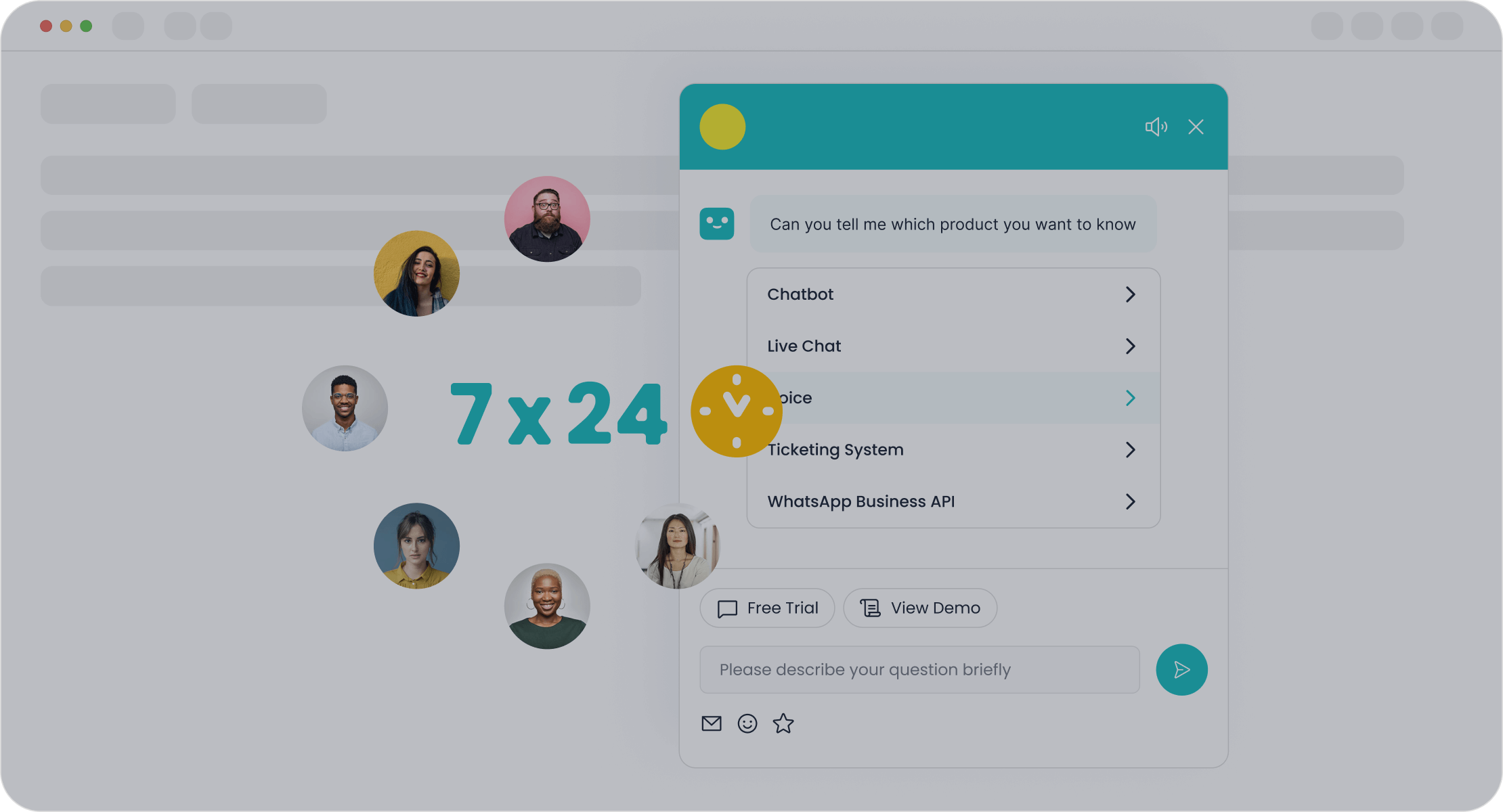
This is where a powerful tool like the Sobot AI Chatbot becomes essential. It offers several key benefits to help you manage a surge:
24/7 Availability: The chatbot works around the clock, providing automated responses even when your team is offline.
Cost Savings: It can cut additional agent costs by up to 50% by handling a large portion of incoming inquiries.
Multilingual Support: You can serve a global customer base by interacting with customers in their preferred language.
Best of all, you can deploy the Sobot AI Chatbot quickly. It features a point-and-click interface, so you can design and launch it without any coding. This makes it a perfect solution to implement right when a surge in customer inquiries begins.
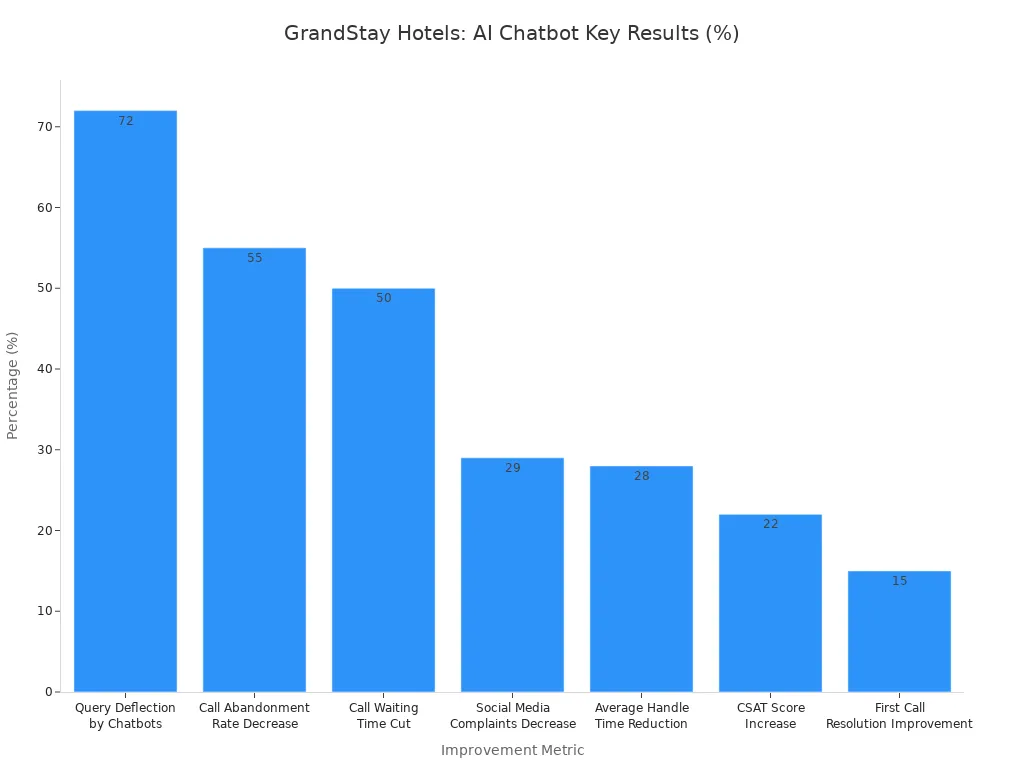
Case Study: GrandStay Hotels
GrandStay Hotels struggled with long hold times and high call abandonment rates during peak seasons. After implementing an AI chatbot, they saw amazing results:
While chatbots handle direct questions, a self-service knowledge base empowers customers to find answers on their own. Many people prefer to look for information themselves before contacting customer service. A well-organized and easy-to-use knowledge base is a critical asset when you need to manage large number of inquiries.
To create a knowledge base that truly helps your customers, you should follow these best practices:
Write Clear Content: Use simple language and avoid jargon. Each article should focus on solving a single problem with easy-to-follow steps.
Use Visuals: Add images, diagrams, and videos to explain complex topics. Visual aids make your knowledge base more engaging and easier to understand.
Build a Powerful Search: Your knowledge base needs a great search function. Use relevant keywords and tags so customers can find what they need quickly.
Keep It Updated: Regularly review and update your content. This is especially important after a product update or a major sale.
Gather Feedback: Ask users if an article was helpful. Use their feedback to find gaps in your knowledge and make improvements.
Promoting your knowledge base on your website, in emails, and through your chatbot can significantly reduce the volume of support inquiries.
How to Manage Large Number of Inquiries with a Ticketing System
Even with chatbots and a great knowledge base, some inquiries will always need a human touch. During a surge, these inquiries can quickly overwhelm your team. Manually assigning and tracking tickets is inefficient and leads to mistakes. This is why an automated ticketing system is a core part of any plan to manage large number of inquiries.
An automated ticketing system reverses this trend. It uses automation to bring efficiency and order to your support workflow. Instead of agents manually picking tickets, the system does the heavy lifting. This allows your team to focus on what they do best: helping customers.
The Sobot Ticketing System is designed to help you manage large number of inquiries with powerful automation. It helps you automate tasks and streamline your entire support process. Here’s how it works:
Automated Ticket Routing: The system automatically assigns tickets to the right agent or team. It can use rules based on the inquiry type, customer language, or agent skill. This ensures every customer gets to the right person fast.
Workflow Automation: You can automate repetitive tasks. For example, you can set up rules to send automated responses, update ticket statuses, or escalate urgent issues. This workflow automation saves time and reduces manual errors.
Prioritization: The ticketing system can automatically set priority levels for tickets. It can identify urgent issues based on keywords in the message or the customer's service level agreement (SLA). This ensures your team always works on the most critical inquiries first.
By using a smart ticketing system, you create a clear process for handling every inquiry. This organization is key to maintaining high-quality customer service, even when facing a massive surge in customer inquiries.
Empowering Your Team Through Strategic Scaling Customer Support
Triage strategies and automation are your first line of defense. They manage the initial wave of questions. However, technology alone cannot win the battle. Your human agents are your most valuable asset. A surge in customer questions puts immense pressure on them. True success in scaling customer support comes from empowering your team with the right tools, knowledge, and support. This turns a stressful rush into a chance to showcase exceptional customer service.
A powerful example of this is the partnership between OPPO and Sobot. OPPO faced huge increases in inquiries during peak shopping seasons. By using a strategy of human-machine cooperation, they achieved incredible results.
An 83% chatbot resolution rate freed up human agents.
This led to a 94% positive feedback rate from customers.
This shows that the best approach to scaling customer support combines smart automation with an empowered human team. You can build a resilient customer service operation that thrives under pressure.
Arm Agents with a Unified Workspace
During a rush, time is your enemy. Agents waste precious minutes switching between different tabs, applications, and systems. They hunt for customer history in one place, order details in another, and past conversations in a third. This digital scavenger hunt frustrates both the agent and the customer. You can solve this problem by giving your team a unified workspace.
A unified workspace is a single dashboard that brings everything an agent needs into one view. This is a core feature of Sobot's Omnichannel Solution. It transforms your customer service operations by giving agents a complete picture of every customer journey. This enables faster, more personal service.
A unified workspace helps your team manage a surge in customer questions by:
Providing Instant Context: Agents get immediate access to order details and conversation history. This allows them to provide relevant, personal conversations without asking the customer to repeat information.
Note: A unified workspace is the foundation of modern scaling customer support. It equips your agents to handle more conversations with less effort, directly improving your customer service operations.
With Sobot's Omnichannel Solution, you create a powerful customer contact center. Tools like Live Chat, Voice Call Center, and AI-powered agent assistance work together seamlessly. This gives your agents the context they need to resolve issues on the first contact. They can provide excellent service without the stress of searching for information.
Foster Agent Collaboration and Expertise
A single agent cannot know everything. During a surge in customer questions, new and unexpected issues will appear. Your team's collective knowledge is a powerful tool for scaling customer support. You must create an environment where agents can easily share information and learn from each other. This collaboration is key to building a resilient support team.
When your team is under pressure, you need to make knowledge sharing simple and effective. Here are some methods you can use to facilitate collaboration:
Establish an Internal Knowledge Base: Create a central, easy-to-search place for all your processes, procedures, and troubleshooting guides. This becomes the single source of truth for your team.
Encourage Mentoring: Pair new agents with experienced ones. This helps pass on critical knowledge and builds confidence. Peer-to-peer support is invaluable during a high-stress period.
Use Collaboration Tools: Leverage platforms that allow agents to ask questions and share solutions in real-time. A dedicated chat channel for the support team can help solve unique customer problems quickly.
Promote Psychological Safety: You must build a culture where agents feel safe to ask questions, admit they don't know an answer, and share mistakes without fear. When leaders lead by example, it encourages everyone to contribute.
Fostering collaboration is a long-term strategy for scaling customer support. A team that learns together grows stronger together. This prepares your customer service operations for any future challenge.
Maintain Team Morale and Prevent Burnout
A sustained surge in customer questions can lead to severe agent burnout. The relentless pace, combined with difficult customer interactions, takes a heavy toll. Burnout is a serious threat to your customer service team. It leads to lower productivity, higher employee turnover, and a drop in service quality.
The numbers paint a clear picture of the stress in this field.
Up to 87% of call center employees report high levels of stress. The annual turnover rate can be as high as 30-45%. This creates a cycle where remaining team members are overworked, leading to more burnout.
Preventing burnout is essential for scaling customer support effectively. A supported and motivated team is your best defense against a decline in customer satisfaction. You must invest in your team's well-being. Here are some effective strategies to maintain morale:
Offer Wellness Programs: Provide access to resources that support mental and physical health. This can include confidential counseling services, mindfulness apps, or stress management training.
Recognize and Reward Efforts: Create programs to acknowledge hard work. Simple recognition, like a "kudos" board or showcasing success stories, can make agents feel valued.
Foster a Supportive Environment: Encourage a "no-blame" culture where mistakes are treated as learning opportunities. Regular team-building activities can also strengthen bonds and create a peer support network.
Optimize Schedules: Use smart scheduling to ensure agents get proper breaks. Giving them more control over their schedules can improve work-life balance and reduce stress.
Your agents are on the front lines. Protecting their well-being is not just a kind gesture; it is a critical business strategy. A healthy, happy team delivers the high-quality service that builds lasting customer loyalty and satisfaction. This is the ultimate goal of scaling customer support.
Master Proactive Customer Communication
When you face a flood of questions, reacting is not enough. You must get ahead of the problem. Proactive communication allows you to control the narrative. It shows your customer you are responsible and attentive. This builds trust and can even improve your brand's reputation for reliability. A proactive strategy helps you manage customer expectations before they turn into complaints.
Use Banners and Social Media for Mass Updates
Your website and social media are powerful tools for mass communication. Use them to share important information with every customer at once. A clear banner on your homepage can instantly inform visitors about a sale, a known issue, or shipping delays. This sets clear expectations from the start.
Butcher Box, a meat delivery service, used its homepage to communicate a waitlist during high demand. This proactive step protected its reputation and built trust with new customers.
This approach ensures your message reaches your customers where they are.
Set Realistic Expectations for Response Times
Nothing frustrates a customer more than waiting without knowing how long it will take. You must be transparent about your response times. Clearly communicating expected response times reduces anxiety and makes the wait feel shorter. This simple act can reduce customer complaints by up to 30%. It shows you respect your customers' time and builds stronger loyalty. Update your automated email and chat responses to reflect current wait times. This manages customer expectations and gives your support team breathing room. Honest communication about response times leads to better customer service outcomes.
Send Proactive Messages About Known Issues
Some issues affect specific groups of customers. You can send proactive messages to these groups before they even contact you. This is a powerful way to reduce inbound inquiries and show you care. For example, airlines like Delta send proactive flight delay notifications. Companies like Slack and Dropbox alert users to upcoming maintenance or storage limits.
Use channels like SMS or messenger apps for these targeted responses. These direct messages have high open rates and allow for quick, personal responses. This proactive customer service turns a potential problem into a positive interaction. It provides customers with answers before they ask, which is the ultimate way to manage expectations and deliver excellent service.
Turn Surge Data into a Long-Term Strategy
A surge in customer inquiries is more than a challenge to overcome. It is a goldmine of data. You can transform this data into a powerful, long-term customer experience strategy. This turns a reactive situation into a proactive plan for the future. It helps you continuously improve your customer service operations and operational efficiency. The analytics and reporting features in Sobot's products, like the Chatbot and Omnichannel Solution, provide the data you need for this deep analysis.
Analyze Customer Inquiries to Find Root Causes
Your first step is to understand why customers are contacting you. Look past the surface-level questions. You need to find the root causes of recurring inquiries. This is where you can use simple but effective analysis techniques.
The 5 Whys Method: When you see a common problem, ask "Why?" five times. This helps you dig deeper than the initial symptom to find the real issue.
Centralize Data: Use a system to log all inquiries. This helps you spot patterns over time and identify which issues cause the most trouble for your customers.
This analysis helps you understand what drives your inquiries. It gives you a clear path to making meaningful improvements to your customer service.
Use Insights to Fortify Your Support Resources
Once you know the root causes, you can strengthen your support resources. The goal is to answer questions before a customer has to ask an agent. Use the data from your inquiries to improve your self-service tools.
Tip: Analyze chatbot conversations with low satisfaction scores or high escalation rates. These conversations show you exactly where your knowledge base has gaps.
Use these insights to update your knowledge base articles and refine your chatbot's training data. If many inquiries are about a specific feature, create a detailed guide for it. This fortifies your first line of support and empowers customers to find their own answers, which is a key part of effective customer service management. Better resources mean fewer repetitive questions for your team.
Refine Your Surge Response Playbook
Every surge is a learning opportunity. After the rush subsides, use your data to refine your response strategies. A strong playbook prepares your team for the next event. Your updated playbook should include:
Updated Response Templates: Create new templates based on the most common inquiries you faced.
By continuously improving your strategies, you build a more resilient customer service operation. This ensures you are better prepared for any future challenge.
You can master any customer surge. Success rests on four pillars.
Analyze data to improve your customer service operations.
A surge in questions is a challenge. It is also an opportunity. You can strengthen your customer service operations and build stronger customer relationships, turning a crisis into a chance for greater customer satisfaction. This improves your overall service. An all-in-one solution like Sobot helps you prepare your customer service operations for any rush. Let us help you improve your service and boost satisfaction. Embark on Your Contact Journey.
FAQ
What is the first step to manage a surge in customer questions?
You should deploy an AI chatbot for immediate support. It provides instant answers to common questions around the clock. This action frees up your human agents to handle more complex and urgent customer issues.
How quickly can I set up an AI chatbot?
You can deploy a no-code solution like the Sobot AI Chatbot very quickly. Its point-and-click interface allows you to design and launch automated workflows in hours, not weeks. This provides your customers with immediate support.
How can I prevent agent burnout during a rush?
You must focus on your team's well-being.
Offer wellness programs and mental health resources.
Recognize and reward hard work to boost morale.
Optimize schedules to ensure agents get proper breaks.
Foster a supportive, no-blame culture.
What is the main benefit of analyzing surge data?
Analyzing surge data helps you find the root causes of inquiries. You can use these insights to improve your knowledge base, refine chatbot responses, and fortify your overall support strategy for the future.