How to Improve RPR for Better Movement and Strength

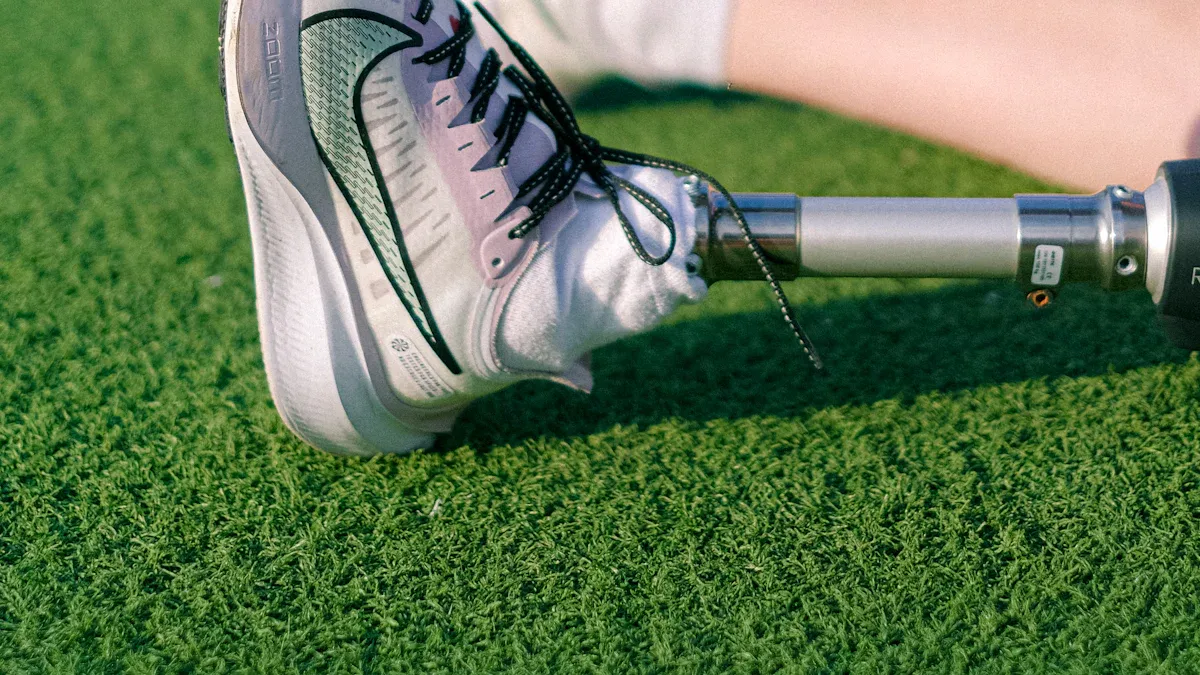
If you want to know how to improve RPR for better movement and strength, start with regular practice. Many athletes use RPR because it helps prevent injuries by fixing harmful movement patterns before they cause trouble. Studies show that doing RPR every week can lower injury risk and improve how fast your heart recovers after hard exercise. You just need a few minutes for Wake Up Drills to reset your body and get ready for action. RPR fits right into your warm-up, just like how Sobot AI fits into customer service for Sobot call center teams—both make things work smoother and more efficiently.
What Is Reflexive Performance Reset
RPR Basics
Reflexive performance reset, or RPR, is a simple system that helps you get your body ready for action. You use breathing, touch, and special movements to “wake up” your muscles and nervous system. RPR focuses on your brain and nerves, not just your muscles. When you do RPR, you press or rub certain spots on your body. This sends signals to your brain, which then tells your muscles to work better together. You also practice belly breathing, which helps calm your body and improves blood flow. RPR targets important muscles like your hip flexors and glutes. These muscles help you move, jump, and stay strong. By using RPR, you can clear out bad movement habits and get your body moving the right way.
Tip: Just like Sobot’s customer service tools help teams work better together, RPR helps your muscles and nerves work as a team for better performance.
Why Athletes Use RPR
Athletes use reflexive performance reset because it is quick, easy, and works almost anywhere. You do not need fancy equipment or a coach to help you. Many athletes want to reduce the risk of injuries and feel ready for every workout or game. RPR helps you fix bad movement patterns that can lead to injury. When you use RPR before training, your muscles fire in the right order. This makes lifting weights or running feel easier and safer. Some athletes say they feel more focused and “locked in” after doing RPR. It gives you control over your own body, which is great if you do not always have access to a trainer.
Key Benefits
RPR offers many benefits for athletes who want to boost their performance and stay healthy. Here are some of the top reasons to use reflexive performance reset:
- You can improve muscle activation and reaction time.
- RPR helps you move better and feel more flexible.
- It supports injury prevention by fixing movement problems before they cause pain.
- Many athletes notice they recover faster after hard workouts.
- RPR can even help lower stress and make you feel more confident.
Some studies show that athletes who use RPR see better results in things like jump height and muscle control. They also report less anxiety before big events. RPR is now used by pro sports teams and even special forces because it works so well. If you want to keep your body strong and avoid injury, adding RPR to your routine is a smart move.
How to Improve RPR
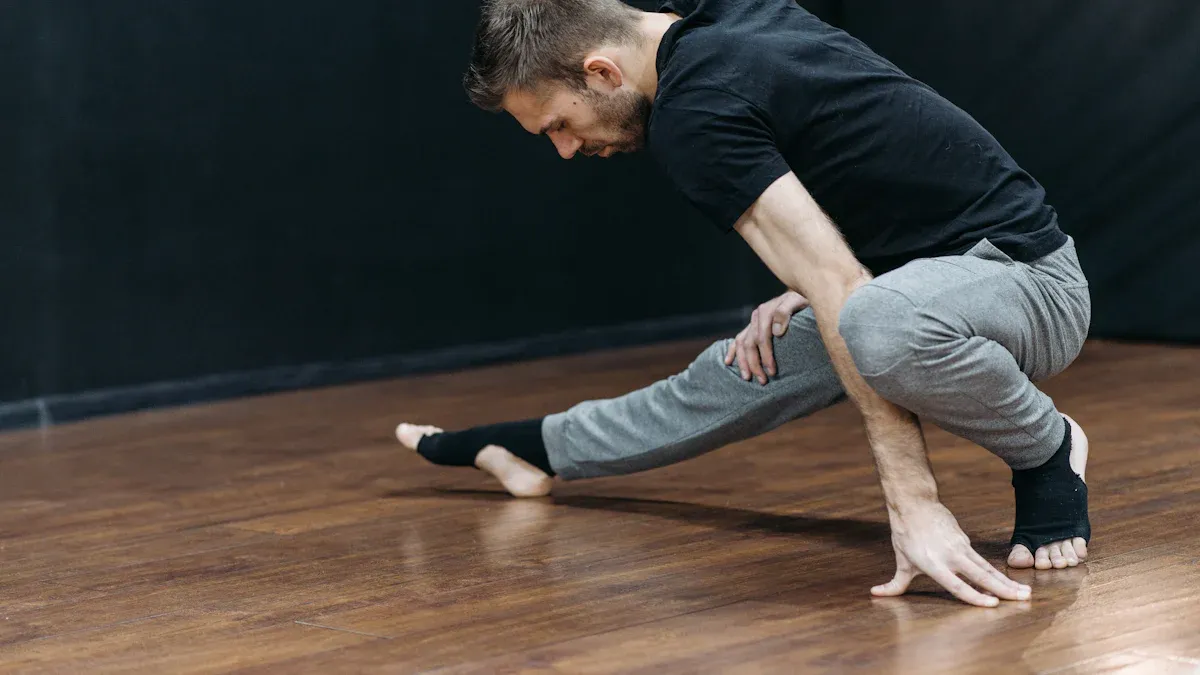
If you want to know how to improve RPR and get the most out of your training, you need to focus on three main things: wake-up drill sequences, breathing techniques, and consistency in practice. These steps help you reset the whole body, keep athletic power flowing, and improve performance every time you train or compete.
Wake-Up Drills
Wake-up drill sequences are the heart of RPR. You use these exercises to get your muscles and nerves working together before you start any workout or game. Experts recommend a full-body approach instead of just focusing on one area. Here’s a simple step-by-step method you can follow:
- Start with a full wake-up drill sequence. This means you don’t just work on one muscle group. You go through a series of exercises that target your whole body.
- Use your hands to press or rub different reflex points. Don’t just touch one spot. Move through several points, like your glutes, hip flexors, and even your jaw.
- Combine each touch with deep breathing. This helps your brain and muscles connect better.
- Repeat the sequence before every workout, practice, or competition. Make it a habit, just like tying your shoes.
- Teach others to implement wake-up drill sequences. If you’re a coach or a team leader, show your group how to do these exercises together.
Tip: Think of wake-up drill sequences like turning on all the lights in a room. You want every muscle ready to go, not just one corner.
Many athletes say these drills help them feel stronger and more focused. Coaches notice fewer injuries and better movement. When you use wake-up drill sequences, you help your body avoid “cheat” patterns that can lead to pain or poor performance. You also keep athletic power flowing, which means you can move faster and lift heavier.
Research shows that wake-up drill sequences improve neuromuscular activation. This means your main muscles, like the psoas and glutes, fire first. You don’t waste energy using the wrong muscles. You move better and feel more powerful. Even if you’re not an athlete, these exercises can help you feel more awake and ready for the day.
Breathing Techniques
Breathing is a big part of how to improve RPR. The right breathing techniques help your body relax and get ready for action. Most experts say you should use diaphragmatic breathing, also called belly breathing. Here’s how you can do it:
- Sit or stand tall. Place one hand on your belly.
- Breathe in slowly through your nose. Feel your belly rise.
- Exhale slowly through your mouth. Try to make your exhale longer than your inhale.
- Repeat this for a few breaths before you start your wake-up drill sequence.
This type of breathing helps your body switch from “stress mode” to “performance mode.” It calms your nerves and helps your muscles work better. Studies show that combining belly breathing with wake-up drill sequences can lower your energy use and make your muscles more efficient. You’ll notice you feel less tired and more focused.
Note: Slow, controlled breathing with longer exhales can also help reduce anxiety. This is great before a big game or test.
When you add breathing to your wake-up drill sequences, you improve performance and keep your athletic power flowing. You also help your body recover faster after hard exercises. This is why so many athletes and coaches use these techniques every day.
Consistency in Practice
If you want to see real results, you need to practice RPR regularly. Doing wake-up drill sequences once in a while won’t give you lasting benefits. You should implement wake-up drill sequences before every workout, practice, or competition. Make it part of your routine, just like stretching or warming up.
Here’s why consistency matters:
- Each time you do a wake-up drill sequence, you teach your muscles to fire in the right order.
- Over time, your body learns these patterns and uses them automatically.
- Consistent practice helps you avoid injuries and improve performance for the long term.
One athlete shared that after adding RPR to his training, he felt like a new person. He jumped higher and had fewer back problems. Coaches also see fewer injuries and better results when their teams use RPR every day.
Callout: Consistency is key! Just like using Sobot’s customer service tools every day helps teams work better, doing RPR regularly helps your body perform at its best.
You can track your progress by noticing how you feel before and after each session. Many people see better muscle strength, more focus, and less pain after a few weeks. If you’re a coach, encourage your team to implement wake-up drill sequences together. This builds good habits and helps everyone improve performance.
Quick Checklist for How to Improve RPR
- Do a full wake-up drill sequence before every workout.
- Use belly breathing with each exercise.
- Repeat the sequence often to build strong habits.
- Teach others to implement wake-up drill sequences for team success.
- Notice how your body feels and adjust your routine as needed.
If you want to know how to improve RPR and reach peak performance, remember these steps. Wake-up drill sequences, the right breathing techniques, and consistent practice will help you reset the whole body, keep athletic power flowing, and improve performance every time you train.
Advanced RPR Techniques
Fascia Stretching
Fascia stretching helps your muscles move better and feel less tight. You can use tools like iastm, which stands for Instrument Assisted Soft Tissue Mobilization. This tool looks like a small metal scraper. You glide it over your skin to help loosen up the fascia, which is the thin layer covering your muscles. Some athletes use iastm before RPR to get their muscles ready for action. You can also use your hands or a foam roller if you do not have iastm tools. This manual therapy approach helps your body feel more flexible and ready to move. When you stretch your fascia, you help your muscles work together as a team.
Tip: Try using iastm on your calves or quads before your next workout. You might notice you feel lighter and move more easily.
Reflex Points Activation
Reflex points activation is a key part of advanced RPR. You press or rub certain spots on your body, like your glutes or jaw, to wake up your muscles and nerves. A study by Warren Bartlett showed that athletes who used RPR with reflex point activation and belly breathing improved their joint mobility much more than those who tried other methods. The study measured movements like hip and shoulder flexion and found that RPR made a big difference. When you combine reflex points activation with breathing, your muscles fire in the right order. This helps you move better and lowers your risk of injury. The Triphasic Training article also explains that activating these points helps your hips and core muscles work together, making your whole body more stable and strong.
Note: Some athletes notice they start to salivate more during certain resets. This means your body is relaxing and getting ready to perform.
Addressing Stress
You need to take care of both your body and your mind for the best results. Stress can slow you down and make you feel tired. RPR techniques help you manage both physical and mental stress. Here’s a simple table to show how you can address stress with RPR:
| Step | What You Do | Why It Helps |
|---|---|---|
| Assessment | Check how you feel physically and mentally | Find out what needs attention |
| Treatment | Use breathing, iastm, and reflex point activation; try relaxation exercises | Lower stress and help your body recover faster |
| Monitoring | Notice changes in your mood and movement | Track your progress and adjust as needed |
You can add breathing and mindfulness to your routine. Try belly breathing or a quick body scan before practice. These steps help you feel calm and focused. When you lower stress, you move better and avoid injuries. This approach works just like Sobot’s customer service platform, which helps teams stay organized and stress-free by handling customer questions smoothly. You can learn more about stress management for athletes from this resource.
Train Athletes with RPR
Integrating RPR in Warm-Ups
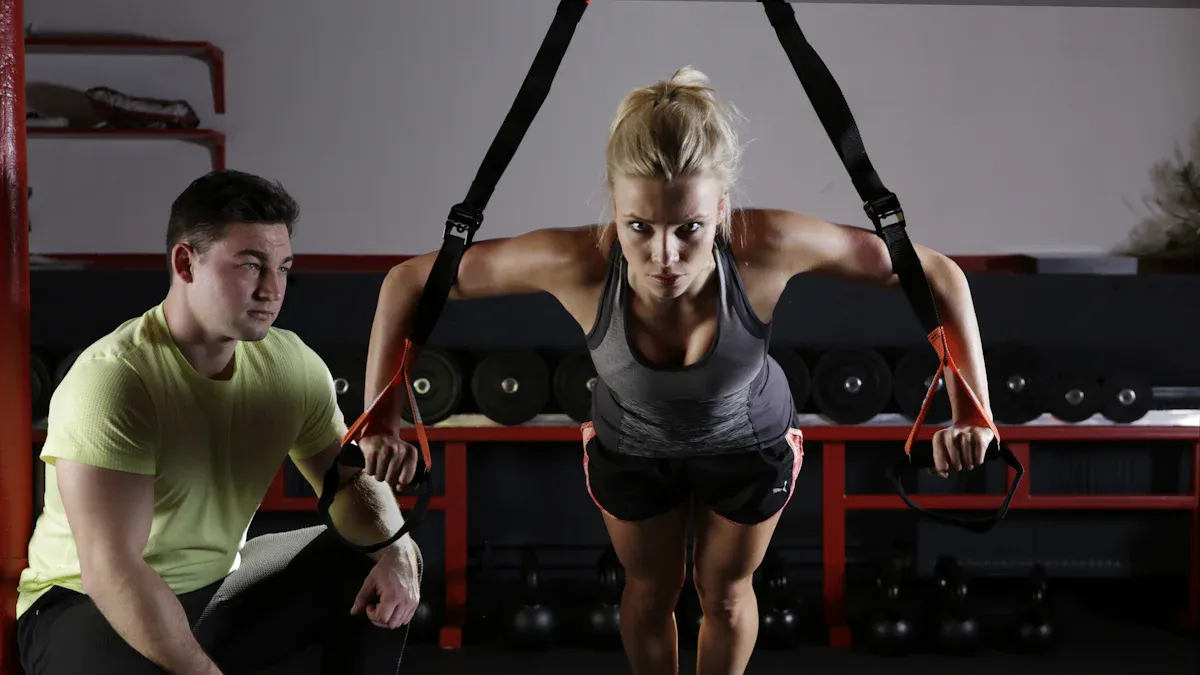
You can train athletes to get the most out of RPR by making it part of every dynamic warm up flow. Start with simple reflexive tests for key muscle groups like the glutes, hamstrings, and quadriceps. These tests take less than a minute per athlete. After testing, have each athlete do their wake-up drills. Use wall charts or visual guides to help everyone follow the right steps. Coaches can retest and use light touch or massage on muscles that need extra activation. This routine fits easily into a 15-minute warm-up, even with a big group. When you add RPR to your program, you boost neuromuscular activation and mental focus. This helps athletes avoid injury and stay ready for action. Neural warm-ups also wake up the brain and body, making movement sharper and more accurate.
Tip: Just like Sobot’s customer service platform helps teams stay organized, a clear RPR routine keeps your team focused and ready.
Coaching Tips
If you want to drive athlete performance, keep things simple. Teach the basics first, especially for young athletes. Explain why each exercise matters. When athletes know the reason behind RPR, they stick with it longer. Give choices and let athletes adjust exercises to fit their needs. Use questions to help them think about what works best. Manage training loads to prevent fatigue. Build a culture where health and fitness matter, not just winning. This keeps athletes motivated and helps them avoid injury over time.
- Keep RPR sessions short and focused.
- Use technology to track progress and adjust training.
- Encourage positive self-talk and mental resets after mistakes.
Tracking Progress
You can track how well athletes respond to RPR with simple tools. Try jump mats to measure explosive power or laser-timed sprints for speed. Velocity-based training helps you see gains in strength. Write down results and look for trends. If you see steady improvement, your RPR routine works. Watch for common mistakes like perfectionism or negative self-talk. Teach athletes to use deep breathing and positive mantras to reset mentally. This helps them stay focused and avoid injury.
| Tool | What It Measures | Why Use It? |
|---|---|---|
| Jump Mat | Vertical jump height | Tracks explosive power |
| Laser-Timed Sprint | Speed and acceleration | Monitors sprint progress |
| Velocity Training | Bar speed | Shows strength improvements |
Note: Consistent tracking helps you spot problems early and keep athletes on the right path.
RPR for Long-Term Success
Building Habits
If you want to see real change from RPR, you need to make it a habit. Think of RPR like brushing your teeth—something you do every day without thinking. When you practice RPR daily, you help your nervous system reset and keep your muscles firing the right way. JL Holdsworth, a well-known strength coach, says that simple, repeatable resets are the best way for athletes to improve performance and stay strong. Over time, these habits lead to better movement, more strength, and less pain. You also help your body switch from “fight or flight” to “rest and recover,” which is key for peak performance and faster recovery. Many coaches use film study to spot movement problems, then use RPR to fix them. This helps you build habits that last and keep your body ready for action.
Performance Monitoring
Tracking your progress helps you see how RPR works for you. You can use simple tools like jump mats, sprint timers, or even a notebook to record how you feel before and after each session. Look for changes in your strength, flexibility, and mood. Some athletes notice they jump higher or feel less pain after a few weeks. Coaches often see fewer injuries and better results when everyone uses RPR. You can also ask your coach to watch your movement and give feedback. This helps you spot small problems before they turn into big ones. When you track your progress, you stay motivated and keep working to improve performance.
Tip: Just like Sobot’s customer service platform helps teams track and improve their support, you can use simple tracking to boost your athletic power and results.
Team Involvement
Getting your whole team on board with RPR makes a big difference. Coaches should share RPR knowledge and encourage everyone to try it. Start with easy drills like belly breathing and focus on key muscle groups. Make RPR part of every warm-up so it becomes a routine. When coaches and athletes work together, everyone benefits. Teams that use RPR see fewer injuries and better performance. Remember, progress matters more than perfection. If someone makes a mistake, treat it as a chance to learn and grow. This team mindset helps everyone reach their goals and stay healthy.
- Start with simple breathing and muscle drills.
- Make RPR a regular part of team warm-ups.
- Encourage everyone to share tips and support each other.
- Celebrate progress, not just perfect results.
When you build good habits, track your progress, and work as a team, you set yourself up for long-term success with RPR.
To get the most from RPR, focus on these actions:
- Do foot wake-up drills before every workout. This helps your feet and muscles work better.
- Use tools like the Tim Tam Pocket Power Massager for extra boost.
- Track your progress with stats or video. Celebrate new PRs, even small ones.
- Talk with teammates and set goals together. Peer support keeps you motivated.
You will move better, feel stronger, and lower your risk of injury. Start your RPR routine today and keep checking your results. Just like Sobot helps teams work smarter, RPR helps your body perform at its best.
FAQ
What is the best way to start using RPR?
You can start with simple wake-up drills and belly breathing. Try these before every workout. Many athletes see results in just two weeks. If you want to know how to improve RPR, make it a daily habit for better movement and strength.
How long does an RPR session take?
Most RPR sessions take less than five minutes. You can fit them into your warm-up. Quick routines help you reset your body fast. Even busy athletes find time for RPR. Consistency matters more than session length.
Can RPR help prevent injuries?
Yes! Studies show that regular RPR use can lower injury risk by up to 30% (source). You teach your muscles to fire in the right order. This keeps your body safe and strong during sports or training.
Should I use RPR with other recovery tools?
You can combine RPR with foam rolling, stretching, or massage. Many athletes use RPR and tools like the Tim Tam Pocket Power Massager for better results. Just like Sobot’s customer service platform works with other tools, RPR fits well with your favorite recovery methods.
How do I track my progress with RPR?
You can use a notebook, jump mat, or sprint timer. Write down how you feel before and after each session. Many athletes notice better movement and less pain after a few weeks. Sobot’s tracking features for customer service teams work the same way—helping you see real progress.
See Also
Expert Strategies For Fast Support Using Depop Live Chat
Top Techniques To Ensure Quality In Call Center Management
Improving Call Center Results Through Effective Performance Monitoring
Becoming Skilled At Providing Customer Support Via Live Chat

