Best Practices to Improve Call Center Performance This Year


Call center best practices are essential for how to improve call center performance, driving real results in agent productivity, customer experience, and operational efficiency. Companies that prioritize agent training, real-time assistance, and automated quality management see measurable gains. For instance, enhancing agent satisfaction can increase customer satisfaction by 62%, while automated systems powered by Sobot AI review every customer interaction to provide unbiased feedback. As many customers expect immediate, high-quality service across multiple channels, leading brands now invest in advanced solutions like Sobot to boost call center efficiency and elevate the customer experience.
Businesses should evaluate their current processes and leverage innovative tools such as the Sobot call center platform to optimize efficiency and agent productivity, ensuring every customer receives the best possible experience.
How to Improve Call Center Performance
Define Clear Goals
Successful call centers start with clear goals. Managers use call center best practices to set objectives that guide every team member. These goals should be specific, measurable, and aligned with the company’s mission. For example, a call center strategy might focus on increasing first call resolution or improving customer satisfaction scores. Jim Bush, Executive VP at American Express, highlights that setting SMART goals—Specific, Measurable, Attainable, Relevant, and Time-bound—drives business growth and motivates agents. Clear goals help agents understand what success looks like and give them a sense of achievement.
Tip: Involve agents in the goal-setting process. This approach boosts engagement and ensures everyone works toward the same targets.
Managers can follow these steps to define goals:
- Set precise objectives with clear outcomes.
- Use quantifiable metrics to track progress.
- Align goals with business priorities.
- Set deadlines for accountability.
- Review and adjust goals regularly.
Set Achievable KPIs
KPIs, or key performance indicators, measure how to improve call center performance. High-performing teams use KPIs like first call resolution, average handle time, and customer satisfaction to track improvement. Achievable KPIs help managers spot problems, such as long wait times or low agent morale. By focusing on realistic targets, teams can make steady progress and celebrate wins.
| KPI Name | Description |
|---|---|
| First Call Resolution | Percentage of issues solved on the first contact |
| Average Handle Time (AHT) | Time spent on each customer interaction |
| Customer Satisfaction (CSAT) | Customer happiness with their experience |
| Service Level | Percentage of calls answered within a set timeframe |
| Agent Occupancy Rate | Time agents spend on calls versus waiting |
Achievable KPIs align with business goals and customer expectations. They also motivate agents and support data-driven decisions for improvement.
Monitor Key Metrics
Monitoring key metrics is one of the most effective strategies for how to improve call center performance. Managers track a balanced mix of metrics to ensure quality and efficiency. For example, they watch average handle time, first call resolution, and customer satisfaction scores. Quality assurance teams use these numbers to spot trends, guide training, and improve call center best practices.
| Metric Name | Description | Importance |
|---|---|---|
| Average Speed of Answer | Time for a call to be answered by an agent | Shows responsiveness and service quality |
| Cost Per Call | Average cost to handle each call | Tracks financial efficiency |
| Call Abandonment Rate | Percentage of callers who hang up before reaching an agent | Reflects customer frustration and staffing adequacy |
| Utilization Rate | Percentage of agent time spent available for calls | Measures agent productivity |
| Customer Satisfaction | Customer feedback rating on service experience | Direct measure of agent performance |
Managers use these metrics to identify areas for improvement and adjust strategies. Regular monitoring ensures the team meets goals and delivers high-quality service. By following these strategies, call centers can see real improvement in performance and customer experience.
Agent Training and Engagement

Continuous Training Programs
Call centers achieve high performance by investing in agent training that adapts to changing customer needs. Continuous training programs help agents build new skills and reinforce best practices. Managers use a systematic approach, collecting performance data to identify skill gaps and updating training materials. AI-powered coaching platforms deliver instant feedback, guiding agents to improve specific skills in real time. Virtual reality environments allow agents to practice challenging scenarios safely, increasing agent productivity and confidence.
| KPI Metric | Target Range | Impact on Business |
|---|---|---|
| First Call Resolution (FCR) | 80-90% | Reduces repeat calls, increases customer happiness |
| Average Handle Time (AHT) | Under 5 minutes | Improves efficiency, lowers operational costs |
| Customer Satisfaction (CSAT) | 4.5 to 5 out of 5 | Enhances customer loyalty and company reputation |
| Agent Retention Rate | Above 85% | Decreases hiring costs, stabilizes teams |
Managers schedule daily, weekly, monthly, and quarterly reviews to align training with agent productivity goals. Microlearning sessions, peer mentorship, and feedback loops keep skills current and ensure improvement. Effective call center training uses hands-on methods like call recordings, mock calls, and gamification to build habits. Refresher training and regular updates help agents deliver high-quality service.
Boost Agent Motivation
Agent productivity rises when managers use proven strategies to motivate teams. Gamification introduces points, badges, and leaderboards, making routine tasks enjoyable and fostering healthy competition. Real-time progress tracking and status recognition reinforce positive behaviors. Companies like LiveOps and T-Mobile have seen performance gains by using team challenges and quizzes. Managers rotate challenges, balance individual and team contests, and focus on quality customer service to maintain engagement.
Tip: Positive reinforcement and immediate feedback encourage agents to strive for improvement and maintain high motivation.
Prevent Burnout
Burnout threatens agent productivity and overall performance. Common causes include excessive monitoring, stressful customer interactions, and monotonous tasks. Managers prevent burnout by providing comprehensive agent training, flexible schedules, and up-to-date technology. Agents benefit from autonomy in customer interactions and constructive use of monitoring tools. Work-life balance initiatives, professional development opportunities, and regular recognition boost morale and reduce stress. Managers set reasonable goals and support agents with AI tools and feedback, ensuring a healthy work environment and sustained improvement.
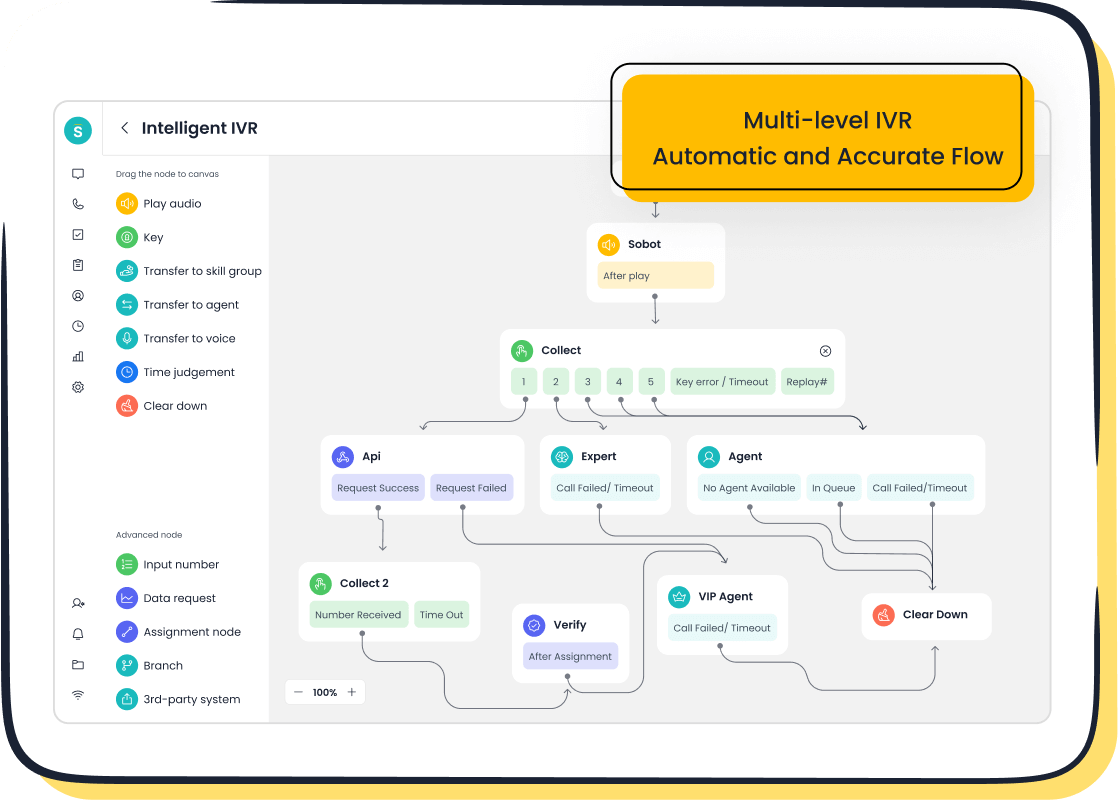
Sobot Voice/Call Center Technology for Efficiency
Intelligent IVR and Smart Routing
Sobot’s intelligent IVR and smart routing play a key role in improving call center efficiency. These features allow customers to reach the right agent quickly, reducing wait times and boosting agent productivity. Intelligent IVR automates repetitive tasks, such as greeting callers and collecting information, which shortens call durations. Smart routing connects customers to agents with the right expertise or access to previous interaction history. This approach leads to faster, more personalized service and higher first-contact resolution rates. By automating outbound calls, post-call surveys, and data collection, Sobot helps call centers make better decisions and gain valuable customer insights. These tools also lower operational costs and improve agent productivity by optimizing workloads and reducing call abandonment rates. As a result, call centers see happier customers, better retention, and increased sales.
Unified Workspace
Sobot’s unified workspace brings all communication channels—voice, chat, email, and social media—into a single platform. Agents no longer need to switch between multiple tabs or tools, which saves time and reduces errors. This integration gives agents immediate access to customer history, tickets, and communication records. With full customer context, agents can respond faster and personalize every interaction. This setup directly improves agent productivity and call center efficiency. Customers benefit from seamless service, as agents resolve issues quickly without asking them to repeat information. The unified workspace also supports omnichannel service, making it easier for agents to manage high volumes and maintain high performance.
Real-Time Monitoring
Sobot’s real-time monitoring tools give supervisors and agents live insights into call activity and agent performance. Supervisors can track key metrics, monitor live calls, and provide instant feedback. Real-time monitoring reduces the need for lengthy post-call analysis and speeds up training for new agents. Immediate feedback helps agents adjust their approach during calls, improving both efficiency and service quality. Real-time sentiment analysis allows agents to recognize customer emotions and respond appropriately, which increases customer satisfaction. Sobot’s monitoring tools also support compliance by alerting supervisors to potential issues, ensuring consistent service standards. With these capabilities, call centers can allocate resources efficiently, maintain high service levels, and drive continuous improvement.
Sobot stands out with 99.99% uptime and global support. The platform operates in over 50 countries, offering stable, secure, and reliable service. Time zone-based routing and seamless CRM integration ensure that call centers can manage international campaigns and deliver consistent customer experiences. These features make Sobot a trusted choice for businesses focused on improving call center efficiency and agent productivity.
Call Center Strategies for Workflow Optimization
Optimizing workflows is a top call center strategy for boosting call center efficiency and performance. Effective strategies help teams handle higher call volumes, reduce costs, and deliver better customer experiences.
Automate Routine Tasks
Automation stands at the core of modern call center efficiency. AI-powered tools and intelligent IVR systems now handle repetitive tasks like data entry, call logging, and follow-up communications. This shift allows agents to focus on complex customer needs. Studies show that AI can increase agent productivity by 66% and reduce call time by 38%. Automated systems also lower operational costs by up to 30%, as fewer staff are needed for routine calls. By automating basic inquiries, call centers free agents to resolve intricate issues, which leads to higher job satisfaction and improved efficiency. Automation also reduces errors and supports compliance, making it a vital call center strategy.
Balance Workloads
Balanced workloads are essential for call center efficiency and agent well-being. Workforce management tools, skill-based routing, and predictive analytics distribute calls fairly among agents. Real-time monitoring and dynamic adjustment of agent priorities ensure that no one gets overwhelmed. These strategies improve operational efficiency, reduce agent turnover, and enhance customer service. When workloads are balanced, agents perform better and experience less stress. This approach also supports service level agreements and boosts overall performance.
Tip: Use workforce management software to forecast demand and schedule agents for peak times.
Use Data Analytics
Data analytics drives continuous improvement in call center efficiency. Managers use analytics to monitor key metrics, predict call volumes, and identify workflow bottlenecks. Real-time dashboards track agent performance and customer sentiment, allowing for timely coaching and workflow adjustments. Analytics also reveal common customer issues, helping leaders take proactive steps to improve first call resolution rates. Integrating analytics with CRM and communication tools unifies data, streamlines processes, and enhances both agent and customer experiences. By leveraging data, call centers make informed decisions, personalize coaching, and maintain high efficiency.
| Strategy/Aspect | Description and Impact |
|---|---|
| Automation & AI Tools | Optimize agent productivity, handle routine inquiries, and reduce operational costs. |
| Workforce Management | Schedule and balance workloads, improving productivity and fairness. |
| Performance Monitoring (KPIs) | Track metrics to identify bottlenecks and improve workflows. |
| Technology Integration | Streamline processes and reduce costs through unified systems. |
These call center strategies ensure that every team operates at peak efficiency, delivering measurable improvements in performance and customer satisfaction.
Improve Call Center Customer Experience
Collect Customer Feedback
Customer feedback plays a vital role in shaping the call center experience. Leading call centers use surveys, focus groups, and direct outreach to gather insights from customers. This feedback helps identify recurring issues such as long wait times or gaps in agent knowledge. Managers analyze customer satisfaction scores and Net Promoter Scores to track trends and spot areas for improvement. By acting on feedback, call centers show customers that their opinions matter, which increases loyalty and satisfaction. Sobot’s omnichannel solution makes it easy to collect and analyze feedback across all channels, ensuring a complete view of the customer experience. Regular feedback loops and follow-ups help teams align with changing customer expectations and drive continuous improvement in customer service.
- Collecting feedback uncovers pain points and opportunities.
- Surveys and KPIs provide both numbers and stories.
- Acting on feedback boosts customer satisfaction and trust.
Enhance Self-Service Options
Modern customers expect fast, convenient support. Self-service options like IVR, AI chatbots, knowledge bases, and mobile apps allow customers to resolve issues anytime. Sobot’s chatbot and self-service tools use AI and natural language processing to provide instant answers and personalized experiences. These tools reduce wait times and free agents to handle complex problems, improving both agent productivity and customer satisfaction. Well-designed self-service systems offer intuitive interfaces and strong security, making the customer experience smooth and reliable. Continuous updates and agent training keep these systems effective. Real-world results show that self-service options deliver 24/7 support, scale easily, and lead to enhanced customer satisfaction.
Note: Self-service empowers customers, streamlines operations, and improves the overall call center experience.
Omnichannel Support with Sobot
Omnichannel support transforms the call center experience by connecting every customer interaction across voice, chat, email, and social media. Sobot’s AI-powered platform unifies all channels, allowing customers to start a conversation on one channel and continue on another without repeating information. This seamless integration ensures consistent customer service and a personalized experience. Sobot’s AI voicebots and chatbots handle routine inquiries, while human agents focus on complex needs. This balance of automation and empathy leads to higher customer satisfaction and loyalty.
The Weee! customer story highlights the impact of Sobot’s omnichannel approach. Weee! improved its call center experience by adopting Sobot’s flexible IVR, multilingual support, and unified workspace. As a result, agent efficiency increased by 20%, resolution time dropped by 50%, and the customer satisfaction score reached 96%. This example shows how Sobot’s solutions deliver measurable improvements in customer service and satisfaction.
| Feature | Benefit for Customers | Impact on Customer Experience |
|---|---|---|
| Unified Omnichannel Platform | Seamless transitions between channels | Consistent, efficient service |
| AI-Powered Chatbots & Voicebots | Instant answers, 24/7 availability | Faster resolutions, higher satisfaction |
| Integrated Customer Data | Personalized support | Enhanced customer satisfaction |
Sobot’s omnichannel support ensures every customer receives a high-quality, connected experience, driving loyalty and business growth.
Call Center Strategy for Continuous Improvement
Quality Assurance
Quality assurance forms the backbone of every effective call center strategy. Managers define QA metrics that align with customer needs, such as first call resolution, average handle time, and customer satisfaction. These metrics help teams track performance and drive improvement. Continuous feedback loops, involving both agents and customers, allow real-time adjustments and provide comprehensive insights into service quality. Integrating customer feedback through post-call surveys and Voice of Customer analysis bridges the gap between internal standards and actual customer experience. Real-time monitoring and coaching prevent repeated mistakes and support new agents, leading to higher first call resolution rates. Data-driven analytics tools, including call recording and speech analytics, enable objective measurement and pattern identification. Companies that use these best practices see measurable improvement in customer experience and standardized service quality.
Tip: Regularly review QA metrics and customer feedback to identify trends and training needs.
Regular Coaching
Regular coaching stands as a vital call center strategy for continuous improvement. Supervisors use coaching sessions to help agents recover from difficult interactions, build confidence, and improve future call handling. Structured coaching frameworks integrate personalized feedback, skill development plans, and objective performance baselines into daily operations. Real-time guidance systems offer immediate support during live calls, allowing agents to apply new skills instantly. Technology tools track agent progress and create continuous feedback loops. Skilled coaches use active listening and tailored feedback to enhance agent engagement. Ongoing training resources, such as e-learning and role-playing, reinforce skills and promote continuous learning. Regular performance evaluations combined with coaching ensure agents consistently improve, resulting in better customer satisfaction, reduced handle times, and lower turnover.
Recognize Top Performers
Recognizing top performers is a key call center strategy that boosts morale and retention. Managers use frequent, personalized recognition tied to customer service behaviors and Voice of the Customer results. Programs like 'Agent of the Month' and tangible rewards, such as gift cards or paid time off, foster loyalty and motivation. Career advancement opportunities and special assignments linked to recognition encourage agents to strive for excellence. Positive feedback and team-building activities build a supportive work culture. Open communication channels, including anonymous feedback, help employees feel valued. A playful and positive environment resonates with young call center employees, further supporting retention. These methods lead to higher productivity, improved quality, and sustained improvement across the team.
| Recognition Method | Impact on Agents | Benefit to Call Center Strategy |
|---|---|---|
| Personalized Rewards | Boosts morale | Increases retention |
| Career Advancement | Motivates top performers | Drives continuous improvement |
| Team Activities | Builds positive culture | Enhances service quality |
Call centers achieve outstanding results by defining clear goals, training agents, and optimizing workflows. Sobot’s solutions deliver a seamless experience for customers, resolving 70% of inquiries automatically and reducing agent workload by 60%. The platform supports customers across industries, improves conversion rates, and ensures resolution times under one minute. Sobot’s advanced AI and omnichannel support help customers receive fast, personalized service. The following table highlights Sobot’s impact on efficiency and customer satisfaction:
| Aspect | Details |
|---|---|
| Inquiry Resolution | 70% resolved automatically |
| Agent Workload | Reduced by 60% |
| Conversion Rate | Increased by 3x |
| NPS Gain | Improved by 35% |
| Resolution Time | Under 1 minute |
Managers should implement these strategies, monitor results, and provide every customer with an exceptional experience.
FAQ
What are the most effective call center best practices for improving agent productivity?
Managers use continuous training, real-time feedback, and workflow automation to boost agent productivity. Sobot’s unified workspace and intelligent IVR help agents resolve calls faster. Studies show that these call center best practices can increase agent productivity by up to 66%.
How does a call center strategy impact customer satisfaction?
A clear call center strategy sets measurable goals and aligns agent actions with customer needs. Companies that monitor key metrics and collect feedback see customer satisfaction scores rise. For example, Weee! achieved a 96% satisfaction rate after upgrading its call center efficiency.
Why is call center efficiency important for business growth?
Call center efficiency reduces costs, improves response times, and increases first call resolution rates. Efficient centers handle higher volumes and deliver better customer experiences. Data shows that improving call center efficiency can boost conversion rates by three times and raise Net Promoter Scores by 35%.
What role does technology play in call center best practices?
Technology drives call center best practices by automating routine tasks, enabling omnichannel support, and providing real-time analytics. Sobot’s AI-powered solutions help agents deliver faster, more personalized service, which leads to higher customer satisfaction and improved call center strategy outcomes.
How can managers measure the success of their call center strategy?
Managers track KPIs such as first call resolution, average handle time, and customer satisfaction. Regular monitoring and data analytics reveal trends and highlight areas for improvement. Successful call center strategies show measurable gains in agent productivity and customer satisfaction.
See Also
Effective Strategies For Managing Call Center Quality
Ways To Enhance Call Center Results Through Monitoring
Best Contact Center Technologies Evaluated For 2024
Understanding The Efficient Operation Of Call Center Automation
Comprehensive Guide To Call Center Quality Management Systems

