How Do You Handle an Angry Customer Effectively?


Dealing with an angry customer can feel overwhelming, but it’s also an opportunity to build trust and customer loyalty. Did you know 70% of unhappy customers are willing to return if their issues are resolved? That’s why staying calm, listening actively, and offering solutions are so important. So, how do you handle an angry customer? Tools like Sobot’s Voice/Call Center make this easier by reducing wait times and ensuring smooth communication. With features like smart call routing and real-time monitoring, you can turn frustration into satisfaction.
Stay Calm and Composed
Why Staying Calm is Essential in Customer Service
Staying calm during a customer service interaction is more than just keeping your cool—it’s about creating a space where solutions can thrive. When you remain composed, you maintain emotional control, which helps you focus on the issue at hand. Angry customers often mirror the tone of the person they’re speaking with. A calm demeanor can de-escalate tension and encourage a more respectful conversation.
Remaining calm also improves your ability to listen actively. This allows you to understand the root cause of the frustration and work toward a resolution. Studies show that professional handling of conflicts leads to better outcomes, as hostility only escalates the situation. By staying calm, you set the tone for a productive dialogue.
Techniques to Manage Emotions During Difficult Interactions
Managing your emotions during tough conversations doesn’t have to be complicated. Here are some techniques you can try:
- Deep Breathing: Take a few slow breaths before responding. This helps reduce stress and keeps your voice steady.
- Mindful Listening: Focus entirely on what the customer is saying. Avoid planning your response while they’re speaking.
- Visualization: Picture a positive outcome for the interaction. This can shift your mindset and help you stay optimistic.
- Post-Interaction Reflection: After the call, take a moment to reflect on what went well and what could improve. This builds emotional resilience over time.
For example, imagine a customer yelling about a delayed order. Instead of reacting defensively, you take a deep breath, listen carefully, and acknowledge their frustration. This approach not only calms the customer but also helps you address the issue effectively.
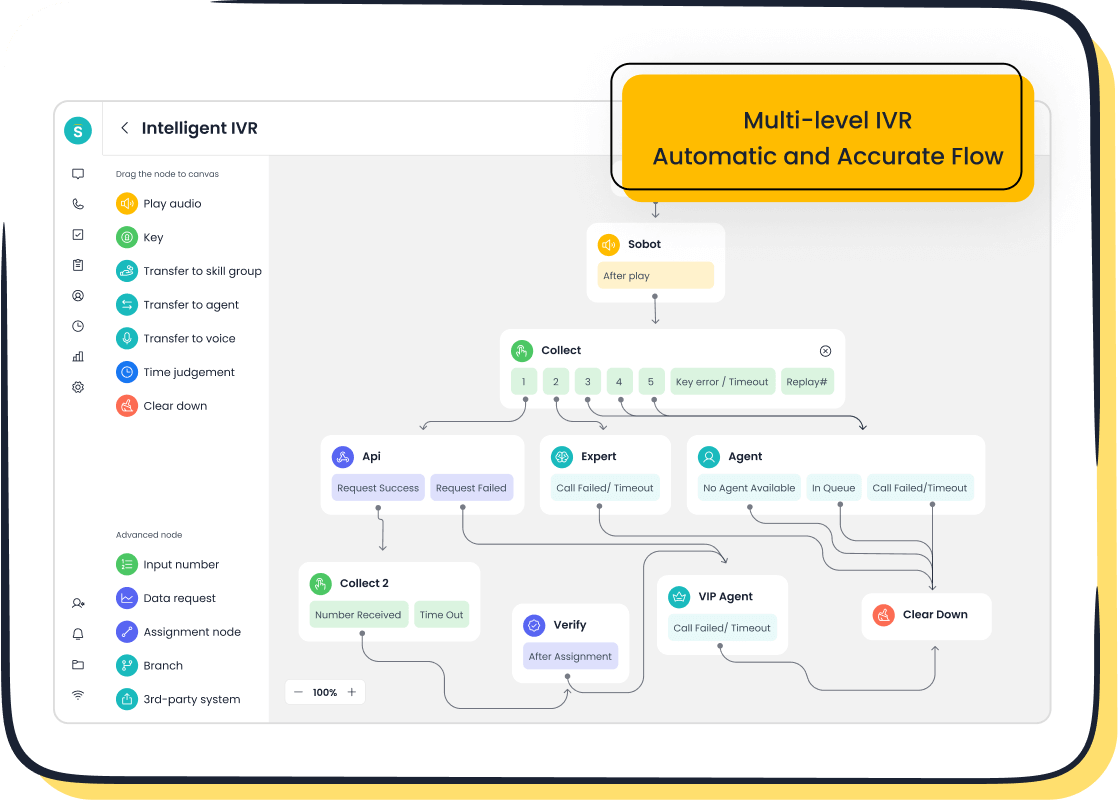
Leveraging Sobot's Voice/Call Center for Professionalism and Efficiency
Sobot’s Voice/Call Center can be your secret weapon for staying calm and composed. Its smart call routing ensures that customers are directed to the right agent, reducing unnecessary stress. Features like real-time monitoring and AI-powered Voicebot provide additional support, allowing you to focus on the conversation without worrying about technical hiccups.
The platform also offers tools like call tracking and data analytics, which help you identify patterns in customer complaints. This insight enables you to prepare for similar situations in the future, boosting your confidence and professionalism. With a 99.99% system uptime, you can rely on Sobot to keep your interactions smooth and efficient.
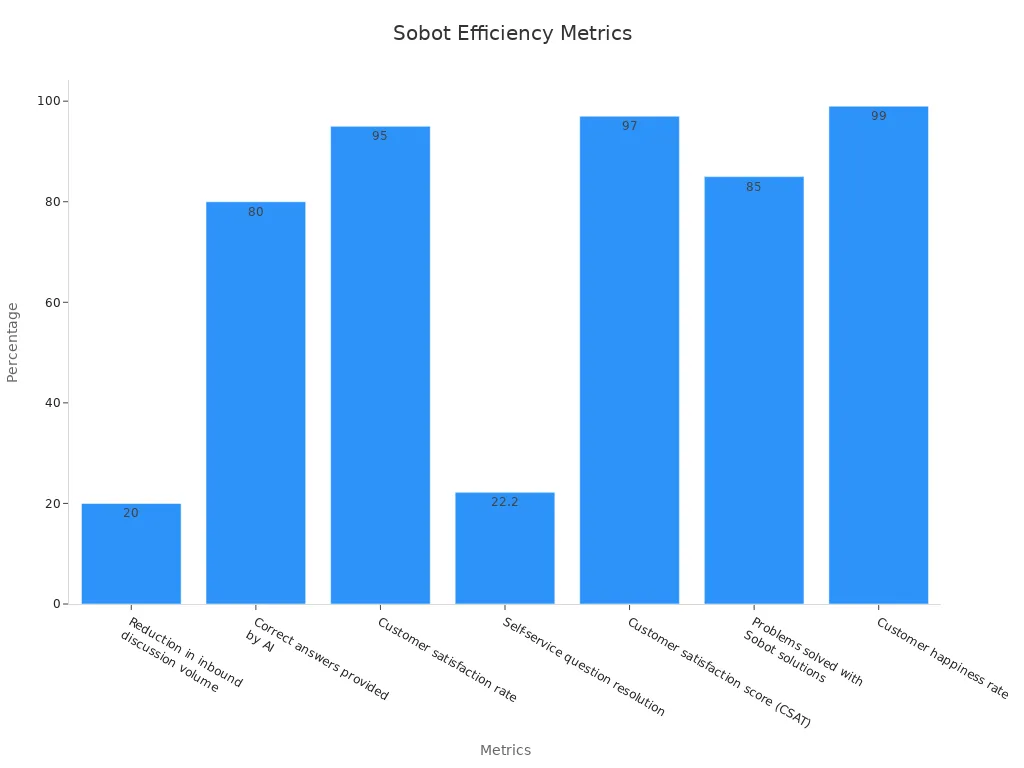
By leveraging Sobot’s solutions, you can turn even the most challenging interactions into opportunities to build trust and loyalty.
Listen Actively

The Role of Active Listening in Dealing with Angry Customers
Active listening is one of the most powerful tools you can use when dealing with angry customers. It’s not just about hearing words—it’s about understanding the emotions and concerns behind them. When customers feel heard, their frustration often decreases. This creates an opportunity to resolve the issue effectively.
Active listening also builds trust. Customers are more likely to believe in your solutions when they know you’ve truly understood their problem. According to research, active listening enhances customer satisfaction by making them feel valued. It also helps de-escalate conflicts and leads to better outcomes. Here’s a quick breakdown of its benefits:
| Evidence Type | Description |
|---|---|
| Active Listening | Enhances customer satisfaction by making customers feel valued and understood. |
| Conflict Resolution | Helps de-escalate tensions and leads to productive outcomes. |
| Trust Building | Builds trust and creates a foundation for effective issue resolution. |
Techniques to Show You’re Listening and Understanding
Showing that you’re actively listening doesn’t have to be complicated. Simple techniques can make a big difference in how customers perceive your service. Here are a few you can try:
- Ask follow-up questions to encourage dialogue.
- Use reflective statements to paraphrase what the customer has said.
- Employ empathetic statements like, “I understand how frustrating this must be for you.”
- Maintain positive body language, such as nodding or making eye contact (if in person or on video).
For example, if a customer says, “I’ve been waiting for hours, and no one has helped me,” you could respond with, “I understand how frustrating that wait must have been. Let me see how I can resolve this for you right away.” This approach shows empathy and reassures the customer that you’re focused on solving their problem.
Avoiding Interruptions and Defensive Responses
Interrupting an angry customer can escalate the situation. It’s tempting to jump in with a solution, but letting them finish helps them feel respected. Defensive responses, like blaming others or making excuses, can also worsen the interaction. Instead, focus on staying calm and addressing the issue.
Sobot’s Voice/Call Center can help you avoid these pitfalls. Its real-time monitoring and AI-powered Voicebot allow you to focus on the conversation without distractions. By analyzing call data, you can identify patterns in customer complaints and prepare better responses. This ensures smoother interactions and higher customer satisfaction.
When you actively listen, you’re not just solving a problem—you’re showing the customer that they matter. That’s how you handle an angry customer effectively and turn a negative experience into a positive one.
Acknowledge and Validate
Why Empathy is Key to Handle Angry Customers
Empathy is your superpower when you deal with angry customers. It shows that you genuinely care about their concerns and are committed to resolving them. When customers feel understood, their frustration often decreases, making it easier to find a solution. In fact, nearly half of customers—49%—prefer interacting with empathetic agents. That’s a huge opportunity to build trust and loyalty.
Empathy also helps you uncover the real issue behind customer complaints. By putting yourself in their shoes, you can better understand their emotions and needs. This approach not only calms the situation but also sets the stage for a positive resolution. For example, if a customer is upset about a billing error, acknowledging their frustration with a sincere apology can immediately ease tension.
Phrases to Acknowledge and Validate Customer Concerns
Sometimes, the right words can make all the difference. Here are a few phrases you can use to acknowledge and validate customer concerns:
- “I understand how frustrating this must be for you.”
- “You’re absolutely right to feel this way.”
- “I’m sorry this happened. Let’s work together to fix it.”
- “Thank you for bringing this to our attention. I’ll make sure we address it.”
These phrases show that you’re actively listening and genuinely care about their experience. Letting the customer finish speaking before responding and paraphrasing their concerns can further demonstrate your understanding. For instance, saying, “So, you’re upset because your order was delayed, and you didn’t receive any updates?” reassures them that you’re on the same page.
Building Trust Through Empathy and Validation
Trust is the foundation of any strong customer relationship, and empathy plays a key role in building it. When you validate a customer’s feelings, you show that their concerns matter. This creates a sense of connection and makes them more likely to trust your solutions.
Acknowledging concerns also improves measurable outcomes like satisfaction scores and resolution rates. Tools like Sobot’s Voice/Call Center can help you track these metrics and refine your approach. With features like call tracking and real-time monitoring, you can identify areas for improvement and ensure every interaction builds trust. By combining empathy with actionable solutions, you can turn even the most challenging situations into opportunities to strengthen customer loyalty.
Offer Solutions

Identifying the Root Cause of the Customer’s Issue
Before you can solve a problem, you need to understand it fully. Angry customers often express frustration about symptoms rather than the root cause. That’s where techniques like the "5 Whys" come in handy. By repeatedly asking "Why?" you can dig deeper into the issue. For example, if a customer complains about a delayed delivery, asking "Why?" might reveal that the delay was due to a system error or miscommunication.
You can also categorize support tickets to spot patterns. For instance, if multiple customers report similar issues, it could point to a larger problem with a product or service. Automated tools, like those in Sobot’s Voice/Call Center, make this process even easier by analyzing large volumes of customer interactions. This helps you identify recurring issues quickly and efficiently.
Proposing Solutions Effectively with Sobot’s Voice/Call Center
Once you’ve identified the root cause, it’s time to offer solutions. Customers appreciate clear, actionable steps. Instead of vague promises, provide specific resolutions. For example, if a customer’s order is delayed, you could say, "We’ll expedite your shipment and provide a 10% discount for the inconvenience."
Sobot’s Voice/Call Center makes this process seamless. Its smart call routing ensures customers reach the right agent, while real-time monitoring helps you track the conversation’s progress. The platform also focuses on quality solutions rather than just call volume. This approach improves customer sentiment and ensures long-term satisfaction. By using tools like call tracking and AI-powered Voicebot, you can propose solutions that are both effective and timely.
| Evidence Type | Description |
|---|---|
| Case Studies | Providing examples of past successes helps build authority and trust. |
| Testimonials | Social proof from previous clients can enhance credibility. |
| Problem-Solving | Addressing customer objections fosters trust and leads to better solutions. |
Collaborating with Customers to Find the Best Resolution
Collaboration is key to resolving complex issues. When you involve customers in the solution process, they feel valued and respected. For example, you could ask, "Would you prefer a replacement or a refund?" This approach not only meets their needs but also builds trust.
Sobot’s Voice/Call Center supports this collaborative approach. Its tools help you manage disputes efficiently, ensuring both parties feel heard. Respectful conflict resolution increases customer loyalty and shows that you prioritize their satisfaction. Additionally, empowering your team with tools like real-time monitoring boosts their confidence, creating a positive work environment.
By working together with your customers, you can turn a frustrating experience into a moment of connection. This strengthens your relationship and enhances your company’s reputation for excellent customer service.
Follow Up
The Importance of Following Up to Ensure Customer Satisfaction
Following up with customers after resolving their issues is more than just good manners—it’s a critical step in ensuring satisfaction. When you follow up, you show customers that their concerns matter, which builds trust and loyalty. Research highlights this importance:
| Statistic | Source |
|---|---|
| 90% of customers say issue resolution is their top concern. | KPMG |
| 83% of customers feel more loyal to brands that respond to complaints. | Forrester |
| 94% of American customers will recommend a company with “very good” service. | Qualtrics XM Institute |
These numbers prove that a simple follow-up can transform a one-time resolution into long-term loyalty. Tools like Sobot’s Voice/Call Center make this process seamless by automating follow-ups and tracking customer satisfaction metrics.
Best Practices for Post-Resolution Follow-Up
Effective follow-ups require more than just a quick check-in. Here are some best practices to keep in mind:
- Send a personalized thank-you message to acknowledge the customer’s patience and cooperation.
- Conduct post-call surveys to gather feedback on the resolution process.
- Share survey results with your team to identify areas for improvement.
- Use automated tools, like Sobot’s Voice/Call Center, to streamline follow-ups and ensure no customer is overlooked.
For example, imagine a customer who experienced a billing error. After resolving the issue, you send a follow-up email thanking them for their understanding and asking for feedback. This small gesture not only reinforces your sincere apology but also opens the door for continuous improvement.
Turning Negative Experiences into Positive Outcomes with Sobot
Negative experiences don’t have to end on a sour note. In fact, 78% of consumers will continue doing business with a company if their complaints are handled well. A sincere apology, combined with personalized attention, can turn frustration into loyalty. Sobot’s Voice/Call Center supports this by offering features like real-time monitoring and call tracking, which help you identify and address recurring issues.
Engaging with customers post-resolution also reveals valuable insights. For instance, you might discover a pattern in complaints that points to a larger operational issue. Addressing these problems not only improves your service but also shows customers that you value their input. By using Sobot’s tools, you can ensure every follow-up strengthens your relationship with your customers.
Handling angry customers effectively involves five key steps: staying calm, listening actively, showing empathy, offering solutions, and following up. These steps not only resolve issues but also build trust and loyalty. Research from Harvard Business Review shows that resolving complaints quickly can boost customer spending and retention rates, driving long-term success.
Sobot’s Voice/Call Center empowers your team to excel in these areas. Its smart call routing and real-time monitoring ensure smooth communication, while tools like AI-powered Voicebot help resolve issues faster. By turning challenges into opportunities, you can demonstrate exceptional service and strengthen customer relationships.
FAQ
How can Sobot’s Voice/Call Center help reduce customer frustration?
Sobot’s Voice/Call Center minimizes wait times with smart call routing. It connects customers to the right agent quickly, ensuring smoother communication and faster resolutions. Learn more here.
What makes active listening so effective in customer service?
Active listening shows customers you value their concerns. It builds trust, reduces tension, and improves satisfaction. Tools like Sobot’s real-time monitoring enhance this process for better outcomes.
Why is follow-up important after resolving a customer issue?
Following up shows you care about customer satisfaction. It builds loyalty and trust. Sobot’s automated follow-up tools make this step seamless and efficient for your team.
See Also
Enhancing Customer Satisfaction Through Effective Live Chat Strategies
Strategies for Efficient Management of Live Chat Representatives
Top Practices for Ensuring Quality in Call Center Operations

