Tips to Handle Angry Customers and Improve Satisfaction


Dealing with an angry customer can feel overwhelming, but it’s also an opportunity to excel. Did you know that 84% of customers leave due to poor experiences, yet 80% return if their complaints are resolved quickly? By learning how to deal with an angry customer effectively and empathetically, you not only safeguard your brand’s reputation but also transform frustration into loyalty. With solutions like Sobot, businesses can streamline customer interactions and ensure concerns are addressed efficiently.
Understanding How to Deal with an Angry Customer
Common Types of Difficult Customers
When dealing with angry customers, you’ll encounter different personalities. Each type requires a unique approach. For example, some customers are results-driven and want quick solutions. These are the dominant types who value efficiency above all else. Others thrive on personal connections and prefer a friendly, enthusiastic interaction. These are the influence types. Then, there are those who seek reliability and trust. They’re the steady types who appreciate consistent support. Lastly, some customers focus on facts and data. These compliance types value accuracy and quality in every detail.
| Type | Characteristics |
|---|---|
| Dominance | Prefers speedy decisions, results-driven, direct, values efficiency, and goal-oriented. |
| Influence | Seeks personal connections, thrives on interaction, enthusiastic, values relationship building. |
| Steadiness | Looks for reliability, consistency, support, prefers deep trust-based relationships. |
| Compliance | Seeks facts and data for objective decisions, analytical, detail-oriented, values quality and accuracy. |
Understanding these types helps you tailor your approach and learn how to deal with an angry customer effectively.
Reasons Behind Customer Frustration
Have you ever wondered why customers get upset? It often boils down to three main reasons: lack of effectiveness, speed, or accuracy. Research shows that 27% of customers feel frustrated when their issues aren’t resolved effectively. Another 12% lose patience when things take too long, while 10% get annoyed by inaccurate information. These frustrations can escalate quickly if not addressed. By taking accountability and focusing on these areas, you can turn a negative experience into a positive one.
| Cause of Frustration | Percentage of Respondents |
|---|---|
| Lack of effectiveness | 27% |
| Lack of speed | 12% |
| Lack of accuracy | 10% |
The Cost of Poorly Managed Interactions
Failing to handle angry customers can hurt your business. When customers feel ignored or mistreated, they’re more likely to leave. Worse, they might share their bad experiences with others. Studies show that anger impairs critical thinking, making it harder for customers to see your side. Allowing them to vent without interruption can prevent escalation. Taking accountability and resolving issues quickly not only saves relationships but also protects your brand’s reputation. Remember, knowing how to deal with an angry customer is a skill that pays off in loyalty and trust.
| Evidence Description | Source |
|---|---|
| Allowing customers to vent without interruption can prevent escalation of anger, as research indicates that anger impairs critical thinking. | Research on Anger |
| Understanding that one did not cause another's anger can help in managing the situation effectively, as shown in a 2012 study. | Mind Tools Article |
Practical Strategies for Handling Angry Customers

Stay Calm and Maintain Professionalism
When emotions run high, staying calm is your superpower. Angry customers often mirror your tone, so maintaining professionalism can help de-escalate the situation. Take a deep breath and focus on the issue, not the emotion. A calm demeanor shows you’re in control and ready to help.
Practicing techniques like mindful breathing can help you stay composed during heated customer conversations. Acknowledging their feelings without taking them on as your own is key to emotional self-regulation.
Here’s a quick three-step approach to staying calm:
- Listen actively without interrupting.
- Focus on solutions rather than reacting emotionally.
- Respond patiently to shift the conversation positively.
Practice Active Listening to Understand Concerns
Active listening is more than just hearing words. It’s about understanding the customer’s concerns and showing you care. Reflective listening works wonders here. Repeat back what you’ve heard to confirm understanding. For example, say, “So, you’re upset because your order arrived late. Is that correct?”
- Active listening builds trust and rapport, making customers feel valued.
- It reduces misunderstandings, allowing you to address concerns accurately.
- Customers who feel heard are more likely to stay loyal and spread positive word-of-mouth.
Reflective listening involves seeking to understand a speaker’s idea and offering it back to confirm understanding. This technique, combined with customer empathy, enhances communication and defuses tension.
Show Empathy and Acknowledge Customer Feelings
Empathy is your secret weapon in conflict resolution. When you show empathy, you validate the customer’s feelings and make them feel understood. Use phrases like, “I understand how frustrating this must be for you,” or “I can see why this situation is upsetting.”
| Technique | Explanation |
|---|---|
| Active Listening | Demonstrates genuine care for customer concerns, helping to defuse tension and open dialogue. |
| Empathy Phrases | Validates customer feelings, reducing emotional charge and making them feel understood. |
| Avoiding Interruptions | Allows customers to express their frustration fully, which is crucial for effective de-escalation. |
A human touch can turn an angry customer into a loyal one. Remember, customers want to know their frustration is understood.
Offer Clear and Actionable Solutions
Once you’ve listened and empathized, it’s time to act. Customers value effective action over empty promises. Be clear about what you can do and provide a timeline for resolution. For instance, say, “I’ll escalate this issue to our support team, and you’ll hear back within 24 hours.”
| Source | Evidence |
|---|---|
| Nottingham School of Economics | Firms that apologize to disgruntled customers have higher satisfaction than those offering financial compensation. |
| Bain & Company | Customers with quick and complete issue resolution are more likely to remain loyal and recommend the company. |
Follow up after resolving the issue to ensure satisfaction. Treat complaints as opportunities to improve. By simplifying experiences and listening to customers, you can turn challenges into wins.
De-escalation Techniques for Tense Situations

Use Positive and Reassuring Language
When emotions run high, your words can either calm the storm or fuel the fire. Using positive and reassuring language helps you de-escalate the situation effectively. Start by listening actively. Let the customer express their frustration without interruption. Simple affirmations like, "I understand," or, "That sounds tough," show you’re paying attention. Then, validate their emotions with phrases like, "I can see why you’d feel that way." This acknowledgment can instantly ease tension.
Once the customer feels heard, gently transition to solutions. For example, you could say, "Now that we’ve talked about how this feels, let’s explore some ways to fix it." This approach not only reassures the customer but also shifts the focus toward resolution. Positive language builds trust and shows you’re committed to helping.
Manage Your Emotions During Interactions
Your emotional state plays a big role in how the conversation unfolds. Emotional intelligence (EI) helps you stay composed and empathetic, even in challenging situations. Studies show that 87% of customers value tone of voice more than the actual words spoken. They remember how you made them feel, not just what you said.
To manage your emotions, take a deep breath before responding. Focus on the issue, not the anger. If a customer’s tone becomes aggressive, remind yourself it’s not personal. Staying calm allows you to guide the conversation toward a solution. This emotional control not only improves the interaction but also leaves a lasting positive impression.
Emotional intelligence enables you to connect with customers on a deeper level. This connection fosters loyalty and satisfaction, even during tough conversations.
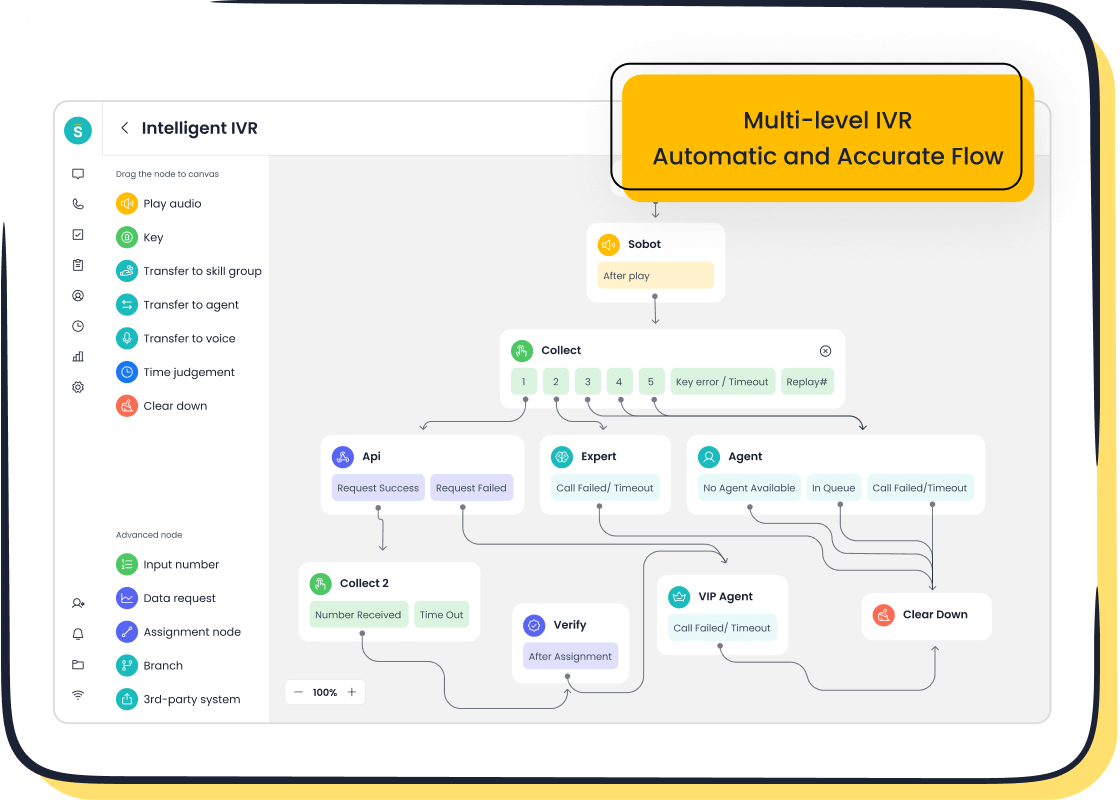
Leverage Sobot's Voice/Call Center for Real-Time Support
Sometimes, the best way to de-escalate a tense situation is by offering immediate, real-time support. Sobot’s Voice/Call Center is designed to help you do just that. With features like intelligent IVR and smart call routing, you can ensure customers reach the right agent quickly. This reduces wait times and frustration.
The platform also provides a unified workspace where agents can access customer data instantly. This allows you to personalize interactions and offer faster resolutions. Plus, the AI-powered Voicebot can handle repetitive queries, freeing up agents to focus on more complex issues. By using Sobot’s tools, you can streamline communication and turn tense moments into opportunities to build trust.
Preventative Measures to Minimize Future Conflicts
Train Teams with Conflict Resolution Skills
Training your team in conflict resolution is one of the best ways to prevent future customer complaints. When employees know how to handle tense situations, they can address issues before they escalate. This training also helps them rebuild the relationship with upset customers, turning negative experiences into positive outcomes.
Conflict resolution training doesn’t just benefit your customers—it improves your workplace too. Employees feel more confident and safe when they know how to handle challenges constructively. Leaders who model respectful behavior inspire their teams to do the same. Over time, this creates a culture where everyone feels empowered to address problems head-on.
- Teams with conflict management skills handle setbacks more effectively.
- Leaders trained in resolution techniques experience less burnout and turnover.
- A reputation for a healthy work environment attracts top talent.
By investing in training, you’re not just solving today’s problems—you’re building a foundation for long-term success.
Foster a Customer-Centric Culture
A customer-centric culture puts your customers at the heart of everything you do. It’s about listening to their needs, valuing their feedback, and making them feel heard. When customers see that you care, they’re more likely to trust your brand and stay loyal.
Start by encouraging your team to focus on proactive problem-solving. This means identifying potential issues early and working collaboratively to find solutions. Effective communication techniques also play a big role. They help your team understand customer concerns and prevent conflicts from escalating.
- Emotional intelligence fosters empathy, creating a positive environment.
- Proactive problem-solving reduces the likelihood of future conflicts.
- Clear communication builds trust and strengthens customer relationships.
When you prioritize your customers, you’re not just resolving complaints—you’re creating lasting connections.
Use Sobot's Omnichannel Solution to Streamline Communication
Streamlined communication is key to minimizing conflicts, and Sobot’s Omnichannel Solution makes it easier than ever. This all-in-one platform integrates multiple channels like voice, live chat, chatbots, and WhatsApp API. It ensures your team can manage customer interactions seamlessly, no matter where they happen.
| Feature | Description |
|---|---|
| All-in-one solution | Sobot provides a comprehensive contact center solution that integrates multiple communication channels. |
| Channel integration | The platform combines voice, live chat, chatbots, ticketing systems, and WhatsApp API. |
| Streamlined interactions | Designed to enhance customer interactions across various platforms, improving overall communication efficiency. |
With Sobot, your team can access customer data in one unified workspace. This allows them to personalize responses and resolve issues faster. By simplifying communication, you can reduce misunderstandings and build trust with your customers. It’s a win-win for everyone.
Turning Challenges into Opportunities for Growth
Follow Up with Customers to Build Trust
Following up with customers after resolving an issue shows you genuinely care about their satisfaction. It’s a simple yet powerful way to reinforce trust and strengthen the relationship. Whether it’s a quick email or a friendly phone call, this extra step can leave a lasting impression. For example, you might ask, “Is there anything else we can do to make your experience better?” This not only shows attentiveness but also opens the door for valuable feedback.
- Following up demonstrates your commitment to customer satisfaction.
- It helps solidify the rapport you’ve built during the resolution process.
- It provides an opportunity to gather insights for improving future interactions.
By making follow-ups a standard part of your customer service process, you can turn a one-time resolution into long-term loyalty.
Use Feedback to Improve Processes
Customer feedback is a goldmine for improving your service. When you actively listen to what customers say, you gain insights that can guide innovation and enhance your operations. For instance, if multiple customers mention delays in response times, it’s a clear signal to optimize your workflow. Engaging with feedback also creates a sense of collaboration, making customers feel valued.
- Feedback drives product and service improvements.
- It strengthens relationships by showing customers their opinions matter.
- It fosters a collaborative environment that benefits both your team and your audience.
Using tools like Sobot’s Omnichannel Solution can help you collect and analyze feedback across multiple channels. This ensures you’re always in tune with your customers’ needs.
Celebrate Success Stories to Motivate Teams
Recognizing your team’s achievements can boost morale and inspire better performance. When you celebrate success stories, you highlight the positive impact your team has on customer service. For example, sharing how an agent turned an angry customer into a loyal advocate can motivate others to aim higher.
| Statistic | Implication |
|---|---|
| 37% of employees feel encouraged to do better work if they receive personal recognition. | Recognition directly influences work performance. |
| 2.2x more likely to bring new ideas and innovation forward if recognized. | Recognition fosters creativity and innovation. |
| 52% of employees value a culture that encourages feedback and learning. | A supportive culture is crucial for employee retention. |
By celebrating wins, you create a positive work environment where your team feels appreciated and driven to excel.
Handling angry customers effectively starts with staying calm, listening actively, and offering actionable solutions. Tools like Sobot's Voice/Call Center simplify this process, ensuring smoother interactions.
Customer-centric companies thrive by acting on feedback and measuring satisfaction. When you embrace challenges, you unlock opportunities for growth, loyalty, and long-term success.
FAQ
How can I handle difficult customers without escalating the situation?
Stay calm and focus on solutions. Use a problem-solving mindset to address their concerns. Listen actively and lead with accountability to build trust and resolve issues effectively.
What are some effective strategies for navigating challenging interactions?
Start with empathy and maintain a constructive dialogue. Acknowledge their feelings and offer actionable solutions. This approach helps you navigate challenging interactions with confidence and professionalism.
Why is accountability important in difficult conversations?
Accountability shows you care about resolving the issue. When you lead with accountability, it fosters trust and encourages a positive outcome, even in difficult conversations.
See Also
Enhancing Customer Satisfaction Through Effective Live Chat Strategies
Effective Strategies for Managing Live Chat Support Teams
Top Practices for Ensuring Quality in Call Centers
Selecting the Right Software for Social Media Customer Support
Increasing Efficiency with AI-Driven Customer Service Solutions

