How to Plan for Customer Satisfaction Enhancement


You want every customer to have a great experience. Turning that goal into a successful customer satisfaction enhancement plan is the real challenge. A structured plan helps you enhance customer satisfaction and drives predictable growth. Increasing customer retention by just 5% can boost profits by 25%. Your focus on the customer directly impacts your bottom line.
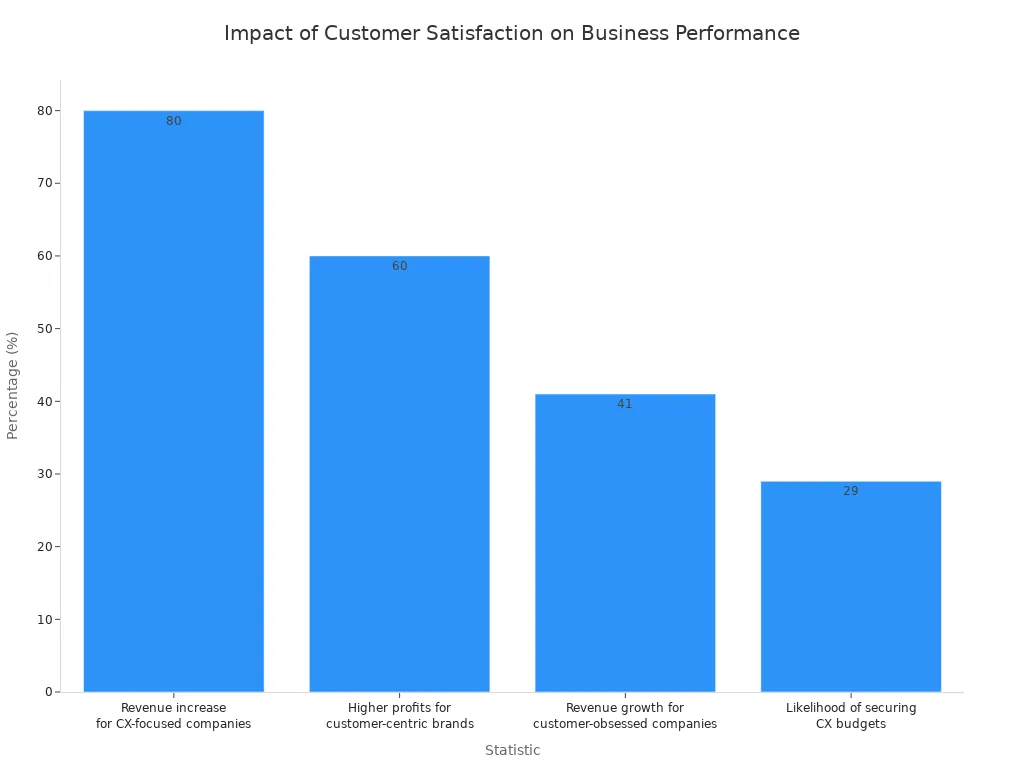
This sustained effort, powered by tools like Sobot, turns satisfaction into loyalty.
Foundations of Your Satisfaction Plan
A strong plan begins with a solid foundation. You need to know where you stand before you can decide where to go. This involves digging into your data and setting clear goals for improvement. These first steps will guide your entire strategy for strategic CSAT improvements.
Analyze Current Feedback and Data
To improve CSAT, you first need to understand your current customer experience. Your customers are already telling you what they think. You just need to listen. This feedback comes from many places:
- Online Reviews: Comments on sites like Google or G2 show what the public thinks.
- Customer Support Interactions: Chats, emails, and phone calls highlight urgent issues.
- Surveys: Direct questionnaires give you specific answers to your questions.
This data is often scattered across different platforms, making it hard to see the full picture. A unified platform is essential. Sobot's Omnichannel solution centralizes all your customer feedback into one place. It gives you a single source of truth to understand the customer experience. This helps you organize all the information and analyze it effectively to find patterns in customer satisfaction.
Tip: A unified view of feedback helps you move from guessing what customers want to knowing what they need. This is the first step toward high CSAT scores.
Set Clear and Measurable Objectives
After analyzing your feedback, you can set meaningful goals. Vague targets like "improve satisfaction" are not helpful. You need specific, measurable objectives to track your progress. The SMART framework is a great tool for this.
For example, instead of a general goal, you could set a SMART objective: "Increase our CSAT score from 75% to 85% within the next quarter by reducing average chat response times." This goal is specific, measurable, and time-bound. Other clear objectives to improve CSAT include increasing first-contact resolution and boosting customer retention. Setting clear targets for improvements ensures your team knows what success looks like and helps you achieve high CSAT scores and better retention.
Develop Your CSAT Improvement Plan
With your data analyzed and objectives set, you can now build your CSAT improvement plan. This plan turns your goals into concrete actions. You will focus on fixing the specific problems that frustrate your customers. A good plan details exactly what you will do, how you will do it, and what tools you will use to succeed.
Identify Key Customer Friction Points
Before you can make improvements, you need to know what to fix. Friction points are obstacles in the customer experience. They stop a customer from easily achieving a goal. These issues can happen at any time.
- Before a purchase: A customer might struggle to find information on your website.
- During a purchase: A checkout process with too many steps can cause them to give up.
- After a purchase: Unresponsive support makes the experience feel poor.
To find these problems, you need to map the customer journey. This process helps you see your business from the customer's perspective. You can identify pain points at every stage.
- Create Customer Personas: Build profiles of your typical customers. Understand their goals and challenges.
- List Journey Stages: Outline the key phases a customer goes through, like awareness, consideration, purchase, and support.
- Map Touchpoints: Identify every interaction a customer has with your brand at each stage. This includes website visits, emails, and support calls.
- Gather Feedback: Use surveys, interviews, and support ticket data to understand the customer's feelings at each touchpoint.
This exercise will reveal the biggest areas for improvement. You might discover that your search function is inaccurate, delivery information is unclear, or support wait times are too long. Once you identify pain points, you can create a plan to resolve them and improve CSAT.
Create Targeted Action Plans
Your CSAT improvement plan needs targeted solutions for the friction points you found. Generic efforts are not effective. You must address specific problems with the right tools to achieve strategic CSAT improvements and boost retention. This is how you implement targeted improvements that deliver real results.
Let's look at two common friction points and how to build an action plan around them.
Friction Point 1: Long Customer Wait Times
Customers expect fast answers. Making them wait on hold is a major source of frustration. This negative experience can hurt your CSAT scores and brand reputation.
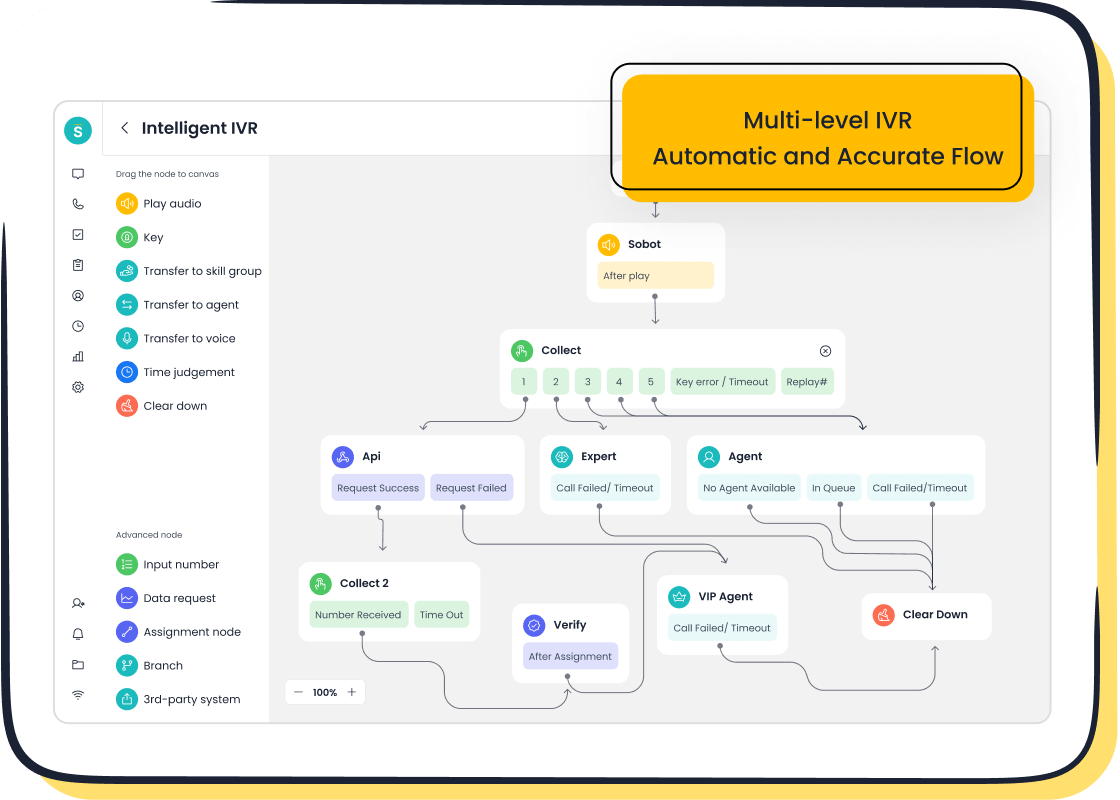
Your CSAT improvement plan can directly address this. For example, you can implement Sobot's Voice/Call Center. This tool offers powerful features to reduce wait times.
- Smart Call Routing: This feature automatically sends callers to the best available agent with the right skills. It reduces transfers and gets questions answered on the first try.
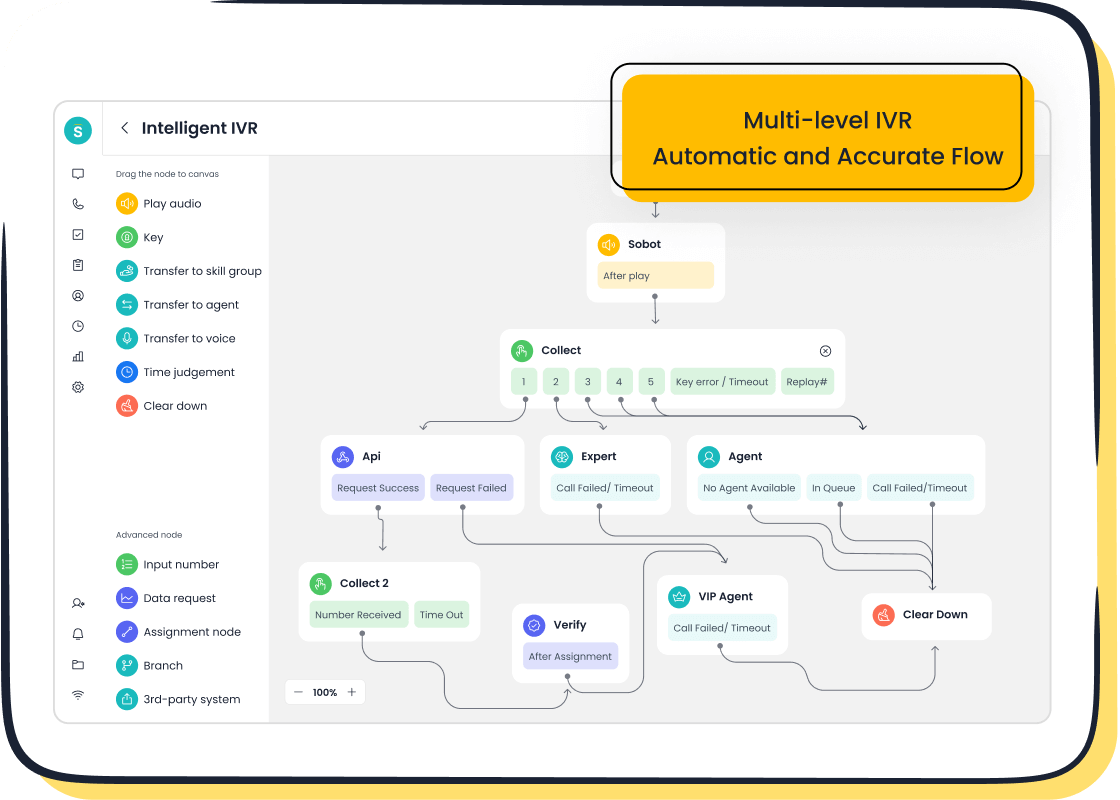
- Drag-and-Drop IVR Builder: You can create an intelligent phone menu. This allows customers to solve simple issues themselves, like checking an order status, without ever speaking to an agent. This frees up your team for more complex problems.
By using these tools, you create a better experience and show customers you value their time. This is a key step to improve CSAT.
Friction Point 2: Limited Support Availability
Your customers live in different time zones and have different schedules. If they need help outside of your 9-to-5 business hours, they are left waiting. This lack of 24/7 support is a significant friction point.
Your CSAT improvement plan can solve this with automation. You can deploy Sobot's AI-powered Chatbot on your website or messaging apps. A chatbot provides immediate, around-the-clock support.
- 24/7 Availability: The chatbot works tirelessly. It answers common questions and resolves issues instantly, even when your human team is offline.
- Handles Multiple Conversations: A single chatbot can help numerous customers at the same time. No one has to wait in a queue for a simple question.
Deploying a chatbot is a powerful action that directly enhances the customer experience. It ensures every customer receives a timely response, which is essential for high CSAT and long-term retention.
Implement to Enhance Customer Satisfaction
A great plan is only effective when you put it into action. Implementation is where your strategy comes to life. This phase requires clear communication, proper team enablement, and a deep commitment to a customer-first mindset. Success depends on your entire organization working together to deliver a better experience.
Communicate the Plan to Your Team
Your team is on the front lines of the customer experience. They cannot execute a plan they do not understand. You must clearly communicate your customer satisfaction enhancement goals. Explain the "why" behind the changes. Show your team how their work directly contributes to a better customer journey and higher CSAT scores.
Define and share your customer experience mission. This mission guides everyone's actions and behaviors. It gives team members a clear definition of what it means to deliver their best work.
Your communication should cover:
- The Key Objectives: What specific CSAT metrics are you trying to improve?
- The Action Steps: What new tools or processes will be introduced?
- Individual Roles: How does each team member contribute to the overall goal?
When your team feels informed and included, they become active partners in the improvement process.
Provide Necessary Training and Resources
To implement targeted improvements, you must equip your team for success. This means providing both the skills and the tools they need to excel.
First, focus on training. Effective training goes beyond just product knowledge. It builds the core skills needed for excellent service.
- Active Listening: Train agents to hear and understand customer feedback without interrupting.
- Empathy: Help your team see problems from the customer's perspective.
- Problem-Solving: Reinforce strategic thinking to find the best solutions.
Studies show that shorter, bite-sized training modules can improve information retention. Use microlearning and immediate coaching after interactions to boost team performance. This continuous improvement helps your team handle any situation with confidence.
Next, provide the right resources. A powerful tool for any support team is a centralized knowledge base. A well-organized knowledge base offers many benefits:
- Empowers Self-Service: Customers can find answers 24/7 without needing an agent.
- Increases Efficiency: Your team spends less time on repetitive questions and more time on complex issues.
- Ensures Consistency: Everyone provides accurate and uniform information.
This is a key part of any customer satisfaction enhancement strategy. For example, Sobot helped OPPO optimize its knowledge base with AI. This single improvement reduced the company's manual maintenance efforts by 90%.
Foster a Customer-Centric Culture
Tools and training are important, but a customer-centric culture is what makes the improvements last. This culture starts with leadership. Leaders must design the customer experience and empower their teams to deliver it. This focus then "trickles down" to every employee who interacts with a customer.
Building this culture involves several key actions:
- Lead by Example: Leaders must consistently prioritize the customer in decisions and discussions.
- Invest in Feedback: Use tools to gather customer insights and, more importantly, act on them.
- Align Goals with Satisfaction: Tie team and individual performance goals to CSAT metrics.
- Celebrate Successes: Recognize and reward employees who provide an outstanding experience.
Real-World Impact: How OPPO Transformed Its Customer Experience
OPPO, a leading smart device company, provides a powerful example of successful implementation. Facing high inquiry volumes, OPPO needed a plan to enhance customer satisfaction without overwhelming its team.
They implemented Sobot's chatbot and ticketing system to create a human-machine cooperative model. The chatbot handled common questions, freeing human agents for complex problems. This strategic move delivered incredible results:
- 83% chatbot resolution rate
- 94% positive feedback rate
By executing a clear plan with the right tools, OPPO created a better experience for every customer. This demonstrates how a commitment to satisfaction, backed by the right technology, leads to measurable improvements and high CSAT scores.
Ultimately, a strong culture ensures that your focus on the customer is not just a project but the way you do business. This sustained effort is the foundation for lasting loyalty and growth.
Monitor, Adjust, and Continuously Improve
Your plan is in motion. Now, you must track your progress. This final stage is a continuous cycle. You will monitor results, review performance, and refine your strategies. This process turns a one-time project into a long-term commitment to an excellent customer experience and is key to sustaining high CSAT scores.
Track Key Satisfaction Metrics
You need to measure your success with the right data. Tracking key metrics shows you if your action plan is working. This data provides clear insights into customer satisfaction. Focus on these essential metrics to measure the customer experience:
- Customer Satisfaction Score (CSAT): This measures a customer's immediate satisfaction with a specific interaction. You calculate it from positive ratings on a survey, helping you pinpoint which touchpoints need improvement.
- Net Promoter Score (NPS): This metric gauges long-term loyalty. It asks customers how likely they are to recommend your brand, predicting future growth.
- Customer Effort Score (CES): This shows how easy it is for a customer to get help or use your product. A low-effort experience often leads to higher satisfaction.
You should also track your team's efficiency. First Contact Resolution (FCR) is a great metric for this. It measures how often your team resolves an issue on the first try. A high FCR means you are meeting customer expectations for quick, effective support and helps improve CSAT. Tracking these numbers gives you a clear picture of your performance and helps you achieve high CSAT scores.
Hold Regular Progress Reviews
Data is only useful when you discuss it. You should hold regular progress reviews with your team. These meetings turn numbers into conversations about improvement. A quarterly review is often a good frequency. It gives you enough time to see the impact of your changes.
Your meeting agenda should be focused and actionable. Discuss what is working and what is not. Identify any roadblocks that are hurting your customer satisfaction scores. Review your progress toward your goals and plan your next steps. This keeps everyone aligned and focused on the mission to improve CSAT.
Refine Strategies Based on Feedback
Reviews lead to action. Use the insights from your meetings and customer feedback to refine your plan. This is the core of continuous improvement. If a strategy is not delivering results, you need to adjust it.
Start by analyzing the feedback to find trends. Group comments into themes like "product features" or "support quality." This helps you prioritize the most important issues. Then, you can make data-driven decisions. For example, you can use A/B testing to find the most effective chatbot script or email response. You test two versions to see which one produces a better experience. This process of listening, analyzing, and implementing changes based on real feedback is essential for sustaining high CSAT scores.
Your customer satisfaction enhancement plan is a continuous cycle, not a one-time project. You follow a core loop to make lasting improvements: Analyze, Plan, Implement, and Monitor. This ongoing improvement process builds trust with every customer. Remember, 88% of customers who trust a brand are likely to buy again, boosting customer retention. This sustained effort helps you enhance customer satisfaction. A strong customer satisfaction enhancement strategy, powered by tools like Sobot, builds loyalty and drives business growth, leading to better retention.
FAQ
What is the first step in creating a satisfaction plan?
You should start by analyzing your current customer feedback. Gather data from surveys, reviews, and support tickets. This information shows you where to focus your customer satisfaction enhancement plan and make the biggest impact.
How do I measure the success of my plan?
You can track key metrics to measure success. Use Customer Satisfaction (CSAT), Net Promoter Score (NPS), and Customer Effort Score (CES). These numbers clearly show if your improvements are working effectively for your customers.
How can technology help my customer satisfaction plan?
Technology automates key tasks and improves efficiency. For example, Sobot's AI Chatbot provides 24/7 support. A Voice/Call Center with smart routing reduces wait times. These tools directly address common customer friction points.
How often should I review my plan?
You should review your plan regularly to ensure it stays effective. Quarterly progress reviews are a great starting point. This schedule gives you time to track progress, discuss challenges, and adjust your strategies based on new feedback.
See Also
Elevate Live Chat Experience: 10 Strategies for Customer Delight
Optimizing Call Center Excellence: Proven Quality Management Strategies
Essential Guide: Selecting Top-Tier Call Center QA Software Solutions
Enhance Call Center Performance: The Power of Effective Monitoring
Chatbots Revolutionize E-commerce: Boosting Customer Satisfaction Significantly

