A Guide to Choose Channels for Customer Support


Choosing the right channels for your customer support is a critical strategic decision. You can master this by following a clear, three-step process. A well-thought-out strategy enhances the customer experience and boosts overall satisfaction.
- Understand your customers: Know who your customers are and their preferred communication methods.
- Evaluate your resources: Assess your team's capabilities, budget constraints, and available technology.
- Match channels to needs: Align the most effective support channels with specific customer issues.
This guide provides a clear roadmap to help you choose channels for customer support effectively, enabling you to achieve high customer satisfaction, just as clients of Sobot do.
How to Choose Channels for Customer Support: A 3-Step Guide
A successful customer support strategy starts with a simple framework. You can master how to choose channels for customer support by following three core steps. This process ensures your channel selection is deliberate and effective.
Step 1: Understand Customer Preferences
First, you must know your customer base. Different customers prefer different channels. For example, some people love the speed of live chat, while others want a detailed email response. You should also consider accessibility. Research shows that a portion of the population may not own a smartphone or have home internet. These customers will need traditional support options like phone calls. Understanding your specific customer demographics is the foundation for building a useful set of customer service channels.
Step 2: Evaluate Business Resources
Next, look at your company's resources. Your budget is a major factor. Different support channels have different costs. For instance, phone support can be more expensive per interaction than email.
| Channel | Average Cost per Interaction |
|---|---|
| Phone Call | $6.50 - $7.00 |
| Live Chat | $3.50 - $4.00 |
| $4.00 |
Your team's size and skills also matter. Do you have enough agents to offer 24/7 live chat? Does your team have the technical skills to manage multiple digital channels? An honest evaluation helps you choose channels you can realistically support well.
Step 3: Align Channels with Customer Issues
Finally, you need to match the right channels to the right problems. This alignment is key when you choose channels for customer support. Not all customer service channels are equal for every task.
-
Use Self-Service for Simple Issues:
- Quick questions with simple answers.
- Support after business hours.
- When agent wait times are long.
-
Use Agent Support for Complex Issues:
- Urgent or high-stakes problems where a customer needs reassurance.
- Complicated issues that require creative problem-solving.
- When a customer is unable or unwilling to use technology.
A human touch is vital for complex support. Studies show that just having the option to speak with an agent reduces customer anxiety, even if they don't use it.
Analyzing Your Customers and Resources

Now that you understand the three-step framework, it's time to gather the data. A deep analysis of your customers and your business will guide you to the right customer service channels. This practical step turns strategy into action.
Map Your Current Customer Contact Points
First, you need to see the journey from your customer's perspective. Create a map of every point where a customer interacts with your brand. This helps you find spots where they might get stuck or frustrated.
To build this map, you should:
- List every touchpoint, including website visits, emails, and social media comments.
- Define what each type of customer wants to achieve at each step.
- Note the customer's emotions, like confusion or excitement, during interactions.
This process shows you where your support can make the biggest impact. You might discover that customers need more help during the checkout process or have questions after a purchase.
Survey Customers on Channel Preferences
The best way to know what your customers want is to ask them. A simple survey can give you powerful insights into which support channels they prefer. Your goal is to understand their habits and expectations.
You can ask questions like:
- Which communication channel (email, live chat, phone) do you prefer for customer support and why?
- How satisfied are you with the support you received through [Channel Name]?
- Are there any support channels we don't offer that you would like to use?
The answers will help you identify which channels are most effective and where you need to make improvements for a better customer experience.
Assess Your Team for Customer Support
Next, look at your support team's strengths. The skills of your agents will influence which channels you can offer successfully. A great customer support team needs more than just product knowledge. Key skills include:
- Clear Communication: The ability to explain solutions simply and listen to the customer.
- Emotional Intelligence: Understanding and managing customer emotions with empathy.
- Problem-Solving: Finding creative solutions to complex issues.
Your team's abilities will help you decide which channels to prioritize. For example, a team with strong writers will excel at email and chat support.
Review Your Budget and Technology Stack
Finally, review your financial and technological resources. Each channel has associated costs for staffing and technology. You must choose channels that fit your budget. Also, look at your current technology. Can your existing systems handle new channels? You may need to invest in a platform that unifies different communication streams to provide seamless support.
Matching Customer Service Channels to Common Issues

After analyzing your customers and resources, you can align different types of customer service channels with common problems. Each channel has unique strengths. Matching the right channel to the right issue is crucial for efficiency and customer satisfaction. This section explores five key types of customer service channels and their best uses.
Self-Service: Knowledge Bases & FAQs
Self-service support empowers your customers to find answers on their own. This is perfect for simple, repetitive questions. A strong self-service offering reduces the number of support tickets your team receives. This frees up your agents to handle more complex problems. These self-service channels are available 24/7, giving your customer instant help anytime.
Many companies see great results from improving their self-service.
| Company | Self-Service Implementation | Ticket Reduction |
|---|---|---|
| DataCamp | Increased documentation 10x and implemented an Answer Bot. | 66% |
| Buffer | Redesigned its Help Center with custom ticket forms. | 26% |
| Hedley & Bennett | Automated product return workflows in a customer portal. | Significant reduction |
Tip: You can supercharge your self-service with AI. An AI-powered chatbot can handle common questions, guide users through your knowledge base, and resolve issues without human help.
For example, smart device leader OPPO faced high inquiry volumes during peak shopping seasons. By implementing Sobot's chatbot, they created a powerful human-machine support system. The chatbot handled repetitive queries, achieving an 83% resolution rate. This allowed OPPO's human agents to focus on customers with more difficult problems, boosting efficiency and satisfaction.
Live Chat & Messaging Apps: WhatsApp & SMS
Live chat and messaging apps offer speed and convenience. These different customer service methods are ideal for quick questions that need a fast response. Live chat support boasts an impressive 85% customer satisfaction rating because it is immediate and easy to use.
Messaging apps like WhatsApp have become essential channels for customer communication. The user base for WhatsApp has grown dramatically and continues to expand.
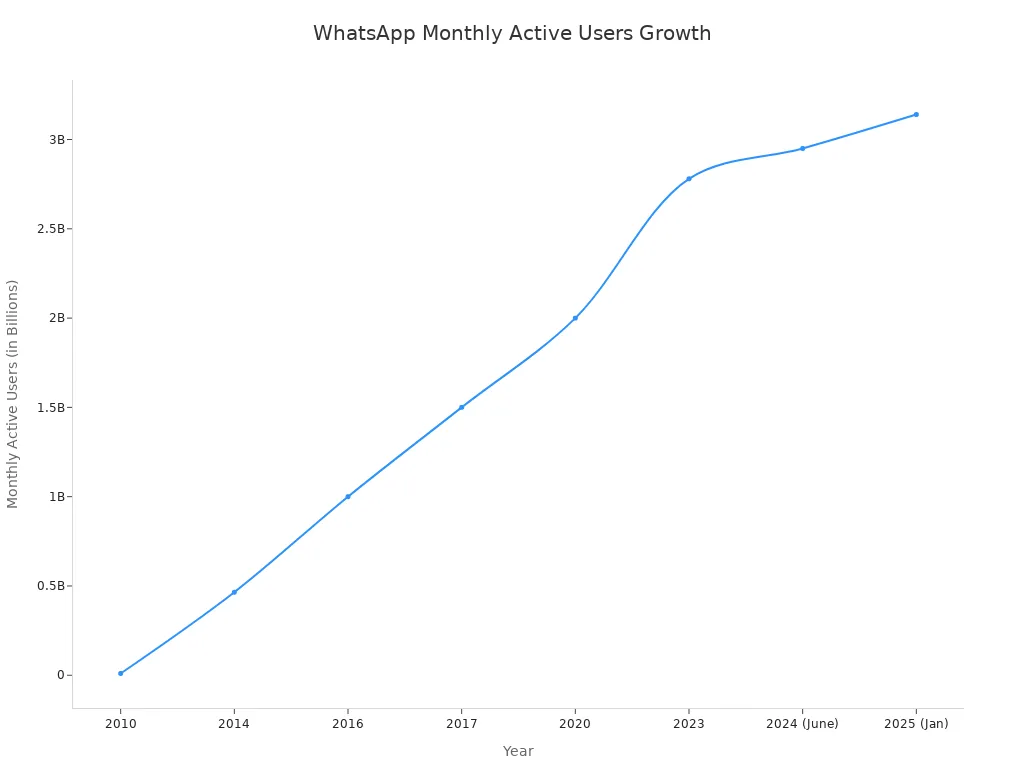
Your customers are already using these apps daily. Meeting them on their preferred channels makes your brand more accessible.
Why WhatsApp is a Powerful Channel:
- It has an open rate of 98%, far higher than email.
- Over 83% of users open the app every day.
- Users spend about 18.6 hours per month on the app.
You can use these different customer service methods for order updates, appointment reminders, and quick support. As an official WhatsApp Business Solution Provider (BSP), Sobot helps you connect with customers on their favorite messaging app through a unified live chat platform.
Email & Web Forms: For Detailed Inquiries
Email and web forms are classic types of customer service channels for a reason. They work best for issues that are not urgent but require a detailed explanation. A customer can attach files, include screenshots, and write a thorough message. This gives your support team all the information they need to resolve the problem effectively.
The average resolution time for email is around 24 hours, which is slower than live chat but allows for more thoughtful responses. To improve the quality of inquiries, you can design effective web forms. Good forms guide the customer to provide the right information from the start.
- Use a clean layout with essential fields to avoid overwhelming the user.
- Add dropdowns or radio buttons to help categorize the issue.
- Include contact info outside the form to build trust.
These different customer service methods give both the customer and your team a written record of the conversation to reference later.
Phone Support: For Urgent or Complex Issues
Sometimes, a customer needs to speak with a person. Phone support remains the preferred channel for urgent or complex problems. A 2019 study found that 76% of customers still prefer the phone for resolving product or service issues.
You should offer phone support for situations like:
- Closing an account
- Booking a complicated multi-city flight
- Understanding a confusing billing policy
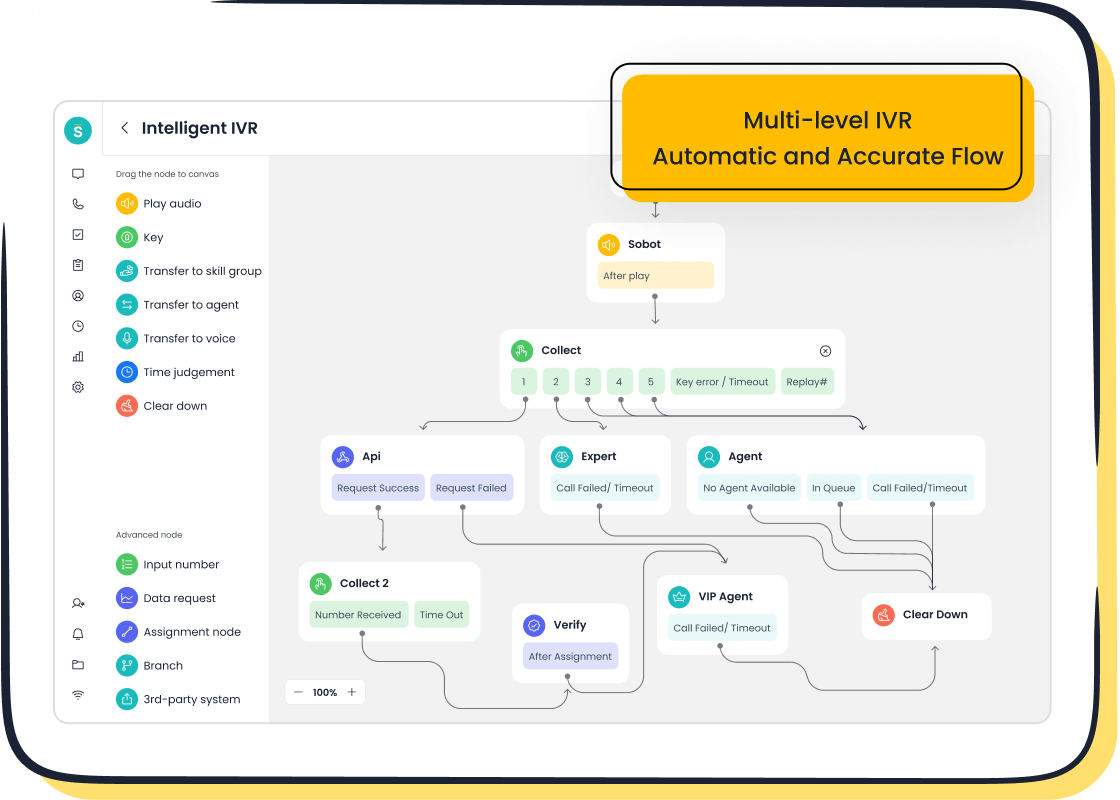
These high-stakes interactions are where you can build strong customer relationships. A robust call center system is essential to manage these conversations well. For instance, Sobot's Voice/Call Center is built for this. It ensures you can handle complex issues with features like an intelligent IVR that guides callers to the right agent and smart call routing that reduces wait times. With 99.99% uptime, you can provide reliable support when your customer needs it most.
Social Media: For Public Engagement
Social media platforms are more than just marketing channels. They are community hubs where you can engage with your audience and offer public support. Many customers now turn to social media for quick answers, and their expectations are high. About 40% of consumers expect a response within one hour.
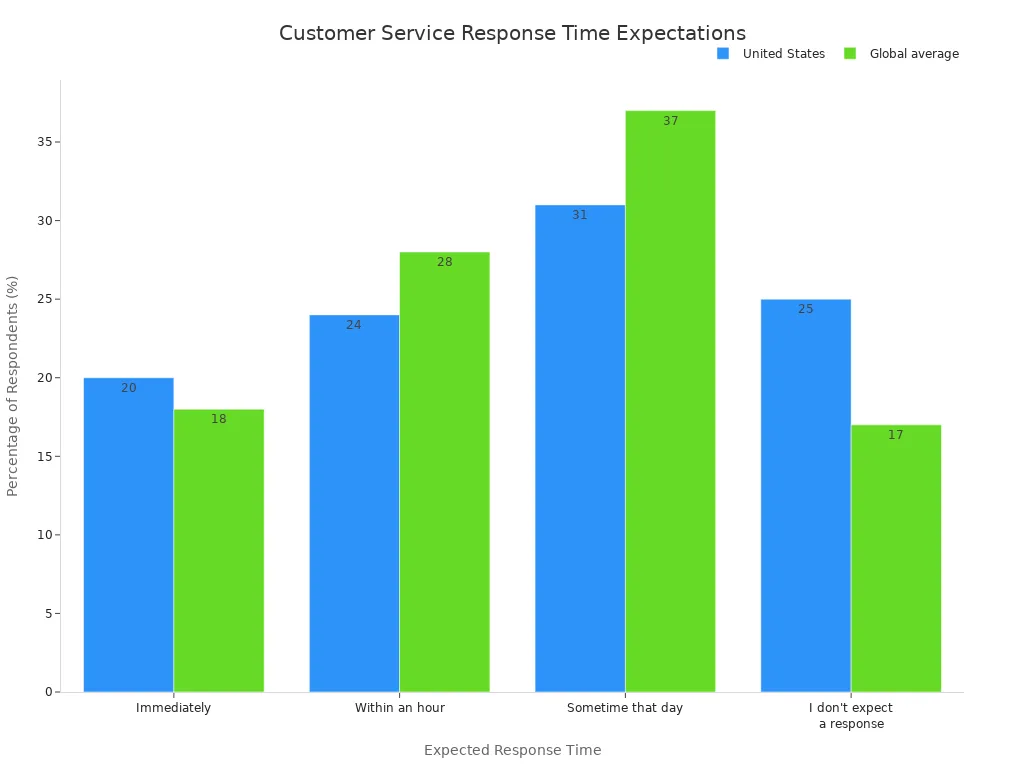
Brands like Wendy's and Duolingo use social media to build a strong community with witty and engaging content. While these channels are great for quick questions and public conversations, they are not ideal for sensitive or complex issues. You should always guide a customer to a private channel, like email or phone, to discuss personal account information. These different customer service methods are best used for building relationships and managing your brand's public image.
How to Implement and Optimize Your Channel Strategy
Choosing your support channels is just the beginning. You must implement and refine your approach to deliver a great customer experience. These practical steps will help you build and improve your customer service strategies.
Start Small and Expand Based on Data
You do not need to launch all your new channels at once. A phased rollout lets you test and learn. Start with one or two new channels that your customer data suggests are most needed. This approach has proven successful for many businesses.
- Nasfund, a large fund, rolled out new support solutions in stages across its service centers to improve member experience.
- Consum, a major retailer, deployed new systems across 500 sites, which boosted customer satisfaction and staff efficiency.
This method allows you to manage change effectively and make adjustments based on real performance data.
Train Your Team for a Consistent Brand Voice
Your brand's voice should be consistent across all communication channels. Every customer interaction shapes their perception of your company. You can achieve this consistency with clear training.
Actionable Tip: Create a company style guide that defines your brand's tone and values. Hold workshops to train your team, especially new hires, on how to apply these guidelines in their daily support work. This ensures every customer receives a unified customer service experience.
Unify Channels for a Better Customer Experience
Managing multiple channels can be chaotic for your support team. A unified platform solves this problem. For example, Sobot's Omnichannel Solution integrates all your communication channels—like live chat, email, and phone calls—into a single workspace. This gives your agents a complete view of every customer interaction.
With a unified view, your team can provide faster and more personalized support. This is why leading brands in retail, finance, and gaming use integrated platforms. They help improve agent productivity by up to 30% by automating repetitive tasks. This frees up your team to focus on solving complex customer problems, which is essential for high customer satisfaction. Using one of the best customer experience platforms helps you deliver consistent service.
Monitor Key Metrics to Continuously Improve
To know if your customer service strategies are working, you must track your performance. Monitoring key metrics helps you understand what is going well and where you need to improve. Focus on metrics that measure the quality of your support.
Key metrics to watch include:
- Customer Satisfaction Score (CSAT): Measures short-term happiness with a specific interaction.
- Net Promoter Score (NPS): Gauges long-term customer loyalty.
- Customer Effort Score (CES): Shows how easy it is for a customer to get help.
Tracking these numbers will help you optimize your channels and boost overall customer satisfaction.
You now have a clear framework to choose channels for customer support. Remember the three steps: understand your customers, evaluate your resources, and match channels to issues. The goal is not to be everywhere, but to provide high-quality customer service on the right channels. For example, Samsung used an all-in-one solution to achieve a 97% customer satisfaction rate. Analyze your data and see how a unified platform can help you choose channels for customer support and build a winning strategy.
FAQ
What is the most important first step to choose channels for customer support?
The first step is to understand your customers. You should research their preferences and communication habits. This data helps you select channels they actually want to use, which improves their experience and your support efficiency.
Should my business be on every customer support channel?
No, you do not need to be on every channel. The goal is to provide excellent service on the right channels for your customers and your team. Start with a few key channels and expand based on data and resources.
Why is unifying support channels important?
Unifying channels creates a better experience for everyone. Your customers get consistent service, and your agents become more efficient. A platform like Sobot's Omnichannel Solution puts all conversations into one workspace, giving your team a full view of the customer's history.
How do I know if my channel strategy is working?
You can measure success by tracking key metrics.
Key metrics to monitor include:
- Customer Satisfaction (CSAT)
- Net Promoter Score (NPS)
- First Contact Resolution (FCR)
These numbers show you what is working and where you can improve.
See Also
Selecting the Best Social Media Customer Service Software: 10 Essential Tips
Achieving Excellence in Customer Support Through Live Chat Mastery
Your Comprehensive Guide to Omnichannel Call Center Software Solutions
Elevate Your SaaS Customer Support Using Smart Live Chat Strategies
An Essential Guide for Effectively Managing Your Live Chat Agents