Choosing a Contact Center Inbound vs. Omnichannel


An inbound contact center handles customer queries, while an outbound contact center initiates contact for sales or surveys. A multichannel contact center offers separate support channels, but an omnichannel contact center unifies them for a seamless customer experience. With the global contact center market projected to grow at a CAGR of 7.88%, you must choose a suitable contact center for your business goals. This guide helps you navigate the different types of call centers to improve your customer service, engagement, and customer support. The right contact center is vital for excellent customer service, and a solution from Sobot can transform your customer service operations.
Exploring the Main Types of Call Centers

Understanding the different types of call centers helps you choose the right model. Your choice depends on whether your teams primarily receive calls or make them. Let's explore the main models.
What is an Inbound Contact Center?
An inbound contact center handles incoming customer communications. Customers contact you for help, information, or to make a purchase. The main goal of inbound call centers is to provide excellent customer service and support. Modern contact center software uses technology to manage these interactions efficiently.
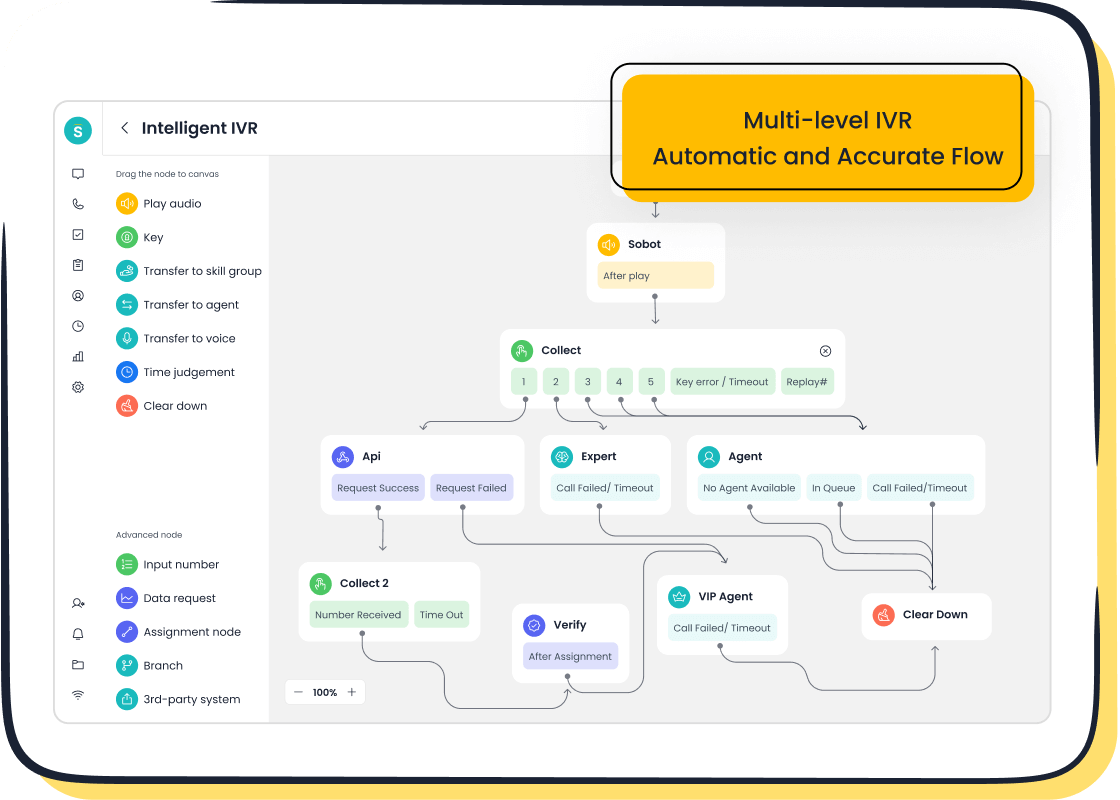
For example, you can use an Intelligent IVR (Interactive Voice Response) to greet callers and offer self-service options. This automation helps customers find answers quickly. Smart call routing then directs callers to the most qualified agent. This process reduces wait times and improves the customer experience. A platform like Sobot’s Voice/Call Center provides this software to streamline your customer service operations. This technology ensures your team can deliver effective customer support.
Core Functions of an Outbound Contact Center
Outbound call centers focus on proactive customer outreach. Your agents initiate contact with customers or leads. While many associate outbound call centers with sales, they serve many purposes. Effective customer outreach can build relationships and gather valuable data. With the right software, B2B sales campaigns can achieve an average conversion rate of 2%–5%.
Key functions of outbound call centers include:
- Sales Calls: Upselling to existing customers or contacting warm leads.
- Customer Surveys: Collecting feedback to measure satisfaction and identify pain points.
- Reminders: Sending appointment or payment confirmations.
- Market Research: Conducting polls to understand customer needs.
Tip: You can boost efficiency with automation. Features like the "Bulk Outbound Task" in Sobot's contact center software let you automate campaigns. This automation allows your agents to focus on high-value conversations instead of manual dialing.
Blended and Virtual Contact Center Models
Two other types of call centers are becoming more common. A blended contact center combines inbound and outbound duties. Agents in this contact center can both receive and make calls, which maximizes productivity. This model gives you flexibility in managing your team's workload.
A virtual contact center allows agents to work from anywhere. This model uses cloud-based contact center software. It helps you reduce overhead costs and hire talent from a global pool. Both models rely on powerful software to unify operations and maintain high-quality customer service. They offer advanced solutions for customer self-service and customer service automation.
Elevating the Customer Experience: Multichannel vs. Omnichannel
Choosing between multichannel and omnichannel determines the quality of your customer experience. While both use multiple channels, their approaches to customer engagement are very different. Understanding this difference is key to building a modern contact center.
The Siloed Approach of Multichannel
Multichannel contact centers offer customer service on various platforms, like phone, email, and social media. However, these channels operate independently. This separation creates a fragmented customer experience. For instance, a customer might explain an issue on live chat and then have to repeat it all over again on a phone call.
This disconnected approach can be frustrating. In fact, 56% of customers report frustration from having to repeat information. Multichannel contact centers lack the integration needed for a smooth journey, which can harm customer satisfaction and your brand's reputation. This model makes it difficult to provide a truly excellent customer experience.
The Unified Approach of Omnichannel
Omnichannel contact centers unify all customer communications into a single, continuous conversation. This model provides a seamless customer service experience. Your agents get a complete view of every interaction, regardless of the channel. This unified software approach is central to a modern contact center.
Sobot’s Omnichannel Solution is a great example. It integrates voice, chat, social media, and WhatsApp into one workspace. This setup empowers your team with a full customer history, which improves customer satisfaction. With powerful contact center software, you can deliver consistent and personalized customer service. This connected omnichannel engagement transforms your contact center operations.
Why Omnichannel is the Future
Omnichannel is more than a trend; it is the future of customer service. Companies like Starbucks and Nike build incredible loyalty by creating consistent experiences across their apps and stores. This strategy boosts customer satisfaction and drives growth. An omnichannel approach helps you deliver an excellent customer experience through better engagement.
The benefits are clear and measurable. For example, after implementing Sobot’s all-in-one contact center solution, Samsung achieved:
- A 97% customer satisfaction rate.
- A 30% increase in agent efficiency.
This success shows the power of a unified system. By using automation and providing agents with complete customer data, you reduce repetitive tasks and improve the quality of customer support. This focus on omnichannel engagement ensures your contact center is ready for future customer expectations. The right software and automation tools are essential for this transition.
How to Choose a Suitable Contact Center
Selecting the right foundation for your customer communications is a critical business decision. You need to look inward before you look outward. A deep understanding of your goals, processes, and team needs will help you choose a suitable contact center. This process ensures your investment improves your customer service and supports your long-term growth.
Key Questions to Ask Your Business
Before you evaluate any contact center software, you must first assess your own organization. Answering these questions will give you a clear picture of your needs. This clarity helps you find a solution that fits your business perfectly.
-
What functionalities do you truly need? Make a list of essential features. Do you need an Intelligent IVR for self-service options? Is call recording a must-have for quality assurance? Knowing your required features helps you avoid paying for a contact center with tools you will never use.
-
How will the platform integrate with your current systems? Your agents should not waste time switching between different applications. Ask yourself: do you need to maintain conversation context across channels? A contact center that connects smoothly with your Customer Relationship Management (CRM) software is vital. This integration gives your team a complete view of the customer, which improves the customer experience.
-
Is the platform built to scale with your business? Your business will grow and change. Your contact center software must be able to grow with you. Can you easily add or remove agents? A scalable platform allows you to handle busy seasons and expand your operations without technical problems. This flexibility is key to long-term success.
-
How secure is the platform? You handle sensitive customer data every day. Protecting this information is not optional. You should inquire about data encryption, security certifications, and compliance with regulations like GDPR. A secure contact center protects both your customers and your brand.
-
What is the total cost of ownership? Look beyond the initial price tag. Understand the full pricing model. Are there extra fees for setup, training, or premium features? A transparent pricing structure helps you budget accurately and avoid surprise costs down the road.
Matching a Model to Your Business Goals
After assessing your needs, you can align them with a specific contact center model. The right choice depends entirely on what you want to achieve. This step is where you choose a suitable contact center strategy for your unique objectives.
Pro Tip: To plan effectively, you need to forecast your workload. Gather historical data on call volumes and handle times. This information, combined with plans for future marketing campaigns or product launches, helps you predict staffing needs accurately.
Here is how different models align with common business goals:
| Business Goal | Best-Fit Model | Why It Works |
|---|---|---|
| Improve Customer Satisfaction | Inbound & Omnichannel | An inbound contact center is designed to resolve customer issues efficiently. When you add an omnichannel layer, you create a seamless customer experience that boosts loyalty. For example, some companies have raised customer satisfaction to over 90% by improving their inbound system. |
| Generate Leads and Sales | Outbound | An outbound contact center is perfect for proactive engagement. Your teams can use it for lead generation, telemarketing, and following up with potential customers. This model directly supports sales growth. |
| Increase Customer Retention | Omnichannel | Companies with strong omnichannel customer engagement retain 89% of their customers. This model unifies every touchpoint, from your website to social media, creating a consistent and personal customer journey that builds trust. |
| Conduct Market Research | Outbound | If your goal is to gather feedback, an outbound contact center is highly effective. You can conduct customer surveys and polls to collect valuable data that informs your business strategy. |
| Offer 24/7 Customer Support | Inbound with Automation | An inbound contact center powered by automation and self-service tools can provide round-the-clock support. Chatbots and intelligent knowledge bases offer instant answers, improving customer satisfaction without requiring a 24/7 human team. |
Empowering Your Customer Service Teams
The technology you choose has a direct impact on your agents. The best contact center software makes their jobs easier, not harder. When you empower your customer service teams with the right tools, they can deliver exceptional customer service. This focus on agent success is the final step to choose a suitable contact center.
A unified platform is the most powerful tool you can give your team. Instead of juggling multiple windows, agents work from a single workspace. A solution like Sobot’s integrates every channel—voice, email, chat, and even a ticketing system—into one view. This setup means agents see the full customer history instantly. They no longer need to ask customers to repeat information, which dramatically improves service quality and customer satisfaction.
Great software also supports your team's growth and well-being.
- Scalability Through Automation: As your business grows, automation can handle repetitive tasks. This frees up your trained agents to focus on complex customer issues that require a human touch. Features like AI-powered self-service and smart call routing ensure your team can manage higher volumes without burning out.
- AI-Powered Assistance: Modern software provides agents with real-time help. AI can analyze a customer's tone and suggest empathetic responses. It can also search a knowledge base instantly to provide accurate answers. This support reduces agent stress and boosts their confidence.
- Easier Training: Onboarding new agents is faster with the right platform. Interactive simulations and microlearning modules help new hires practice in a risk-free environment. A centralized, AI-powered knowledge base acts as a coach, providing just-in-time information when agents need it most. This continuous learning helps your team adapt and grow.
Ultimately, the right contact center empowers your team to be problem-solvers. By providing them with a complete customer view, powerful automation, and intelligent support, you create an environment where they can deliver an amazing customer experience with every interaction.
To choose a suitable contact center, you must understand two key ideas. Inbound call centers and outbound models define communication direction. Multichannel and omnichannel approaches define customer experience integration. For most businesses, an omnichannel inbound contact center is the ideal solution. This model improves customer satisfaction and customer service. Sobot's contact center software delivers this functionality. It combines advanced automation and self-service tools for a seamless customer experience. This powerful software empowers your customer support and engagement. By understanding the different types of call centers, you can build the best contact center for your needs. Embark on Your Contact Journey by evaluating your customer service goals today.
FAQ
What is the main difference between inbound and omnichannel?
An inbound contact center focuses on communication direction (receiving calls). An omnichannel contact center focuses on experience integration (unifying channels). A modern business often combines both to provide seamless, reactive support and improve the overall customer experience.
Is an omnichannel contact center more expensive?
The initial investment might be higher than for a single-channel setup. However, you gain significant long-term value. Increased agent efficiency and better customer retention provide a strong return on investment, making your contact center more profitable over time.
Can I add omnichannel features to my existing inbound contact center?
Yes, you can. Many modern platforms are built for integration. A solution like Sobot helps you add channels like chat, email, and social media to your existing voice operations. This creates a unified contact center without requiring a complete overhaul.
How does AI improve an omnichannel contact center?
AI automates repetitive tasks using tools like chatbots and intelligent IVR. It also provides your agents with real-time suggestions and customer insights. This support helps your team resolve complex issues faster, boosting your contact center's productivity.
See Also
Your Essential Guide to Mastering Omnichannel Call Center Software Solutions
A 10-Step Blueprint for Successful Omnichannel Contact Center Implementation
Comprehensive Review of Leading Contact Center Solutions for the Year 2024
Evaluating the Best Cloud-Based Contact Center Services: A 2024 Review
Implementing Effective Quality Management Best Practices in Your Call Center

