Effective Loyalty Programs to Build Trust in Sales


Loyalty shapes the way you connect with your customers. Did you know that 83% of people say rewards programs influence their repeat purchases? When you give customers rewards and a great experience, they spend more and stick around longer. Customers in top loyalty programs can boost your revenue by up to 25% each year. That’s why brands like Sobot use rewards, Sobot AI, and the Sobot call center to build trust and keep customers coming back. If you want to know how to build trust and foster customer loyalty in sales, focus on rewards and a personal experience every time.
Loyalty in Sales
Customer Loyalty Program Basics
When you think about a customer loyalty program, picture a system that rewards you for coming back to a brand again and again. These programs go beyond just making you happy after a single purchase. They build a deeper connection. A customer loyalty program gives you points, discounts, or special perks every time you shop or interact with a business. You might get a coupon for your birthday or earn points for every dollar you spend. The best customer loyalty programs are simple to use, offer rewards that matter to you, and keep changing to fit your needs. For example, some programs let you earn points and move up to higher levels for even better rewards. Others use data to send you offers that match your shopping habits. You can also see programs that use games or challenges to make earning rewards fun. No matter the style, a strong customer loyalty program helps you feel valued and keeps you coming back.
Why Loyalty Matters
Loyalty is more than just being satisfied with a product. It means you trust a brand and want to stick with it, even if other options exist. Customer loyalty leads to repeat purchases, bigger orders, and more referrals. When you join a customer loyalty program, you are more likely to spend more and tell your friends about your experience. Research shows that loyal customers can boost a company’s profits by up to 95% just by coming back and buying more. They also help businesses save money because it costs less to keep a customer than to find a new one (Harvard Business Review). Loyal customers often share feedback, which helps companies improve their products and services. This cycle of trust, rewards, and feedback makes customer loyalty a key driver for growth and customer retention. You can see how loyalty programs work best in places where people shop often, like grocery stores or online shops, but they also help in other industries by making customers feel special.
Tip: Loyal customers are less likely to switch to another brand, even if prices go up. That’s the power of a good customer loyalty program!
Sobot’s Approach to Loyalty
Sobot understands that building loyalty takes more than just offering rewards. You need to connect with customers in a personal way. Sobot’s customer contact solutions help you do just that. With Sobot, you can set up a customer loyalty program that sends personalized messages, reminders, and offers to your customers. The platform uses smart routing to make sure each customer talks to the right person, making every interaction feel special. Sobot also helps you manage bookings, send updates, and handle requests automatically, so you never miss a chance to reward your customers. You can use Sobot’s omnichannel tools to reach people on their favorite apps, like WhatsApp or SMS, and keep them engaged with your loyalty program. By making it easy to track rewards and communicate across channels, Sobot helps you boost customer retention and turn happy customers into loyal fans.
Building Customer Trust
Trust in Customer Relationships
Trust sits at the heart of every strong customer relationship. When you build trust, you open the door to building long-term relationships that last. According to a Mercuri International survey, 99% of business leaders agree that trust is critical for building long-term client relationships. You want your customers to feel confident that you will deliver on your promises. Trust grows when you show reliability, keep your word, and provide excellent customer service every time. Customers look for consistency and honesty. When you meet or exceed their expectations, you create a sense of security. This makes customers more likely to return, recommend your business, and try new rewards or services. Trust also helps you stand out in a crowded market. Companies with high customer trust enjoy better loyalty, higher retention, and more positive word-of-mouth (Harvard Business Review).
Techniques for Trust
You can use several proven techniques to build customer trust in sales:
- Share customer reviews and testimonials. Most shoppers want to see over 100 reviews before they buy.
- Keep your communication clear and timely. Adapt your style to match your customer’s needs.
- Protect customer data and follow privacy rules. Use secure payment methods.
- Offer rewards that matter. Surprise your customers with unexpected value.
- Show transparency in your pricing and policies.
- Mirror your customer’s behavior and find common ground. This helps you build rapport and trust quickly.
- Make your value clear. Focus on quality and excellent customer service.
Tip: Customers trust brands that listen and respond quickly. Always ask for feedback and act on it.
Sobot Voice for Sales and Trust
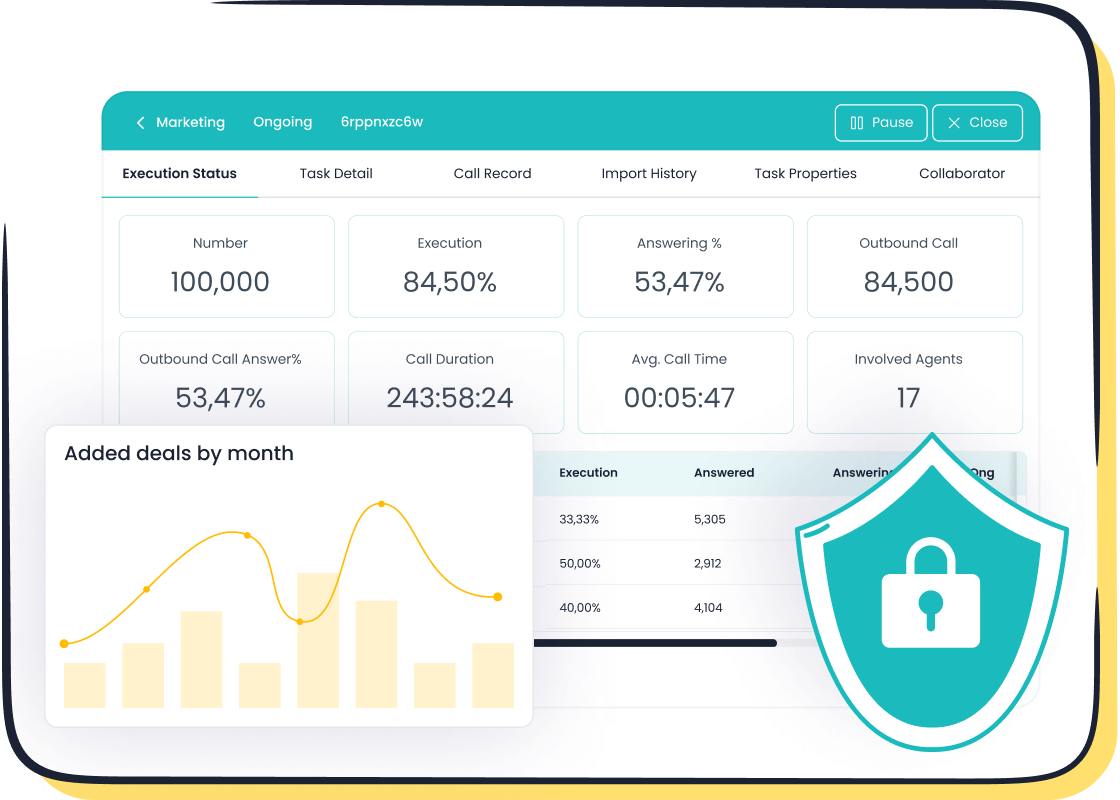
Sobot Voice for Sales helps you build customer trust through reliable and transparent communication. The system keeps a 99.99% uptime, so your customers always reach you when they need help or want to learn about rewards. You can track every step of the service process, which builds transparency and confidence. Features like call recording, smart routing, and real-time monitoring make sure you deliver excellent customer service every time. Sobot’s easy CRM integration lets you personalize rewards and messages, making each customer feel valued. Many users report faster response times, higher satisfaction, and stronger relationships with their customers after using Sobot Voice for Sales. When you use tools that support trust, you create loyal customers who keep coming back for more rewards.
How to Build Trust and Foster Customer Loyalty in Sales
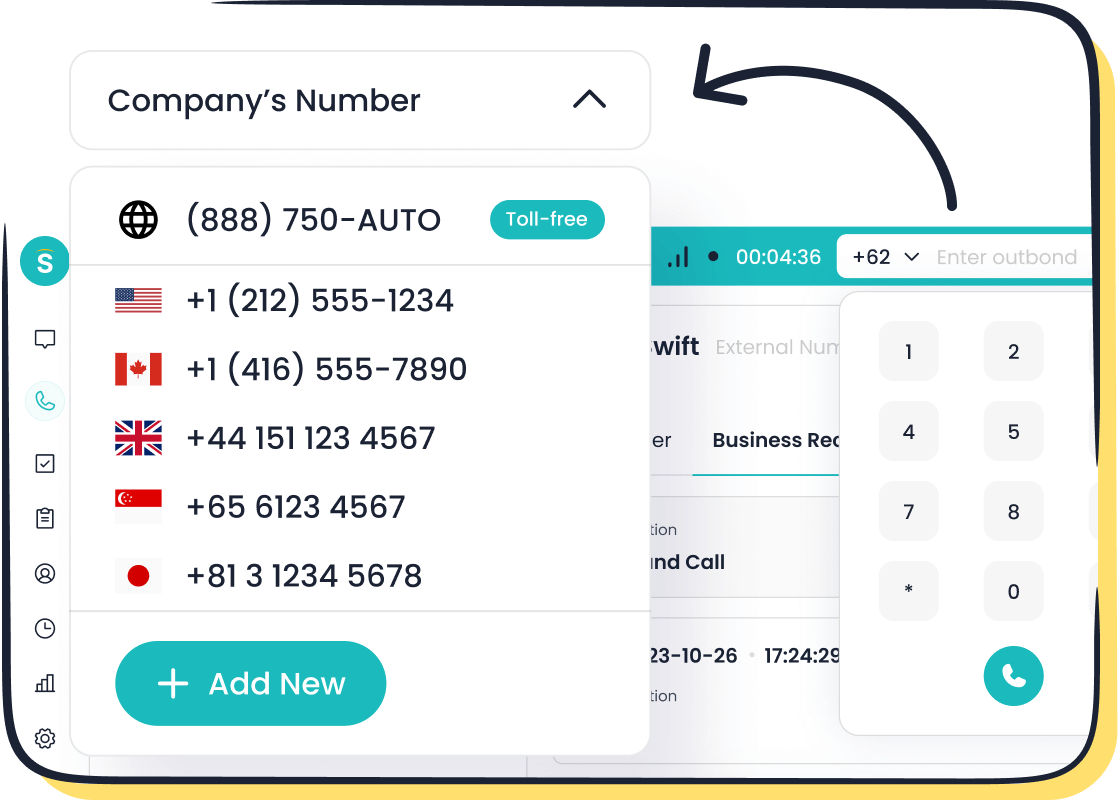
Steps to Launch a Customer Loyalty Program
If you want to know how to build trust and foster customer loyalty in sales, you need a clear plan. Launching a customer loyalty program is not just about giving out rewards. You need a strategy that matches your business goals and your customers’ needs. Here’s how you can get started:
-
Set SMART Loyalty Program Goals
Start with clear loyalty program goals. Make them Specific, Measurable, Attainable, Relevant, and Time-based. For example, you might want to increase repeat purchases by 20% in six months or boost customer engagement by 15%. Setting realistic goals helps you track progress and keeps your team focused. -
Understand Your Customer
Learn what your customer values most. Use surveys, feedback, and purchase data to find out which rewards excite them. If you offer rewards that matter, your customer will feel valued and stay loyal. -
Choose the Right Program Structure
Pick a structure that fits your business and your customer’s habits. You can create a loyalty program with points, tiers, or instant rewards. Make sure the rules are simple. Complicated programs confuse people and lower engagement. -
Select Relevant Loyalty Program Rewards
Offer rewards that match your customer’s preferences. Research shows that 33% of people leave brands because the rewards do not fit their needs. You can give discounts, free products, or exclusive access. The right rewards keep your customer coming back. -
Communicate Clearly and Often
Keep your customer in the loop. Use email, SMS, or WhatsApp to share updates about their rewards and progress. Consistent communication builds trust and keeps your loyalty program top of mind. -
Make Redemption Easy
Set realistic redemption targets. If rewards are too hard to earn, up to 78% of customers will give up. Make it simple for your customer to use their rewards. Clear instructions and easy access help boost participation. -
Use Technology for Seamless Experience
Choose a platform like Sobot to manage your customer loyalty program. Sobot’s omnichannel tools let you reach your customer on their favorite apps. You can automate messages, track rewards, and collect feedback in one place.
Tip: Keep your loyalty program simple and fun. Gamification, like challenges or badges, can reduce customer drop-off by up to 63%.
By following these steps, you can create a loyalty program that builds trust, increases customer engagement, and drives long-term loyalty.
Personalization and Engagement
Personalization is the secret sauce in how to build trust and foster customer loyalty in sales. When you treat your customer as an individual, not just a number, you show real commitment. Personalization makes your customer feel special and understood. This leads to higher engagement and stronger loyalty.
Let’s look at how top brands use personalization to boost loyalty and engagement:
| Company | Personalization Approach | Impact on Engagement and Loyalty |
|---|---|---|
| Sephora | AI-powered Beauty Insider program uses purchase history and browsing behavior for personalized recommendations and offers | 30% increase in customer engagement; up to 35% higher redemption rates |
| Netflix | AI-driven recommendation engine tailors viewing experience to individual subscribers | High customer retention through personalized content delivery |
| NICE | AI-powered predictive analytics forecasts customer behavior | Enables timely, personalized offerings improving engagement and loyalty |
| PremierNX | AI-driven personalization creates tailored customer experiences | Increased customer engagement and loyalty |
You can see that personalization works. When you use data to send the right message at the right time, your customer feels valued. This builds trust and keeps them coming back.
Here are some ways you can use personalization and engagement in your customer loyalty program:
- Use behavioral targeting to send personalized offers. For example, send a discount when a customer abandons their cart.
- Predict what your customer wants next with AI. This helps you send timely rewards and messages.
- Adapt your content based on customer status. Treat first-time buyers, returning customers, and VIPs differently.
- Track engagement metrics like click-through rates and redemption rates. This helps you see what works and improve your strategy.
- Surprise your customer with unexpected rewards. This creates emotional loyalty and encourages repeat purchases.
Note: Personalization not only increases engagement but also makes your customer less sensitive to price changes. They stay loyal because they feel understood.
Sobot’s omnichannel solutions make personalization easy. You can use Sobot to send targeted messages on WhatsApp, SMS, or live chat. The platform collects customer data and helps you create a loyalty program that adapts to each customer’s needs. With Sobot, you can automate personalized rewards, track customer engagement, and adjust your strategy in real time.
Technology and Data Insights
Technology and data play a huge role in how to build trust and foster customer loyalty in sales. With the right tools, you can turn every interaction into a chance to build trust and loyalty.
Here’s how technology and data insights help you succeed:
- Data-driven insights let you understand your customer’s needs and desires. You can use this information to offer rewards that matter.
- Cross-functional teams can use technology to solve problems quickly. This shows your commitment to customer satisfaction and builds trust.
- Loyalty programs collect valuable data. You can segment your customer base and send tailored offers that boost engagement and retention.
- AI and machine learning help you analyze data and create new ways to engage your customer. Gamification, for example, makes your loyalty program more fun and interactive.
- Omnichannel solutions let your customer interact with your brand on any platform. This seamless experience increases convenience and satisfaction.
- Moving from transaction-based loyalty to emotional loyalty requires technology. You can use data to build deeper relationships and inspire long-term commitment.
Brands like Nike and Starbucks have seen big results from omnichannel strategies. Nike uses digital product scanning, virtual try-ons, and integrated loyalty programs. This led to a 25% increase in customer retention and a 30% jump in loyalty program engagement. Starbucks uses real-time engagement and unified loyalty across channels. This improved customer retention and average purchase value.
Sobot’s analytics and reporting tools help you track every part of your loyalty program implementation. You can see which rewards your customer likes best, measure engagement, and adjust your strategy for better results. Sobot’s platform supports omnichannel communication, so you can reach your customer wherever they are. This builds trust and keeps your loyalty program fresh and exciting.
Tip: Use technology to keep your loyalty program simple, personal, and rewarding. The right data helps you make smart decisions and show your commitment to your customer.
If you want to know how to build trust and foster customer loyalty in sales, focus on using technology and data to personalize every step. With Sobot, you can create a loyalty program that grows with your customer and keeps them coming back for more.
Integrating Loyalty and Trust
Unified Customer Experience
When you bring loyalty and trust together, you create a powerful force that keeps your customers coming back. You want every customer to feel valued, understood, and excited to return. This happens when you deliver a unified customer experience across every touchpoint. Imagine a world where your rewards program, customer service, and sales team all work together. Your customer gets the same great treatment whether they shop online, visit your store, or chat with your support team.
A unified customer experience builds predictability. Customers know what to expect, and that makes them trust you more. Research shows that 90% of highly satisfied customers will return and recommend your brand to others. Consistency across channels reduces confusion and effort for your customer. When you make things easy, you boost loyalty and increase retention. Customers who enjoy a seamless experience spend more, try new products, and become your biggest fans.
You can see this in action with companies that align their digital and in-store experiences. For example, a UK retailer improved their website by adding detailed product descriptions and videos, matching the friendly tone of their stores. This change increased site traffic, conversion rates, and sales. Customers felt the same warmth online as they did in person. When you focus on a unified experience, you turn happy customers into loyal advocates who spread the word about your brand.
Sobot helps you create this kind of experience. With Sobot’s omnichannel platform, you can connect with your customer on their favorite apps, like WhatsApp or SMS. You can track every interaction, send personalized rewards, and make sure your customer always feels special. Sobot’s tools let you automate messages, collect feedback, and keep your loyalty program fresh. This unified approach builds trust and keeps your customer engaged at every step.
Tip: Consistency is key. When your customer knows what to expect, they trust you more and stay loyal longer.
Best Practices for Integrating Loyalty and Trust
You can follow these steps to blend loyalty programs and trust-building strategies in your sales process:
- Define a clear loyalty program structure that matches your marketing goals.
- Get to know your customer by tracking their preferences and behaviors (with their consent).
- Use targeted incentives and tiered rewards to motivate repeat business.
- Recognize and reward your top customers to build stronger relationships.
- Engage your customer with personalized communication, exclusive events, and fun challenges.
- Make sure everyone in your company supports the program, from sales to leadership.
- Use data to learn what works and keep improving your program.
- Choose technology that makes it easy for your customer to join and use your program.
- Stay flexible. Update your program based on feedback and market trends.
- Always follow privacy rules and be transparent to build trust.
When you put these best practices into action, you create a loyalty program that feels personal and trustworthy. Your customer will notice the difference and reward you with their business.
Real-World Example: Michael Kors & Sobot
Let’s see how this works in real life. Michael Kors, a global fashion brand, wanted to improve customer engagement and loyalty. They faced challenges with slow response times and disconnected communication channels. Customers wanted quick answers and a smooth experience, whether they shopped online or in-store.
Michael Kors chose Sobot to unify their customer contact channels. With Sobot’s all-in-one platform, they brought together phone, chat, and social media into one easy-to-use system. Agents could see all customer information in one place, making it simple to offer personalized rewards and solve problems fast. Sobot’s WhatsApp API let Michael Kors send verified messages and special offers directly to customers, boosting engagement.
The results speak for themselves:
- Response times dropped by 83%. Customers got help faster than ever.
- Customer satisfaction soared to 95%. People loved the quick, friendly service.
- Conversion rates jumped by 20%. More customers used their rewards and made repeat purchases.
Michael Kors also used Sobot’s analytics to track which rewards worked best. They adjusted their loyalty program based on real customer feedback. This flexible approach kept the program fresh and exciting. Customers felt valued and trusted the brand more. Michael Kors turned happy shoppers into loyal fans who returned again and again.
Note: When you use the right technology, you can connect every part of your loyalty program and build trust at every step.
Measuring Success
You need to know if your loyalty and trust strategies are working. The best way to do this is by tracking the right metrics. These numbers show you what’s working and where you can improve. Here are some of the most important ways to measure success:
| Metric Category | Metric Name | Description & Importance | Calculation / Notes |
|---|---|---|---|
| Fundamental Indicators | Participation Rate | Shows how many customers join your loyalty program. High rates mean your program is attractive. | (Number of Loyalty Program Members / Total Customers) × 100 |
| Membership Growth Rate | Tracks how fast you gain new members. Helps you see if your marketing works. | Month-over-month or quarter-over-quarter growth rate | |
| Behavioral & Engagement | Net Promoter Score (NPS) | Measures how likely your customer is to recommend you. High scores mean strong loyalty and trust. | % Promoters (9-10) - % Detractors (0-6) |
| Customer Satisfaction Score (CSAT) | Shows how happy your customer is after each interaction. Immediate feedback for improvement. | (Positive Responses / Total Responses) × 100 (scale 1-5 or 1-7) | |
| Customer Effort Score (CES) | Tells you how easy it is for your customer to get help. Lower effort means higher loyalty. | Average score on 5- or 7-point scale rating ease of interaction | |
| Financial Indicators | Customer Lifetime Value (CLV) | Total money you expect from a customer over time. Shows the financial impact of loyalty. | (Average Purchase Value × Purchase Frequency) × Customer Lifespan |
| Active Buying Member | Counts customers who made at least one purchase. Helps you see who really drives revenue. | Number of customers with >1 purchase within timeframe | |
| Customer Retention Rate (CRR) | Percentage of customers who stay with you. High rates mean strong loyalty and satisfaction. | ((Customers at End - New Customers) / Customers at Start) × 100 | |
| Industry-Specific Metrics | Repeat Purchase Rate | Percentage of customers who buy again. Shows how well your loyalty program works. | Number of repeat buyers / Total buyers |
| Average Order Value | Average amount spent per order. Higher values mean your rewards are working. | Total revenue / Number of orders | |
| Share of Wallet | Portion of customer’s total spend you capture. Shows your brand’s importance to the customer. | Customer spend with brand / Total category spend |
You can also use surveys to ask your customer how they feel about your loyalty program and rewards. Net Promoter Score (NPS) is a great way to see if your customer will recommend you to friends. Scores above 30 show strong loyalty. Customer Retention Rate (CRR) tells you how many customers keep coming back. High CRR means your rewards and experience are working.
Sobot’s analytics tools make it easy to track these metrics. You can see which rewards drive the most engagement, which customers are most loyal, and where you can improve. Sobot helps you collect feedback, measure satisfaction, and adjust your program for even better results.
Tip: Don’t just look at the numbers. Listen to your customer’s feedback. Their stories and suggestions help you create a loyalty program that truly builds trust.
Quantifiable Results from Unified Loyalty and Trust Strategies
When you combine loyalty and trust, you see real business growth. Companies that use AI-driven, real-time loyalty models have seen conversion rates rise and customer satisfaction improve. For example, TUI Group used machine learning to predict customer behavior and tailor rewards. This led to more conversions and happier customers.
Studies show that a 5% increase in customer retention can boost profits by 25% to 95% (Bain & Company). Loyal customers spend 67% more than new ones and are more likely to try new products. Companies that excel in customer experience outperform competitors by nearly 80% in revenue growth (Forrester). When you focus on both loyalty and trust, you set your business up for long-term success.
Success is not just about numbers. It’s about building real relationships, delivering great experiences, and making your customer feel valued every day.
Optimizing for Results
Tracking Customer Trust
You want to know if your loyalty strategy is working. Tracking customer trust helps you see what builds strong relationships. You can use several methods to measure trust over time:
- View-through attribution shows how ads influence customers, even if they don’t click.
- Click-through attribution tracks when a customer acts after seeing your message.
- Engagement-based attribution looks at actions like video views or social media likes. These show trust and interest.
- Cross-device attribution connects a customer’s actions across phones, tablets, and computers.
- Offline attribution links online activity to real-world actions, like in-store visits or phone calls.
You can also watch for transparency in your business, fast and friendly service, and positive reviews. When you encourage customer feedback and respond quickly, you build even more trust.
Improving Loyalty Programs
A great loyalty program needs regular updates. You should always look for ways to make rewards more exciting and the customer experience smoother. Research shows that 79% of people join at least one loyalty program. Most want easy sign-up, simple rewards, and special perks. To improve your program:
- Personalize rewards for each customer. Celebrate birthdays or special events.
- Track key numbers like sign-ups, redemption rates, and repeat purchases.
- Collect customer feedback through surveys and reviews.
- Train your team to explain the program clearly.
- Keep the program simple and fresh. Add new rewards or fun challenges.
When you listen to customer feedback and use it to guide your strategy, you keep your loyalty program strong.
Adapting with Sobot Solutions
Sobot gives you powerful tools to optimize your loyalty strategy. With Sobot’s analytics, you can see which rewards work best and where customers need more support. The platform uses AI to track customer feedback, spot trends, and suggest changes. Real-time reports help you adjust your rewards and improve the customer experience. Sobot’s omnichannel support lets you reach customers on chat, email, voice, and social media. This unified approach makes every customer feel valued and keeps your loyalty program ahead of the curve.
Tip: Use Sobot’s reporting tools to test new rewards and see how customers respond. Small changes can lead to big improvements in loyalty and trust.
Building loyalty and trust in sales starts with you. Focus on these steps:
- Listen to your customers and offer rewards that matter.
- Use technology like Sobot to track rewards, send updates, and make every rewards experience personal.
- Keep your rewards program simple and fun. Celebrate milestones with special rewards.
- Train your team to talk about rewards and help customers use them.
- Check your data often. Change your rewards to fit what your customers want.
When you use rewards the right way, you build trust, boost sales, and turn happy customers into loyal fans. Start using Sobot and make your rewards program stronger today!
FAQ
What makes a loyalty program successful?
You need a program that gives clear rewards, keeps things simple, and offers real value. When you use Sobot, you can track what your customers like and send them rewards that fit their needs. This helps boost repeat business and keeps people happy.
How can I personalize rewards for my customers?
You can use customer data to send rewards based on shopping habits or special dates. Sobot’s platform lets you automate these messages. For example, you might send a birthday discount or a thank-you reward after a big purchase. Personal touches make customers feel special.
Why do customers leave loyalty programs?
Most people leave because rewards are hard to earn or not useful. Studies show 33% of customers quit when rewards do not fit their needs. Make sure your program is easy to join and gives rewards that matter. Sobot helps you track and improve your program.
How does Sobot help manage loyalty programs?
Sobot gives you tools to track rewards, send updates, and collect feedback. You can reach customers on WhatsApp, SMS, or live chat. The platform’s analytics show which rewards work best. This helps you keep your program fresh and your customers engaged.
See Also
Effective Strategies To Improve Customer Satisfaction With Live Chat
Ways Ecommerce Live Chat Tools Increase Online Sales Revenue
Best Trusted Live Chat Platforms To Use In 2024

