How to Build an Accurate and Empathetic AI


You face a core challenge: creating an AI that is not just functionally correct but also has genuine empathy. The key is to balance accuracy and empathy of AI chatbot, which is the foundation of a superior user experience. Today’s user has high expectations for AI chatbots, wanting a chatbot that is always available and provides quick answers. A great chatbot helps the user efficiently.
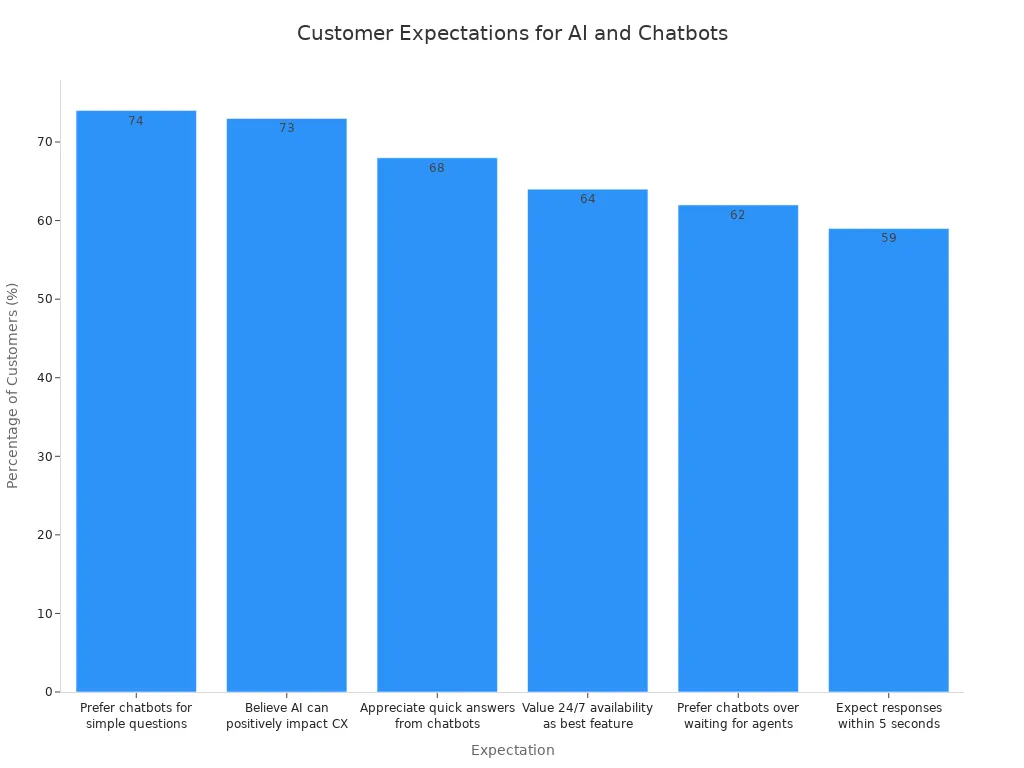
However, a poor chatbot experience can lead to significant user frustration when an AI chatbot asks too many questions or cannot find the right answer.
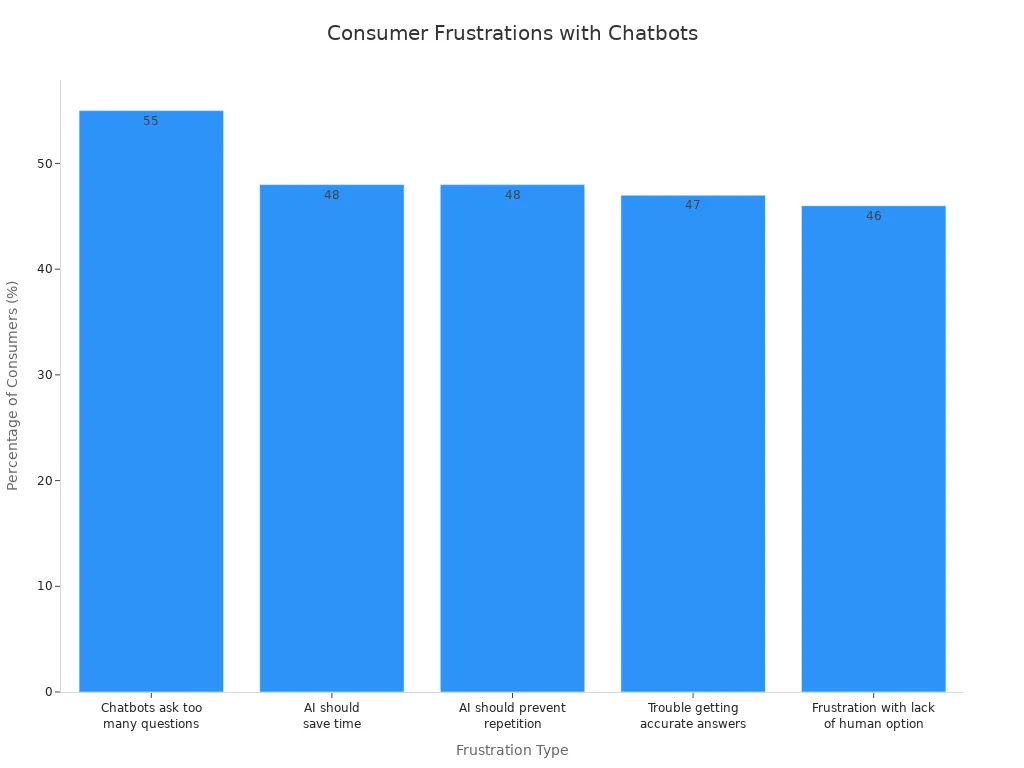
A superior chatbot, like one from Sobot, transforms this user frustration into satisfaction by building a helpful and empathetic AI chatbot.
Foundation: Balance Accuracy and Empathy of AI Chatbot
The first step in your ai chatbot development journey is to establish a solid foundation. You must balance accuracy and empathy of ai chatbot from the very beginning. This balance ensures your chatbot is not just a tool but a helpful brand representative. It starts with aligning the AI's purpose with what your user truly needs.
Aligning AI Goals with User Needs
You should define clear goals for your AI chatbot. These goals must reflect your core brand values, such as Sobot's commitment to customer-centricity and efficiency. Your objective is to create a chatbot that solves problems effectively. This alignment directly impacts user satisfaction.
You can measure success by tracking key metrics. These help you understand the chatbot's performance from the user's perspective.
Key Metrics for User Satisfaction:
- Customer Satisfaction (CSAT): Use simple thumbs up/down ratings after a conversation to get immediate feedback.
- Resolution Rate: Track how often the chatbot resolves a user's issue without needing a human agent.
- Net Promoter Score (NPS): Measure long-term user loyalty and willingness to recommend your brand.
Consistently analyzing this data helps you make focused improvements. This data-driven approach ensures your AI evolves with user expectations and is a core part of how you balance accuracy and empathy of ai chatbot.
Defining Your Chatbot's Persona
After setting goals, you need to define your chatbot's personality. A persona makes your AI feel more human and relatable, which is essential for AI empathy. The persona should be a direct reflection of your brand. For example:
- A retail brand like Michael Kors might want a chic and helpful persona.
- A tech brand like OPPO needs a knowledgeable and efficient one.
A well-defined persona makes every conversation more engaging. It turns a simple Q&A session into a positive brand experience. This is a critical step in ai chatbot development. When you successfully balance accuracy and empathy of ai chatbot, you build an AI that users trust. This process transforms standard AI chatbots into valuable assistants that strengthen customer relationships through every conversation. The goal of ai chatbot development is to create AI chatbots that are both smart and personable, making every conversation count.
The Core Architecture: Building an Accurate AI
With your foundation set, you can now focus on the technical core of your chatbot. Building an accurate AI is not just about having the right answers. It is about creating a reliable structure that guides the user to those answers efficiently. This architecture is the skeleton that supports every conversation, ensuring your chatbot performs correctly and builds user trust. A successful ai chatbot development process depends on a strong technical framework.
Choosing the Right Chatbot Model
Your first major decision is choosing the right chatbot model. The model you select determines how your chatbot thinks, learns, and communicates. There are two main types: rule-based and AI-powered. Many modern platforms now offer a hybrid model that gives you the best of both.
| Feature/Aspect | Rule-Based Chatbots | AI Chatbots |
|---|---|---|
| Core Technology | Operates on predefined rules and decision trees. | Utilizes Artificial Intelligence (AI) and Natural Language Processing (NLP). |
| Understanding | Understands specific keywords and programmed phrases. | Understands context, intent, and the nuances of human language. |
| Learning Capability | Does not learn; responses are static. | Continuously learns from each conversation to improve. |
| Complexity | Best for simple, repetitive questions with clear answers. | Can handle complex, open-ended, and multi-turn conversations. |
| Flexibility | Inflexible; cannot handle questions outside its rules. | Highly flexible; adapts to unexpected user inputs. |
| Error Handling | Struggles with misspellings, slang, or new questions. | More robust in handling variations in language. |
For most businesses, a hybrid model offers the perfect balance. This approach is central to platforms like Sobot, which combine rule-based precision with the power of generative ai. You can use rules for predictable queries where accuracy is critical, like checking an order status. At the same time, you can use generative ai to handle complex questions with natural, human-like dialogue. This hybrid model ensures your chatbot is both accurate and flexible, providing a superior user experience. This is a key part of modern ai chatbot development.
Structuring Logic with Intent Mapping
Once you choose a model, you need to structure your chatbot's logic. This is done through intent mapping. An "intent" is simply what the user wants to achieve, like "track my order" or "ask about a refund." Your job is to teach the AI to recognize these intents and provide the right response. Effective natural language processing is key here.
Here are a few best practices to get you started:
- Start with a Narrow Scope: Begin with a few specific, high-frequency intents. Focus on answering the most common questions first. This allows you to achieve early success and expand your chatbot's capabilities over time.
- Capture Knowledge from Existing Channels: Analyze your support chat transcripts, phone call recordings, and help articles. This data is a goldmine for understanding what your users ask most often.
- Define Intents with User Journeys: Map out the typical paths a user takes when interacting with your brand. This helps you group related intents, such as putting "Reset Password" and "Update Email" under a general "Account Management" category.
Pro Tip: You don't need to be a developer to do this. Modern ai chatbot development platforms like the Sobot Chatbot offer a no-code interface. These tools simplify the process of building your chatbot's logic.
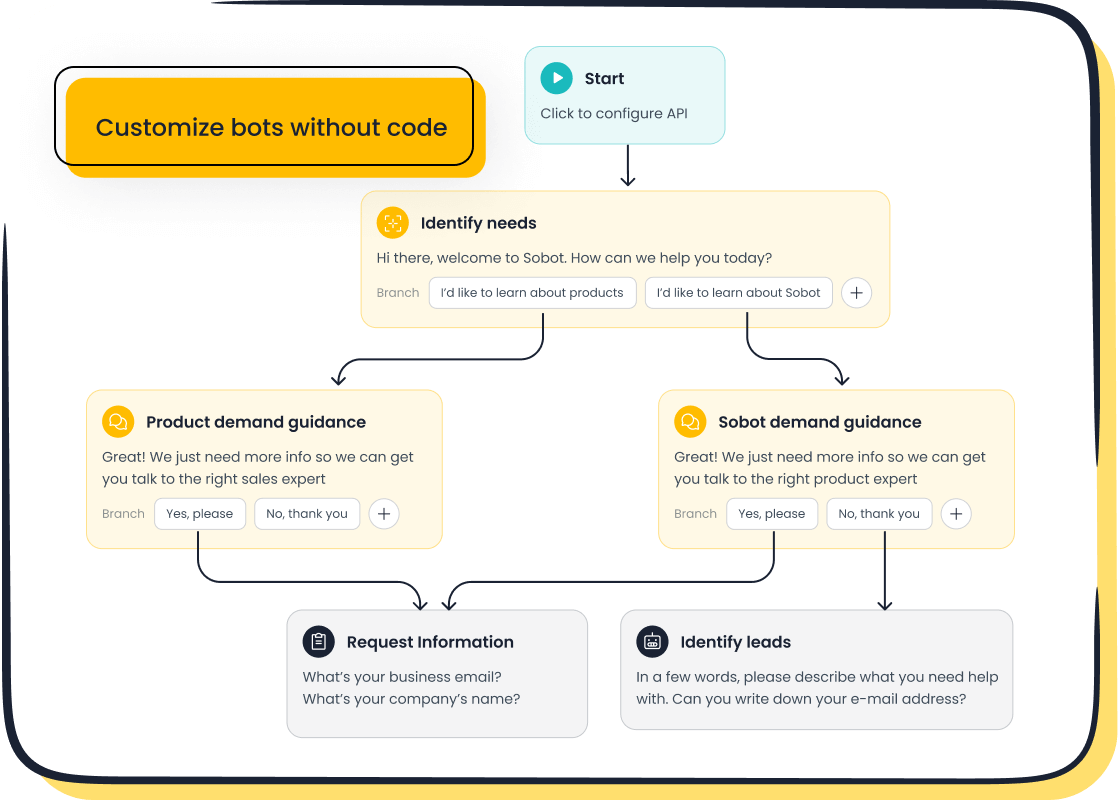
With a point-and-click builder, you can:
- Use drag-and-drop interfaces to visually arrange the flow of a conversation.
- Leverage pre-packaged templates to speed up the creation process.
- Train the AI on your own data to generate accurate responses.
This visual approach to ai chatbot development empowers your team to build and manage complex conversation logic without writing a single line of code. It makes building an accurate chatbot accessible to everyone.
Designing Clear Fallback Responses
No matter how intelligent your AI is, it will sometimes encounter a question it does not understand. This is where a fallback response becomes critical. A fallback is a safety net that prevents the conversation from hitting a dead end. A poorly designed chatbot will simply say, "I don't understand," frustrating the user. A great chatbot uses the fallback as an opportunity to guide the user.
A good fallback strategy keeps the conversation moving forward. It should:
- Prompt the user to rephrase: Ask the user to try asking the question in a different way.
- Present predefined choices: Offer a menu of common topics the chatbot can help with.
- Facilitate a transfer to a human agent: Provide a clear and easy way to connect with a person for more complex issues.
Designing clear fallbacks is essential for maintaining a positive user experience. It shows the user that even when the AI is stuck, you have a plan to help them. This simple step turns a moment of potential frustration into a helpful, guided interaction, reinforcing the reliability of your chatbot and your brand. This ensures every conversation ends on a positive note.
The Human Touch: Engineering for Empathy

An accurate AI builds trust, but an empathetic AI builds loyalty. After establishing a solid technical architecture, your next step is to breathe life into your chatbot. This is where you engineer for empathy. It involves teaching your AI not just what to say, but how to say it. Infusing AI with empathy transforms a functional tool into a compassionate assistant, creating meaningful interactions that resonate with your users. This process is the heart of building a superior customer experience.
Prompt Engineering for Empathy and Tone
Prompt engineering is the art of crafting instructions that guide your AI’s behavior. You can shape your chatbot's personality and ensure its responses are consistently empathetic. A well-designed prompt acts as a director, telling the generative AI model how to perform its role in every conversation.
To effectively engineer for empathy and tone, you should follow a few key techniques:
- Set a Clear Persona: Define the chatbot's role with specific instructions. For example, you can prompt the AI to act as a friendly and patient support expert. A prompt like, "You are a helpful assistant. Your tone should be polite and understanding," sets a clear expectation for the AI model.
- Provide Context: Give the AI background information for the conversation. Tell it about the user's situation or the type of problem it needs to solve. This helps the AI generate more relevant and empathetic responses.
- Use Examples (Few-Shot Learning): Show the AI what a good response looks like. By providing a few examples of empathetic replies, you train the model to replicate that style. For instance, you can provide a template for handling a frustrated user:
Prompt Example for a Frustrated User: "Draft a response for a customer who is upset about a delayed delivery. Start by apologizing for the delay and acknowledging the impact on their plans. Offer immediate solutions like expedited shipping or a refund. Your tone must be calm and resolution-focused."
This level of instruction helps your generative AI chatbot move beyond generic answers. It learns to express genuine empathy, turning a potentially negative interaction into a positive one.
Using Sentiment Analysis to Adapt Responses
To truly connect with a user, your chatbot must understand their emotional state. This is where sentiment analysis comes in. This technology allows your AI to detect the underlying emotion in a user's message—whether they are happy, frustrated, or confused. By analyzing the user's sentiment, the chatbot can tailor its responses in real time.
Sentiment analysis works in several ways:
| Analysis Type | How It Works | Use Case |
|---|---|---|
| Rule-Based | Scans text for keywords from predefined lists (lexicons) of positive and negative words to calculate a sentiment score. | Good for quickly identifying clear positive or negative emotion. |
| Machine Learning | An algorithm trains the AI model to recognize sentiment by analyzing word choice, order, and context from vast datasets. | Allows the chatbot to understand more complex nuances, like sarcasm or mixed emotion. |
| Hybrid Approach | Combines rule-based speed with machine learning accuracy for the most robust sentiment detection. | Ideal for dynamic, real-time conversational AI that needs both precision and flexibility. |
When your chatbot detects negative sentiment, it can automatically adjust its tone. For example, it might switch from a cheerful greeting to a more serious and apologetic tone. It can use phrases that validate the user's feelings, such as:
- "I understand your frustration."
- "I'm sorry to hear you're having this issue."
- "Thank you for bringing this to our attention. Let's get this sorted out for you."
This ability to create adaptive responses is crucial for AI empathy. It shows the user that the chatbot is not just processing words but is also paying attention to their feelings. This dynamic interaction makes the experience feel more human and supportive, significantly boosting user satisfaction. The goal is to make every conversation feel personal and responsive to the user's emotion.
Fine-Tuning Your AI with Empathetic Data
The final step in engineering for empathy is fine-tuning your AI model with the right data. Fine-tuning is like giving your AI specialized training. You provide it with curated datasets of conversations that exemplify the human-like behavior you want it to adopt. This process refines the model's ability to generate empathetic and contextually appropriate responses.
Effective fine-tuning relies on high-quality data. This includes:
- Real Conversation Logs: Use anonymized transcripts from your best human agents. This teaches the AI model how experienced professionals handle difficult situations with skill and empathy.
- Curated Datasets: You can use datasets specifically designed to teach empathy. These often contain conversations scored for sensibility and rationality, helping the model learn the optimal balance.
- Human-in-the-Loop Feedback: In a human-machine cooperation model, human agents can review and correct the chatbot’s responses. This feedback loop is a powerful method for continuous fine-tuning, as the AI learns directly from human expertise.
A great example of this in action is OPPO's partnership with Sobot. By implementing a human-machine cooperation strategy, OPPO used Sobot's chatbot to handle common queries while human agents tackled complex issues. This synergy, combined with continuous fine-tuning of the AI, led to an 83% chatbot resolution rate and a 94% positive feedback rate. This demonstrates how a well-tuned, empathetic AI directly improves user satisfaction and business outcomes.
Empathy Across Languages True empathy means speaking your user's language. A key feature for showing empathy is multilingual support. Platforms like Sobot offer multilingual capabilities, allowing your chatbot to communicate with customers in their preferred language. This simple act of personalization breaks down communication barriers and makes users feel instantly understood and valued, strengthening your brand's global presence.
Through careful prompt engineering, real-time sentiment analysis, and continuous fine-tuning, you can successfully build an AI that is not only accurate but deeply empathetic. This human-centric approach to AI development is what separates a good chatbot from a great one.
Continuous Improvement: Testing and Refining Your AI
Building a great chatbot is not a one-time project. It is a continuous cycle of testing, learning, and refining. Your AI must evolve with your users' needs. This ongoing improvement ensures your chatbot remains accurate, helpful, and aligned with your brand's standards for empathy. A commitment to refinement is the final piece of successful ai chatbot development.
Testing for Function and Feeling
You must test your chatbot for both its functional accuracy and its perceived empathy. This dual-focus approach ensures the AI works correctly and connects with the user on an emotional level.
- Functional Accuracy Testing: You should create detailed test cases for common user interactions. This helps you confirm the chatbot handles various situations reliably. NLP-focused testing methods, like semantic similarity checks, ensure the AI correctly interprets what a user is asking.
- Perceived Empathy Testing: You need to evaluate the chatbot's tone and conversational flow. Test how your chatbot responds to user emotions like frustration or sarcasm. This helps you assess its emotional intelligence and verify it handles sensitive situations with care.
A hybrid approach combining automated tests with manual review is most effective. Automation handles large-scale functional checks, while human evaluation provides insights into the quality of the conversation.
Monitoring Key Performance Metrics
Data is your best tool for improvement. You need to monitor key performance metrics (KPIs) to understand how your chatbot is performing. This data-driven approach is central to effective ai chatbot development.
Platforms like the Sobot Chatbot offer powerful reporting and analytics. You can track metrics like goal completion rate, user satisfaction, and fallback rate to pinpoint areas for improvement.
Key metrics to watch include:
- Goal Completion Rate (GCR): This shows how often the chatbot helps a user achieve their goal. A low rate signals that the AI is not meeting its objectives.
- Fallback Rate: This measures how often the chatbot fails to understand a user. A high rate indicates the AI needs better training data.
- User Satisfaction Rate: This is direct feedback from users, often through simple ratings after a conversation.
Analyzing this data helps you make informed decisions to refine your conversational ai. This focus on metrics is proven to boost business results. For example, a well-optimized chatbot can increase productivity by 70% and boost conversions by 20%.
Creating a User Feedback Loop
The most valuable insights come directly from your users. You must create a feedback loop to capture their experiences. This helps you understand what is working and what is not.
You can collect feedback in several ways:
- Explicit Feedback: Use in-chat surveys like thumbs up/down ratings or short comments at the end of a conversation.
- Implicit Feedback: Analyze user behavior, such as how often a conversation is escalated to a human agent. This reveals where the chatbot may be struggling.
A comprehensive customer contact center solution makes this process easier. For instance, Sobot's ticketing system automatically captures conversations where a chatbot required human help. This creates a direct feedback channel for your ai chatbot development team. By reviewing these tickets, you can identify patterns and continuously refine your AI chatbots to better serve every user. This turns every conversation into a learning opportunity for your AI chatbots.
You build the most effective AI chatbot when you balance accuracy and empathy of ai chatbot. This requires a cycle of defining, building, and refining your AI. Accuracy builds user trust, while empathy fosters loyalty and a positive user experience. Gartner projects that brands leading in empathy can see a 10% loyalty boost. An all-in-one solution helps you create an AI chatbot that delivers for every user. Explore how Sobot can help your AI chatbots provide this powerful combination. Embark on your contact journey to build a better AI chatbot for each user.
FAQ
How can a chatbot show real emotion in a conversation?
A chatbot cannot feel a real emotion. Your chatbot can, however, simulate empathy. You can program the chatbot to recognize user emotion and respond appropriately. This makes the chatbot conversation feel more human. A helpful chatbot shows it understands the user's emotion.
Can a chatbot help with mental health issues?
A chatbot is not a substitute for professional mental health care. However, a support chatbot can offer resources. Your chatbot can guide users to a human expert for serious health concerns. This chatbot provides a first step for users seeking mental health support. A chatbot is a tool.
What is the role of a chatbot in a health conversation?
In a health conversation, a chatbot provides information. The chatbot can answer common questions about services or products. This chatbot should not give medical advice. For any serious health topic, the chatbot must direct the user to a qualified professional. A good chatbot knows its limits.
Why is my chatbot failing to have a good conversation?
Your chatbot may lack good training data. A chatbot needs clear examples to learn from. The chatbot might also struggle with complex user emotion. A better chatbot requires constant refinement. This chatbot improvement process is key. A great chatbot evolves. Your chatbot needs attention.
How does this chatbot improve over time?
This chatbot learns from every conversation. You can use feedback to train the chatbot. This process helps the chatbot understand user needs better. The chatbot becomes more accurate with each interaction. This chatbot is always improving. Your chatbot gets smarter.
See Also
Essential Guide to AI Software Solutions for Modern Call Centers
Discovering the Best 10 AI Tools for Enterprise Contact Centers
An In-Depth Review of AI Solutions for Enterprise Call Centers
Effortlessly Implementing Effective Chatbot Examples on Your Website
Your Comprehensive Guide to Selecting the Optimal Chatbot Software

