How to Implement Chatbot Automation in Business Processes

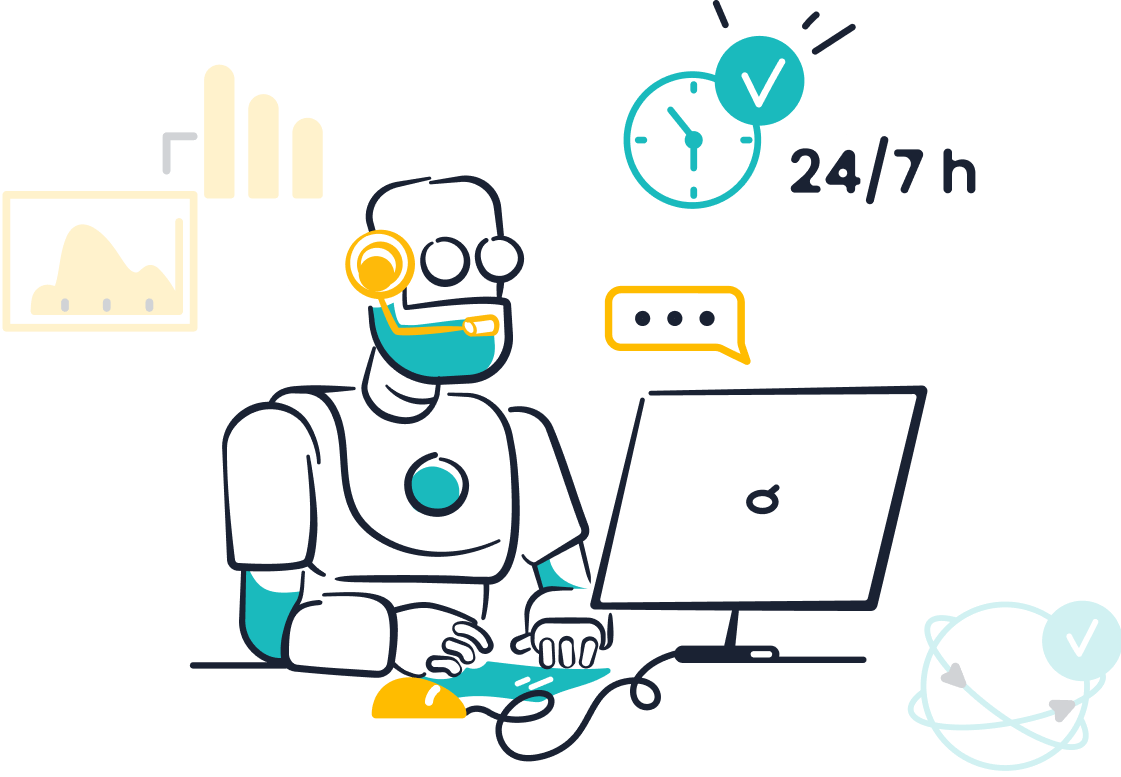
Chatbot automation has become a cornerstone of modern business operations, enabling companies to streamline workflows and enhance customer interactions. By leveraging AI-powered tools like Sobot's Chatbot, you can automate chatbot processes to handle routine inquiries, provide instant responses, and deliver personalized experiences. This approach not only improves customer satisfaction but also reduces operational costs by up to 50%, as businesses automate 30% of their tasks.
Sobot's Chatbot stands out with its multilingual capabilities, 24/7 availability, and no-coding-required setup. It empowers businesses to boost productivity by 70% while cutting expenses. For example, Agilent, a leader in life sciences, achieved a sixfold increase in efficiency and a 25% cost reduction using Sobot's solutions. With chatbot automation, you can transform your operations, save time, and focus on strategic growth.
What Is Chatbot Automation and Why Does It Matter?
Understanding Chatbot Automation
Definition and core features of chatbot automation
Chatbot automation refers to the use of advanced chatbot technology to streamline interactions and processes within businesses. By leveraging AI-powered automation, chatbots can handle repetitive tasks, provide instant responses, and deliver personalized customer experiences. Unlike traditional methods, chatbot automation integrates intelligent process automation to improve operational efficiency and reduce manual intervention.
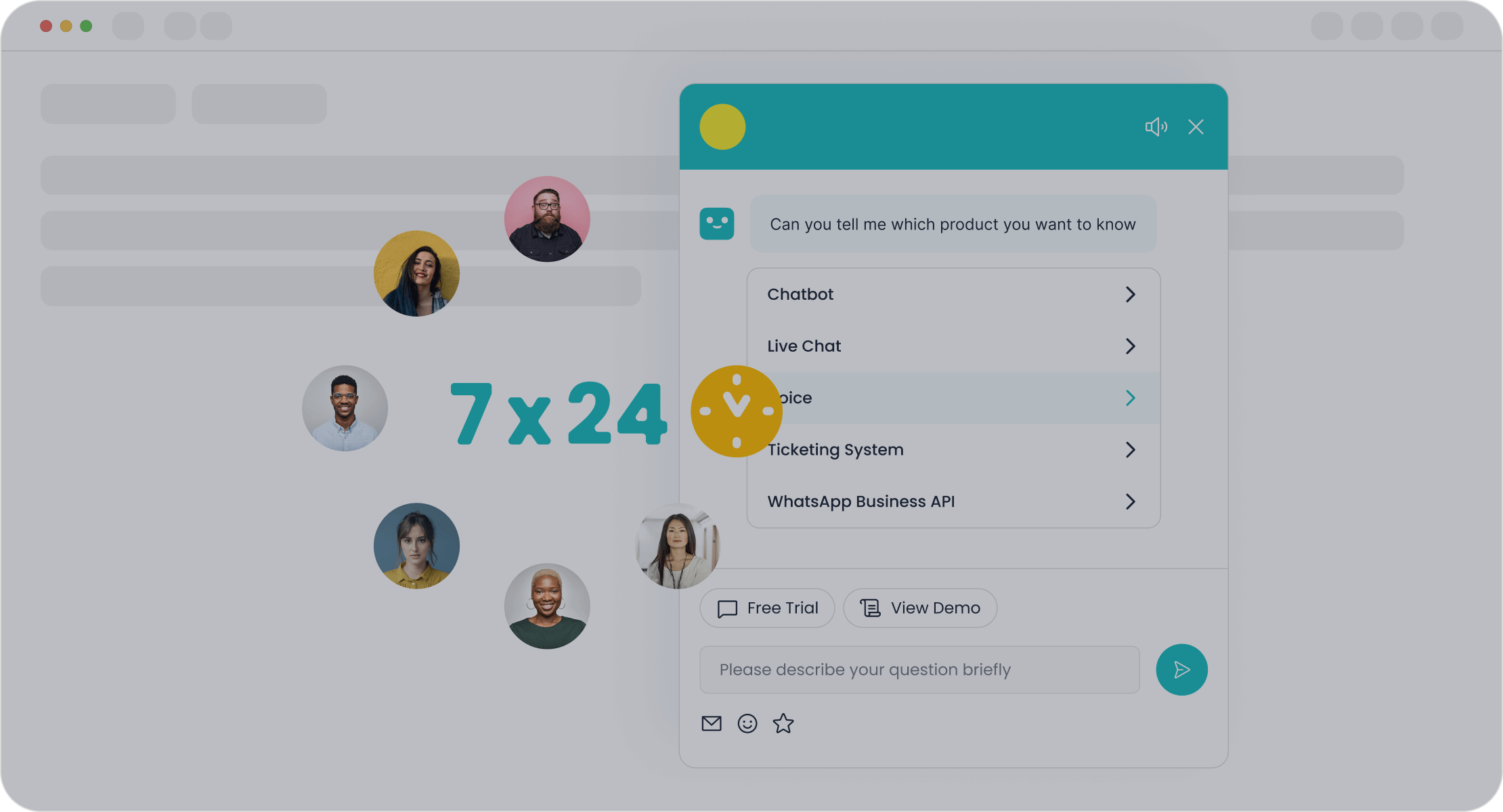
Sobot's chatbot exemplifies this innovation. It operates 24/7, supports multiple languages, and requires no coding for setup. These features make it an ideal tool for automating customer interactions and enhancing productivity. For instance, Sobot's chatbot improves productivity by 70% and reduces operational costs by up to 50%, showcasing its transformative potential in business process automation.
Differences between rule-based and AI-powered chatbots
Understanding the distinction between rule-based and AI-powered chatbots is crucial for selecting the right solution. The table below highlights their key differences:
| Aspect | Rule-Based Chatbots | AI Chatbots |
|---|---|---|
| Flexibility and Adaptability | Rigid, struggles with new situations | Highly adaptable, excels in complex conversations |
| Development and Implementation | Simpler to develop, requires less expertise | More complex, requires expertise in ML and NLP |
| User Experience | Can frustrate users with limited responses | Provides smoother, more satisfying interactions |
| Maintenance | Labor-intensive, requires manual updates | Less ongoing maintenance, learns autonomously |
| Scalability | Challenging to scale, leads to complex rules | More scalable, handles a wider range of queries |
| Cost-Efficiency | Initially cost-effective, but maintenance costs escalate | Higher initial costs, but long-term savings possible |
AI-powered chatbots, like Sobot's, offer superior adaptability and scalability. They deliver seamless user experiences and require minimal maintenance, making them a valuable asset for businesses aiming to automate chatbot interactions effectively.
Importance of Chatbot Automation in Business
Enhancing operational efficiency and reducing manual workload
Chatbot automation significantly enhances operational efficiency by automating routine inquiries and repetitive tasks. This reduces the time employees spend on mundane activities, allowing them to focus on strategic operations. For example, Sobot's chatbot automates 30% of business processes, enabling companies to save time and resources.
Additionally, automation minimizes human error, ensuring consistent and accurate responses. Businesses adopting AI in business operations often experience improved productivity and cost savings. Sobot's chatbot, for instance, saves up to 50% on operational costs while maintaining high service quality.
Providing 24/7 customer support and engagement
AI-powered chatbots ensure uninterrupted customer support, a critical factor in customer retention. A study by Microsoft revealed that 96% of customers consider service quality vital for brand loyalty. Chatbots provide instant assistance, resolving issues efficiently and improving customer satisfaction.
Sobot's chatbot operates round-the-clock, offering multilingual support and personalized interactions. This capability enhances customer engagement and builds long-term relationships. By integrating AI in business processes, you can meet customer expectations and maintain a competitive edge.
Chatbot Automation Benefits for Businesses
Boosting Efficiency and Productivity
Automating repetitive tasks to save time and resources
Chatbot automation eliminates repetitive tasks, allowing you to focus on strategic goals. By automating processes like answering FAQs or scheduling appointments, chatbots save time and resources. For instance, Domino's Pizza uses chatbots to process 25% of digital orders, streamlining operations and improving efficiency. Sobot's chatbot enhances productivity by 70%, enabling businesses to automate chatbot interactions and reduce manual workloads. This level of automation ensures that your team can allocate their efforts to high-value tasks, driving operational efficiency.
Reducing human error in business workflows
Human errors can disrupt workflows and lead to costly mistakes. Chatbots powered by AI in business processes ensure consistent and accurate responses. They follow predefined workflows, minimizing errors in customer interactions. Sobot's chatbot, for example, uses a knowledge base to provide precise answers, reducing the risk of misinformation. By automating routine tasks, you can maintain high service quality and improve overall business process automation.
Cutting Costs with Automation
Lowering operational expenses with tools like Sobot's Chatbot
Automation significantly reduces operational costs. A U.S.-based study estimates potential savings of up to $23 billion by automating 30% of contact center tasks. Sobot's chatbot saves up to 50% on operational expenses by handling routine inquiries 24/7. This cost-effective solution allows you to allocate resources more efficiently, ensuring sustainable growth.
Reducing dependency on large customer support teams
Chatbot automation reduces the need for large customer support teams while maintaining service quality. By leveraging AI-powered automation, you can handle high volumes of inquiries without increasing staff. Sobot's chatbot empowers agents to focus on complex issues, enhancing productivity. This scalable approach supports business growth without proportional increases in team size.
Enhancing Customer Experience
Delivering instant, personalized responses to customer queries
Customers expect quick and personalized responses. Chatbots deliver instant support, improving customer satisfaction. For example, a U.S. electronics retailer integrated an AI-powered chatbot to offer personalized recommendations, achieving an 80% satisfaction score. Sobot's chatbot uses real-time intent analysis to provide tailored solutions, ensuring a seamless customer experience.
Improving engagement with AI-powered solutions like Sobot
AI-powered chatbots enhance engagement by proactively addressing customer needs. They streamline processes, resolve simple queries, and escalate complex issues to human agents. Sobot's chatbot operates across multiple channels, ensuring consistent service. This approach builds trust, fosters long-term relationships, and improves customer interactions.
Real-World Applications of Chatbot Automation
Customer Support
Automating FAQs and troubleshooting with Sobot's Chatbot
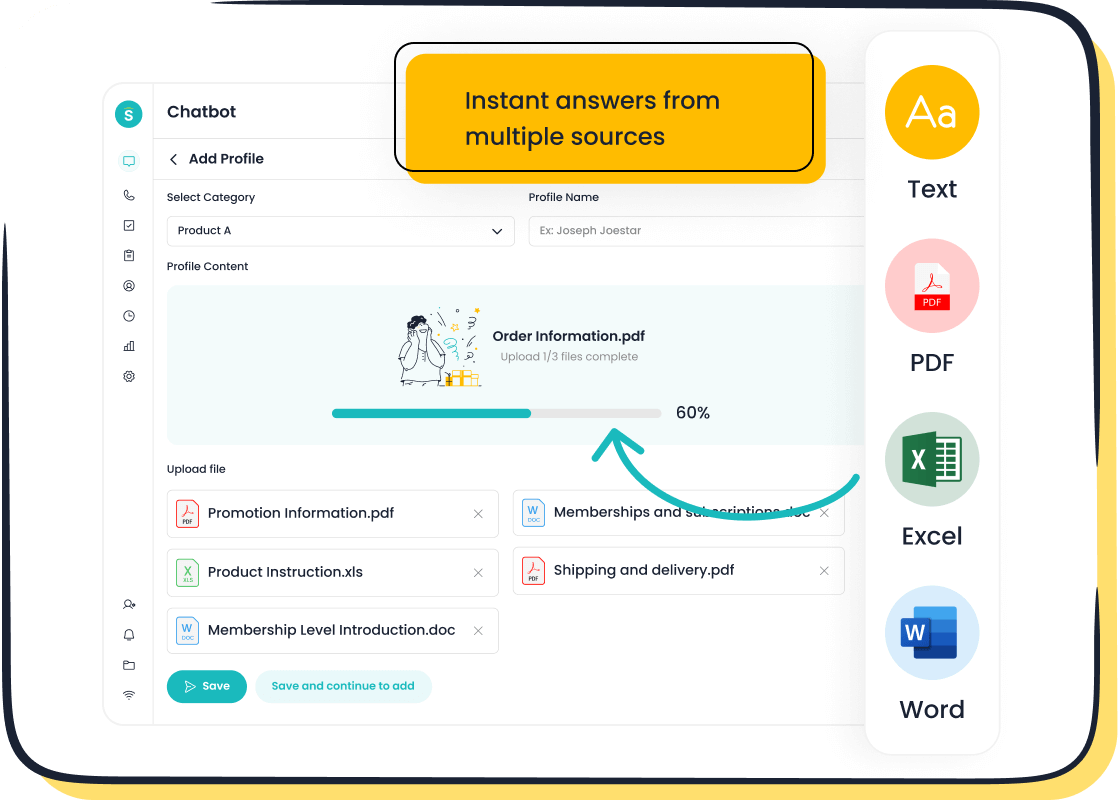
Chatbots excel at automating customer interactions by addressing frequently asked questions and troubleshooting common issues. They connect to knowledge bases to provide instant, accurate responses, saving time for both customers and support teams. For example, Sobot's chatbot uses AI-powered automation to handle routine inquiries, allowing human agents to focus on complex problems. This approach enhances operational efficiency and ensures consistent service quality. Businesses using chatbots for customer support often see improved customer satisfaction due to faster response times and 24/7 availability.
Managing high volumes of customer inquiries efficiently
Handling a surge in customer inquiries can overwhelm traditional support systems. AI-powered chatbots manage unlimited inquiries simultaneously, ensuring timely responses even during peak demand. Sobot's chatbot operates across multiple channels, maintaining service quality while scaling customer support efforts. This capability is crucial for businesses experiencing seasonal spikes or rapid growth. By automating customer interactions, you can reduce response times and improve engagement without increasing team size.
Sales and Marketing
Generating and qualifying leads through chatbot interactions
Chatbots play a pivotal role in sales by generating and qualifying leads. They engage visitors with tailored questions, capturing valuable information and identifying high-potential prospects. For instance, a software company using chatbots achieved a 35% increase in qualified leads by automating this process. Sobot's chatbot ensures 24/7 availability, enabling you to capture leads even outside business hours. This efficiency allows your sales team to focus on closing deals, driving revenue growth.
Offering personalized product recommendations
AI in business processes enhances customer experiences through personalized product recommendations. Chatbots analyze user preferences and purchase history to suggest relevant products, boosting conversion rates by 15-20%. Sobot's chatbot uses real-time data to provide contextual recommendations, whether through cross-selling or upselling. This personalization not only improves customer satisfaction but also increases sales, making it a valuable tool for business automation.
Internal Business Processes
Streamlining HR tasks like onboarding and employee queries
Chatbots simplify internal business processes by automating repetitive HR tasks. They handle onboarding by setting up accounts for new hires and revoking access rights during offboarding, enhancing security and reducing administrative burdens. Sobot's chatbot also provides instant answers to employee queries about policies, benefits, and payroll. This automation improves operational efficiency and allows HR teams to focus on strategic initiatives.
Automating IT support and internal ticketing systems
IT departments benefit significantly from chatbot automation. Chatbots resolve common technical issues, manage ticketing systems, and provide real-time updates on ticket status. Sobot's chatbot integrates seamlessly with internal systems, ensuring smooth workflows and reducing response times. By automating these processes, you can enhance productivity and maintain high service standards within your organization.
Step-by-Step Guide to Automate Business Processes with Chatbots
Identify Opportunities for Automation
Assessing repetitive tasks and high-impact areas
To begin, evaluate your workflows to identify tasks that consume time and resources. Conduct a detailed audit of your business processes to pinpoint repetitive activities that can benefit from automation. Engage your employees to uncover inefficiencies and bottlenecks in daily operations. High-volume tasks, such as responding to FAQs or processing customer inquiries, are ideal candidates for chatbot automation. For example, automating 30% of contact center tasks could save businesses up to $23 billion annually. By focusing on these areas, you can streamline operations and improve productivity.
Prioritizing processes with significant ROI potential
Not all tasks offer the same return on investment. Prioritize processes that deliver measurable benefits, such as cost savings or enhanced customer support. High-impact areas like lead generation, customer engagement, and internal ticketing systems often yield significant ROI. For instance, Sobot's chatbot improves productivity by 70% and reduces operational costs by up to 50%. By targeting these processes, you can maximize the value of your automation efforts while ensuring scalability for future growth.
Select the Right Chatbot Platform
Evaluating platforms like Sobot for scalability and features
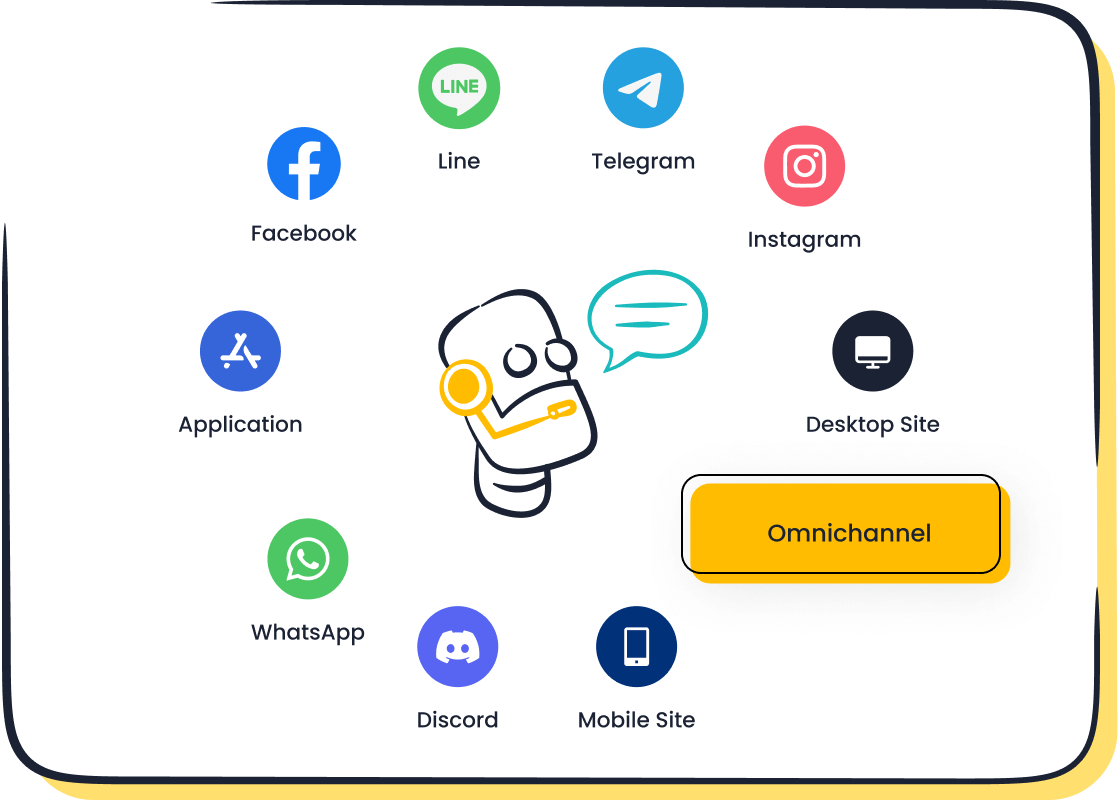
Choosing the right platform is critical for successful business automation. Look for solutions that align with your goals and offer robust features like AI capabilities, multilingual support, and omnichannel integration. Sobot's chatbot stands out with its scalability and ease of use, requiring no coding for setup. It integrates seamlessly with existing systems, ensuring business-wide integration. Additionally, consider factors like vendor reputation, security, and analytics to ensure the platform meets your long-term needs.
Comparing pricing and integration capabilities
Cost and integration capabilities play a vital role in platform selection. Compare pricing models to ensure the solution fits your budget while delivering a strong ROI. Platforms like Sobot offer cost-effective solutions by automating routine tasks and reducing dependency on large teams. Evaluate integration capabilities to ensure the chatbot can connect with your CRM, ERP, and other systems. This integration enhances customer experience by providing real-time data and personalized interactions, making your automation efforts more impactful.
Design and Integrate the Chatbot
Creating intuitive conversational flows for user engagement
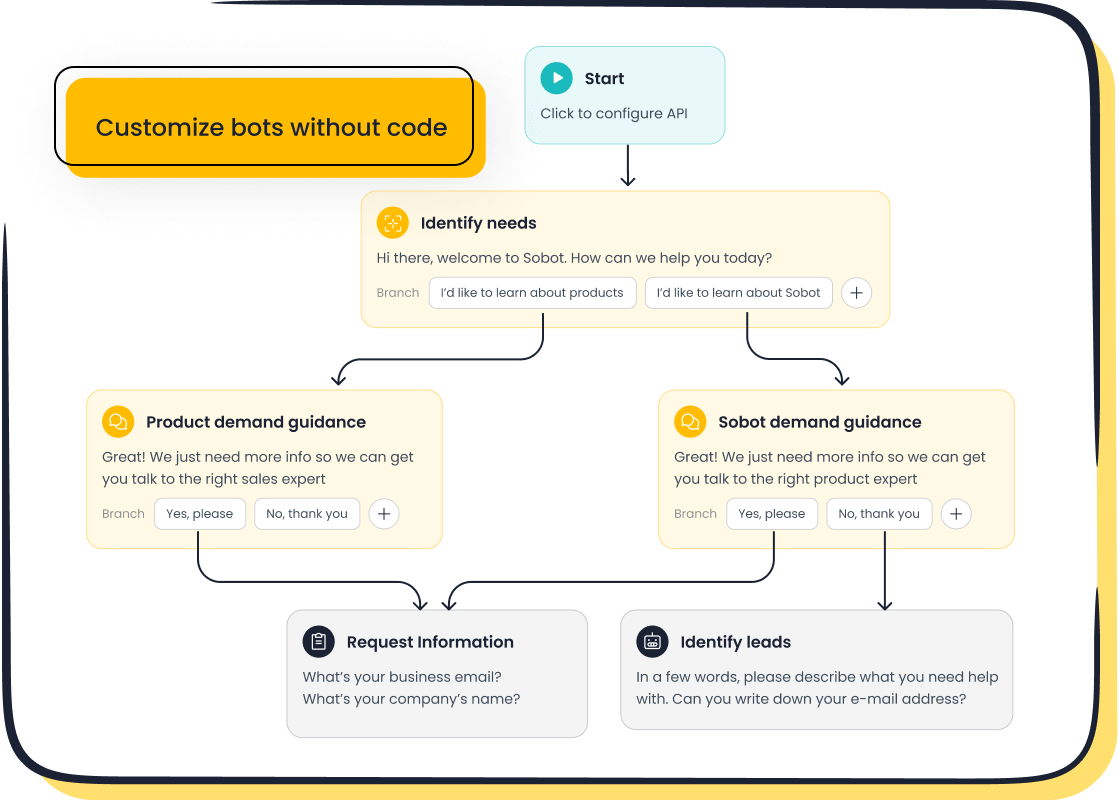
Designing effective conversational flows is essential for user engagement. Start by mapping out potential user interactions using decision trees. Anticipate common questions and navigation patterns to create smooth, logical workflows. For example, Sobot's chatbot uses AI to guide users toward their goals while providing instant, accurate responses. Regularly test and refine these flows based on user feedback to ensure continuous improvement and a seamless experience.
Integrating the chatbot with existing systems like CRM and ERP
Integration ensures your chatbot becomes a valuable part of your business process automation. Connect the chatbot to your CRM and ERP systems to provide a comprehensive view of customer interactions. For instance, Sobot's chatbot updates customer records and provides order history, enabling personalized service. Use secure APIs to facilitate data flow and conduct thorough testing to resolve any compatibility issues. This integration not only enhances workflow automation but also improves service delivery across your organization.
Test, Monitor, and Optimize
Conducting rigorous testing to ensure functionality
Testing ensures your chatbot operates seamlessly before deployment. A structured approach to testing identifies potential issues and enhances reliability. The following table outlines key testing types you should consider:
| Testing Type | Description |
|---|---|
| Unit Testing | Tests individual components to ensure they perform as expected in isolation. |
| Integration Testing | Assesses how well components work together, catching issues from interactions between parts. |
| End-to-End Testing (E2E) | Simulates real-world conditions to verify the system operates as intended. |
| User Acceptance Testing (UAT) | Validates functionality and usability with actual users to ensure acceptance by the target audience. |
For example, Sobot's chatbot undergoes rigorous end-to-end testing to ensure it integrates smoothly with CRM systems and delivers accurate responses. This process guarantees a reliable and efficient automation solution for your business.
Using analytics to refine and improve chatbot performance
Analytics play a crucial role in optimizing chatbot workflows. By monitoring key performance indicators like response times and resolution rates, you can measure effectiveness. Tracking user sentiment helps personalize interactions, while continuous feedback analysis enhances the chatbot’s natural language understanding. For instance, Sobot's AI-powered chatbot uses analytics to identify areas for improvement, ensuring consistent performance and customer satisfaction. Regularly reviewing these insights allows you to refine processes and achieve long-term success.
Train Teams for Seamless Adoption
Educating employees on managing and utilizing the chatbot
Proper training ensures your team can effectively manage and utilize the chatbot. The table below highlights effective training methods:
| Training Method | Description | Example |
|---|---|---|
| Supervised Learning | Uses labeled data to teach chatbots how to respond accurately. | A chatbot learns to respond to 'What’s my account balance?' with the correct account details. |
| Natural Language Processing | Enables chatbots to understand and respond to human language by breaking down user input. | Interpreting 'Can I return this item?' as a request to process a return. |
| User Feedback | Collects user feedback to identify gaps in chatbot responses and improve training. | Adjusting training based on user dissatisfaction with refund request handling. |
Sobot provides comprehensive resources to help your team master its chatbot platform. This includes tutorials, live demos, and ongoing support to ensure smooth adoption.
Encouraging collaboration for smooth implementation
Collaboration among teams fosters a cohesive environment for chatbot implementation. Chatbots can schedule meetings, set reminders, and fetch documents, streamlining workflows. For example, Sobot's chatbot supports onboarding processes by automating repetitive tasks, allowing employees to focus on strategic goals. This integration enhances team efficiency and ensures a seamless transition to automation.
Chatbot automation has revolutionized business processes by enhancing efficiency, reducing costs, and improving customer satisfaction. Tools like Sobot's chatbot empower businesses to automate repetitive tasks, deliver personalized AI-driven interactions, and maintain 24/7 availability. Companies such as Agilent have achieved remarkable results, including a sixfold increase in efficiency and a 25% cost reduction. By adopting chatbot automation, you can streamline operations, foster customer loyalty, and stay competitive in a rapidly evolving market. Now is the time to embrace this transformative technology and unlock its long-term benefits for your business.
FAQ
What is the main purpose of chatbot automation?
Chatbot automation streamlines repetitive tasks, enhances customer interactions, and improves operational efficiency. For example, Sobot's chatbot automates 30% of business processes, enabling you to save time and focus on strategic goals. It also provides 24/7 support, ensuring consistent service quality.
How does Sobot's chatbot improve productivity?
Sobot's chatbot boosts productivity by 70% through AI-powered automation. It handles routine inquiries, reduces manual workloads, and minimizes human error. Its multilingual support and seamless integration with CRM systems ensure smooth workflows, allowing your team to focus on high-value tasks.
Can chatbots handle complex customer queries?
AI-powered chatbots, like Sobot's, excel at managing complex queries. They use advanced natural language processing to understand intent and provide accurate responses. For intricate issues, they escalate cases to human agents, ensuring efficient problem resolution.
Is coding required to set up Sobot's chatbot?
No, Sobot's chatbot features a point-and-click interface, making it easy to design and deploy without coding expertise. This user-friendly setup allows you to create intuitive workflows and automate processes quickly.
How does chatbot automation reduce costs?
Chatbot automation lowers costs by handling routine tasks without additional staff. Sobot's chatbot saves up to 50% on operational expenses by providing 24/7 support and reducing dependency on large teams. This cost-effective solution ensures sustainable growth.
See Also
Simple Ways to Use Chatbots on Your Website
Building an Effective Chatbot for Your Website
Selecting the Right Chatbot Software for Your Needs

