How to Approach System Integration Effectively

System integration plays a vital role in ensuring effective operations and improving customer service. Businesses that integrate their systems experience significant benefits, such as up to a 30% increase in data accuracy and a 40% improvement in customer service, according to studies by the University of London and Boston Consulting Group. However, challenges like legacy systems and data compatibility often hinder progress.
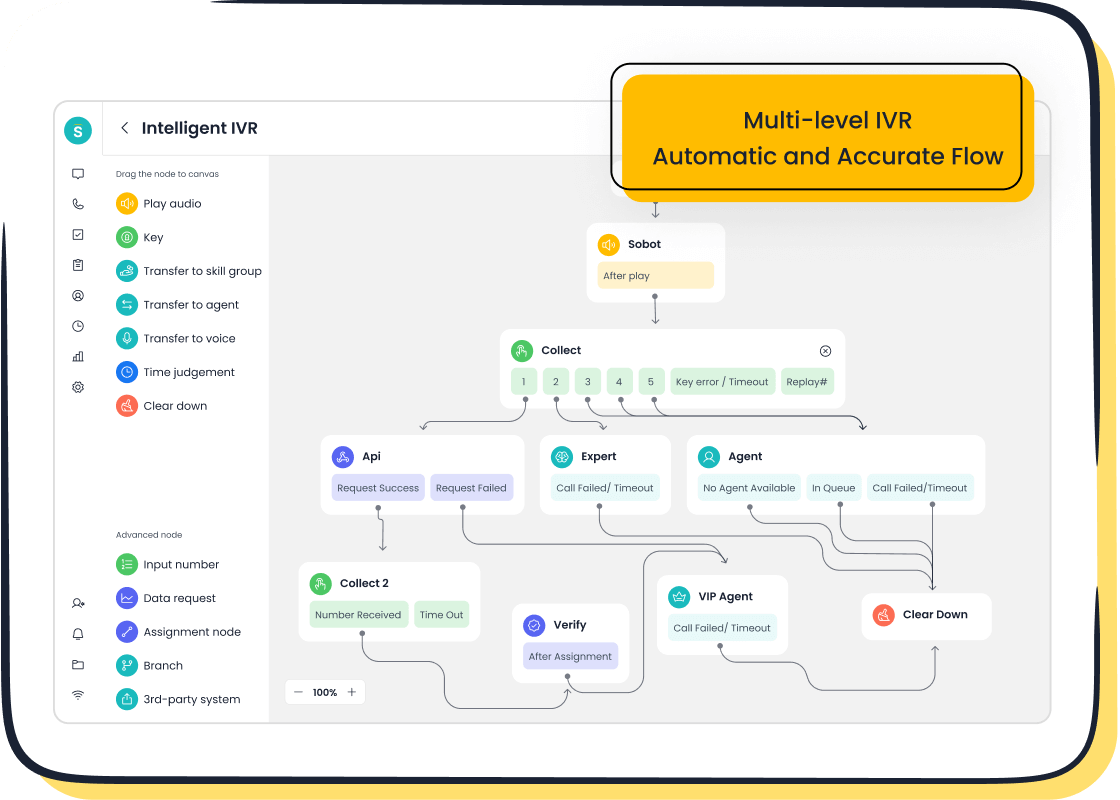
To overcome these obstacles, adopting a structured approach is essential. Sobot, a leader in integrated contact center solutions, simplifies integration with other systems through tools like its Voice/Call Center. This solution enhances communication and operational efficiency, making it a trusted choice for businesses worldwide.
Understanding System Integration and Its Importance
What Is System Integration?
Definition and significance of system integration in modern businesses.
System integration refers to the process of connecting different software applications, tools, and systems to function as a unified whole. This approach eliminates silos, enabling seamless data exchange and improved communication across departments. In today’s fast-paced business environment, system integration is essential for achieving operational efficiency and enhancing customer experiences.
Modern businesses rely on integration with other systems to streamline workflows and reduce errors. For instance, integrating a CRM with a call center platform ensures that customer data is readily available during interactions. This not only saves time but also improves service quality. Key components of system integration include:
- API management for smooth data exchange.
- Self-service options for user empowerment.
- Adapters or connectors to link disparate systems.
- B2B/EDI integration for external partnerships.
- Streaming integration for real-time data processing.
By leveraging these components, businesses can achieve a higher level of efficiency and adaptability.
Examples of integration with other systems in customer service environments.

Customer service environments benefit significantly from integration with other systems. For example, Sobot’s Voice/Call Center integrates seamlessly with CRM platforms, enabling agents to access customer histories instantly. This integration reduces average handling time and increases first-contact resolution rates. Another example is the use of APIs to connect live chat systems with ticketing tools, ensuring that customer inquiries are tracked and resolved efficiently. These integrations enhance communication and provide a consistent customer experience.
Why System Integration Matters
Enhancing customer experiences through seamless communication.
System integration plays a pivotal role in improving customer experiences. Unified systems enable seamless communication across multiple channels, ensuring that customers receive consistent and timely responses. For instance, integrating customer data from various sources allows businesses to understand preferences better and offer personalized solutions. Sobot’s Voice/Call Center exemplifies this by providing features like intelligent IVR and AI-powered voicebots, which streamline interactions and improve satisfaction levels.
Improving operational efficiency and reducing costs with integrated solutions like Sobot's Voice/Call Center.
Integrated systems drive operational efficiency by automating routine tasks and reducing manual errors. Businesses save time and resources, allowing employees to focus on strategic initiatives. For example:
- Automating data flows minimizes manual entry, boosting productivity.
- Seamless operations lead to faster response times and better order fulfillment.
- Integration of customer data enables informed decision-making and customization of services.
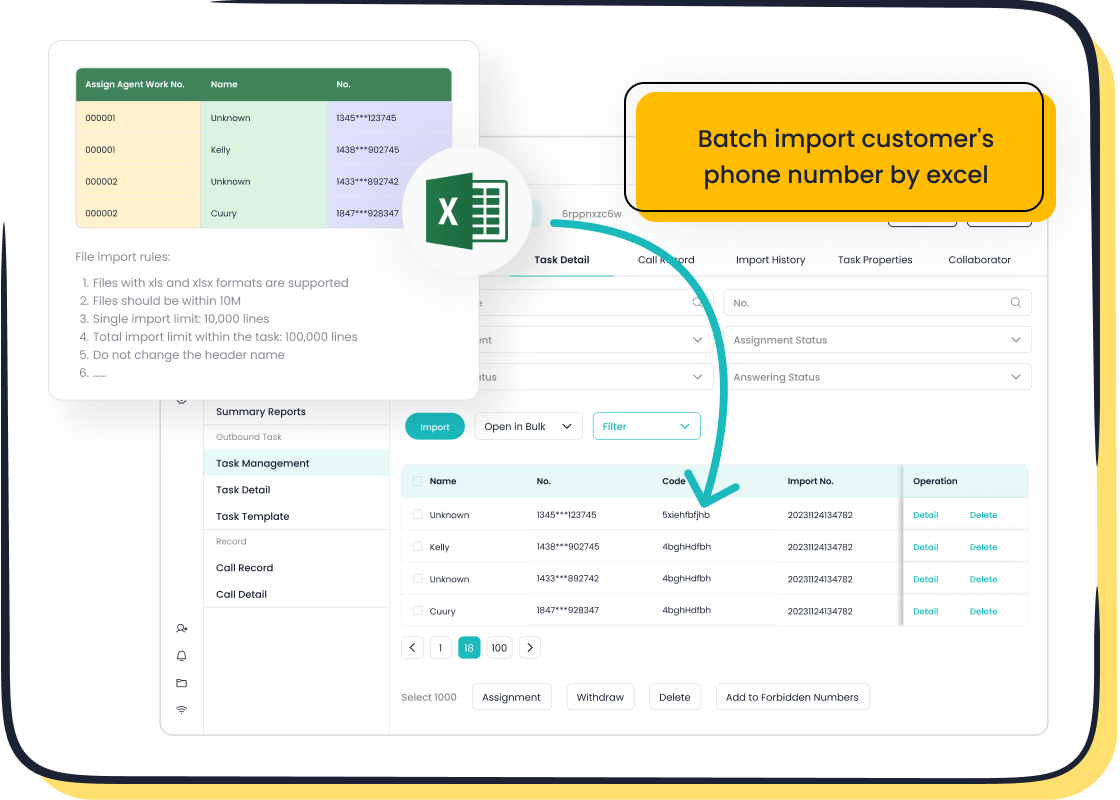
Sobot’s Voice/Call Center enhances efficiency with features like bulk outbound tasks and smart call routing. These tools optimize workflows, reduce costs, and improve overall performance. By adopting such integrated solutions, businesses can achieve operational excellence and long-term success.
Key Steps for Effective System Integration
Planning and Strategy
Identifying business objectives and integration goals.
The first step in system integration is defining your business objectives and integration goals. Clear objectives help you align the integration process with your company’s needs. For example, you might aim to improve customer service efficiency or reduce operational costs. Involving all relevant departments ensures that the integration strategy addresses diverse requirements. This collaborative approach lays the foundation for a successful integration.
Documenting the system integration strategy and landscape.

Documenting your integration strategy is essential for clarity and long-term success. Start by outlining your business goals and the reasons for integration. Include details about existing systems, teams, and processes that support these objectives. Highlight areas where integration can enhance performance. For instance, integrating Sobot’s Voice/Call Center with your CRM can streamline workflows and improve customer interactions. A well-documented strategy also demonstrates your long-term vision and ensures alignment with business objectives.
Analysis and Design
Evaluating existing systems and ensuring compatibility.
Before implementing any integration, evaluate your current systems. Identify compatibility issues and determine how they align with your integration goals. For example, legacy systems often pose challenges due to outdated technology. Tools like Sobot’s Voice/Call Center simplify this process by offering seamless integration with existing systems. This evaluation helps you address potential roadblocks and ensures a smooth integration process.
Designing scalable and flexible integration frameworks.
A scalable and flexible framework is crucial for managing system complexity. Design your integration strategy to accommodate future growth and technological advancements. Visual documentation, such as flowcharts, can help you map out processes clearly. For instance, integrating APIs for real-time data exchange ensures adaptability. Sobot’s solutions, with features like intelligent IVR and AI-powered voicebots, exemplify scalable integration frameworks that enhance efficiency and customer satisfaction.
Implementation and Testing
Executing the integration plan with minimal disruption.
Executing your integration plan requires careful coordination to minimize disruptions. Build connections between systems and automate processes where possible. For example, Sobot’s bulk outbound task feature automates call assignments, reducing manual effort. Addressing challenges like data compatibility and technical constraints ensures a seamless transition. A structured approach to managing resources and timelines is vital for success.
Conducting thorough testing to ensure system performance.
Testing is a critical step in the integration process. Evaluate metrics like test coverage and defect density to measure system performance. For instance, test automation can improve efficiency and scalability. Sobot’s solutions undergo rigorous testing to ensure reliability, with a system uptime of 99.99%. Thorough testing validates the integration’s effectiveness and ensures it meets user expectations.
Maintenance and Continuous Improvement
Establishing a post-integration support plan
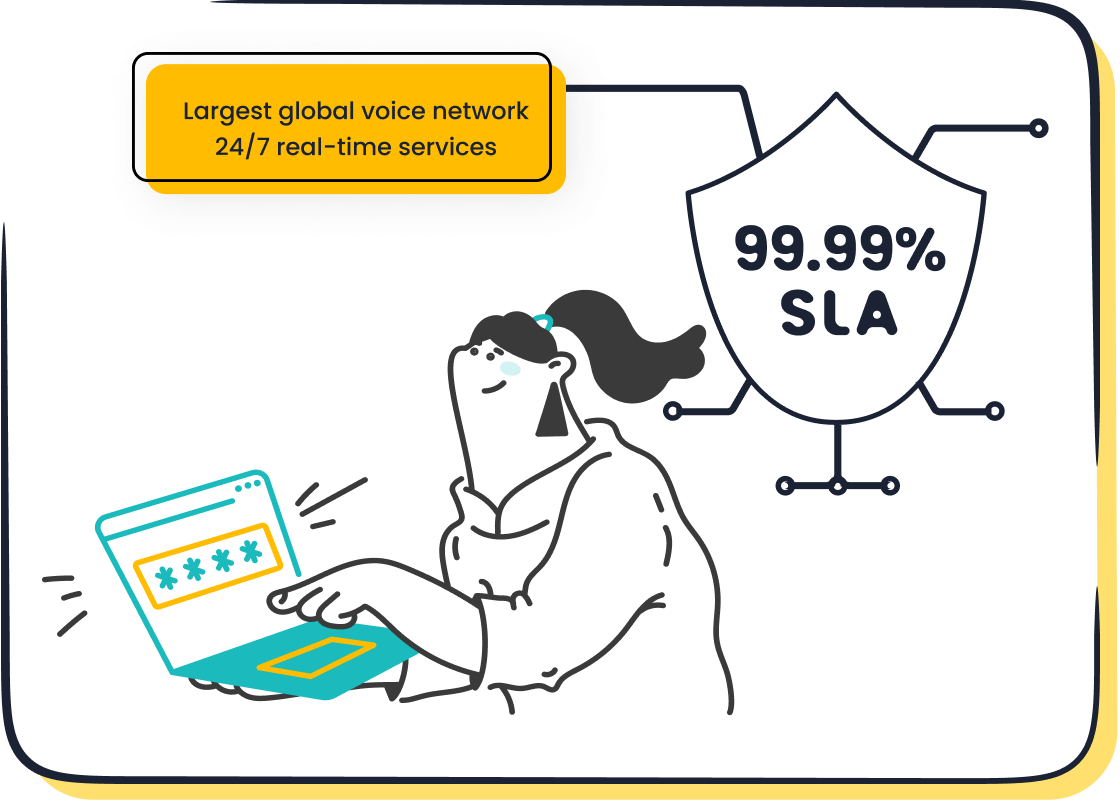
After completing system integration, you must establish a robust post-integration support plan. This plan ensures that your integrated systems continue to function smoothly. A well-structured support plan includes clear guidelines for troubleshooting, regular system monitoring, and a dedicated team to address issues promptly. For example, Sobot’s Voice/Call Center offers 24/7 availability and a 99.99% uptime, ensuring minimal disruptions.
You should also provide training for your employees. This helps them understand the new systems and use them effectively. For instance, offering workshops or online tutorials can improve their confidence and efficiency. A strong support plan not only resolves immediate issues but also builds a foundation for long-term success.
Regularly reviewing and updating integrated systems
Integrated systems require regular reviews and updates to maintain their efficiency. You should schedule periodic evaluations to identify areas for improvement. For example, analyzing call data from Sobot’s Voice/Call Center can reveal trends that help you optimize workflows. Regular updates ensure compatibility with new technologies and prevent potential security risks.
Ongoing support and maintenance play a critical role in keeping your systems up-to-date. This includes applying software patches, upgrading hardware, and refining processes based on user feedback. By doing so, you can adapt to changing business needs and maintain a competitive edge. Regular updates also enhance customer satisfaction by ensuring seamless operations.
Tip: Use performance metrics like system uptime and response times to measure the effectiveness of your ongoing support and maintenance efforts.
Overcoming System Integration Challenges
Addressing Compatibility Issues
Ensuring seamless integration with other systems using tools like Sobot's Voice/Call Center.
Compatibility issues often arise when integrating legacy systems with modern technologies. To overcome these challenges, you need tools that simplify the process. Sobot's Voice/Call Center offers seamless integration with existing systems, ensuring smooth data exchange and functionality. For example, its intelligent IVR and AI-powered voicebots adapt to your current infrastructure, reducing the need for extensive modifications. This approach minimizes disruptions and accelerates the integration process, allowing you to focus on delivering effective communication and customer satisfaction.
Leveraging middleware solutions to bridge gaps.
Middleware solutions play a crucial role in addressing compatibility challenges. They act as a bridge between diverse systems, enabling seamless connectivity and functionality. Middleware offers several benefits:
- It ensures smoother communication between legacy systems and modern technologies.
- It provides tailored solutions for effective data management and integration.
- It reduces the need for custom integrations, simplifying the management of diverse applications.
By leveraging middleware, you can create a unified platform that supports your integration goals and enhances operational efficiency.
Bridging Communication Gaps
Fostering collaboration between IT and business teams.
Effective communication between IT and business teams is essential for successful system integration. You can improve collaboration by focusing on team engagement and aligning integration efforts with long-term business goals. For instance, fostering a culture of continuous improvement ensures that integration solutions remain relevant and valuable. Encouraging open dialogue between teams helps address concerns and promotes a shared understanding of objectives, leading to smoother implementation.
Using Sobot's unified workspace to streamline communication.
A unified workspace simplifies communication during integration by centralizing tools and data. Sobot's Voice/Call Center provides features that enhance collaboration and streamline workflows. Key features include:
| Feature | Description |
|---|---|
| CRM integration | Enhances customer relationships and service efficiency. |
| Project tool integration | Facilitates collaboration among team members. |
| Automated attendants | Streamlines call management, reducing wait times and missed calls. |
| Video conferencing tools | Supports remote teamwork and enhances communication through real-time feedback. |
| Security measures | Ensures data protection and compliance, crucial for remote work environments. |
These features ensure that your teams stay connected and aligned, improving overall integration outcomes.
Managing Resource Constraints
Allocating time, budget, and personnel effectively.
Resource constraints can hinder system integration efforts. To allocate resources effectively, identify the requirements for each task and monitor usage throughout the project. For example, Sobot's bulk outbound task feature automates call assignments, saving time and reducing manual effort. You should also track project progress against resource usage and use predictive analytics for capacity planning. These strategies ensure that resources are used efficiently, keeping your integration on track.
Prioritizing tasks to align with business outcomes.
Prioritizing tasks helps you focus on activities that deliver the most value. Start by aligning tasks with your business objectives. For instance, if improving customer service is a priority, integrating Sobot's Voice/Call Center with your CRM should take precedence. This integration enhances customer interactions and reduces response times. By focusing on high-impact tasks, you can achieve your goals while managing resource constraints effectively.
Best Practices for Successful System Integration
Foster Collaboration Across Teams
Involving all stakeholders in the integration process.
Involving all stakeholders ensures that your system integration aligns with business objectives and meets the needs of every department. When you include stakeholders from IT, operations, and customer service, you foster collaboration and increase the likelihood of a successful integration. This approach also helps identify potential challenges early, allowing you to address them proactively.
- Fosters collaboration among stakeholders.
- Enhances project alignment with business objectives.
- Increases the likelihood of successful implementation.

For example, when integrating Sobot’s Voice/Call Center, involving customer service teams ensures the solution addresses their specific needs, such as reducing call handling times or improving customer satisfaction.
Encouraging open communication and feedback.
Open communication is critical for keeping everyone informed and engaged throughout the integration process. A well-defined communication plan prevents misunderstandings and ensures alignment with project goals. Studies show that ineffective communication contributes to project failure one-third of the time. By encouraging feedback, you can resolve issues before they escalate and maintain smooth progress.
- Ineffective communication contributes to project failure one-third of the time.
- Many conflicts and misunderstandings arise from miscommunication.
- Proper communication can prevent issues from escalating and ensure alignment with project objectives.
Additionally, tools like Sobot’s unified workspace streamline communication by centralizing data and workflows, making it easier for teams to collaborate effectively.
Use Reliable Integration Tools
Selecting tools that align with business needs, such as Sobot's Voice/Call Center.

Choosing the right tools is essential for successful integration. Look for solutions that handle diverse data formats, ensure data quality, and support scalability. For instance, Sobot’s Voice/Call Center offers seamless integration with CRM systems, enabling you to unify customer data and improve service efficiency.
| Criterion | Description |
|---|---|
| Data Sources and Formats | Handles structured, unstructured, and semi-structured data from various sources. |
| Data Quality and Governance | Ensures accuracy, completeness, and reliability with features like validation. |
| Data Transformation and Processing | Supports ETL/ELT methods and provides high performance for processing tasks. |
These features make Sobot’s tools user-friendly and adaptable to your business needs.
Ensuring tools are user-friendly and scalable.
User-friendly tools reduce the learning curve for your team, while scalability ensures the system can grow with your business. Sobot’s Voice/Call Center exemplifies this with its intuitive interface and robust features like intelligent IVR and AI-powered voicebots. These capabilities allow you to manage increasing customer demands without compromising efficiency.
Conduct Thorough Testing
Testing systems in real-world scenarios to identify issues.
Real-world testing helps you uncover potential issues that may not appear during simulated tests. For example, testing Sobot’s Voice/Call Center under various network conditions ensures reliable performance across different platforms. This approach also verifies that updates in one application don’t disrupt processes in others.
- Real-world performance insights help identify device-specific behaviors and performance issues.
- Compatibility verification ensures all application components interact correctly across platforms.
- Testing under various network conditions reveals issues related to connectivity and latency.
By conducting these tests, you can ensure a seamless user experience and reliable system performance.
Addressing problems promptly to avoid disruptions.
Promptly addressing issues identified during testing prevents disruptions and ensures a smooth integration process. For instance, if a compatibility issue arises, resolving it quickly minimizes downtime and maintains operational efficiency. Sobot’s solutions undergo rigorous testing to ensure reliability, with a system uptime of 99.99%, making them a dependable choice for businesses.
Tip: Regularly monitor system performance during and after testing to identify areas for improvement.
Focus on Customer-Centric Outcomes
Designing integrations to enhance customer satisfaction.
When designing integrations, always prioritize customer satisfaction. A well-integrated system ensures that your customers experience seamless interactions across all touchpoints. For example, integrating a CRM with a call center platform allows your agents to access customer histories instantly. This reduces response times and ensures personalized service. According to a study by Salesforce, 76% of customers expect consistent interactions across departments. Meeting this expectation builds trust and loyalty.
Sobot’s Voice/Call Center exemplifies customer-focused integration. Its intelligent IVR and AI-powered voicebots streamline communication, ensuring customers reach the right agent quickly. Features like smart call routing and real-time monitoring enhance the overall experience. By focusing on customer needs during system integration, you can create a smoother journey that leaves a lasting impression.
Using customer feedback to refine integration efforts.
Customer feedback is a powerful tool for refining your integration strategy. Listening to your customers helps you identify pain points and areas for improvement. For instance, if customers report long wait times, you can optimize call routing or add self-service options. A report by Microsoft found that 77% of customers view brands more favorably when they proactively seek feedback.
Sobot’s solutions make it easy to gather and act on feedback. For example, its unified workspace consolidates customer data, enabling you to analyze trends and adjust your processes. Agilent, a global leader in life sciences, used Sobot’s tools to improve service efficiency by six times while achieving a 95% satisfaction score. This demonstrates how feedback-driven refinements can lead to measurable success.
Tip: Regularly review customer feedback and use it to guide updates to your integrated systems. This ensures your solutions remain relevant and effective.
Tips for Long-Term Success After Integration
Continuous Improvement
Regularly monitoring and updating integrated systems.
To ensure your integrated systems remain efficient, you need to monitor and update them regularly. This involves tracking system performance, identifying bottlenecks, and applying necessary updates. For example, analyzing call data from Sobot’s Voice/Call Center can reveal trends that help you optimize workflows. Regular updates also ensure compatibility with emerging technologies and prevent security vulnerabilities. By staying proactive, you can maintain seamless communication and operational efficiency.
Staying informed about new technologies and trends.
Keeping up with technological advancements is essential for long-term success. Here are some trends you should monitor:
- IoT Integration: Enhances efficiency and opens new revenue streams.
- Cloud-Based Solutions: Improves scalability and project management.
- AI & Automation: Optimizes processes and reduces errors.
- Enhanced Cybersecurity: Protects sensitive data from breaches.
- Sustainability Initiatives: Attracts eco-conscious clients.
By adopting these innovations, you can future-proof your system integration and stay ahead of competitors.
Post-Integration Support
Providing training and resources for employees.
Your employees play a critical role in using integrated systems effectively. Providing training ensures they understand the new tools and processes. For instance, workshops or online tutorials can help them navigate features like Sobot’s intelligent IVR or AI-powered voicebots. Equipping your team with resources boosts their confidence and productivity, leading to better customer interactions.
Establishing a dedicated support team for ongoing maintenance.
A dedicated support team ensures your integrated systems run smoothly. This team handles troubleshooting, monitors system performance, and implements updates. For example, Sobot’s post-integration support includes 24/7 availability and a 99.99% uptime guarantee, minimizing disruptions. Having a reliable support structure in place allows you to focus on strategic goals without worrying about technical issues.
Measuring Success
Tracking KPIs to evaluate integration outcomes.
Measuring the success of your system integration requires tracking key performance indicators (KPIs). Some important KPIs include:
- Test coverage
- Defect resolution rate
- Customer satisfaction
For example, Sobot’s Voice/Call Center helps you monitor metrics like call handling time and first-contact resolution rates. These insights allow you to evaluate the effectiveness of your integration efforts and make data-driven decisions.
Using data insights to refine strategies and processes.
Data insights provide valuable information for refining your strategies. By analyzing performance metrics, you can identify areas for improvement. For instance, if customer satisfaction scores are low, you might adjust workflows or enhance training programs. Tools like Sobot’s unified workspace consolidate data, making it easier to spot trends and implement changes. Continuous refinement ensures your systems remain aligned with business objectives.
Tip: Regularly review your KPIs and adjust your strategies to maintain optimal performance.
A structured approach to system integration ensures your business achieves seamless operations and enhanced customer experiences. By following key steps like planning, testing, and continuous improvement, you can overcome challenges and unlock significant benefits. Integrated systems improve efficiency, reduce costs, and elevate customer satisfaction. For example, tools like Sobot's Voice/Call Center streamline communication and optimize workflows, making integration efforts more effective. Adopting best practices and leveraging reliable solutions positions your business for long-term success in a competitive market.
FAQ
What is the main benefit of system integration for businesses?
System integration improves efficiency by connecting tools and systems into a unified platform. For example, integrating Sobot’s Voice/Call Center with your CRM ensures seamless data sharing, reducing manual tasks. Studies show integrated systems can boost productivity by up to 40% and enhance customer satisfaction significantly.
How does Sobot simplify system integration?
Sobot offers tools like the Voice/Call Center, which integrates easily with existing systems. Features like intelligent IVR and AI-powered voicebots streamline workflows. With a 99.99% uptime and global network support, Sobot ensures reliable and efficient integration for businesses of all sizes.
Why is testing important during system integration?
Testing ensures your systems work together without issues. It identifies potential problems, such as compatibility errors, before they disrupt operations. For instance, Sobot’s solutions undergo rigorous testing to guarantee reliability, helping you maintain smooth communication and operational efficiency.
How can system integration improve customer service?
Integrated systems provide agents with instant access to customer data, enabling faster and more personalized responses. Sobot’s Voice/Call Center enhances this with features like smart call routing and real-time monitoring, which reduce wait times and improve first-contact resolution rates.
What industries benefit most from system integration?
Industries like retail, finance, and life sciences see significant benefits. For example, Agilent, a leader in life sciences, achieved a sixfold increase in efficiency by integrating Sobot’s omnichannel tools. This demonstrates how integration can transform operations across diverse sectors.
See Also
A Comprehensive Approach to Omnichannel Contact Center Solutions
Essential Principles for Quality Management in Call Centers
Effective Strategies for Managing Live Chat Support Agents
Navigating the Best Omnichannel Software for Call Centers
Setting Up Interactive Voice Response IVR Software Successfully

