Master How Do You Handle Irate Customer Scripts


Dealing with an angry customer can feel overwhelming, but scripts act as your safety net during these moments. They provide a clear roadmap to navigate tough conversations while keeping your responses professional and focused. Did you know 53% of customers expect businesses to address their negative feedback within a week? Scripts help you meet these expectations by offering structured responses that ensure consistency and accuracy.
You might wonder, “How do you handle irate customer interactions without escalating the situation?” The answer lies in combining scripts with empathy. By actively listening and using positive language, you can show customers you care while guiding the conversation toward a solution. Sobot’s customer service tools, like its Voice/Call Center, make it easier to implement scripts that balance professionalism and compassion, leading to smoother interactions and happier customers.
Key Principles for Dealing with Angry Customers

Stay Calm and Composed During Customer Service Scenarios
When you're dealing with angry customers, staying calm is your superpower. It’s easy to let emotions take over, but maintaining composure helps you stay in control of the conversation. Customers often mirror your tone, so a calm demeanor can naturally de-escalate tension.

Real-time de-escalation strategies are a game-changer here. For instance, tools like Sobot’s Voice/Call Center provide live prompts and scripts that guide you through tricky customer service scenarios. These tools help you focus on solutions rather than getting caught up in the heat of the moment.
Research also shows that emotional management is critical for customer service employees. Support from supervisors or AI-driven tools can reduce stress and improve your ability to handle challenging interactions. This not only enhances your emotional well-being but also boosts the quality of service you deliver.
Listen Actively and Empathetically to Irate Customers
Active listening is more than just hearing words; it’s about understanding the emotions behind them. When a customer feels heard, their frustration often decreases. Start by letting them vent without interruption. Then, paraphrase their concerns to show you’re paying attention.
Empathy is the secret ingredient here. A simple acknowledgment like, “I understand how frustrating this must be for you,” can go a long way. Companies like Zappos and Apple have mastered this art. Zappos once turned a routine return into a heartfelt moment by sending flowers and a sympathy card to a grieving customer. Apple’s “Feel, Felt, Found” approach validates emotions before diving into solutions, creating a more human connection.
Sobot’s AI solutions can assist by providing real-time empathy-driven communication prompts. These tools ensure you use positive language and maintain a professional tone, even in high-stress situations. This approach not only calms the customer but also builds trust and loyalty.
Avoid Escalating the Situation in Customer Interactions
The last thing you want is to pour fuel on the fire. Avoid using defensive language or interrupting the customer, as this can make them feel dismissed. Instead, focus on solutions. Offer specific steps you’ll take to resolve their issue and follow through promptly.
Industry benchmarks highlight the importance of staying calm, empathizing, and offering solutions. For example:
- Acknowledge the customer’s frustration to de-escalate.
- Provide clear resolutions to their concerns.
- Follow up to ensure satisfaction.

Sobot’s Voice/Call Center excels in this area by offering smart call routing and real-time assistance tools. These features help you address customer concerns efficiently, reducing the chances of escalation. By staying composed and solution-focused, you can turn a negative interaction into a positive experience.
Focus on Problem-Solving to Address Customer Concerns
When dealing with angry customers, focusing on solutions is your best strategy. Customers often feel frustrated because they believe their concerns aren’t being addressed. By shifting the conversation toward resolving their issues, you can turn a negative experience into a positive one.
Start by identifying the root cause of the problem. Ask open-ended questions like, “Can you tell me more about what happened?” This approach helps you gather all the details while showing the customer that you care. Once you understand the issue, outline the steps you’ll take to fix it. Be specific and transparent. For example, instead of saying, “We’ll look into it,” say, “I’ll escalate this to our technical team, and they’ll get back to you within 24 hours.”
Using tools like Sobot’s Voice/Call Center can make this process even smoother. Its smart call routing feature ensures that customers are connected to the right agent quickly, reducing frustration. Plus, the platform’s unified workspace lets you access all customer information in one place, so you can provide accurate and timely solutions.
Here’s a quick look at how problem-solving impacts customer service metrics:
| Metric | Description |
|---|---|
| Call Duration | Indicates the time spent on each interaction, helping evaluate service efficiency and customer needs. |
| Call Frequency | Shows how often customers reach out, revealing patterns in customer behavior and potential issues. |
| First Call Resolution Rate | Measures the percentage of inquiries resolved on the first contact, directly correlating to customer satisfaction. |
These metrics highlight why problem-solving is so important. A high first call resolution rate, for instance, shows that you’re addressing concerns effectively, which boosts customer satisfaction.
Another tip? Always follow up. After resolving the issue, check in with the customer to ensure they’re satisfied. This small gesture can leave a lasting impression and build trust.
Sobot’s AI solutions can also help you stay proactive. They analyze customer interactions to identify recurring issues, allowing you to address them before they escalate. By combining empathy with a solution-focused approach, you can create a better experience for both your customers and your team.
Benefits of Using Scripts in Customer Service Scenarios
Consistency in Communication Across Channels
Scripts are your secret weapon for delivering consistent service across all customer touchpoints. Whether a customer reaches out via phone, email, or live chat, scripts ensure your team speaks with one voice. This consistency builds trust and reassures customers that they’ll receive the same level of care, no matter the channel.
Imagine you’re dealing with an angry customer who’s frustrated about a delayed delivery. A well-crafted script can guide you to apologize sincerely, acknowledge their frustration, and offer a clear solution. This approach not only calms the customer but also ensures your response aligns with your company’s standards.
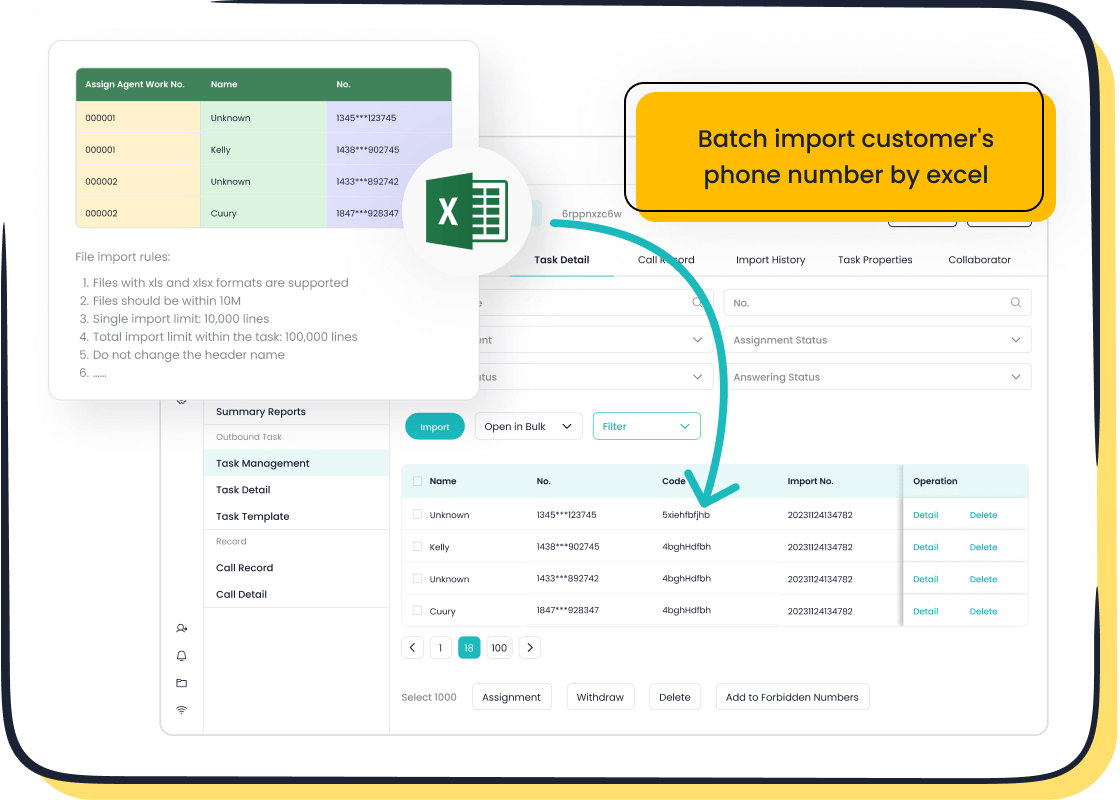
Scripts also help agents follow the correct protocols, like collecting necessary data or escalating issues when needed. With tools like Sobot’s Voice/Call Center, you can integrate scripts seamlessly into your workflow. Features like smart call routing and a unified workspace make it easier to maintain consistency, even in tricky customer service scenarios.
Reducing Stress for Agents in Dealing with Angry Customers
Dealing with angry customers can be stressful, but scripts act as a safety net for your team. They provide a clear roadmap, so agents don’t have to think on their feet during high-pressure situations. This reduces anxiety and boosts confidence, allowing agents to focus on resolving the issue.
Training agents to use scripts effectively can make a huge difference. For example:
- Positive language reframes objections, making interactions smoother.
- Real-life examples during training help agents understand how to apply scripts naturally.
- Continuous feedback ensures agents improve over time.
Sobot’s AI-powered solutions take this a step further by offering real-time prompts and empathy-driven suggestions. These tools help agents stay composed and professional, even when emotions run high. The result? Happier agents and more satisfied customers.
Ensuring Professionalism in Challenging Situations
Professionalism is key in customer service, especially when emotions are running high. Scripts provide a structured approach, ensuring agents remain calm and composed. They also help maintain compliance with industry regulations, which is crucial for many businesses.
For instance, scripts can guide agents on how to handle sensitive issues, like billing disputes or product defects, without escalating the situation. By following a script, you can navigate these tricky customer service scenarios confidently and professionally.
Performance metrics often improve when scripts are used effectively. Higher first-call resolution rates and shorter call durations are just a few examples. Sobot’s Voice/Call Center enhances this by providing tools like call tracking and real-time monitoring. These features ensure your team delivers top-notch service while staying compliant and professional.
Building Customer Trust and Loyalty Through Structured Responses
Structured responses are more than just a tool—they’re a bridge to building trust and loyalty with your customers. When you respond consistently and thoughtfully, customers feel valued and understood. This connection fosters long-term relationships that benefit both sides.
Why does this work? It’s simple. Customers trust businesses that address their needs clearly and honestly. Here are a few ways structured responses help:
- They show you understand and care about customer concerns.
- Transparency in your communication builds trust.
- Consistent quality in responses reassures customers they made the right choice.
- Personalized service makes customers feel special and appreciated.
Imagine a customer upset about a billing error. A structured response might start with an acknowledgment of their frustration, followed by a clear explanation of the issue and steps to resolve it. This approach not only solves the problem but also leaves the customer feeling heard and respected.
Sobot’s Voice/Call Center makes this process even smoother. Its unified workspace ensures agents have all the information they need to craft accurate and empathetic responses. Features like call tracking and AI-powered prompts guide agents in real-time, helping them maintain professionalism while personalizing interactions.
Being upfront about mistakes also strengthens loyalty. Customers appreciate honesty, especially when paired with a genuine effort to make things right. For example, if a delivery is delayed, a structured response that explains the reason and offers a solution—like expedited shipping—can turn frustration into gratitude.
In today’s digital age, humanized service stands out. Structured responses, combined with tools like Sobot’s AI solutions, ensure your customers feel valued and heard. This builds trust, loyalty, and a reputation for exceptional service.
💡 Tip: Consistency is key. Whether you’re handling complaints or answering questions, structured responses create a reliable experience that customers can count on.
Step-by-Step Guide to Creating and Using Scripts
Identify Common Scenarios in How Do You Handle Irate Customer Interactions
Creating effective customer service scripts starts with identifying the most frequent situations your team encounters. Think about the common reasons customers reach out when they're upset. For example, billing issues, product defects, or unmet expectations often top the list. A customer might call because they received an incorrect bill. In this case, your script could guide the agent to acknowledge the error and assure the customer it will be corrected promptly.
Another scenario could involve a faulty product. Here, the script might include steps for offering a replacement or refund. These predefined responses ensure your team handles such situations consistently and professionally.
To make your scripts even more effective, consider these tips:
- Let customers vent their frustrations before responding.
- Avoid placing them on hold unnecessarily.
- Stay calm and composed, even when emotions run high.
Sobot’s Voice/Call Center can help you identify these scenarios by analyzing call data and tracking recurring issues. Its smart call routing ensures customers are connected to the right agent, reducing frustration and improving resolution rates.
Craft Empathetic and Solution-Oriented Responses
Once you’ve identified the common scenarios, the next step is crafting responses that combine empathy with actionable solutions. Customers want to feel heard and valued, so your scripts should reflect genuine understanding. For instance, instead of saying, “We’ll look into it,” try, “I understand how frustrating this must be. I’ll escalate this to our technical team, and they’ll get back to you within 24 hours.”
Empathy-first scripting can transform customer interactions. Here’s how you can make it work:
- Train your team to use authentic empathy statements like, “I can see why this would be upsetting.”
- Include pauses in your scripts to allow customers to express their emotions fully.
- Develop specific language for common pain points, such as delayed deliveries or billing errors.
A study shows that customers expect quick and helpful responses, and using positive scripting improves their overall experience. Sobot’s AI solutions can assist by providing real-time prompts that guide agents toward empathetic and solution-oriented communication. This approach not only resolves issues but also builds trust and loyalty.
| Actionable Tips for Empathy-First Scripting | Description |
|---|---|
| Train agents in genuine empathy | Role-playing and feedback sessions help develop authentic empathy. |
| Create a library of empathy statements | Ensures agents have varied responses to avoid repetitive language. |
| Incorporate pauses after customer frustration | Validates emotions and allows agents to formulate appropriate responses. |
Test and Refine Scripts for Effectiveness in Real-Time
Even the best scripts need regular testing and refinement to stay effective. Start by analyzing call recordings to identify where agents deviate from the script. Compare these recordings with your established scripts to highlight inconsistencies. This process helps you spot recurring issues and adjust your scripts accordingly.
Script compliance audits are another valuable tool. They ensure agents follow the scripts while maintaining a natural tone. These audits also reveal training gaps, allowing you to tailor interventions that improve performance. Regular updates to your scripts prevent confusion caused by outdated information and keep your team prepared for new challenges.
Sobot’s Voice/Call Center simplifies this process with features like call tracking and real-time monitoring. These tools let you evaluate script performance and make data-driven improvements. By continuously refining your scripts, you can enhance customer satisfaction and ensure your team delivers top-notch service every time.
💡 Tip: Flexibility is key. While scripts provide structure, encourage your team to adapt them based on the customer’s tone and context. This balance between structure and personalization creates a better experience for everyone involved.
Train Teams Using Sobot’s Voice/Call Center for Script Implementation
Training your team to use scripts effectively is the cornerstone of delivering exceptional customer service. It’s not just about handing them a script—it’s about empowering them to use it naturally and confidently. This is where Sobot’s Voice/Call Center becomes your ultimate training partner.
Why Training Matters
Imagine this: A customer calls in, frustrated about a billing error. The agent, unsure of how to respond, stumbles through the conversation. The result? A dissatisfied customer and a stressed-out agent. Proper training prevents this. It equips your team with the skills to handle irate customers while maintaining professionalism and empathy.
According to a study by Salesforce, 89% of customers are more likely to make another purchase after a positive customer service experience. Training ensures your team can deliver those experiences consistently.
How Sobot’s Voice/Call Center Enhances Training
Sobot’s Voice/Call Center offers tools that make training seamless and effective. Here’s how:
- Call Recording and Playback: You can record customer interactions and use them as real-world examples during training sessions. This helps agents understand what works and what doesn’t.
- AI-Powered Prompts: Real-time suggestions guide agents during live calls, ensuring they stay on track with the script while adapting to the customer’s tone.

- Unified Workspace: Agents can access all customer information in one place, making it easier to personalize their responses.
💡 Pro Tip: Use Sobot’s call tracking feature to identify common pain points in customer interactions. This data can shape your training sessions, making them more targeted and effective.
Steps to Train Your Team
- Start with the Basics: Introduce your team to the scripts and explain their purpose. Highlight how they can make interactions smoother and less stressful.
- Role-Playing Exercises: Practice makes perfect. Use role-playing scenarios to help agents get comfortable with the scripts. For example, simulate a call where a customer is upset about a delayed delivery.
- Leverage Sobot’s Tools: Use the Voice/Call Center’s features like real-time monitoring to provide immediate feedback during training.
- Encourage Adaptability: Teach your team to use scripts as a guide, not a rulebook. Encourage them to personalize responses based on the customer’s tone and context.
- Continuous Improvement: Regularly update your scripts based on feedback and data from Sobot’s analytics tools. This keeps your team prepared for new challenges.
Real-World Example
Let’s say your team frequently handles complaints about delayed deliveries. With Sobot’s Voice/Call Center, you can create a script that includes empathetic statements and clear solutions. During training, you can use call recordings to show how successful agents handled similar situations. This approach not only builds confidence but also ensures consistency across your team.
The Impact of Effective Training
When your team is well-trained, everyone wins. Customers feel valued and understood, leading to higher satisfaction rates. Agents feel more confident and less stressed, which boosts morale and reduces turnover. And for your business? Better reviews, increased loyalty, and a stronger reputation.
Sobot’s Voice/Call Center makes this process easier than ever. Its intuitive features and AI-driven insights ensure your team is always prepared to handle even the toughest customer interactions.
🚀 Ready to transform your customer service? Start training your team with Sobot’s Voice/Call Center today and see the difference it makes.
Examples of Effective Scripts for Customer Service Scenarios

Handling Complaints About Product Quality
When customers complain about product quality, they’re often frustrated and seeking immediate reassurance. A well-crafted script can help you address their concerns while maintaining professionalism. Start by acknowledging the issue and expressing empathy. For example:
“I’m so sorry to hear about your experience with our product. I understand how disappointing this must be.”
Next, gather details about the problem. Ask questions like, “Can you describe the issue you’re experiencing?” This shows you’re taking their concerns seriously. Once you’ve identified the problem, offer a solution. For instance:
“We’d like to make this right. I can arrange for a replacement to be shipped to you immediately, or we can issue a full refund—whichever you prefer.”
Companies like Johnson & Johnson have demonstrated the power of proactive communication in similar situations. During the Tylenol crisis, they prioritized customer safety and transparency, which helped rebuild trust. Similarly, Domino’s Pizza improved its product quality by listening to customer feedback and openly addressing concerns.

Using tools like Sobot’s Voice/Call Center can streamline this process. Its unified workspace allows agents to access customer history instantly, ensuring faster resolutions. This approach not only resolves the issue but also strengthens customer trust.
Addressing Delayed Deliveries Using Sobot’s Voice/Call Center
Delayed deliveries are a common frustration in customer service scenarios. A structured response can turn this negative experience into a positive one. Start by apologizing sincerely:
“I’m really sorry for the delay in your delivery. I understand how inconvenient this must be.”
Then, provide a clear explanation and solution. For example:
“The delay was due to unforeseen shipping issues. Your package is now scheduled to arrive by [specific date]. To make up for the inconvenience, we’d like to offer you a discount on your next purchase.”
Sobot’s Voice/Call Center makes handling these situations easier. Its smart call routing ensures customers reach the right agent quickly, reducing wait times. Additionally, the platform’s real-time monitoring helps agents stay informed about delivery updates, enabling them to provide accurate information.
Monitoring metrics like Average Handle Time (AHT) and First Contact Resolution Rate (FCR) can also improve efficiency. For instance:
| Metric | Description | Importance |
|---|---|---|
| Average Handle Time (AHT) | Measures the total time taken to complete a customer interaction. | Key for assessing efficiency and identifying bottlenecks. |
| First Contact Resolution Rate (FCR) | Percentage of issues resolved on the first contact with the customer. | Critical for improving customer experience and reducing repeat calls. |
By combining empathy with actionable solutions, you can turn delayed deliveries into opportunities to build loyalty.
Responding to Billing Disputes with Empathy
Billing disputes can be sensitive, but empathy can make all the difference. Begin by actively listening to the customer’s concerns. Let them explain the issue fully before responding. Then, acknowledge their frustration:
“I completely understand how upsetting this must be. Let me look into this for you right away.”
Provide a clear explanation of the billing error and outline the steps you’ll take to resolve it. For example:
“It seems there was an error in processing your payment. I’ve corrected it, and you’ll see the adjustment on your next statement. I’ll also send you a confirmation email for your records.”
Empathy fosters emotional connections, which are crucial in resolving disputes. Studies show that empathetic responses can turn negative experiences into positive ones, increasing customer loyalty. Sobot’s AI-powered tools enhance this process by offering real-time prompts that guide agents toward empathetic communication. This ensures customers feel valued and understood, even in challenging situations.
💡 Tip: Always follow up after resolving a billing dispute. A quick call or email to confirm the resolution can leave a lasting positive impression.
Managing Miscommunication or Errors in Customer Interactions
Miscommunication happens, even with the best intentions. A customer might misunderstand your explanation, or an agent could miss a critical detail. These small errors can snowball into bigger frustrations if not handled properly. That’s why addressing miscommunication quickly and effectively is so important.
Start by clarifying the issue. Ask open-ended questions like, “Can you walk me through what happened?” This approach helps you uncover the root cause while showing the customer you’re genuinely interested in resolving their concern. Once you’ve identified the problem, acknowledge any mistakes and take responsibility. For example, you could say, “I see where the confusion happened, and I apologize for the oversight.”
Structured scripts for different situations can help prevent these errors in the first place. They ensure agents cover all essential points, like explaining policies or confirming details. Without a script, an agent might forget to mention a special offer or fail to clarify next steps. Scripts act as a safety net, keeping communication clear and consistent.
Sobot’s Voice/Call Center takes this a step further with AI-driven tools. These tools analyze real-time interactions to spot phrases or behaviors that deviate from the script. This allows you to coach agents more effectively, improving both their performance and customer satisfaction. Automating adherence tracking also ensures agents follow protocols, reducing errors and enhancing service reliability.
Here’s a quick example: Imagine a customer calls about a billing error. With Sobot’s unified workspace, the agent can instantly access the customer’s history, clarify the misunderstanding, and offer a solution—all while staying on script. This not only resolves the issue but also rebuilds trust.
Remember, clear communication builds stronger relationships. By combining empathy with structured responses, you can turn miscommunication into an opportunity to impress your customers.
💡 Tip: Always confirm details at the end of the conversation to ensure everyone is on the same page.
Tips for Adapting Scripts in Real-Time
Personalize Responses Based on Customer Tone and Context
Every customer interaction is unique, and adapting your responses based on tone and context can make a huge difference. Imagine an angry customer calling about a delayed delivery. If their tone is frustrated, a generic response might escalate the situation. Instead, you could say, “I completely understand how frustrating this delay must be. Let me check the status for you right away.” This approach shows you’re listening and care about their concerns.
Emotion detection tools, like those integrated into Sobot’s Voice/Call Center, analyze customer tone in real-time. These tools help you adjust your responses to match the caller’s emotional state. For example, if a customer sounds upset, you can use empathy-driven language to calm them down. This not only resolves issues faster but also builds trust.
Studies show that personalized responses improve satisfaction and loyalty. Customers feel valued when you tailor your communication to their needs. By identifying common pain points through tone analysis, you can also refine your scripts for different situations, making them more effective over time.
Use Empathy to Connect with the Customer During Calls
Empathy is your secret weapon in tricky customer service scenarios. When a customer feels heard, their frustration often decreases. Start by acknowledging their emotions. For instance, if someone calls about a billing error, you could say, “I understand how upsetting this must be. Let me fix this for you right away.”
Using positive language helps you connect on a human level. Instead of saying, “That’s not possible,” try, “Here’s what I can do to help.” This small shift can turn a negative experience into a positive one. Sobot’s AI-powered tools provide real-time prompts to guide you in using empathetic and solution-focused language.
Research highlights how empathy-driven communication fosters loyalty. Customers are more likely to return when they feel valued. By combining empathy with actionable solutions, you can transform even the most challenging interactions into opportunities to impress.
Stay Flexible While Following the Script Framework
Scripts are essential, but flexibility is key to making them work. Sticking rigidly to a script can frustrate customers, especially if their issue doesn’t fit the predefined responses. Instead, think of scripts as a guide. Adapt them based on the customer’s tone and the context of the call.
For example, if a customer calls about a product defect, your script might suggest offering a replacement. But what if they prefer a refund? In this case, flexibility allows you to meet their needs without escalating the issue. Sobot’s Voice/Call Center supports this adaptability with features like real-time monitoring and AI-driven insights. These tools help you identify when to deviate from the script to provide a better solution.
Evaluating script compliance also helps you spot gaps in your approach. By analyzing actual conversations, you can refine your scripts to address unique customer needs more effectively. This balance between structure and personalization ensures smoother interactions and happier customers.
Know When to Escalate the Issue Using Sobot’s AI Solutions
Sometimes, no matter how empathetic or solution-focused you are, a customer’s issue might require escalation. Knowing when to escalate is crucial for resolving problems effectively and maintaining customer trust. But how do you decide when it’s time to pass the baton?
Signs That Escalation Is Necessary
- Complex Issues Beyond Your Scope: If the problem involves technical errors or policy disputes, it’s better to involve a specialist.
- Repeated Customer Complaints: When a customer contacts you multiple times about the same issue, it signals the need for higher-level intervention.
- Escalation Requests: If a customer explicitly asks to speak with a supervisor, honor their request promptly.
Sobot’s AI solutions make escalation seamless. For example, its Voice/Call Center uses smart call routing to connect customers to the right team instantly. This reduces frustration and ensures faster resolutions.
How Sobot’s AI Tools Simplify Escalation
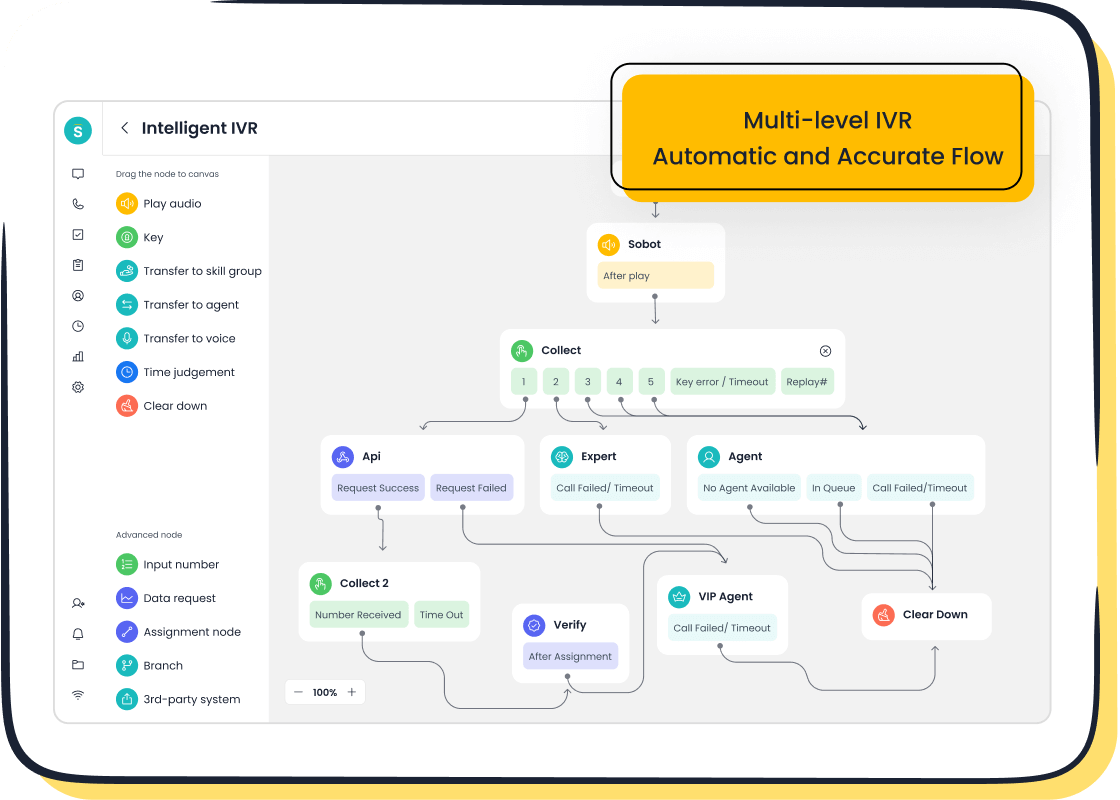
Sobot’s AI-powered Voicebot analyzes customer interactions in real-time. It identifies when an issue requires escalation based on keywords, tone, and context. For instance, if a customer repeatedly mentions “refund” or “manager,” the system flags the conversation for escalation.
The platform also provides agents with actionable insights. You’ll know exactly what steps to take before escalating, saving time and improving efficiency. Plus, Sobot’s unified workspace ensures all customer data is accessible, so the next agent can pick up where you left off without missing a beat.
💡 Tip: Use Sobot’s AI tools to track escalation trends. This helps you identify recurring issues and refine your processes to prevent future escalations.
Real-World Example
Imagine a customer calls about a billing error that persists despite multiple attempts to resolve it. With Sobot’s Voice/Call Center, you can escalate the issue to a billing specialist immediately. The AI tools ensure the specialist has all the necessary information, speeding up resolution and leaving the customer satisfied.
Knowing when to escalate isn’t just about solving problems—it’s about showing customers you care. With Sobot’s AI solutions, you can handle escalations efficiently while maintaining professionalism and trust.
Handling irate customers becomes much easier when you rely on structured scripts. They reduce ambiguity, ensure consistent communication, and help your team stay professional under pressure. For example, scripts act as a style guide for tone and language, making customer service interactions smoother and more unified.
| Benefit Description | Outcome |
|---|---|
| Scripts define how conversations unfold, reducing frustration. | Smoother interactions and happier customers. |
| They allow instant responses to recurring issues. | Faster resolutions and improved efficiency. |
| Regular refinement aligns service with customer expectations. | Higher satisfaction and loyalty over time. |
By integrating Sobot’s Voice/Call Center into your strategy, you can implement these scripts seamlessly. Its AI-powered tools and unified workspace ensure your team delivers exceptional service every time.
💡 Tip: Start refining your scripts today to create a more consistent and empathetic customer experience.
FAQ
What are the benefits of using scripts for handling irate customers?
Scripts help you stay calm and professional during tough conversations. They ensure consistent communication, reduce agent stress, and improve customer satisfaction. With tools like Sobot’s Voice/Call Center, you can integrate scripts seamlessly, making it easier to resolve issues quickly and build trust with your customers.
How can Sobot’s Voice/Call Center improve script implementation?
Sobot’s Voice/Call Center offers features like real-time prompts, call tracking, and a unified workspace. These tools guide you through conversations, ensuring you follow scripts effectively. They also help you personalize responses based on customer tone, making interactions smoother and more empathetic.
Can scripts be adapted for different customer service scenarios?
Absolutely! Scripts act as a framework, not a rigid rulebook. You can adapt them based on the customer’s tone and context. Sobot’s AI-powered tools analyze interactions in real-time, helping you adjust your approach while staying aligned with the script’s structure.
How do scripts help reduce agent stress?
Scripts provide a clear roadmap for handling challenging situations, so agents don’t have to think on their feet. Sobot’s Voice/Call Center enhances this by offering real-time suggestions and empathy-driven prompts, making it easier for agents to stay composed and confident.
Why is empathy important when using scripts?
Empathy shows customers you care, which helps de-escalate tension. Scripts with empathetic language create a human connection. For example, Sobot’s AI solutions provide real-time prompts to guide agents in using empathy effectively, ensuring customers feel valued and understood.
💡 Tip: Combine empathy with actionable solutions to turn negative interactions into positive experiences.
See Also
Excelling in Live Chat for Customer Assistance
Excelling at Live Chat Within Retail Sectors
Top Strategies for Quality Management in Call Centers
AI-Powered Customer Service Agents Transform Support Experience