How to Handle Angry Customers Without Losing Your Composure


Dealing with an angry customer can feel overwhelming. But how can you handle irate customer interactions without losing your cool? The key lies in staying calm and composed. When you master this skill, you not only resolve conflicts faster but also leave a lasting positive impression. Tools like Sobot make this process smoother by enhancing communication.
Understanding Customer Anger
Common Triggers of Customer Frustration
When customers get frustrated, it’s often because their expectations aren’t met. Maybe they’ve been waiting too long for help, or the solution they received didn’t work. Research shows that three major triggers in the service industry are a lack of effectiveness (27%), speed (12%), and accuracy (10%).
| Trigger | Percentage of Respondents |
|---|---|
| Lack of effectiveness | 27% |
| Lack of speed | 12% |
| Lack of accuracy | 10% |
These numbers highlight how important it is to address customer concerns quickly and correctly. When you understand these triggers, you can better prepare to handle complaints before they escalate.
The Psychology Behind Customer Anger
Anger often stems from a feeling of being disrespected or ignored. When customers feel unheard, their emotions can spiral. Studies reveal that verbal abuse or unreasonable demands from customers can lead to emotional distress for employees. This creates a cycle where both sides feel frustrated. By recognizing this, you can focus on breaking the cycle. A calm and respectful response can shift the tone of the conversation, helping both you and the customer feel more in control.
Empathy as a Tool for Handling Difficult Customers
Empathy is your secret weapon when dealing with upset customers. It’s not just about saying, “I understand.” It’s about showing you care. Research shows that empathy training boosts confidence in handling tough situations. Employees who practice empathy report fewer complaints and better outcomes. When you listen actively and acknowledge the customer’s feelings, you build trust. This approach not only calms the customer but also makes you feel more confident in resolving the issue.
Key Strategies for Staying Calm and Composed
Mindfulness Techniques for Stressful Interactions
When customer interactions become stressful, mindfulness can help you stay grounded. Mindfulness is about focusing on the present moment without judgment. It’s not just a buzzword—it’s a proven way to reduce stress and improve your ability to respond calmly.
Mindfulness-based interventions (MBIs) have shown moderate success in lowering stress levels. For example:
- Medical students who practiced mindfulness reported fewer symptoms of anxiety and depression after just eight weeks.
- Therapist trainees experienced less stress and negative emotions after similar training.
- Mindfulness programs reduced mood disturbances like fatigue and anxiety in healthcare professionals.
You don’t need hours of meditation to see results. Simple practices like pausing to notice your breath or observing your surroundings can make a big difference. These techniques help you focus on the customer’s needs instead of your own stress, allowing you to show genuine empathy and build trust during challenging moments.
Emotional Regulation to Stay Calm Under Pressure
Emotional regulation is your ability to manage your feelings, especially in high-pressure situations. It’s a skill that can transform how you handle angry customers. Instead of reacting impulsively, you learn to respond thoughtfully.
Research shows that strategies like reappraisal and acceptance are highly effective in reducing negative emotions during stressful interactions. These techniques help you shift your perspective and accept situations as they are, rather than letting frustration take over. Emotional regulation training has also been shown to reduce burnout among professionals, making it a valuable tool for customer service teams.
When you regulate your emotions, you create space for empathy. You can listen actively and respond with calm, effective communication strategies. This approach not only helps you stay composed but also reassures the customer that their concerns are being taken seriously.
The Role of Breathing Exercises in Maintaining Composure
Breathing exercises are a simple yet powerful way to stay calm during heated customer interactions. When stress levels rise, your heart rate and blood pressure often follow. Controlled breathing can reverse these effects, helping you regain composure quickly.
Research highlights the benefits of structured breathing exercises. Daily breathwork practices have been shown to improve mood and reduce anxiety more effectively than mindfulness meditation. Slow breathing techniques also positively impact heart rate and blood pressure, making them ideal for managing stress in customer service environments.
Try this: Take a deep breath in for four counts, hold it for four counts, and exhale for four counts. Repeat this cycle a few times. This method lowers physiological arousal and helps you focus on the customer’s concerns with genuine empathy. It’s a simple tool that can make a big difference in how you handle tough situations.
Effective De-escalation Techniques

Using Positive Language to Diffuse Tension
When emotions run high, the words you choose can either calm the storm or fuel the fire. Positive language plays a crucial role in de-escalating tense situations. It’s not just about avoiding negative words—it’s about framing your responses in a way that shows understanding and respect. For example, instead of saying, “You’re wrong,” you could say, “I see where you’re coming from, let’s explore this together.” This approach reduces defensiveness and opens the door to collaboration.
Using “I-language” is another effective strategy. Statements like “I understand your frustration” or “I want to help resolve this” shift the focus away from blame and toward resolution. Pairing this with perspective communication—acknowledging the customer’s viewpoint—can further minimize conflict escalation. Here’s how these techniques work:
| Evidence Type | Description |
|---|---|
| I-Language | Using statements that start with 'I' reduces defensiveness and hostility. |
| Communicating Perspective | Demonstrating understanding of the other person's viewpoint minimizes conflict escalation. |
| Combined Effect | Using both I-language and perspective communication is the most effective strategy for conflict resolution. |
By combining these methods, you can maintain a positive attitude and guide the conversation toward a solution. Customers feel heard, and you stay in control of the interaction.
Maintaining a Professional Tone and Body Language
Your tone and body language speak volumes, often louder than your words. Maintaining professionalism during heated exchanges is essential for calming the situation. A steady, calm voice reassures the customer that you’re in control and ready to help. Avoid raising your voice or sounding impatient, as this can escalate the tension.
Body language matters just as much. Keep your posture open and relaxed—crossed arms or a rigid stance can come across as defensive. Make eye contact to show you’re engaged, but avoid staring, which might feel intimidating. A slight nod while listening signals that you’re paying attention and taking their concerns seriously.
Professionalism isn’t just about how you act—it’s about how you react. If a customer lashes out, resist the urge to mirror their frustration. Instead, respond with calmness and empathy. This approach not only diffuses tension but also demonstrates your commitment to resolving the issue.
Active Listening to Build Trust and Rapport
Listening isn’t just about hearing words—it’s about understanding the emotions and concerns behind them. Active listening is one of the most powerful de-escalation techniques because it shows customers that their feelings matter. When you listen deeply, you build trust and create a foundation for resolving the issue.
Organizations that prioritize active listening see remarkable results. For instance:
- Companies focusing on customer-centric initiatives, including active listening, report a 20% increase in customer satisfaction.
- A retail chain trained its staff in deep listening techniques and saw a 15% boost in sales within six months.
- Studies show that 70% of the buying experience depends on how customers feel they’re being treated.
- Businesses using active listening enjoy a 28% higher customer satisfaction rate.
To practice active listening, start by giving the customer your full attention. Avoid interrupting and let them express their concerns fully. Paraphrase what they’ve said to confirm your understanding, and ask clarifying questions when needed. This approach not only builds rapport but also helps you identify the root of the problem more effectively.
When customers feel valued, their hostility often fades. Active listening transforms the interaction from a confrontation into a collaboration, paving the way for a positive resolution.
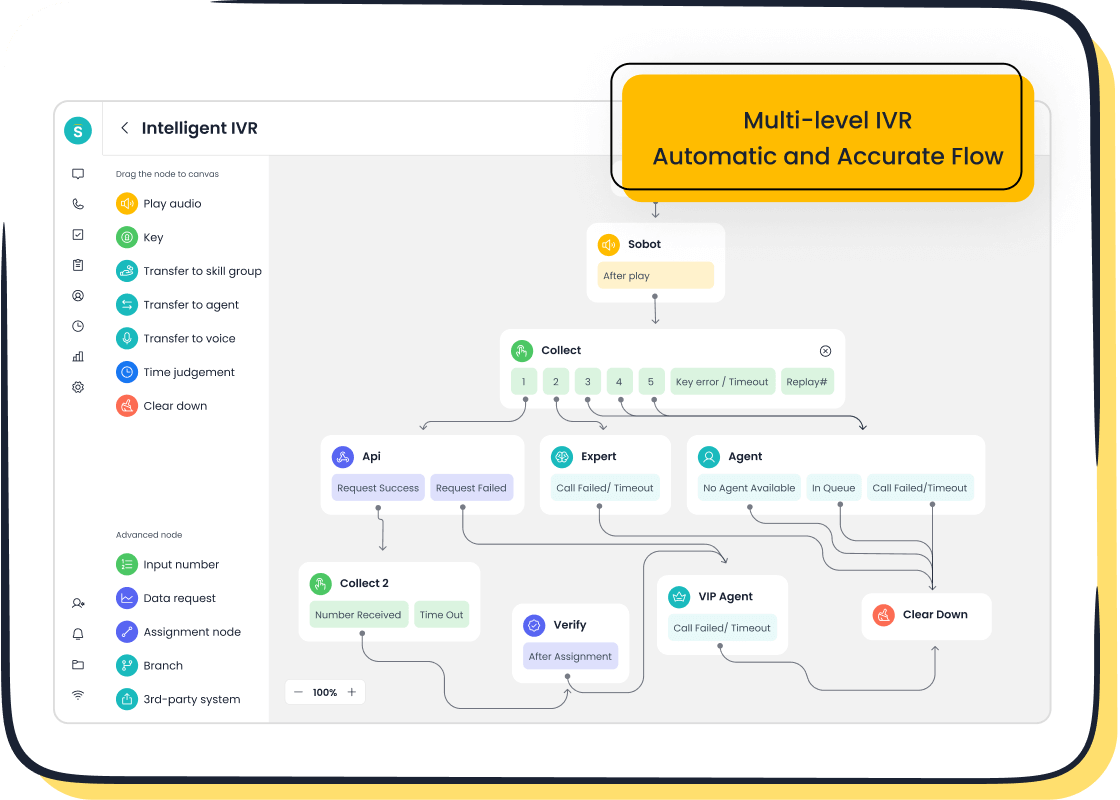
Conflict Resolution Steps with Sobot Voice/Call Center
Identifying Root Causes with Call Tracking Features
Understanding the root cause of a customer’s frustration is the first step in resolving conflicts effectively. Sobot’s call tracking features make this process seamless. By analyzing call data, you can pinpoint recurring issues, identify patterns, and manage customer expectations better. For example, metrics like First Contact Resolution (FCR) and Customer Effort Score (CES) help you assess how efficiently problems are being solved.
| Metric | Description |
|---|---|
| First Contact Resolution | Measures the percentage of cases resolved in a single interaction, indicating efficiency in issue resolution. |
| Customer Effort Score (CES) | Assesses how easy it is for customers to resolve their issues, with lower scores indicating a smoother experience. |
| Quality Assurance (QA) | Evaluates adherence to service standards, ensuring that customer interactions meet quality benchmarks. |
These insights allow you to offer solutions and alternatives that address the core problem, reducing repeat complaints. With Sobot’s tools, you can set clear boundaries for your team, ensuring they focus on resolving issues efficiently while maintaining high service standards.
Offering Practical Solutions Using Intelligent IVR
When customers call in, they expect quick and effective solutions. Sobot’s Intelligent IVR system helps you deliver just that. It routes calls to the right agent or department based on customer needs, saving time and improving satisfaction.
- Intelligent IVR systems reduce wait times by routing callers to appropriate services based on previous interactions.
- High call containment rates indicate effective self-service options, allowing customers to resolve issues without speaking to an agent.
- Post-call surveys provide direct feedback on customer satisfaction with the IVR experience.
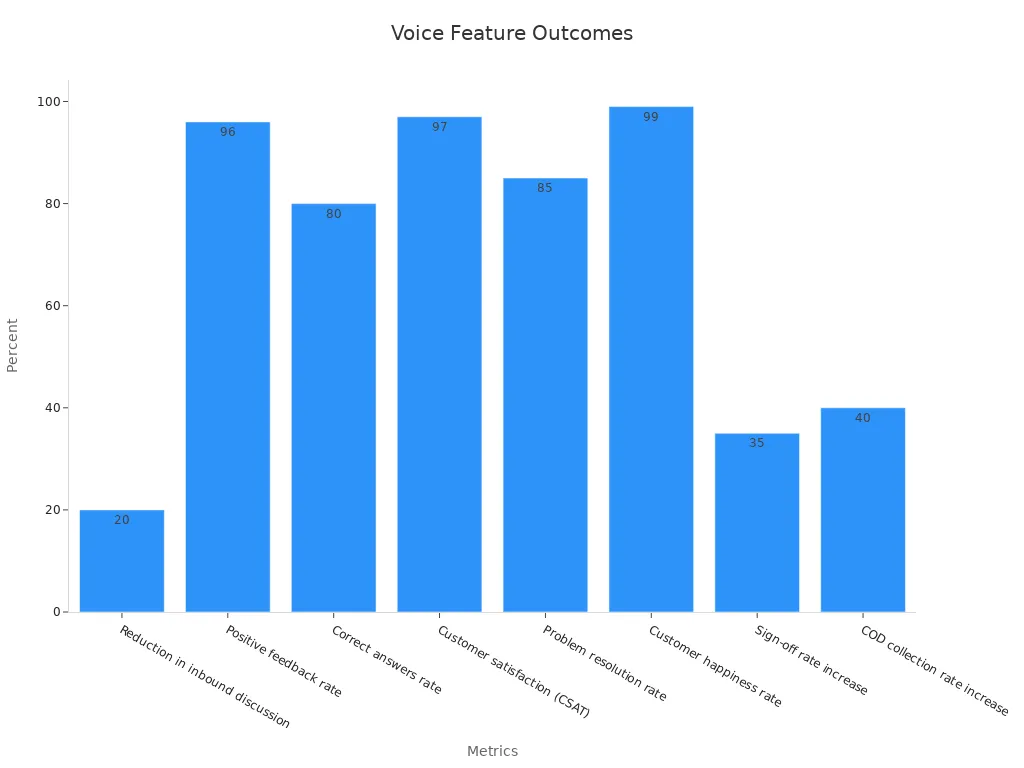
Sobot’s IVR system also uses context-aware menus to offer solutions tailored to the caller’s situation. This approach minimizes abandonment rates and ensures customers feel acknowledged throughout the process. Offering solutions through IVR not only resolves issues faster but also boosts customer happiness rates to 99%.
Following Up to Ensure Customer Satisfaction
Resolving a conflict doesn’t end with the solution. Following up is crucial to ensure the customer feels valued and satisfied. Sobot’s call center tools make this easy. Features like call recording and transcription allow you to revisit conversations and confirm that the resolution met the customer’s expectations.
A follow-up call or email shows acknowledgment of their concerns and reinforces trust. For instance, Sobot’s unified workspace lets you track customer interactions across channels, ensuring no detail is missed. This proactive approach increases sign-off rates by 35% and strengthens customer loyalty.
Patience plays a key role here. When you follow up, listen carefully to any lingering concerns and offer alternatives if needed. Knowing when to escalate the issue to a higher authority also ensures that complex problems are handled effectively. These conflict resolution strategies not only improve customer satisfaction but also enhance your team’s confidence in managing tough situations.
Practical Scenarios for Handling Difficult Customers

Example 1: Resolving a Billing Dispute Calmly
Imagine a customer calls, upset about an unexpected charge on their bill. They’re frustrated and want answers. The first step in handling difficult customers like this is to stay calm and listen. Let them explain the issue fully before you respond.
Here’s a tip: Use active listening to show you care. Say something like, “I understand how this could be frustrating. Let me look into it for you.” Then, use tools like Sobot’s call tracking to review the billing history. This helps you identify any errors or misunderstandings quickly. Once you’ve found the issue, explain it clearly and offer a solution, such as a refund or adjustment. Following up with a confirmation email can also reassure the customer that the problem has been resolved.
Example 2: Managing Delayed Shipping Complaints
Delayed shipping is a common frustration, especially during busy seasons. When a customer contacts you about this, acknowledge their concern right away. A simple, “I’m sorry for the delay. Let me check on this for you,” can go a long way.
Use Sobot’s intelligent IVR system to access order details and provide accurate updates. If the delay is unavoidable, offer alternatives like expedited shipping for future orders or a discount as a goodwill gesture. Here’s another tip: Keep the customer informed throughout the process. Regular updates build trust and show that you’re committed to resolving their issue.
Example 3: Addressing Miscommunication Issues Effectively
Miscommunication can lead to confusion and frustration. For example, a customer might have misunderstood a product feature or service policy. When this happens, clarify the situation without placing blame.
Start by saying, “I see where the confusion might have come from. Let me explain this in more detail.” Use simple language to ensure they understand. If the issue stems from unclear information on your end, take responsibility and assure them that you’ll address it. A tip here is to follow up with a written summary of the conversation. This ensures everyone is on the same page and prevents future misunderstandings.
By applying these tips, you can turn challenging situations into opportunities to build stronger customer relationships.
Staying calm and composed during tough customer interactions isn’t just about solving problems—it’s about growing as a professional. Techniques like mindfulness and emotional regulation improve your mental well-being and make handling customer complaints easier. They also enhance your customer service experience, helping you connect better with people. Tools like Sobot Voice/Call Center simplify this process, giving you the confidence to turn challenges into opportunities.
FAQ
What should you do if a customer becomes too difficult to handle?
If a customer becomes too difficult, stay calm and professional. Politely escalate the issue to a supervisor or manager who can provide additional support.
How can you stay composed when dealing with difficult customers?
Practice deep breathing and focus on the issue, not the emotions. Use tools like Sobot to simplify communication and reduce the stress of difficult interactions.
Why is empathy important when handling difficult customers?
Empathy helps you understand the customer’s frustration. It builds trust and shows you care, making it easier to resolve even the most difficult situations.
See Also
Enhancing Customer Satisfaction Through Effective Live Chat Strategies
Effective Strategies for Managing Live Chat Support Teams
Top Practices for Ensuring Quality in Call Centers

