How a Multilingual Support Platform Works

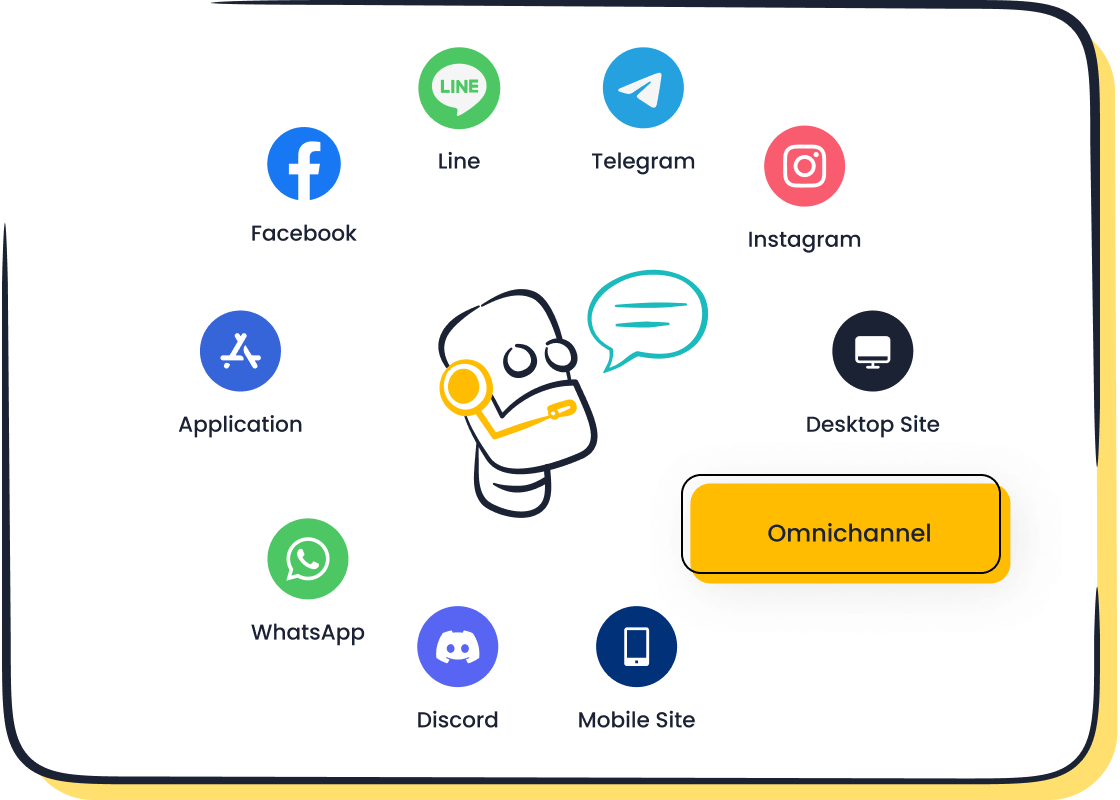
A multilingual support platform works by using AI to create a real-time translation layer between your support agent and your customer. This technology is your key to scaling customer service globally, especially as the e-commerce market continues its strong growth.
According to CSA Research, 76% of online customers prefer to buy products with native language support.
This article shows how a platform like Sobot delivers effective multilingual support. You can provide a personalized customer experience for every customer. This ensures an enhanced customer service experience and excellent multilingual customer support. This multilingual approach is vital for your customers.
How a Multilingual Support Platform Processes Queries
When a customer sends a message in another language, a powerful, automated process begins instantly. This workflow is the engine that drives effective multilingual customer support. It ensures your team can understand and resolve any customer issue without language barriers. Let's break down exactly what happens behind the scenes from the moment your customer clicks "send."
Automatic Language Detection
The journey begins with immediate identification. The moment a query arrives, the multilingual support platform automatically detects the language of the incoming text. You don't need to ask the customer what language they speak; the technology handles it for you. This first step is critical for routing the query correctly and initiating the translation process.
Modern systems use sophisticated AI for this task. Leading solutions, like the API built into Chrome, can even operate on the client side. This means the text is processed locally on the user's device, which enhances privacy before the message is even sent. The system analyzes the text and instantly determines the most probable language, making the first step of your global customer service seamless.
💡 Did You Know? While powerful, language detection technology can face challenges with regional dialects. Automatic Speech Recognition (ASR) models, for instance, sometimes struggle to accurately transcribe minority dialects because the training data often underrepresents them. This highlights the importance of choosing a robust multilingual platform that continuously improves its models to better understand every customer.
Real-Time Translation for the Agent
Once the platform identifies the language, the real magic happens. The system instantly translates the customer's message into your support agent's native language. A query sent in Japanese, Spanish, or Arabic appears as clear, understandable English (or any other primary language your team uses) in the agent's workspace.
This single feature removes the biggest barrier to global customer service: the need for a multilingual agent. Your best agents can now provide support to any customer, regardless of language. They can focus entirely on their expertise—solving the customer's problem—instead of struggling with translation tools.
Of course, handling customer data requires world-class security. You must ensure the platform protects sensitive information during this process. Leading providers guarantee enterprise-grade security with a multi-layered approach:
- Comprehensive Encryption: All data is protected with end-to-end encryption like AES-128 and secure transmission protocols.
- Strict Data Policies: Raw audio or text data is often deleted immediately after processing. The platform should guarantee your customers' data is never used for third-party AI model training.
- Secure Networks: A robust architecture with firewalls, intrusion detection, and strict access controls protects all communication channels from unauthorized access.
This commitment to security gives you the confidence to deliver multilingual support without compromising customer privacy.
Displaying Original and Translated Text
To ensure complete accuracy and context, a great platform does more than just translate. It displays both the customer's original message and the translated version side-by-side in the agent's interface.
This dual view is essential for high-quality multilingual customer support. It empowers your support agents by:
- Providing Context: Idioms, slang, or cultural nuances can sometimes be lost in direct translation. Seeing the original text helps your agent grasp the customer's true intent and tone.
- Verifying Accuracy: If a translation seems odd or unclear, the agent can refer to the original message to better understand the issue. This is a crucial quality control check.
- Building Confidence: It gives your support team the tools they need to handle complex conversations with confidence, ensuring the customer feels truly understood.
This transparent approach to translation is a cornerstone of excellent multilingual support, giving your team the information they need to provide empathetic and precise customer service. It turns a simple translation tool into a comprehensive communication solution for your customers.
How Agents Respond Using the Platform

Now that your agent understands the customer's query, it's time to deliver a perfect reply. This is where a modern multilingual support platform truly shines. It unifies all your communication channels—email, chat, social media, and more—into a single, intelligent workbench. Your agents no longer need to switch between different systems to handle conversations. This streamlined workflow is a game-changer for efficiency.
For example, the online supermarket Weee! transformed its customer service by using Sobot's integrated workbench. By centralizing communications, they boosted agent efficiency by a remarkable 20%. Your team can achieve similar results by giving agents the tools to focus on what they do best: providing excellent support.
This process empowers your team to deliver fast, accurate, and empathetic multilingual customer support. Here’s how you make it happen.
Agent Writes in Their Native Language
Your agent’s workflow remains simple and intuitive. They read the translated customer message and type their response directly in their own native language. There is no need for them to use external translation tools or guess at phrasing in a language they don't speak. They can communicate naturally, using their full expertise to solve the customer's problem.
You might worry about informal language, slang, or even typos. However, the AI powering this process is incredibly sophisticated. The models are trained on vast datasets of real-world conversations. This training allows the system to understand and accurately translate the nuances of human communication, ensuring the agent's intended meaning is perfectly preserved. This intelligent support makes the entire experience seamless for your team and your customer.
Instant Translation of the Agent's Reply
Once your agent hits "send," the platform instantly translates their reply back into the customer's original language. This reverse translation happens in the blink of an eye. The system ensures the response is not only grammatically correct but also culturally appropriate.
To guarantee the highest quality of multilingual customer support, top-tier platforms give you powerful quality control features. Your agents can preview the translated message before it reaches the customer. This allows them to verify its accuracy and tone. Advanced systems even offer features to refine the message further.
- Tone Adjustment: You can instantly change the tone from formal to casual to match the customer's style.
- Cultural Adaptation: The AI can adapt the phrasing to align with regional nuances, preventing misunderstandings.
- Style Simplification: You can simplify complex language to make the support message more accessible for every customer.
This preview-and-refine step gives your team complete confidence that they are delivering the right message every time. It is a crucial part of providing world-class multilingual customer service.
Delivering the Response to the Customer
The final step is delivering the perfectly translated response. The platform automatically sends the message back to the customer through the same channel they used to initiate contact. If the customer wrote to you on WhatsApp, they receive the reply on WhatsApp. If they sent an email, the multilingual response lands in their inbox.
This seamless, omnichannel approach is essential for a modern customer experience. It ensures a consistent and effortless conversation for your customers, no matter how they choose to connect with you. A powerful multilingual platform offers broad integration, enabling you to provide native language support across all your key channels, including:
- Live Chat and Chatbots
- Email and Ticketing Systems
- Social Media (Facebook, Instagram, etc.)
- Messaging Apps (WhatsApp, SMS)
- Voice and IVR Systems
- FAQ and Knowledge Bases
By meeting your customers where they are and speaking their language, you remove friction and build lasting loyalty. This comprehensive support turns every interaction into a positive experience.
Core Technologies Enabling Multilingual Support
A powerful multilingual support platform runs on a sophisticated tech engine. These core technologies work together to make seamless global communication a reality. Solutions like the Sobot AI Chatbot are built on this foundation, giving you the tools to provide instant, 24/7 multilingual support and exceptional customer service. Let's explore the key technologies that make this possible for every customer.
The Role of AI in Translation Accuracy
Modern AI is the heart of accurate multilingual customer support. Translation technology has evolved far beyond old, clunky systems. Today’s platforms use Neural Machine Translation (NMT), which understands the context of a full sentence, not just individual words. This results in far more fluent and natural translations for your customer.
The latest platforms take this even further with generative AI and advanced Large Language Models (LLMs). This is the same kind of technology found in Sobot's AI Solution. These models excel at:
- Maintaining Context: They remember earlier parts of a conversation to provide relevant support.
- Understanding Nuance: They detect the customer's tone and intent, allowing for more empathetic replies.
- Ensuring Security: They deliver secure, data-compliant interactions, protecting your customer's private information.
This intelligent approach ensures your multilingual support is not just accurate, but also feels human.
Integration with Support Channels
Your customers connect with you everywhere. A great multilingual platform unifies all these touchpoints. You need to provide consistent multilingual customer support across all the channels your customers use. Key multilingual support channels include:
- Email and ticketing systems
- Live chat and help centers
- Social media platforms
- Phone calls and voice support
By integrating these channels, you create a single, streamlined workflow. Your team can manage support requests from different regions and in multiple languages without switching between systems. This ensures every customer receives high-quality service in their preferred language, boosting your team's efficiency and your global customer service quality.
Managing a Multilingual Knowledge Base
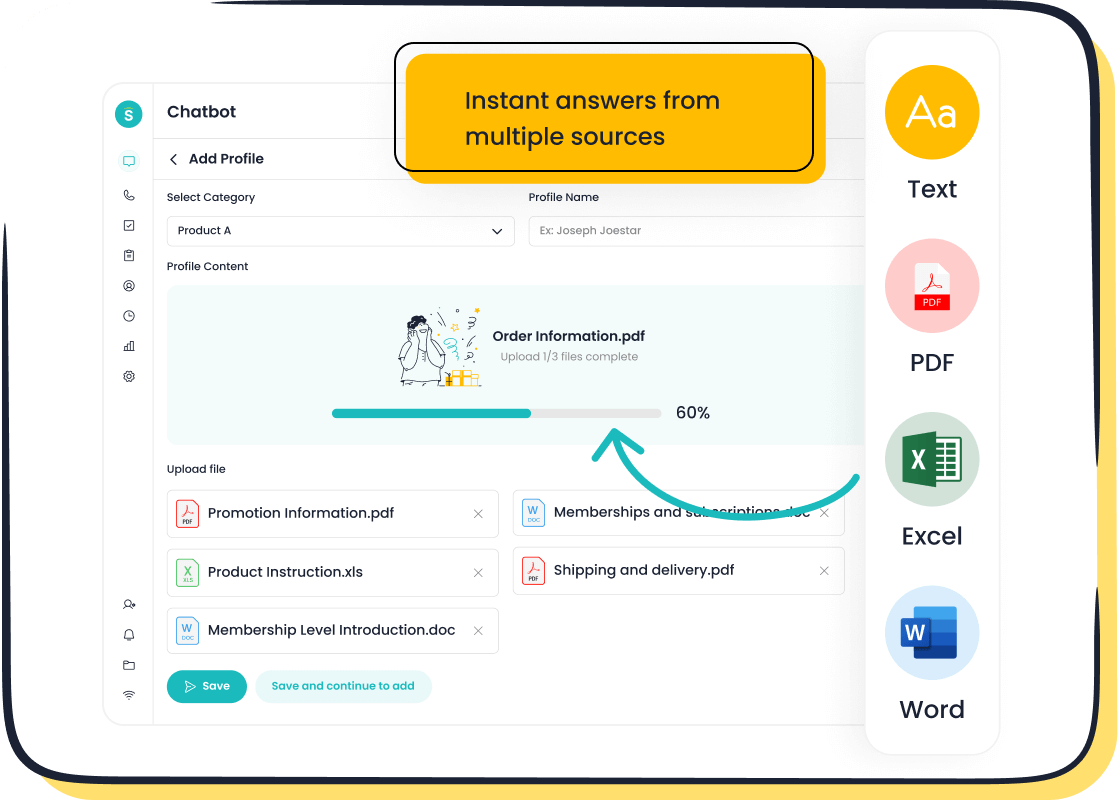
The best way to provide instant support is by empowering customers to help themselves. A multilingual knowledge base is a critical tool for this. It powers automated solutions like the Sobot AI Chatbot to deliver 24/7 answers without needing a live agent.
This technology is incredibly efficient. The AI chatbot uses your knowledge base to understand and resolve common customer questions instantly. Even if your knowledge base is in one language, the chatbot can provide multilingual answers. It draws information, summarizes it conversationally, and delivers it in the customer's native language. This is one of the most powerful multilingual support features for scaling your customer service and ensuring every customer gets the help they need, anytime.
Ensuring Quality in Multilingual Customer Support
Delivering accurate and consistent multilingual support is essential for building trust with your global customers. A powerful multilingual support platform gives you the tools to maintain high standards. You can ensure every customer interaction is a positive one. Let's explore the best practices for customer service that guarantee quality in your multilingual customer support operations.
Using a Centralized Glossary
You can achieve consistency across all languages with a centralized glossary. This tool ensures your team uses the same translations for key terms every time. It creates a uniform experience for every customer and prevents confusion. Your glossary should include:
- Specific business terms: Words like "revenue" or "active user."
- Term Names: Unique concepts such as "Customer Lifetime Value."
- Abbreviations/Acronyms: Short forms like "CLV."
- Synonyms: Alternative names for a term used in your organization.
Using a glossary for your multilingual support improves your customer service quality. It helps you keep your language uniform and reduces translation errors. This alignment ensures your brand's unique voice is preserved in every language, which is vital for your multilingual customer support.
Tracking Performance with Analytics
You need to measure what matters to improve your multilingual customer service. Analytics dashboards give you a clear view of your support team's performance. You can track key metrics to understand the customer experience.
Key indicators like Customer Satisfaction (CSAT) scores and Net Promoter Scores (NPS) show you how happy your customers are. These metrics help you evaluate the success of your language operations and support efforts.
Modern dashboards also use Natural Language Querying (NLQ). This lets you ask questions in plain language, like "show me support trends for Spanish-speaking customers." This technology helps you transform raw customer feedback into actionable insights, making it easy to spot issues and improve your support.
Translation Review and Correction
Even the best AI needs human oversight. A human-in-the-loop workflow is crucial for top-tier multilingual customer support. This process combines AI efficiency with human expertise to catch nuances and ensure cultural appropriateness for each customer.
The workflow is simple. The system flags a potential translation error, and a human editor reviews and corrects it. This creates a powerful feedback loop. Every correction you make helps train the underlying AI model. This process of reinforcement learning allows the AI to learn your brand voice and eliminate repetitive errors. This continuous improvement ensures your multilingual support gets smarter and more accurate over time, providing better service for all your customers.
A multilingual support platform automates your entire communication workflow. It acts as an invisible bridge connecting your support agents with every customer. This technology is your key to unlocking global growth and superior customer satisfaction.
Brands like Weee! use Sobot to achieve a 96% customer satisfaction score. This shows the power of excellent multilingual customer support. When you offer support in a customer's native language, you build loyalty and deliver a better experience.
This multilingual technology is essential for a world-class customer experience. Future AI will make this support even more personal and proactive. You can provide an amazing customer service experience for all your customers. Adopting this multilingual support is the next step for your business to improve customer satisfaction and create a lasting positive experience.
FAQ
How does a multilingual platform boost business growth?
You can drive significant growth with a multilingual support platform. It directly supports customer acquisition and retention strategies. By speaking your customer's language, you build trust, which leads to increased revenue. This approach also results in improved customer retention, creating a loyal customer base for your brand.
Can this platform improve customer self-service?
Yes, it greatly enhances self-service. The platform powers localized self-service options, like AI chatbots and translated FAQ pages. Customers find answers instantly in their own language. This positive experience boosts customer satisfaction and long-term retention, as users feel understood and empowered.
Is a multilingual platform difficult to implement?
No, modern platforms are designed for easy setup. You can achieve global accessibility without a complex technical overhaul. This quick implementation supports your customer acquisition goals. You can offer powerful self-serve experiences to a worldwide audience in days, not months, strengthening your market presence.
What is the main benefit of using this technology?
The primary benefit is combining customer acquisition and retention. You attract new global customers by removing language barriers. You also improve retention by providing superior support. This powerful combination of excellent self-service and agent-led support creates a world-class experience for every user.
See Also
Achieve Excellence in Customer Service Through Live Chat Mastery
Elevate Your SaaS Customer Support Using Smart Live Chat Tactics
Unlock Rapid Customer Assistance with Depop's Live Chat Expertise
Your Essential Handbook for Omnichannel Call Center Software Solutions
A Ten-Step Blueprint for Seamless Omnichannel Contact Center Implementation