How 5 Trends Will Define the Contact Center Business


Your success in the modern contact center business depends on your ability to integrate five transformative trends. With 55% of contact centers increasing their software budget, you must strategically invest in these interconnected pillars to improve the customer experience.
- AI-Powered Agent Enablement: Enhance agent capabilities with tools like Sobot AI.
- Omnichannel Customer Engagement: Create a seamless customer journey.
- Cloud-Based Operational Agility: Scale your Sobot call center operations with a flexible cloud infrastructure.
- Data-Driven Personalization: Tailor every interaction for maximum impact.
- Enhanced Agent Experience: Improve agent satisfaction and performance.
These contact center trends are not separate; they unite to build an intelligent, efficient, and human-centric model for better customer engagement.
AI Enablement: A Top Contact Center Trend

Artificial intelligence is no longer a futuristic concept; it is a foundational technology for the modern contact center business. The call center AI market is set to grow from $2.17 billion in 2025 to $6.81 billion by 2032, making it one of the most critical contact center trends to adopt. This growth highlights a major shift in contact center technology.
The Shift from Automation to Augmentation
You can use AI to empower your team, not replace it. While AI and automation can handle many routine tasks, 52% of customers still prefer speaking with a human agent for complex issues. The best strategy combines human expertise with AI efficiency. This technology acts as a copilot, augmenting your agents' skills and freeing them to focus on high-value interactions that require empathy and critical thinking. This approach transforms your contact center from a cost center into a value-driven experience hub.
Real-Time Agent Guidance with AI
AI in the contact center provides your agents with powerful tools in real time. During a call, AI can listen to the conversation, understand customer intent, and suggest the best responses or next steps. This technology dramatically reduces agent training time and decreases Average Handle Time (AHT) by up to 30%. After the call, AI and automation take over the tedious work.
AI-powered tools can generate automatic call summaries, reducing after-call work time by up to 35%. This allows your agents to move to the next customer interaction more quickly.

Sobot's Voicebot in Action
You can see this advanced automation in action with solutions like Sobot's Voicebot. This tool delivers a human-like experience using advanced speech recognition powered by NLP and LLM technology. It can automate over 90% of routine interactions, cutting costs and boosting productivity. When an issue requires a human touch, the transition is seamless, providing the agent with full context for a smooth customer experience.
Boosting First-Call Resolution
Ultimately, the goal of AI in the contact center is to improve outcomes. By providing agents with instant access to the right information and intelligently routing complex queries to the most qualified agent, you directly boost First-Call Resolution (FCR) rates. Studies show this approach can increase FCR by 15-25%. Higher FCR means happier customers, a more efficient team, and a stronger bottom line, proving the immense value of these AI trends.
Defining the Future Customer Experience with Omnichannel
Today's customer journey is not linear. It spans multiple digital touchpoints. A modern contact center business must deliver a consistent and connected experience everywhere. This is where omnichannel engagement becomes a critical part of your strategy. A study by Harvard Business Review shows that 73% of customers use multiple channels and expect a seamless experience. This makes omnichannel one of the most important contact center trends.
What is Seamless Omnichannel Service?
Seamless omnichannel service means your customer can start a conversation on one channel and continue it on another without repeating themselves. Whether they use live chat, email, social media, or make a phone call, their experience should feel like one continuous dialogue. This digital-first approach meets your customer where they are, providing convenience and building trust.
Maintaining Context Across Channels
Maintaining context is the core of a true omnichannel experience. When your customer service teams have a unified view of every customer interaction, they can provide smarter, faster support. This connected approach significantly impacts satisfaction.
Companies that provide smooth omnichannel support see customer satisfaction (CSAT) scores of 67%. This number drops to just 28% for disconnected support experiences.
Sobot's Omnichannel Solution
You can achieve this unified view with powerful contact center technology. Sobot's Omnichannel Solution unifies all your digital communication channels—including voice, chat, email, and WhatsApp—into a single, intelligent workspace. This technology empowers your customer service agents with a complete customer history.
Leading smart device brand OPPO used Sobot's chatbot and ticketing system to integrate its global customer channels. This human-machine collaboration delivered incredible results:
- An 83% chatbot resolution rate.
- A 94% positive feedback rate.
This case shows how integrated omnichannel solutions drive efficiency and improve the customer experience.
Building Lasting Customer Loyalty
A strong omnichannel strategy does more than just satisfy your customer; it builds loyalty. Brands with strong omnichannel engagement retain 89% of their customers. This is a huge increase compared to the 33% retained by brands with weak strategies. By creating a frictionless, digital-first journey, you turn single interactions into lasting relationships and increase customer lifetime value.
Cloud Agility and Operational Resilience
Your contact center's physical location no longer defines its capabilities. The shift to cloud-based systems is a cornerstone of modern digital transformation. This move is one of the most impactful contact center trends because it provides the agility and resilience needed to thrive in a dynamic digital market. Embracing this technology is essential for your future success.
Moving Beyond On-Premise Systems
You must move past the limitations of traditional on-premise hardware. Outdated systems are expensive to maintain, difficult to scale, and hinder your ability to innovate. A cloud-based contact center is a key part of your digital transformation, offering a more flexible and cost-effective model. This technology transformation allows you to consolidate fragmented systems and cut unnecessary costs. The financial benefits of this digital shift are significant.
| Entity/Scenario | Savings | Timeframe | Primary Source of Savings |
|---|---|---|---|
| Composite Organization | €2.4 million | 3 years | Cutting excess technology costs |
| Insurance Company | ~€5 million | Per year | Consolidating three platforms into one |
| Overall ROI | 278% | 3 years | Net present value of €9.55 million |
Enabling Scalability and Remote Work
Cloud technology gives you the power to adapt instantly. You can scale your operations up during peak seasons or scale down as needed without investing in physical infrastructure. This flexibility is crucial for enabling remote and hybrid work models. In 2023, 72% of US contact centers operated with a remote or hybrid model. This is a massive jump from just 13% in 2019, a change made possible by cloud-based systems and effective technology strategies.
Enhancing Security and Continuity
A secure cloud infrastructure protects your business and customer data. Leading cloud contact center technology adheres to strict global security standards. This ensures your operations are compliant and trustworthy.
- System and Organization Controls (SOC)
- Health Insurance Portability and Accountability Act (HIPAA)
- Payment Card Industry (PCI) Data Security Standard (DSS)
- International Organization for Standardization (ISO) certifications
Beyond security, the cloud ensures business continuity. With geographic redundancy, your contact center can withstand local outages. This part of your digital transformation means you can maintain service without interruption, protecting your revenue and reputation. These technology strategies are vital for resilience.
Reducing Costs and Driving Innovation
Ultimately, adopting cloud technology drives efficiency across your organization. By reducing reliance on expensive hardware and maintenance, you free up capital. You can reinvest these savings into other strategic trends and innovations that enhance the customer experience. This transformation turns your contact center into a lean, agile, and forward-thinking business unit.
Data-Driven Personalization Trends
Generic interactions no longer meet customer expectations. Data-driven personalization is one of the most crucial contact center trends for building loyalty. This digital transformation allows you to move beyond one-size-fits-all customer service. You can use data to create meaningful, one-to-one engagement. This technology is key to a successful digital strategy.
Creating a Unified Customer Profile
You must first understand your customer on a deeper level. A unified customer profile brings together every interaction and data point into a single view. This complete picture is the foundation of your digital transformation. Retailers like Jenni Kayne and Tecovas use unified profiles to see a customer's past purchases and preferences. This allows their teams to provide a consistent and personal experience, whether the customer is online or in-store. This level of insight is vital for effective customer engagement.
The Power of Proactive Support
You can use data to anticipate needs before the customer reaches out. Proactive customer service turns a reactive process into a positive engagement. This approach can increase customer retention by 15–20%. Instead of making your customer find a solution, you identify potential issues and contact them first. This digital transformation builds trust and strengthens the customer relationship.
As Nick Mehta, CEO of Gainsight, puts it: “If you’re waiting for your customer to tell you what they want instead of being proactive and figuring that out yourself, they’re going to go somewhere else.”
Delivering Tailored Recommendations
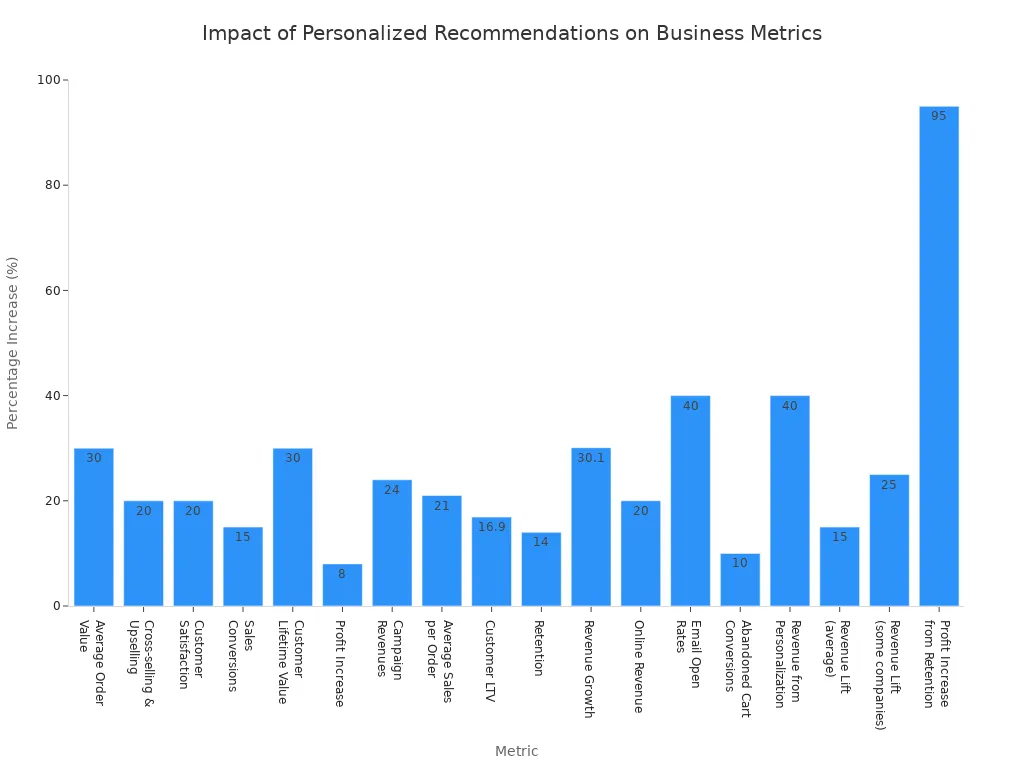
Personalization directly impacts your revenue. When you offer personalized experiences, 80% of consumers are more likely to make a purchase. Your contact center technology can analyze customer data to suggest relevant products or services. This strategy improves the customer experience and drives sales. The impact of this technology is clear across many business metrics.
Strengthening the Customer Relationship
Every personalized interaction reinforces your brand's value. This transformation from transactional support to relational engagement is powerful. When you use data from customer service interactions to inform future conversations, you create a seamless experience. This focus on the individual customer journey is what turns a one-time buyer into a loyal advocate, securing long-term growth for your business.
Agent Experience (AX) and Its Impact on Customer Service
Your digital transformation is incomplete if you ignore the people powering your customer service. The final, and perhaps most critical, trend is the focus on Agent Experience (AX). Superior customer and employee experiences are directly linked. A supported agent delivers better service, creating a loyal customer base.
The Link Between Agent Wellbeing and CX
You cannot deliver excellent customer service with a burnt-out team. Over 63% of contact center agents report feeling burnout due to high-pressure work. This pressure often comes from tense interactions, as 35% of customers admit to getting angry during support calls. When your agents are stressed, the quality of every customer interaction suffers. Improving customer and employee experiences must be a parallel goal.
Using AI to Reduce Agent Burnout
You can use AI as a powerful tool to combat agent burnout. AI handles repetitive, low-level inquiries, which frees your agents to focus on complex problems that require a human touch. This digital shift reduces monotony and high workloads—two major sources of stress. An effective AI strategy supports your team, giving them the breathing room to provide thoughtful, empathetic customer service. This transformation empowers your agents and improves their daily work experience.
By automating routine tasks, you allow your team to engage in more meaningful work. This boosts morale and directly enhances the quality of your customer and employee experiences.
Fostering a Collaborative Culture
Your contact center technology should also foster a supportive environment. A strong digital culture connects agents with managers and peers, even in a remote setting. This provides the social support needed to handle a challenging role. This transformation helps build a team where agents feel valued and heard. A positive culture is essential for creating positive customer and employee experiences.
Improving Agent Retention and Service Quality
High agent turnover is incredibly costly for your business. It damages morale and hurts the quality of your customer service. Replacing a single agent can cost up to two times their annual salary. With industry turnover rates being alarmingly high, you must prioritize retention.
| Metric | 2024 Rate | 2025 Projection | Industry Comparison |
|---|---|---|---|
| Average Annual Turnover | 38-42% | 40-45% | 2x higher than other industries |
Investing in your agents' experience is not an expense; it is a strategic investment. It reduces turnover, improves service quality, and ensures every customer receives expert support.
The future of your contact center business depends on integrating these five trends. AI enablement, omnichannel service, cloud agility, data personalization, and agent experience work together. They transform your operations from a cost center into a strategic asset for customer loyalty. You must invest in a unified cloud platform to connect these pillars. An all-in-one cloud solution, like Sobot, helps you build an intelligent, efficient, and human-focused contact center business. This approach ensures you meet modern customer expectations and secure a competitive edge with a superior omnichannel cloud experience.
FAQ
What is the first step to modernizing my contact center?
You should start by evaluating your current technology and customer journey. Identify the biggest pain points for your customers and agents. This analysis helps you prioritize which of these contact center trends, like cloud migration or AI enablement, will deliver the most immediate impact for your business.
Will AI replace my customer service agents?
No, AI is designed to augment your team, not replace it. You can use AI to automate repetitive tasks and provide real-time guidance. This frees your agents to handle complex customer issues that require empathy and critical thinking, improving the overall customer experience.
Why is agent experience (AX) so important?
A positive agent experience directly creates a better customer experience. When you support your agents with the right tools and a healthy culture, they feel valued and are less likely to burn out. This leads to higher retention rates and consistently superior service quality.
How does an omnichannel solution improve customer loyalty?
An omnichannel platform creates a seamless, unified customer journey. Your customers can switch between channels like chat, email, and voice without repeating information. This convenience reduces customer effort, builds trust, and significantly increases retention rates, fostering long-term loyalty for your brand.
See Also
Discovering the Foremost Cloud Contact Center Platforms for the Year 2025
An In-Depth Review of Leading Contact Center Solutions in 2024
Evaluating the Best Cloud Contact Center Services: A 2024 Overview
A Ten-Step Guide for Implementing Effective Omnichannel Contact Center Solutions
Exploring the Ten Best Call Center Analytics Software Options for 2024

