High-Demand Jobs in Enterprise Customer Experience


Enterprise customer experience roles are becoming the backbone of modern businesses. These jobs focus on ensuring that every interaction a customer has with your company leaves a lasting, positive impression. Why does this matter? Because 73% of customers now say customer experience is the top factor they consider before making a purchase. Companies that fail to deliver risk losing out in a competitive market where 80% of businesses aim to stand out based on the quality of their customer experience.
The demand for professionals in these roles is skyrocketing. Businesses are under pressure to prove the return on investment (ROI) of their customer experience initiatives, with 66% of companies feeling the heat. From Customer Success Managers to Data Analysts with a CX focus, these jobs are not just about solving problems—they’re about creating value. Tools like Sobot’s omnichannel solutions are helping businesses achieve this by streamlining customer interactions and boosting satisfaction.
So, if you’re looking for a career where you can make a real impact, enterprise customer experiences might just be the perfect fit.
Top High-Demand Customer Experience Roles

Customer Success Manager
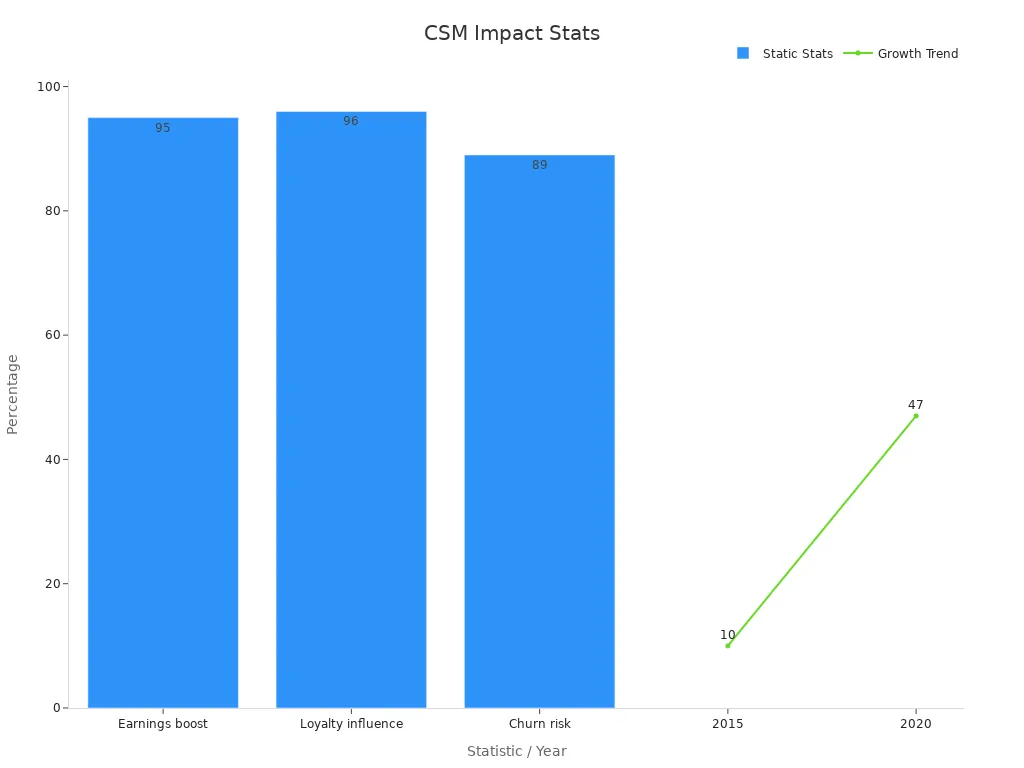
Customer Success Managers (CSMs) are the champions of customer satisfaction. They ensure that customers achieve their desired outcomes while using a company’s products or services. As a CSM, you’ll focus on building long-term relationships, reducing churn, and driving customer loyalty. This role is critical because 96% of consumers say excellent customer service influences their loyalty, and 89% will switch to competitors after a negative experience.
CSMs also play a key role in boosting revenue. Effective customer success programs can increase earnings by up to 95%. Companies are increasingly prioritizing retention over acquisition, making this role more vital than ever. For example, Sobot’s Voice/Call Center solution helps CSMs streamline communication by offering features like intelligent IVR and AI-powered voicebots. These tools allow you to provide personalized support and resolve issues faster, enhancing the overall customer experience.
CX Strategist
As a CX Strategist, you’ll design and implement strategies that improve the customer journey. This role requires a deep understanding of customer behavior and the ability to create seamless, personalized experiences. Businesses are increasingly investing in CX strategies because 84% of companies that improve their customer experience report higher revenue.
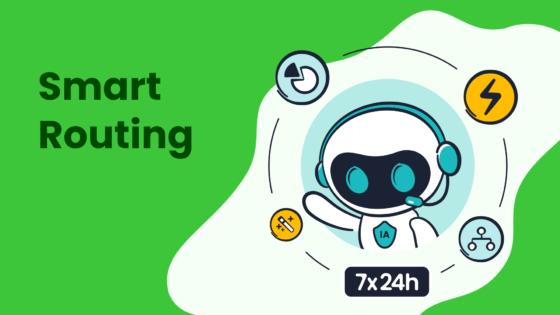
Your work might involve leveraging AI for hyper-personalization, mapping customer journeys in real-time, or integrating omnichannel solutions like Sobot’s platform. For instance, Sobot’s Omnichannel Solution enables businesses to provide consistent experiences across channels like email, social media, and live chat. This aligns perfectly with the growing demand for seamless omnichannel experiences, which is now a top priority for many organizations.
Here are some trends shaping the CX Strategist role:
- Hyper-personalization with AI to tailor customer interactions.
- Proactive customer support using advanced analytics.
- Inclusive CX design to meet diverse customer needs.
- Real-time customer journey mapping for adaptive strategies.
These trends highlight why CX Strategists are essential for businesses aiming to stay competitive.
UX Designer
User Experience (UX) Designers focus on creating intuitive and enjoyable digital experiences. In today’s digital-first world, this role is indispensable. A poorly designed website or app can drive customers away, with 48% of consumers leaving a brand’s site due to a lack of personalization.
As a UX Designer, you’ll work on everything from wireframes to usability testing, ensuring that every interaction feels seamless. Companies like Sobot understand the importance of UX in customer experience. Their AI-powered chatbot, for example, offers a user-friendly interface that simplifies customer interactions while providing 24/7 support.
The demand for UX Designers continues to grow as businesses recognize the link between great design and customer satisfaction. By focusing on usability and accessibility, you’ll help brands build trust and loyalty, ultimately driving success.
Data Analyst (CX Focus)
Data Analysts with a customer experience focus are the detectives of the CX world. You’ll dive deep into customer data, uncovering insights that drive smarter decisions and better experiences. This role is perfect for those who love numbers and want to make a tangible impact on how businesses interact with their customers.
Why is this role so critical? Because data is the backbone of personalization, and personalization is what customers crave. For instance, 59% of consumers believe businesses should use their data to tailor experiences, and 62% agree that personalized recommendations are better than generic ones. As a Data Analyst, you’ll help companies meet these expectations by analyzing trends, identifying pain points, and predicting future behaviors.
Your toolkit will include advanced analytics platforms, AI-powered solutions, and visualization tools. Sobot’s Voice/Call Center, for example, offers real-time monitoring and analysis of call data. This feature helps analysts track customer interactions, measure satisfaction, and pinpoint areas for improvement. By leveraging such tools, you’ll empower businesses to create experiences that not only meet but exceed customer expectations.
Here’s what makes this role exciting:
- Impact: Your insights can directly improve customer satisfaction and loyalty.
- Growth: Companies that excel in personalization grow 40% faster than their competitors.
- Innovation: You’ll work with cutting-edge technologies like AI and machine learning.
If you’re ready to turn raw data into actionable strategies, this role is your chance to shine.
Customer Experience Manager
Customer Experience Managers (CEMs) are the architects of exceptional customer journeys. In this role, you’ll oversee every touchpoint, ensuring customers feel valued and understood. It’s a big responsibility, but it’s also incredibly rewarding.
Why does this role matter? Because customer experience drives loyalty and revenue. For example, 60% of consumers become repeat buyers after a personalized purchasing experience, and 88% of online shoppers stick with retailers that offer tailored interactions. As a CEM, you’ll be the one making sure these experiences happen.
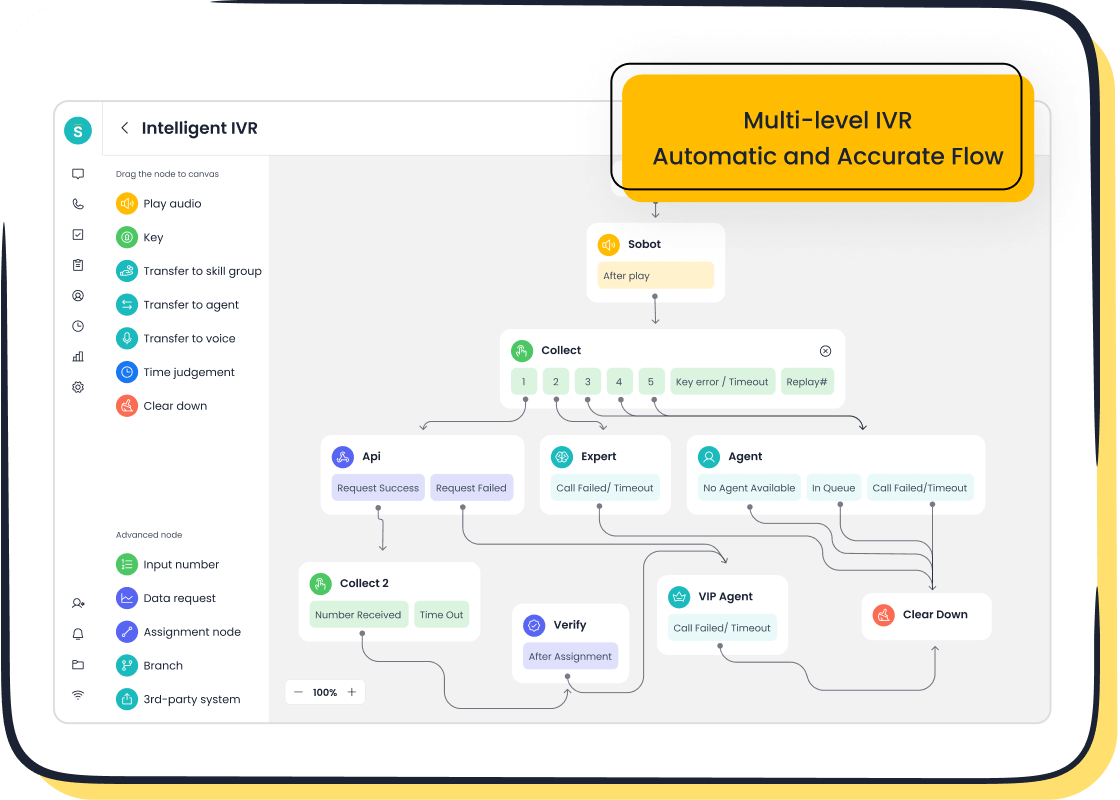
Your day-to-day might involve coordinating teams, implementing CX strategies, and using tools like Sobot’s Omnichannel Solution. This platform consolidates customer interactions across channels, giving you a unified view of the customer journey. With features like AI-driven chatbots and performance analytics, you’ll have everything you need to deliver seamless, personalized experiences.
Here’s a snapshot of the impact you can make:
| Statistic | Source |
|---|---|
| 73% of customers say CX is the top factor in their purchasing decisions. | PwC |
| 80% of organizations expect to compete mainly based on CX. | Gartner |
| 49% of customers leave brands due to poor CX. | Emplifi |
As a CEM, you’ll be at the forefront of transforming these statistics into success stories. You’ll ensure customers feel heard, valued, and eager to return. If you’re passionate about creating meaningful connections, this role is calling your name.
Skills and Qualifications for Enterprise Customer Experience Jobs
Core Skills for CX Professionals
To thrive in customer experience roles, you need a strong foundation of core skills. These skills are the building blocks of effective customer experience management and help you adapt to the ever-changing demands of the industry.
Here’s what you’ll need:
- Communication: Clear and empathetic communication is essential. Whether you’re resolving a customer issue or collaborating with your team, your ability to convey ideas effectively can make or break the experience.
- Customer service: Understanding customer needs and delivering solutions that exceed expectations is at the heart of every customer experience strategy.
- Leadership: Even if you’re not managing a team, leadership skills help you take initiative and guide others toward success.
- Problem-solving: Challenges are inevitable. Your ability to think critically and find creative solutions will set you apart.
- Research: Staying informed about customer trends and preferences allows you to anticipate needs and tailor experiences accordingly.

Did you know that 82% of U.S. consumers and 74% of non-U.S. consumers want more human interaction in customer service? This highlights the importance of core skills like empathy and active listening. Tools like Sobot’s Omnichannel Solution can support you by streamlining communication across channels, giving you more time to focus on meaningful interactions.
Technical Skills for CX Roles
Technical skills are just as important as core skills in customer experience jobs. These skills enable you to leverage technology and data to enhance the customer journey.
Here are some must-have technical abilities:
- Data analysis: Understanding customer data is key to identifying trends and improving experiences. For example, Sobot’s Voice/Call Center offers real-time call tracking and analytics, helping you measure satisfaction and pinpoint areas for improvement.
- CRM proficiency: Familiarity with customer relationship management (CRM) systems allows you to manage customer interactions efficiently.
- AI and automation: With tools like Sobot’s AI-powered chatbots, you can automate repetitive tasks and focus on complex customer needs.
- Omnichannel expertise: Managing interactions across multiple platforms, from social media to live chat, ensures a seamless experience.
- UX design basics: Understanding user experience principles helps you contribute to creating intuitive and enjoyable customer interfaces.
Companies often use assessments to evaluate these skills. For instance:
| Assessment Type | Purpose |
|---|---|
| Skills Tests | Verify practical abilities relevant to the job. |
| Personality Assessments | Explore behavioral traits predicting collaboration with team members. |
| Cognitive Ability Tests | Measure reasoning and problem-solving skills, indicating learning capacity. |
By mastering these technical skills, you’ll not only enhance your value to the customer experience team but also contribute to the overall success of the organization.
Soft Skills for Success
Soft skills are the secret sauce of customer experience professionals. They help you connect with customers on a deeper level and foster loyalty.
Here’s why they matter:
- Empathy: Customers want to feel understood. Showing genuine care can turn a negative experience into a positive one.
- Active listening: Paying attention to what customers say—and what they don’t say—helps you address their needs effectively.
- Emotional intelligence: Recognizing and managing emotions, both yours and the customer’s, is crucial for building trust.
- Adaptability: Every customer is different. Being flexible allows you to tailor your approach to each situation.
- Conflict resolution: Handling complaints with professionalism and positivity can transform unhappy customers into loyal advocates.
Metrics like CSAT (Customer Satisfaction) ratings and Net Promoter Scores (NPS) highlight the impact of soft skills. For example:
- Customers with positive experiences spend 140% more.
- 96% of customers say service quality affects their loyalty.
- 68% of customers leave due to poor service.
Sobot’s solutions, such as the AI-powered Voicebot, can enhance your soft skills by providing tools that make interactions smoother and more personalized. For instance, the Voicebot’s intent recognition feature helps you respond to customer needs more effectively, boosting satisfaction and retention.
Soft skills aren’t just nice to have—they’re essential for success in customer experience management. By honing these abilities, you’ll create meaningful connections that drive both customer and business success.
Educational Background and Certifications
When it comes to excelling in customer experience roles, your educational background and certifications can make a big difference. They not only boost your credibility but also equip you with the skills needed to thrive in this fast-paced field. Let’s break it down.
What Degrees Are Most Useful?
Certain degrees can give you a head start in understanding customer behavior and business strategies. Fields like Business, Marketing, and Psychology are particularly valuable. A degree in Business teaches you how companies operate and how to align customer strategies with business goals. Marketing focuses on understanding what customers want and how to deliver it effectively. Psychology, on the other hand, dives into human behavior, helping you anticipate customer needs and emotions.
For example, if you’re working as a Customer Success Manager, a background in Psychology can help you empathize with customers and build stronger relationships. Similarly, a Marketing degree can be a game-changer for CX Strategists who need to design campaigns that resonate with their audience.
Why Certifications Matter
Certifications are like the cherry on top of your educational background. They show employers that you’re serious about your career and have specialized knowledge in customer experience. One of the most recognized certifications is the Certified Customer Experience Professional (CCXP). This certification covers everything from customer journey mapping to CX metrics, making it a must-have for anyone looking to stand out.
Here’s a quick comparison of how degrees and certifications contribute to CX roles:
| Type of Evidence | Description |
|---|---|
| Degrees in Business, Marketing, or Psychology | These fields provide a solid understanding of customer behavior, business strategy, and marketing principles. |
| CX Certifications | Certifications like CCXP enhance credibility and demonstrate expertise in the field. |
How to Get Started
If you’re just starting out, don’t worry. Many online platforms offer affordable courses and certifications in customer experience. Websites like LinkedIn Learning and Coursera have programs tailored to beginners. Plus, tools like Sobot’s Voice/Call Center can give you hands-on experience with real-world customer interactions. By combining education with practical tools, you’ll be well on your way to becoming a CX expert.
Remember, investing in your education and certifications isn’t just about landing a job. It’s about equipping yourself with the knowledge and skills to create meaningful customer experiences. And in a world where 73% of customers say experience influences their buying decisions, that’s a skill worth having.
How to Build a Career in Enterprise Customer Experiences
Educational Pathways for CX Roles
If you’re aiming for a career in enterprise customer experiences, education is a great starting point. Degrees in Business, Marketing, or Psychology can give you a solid foundation. Business programs teach you how companies operate and how to align customer strategies with business goals. Marketing focuses on understanding customer behavior and crafting strategies that resonate. Psychology helps you anticipate customer needs and emotions, which is invaluable for roles like Customer Success Manager or CX Strategist.
Certifications can also boost your career. The Certified Customer Experience Professional (CCXP) credential is highly regarded and covers essential topics like customer journey mapping and CX metrics. Many online platforms, such as LinkedIn Learning, offer affordable courses to help you get started. These programs don’t just teach theory—they provide hands-on experience that bridges the gap between academic learning and professional success.
Educational initiatives also connect diverse talent with companies, creating opportunities for underrepresented groups. They help students build confidence, develop durable skills, and overcome barriers. For example, structured programs often lead to lower hiring costs for businesses while empowering students to graduate with a competitive edge.
Gaining Practical Experience
Practical experience is the key to thriving in customer experience roles. Internships, student employment programs, and entry-level positions allow you to apply what you’ve learned in real-world scenarios. These opportunities help you build social capital and develop skills that are crucial for your career.
Metrics like Customer Health Score and Customer Lifetime Value highlight the importance of hands-on experience. For instance, understanding how to improve customer retention or reduce churn can make you a valuable asset to any organization. Tools like Sobot’s Voice/Call Center provide real-time call tracking and analytics, giving you insights into customer interactions and satisfaction. By working with such platforms, you’ll gain practical knowledge that sets you apart.
Networking and Professional Growth
Networking is a game-changer for career advancement. Did you know that 85% of jobs are filled through networking? Building connections opens doors to hidden job markets and gives you access to industry insights. Engaging with professionals helps you stay updated on trends and technologies, which is essential for growth.
Here’s how networking can benefit you:
- It connects you with mentors who can guide your career.
- It provides access to opportunities that aren’t publicly advertised.
- It enhances your understanding of the industry, helping you stay competitive.
Attending industry events, joining CX communities, and leveraging platforms like LinkedIn can help you expand your network. Strong connections don’t just lead to job offers—they also foster collaboration and innovation.
Staying Updated on CX Trends
Staying updated on customer experience trends isn’t just a nice-to-have—it’s a must if you want to thrive in CX roles. The world of enterprise customer experience evolves quickly, and keeping up helps you stay ahead of the curve. But why does it matter so much? Let’s break it down.
First, customers’ expectations are constantly changing. Did you know that 80% of customers believe the experience a company provides is just as important as its products? On top of that, 71% expect personalized experiences, and 76% feel frustrated when they don’t get them. By staying informed, you can adapt to these expectations and deliver experiences that truly resonate.
It’s not just about customers, though. Companies that prioritize customer experience see real results. Organizations in the top quartile of Employee Experience (EX) generate twice the revenue from innovations compared to those in the bottom quartile. Their Net Promoter Scores (NPS) are also twice as high. This shows how staying updated on trends can directly impact your career growth and the success of your organization.

So, how can you stay in the loop? Start by following industry blogs, attending webinars, and joining CX communities. Tools like Sobot’s Voice/Call Center can also help you stay ahead. With features like real-time call tracking and AI-powered voicebots, you’ll gain insights into customer interactions and learn how to improve satisfaction. Plus, Sobot’s Omnichannel Solution ensures you’re equipped to handle customer needs across multiple platforms.
Remember, staying updated isn’t just about knowing the latest buzzwords. It’s about aligning your skills with what customers and businesses need. When you do that, you’re not just keeping up—you’re setting yourself apart.
The Role of Technology in Enterprise Customer Experience

How Sobot Enhances Customer Experience with Voice/Call Center Solutions
Technology is transforming how you interact with customers, and Sobot’s Voice/Call Center solutions are leading the charge. These tools simplify communication, improve efficiency, and make every interaction more meaningful. Imagine reducing inbound discussion volume by 20% or achieving a 97% customer satisfaction score—Sobot makes it possible.
Here’s a snapshot of the impact Sobot’s Voice/Call Center can have:
| Metric | Improvement |
|---|---|
| Inbound discussion volume | Reduced by 20% |
| Positive feedback | Increased to 96%+ |
| Correct answers | Over 80% |
| Customer satisfaction (CSAT) | Reached 97% |
| Problem resolution rate | 85% of problems solved |
| Agent efficiency | Increased by 30% |
| Customer happiness | 99% of customers happy |
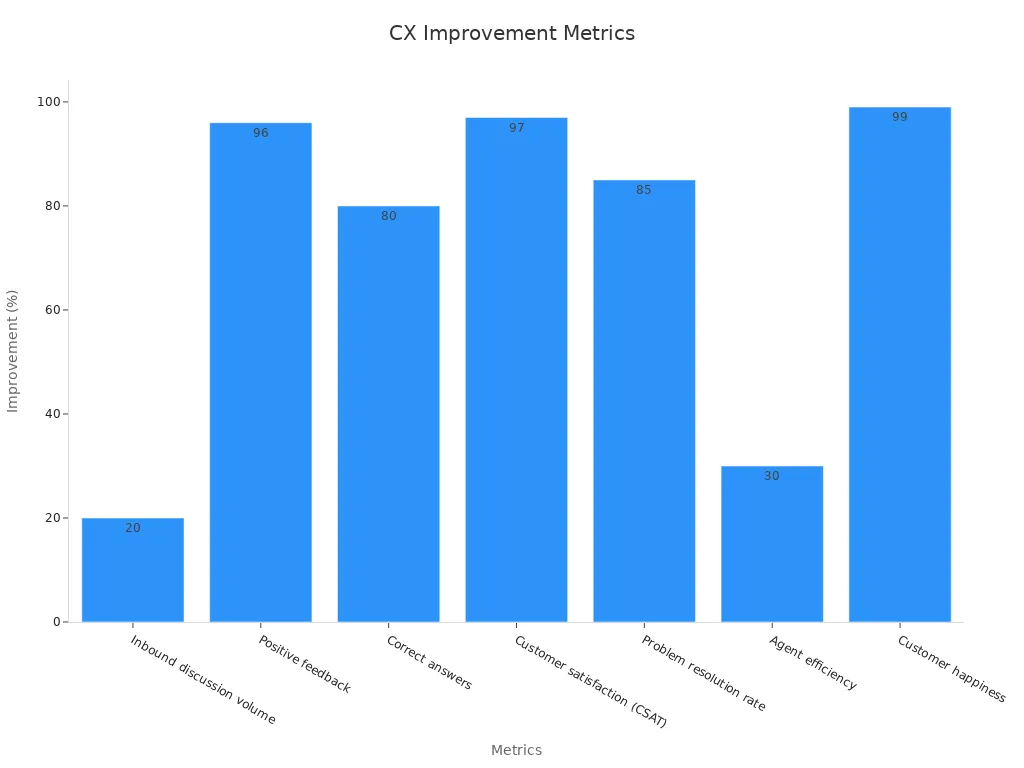

Sobot’s intelligent IVR and AI-powered voicebots help you deliver personalized support while resolving issues faster. These features don’t just improve metrics—they create happier customers who feel valued.
The Impact of AI and Automation on CX Roles
AI and automation are reshaping customer experience roles, making them more efficient and impactful. You’ve probably noticed how chatbots can answer questions instantly or how personalized recommendations make shopping easier. That’s AI at work.
Support agents using AI handle 13.8% more inquiries per hour, while programmers complete 126% more projects weekly. AI doesn’t just speed things up—it improves accuracy by detecting mistakes and optimizing processes. For example, Sobot’s AI-powered tools analyze customer behavior to provide tailored solutions, ensuring every interaction feels personal.
Here’s how AI boosts productivity:
- It streamlines sales and marketing by analyzing trends.
- It automates responses to complex queries, saving time.
- It enhances customer service with smarter chatbots.
By embracing AI, you’ll not only work faster but also deliver experiences that keep customers coming back.
Tools and Platforms for CX Professionals
The right tools can make or break your ability to deliver exceptional customer experiences. Platforms like Sobot’s Omnichannel Solution unify interactions across email, social media, and live chat, giving you a complete view of the customer journey.
Why does this matter? Because 92% of CEOs believe improving customer experience boosts profits. McKinsey found that CX initiatives increase sales conversion rates by 15-20% and improve satisfaction by 10-20%. With tools like Sobot’s unified workspace and AI-driven analytics, you’ll have everything you need to meet—and exceed—customer expectations.
These platforms don’t just simplify your work. They empower you to create seamless, personalized experiences that drive loyalty and revenue.
Why Enterprise Customer Experience Jobs Are Worth Pursuing
High Demand Across Industries
Customer experience roles are in high demand across nearly every industry. Businesses now realize that delivering exceptional customer experiences isn’t just a nice-to-have—it’s a necessity. Why? Because customers expect more. Around 90% of them want consistent interactions across all channels, and 86% are willing to pay more for a great experience.
Industries like retail, financial services, and gaming are leading the charge. For example, companies that excel in customer experience often see revenues grow 4-8% above the market average. This demand is also reflected in the booming customer experience software market, which is expected to double from $11.05 billion in 2023 to $22.08 billion by 2025.
Here’s a quick look at why these roles are so critical:
| Statistic | Value |
|---|---|
| Customers who stay loyal due to good service | 96% |
| Returning customers spend more than new ones | 67% more |
| Companies improving customer experience report revenue increase | 84% |
| People more likely to buy with personalized choices | 80% |
With tools like Sobot’s Omnichannel Solution, you can help businesses meet these growing demands. By unifying customer interactions across platforms, you’ll ensure every experience feels seamless and personal.
Competitive Salaries and Growth Opportunities
Customer experience jobs don’t just offer meaningful work—they also come with competitive salaries and room for growth. As businesses prioritize customer success, they’re investing heavily in their customer experience team. This means higher pay and better benefits for professionals like you.
For instance, roles like Customer Success Manager or CX Strategist often come with six-figure salaries in top industries. Plus, the career ladder is wide open. You can start as a team member and quickly move into leadership positions. Companies value employees who can drive customer success, making promotions and raises more common in this field.
Sobot’s solutions, like the Voice/Call Center, can give you an edge. By mastering tools that improve customer satisfaction and efficiency, you’ll stand out as a valuable asset to any organization.
The Impact of CX on Business Success
Customer experience isn’t just about making customers happy—it’s a proven strategy for business success. Companies that focus on customer success often outperform their competitors. For example, a 5% increase in customer retention can boost profits by 25% to 95%.
Here’s how customer experience impacts businesses:
- Net Promoter Score (NPS): Higher NPS means more loyal customers and increased revenue.
- Customer Satisfaction Score (CSAT): High CSAT reflects that you’re meeting customer expectations, which drives loyalty.
- Customer Lifetime Value (CLV): Retained customers contribute 306% more revenue over their lifetime.
- First Contact Resolution (FCR): Resolving issues on the first try improves satisfaction and reduces costs.
Sobot’s AI-powered tools, like its Voicebot, help businesses achieve these metrics. By automating repetitive tasks and providing personalized support, you’ll help companies reduce churn and increase customer loyalty.
When you join a customer experience team, you’re not just filling a role—you’re driving success for both customers and businesses.
The demand for enterprise customer experiences is growing faster than ever. Businesses across industries are realizing that exceptional customer experience isn’t just a bonus—it’s a necessity. The CX consulting market, valued at USD 14.38 billion in 2024, is projected to skyrocket to USD 50.86 billion by 2032, growing at an impressive CAGR of 17.1%. This growth reflects how vital customer satisfaction has become, especially in sectors like finance, where 86% of companies prioritize it.
If you’re ready to make an impact, now’s the time to dive into this field. Roles in customer experience offer not only competitive salaries but also the chance to shape how businesses connect with their customers. Tools like Sobot’s Voice/Call Center can help you stand out. With features like AI-powered voicebots and real-time analytics, you’ll have everything you need to deliver seamless, personalized experiences.
So, why wait? Start exploring opportunities in enterprise customer experiences today. Your future in this dynamic field could be just a step away.
FAQ
What is the most in-demand role in enterprise customer experience?
Customer Success Manager (CSM) roles are highly sought after. Companies prioritize retention, and CSMs help reduce churn and boost loyalty. For example, tools like Sobot’s Voice/Call Center empower CSMs to deliver personalized support, improving customer satisfaction by up to 30%.
How can I gain experience in customer experience roles?
Start with internships or entry-level jobs. Use tools like Sobot’s Omnichannel Solution to learn real-world skills, such as managing customer interactions across platforms. Practical experience with analytics and AI-powered tools can make you stand out.
Do I need a degree to work in customer experience?
Not always, but degrees in Business, Marketing, or Psychology help. Certifications like CCXP also boost your credibility. Platforms like Sobot’s Voice/Call Center offer hands-on learning, which can be just as valuable as formal education.
How does technology improve customer experience?
Technology streamlines processes and personalizes interactions. For instance, Sobot’s AI-powered Voicebot resolves issues faster and improves first-contact resolution rates. This creates happier customers and more efficient teams.
Why should I consider a career in enterprise customer experience?
It’s a growing field with competitive salaries and high demand. Businesses rely on CX professionals to drive loyalty and revenue. With tools like Sobot’s solutions, you’ll have the resources to make a real impact.
See Also
Transforming Customer Support With AI Service Agents
Evaluating AI Solutions For Enterprise Call Centers
Comparative Analysis Of Leading Voice Of Customer Tools