Master AI Outbound Calling Bots A Practical Guide

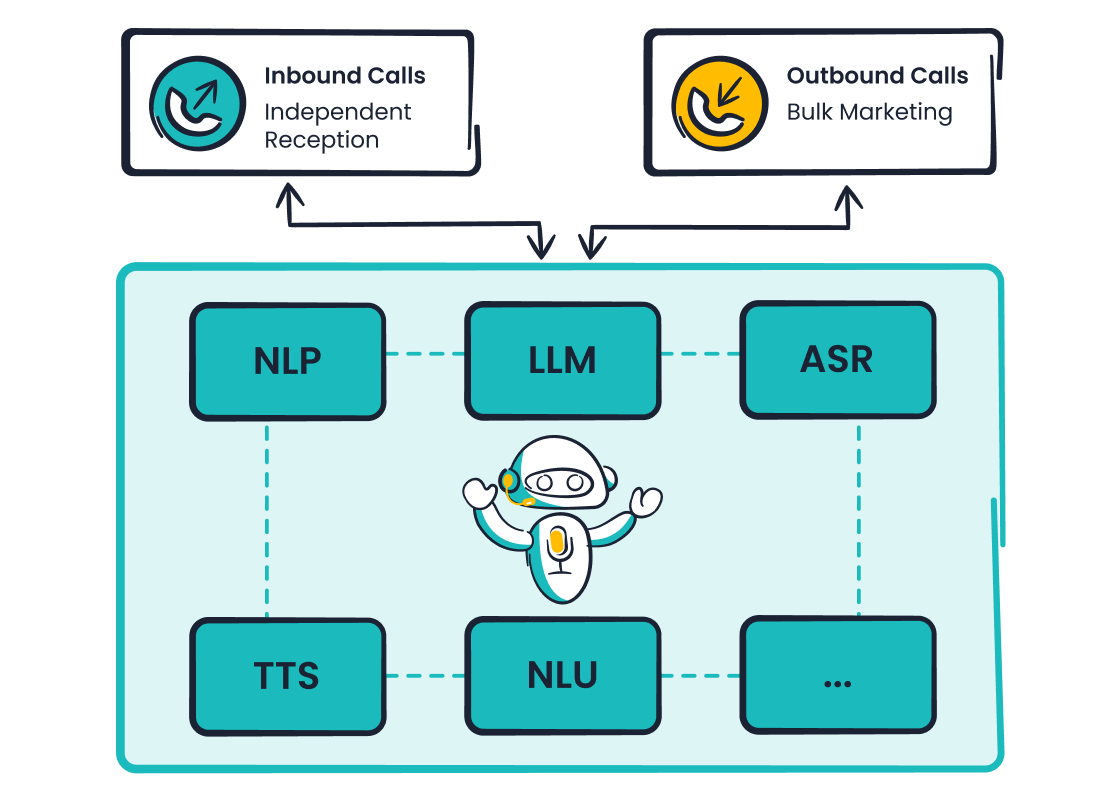
An AI outbound calling bot automates human-like conversations. It qualifies leads or books appointments for you. This powerful automation boosts your outbound outreach and overall efficiency. It frees your outbound calling agents to focus on high-value tasks. This guide gives you a clear framework to launch your first AI outbound calling campaign. You will learn using powerful tools like the Sobot AI, part of the Sobot call center solution.
Understanding AI Outbound Calling

What is an AI Calling Bot?
An AI outbound calling bot is a smart tool for your business. It engages in automated phone conversations that feel natural and human. Unlike a basic robocaller that plays a pre-recorded message, a modern ai outbound calling bot uses advanced technology. For example, Sobot’s Voicebot uses Natural Language Processing (NLP) and Large Language Models (LLMs) to understand what your customer is saying. This technology allows the bot to interpret intent, context, and even emotion. It can hold a real conversation, not just follow a rigid script. This makes automated phone conversations a powerful tool for customer acquisition.
Key Benefits vs. Traditional Methods
You will see major advantages when you compare an ai outbound calling bot to traditional methods. Old automated calling systems are often rigid and frustrating for users. An outbound voice ai, however, offers a dynamic and positive customer experience. This technology helps you scale your outreach without hiring more agents. This leads to a better customer acquisition process.
Sobot’s solutions can significantly reduce your cost-per-contact. This frees your outbound calling agents to handle more complex and high-value interactions, boosting overall team productivity and improving your customer acquisition strategy.
This automation is key for efficient customer acquisition. The outbound voice ai handles repetitive tasks, allowing your team to focus on closing deals. This improves the overall customer acquisition journey.
Common Use Cases for Your First Campaign
You can use AI outbound calling for many goals. Your first campaign can deliver immediate results for customer acquisition. Here are a few powerful use cases to start with:
- Lead Generation and Qualification: The bot can make initial contact with thousands of potential leads. It asks qualifying questions to identify the most promising prospects for your sales team. This is a core function for customer acquisition and effective lead generation.
- Appointment Setting: Let the AI handle scheduling. It can access your calendar and book appointments directly with qualified leads, streamlining your lead generation and customer acquisition process. This creates a seamless customer experience.
- Customer Feedback Collection: After a purchase or interaction, the bot can call customers to gather feedback. These automated phone conversations help you understand the customer experience and identify areas for improvement, which is vital for long-term customer acquisition and lead generation.
Your Step-by-Step Guide to an AI Outbound Calling Campaign
Launching your first AI outbound calling campaign is a straightforward process. This step-by-step guide will walk you through each phase. You will learn how to set clear goals, build an effective bot, and prepare for a successful launch. Following this framework ensures your campaign management is smooth and effective from day one.
Step 1: Define Your Campaign Goal & KPIs
You must first define what success looks like. Clear campaign objectives guide every other decision you make. Are you trying to book more appointments, qualify leads, or gather customer feedback? Your goal will determine your script, your bot's persona, and the metrics you track. For an initial campaign, you can focus on simple goals like appointment setting for a quick return.
Once you set your objectives, you need Key Performance Indicators (KPIs) to measure them. These metrics show you if your campaign is working.
Key KPIs for Your AI Campaign:
- Conversion Rate: Track the percentage of calls that result in a desired action, like a booked appointment.
- Cost Per Qualified Lead (CPQL): Calculate how much you spend to get one sales-ready lead. AI can lower this cost by 25-40%.
- Cost Per Appointment: Set a target for this metric. For example, one retailer used AI to drop their cost-per-appointment from $32 to just $7.
- Lead Quality Score: Evaluate how well the AI identifies leads with real buying intent.
- AI Campaign ROI: Measure the total financial return from your AI investment. You can often see a return on investment (ROI) of 300-500% in the first year.
Effective campaign management starts with knowing your destination.
Step 2: Scripting Your AI Outbound Calling Bot
Your script is the brain of your ai outbound calling bot. A good script creates natural, personalized conversations that engage customers. A bad script leads to hang-ups. Your script is a core part of your campaign management.
Here are best practices for writing your script:
- Introduce the Bot: Start with a friendly greeting and introduce your bot.
- Ask an Engaging Question: Immediately ask a question to capture the user's attention.
- Keep It Short: Provide information in small, easy-to-digest pieces. Pacing the interaction makes it feel more like a human conversation.
- Guide the User: Use clear prompts and options to guide the conversation. This reduces confusion and keeps the user engaged.
- Plan for Fallbacks: Create helpful responses for when the AI doesn't understand. Instead of "I don't understand," try "Could you rephrase that? You can also ask about X or Y."
A modern platform makes this process simple. For instance, the Sobot platform features a no-code, drag-and-drop visual flow builder. This tool lets you design complex, personalized conversations without writing a single line of code. This makes campaign management much easier. This level of personalization is key to a successful outbound campaign.
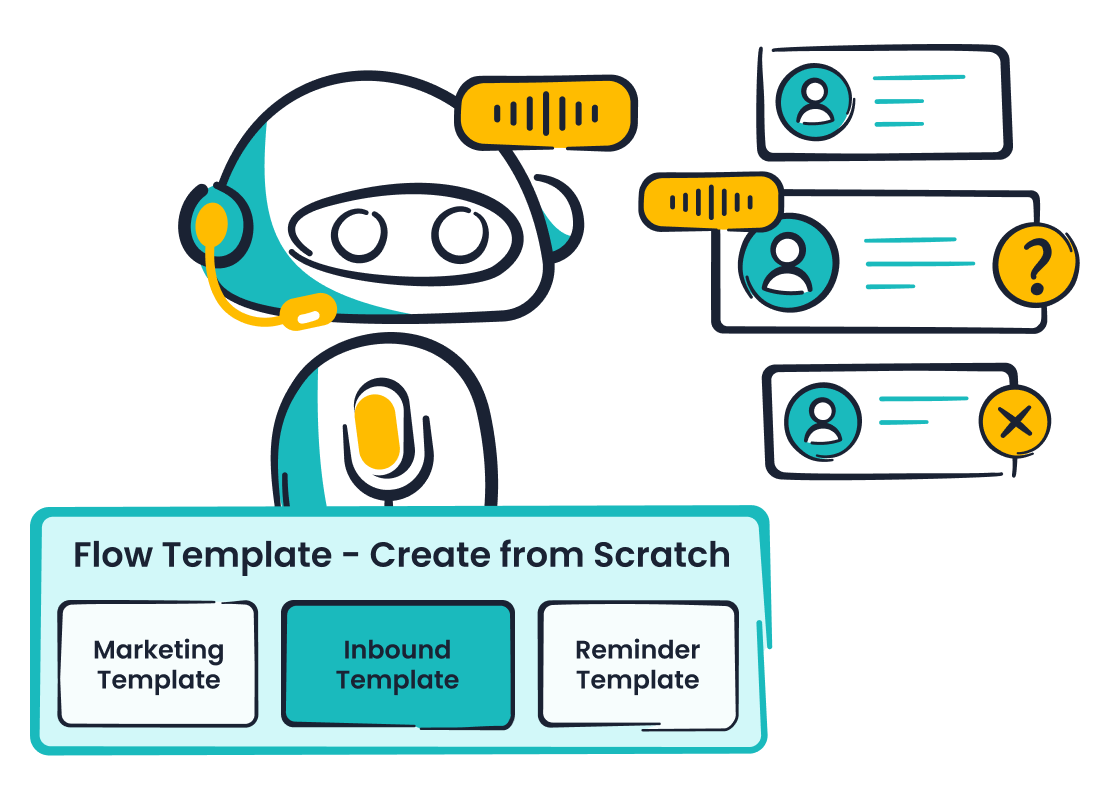
Step 3: Configuring Voice and Persona
The voice of your AI is its personality. Customers form an impression within the first seven seconds of a call. A voice that matches your brand builds trust and improves engagement. This is a vital part of campaign management and personalization.
Consider these factors when choosing a voice:
- Tone and Pace: Should the voice be energetic and fast, or calm and authoritative? The right tone depends on your industry and campaign goal. For example, a financial services bot might use a more authoritative tone, while a retail bot could be more enthusiastic.
- Emotion: Dynamic voices that can convey emotion achieve higher resolution rates. This makes personalized conversations feel more authentic.
- Language and Dialect: True personalization means speaking your customer's language. A platform with strong multilingual support is essential for reaching a diverse audience.
Case in Point: Weee! The online supermarket Weee! needed to serve customers from many different backgrounds. They used Sobot's platform to deploy multilingual support. This level of personalization helped them achieve a 96% customer satisfaction score.
Choosing the right voice and persona is a critical step in campaign management. It turns a simple automated call into one of many effective personalized conversations. A good platform will offer many options for this personalization.
Step 4: Preparing Your Contact List
Your contact list is the fuel for your outbound calling campaign. The quality of your list directly impacts your success and compliance. This part of campaign management has two main parts: legal compliance and strategic segmentation for personalization.
First, you must follow the law. Regulations like the Telephone Consumer Protection Act (TCPA) have strict rules for automated calling.
- Scrub Your List: You must remove numbers on the National Do Not Call Registry. Calling these numbers can lead to fines of over $50,000 per call.
- Get Consent: You need prior express written consent for telemarketing calls to cell phones. Keep clear records of this consent.
- Honor Opt-Outs: Your calls must include a clear way for people to opt out. You must honor these requests immediately.
Second, you should segment your list for better personalization. Grouping contacts based on shared traits allows you to create more relevant, personalized conversations. You can segment by:
- Demographics: Age, location, or language.
- Behavior: Past purchases or website interactions.
- Firmographics: For B2B, company size or industry.
A clean, well-segmented list is a cornerstone of effective campaign management and personalization. It ensures your AI is calling the right people with the right message.
Step 5: Integrating with Your CRM
Your AI calling platform should not be an island. Integrating it with your Customer Relationship Management (CRM) system connects your AI's efforts to your sales and marketing teams. This integration is the final piece of your campaign management setup. A good platform offers plug-and-play integrations with major CRMs.
When your AI platform and CRM are connected, you can automate critical tasks. This frees up your outbound calling agents to focus on closing deals, not data entry.
Common data points to sync include:
- New leads and contacts
- Call logs, recordings, and transcripts
- Updated lead statuses (e.g., "Qualified," "Appointment Set")
- Sales opportunities
This integration enables powerful automation. The AI can score leads based on the conversation and automatically route hot prospects to the right agents. It can create follow-up tasks, notify agents instantly, and ensure no qualified lead falls through the cracks. This seamless flow of information empowers your agents and makes your entire outbound process more efficient. This is the goal of great campaign management and personalization.
Launching and Testing Your Campaign
You have defined your goals and built your bot. Now it is time for the most critical phase: testing. A pilot campaign lets you test your AI outbound calling strategy on a small scale. This step helps you find and fix issues before you launch the campaign to your entire contact list. This process ensures your full outbound effort is effective from day one.
Setting Up a Pilot Campaign
A pilot campaign is a small, controlled test. It gives you valuable data without risking your brand's reputation. You can see how real people interact with your AI bot. This helps you make smart adjustments.
Your Pilot Campaign Checklist:
- Select a small, representative group from your target audience. A list of 50–100 contacts is a great start.
- Run the test for a short period, like two or three business days.
- Aim to complete between 50 and 100 calls to gather enough data.
This initial test provides the insights you need for a successful full-scale campaign.
Analyzing Initial Test Results
After your pilot, you must analyze the results. Look at the data to see what worked and what did not. Key metrics will tell you the story of your bot's performance. Two important metrics are Task Completion Rate (TCR) and Close Rate.
- Task Completion Rate (TCR): This measures how often the AI successfully completed its goal, like booking an appointment. A high TCR shows your script is effective.
- Close Rate: This tracks the percentage of calls that turned into paying customers or qualified leads. It directly measures your campaign's impact on business goals.
Tracking these numbers helps you understand where to improve your calling strategy.
Refining Scripts Before Full Launch
Your test results guide your final refinements. The conversation transcripts from your pilot calls are a goldmine of information. You should review them to find points of friction.
Look for moments where customers seemed confused or where the AI misunderstood them. These are opportunities to improve your script. By analyzing common phrases and user mistakes, you can refine the bot's responses. Prioritize fixing issues that cause hang-ups or prevent task completion. This final polish ensures your AI provides a smooth, positive experience when you are ready to launch the campaign to a wider audience.
Optimizing Your Outbound Voice AI Campaign

Launching your campaign is just the beginning. True success comes from continuous optimization. You must monitor results, test new ideas, and refine your strategy. This process turns a good outbound voice ai campaign into a great one, maximizing your efficiency and return on investment.
Key Metrics to Monitor for Success
You need to track the right data to understand your campaign's performance. Key metrics provide clear insights into what is working. Your analytics will show you where to improve your outbound voice ai.
| Metric | Traditional Outbound | AI-Enhanced Systems |
|---|---|---|
| Call Connection Rate | 8-15% | 20-25% |
| Lead Conversion Rate | N/A | 10-20% boost |
| Cost Per Lead (CPA) | N/A | 30-50% reduction |
Beyond these numbers, you should also use your analytics to monitor customer sentiment. This tells you how people feel during the calling experience. As one expert notes:
"Sentiment is an important element of measuring the customer experience... If you serve customers and they’re unhappy, sooner or later that’s going to affect you."
Positive sentiment is a strong indicator of a successful outbound voice ai campaign and better personalization. Your analytics are key to improving efficiency.
Best Practices for A/B Testing
A/B testing helps you improve your campaign through experimentation. You can test one variable at a time to see what performs best. For example, you might test two different opening lines to see which one keeps more people on the line. You could also test different call times to find the optimal window for outreach. This constant testing and personalization improves your outbound voice ai and overall efficiency.
Common Pitfalls to Avoid
Many AI outbound calling campaigns fail due to simple mistakes. You can avoid these common pitfalls with careful planning.
- The "Robot Voice" Problem: A robotic, unnatural voice kills trust. Customers will hang up if the AI sounds fake. This damages your brand and ruins the customer experience. Your outbound voice ai must sound human for effective personalization.
- Poor Quality Lists: Calling people who have not shown interest is a waste of time. These "ghost leads" result in low engagement and frustrate your agents. A clean, targeted list is essential for campaign efficiency.
- Ignoring Compliance: You must follow all calling regulations. Failing to scrub your list against Do Not Call registries can lead to huge fines. A single violation of the TCPA in the US can cost you $1,500 per call.
Strategies for Scaling Your Efforts
Once your campaign is optimized, you can scale your efforts. Scaling means increasing your call volume without losing efficiency. A scalable platform like Sobot Voicebot can adjust call volumes to meet your business demands, helping you grow your outbound efforts smoothly. This improves your team's efficiency.
Success Story: Weee! The online supermarket Weee! used Sobot to optimize its customer service. By implementing a flexible and multilingual outbound voice ai, they achieved incredible results. Their agent efficiency increased by 20%, resolution time dropped by 50%, and their customer satisfaction score hit 96%. This shows how the right tools and analytics can lead to massive gains in efficiency and personalization. Your agents and your business will see the benefits of this efficiency.
You can master AI outbound calling. This technology is an accessible tool for scaling your outbound efforts. A powerful platform like Sobot makes it easy to start. Your first AI outbound calling bot campaign follows a simple framework. You define your goal, build your bot on the Sobot Voicebot platform, launch a pilot, and optimize your calling performance. This AI approach will transform your outreach.
Ready to begin? Embark on Your Contact Journey. Explore the Sobot Voicebot platform to see how you can launch your first campaign.
FAQ
How do I know if my AI calling bot is working?
You can track your bot's performance using key metrics. Your campaign dashboard provides detailed analytics on call outcomes and conversion rates. These analytics show you exactly how well your bot meets its goals, giving you clear data on its effectiveness.
Can the AI bot speak different languages?
Yes, a powerful AI bot offers multilingual support. You can use analytics to see which languages perform best. Sobot’s detailed analytics help you understand customer interactions in every language. This ensures your outreach is effective across diverse audiences, and the analytics confirm it.
How can I improve my campaign over time?
You improve your campaign through continuous testing and optimization. Your platform's analytics are essential for this process. The data from these analytics highlights areas for improvement in your script and strategy. Sobot’s powerful analytics give you the insights needed to refine your approach.
Does the AI bot work with my existing tools?
Yes, top platforms like Sobot Voicebot integrate with your CRM. This connection syncs important data automatically. You can view call data within your CRM's analytics. This integration uses analytics to give your team a complete view of every customer interaction.
See Also
Evaluating Advanced AI Solutions for Enterprise Call Center Operations
A Comprehensive Guide to Artificial Intelligence Software for Call Centers
Discovering the Top 10 AI Tools for Enterprise Contact Center Success
The Best Automated Voice Calling Software Solutions Reviewed for 2024
An Essential Guide to Effectively Managing Your Live Chat Agent Teams

