A Guide to Outsourced Omnichannel Experience

An outsourced omnichannel customer experience is a strategic partnership with a specialist provider. Businesses use this strategy to unify all customer interactions. This creates one seamless conversation across channels like voice, chat, and social media. Companies achieve major benefits like cost savings and access to expert technology. They also see customer satisfaction rates reach 67% with smooth support. Your business can solve service challenges and improve the customer journey. A provider like Sobot uses Sobot AI and a Sobot call center to unify communications. This outsourced omnichannel customer experience strategy helps you boost satisfaction.
Why Pursue an Outsourced Omnichannel Customer Experience?
Businesses adopt an outsourced omnichannel customer experience for several powerful reasons. This strategic move goes beyond simple call answering. It transforms customer service into a driver of growth, efficiency, and loyalty. Companies that invest in this model position themselves to win in a competitive market. They gain access to tools, talent, and processes that are difficult to build internally. The following points explore the key advantages of this approach.
Access Specialized Expertise and Technology
Partnering with a specialist provider grants immediate access to advanced tools and skilled professionals. Building an in-house team with deep expertise in customer experience management is slow and expensive. Outsourcing providers, however, live and breathe customer service. Their teams are already trained in best practices for communication, problem-solving, and brand representation.
These partners also bring a powerful technology stack. Many businesses cannot afford or manage the complex software needed for a true omnichannel operation. Outsourcing unlocks access to these cutting-edge systems.
- AI-Powered Chatbots: Providers like Sobot offer AI chatbots that handle common questions 24/7. This frees up human agents for more complex issues.
- Predictive Analytics: This technology helps forecast customer needs and behaviors. It allows for proactive support that improves the customer journey.
- Unified Platforms: An expert partner provides a single, integrated system. Sobot’s platform, for example, unifies voice, chat, and email, giving agents a complete view of every customer interaction.
Companies that use AI-powered omnichannel strategies see a 287% increase in customer engagement. Conversational AI is expected to manage 85% of customer interactions without human agents by 2025. This level of technology is a core offering from an outsourced partner.
Achieve Cost-Effectiveness and Scalability
A primary driver for outsourcing is significant cost reduction. A Deloitte report shows that 59% of businesses outsource to cut costs. Building an in-house contact center requires large investments in infrastructure, technology licenses, recruitment, and training. An outsourced model converts these capital expenses into predictable operational costs. Some businesses report savings between 30% and 40% on operational costs.
Scalability is another major financial benefit. Business demand is rarely constant. It fluctuates with seasons, product launches, and marketing campaigns. An outsourced partner provides the flexibility to scale support teams up or down as needed.
During a peak season, an outsourcing partner can deploy a trained team in as little as two weeks. This prevents service bottlenecks and protects the customer experience during critical periods.
This agility offers several advantages:
- Cost-Effective Scaling: It eliminates the need to hire and train temporary staff for busy periods.
- 24/7 Support: Partners often operate across multiple time zones, providing round-the-clock support without extra staffing costs.
- Focus on Core Work: Internal teams are not pulled away from their main tasks to handle sudden increases in customer inquiries.
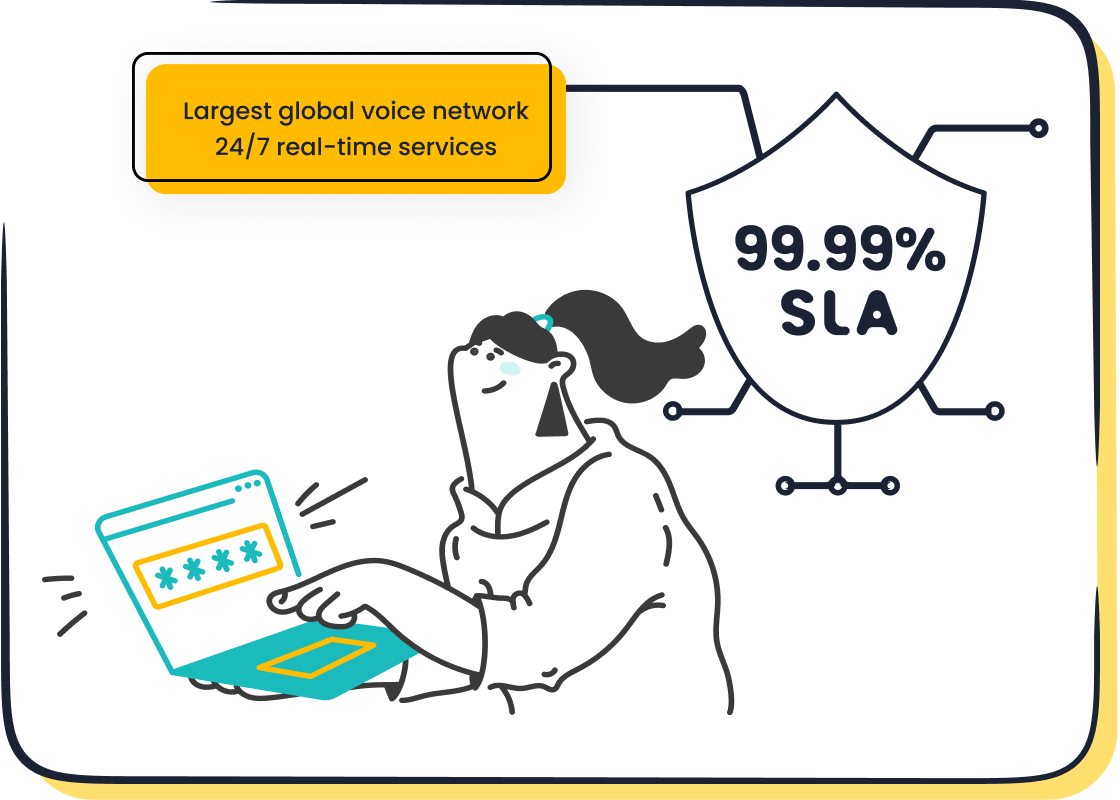
A provider like Sobot ensures reliability during these demand spikes with a stable system that guarantees 99.99% uptime. This combination of cost control and flexibility makes an outsourced omnichannel customer experience a financially sound strategy.
Enhance Focus on Core Business Functions
Every business has core activities that drive its success. These may include product development, innovation, marketing, or sales. Customer service, while critical, is a non-core function for most companies. Managing it internally can divert valuable time and resources from primary business goals.
Outsourcing customer experience management allows a company to refocus its energy where it matters most. When an expert partner handles customer inquiries, internal teams are free to concentrate on strategic projects. This delegation boosts overall productivity and efficiency. Businesses gain the ability to:
- Dedicate more time to strategic decision-making.
- Accelerate product development and innovation cycles.
- Launch more effective marketing and sales campaigns.
- Improve employee morale by allowing staff to focus on their specialized roles.
By delegating non-core tasks to professionals, companies ensure that customer support is handled expertly. At the same time, they empower their internal teams to excel at the jobs they were hired to do. This sharpens the company's competitive edge and supports long-term growth.
Improve Customer Satisfaction and Loyalty
Ultimately, the goal of any customer service strategy is to create happy, loyal customers. A poor experience can cause immense damage. In fact, 33% of customers will switch brands after just one negative interaction. A strong outsourced omnichannel customer experience directly addresses this risk and turns service into a tool for retention.
Companies with strong omnichannel strategies retain an average of 89% of their customers. This is far higher than the 33% retention rate for companies with weak strategies. The reason is consistency. Customers expect a seamless conversation, whether they are using chat, email, or phone. Omnichannel support delivers this unified experience.
A single bad experience is costly. Losing one customer can cost three times the amount spent to acquire them. For a company losing 100 customers a month, this can translate into hundreds of thousands of dollars in lost revenue and wasted acquisition costs.
A skilled outsourcing partner improves the entire customer journey. They use trained agents and advanced technology to provide fast, accurate, and personalized responses. For example, Sobot helped its client Opay increase its customer satisfaction rate from 60% to 90%. This demonstrates the powerful impact of well-executed omnichannel support. By ensuring every interaction is positive and consistent, businesses build the trust that leads to long-term loyalty and advocacy.
How to Implement Your Omnichannel Strategy
Transitioning to an outsourced omnichannel model is a significant project. A successful implementation requires careful planning and execution. Businesses that follow a structured approach can avoid common pitfalls and unlock the full potential of their partnership. The process involves defining what success looks like, choosing the right partner, integrating systems, and establishing strong training and quality frameworks.
Define Clear Goals and KPIs
Before evaluating any potential partners, a business must first define its objectives. Clear goals provide direction for the entire project and create the basis for measuring success. Without specific targets, it is impossible to know if the strategy is working. These goals should be specific, measurable, achievable, relevant, and time-bound (SMART).
Key Performance Indicators (KPIs) are the metrics used to track progress toward these goals. They provide tangible data on the effectiveness of your omnichannel strategies.
Tip: Start by identifying the most valuable customer segments and the channels they use most. This focus helps prioritize efforts and resources for the greatest impact.
Effective goals for an omnichannel implementation often include:
- Improving Customer Satisfaction (CSAT): Set a target to increase CSAT scores from a current baseline to a new, higher number.
- Enhancing Customer Loyalty: Implement a unified loyalty program across all channels to identify and reward repeat customers, aiming to reduce customer churn by a specific percentage.
- Delivering Personalized Messaging: Tailor communications to individual customer preferences to foster stronger brand relationships and positive sentiment.
- Ensuring a Consistent Brand Experience: Guarantee that the customer journey is cohesive and positive, no matter which channel a customer uses to interact with the brand.
- Following Customers Through Their Journey: Provide a positive brand experience from the first point of contact to post-purchase support to boost retention rates.
Select the Right Outsourcing Partner
Choosing the right partner is the most critical step in this process. The ideal partner acts as an extension of your team, sharing your commitment to quality and brand values. A thorough evaluation process helps identify providers that have the expertise, technology, and cultural fit to meet your goals.
Businesses should look for several key qualities in a potential partner:
- Proven Track Record and Client Success: Look for providers with a history of delivering measurable results. Ask for case studies with specific KPI improvements, client testimonials, and callable references. For example, Sobot’s successful partnership with Opay, which boosted CSAT from 60% to 90%, demonstrates a proven ability to deliver transformative results.
- Technological Capabilities: The partner must have a robust and modern technology stack. This includes integrated platforms that unify all channels and AI tools that enhance efficiency. A provider like Sobot offers a complete customer contact center solution, including a Voice/Call Center with 99.99% uptime, an AI-powered Chatbot and Voicebot, Live Chat, and an automated Ticketing System. This comprehensive suite ensures all aspects of customer communication are covered.
- Team Stability and Expertise: A partner's greatest asset is its people. Investigate agent retention rates, which should ideally be above 85%. A low turnover rate indicates a positive work environment and experienced agents. Inquire about their training programs and the experience of their team leads.
- Cultural Alignment: The partner’s values and communication style should align with your brand. They must understand and embody your brand voice to ensure a consistent customer experience.
During the selection process, be wary of partners who offer one-size-fits-all solutions, have suspiciously low pricing, or resist transparency. A true partner will conduct a thorough needs assessment to understand your unique challenges.
Ensure Seamless Systems Integration
Technology is the backbone of any omnichannel strategy. For agents to deliver a seamless experience, they need a unified view of the customer. This requires the partner's platform to integrate smoothly with your existing systems, such as your Customer Relationship Management (CRM) software.
One of the biggest headaches in modern contact centers comes from trying to get old and new technology to play nice together. Legacy systems weren’t built to talk to the latest digital tools, which can lead to frustrating compatibility issues. The disconnect often leads to data silos, where valuable customer information is trapped in separate systems.
To avoid these issues, prioritize partners whose platforms are built for easy integration. For instance, platforms like Sobot offer seamless integration with existing CRMs and other business systems, breaking down data silos and giving agents a complete customer history. A smooth data migration is also crucial. Best practices include:
- Conducting a data audit before migration to identify inconsistencies.
- Defining a clear migration strategy to minimize downtime and risk.
- Using automation tools to reduce human error and speed up the process.
- Implementing a rigorous testing process to prevent data loss or corruption.
Develop Comprehensive Brand Training
Your outsourced team is the voice of your brand. To ensure they represent you accurately, a comprehensive training program is essential. This training should go beyond product knowledge and teach agents about your company's culture, values, and unique communication style. Effective training is an ongoing process, not a one-time event.
A strong brand training program includes several key components:
- Brand Immersion: Use interactive sessions, videos, and brand materials to familiarize agents with your company’s history, mission, and values.
- Role-Playing Scenarios: Create practice scenarios that mirror real customer interactions. This helps agents apply the brand voice in different situations, from handling complaints to celebrating customer successes.
- Messaging Templates and Guidelines: Provide clear guides for common interactions, including greetings, responses to frequently asked questions, and conflict resolution steps. This ensures consistency in your omnichannel support.
- Continuing Education: Regularly update the outsourced team on new products, services, and marketing campaigns. This keeps their knowledge current and ensures they can answer customer questions accurately.
- In-house Trainers: Consider sending your own experts to train the outsourced team. This direct involvement helps ensure the partner fully grasps your brand’s communication style and overall vision.
Establish a Quality Control Framework
Once the strategy is live, you need a system to monitor performance and ensure high standards are maintained. A quality control (QC) framework provides the structure for ongoing evaluation and improvement in your customer experience management. This framework should be built around the KPIs you defined in the first step.
Industry-standard frameworks can guide this process:
| Framework | Description |
|---|---|
| COPC CX Standard | A performance management system designed for customer experience operations. It provides guidelines for managing interactions and improving service quality. |
| QA Scorecard | A customizable tool that defines criteria for evaluating agent interactions, such as resolution accuracy, communication style, and adherence to brand voice. |
| Six Sigma | A data-driven methodology focused on reducing errors and improving process quality. It helps identify the root causes of performance issues. |
To power this framework, your partner should provide robust analytics and reporting tools. Look for platforms that offer:
- Real-Time Dashboards: Track agent availability, queue lengths, and service levels as they happen.
- Customizable KPI Tracking: Configure reports to monitor the metrics that matter most to your business, such as First Contact Resolution and CSAT.
- Historical Analytics: Analyze trends over time to identify seasonal shifts or emerging customer issues.
- Interaction-Level Analysis: Drill down into specific call transcripts or chat logs to provide targeted coaching for agents.
By combining a clear framework with powerful tools, you can ensure your outsourced omnichannel strategies consistently deliver an exceptional experience and drive continuous improvement in your customer experience management.
Challenges in Customer Experience Management
Outsourcing your omnichannel strategy offers many benefits. However, businesses must also navigate potential challenges. Effective customer experience management requires proactive planning to overcome these hurdles. Addressing them head-on ensures a smooth partnership and protects brand integrity.
Maintaining a Consistent Brand Voice
A primary challenge is keeping a consistent brand voice across all channels. A brand's tone can shift between different teams or platforms without clear direction. This inconsistency confuses the audience. The absence of clear brand guidelines is a common mistake. It can make a brand's personality feel disjointed.
A provider must fully grasp the brand's culture and values. Without proper training, outsourced agents may give off-brand responses. This damages personalization and consistency.
Developing a clear strategy that defines the brand's voice is crucial for authentic messaging. Comprehensive training ensures the outsourced team represents the brand accurately.
Ensuring Data Security and Compliance
Protecting customer data is a top priority in customer experience management. Outsourcing introduces specific security risks that companies must address. Partners must have strong security measures to prevent data breaches.
Key risks include:
- Cyber Attacks and Hacking: Outsourcing providers can be targets for hackers trying to steal sensitive information.
- Insider Threats: Data can be compromised accidentally or intentionally by employees who fail to follow security protocols.
- Data Leakage: Weak security can expose information to unauthorized individuals.
Partners must also follow major compliance standards. These regulations protect consumer data rights.
- GDPR (General Data Protection Regulation): Requires partners to process data deletion requests and report breaches within 72 hours.
- CCPA (California Consumer Privacy Act): Gives consumers the right to know what data is collected and to have it deleted.
Managing Quality and Performance
Managing the performance of an outsourced team is essential for successful customer experience management. Businesses need to set clear expectations and use the right tools to monitor quality. Defining roles and responsibilities clearly prevents confusion. It ensures every team member understands their tasks and deadlines.
Using modern tools helps manage remote teams effectively.
- Communication Tools: Platforms like Slack and Zoom enable real-time discussions.
- Project Tracking Tools: Systems like Jira and Trello help manage tasks and workflows visually.
- Analytics and Reporting: Dashboards provide insights into productivity and help adjust workloads.
Regular check-ins and transparent updates create a culture of accountability. This ensures the outsourced team consistently meets performance goals.
An Outsourced Omnichannel Solution in Action
Theoretical benefits are valuable, but real-world results show the true power of an outsourced omnichannel customer experience. The story of Opay, a leading financial services platform, provides a clear example. It demonstrates how a strategic partnership can transform customer experience management.
The Challenge: Fragmented Communication
Opay served tens of millions of users across multiple countries. The company faced a high volume of customer inquiries through disconnected channels. Support teams managed social media, email, and voice calls on separate platforms. This fragmented approach created inefficiencies. It also led to an inconsistent customer journey. Opay needed a unified system to streamline communication and improve service quality.
The Sobot Solution: A Unified Platform
Opay partnered with Sobot to implement a comprehensive omnichannel support solution. Sobot integrated all of Opay's communication channels into a single, unified workspace. This platform gave agents a complete view of every customer's history. Key implementations included:
- An email ticketing system to organize and track inquiries.
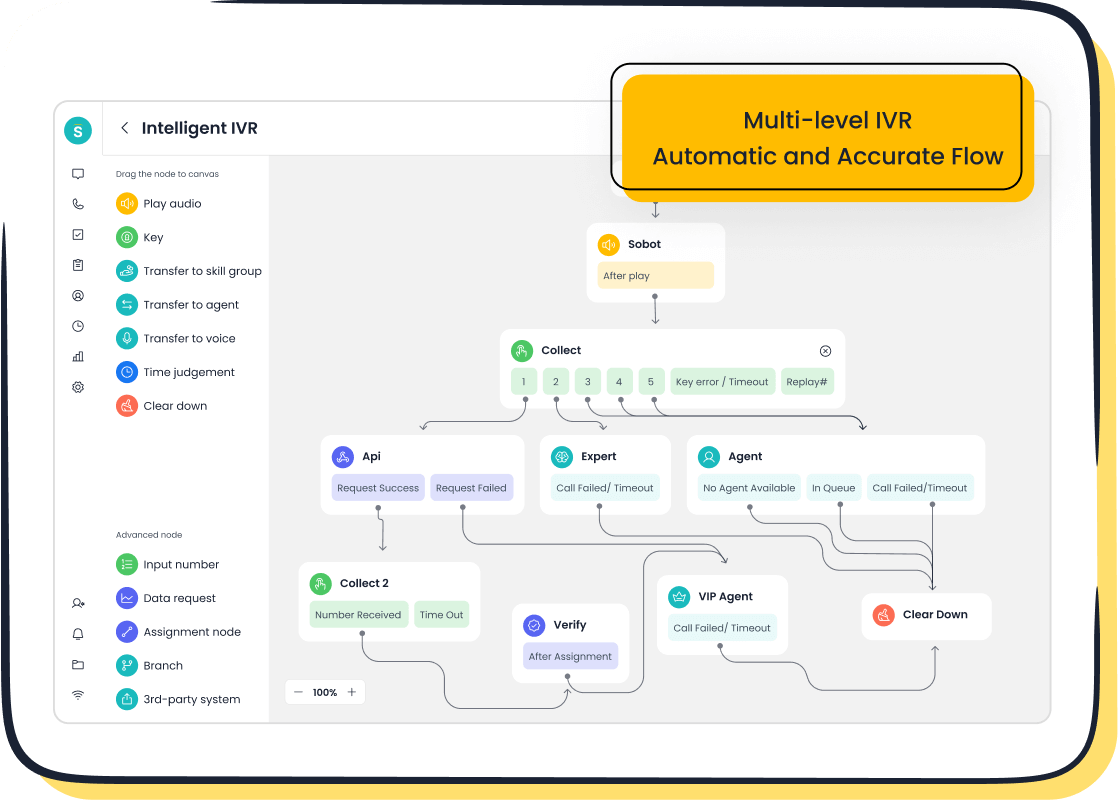
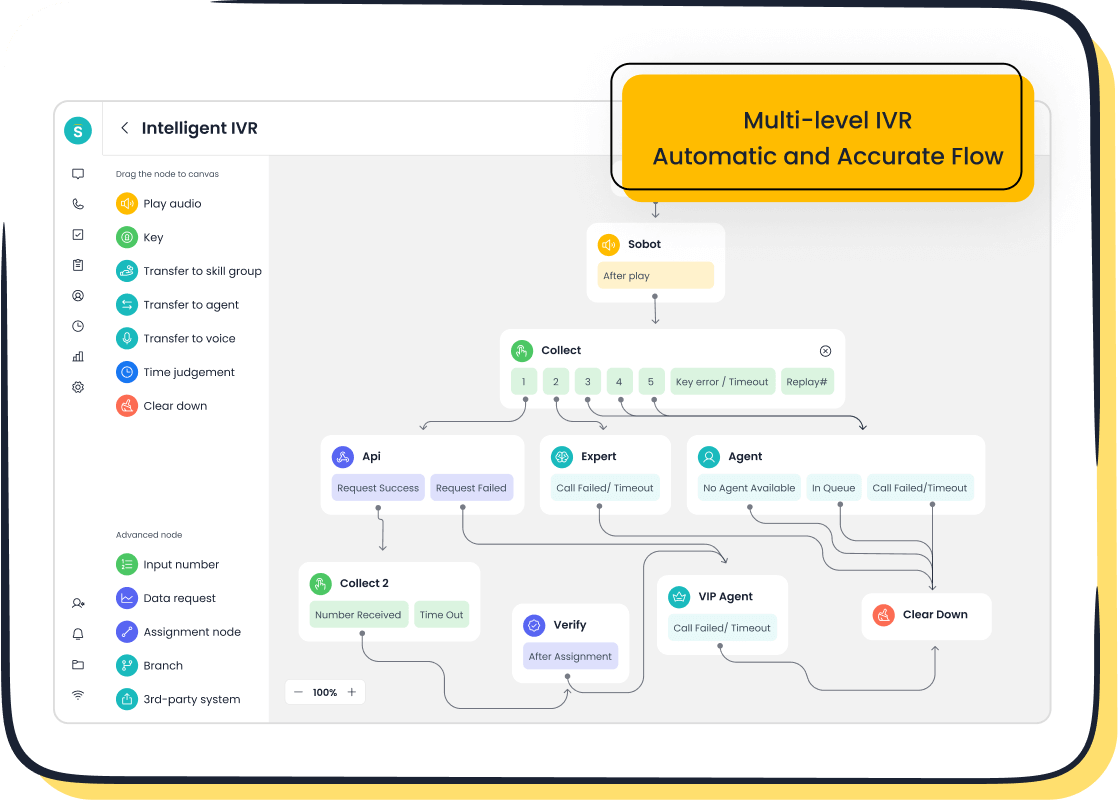
- An intelligent IVR to manage high call volumes and offer self-service options.
- Social media integration to handle public and private messages efficiently.
This new system simplified workflows for agents. It also created a seamless experience for customers, no matter how they chose to connect.
The Results: A Success Story with Opay
The results of this outsourced omnichannel customer experience were transformative. Opay saw dramatic improvements across key metrics. The new strategy enhanced customer experience management and delivered measurable business value.
By unifying its support channels, Opay not only solved its communication challenges but also turned its customer service into a driver of growth and loyalty.
The partnership produced significant gains:
| Metric | Before Sobot | After Sobot |
|---|---|---|
| Customer Satisfaction (CSAT) | 60% | 90% |
In addition to this impressive CSAT jump, Opay achieved a 20% reduction in overall operational costs. The company also saw a 17% increase in its conversion rates, proving that excellent service directly impacts the bottom line.
An outsourced omnichannel customer experience is a powerful strategic move. A partnership with a proven provider like Sobot drives efficiency and elevates the entire customer journey. This approach unlocks access to advanced tools and expert teams. It leads to measurable improvements in customer satisfaction and loyalty. Businesses should evaluate their current omnichannel strategies to improve their customer journey. Exploring Sobot's all-in-one contact center solutions can help companies capitalize on the growing demand for superior outsourced omnichannel customer experience.
FAQ
What is an outsourced omnichannel customer experience?
An outsourced omnichannel customer experience involves partnering with a specialist. This partner unifies all customer communication channels like voice, chat, and email. It creates a single, seamless conversation for every customer, managed by an expert team using advanced technology.
How does outsourcing improve customer satisfaction?
Outsourcing provides access to trained agents and advanced technology. Partners like Sobot use unified platforms to give quick, consistent answers. This professional approach reduces wait times and resolves issues faster, which directly boosts customer satisfaction scores and builds loyalty.
What technology is essential for this strategy?
A unified contact center platform is critical. It should integrate voice, chat, email, and social media. Key features include an intelligent IVR, AI-powered chatbots, and a ticketing system. Sobot’s all-in-one solution provides these tools for a complete outsourced omnichannel customer experience.
How can a business ensure its brand voice stays consistent?
Businesses must provide comprehensive brand training. This includes sharing brand values, culture, and specific communication guidelines. Developing role-playing scenarios and clear messaging templates helps the outsourced team represent the brand accurately across all customer interactions.
See Also
Your Essential Guide to Seamless Omnichannel Call Center Software Solutions
Ten Steps for Successful Omnichannel Contact Center Solution Implementation
Leading Cloud Contact Center Services: Comprehensive Reviews for 2024
Evaluating the Best Contact Center Solutions: An In-Depth Review for 2024
Demystifying Live Chat Outsourcing: A Comprehensive Look at Associated Costs

