Choosing a Chatbot Gorgias vs. Alternatives

For Shopify stores needing a powerhouse of support automation, Gorgias is a top contender. The Gorgias AI chatbot excels with deep platform integration. However, for businesses seeking a powerful, all-in-one AI chatbot, an alternative from the list of Gorgias competitors, like Sobot, may be the superior choice. Finding the best chatbot for ecommerce is crucial. This guide examines different ecommerce chatbots, helping you decide if Gorgias is the right chatbot for your ecommerce support needs.
Why Gorgias Excels in Ecommerce
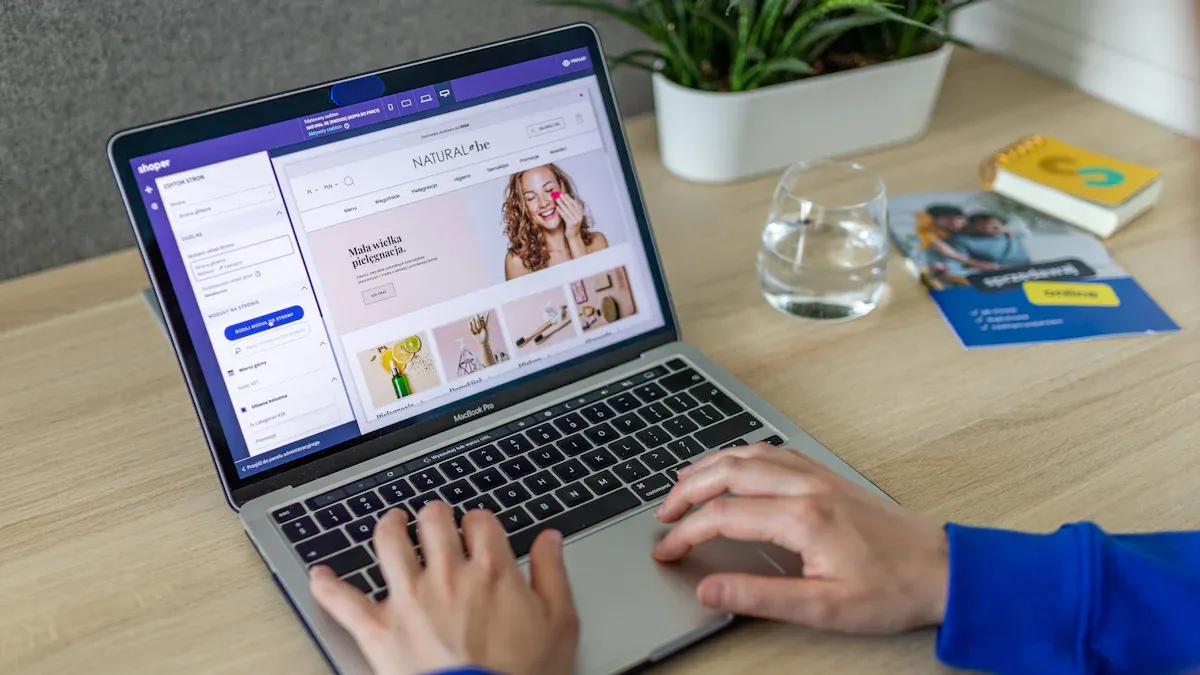
Gorgias has built a strong reputation as a leading ecommerce helpdesk. Its design focuses entirely on the needs of online stores. The platform's main strength is its ability to centralize customer interactions and connect them directly to sales data. This integration helps support teams work faster and smarter.
Deep Integration with Shopify
The ecommerce integration depth of Gorgias is a key advantage. The platform offers a deep integration with Shopify that goes beyond simple data viewing. Support agents can perform critical actions directly from the helpdesk.
For example, an agent can:
- Cancel or refund a Shopify order.
- Edit a customer's shipping address.
- Create a new order with specific products and discounts.
- View a customer's current shopping cart.
This level of integration transforms the helpdesk into a powerful command center for customer service and sales support.
Powerful Support Automation Rules
Gorgias uses powerful automation rules to manage high volumes of support tickets. These rules help teams organize their workflow and respond faster. Stores can create rules to handle common ecommerce inquiries automatically. Common automation features include:
- Tagging tickets from VIP customers.
- Routing urgent issues to senior agents.
- Automatically replying to questions like "Where is my order?" with tracking information.
These automation capabilities free up agents to focus on more complex customer needs.
The Gorgias AI Chatbot Experience
The Gorgias AI chatbot provides an effective self-service experience. This chatbot can resolve up to 60% of common customer questions without human help. For more complex issues, the chatbot has a clear escalation path. It can transfer the conversation to a live agent or create a support ticket for follow-up. This ensures a smooth customer experience. The chatbot and helpdesk work together to provide fast and accurate support.
Revenue-Generating Features
Gorgias is more than just a tool for customer support. Its features are designed to help ecommerce businesses increase revenue. By analyzing customer conversations, the chatbot can offer personalized product recommendations. Agents can use the platform's integration to identify upselling opportunities. This turns the support center into a profit center, making it one of the most effective ecommerce chatbots for growing brands.
Evaluating Top Gorgias Competitors
While Gorgias is a strong ecommerce helpdesk, several Gorgias competitors offer unique features and cater to different business needs. Evaluating these competitors is key to finding the right fit. The best Gorgias competitors provide robust alternatives in areas like omnichannel support, pricing, and automation.
Sobot: The All-in-One AI Contact Center
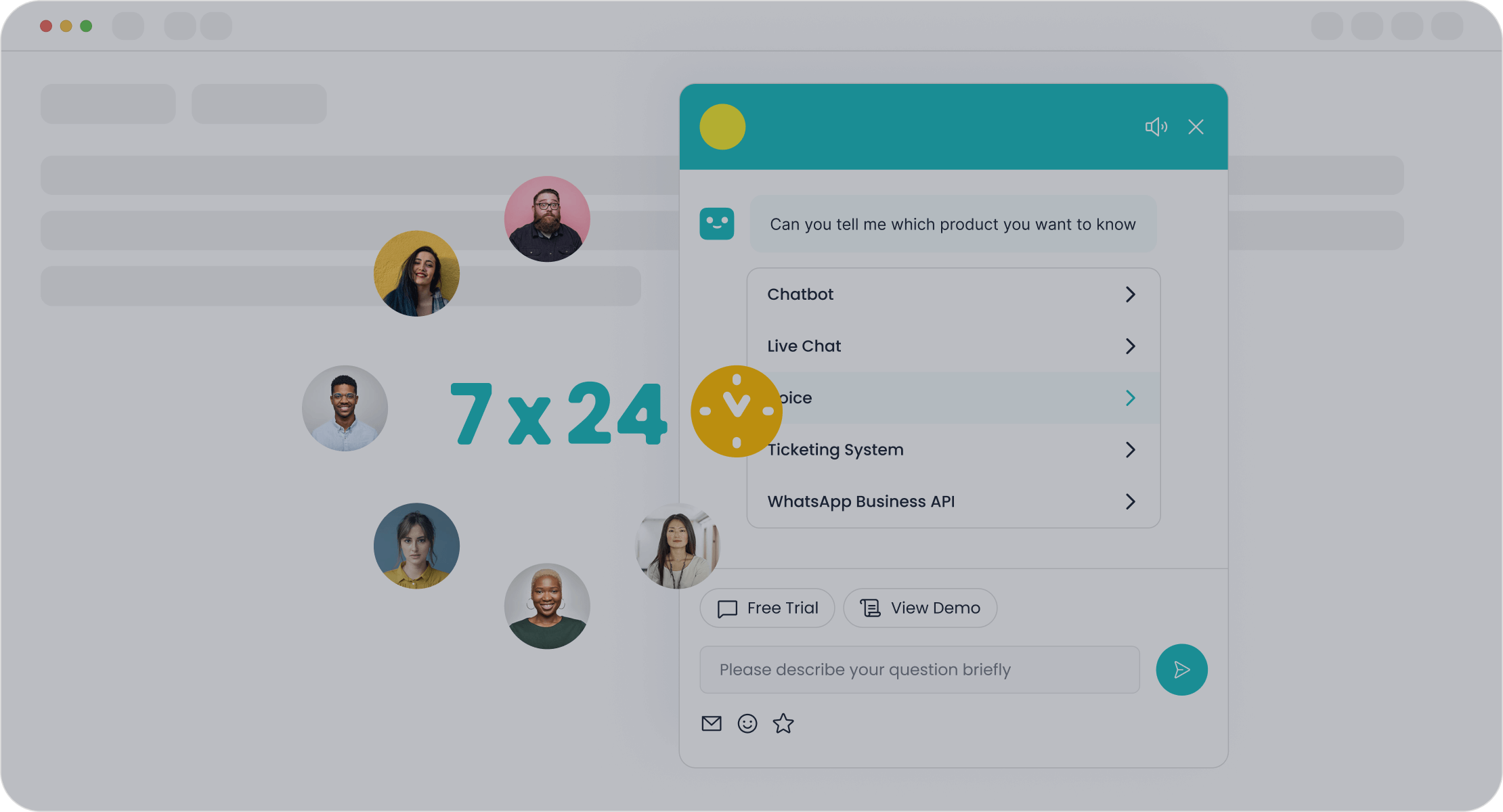
Sobot stands out as one of the best Gorgias competitors for businesses needing a unified solution. Its ideal user is a company seeking to consolidate all customer contact points into a single platform. Sobot is an all-in-one AI contact center that includes a chatbot, live chat, voice call center, and ticketing system.
This platform drives major efficiency gains. It can boost agent productivity by up to 70%. A great example is its work with OPPO, which achieved an 83% chatbot resolution rate after implementation. (Source)
Sobot's unique selling proposition is its comprehensive "Five-AI system," which includes:
- Omnichannel AI: Covers every customer touchpoint.
- Scenario-based AI: Tailored for ecommerce and retail.
- Multi-faceted AI: Features an AI Agent, Copilot, and Insights.
- Generative AI: Powered by advanced LLMs.
- Secure AI: Ensures data privacy and compliance.
These features make it a powerful alternative to Gorgias for businesses that want a single helpdesk for all channels.
Tidio: For Small Business & Lead Generation
Tidio is one of the Gorgias competitors designed for small and medium-sized businesses. It is especially popular with ecommerce brands focused on lead generation. Tidio combines live chat, a chatbot, and helpdesk features into one user-friendly package. Its main goal is to help over 300,000 businesses turn website visitors into customers. The platform makes advanced AI accessible with affordable pricing plans, which is a big advantage over more expensive competitors.
Intercom: For Proactive Customer Engagement
Intercom is a premium choice among Gorgias competitors for businesses that prioritize proactive customer engagement. Its ideal user has a larger budget and a strategy built around complex sales and support funnels. Intercom's features allow businesses to engage users with targeted messages, product tours, and automated onboarding sequences. This focus on proactive support helps companies guide customers through their journey, making it a strong tool for engagement-focused teams.
Zendesk: For Enterprise Omnichannel Suites
Zendesk is a giant in the customer service space and one of the most well-known Gorgias competitors. It is built for enterprise-level organizations that need a powerful, scalable omnichannel suite. Zendesk supports some of the world's largest companies.
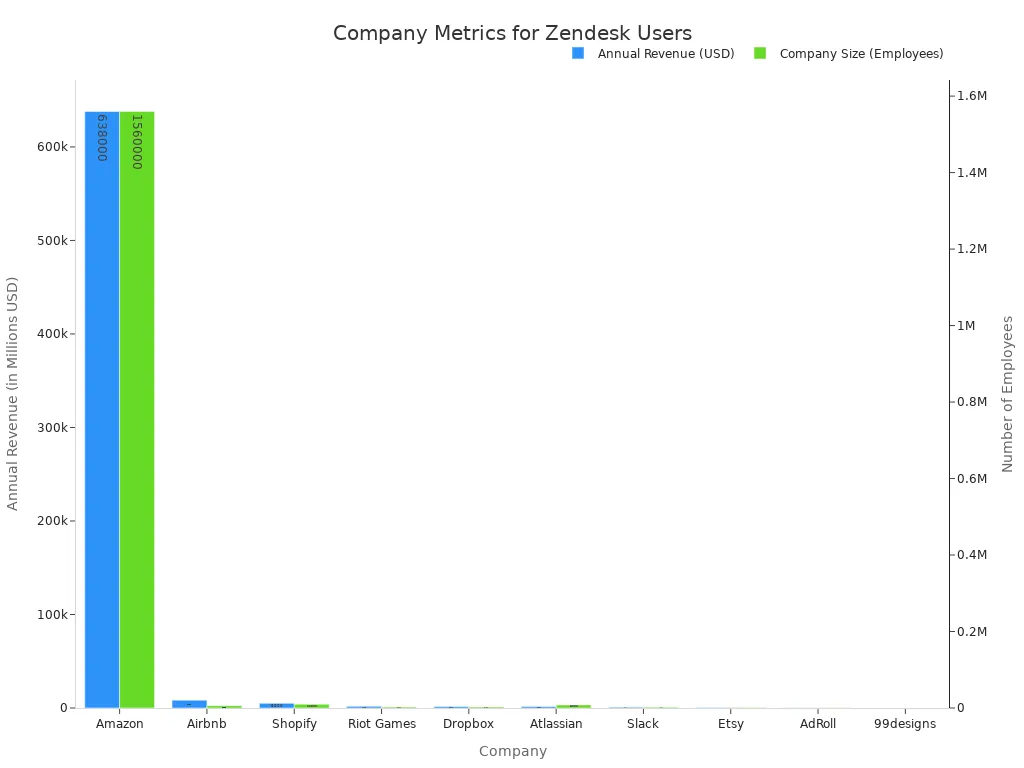
Its platform offers extensive features, robust automation, and a self-service portal, making it a top choice for large businesses managing high volumes of customer interactions across many channels. The pricing and complexity reflect its enterprise focus, setting it apart from competitors like Gorgias.
Head-to-Head: Gorgias vs. The Competition

Choosing the right helpdesk involves a direct comparison of features, capabilities, and focus. Gorgias sets a high standard for Shopify-centric support. However, its competitors offer different strengths that may better suit a wider range of business models. This section breaks down how Gorgias stacks up against key competitors.
Ecommerce Platform Integration
Platform integration is the backbone of an effective ecommerce helpdesk. Gorgias offers an exceptional, deep integration with Shopify. This allows agents to manage orders and customer data without leaving the helpdesk. This tight connection is its main selling point for Shopify merchants.
The best Gorgias competitors provide broader integration options. Sobot, for example, connects with a wide array of customer channels beyond a single ecommerce platform. It unifies communications from chat, voice, email, and social media apps like WhatsApp. This omnichannel integration creates a single view of the customer journey. Tidio also offers simple integration with platforms like Shopify and Wix, making it accessible for small businesses. Intercom focuses its integration on sales and marketing tools, connecting with CRMs like Salesforce to support complex sales funnels. For businesses operating across many channels, the limited focus of Gorgias can be a drawback compared to more flexible competitors.
Automation and AI Capabilities
Automation is critical for managing customer support efficiently. The Gorgias AI chatbot uses powerful rules to tag, route, and respond to tickets. This automation is excellent for organizing a busy support queue and handling common questions. The features are robust for ticket-based support workflows.
In contrast, some Gorgias competitors leverage AI more broadly. Sobot provides advanced AI-powered automation across its entire contact center. Its chatbot uses a no-code, point-and-click interface, allowing teams to design complex workflows without any programming knowledge. This powerful automation can improve agent productivity by 70%. It also supports a wider range of channels, including AI for voice calls and WhatsApp interactions. Tidio uses its chatbot primarily for lead generation and simple queries. Intercom’s automation excels at proactive engagement, guiding users through onboarding and sales sequences. While the automation in Gorgias is effective for its helpdesk, the AI capabilities of competitors like Sobot offer a more comprehensive approach to business-wide efficiency.
The Rise of All-in-One Ecommerce Chatbots
Modern ecommerce demands more than just reactive support. The market is shifting toward all-in-one ecommerce chatbots that handle sales, marketing, and support in a single interface. These platforms offer a unified customer experience. A true all-in-one chatbot combines several key features.
| Feature | Primary E-commerce Benefit |
|---|---|
| Seamless Integrations | Unifies data for accurate, context-aware answers. |
| Omnichannel Support | Offers a consistent experience wherever customers shop. |
| Proactive Engagement | Turns passive browsers into active leads and sales. |
| Live Chat Handoff | Ensures complex issues are resolved by a human expert. |
| Robust Analytics | Provides actionable insights to improve support and sales. |
| Multilingual Capabilities | Expands your market reach to a global audience. |
These ecommerce chatbots act as a complete self-service tool. They can provide:
- Personalized product suggestions based on customer browsing history.
- Abandoned cart recovery with reminders and incentives.
- Real-time tracking for order and shipment status.
Gorgias functions primarily as a powerful ecommerce helpdesk with an integrated chatbot. Its main goal is resolving support tickets. Sobot embodies the all-in-one model more completely. It merges its chatbot, live chat, voice center, and ticketing system into one platform, creating a single source for all customer interactions. This makes it one of the Gorgias competitors better suited for businesses wanting to unify their entire customer communication strategy, not just their support desk.
Ease of Use and Onboarding
A platform's value depends on how easily a team can use it. Gorgias is known for its clean, intuitive interface. Teams can get up and running quickly, which is a major plus for a growing ecommerce team. The layout is straightforward, making it easy to manage conversations and access Shopify data.
Other competitors also prioritize user experience. Sobot offers a simple, no-code chatbot builder that empowers non-technical users to create sophisticated automation. Tidio is perhaps the easiest to start with, offering a simple setup and a user-friendly dashboard perfect for small teams. Intercom, with its extensive features, has a steeper learning curve. Its complexity provides power but requires more initial training and investment. The choice often comes down to balancing power with simplicity. While Gorgias offers a great experience, its pricing model may be a factor. The scalability for larger teams and overall pricing structure are important considerations when comparing it to its competitors.
The Bottom Line: A Pricing Breakdown 💰
Understanding the pricing structure of each platform is essential for making an informed decision. Each chatbot provider approaches pricing differently, reflecting their target audience and core value proposition. This breakdown compares the pricing models of Gorgias and its key competitors.
Gorgias: A Ticket-Based Model
The Gorgias pricing model is tied directly to support volume. Its plans are based on the number of billable tickets your team handles each month. This makes the Gorgias pricing easy to predict for ecommerce stores with stable ticket counts. However, costs can increase quickly during peak seasons. The platform's plans also vary in available features and user seats.
| Feature | Starter Plan | Advanced Plan |
|---|---|---|
| Monthly Cost | $10 | $750 (billed annually) |
| Monthly Tickets | 50 | 5,000 |
| User Seats | 3 | 500 |
| Dedicated Success Mgr | No | Yes |
This ticket-based pricing makes Gorgias a scalable solution, but one where costs are directly linked to customer interactions.
Sobot: Value-Driven Custom Pricing
Sobot offers a value-driven custom pricing model. This approach tailors the cost to a business's specific needs. The final pricing depends on several factors, including:
- The number of integrations required.
- The need for multilingual chatbot support.
- The scale of 24/7 operations.
This flexible pricing ensures businesses only pay for the features they use. By implementing Sobot's virtual assistants, companies can reduce operating costs by up to 78%, making it a strategic investment in efficiency.
Tidio: The Freemium Advantage
Tidio’s pricing strategy centers on a generous freemium model. Its free plan is a great starting point for small businesses. It includes 10,000 messages per month. However, the free plan has limitations.
- Chat Operators: Limited to 3 operators.
- Emails per Month: Capped at 500 emails.
- Chatbot Uses: Restricted to 100 unique visitors.
To access more advanced features or increase these limits, businesses must upgrade to paid plans. This makes Tidio's pricing very accessible for startups.
Intercom: Premium Proactive Features
Intercom uses a premium pricing structure based on user seats and add-on features. The total cost increases with each team member who needs access. Its pricing model is designed for businesses focused on proactive engagement. For example, the 'Proactive Support Plus' add-on costs $99 per month. This package unlocks powerful features like product tours and targeted surveys. This seat-based pricing and focus on premium add-ons make Intercom a powerful but more expensive chatbot option.
Choosing the right chatbot from the many Gorgias competitors depends on your specific ecommerce goals. The best ecommerce chatbots provide excellent customer support and a strong return on investment. This guide helps you select the right helpdesk for your needs.
- Choose Gorgias if: You run a high-volume Shopify store. Your primary goal is automating customer support tickets. The Gorgias AI chatbot offers deep ecommerce integration, helping brands like Topicals boost sales. This chatbot is a powerful helpdesk for customer experience.
- Choose Sobot if: You need a powerful, all-in-one AI chatbot. This helpdesk unifies all customer contact points (chat, voice, social). It drives efficiency with robust, no-code automation and scalability.
- Choose Tidio if: You are a small business focused on lead generation. This chatbot offers a cost-effective solution with a generous free plan for proactive support.
- Choose Intercom if: You have a larger budget. Your strategy revolves around proactive customer engagement and complex sales funnels.
FAQ
What makes the Gorgias AI chatbot a good choice for Shopify?
The Gorgias AI chatbot offers deep integration with Shopify. It allows support agents to manage orders, issue refunds, and view customer data directly within the helpdesk. This connection streamlines support for Shopify stores.
Is Sobot a good alternative if I don't use Shopify?
Yes, Sobot is an excellent alternative. It provides an all-in-one solution that unifies many channels like chat, voice, and social media. Its omnichannel approach works well for businesses on various platforms, not just Shopify.
Which chatbot is best for a small business on a budget?
Tidio is a great choice for small businesses. It offers a generous free plan that includes live chat and basic chatbot features. This makes it a very accessible and cost-effective option for startups.
How does an all-in-one chatbot help my business?
An all-in-one chatbot unifies customer communications. It combines sales, marketing, and support into one system. This creates a consistent customer experience and improves overall business efficiency by centralizing data and workflows.
See Also
Selecting the Optimal Chatbot Platform: A Comprehensive Selection Guide
Effortlessly Deploying Website Chatbots: Practical Implementation Strategies and Examples
Top Chat Software Solutions for 2024: An Essential Selection Guide
Building Effective Website Chatbots: Strategies for Achieving Online Success
Discovering the Three Leading Website Chat Software Choices Available

