2026 Outlook for Automated Call Centers


By 2026, the call center completes its transformation from a reactive cost center into a proactive, AI-driven value engine. This digital transformation fuels major contact center trends, with the contact center AI market projected to reach $4.1 billion by 2027. The future of contact centers, including the automated call center, demands innovation for a superior customer experience. Sobot's Sobot AI and Sobot call center solutions lead these trends. With automation set to handle 10% of customer interactions, this evolution rests on proactive customer engagement and a redefined agent experience.
Trend 1: The AI-First Workforce

The future of contact centers is built on an AI-first workforce. This model represents a fundamental transformation in call center operations. It shifts the focus from human-led processes to an environment where AI handles the bulk of routine interactions. This digital transformation allows human agents to concentrate on high-value, complex customer issues. The primary drivers for this strategy include boosting efficiency and using AI for breakthrough innovation. Projections show that by 2026, one in ten agent interactions will be automated. This highlights one of the most important contact center trends.
Autonomous AI and Conversational Bots
The days of rigid, script-based bots are over. The modern automated call center leverages autonomous AI agents. These agents handle complex, multi-step customer problems. This evolution is powered by generative AI, which uses Natural Language Processing (NLP) and machine learning to understand context and user intent. This technology creates a smarter, more human-like self-service experience.
For example, solutions like Sobot's Voicebot use advanced NLP and Large Language Model (LLM) technology. This AI delivers a remarkably human-like experience. It can automate over 90% of customer interactions, providing effective CX self-service and a better customer experience.
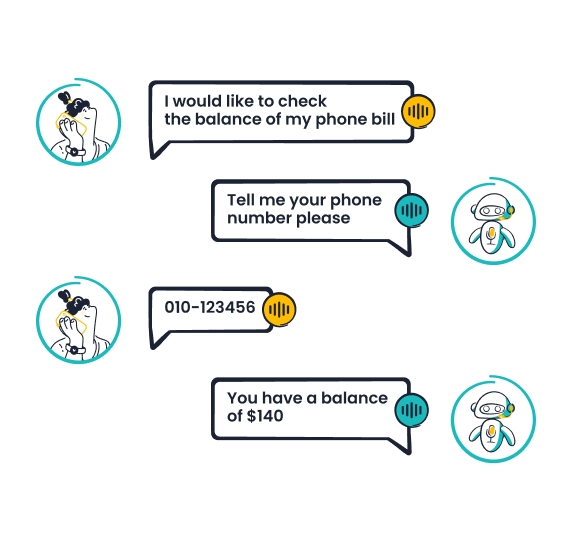
This level of automation is a key part of the future. It enables 24/7 customer support and turns pain points into performance gains.
The 'Super Agent': Human-AI Collaboration
An AI-first strategy does not replace human agents. Instead, it creates the 'Super Agent' through human-AI collaboration. In this model, AI acts as a copilot. It empowers agents with powerful tools to enhance their performance. These AI applications provide real-time assistance during live customer conversations.
Key functions of contact center AI copilots include:
- Real-time prompts and dynamic "battle cards" to guide agents.
- Sentiment analysis to help agents adjust their tone.
- Automated summaries of conversations for faster wrap-up.
- Instant knowledge retrieval to provide accurate answers quickly.
This synergy has a massive impact. Human-AI collaboration can increase First Call Resolution (FCR) rates to over 90%. It also dramatically reduces Average Handle Time (AHT) to under three minutes. This partnership between human expertise and AI efficiency is central to the contact center transformation. It solidifies the role of contact center AI in driving business growth.
Trend 2: The Future of Proactive Engagement
The future of the automated call center lies in shifting from a reactive posture to proactive customer engagement. This digital transformation is one of the most critical contact center trends for 2026. Instead of waiting for problems, businesses will use AI to anticipate needs and initiate contact. This approach turns customer support from a cost center into a powerful engine for loyalty and revenue growth. This innovation is key to improving the overall customer experience.
From Omnichannel to Optichannel Intelligence
For years, the goal was an omnichannel experience, ensuring consistency across all touchpoints. The future, however, belongs to optichannel intelligence. This is one of the most important trends in customer communication. While omnichannel provides many channels, optichannel uses AI to determine the right channel for the right customer at the right time. This strategy moves beyond simple availability to intelligent, data-driven personalization.
Optichannel intelligence leverages advanced analytics and contact center AI to predict customer preferences. It creates hyper-personalization by tailoring the channel, content, and timing of communication to individual behaviors. This focus on the most effective channels improves efficiency and makes every interaction more meaningful.
This evolution is a core part of the contact center's transformation. It ensures resources are focused where they deliver the most value, enhancing the customer experience quality.
Predictive Analytics for Proactive Service
Predictive analytics is the engine that powers proactive service. By analyzing customer data, contact center AI can identify potential issues, predict future needs, and spot sales opportunities before the customer even reaches out. This capability is central to the future of customer interactions and a key part of current trends. This automation allows for better CX self-service and a more streamlined experience.
A prime example of this transformation is the collaboration between OPPO and Sobot. By integrating Sobot's AI solutions, OPPO turned its customer service into a value driver.
- The system achieved an 83% chatbot resolution rate, freeing human agents for complex issues.
- This enhanced self-service and proactive support led to a 57% increase in the customer repurchase rate.
This demonstrates how a contact center can evolve from handling complaints to actively driving business growth. The use of contact center AI for predictive insights is one of the defining trends shaping the industry's future. This automation and focus on customer satisfaction are what define the next generation of customer support.
Trend 3: Redefining the Agent Experience

The future of the automated call center depends on its human agents. A superior customer experience starts with a superior agent experience. High agent attrition has long plagued call center operations, driven by factors like stress, repetitive work, and inadequate tools. This digital transformation directly addresses these issues. Contact center AI turns agent support into a strategic advantage.
Key drivers of agent turnover often include:
- A stressful work environment
- Repetitive and unengaging tasks
- Struggles with outdated software
- Limited opportunities for career growth
This transformation is one of the most important contact center trends. It uses AI to build a more supportive, efficient, and engaging workplace.
The Role of AI in Agent Training
Effective training is the foundation of agent success. AI revolutionizes this process by making it faster, more personal, and continuous. AI-powered training platforms can reduce agent onboarding time from weeks to just a few days. This innovation allows new hires to reach full productivity up to 70% faster. The AI achieves this by creating personalized learning paths for each agent.
This approach moves beyond static manuals. AI simulation tools create realistic practice scenarios with virtual customers. These AI avatars can raise objections and show emotion, preparing agents for real-world interactions. This hands-on experience builds confidence and competence. Better training powered by contact center AI directly improves customer satisfaction and the overall customer experience. These training trends are a core part of the contact center's evolution.
Optimizing the Hybrid Call Center
The shift to hybrid work models is one of the defining trends for the modern contact center. Success in this environment requires the right technology and management strategies. Cloud-based platforms and workforce management (WFM) tools are essential. They give agents the flexibility to work from anywhere. This automation ensures seamless operations.
Performance management also evolves. AI provides objective analysis of all agent interactions, not just a small sample. This allows for personalized coaching and real-time feedback. Managers can use these insights to support agents in the moment. This focus on development helps address the core reasons agents leave, such as high workload and lack of support.
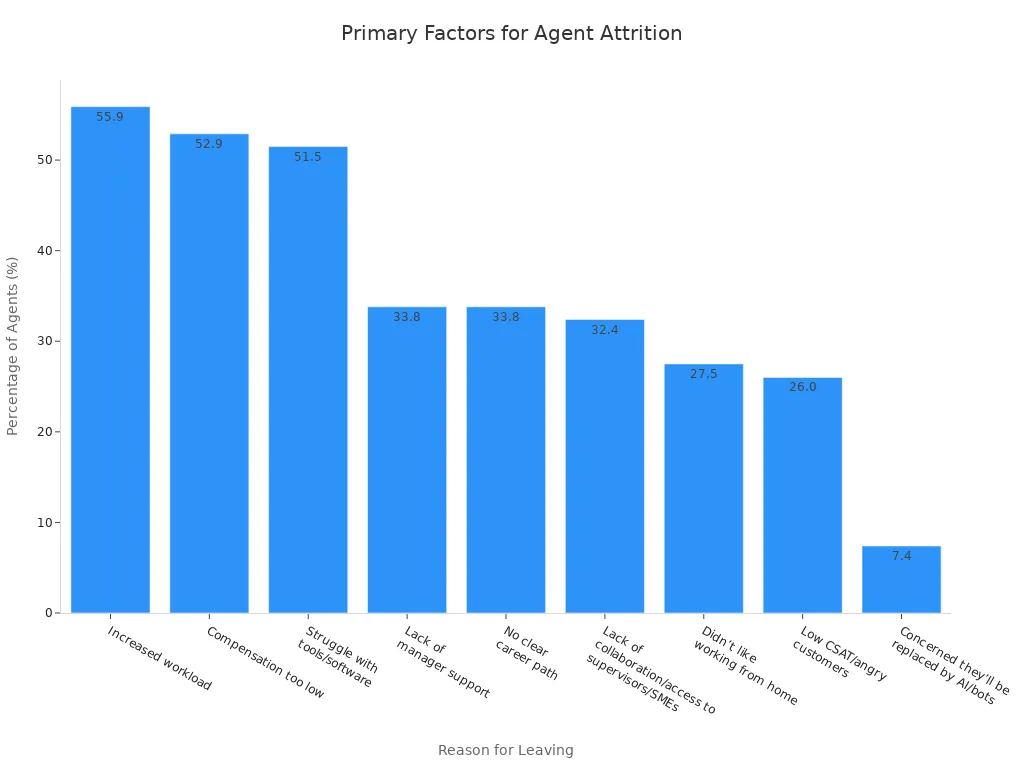
By tackling these challenges with AI, the digital transformation creates a better agent experience. This is one of the key trends for building a resilient and effective workforce.
Trend 4: Key Contact Center Trends in Security & Governance
The digital transformation of the contact center brings immense power, but it also introduces new security risks. As AI becomes more integrated, protecting customer data and maintaining trust are paramount. The future of the automated call center depends on robust security and responsible governance. These trends are not optional; they are essential for survival and growth in the AI era.
Combating AI-Powered Threats
The same AI that enhances customer experience can be weaponized by attackers. In 2024, a journalist used AI voice cloning to bypass a major bank's security, showing how easily bad actors can exploit these systems. This highlights one of the most urgent contact center trends. The primary vulnerability for contact center AI is prompt injection, where attackers use natural language to trick an AI into performing unauthorized actions.
Other significant AI-powered threats include:
- Data Poisoning: Corrupting the data an AI learns from.
- Model Extraction: Stealing the AI model itself.
- Adversarial Inputs: Crafting inputs designed to fool an AI system.
Traditional security is not enough. The future requires a Zero Trust architecture, where no user or device is automatically trusted. This approach, combined with advanced contact center AI for threat detection, helps build customer trust by proactively defending against these emerging trends. This automation of security is a critical part of the overall transformation.
Responsible AI Governance
With great power comes great responsibility. Deploying contact center AI ethically requires a strong Responsible AI governance framework. This ensures that AI systems operate fairly, transparently, and in compliance with regulations. Building customer trust is the ultimate goal.
A successful framework is built on four key principles:
- Transparency: The AI decision-making process must be understandable.
- Fairness: The AI must treat every customer equitably and without bias.
- Accountability: The business is responsible for the AI's impact on the customer.
- Compliance: The AI must follow data privacy laws like GDPR and CCPA.
Adhering to these principles is not just about avoiding fines. It is about demonstrating a commitment to the customer and their data. Strong governance solidifies the contact center's role as a trusted partner in the customer journey. These governance trends are fundamental to a successful AI strategy and a positive long-term experience.
The future of the automated call center is defined by four key trends: an AI-first workforce, proactive customer engagement, an elevated agent experience, and fortified security. This digital transformation requires more than new tools. It demands a unified, AI-accelerated strategy. This approach uses AI automation to build customer trust and a superior customer experience. A successful transformation solidifies the call center's role as a central asset for business growth and customer loyalty. The future depends on a strategy that integrates AI technology, empowers the human experience, and builds lasting customer trust.
FAQ
How will AI change the role of a human agent?
AI will not replace human agents. Instead, it creates 'Super Agents'. AI handles routine tasks, allowing agents to focus on complex customer problems. This partnership improves the agent's ability to support each customer effectively and boosts job satisfaction by making the work more engaging.
What is the main benefit of proactive customer engagement?
Proactive engagement turns a support center into a value engine. It uses data to anticipate a customer's needs and solve problems before they arise. This approach builds customer loyalty and can increase revenue, transforming the traditional cost-focused model of a call center.
Why is optichannel intelligence better than omnichannel?
Optichannel intelligence is a smarter approach. It uses AI to select the best communication channel for each specific customer interaction. This personalization makes communication more effective. It ensures every customer receives support through the channel that works best for them, improving the overall experience.
How does a better agent experience affect the customer?
A positive agent experience directly creates a better customer experience. Well-trained, supported agents are more effective and engaged. They resolve issues faster and provide higher-quality service. This leads to greater customer satisfaction and strengthens the relationship between the customer and the brand.
See Also
Leading Call Center Analytics Software: A 2024 Top 10 Review
Best Contact Center Solutions: An In-Depth Review for 2024
Discovering the Premier Cloud Contact Centers: A 2025 Insight
Evaluating AI-Powered Enterprise Call Center Solutions for Businesses
Examining the Best Cloud Contact Center Services: 2024 Reviews

