The Future of Software Used in Call Centers

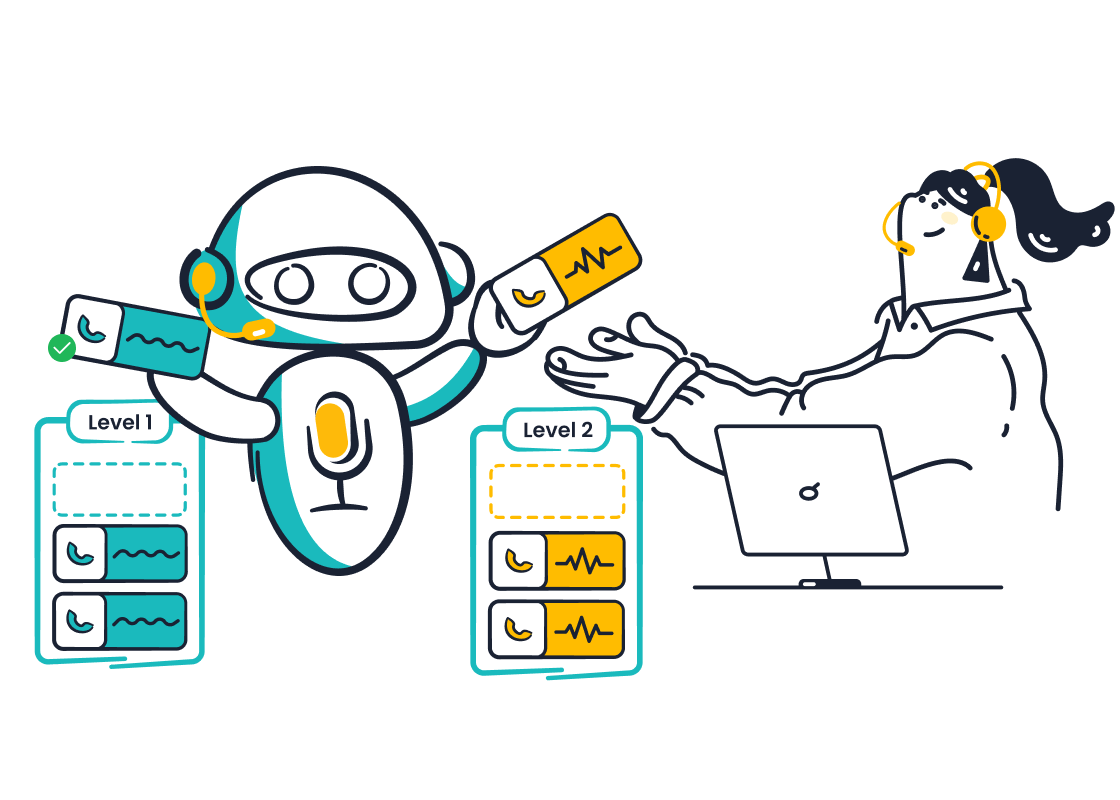
The software used in call centers is being fundamentally reshaped by AI-driven automation. This powerful AI automation enhances both the customer experience and call center efficiency. The modern contact center is moving from manual processes to intelligent automation. This shift in the call center empowers agents to become expert problem-solvers, driving an era of hyper-personalization in customer service. Brands like Sobot use Sobot AI in the Sobot call center to enable this transformation, which includes deep personalization and personalized customer interactions. The growth of AI in the contact center is undeniable, with AI and automation transforming the entire contact center. The call center uses this automation for better customer service and hyper-personalization.
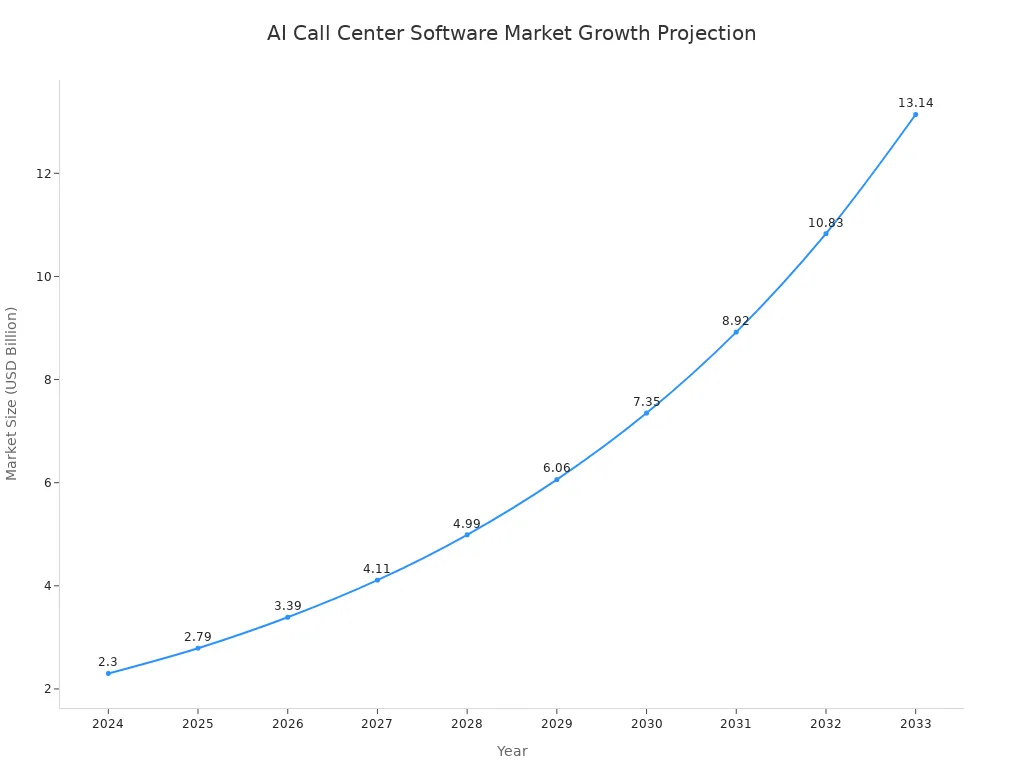
KEY TRENDS IN CALL CENTER AI:

The evolution of the call center is accelerating, driven by powerful automation trends. These trends are not just improving existing processes; they are creating entirely new capabilities. Contact center AI is at the heart of this transformation, introducing intelligence that reshapes every customer interaction. Understanding these key trends is essential for any business looking to build a future-proof contact center.
GENERATIVE AND AGENTIC AI:
Generative and Agentic AI represent the new frontier of contact center automation. These advanced forms of AI move beyond simple, scripted responses. They understand context, generate human-like content, and perform complex actions autonomously.
Generative AI creates new content based on its training data. In a call center, this technology provides dynamic and personalized support. Its applications are diverse and impactful.
- Personalized Customer Communication: The AI analyzes customer history to create unique responses. It adjusts its tone and recommendations in real-time for a truly personal touch.
- Real-time Agent Assistance: During live calls, the AI provides agents with suggested responses and relevant knowledge. This helps agents answer questions quickly and accurately.
- Automated Call Summarization: After a call, the AI generates structured summaries. This automation saves agents time and ensures consistent documentation in the CRM.
- Knowledge Base Creation: The AI identifies common questions from customer conversations. It can then draft new knowledge base articles, closing information gaps automatically.
Agentic AI takes this a step further. An agentic AI is an autonomous system that can reason, plan, and execute multi-step tasks to achieve a goal. This is a significant leap from traditional chatbots.
An AI agent can handle a complex request like a damaged item replacement. It identifies the customer, retrieves order history, understands the request, and executes a workflow across different systems. This includes creating a new order, generating a return label, and triggering an email notification. This level of proactive problem-solving is impossible for a traditional chatbot.
The difference between traditional automation and agentic AI is clear.
| Feature | Traditional Chatbot | Agentic AI |
|---|---|---|
| Scope | Narrow, predefined scripts | Broad, dynamic conversations |
| Memory | Stateless or short-term | Long-term, contextual memory |
| Integration | Minimal system integration | Deep integration with CRM & backend systems |
| Capability | Reactive, follows a script | Proactive, makes decisions, handles complex tasks |
This advanced AI is a core component of modern AI call center automation.
AI-POWERED AGENT ASSIST:
Even with powerful automation, human agents remain vital for handling complex and empathetic conversations. AI-powered agent assist tools act as a copilot for these agents. These tools enhance agent performance, not replace it. This is a key part of effective contact center automation. The core of these tools is a set of AI-powered capabilities designed to provide real-time support.
- Real-time Response Suggestions: The AI offers immediate, context-aware suggestions to agents.
- Natural Language Processing (NLP): The AI analyzes conversation language and customer sentiment to provide relevant recommendations.
- Knowledge Base Integration: The AI gives agents instant access to articles, guides, and FAQs.
- Automated Guidance: The AI provides agents with next-step recommendations during interactions.
- Continuous Learning: The system improves its suggestions over time by learning from every interaction.
Two of the most impactful features are real-time transcription and sentiment analysis. Real-time transcription converts speech to text instantly. This text feeds other AI systems, enabling live coaching, compliance checks, and automated summaries. Sentiment analysis tracks customer emotions during a call. This allows supervisors to:
- Receive alerts for frustrated customers and intervene if needed.
- Identify moments of friction or delight to use in agent coaching.
- Monitor agent-side language for signs of stress or burnout.
This level of support has a direct impact on call center metrics. AI-driven automation significantly improves both efficiency and effectiveness. For example, AI-powered routing and assistance can dramatically reduce handle times and boost first-call resolution rates.
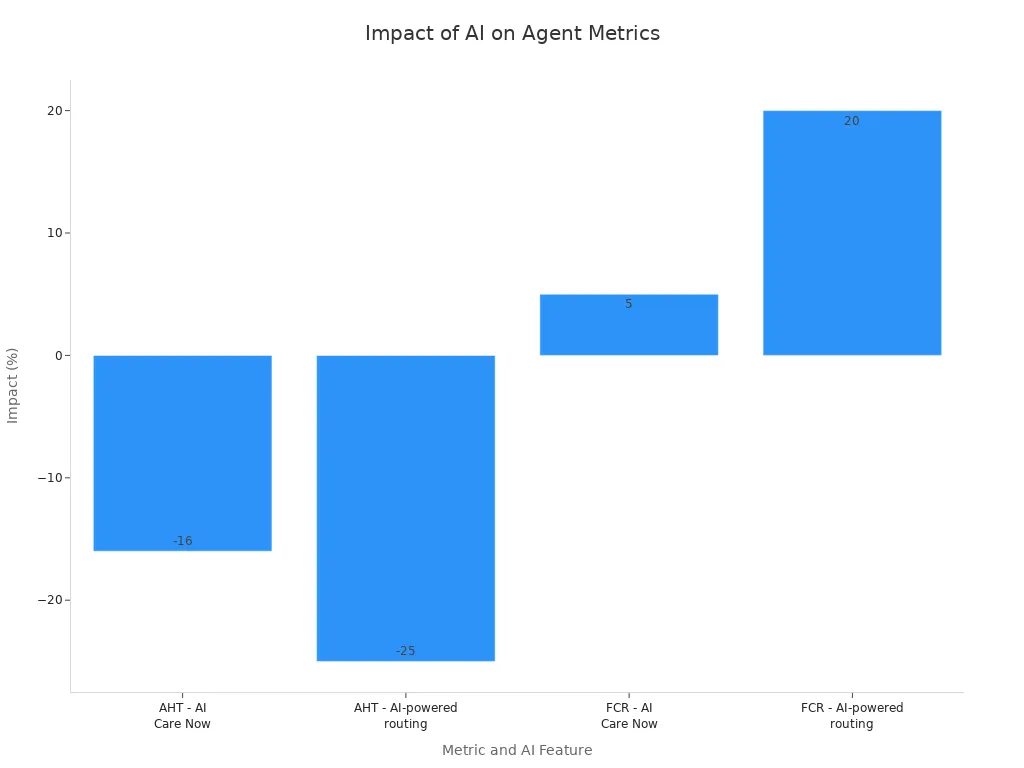
These automation trends empower agents to resolve issues faster and more accurately, improving the experience for everyone. This is the future of AI call center automation.
PREDICTIVE ANALYTICS AND AUTOMATION:
Predictive analytics uses historical data and AI algorithms to forecast future outcomes. In the contact center, this technology enables proactive management and optimized resource allocation. It is a cornerstone of modern AI call center automation, allowing leaders to anticipate needs before they arise. These trends in contact center AI are changing how operations are managed.
One primary use case is forecasting call volume.
- Predictive analytics analyzes historical data to identify trends and predict future call volumes.
- This forecasting allows managers to schedule the right number of agents to meet demand.
- It helps allocate resources efficiently, preventing both understaffing and overstaffing.
Another powerful application is predictive routing. This form of contact center automation matches customers with the best-suited agent to handle their specific issue. This goes beyond simple skill-based routing. The AI considers many factors to predict the best possible pairing, leading to better outcomes. Key goals of predictive routing include:
- Improving First Contact Resolution (FCR): The AI identifies the agent most likely to resolve an issue on the first try.
- Optimizing KPIs: It helps improve metrics like Net Promoter Score (NPS) and Customer Satisfaction (CSAT).
- Reducing Handle Time: Routing to the most qualified agent minimizes transfers and shortens call duration.
- Improving Agent Experience: Matching agents with calls they are proficient at handling can boost job satisfaction.
Finally, predictive analytics is a powerful tool for reducing customer churn. The AI can analyze customer behavior to identify those at risk of leaving. A machine learning algorithm assigns each customer a churn risk score, allowing the business to segment customers into high, medium, and low-risk groups. This enables targeted, proactive retention efforts focused on high-value customers who are most at risk. This approach has proven highly effective. For example, one company used predictive modeling to target at-risk customers with email campaigns, resulting in a 260% higher conversion rate. This is the power of AI call center automation. These trends in contact center AI, including AI-driven quality assurance, are making the contact center smarter and more efficient.
THE IMPACT OF AI-POWERED AUTOMATION:

The integration of AI-powered automation is not just an upgrade; it is a complete overhaul of the traditional call center model. This technology directly influences the customer journey, the daily life of an agent, and the financial health of the business. Contact center AI creates a more intelligent, responsive, and efficient ecosystem. The impact is clear across three core areas.
ELEVATING CUSTOMER EXPERIENCE:
Modern customers expect fast, seamless, and personalized interactions. AI call center automation is the engine that delivers this elevated customer experience. It moves beyond simple fixes to create truly memorable journeys. One of the most significant customer experience trends is the move toward unified service.
A unified customer view consolidates data from all channels, including online, mobile, and social media, into a single, comprehensive profile. This allows for a truly personalized customer experience. Solutions like Sobot's Omnichannel Solution excel at this by creating a unified workspace. It integrates customer experiences across all touchpoints, ensuring data is consistent and easily accessible. Agents gain a complete view of all customer connections, from interaction history to user profiles, enabling them to provide contextual support.
This unified data fuels AI-powered hyper-personalization. Instead of generic scripts, AI enables interactions tailored to each individual. This hyper-personalization is already common in other industries:
- Amazon uses AI to provide product recommendations based on browsing history.
- Netflix customizes content suggestions by tracking viewing habits and preferences.
- Spotify creates unique playlists like "Discover Weekly" using predictive analytics on listening habits.
In the contact center, this same level of hyper-personalization means the AI can anticipate needs, offer relevant solutions, and make every customer feel understood. This focus on a personalized customer experience directly improves key metrics. The Customer Satisfaction Score (CSAT) is a vital metric that measures how well a company meets customer expectations. By using AI to provide faster, more relevant answers, businesses see a direct increase in CSAT scores, which signals greater customer loyalty and retention. This is the goal of modern contact center AI.
TRANSFORMING THE AGENT'S ROLE:
Fears that automation will replace human agents are misplaced. Instead, contact center AI is transforming the agent's role from a script-follower into a high-value problem-solver. AI and automation excel at handling repetitive, low-level tasks, which frees up human agents to focus on what they do best: applying empathy, critical thinking, and complex problem-solving skills.
AI automation empowers agents to be more creative and strategic. When bots handle routine questions, agents can dedicate their time to meaningful work. This shift leads to higher-value skills and greater job satisfaction. The process often involves:
- Automating Routine Tasks: Chatbots and bots answer frequently asked questions and handle basic information requests.
- Implementing Smart Systems: Interactive Voice Response (IVR) systems automate call handling and routing.
- Deploying Chatbots: Bots provide instant responses, reduce wait times, and handle multiple interactions at once.
A powerful example of this transformation comes from OPPO, a leading smart device innovator. By implementing Sobot’s chatbots and ticketing system, OPPO automated a high volume of repetitive queries. This human-machine cooperation allowed their agents to concentrate on more complex customer issues. This automation not only improved service but also boosted agent job satisfaction. The role of the agent is evolving, and with it, the skills required for success are changing. Key new skills include:
- Critical Thinking: Agents must solve complex problems that self-service capabilities cannot handle.
- Digital Dexterity: Agents need to adapt quickly to new AI tools and switch between support channels.
- Consultative Skills: Agents can use their expertise to guide customers and even identify upselling opportunities.
This evolution makes the call center a more strategic part of the business, with agents acting as brand ambassadors who build lasting customer relationships. The contact center becomes a place for career growth, not just a temporary job.
BOOSTING OPERATIONAL EFFICIENCY:
A primary driver for adopting AI call center automation is the significant boost it provides to operational efficiency. By automating workflows and optimizing processes, contact center AI reduces costs while improving output. This makes the contact center a more profitable and scalable operation.
Advanced AI implementations can lead to a 30% reduction in operational costs. This is achieved by using bots to handle a large portion of inbound queries, which directly lowers the cost per contact. The impact of chatbots on efficiency is undeniable. For example, after implementing Sobot’s solutions, OPPO achieved an 83% chatbot resolution rate. This means the vast majority of common issues were resolved by bots without ever needing a human agent. This level of customer service automation allows the contact center to handle massive volume without a proportional increase in headcount.
Furthermore, this efficiency translates directly into business growth. The improved satisfaction and seamless service OPPO provided led to a 57% increase in its repurchase rate. This demonstrates that a well-executed AI call center automation strategy does more than save money—it generates revenue. The automation of customer service operations creates a virtuous cycle:
Bots handle simple queries ➡️ Agents focus on complex issues ➡️ Problems are solved faster ➡️ Customer satisfaction increases ➡️ Customers are more loyal and buy more.
This entire process is driven by intelligent automation. From chatbots providing 24/7 support to automated service workflows that guide agents, every piece of the contact center is optimized. This is the future of customer service: a perfect blend of AI efficiency and human expertise.
IMPLEMENTING CONTACT CENTER AUTOMATION:
Adopting AI call center automation requires a strategic approach. Businesses must evaluate technology, prioritize security, and ensure agent buy-in. A successful implementation transforms the contact center from a cost center into a strategic asset. This process begins with choosing the right software used in call center operations.
EVALUATING SOFTWARE USED IN CALL CENTERS:
Selecting the right software used in call center environments is crucial. Leaders must evaluate solutions based on key criteria to ensure long-term success. The right AI platform should grow with the business.
- Scalability: The software must handle increasing call volumes and agent numbers.
- Integration: It needs to connect seamlessly with existing systems like your CRM.
- User-friendliness: An intuitive interface is essential for quick adoption.
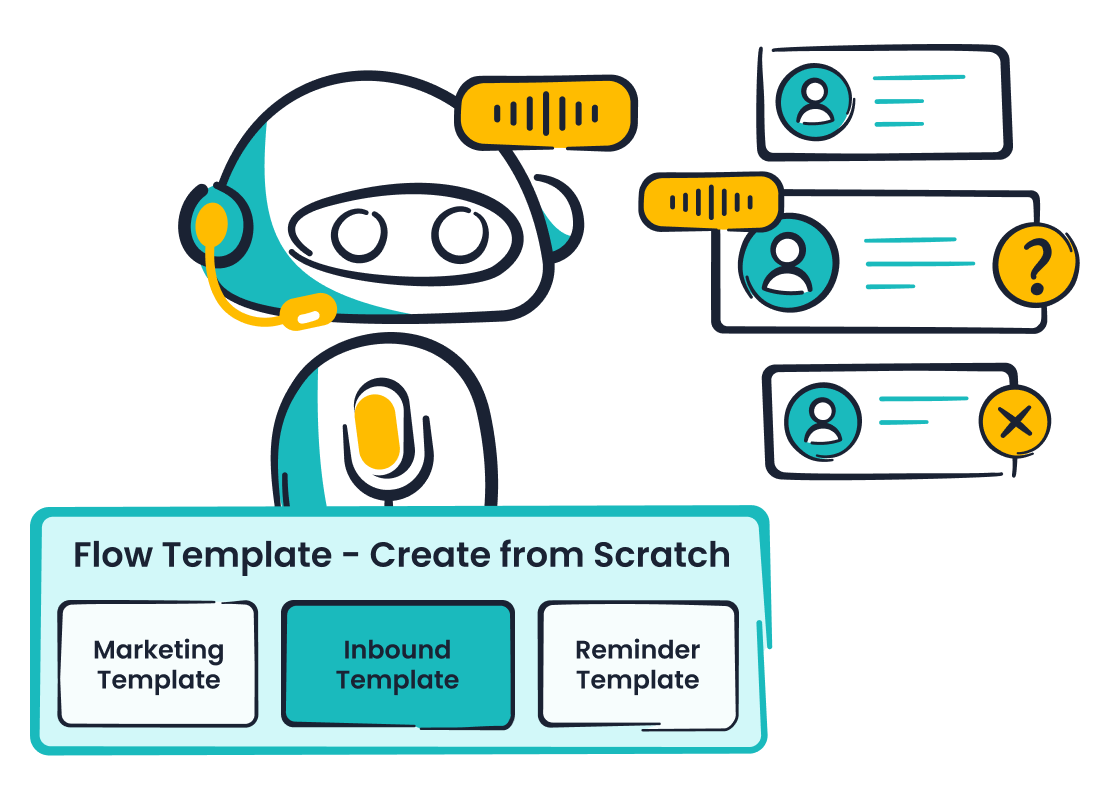
For example, a modern voicebot solution should offer a no-code visual flow builder. This allows teams to design complex workflows for chatbots and bots without writing code. This automation speeds up the deployment of bots. Sobot's Voicebot provides this feature, enabling rapid creation of bots. Additionally, multilingual support is critical for global reach, as most customers prefer service in their native language. This AI capability expands market access and boosts satisfaction. The right AI software used in call center teams makes contact center automation effective.
PRIORITIZING DATA SECURITY AND ETHICS:
The power of AI comes with great responsibility. Protecting customer data is paramount in any call center. The use of AI introduces new security considerations.
Data privacy is a top concern. AI systems handle personally identifiable information (PII). A data breach can lead to heavy fines and a loss of customer trust. The AI must be secure.
Companies must implement robust security measures for their contact center. This includes data encryption, access controls, and regular security audits to prevent AI-powered threats like voice phishing. AI call center automation must comply with regulations like GDPR. This ensures ethical AI use and protects the contact center from legal risks. This automation requires a focus on security. The AI bots and chatbots must be secure.
DRIVING AGENT ADOPTION WITH SOBOT:
Technology is only effective if people use it. Driving agent adoption is key to a successful contact center automation strategy. An intuitive design is the foundation for user acceptance. Software with a simple interface reduces training time and helps agents feel comfortable with new AI tools.
Sobot's solutions are designed with a user-friendly interface. This intuitive design helps agents quickly master the new AI call center automation tools. This approach minimizes resistance to change. When agents see that AI automation, bots, and chatbots make their jobs easier, they embrace the technology. This AI call center automation empowers them to focus on high-value work. This leads to higher job satisfaction and better performance in the call center. Effective AI call center automation depends on both the technology and the people who use it. The bots and chatbots become helpful partners.
The future of the call center is an AI-accelerated ecosystem. This evolution transforms the contact center from a cost center into a strategic asset that drives growth. AI and automation improve customer service and the overall customer experience. Experts note that AI agents can reduce costs by 50% while boosting satisfaction. This powerful automation makes the modern call center a hub for building loyalty.
It is time to act. Businesses should begin a phased adoption of AI.
- Assess: Evaluate your current software used in call center operations to find automation opportunities.
- Plan: Set realistic goals for your contact center AI integration.
- Explore: Discover solutions like Sobot to build your customer service automation strategy.
FAQ
What is the main benefit of AI call center automation?
AI call center automation boosts efficiency and enhances the customer experience. It handles simple, repetitive tasks. This process frees human agents to focus on complex problem-solving, which improves customer satisfaction and reduces operational costs for the business.
Will AI replace human agents in the call center?
No, AI will not replace human agents. Instead, contact center AI transforms the agent's role. It acts as a powerful assistant. This technology empowers agents to handle more complex and high-value customer issues, increasing their job satisfaction and strategic importance.
How can a business start implementing contact center AI?
A business can start by evaluating its current software used in call center operations. Identify areas for automation, like frequently asked questions. Then, explore scalable solutions like Sobot to develop a phased adoption strategy that aligns with business goals.
What makes a voicebot effective for customer service?
An effective voicebot provides a human-like experience. It uses advanced AI to understand customer needs. Features like a no-code builder, multilingual support, and seamless integration with other systems allow for quick deployment and a better customer journey.
See Also
Mastering Customer Service with AI-Powered Call Center Solutions
Seamless Customer Journeys: An Omnichannel Call Center Software Handbook
Elevating Service Standards: A Call Center Quality Assurance Software Guide
Discovering the Top 10 Call Center Analytics Software for 2024
Exploring the Best Free Call Center CRM Software Options for 2024

