Faint Line on First Response What Does It Mean?

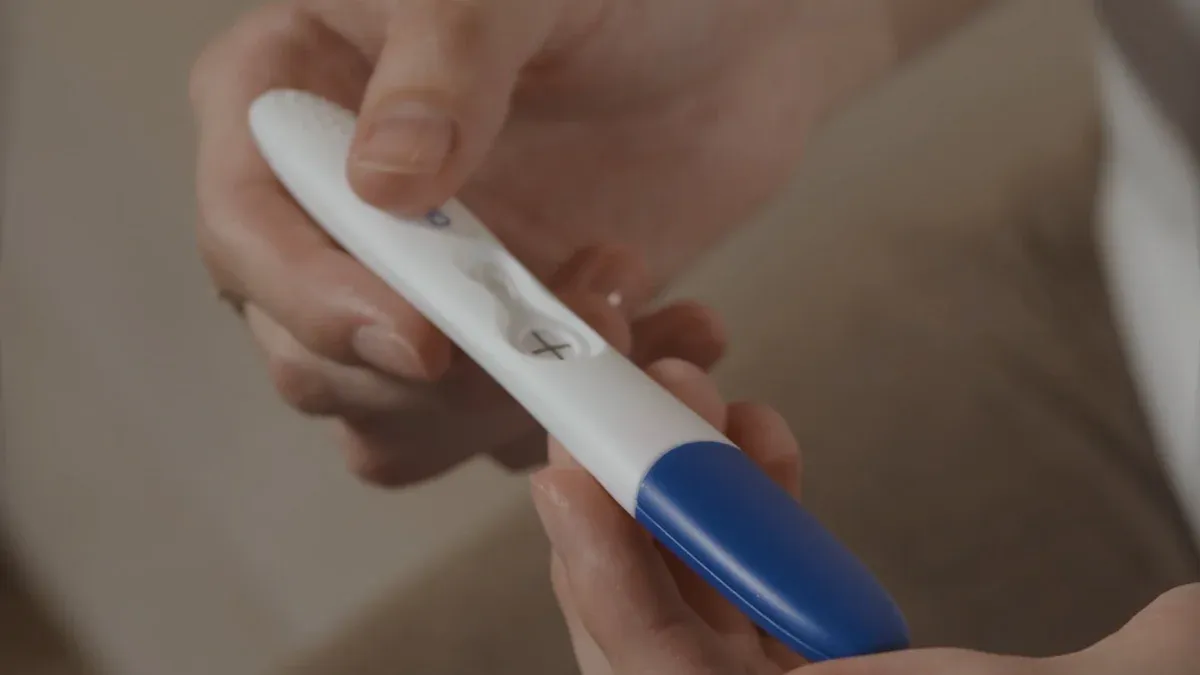
A faint positive line on your test is a positive result. You see a very faint line, and your heart likely starts racing. This is a positive pregnancy test. The test works by detecting the pregnancy hormone. Any colored positive line indicates its presence in your system. You might wonder how long does first response take for a darker line to appear. Your next step is contacting a clinic, where a Sobot call center may handle your call. This positive pregnancy test begins a new journey, and technology like Sobot AI helps manage it. Sobot supports your healthcare providers.
Why Is Your First Response Line Faint?
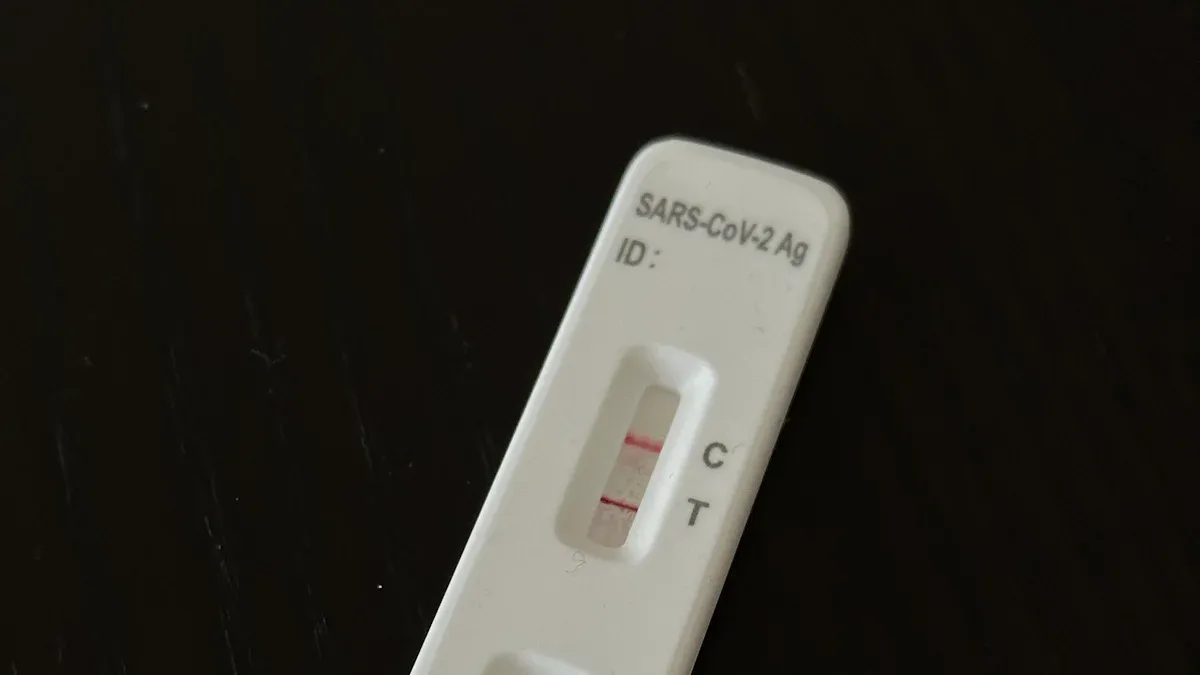
You see a faint line and immediately wonder why it is not darker. Several common factors can explain a light result. The two most frequent reasons are testing very early in your pregnancy or using diluted urine. Understanding these factors will help you interpret your result with more confidence.
You Tested Very Early
The most common reason for a faint line is testing very early. After a fertilized egg implants in your uterus, your body begins to produce the pregnancy hormone, human chorionic gonadotropin (hCG). The sensitivity of the test is key here. First Response tests are highly sensitive and can detect hCG at very low levels, some research suggests as low as 6.3 mIU/mL.
In early pregnancy, your hCG levels start low and rise quickly. They typically double every 48 to 72 hours. So, a faint line today could become a dark, clear positive pregnancy test in just a couple of days.
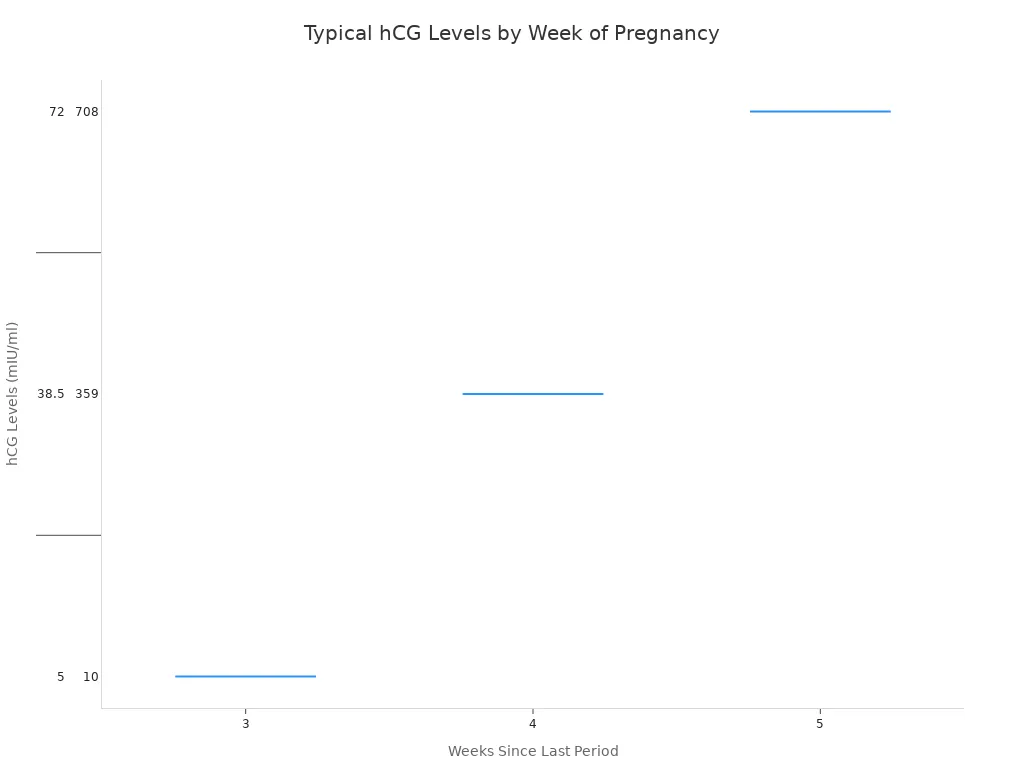
The table below shows how hCG levels can increase week by week.
| Weeks Since Last Period | Typical hCG Levels (mIU/mL) |
|---|---|
| 3 | 5 to 72 |
| 4 | 10 to 708 |
| 5 | 217 to 8,245 |
| 6 | 152 to 32,177 |
Your Urine Was Diluted
The concentration of your urine also affects your test results. If you drink a lot of water or other fluids before taking a home pregnancy test, your urine becomes diluted. This lowers the concentration of hCG, which can cause a faint line or even a false negative result.
💡 Tip for Accurate Testing: For the most accurate result, try to use your first urine of the day. It is the most concentrated and will have the highest level of hCG. If you must test later, limit your fluid intake and try to hold your urine for at least four hours beforehand.
Common Home Pregnancy Test Results
Understanding what different results look like can reduce confusion. Home pregnancy tests generally show one of three outcomes.
| Result Type | Description |
|---|---|
| Clear Positive | You will see two distinct, colored lines. Both the control line and the test line are strong and easy to read. |
| Faint Positive | You will see two colored lines, but the test line is much lighter than the control line. This is still a positive result. |
| Negative | You will only see one colored line in the control window. This means no hCG was detected. |
Faint Positive vs. Evaporation Line
You might feel confused when a line appears, but you are not sure if it is a real positive or something else. The key is learning to tell the difference between a faint positive line and a tricky evaporation line. This distinction almost always comes down to two simple factors: color and timing.
A True Faint Positive Has Color
A true positive line, even a very faint one, will have color. For a First Response test, this color is pink. An evaporation line, however, is different. It appears when the urine on the test strip starts to dry. This line looks more like a colorless shadow or a gray indent where the positive line would be.
The table below breaks down the main differences.
| Feature | A True Positive Line | An Evaporation Line |
|---|---|---|
| Color | Has a pink or red color. | Is colorless, gray, or a faint shadow. |
| Timing | Appears within the test's time limit. | Appears after the time limit has passed. |
| Appearance | Is a solid, consistent line. | Can look streaky, splotchy, or uneven. |
An evaporation line can cause confusion if you do not check your test results on time.
Interpreting a Very Faint Line
You should consider any visible pink line a positive result. A very faint line simply suggests that your body has just started producing the pregnancy hormone, hCG. Your hCG levels are low but still high enough for the sensitive test to detect. This is a common outcome when you test very early. In most cases, this faint positive pregnancy test is the real deal. You can expect this positive line to get darker if you retest in a couple of days.
How Long Does First Response Take to Show a Result?
Reading your test at the right time is crucial to avoid seeing an evaporation line. If you read the test too late, the urine will have started to dry, which can create a misleading mark. So, how long does first response take?
💡 Read Within the Window: Always follow the package instructions.
Do not read the test after the recommended time has passed. Waiting longer does not make the result more accurate; it only increases the chance of an evaporation line appearing and causing unnecessary worry.
Could a Faint Line Mean Something Else?
While a faint line is almost always a positive sign, you might wonder about other possibilities. In rare cases, a faint line can be caused by factors other than a viable pregnancy. Understanding these exceptions can help you manage your expectations as you plan your next steps.
Understanding a Chemical Pregnancy
A faint line can sometimes indicate a chemical pregnancy. A chemical pregnancy is a very early miscarriage that happens shortly after the fertilized egg implants. Your body produces enough hCG for a test to detect, resulting in a positive line. However, the pregnancy stops developing before it can be seen on an ultrasound. A chemical pregnancy is a common reason for a line that appears faint and then fades in later tests. While this experience can be difficult, it confirms that you are able to conceive.
Rare Causes of a False Positive
True false positives are very uncommon. However, certain situations can cause your body to have hCG without a pregnancy, leading to a misleading result. A false negative, where the test is negative but you are pregnant, is actually more common.
Some rare causes of a false positive include:
- Certain Medical Conditions: Ovarian cysts, kidney disease, and rare cancers can sometimes produce hormones that interfere with test results. Conditions affecting the pituitary gland, especially during perimenopause, can also be a factor.
- Some Medications: Fertility treatments containing hCG (like a trigger shot) are a common reason for a temporary false positive. Other medications, such as certain diuretics, anticonvulsants, or antipsychotics, can also affect the outcome.
Checking for an Expired or Faulty Test
An inaccurate result can also come from the test itself. Always check the expiration date on the box and the test wrapper. An expired test uses degraded chemicals and may not work correctly, which could lead to a false negative.
💡 Check the Control Line A valid test must always show a control line. If no lines appear, or only a faint test line appears without a control line, the test is faulty. You should retest with a new kit. Improper storage in a hot or humid place, like a bathroom cabinet, can also damage a test before its expiration date.
What to Do After Seeing a Faint Line
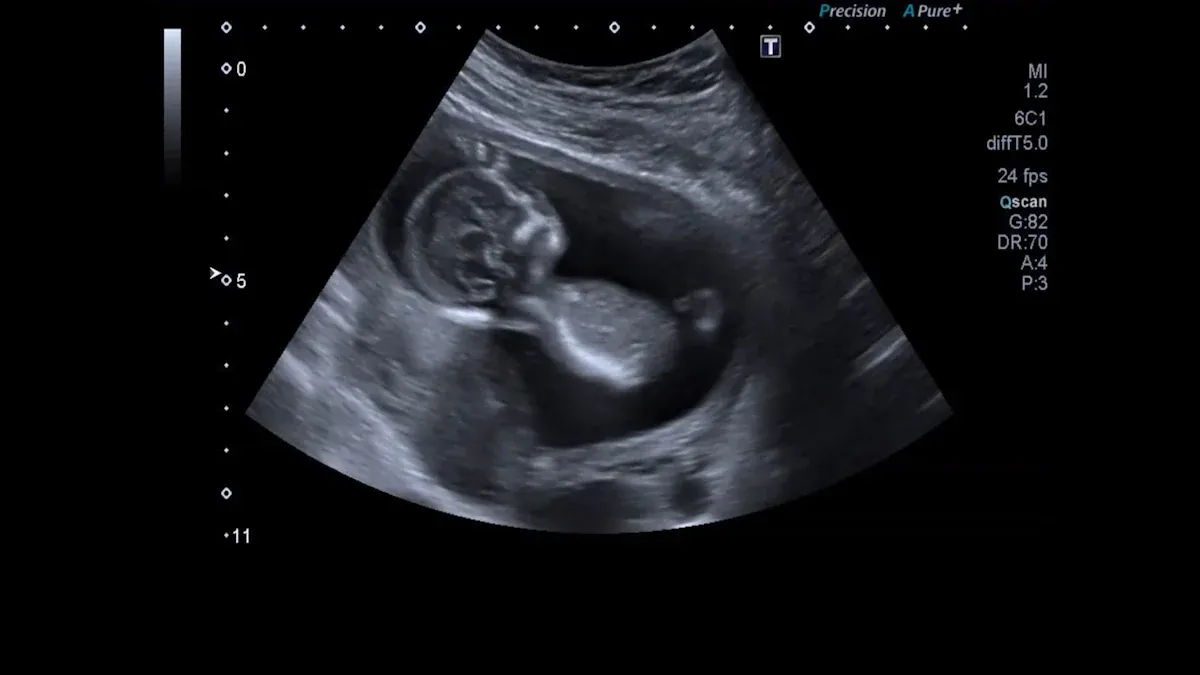
Seeing that faint line is a big moment, but it often leaves you with questions. Your next steps are simple and can give you a clearer answer. The best course of action involves a little patience, careful retesting, and knowing when to bring in a professional.
Wait and Retest in 2-3 Days
The most important first step is to wait and retest. A faint line usually appears because you tested very early. Your body needs time to produce more of the pregnancy hormone, hCG.
In a healthy, developing pregnancy, your hCG levels will rise quickly. They are expected to roughly double every 48 to 72 hours. This rapid increase is why waiting is so effective.
- Day 1: You see a faint line because your hCG level is low but detectable.
- Day 3: Your hCG level has likely doubled, which should produce a much darker, more obvious positive line on your next test.
Retesting after a few days allows you to see if the line darkens. A darkening line is a strong sign that your pregnancy is progressing as expected.
Tips for Accurate Retesting
When you retest, you want to get the most accurate result possible. Following a few simple guidelines can help you avoid common mistakes and feel more confident in the outcome.
💡 Pro-Tip for Best Results: Use your first urine of the day for your follow-up test. First-morning urine is the most concentrated, so it will contain the highest level of hCG for the test to detect.
Here are some key tips for your next test:
- Check the Expiration Date: Make sure the test has not expired. An old test may not work correctly.
- Limit Fluids Beforehand: Avoid drinking large amounts of water or other beverages before you test. Diluted urine can lower the hCG concentration and may lead to a faint line or even a false negative.
- Follow Instructions Exactly: Every test brand is slightly different. Read the instructions carefully and follow the recommended time for reading the result. Looking too early or too late can cause confusion.
- Confirm the Control Line: A valid test will always show a control line. This line confirms the test is working properly. If you do not see a control line, the test is faulty, and you should use a new one.
When to Contact Your Doctor
You should contact a healthcare provider after any positive pregnancy test, even a faint one. A doctor can confirm your pregnancy with a blood test, which is more sensitive than a urine test, and help you plan your next steps. Most clinics will schedule your first prenatal appointment for when you are around eight weeks pregnant.
Once you're ready to schedule your first prenatal appointment, you'll begin your contact journey with your healthcare provider. Many modern clinics streamline this process using integrated communication platforms like Sobot to manage appointments, send reminders, and answer questions. Whether you are calling to schedule a visit through their voice call center or using a ticketing system to ask a non-urgent question, these tools help ensure a smooth and supportive experience for expectant parents.
While a faint line is usually a good sign, you should seek medical advice immediately if you experience certain symptoms.
⚠️ Seek Immediate Medical Attention If:
- You have severe abdominal or one-sided pain.
- You experience heavy vaginal bleeding (soaking more than one pad an hour).
- You feel dizzy or faint.
These symptoms could indicate a complication, so it is important to get checked out right away.
A faint line on a First Response test is a positive result and a strong indicator of early pregnancy. Seeing that second positive line, no matter how faint, begins your journey. Your next steps are clear and simple.
- Retest in 2-3 days to watch for a darker positive line.
- Schedule your first prenatal appointment to confirm your positive pregnancy test.
- Start taking prenatal vitamins and discuss lifestyle changes with your doctor.
You now have the information to understand your result and move forward with confidence.
FAQ
What if my faint line doesn't get darker?
A line that stays faint or disappears on later tests may indicate a chemical pregnancy. This means your hCG levels are not rising as expected. You should consult your doctor. They can provide guidance and help you understand the next steps for your health.
Can a faint line be a false negative?
No, a faint line is a positive result, not a false negative. A false negative is when you are pregnant, but the test shows no line at all. This can happen if you test too early or your urine is too diluted for the test to detect hCG.
Is a faint line on First Response after the time limit valid?
You should not consider a line that appears after the time limit valid. This is most likely a colorless evaporation line caused by drying urine.
💡 Remember: For an accurate result, always read your First Response Early Result test at the 3-minute mark and disregard any changes that happen later.
Why is my line test positive but my digital test is negative?
Digital tests often need a higher concentration of hCG to show a "Pregnant" result. Your faint line on First Response shows a very early pregnancy. Your hCG levels may not be high enough yet for a digital test. Wait a day or two and retest.
See Also
Key Features of Interactive Voice Response System Software Explained
Understanding the Mechanics of IVR Voice Recognition Software Operations
A Comparative Look at Leading Interactive Voice Response Software Solutions
Your Essential Guide to Call Center Quality Assurance Software Implementation
Achieving Depop Live Chat Success: Quick and Effective Strategy Tips

