The Evolution of Natural Language Processing Over Time

Natural language processing has revolutionized how businesses interact with customers. By enabling machines to understand and respond to human language, NLP has made customer interactions faster and more efficient. For example, AI chatbots now provide instant responses to inquiries, streamlining FAQs and improving service quality. This technology also ensures 24/7 availability, enhancing customer satisfaction with nonstop support.
The importance of natural language processing continues to grow across industries. The chatbot market alone is projected to reach $6 billion in 2024, reflecting its increasing role in customer service. Companies like Sobot leverage NLP to deliver intelligent solutions, such as multilingual chatbots, that automate interactions and reduce costs. As 69% of service agents seek AI tools, the demand for NLP-driven systems highlights their transformative potential.
The Early Stages of Natural Language Processing
The history of NLP began with rule-based systems, which laid the foundation for the evolution of NLP. These systems relied on predefined linguistic rules to process and interpret human language. While limited in flexibility, they played a crucial role in shaping early advancements.
Rule-Based Systems in NLP
How rule-based systems shaped early NLP
Rule-based systems were pivotal in the early evolution of NLP. They used a structured approach to analyze language, relying on manually crafted rules for grammar, syntax, and semantics. These systems excelled in specific tasks, such as identifying patterns in text or extracting information. For instance, they could recognize dates, URLs, or other structured data formats with high accuracy. The table below highlights their primary characteristics and functionalities:
| Characteristic/Functionality | Description |
|---|---|
| Edge Case Handling | Effective in managing edge cases when combined with other approaches. |
| Speeding Up Data Annotation | Facilitates faster data annotation for formats like URLs and dates. |
| Addressing Data Scarcity | Useful in languages with limited annotated data. |
| Improved Computation Performance | Enhances the overall performance of the NLP pipeline. |
Applications in early customer service solutions
Rule-based systems found early applications in customer service. They helped businesses automate repetitive tasks and improve efficiency. Some key applications included:
- Chatbots: Provided instant responses to FAQs, improving customer experience.
- Product Recommendation Systems: Suggested relevant products based on user input.
- Customer Sentiment Analysis: Analyzed feedback to enhance service quality.
These systems supported multilingual communication and generated contextually relevant replies, making them valuable for businesses like OPPO. By integrating Sobot's chatbot, OPPO achieved an 83% resolution rate for customer queries, showcasing the potential of rule-based systems in real-world scenarios.
Challenges of Rule-Based Approaches
Scalability and adaptability issues
Despite their early success, rule-based systems faced significant challenges. Their inflexibility made it difficult to adapt to new situations without manual intervention. As the number of rules grew, managing them became increasingly complex. This often led to performance issues and inconsistencies. Maintaining a large set of rules also required significant time and effort, limiting scalability and adaptability.
The need for more dynamic solutions
Rule-based systems struggled with ambiguity, context, and unique language usage. These limitations hindered their ability to comprehend natural language effectively. For example, understanding idiomatic expressions or nuanced customer feedback was beyond their scope. This rigidity highlighted the need for more dynamic NLP solutions capable of handling real-world complexities.
The Statistical Revolution in NLP
The history of NLP took a significant turn in the 1990s with the rise of statistical methods. This marked a departure from rigid rule-based systems to more flexible, data-driven approaches. By leveraging probabilities, statistical NLP introduced a new way to process and understand human language.
Transition to Data-Driven NLP
Introduction of probabilistic models and Hidden Markov Models
The 1990s saw the adoption of probabilistic models, which revolutionized NLP. Hidden Markov Models (HMMs) became a cornerstone for tasks like part-of-speech tagging and speech recognition. These models used probabilities to predict sequences of words and their corresponding tags. For example:
- HMMs enabled systems to analyze speech patterns, improving transcription accuracy.
- Probabilistic methods allowed NLP systems to handle ambiguity better than rule-based systems.
This shift was fueled by advancements in computational power, enabling NLP to evolve into a more dynamic field.
Key milestones in statistical NLP
The evolution of NLP included several key milestones:
- Alan Turing’s 1950 paper introduced the Turing Test, laying the groundwork for machine intelligence.
- The Georgetown experiment in 1954 demonstrated early machine translation capabilities.
- The 1980s marked the transition to statistical methods, moving away from handcrafted rules.
- The 1990s saw the introduction of large text corpora, enabling systems to learn from real-world language data.
- Google Translate’s launch in 2006 showcased the practical application of statistical NLP.
These milestones highlight how statistical methods shaped the history of NLP.
Applications in Customer Service
Early chatbots and automated email sorting
Statistical NLP transformed customer service by enabling early chatbots and automated email sorting. Chatbots became more interactive, using probabilistic models to understand user queries. For instance, they could identify keywords to provide relevant responses. Automated email sorting also improved efficiency by categorizing messages based on their content. These advancements allowed businesses to streamline operations and enhance customer satisfaction.
Sentiment analysis for customer feedback
Sentiment analysis emerged as another critical application. By analyzing customer feedback, businesses could gauge public opinion about their products. For example, companies used sentiment analysis to identify trends in customer satisfaction and make data-driven improvements. This technology also helped refine marketing strategies, ensuring better alignment with customer needs.
Limitations of Statistical Methods
Dependence on large datasets
Statistical NLP relies heavily on large datasets. Without sufficient data, these models struggle to make accurate predictions. For example, rare word combinations often lead to errors in probability estimation. This dependence on data limits the scalability of statistical methods in certain scenarios.
Limited contextual understanding
Despite their advancements, statistical methods lack the ability to fully understand context. They struggle with capturing complex relationships between words, leading to errors in nuanced language processing. For instance, idiomatic expressions or sarcasm often confuse these models. This limitation underscores the need for more advanced NLP technologies, such as deep learning.
Machine Learning and the Evolution of NLP
The Role of Machine Learning in NLP
Supervised and unsupervised learning techniques
The 1990s marked a pivotal moment in the history of NLP. Machine learning techniques, such as supervised and unsupervised learning, began to replace rule-based systems. These methods allowed NLP systems to learn directly from data, improving their ability to process and understand human language. Supervised learning used labeled datasets to train models for specific tasks like text classification or sentiment analysis. In contrast, unsupervised learning identified patterns in unlabeled data, enabling tasks like topic modeling. This shift made NLP systems more adaptable and capable of handling real-world complexities.
Algorithms like Support Vector Machines
Support Vector Machines (SVMs) emerged as a powerful algorithm during this era. SVMs excelled in tasks like text categorization and spam detection by finding the optimal boundary between data points. For example, they helped classify emails as "spam" or "not spam" with high accuracy. These algorithms laid the groundwork for more advanced NLP technologies, bridging the gap between statistical methods and modern artificial intelligence.
Transforming Customer Interactions
Enhanced chatbots for customer service
Machine learning revolutionized customer service by enabling intelligent chatbots. These chatbots used natural language understanding to interpret user queries and natural language generation to craft accurate responses. For instance, Sobot's AI-powered chatbot operates 24/7, autonomously resolving common queries and assisting agents with complex issues. This approach improves efficiency, reduces costs, and enhances customer satisfaction. By analyzing real-time data, these chatbots also offer hyper-personalized interactions, boosting conversion rates by up to 20%.
Speech recognition in call centers
Speech recognition systems transformed call centers by enabling faster and more accessible customer interactions. These systems reduced wait times by allowing customers to interact with voice technology, ensuring quicker resolutions without human intervention. They also provided 24/7 support, making services more inclusive for customers with disabilities. For example, businesses now use speech recognition to analyze past interactions and tailor responses, creating a more personalized experience.
Challenges in Machine Learning-Based NLP
Data quality and bias concerns
Machine learning-based NLP systems heavily depend on high-quality data. Poorly annotated or biased datasets can lead to inaccurate predictions and unfair outcomes. For example, training a chatbot on biased data may result in responses that alienate certain customer groups. Additionally, curating and annotating data requires significant time and expertise, making it a resource-intensive process.
Computational resource demands
Building scalable NLP solutions presents another challenge. As models grow in complexity, they demand substantial computational resources. Training large-scale models like those used in deep learning requires advanced hardware and significant energy consumption. This makes it difficult for smaller businesses to adopt cutting-edge NLP technologies, limiting their ability to compete in the market.
Deep Learning and the Modern Era of NLP
Breakthroughs in Deep Learning
Neural networks, RNNs, and LSTMs
Deep learning has transformed NLP by introducing neural networks capable of mimicking human brain functions. Recurrent Neural Networks (RNNs) and Long Short-Term Memory networks (LSTMs) have been pivotal in advancing natural language understanding. These models excel at processing sequential data, such as text or speech, by retaining context over time. For example, LSTMs can analyze customer reviews to identify sentiment trends, helping businesses improve their services. You benefit from these advancements as they enable more accurate and context-aware AI applications in NLP.
Transformer models like BERT and GPT
The introduction of transformers revolutionized NLP. Unlike RNNs, transformers process entire input sequences simultaneously, making them faster and more efficient. Models like BERT and GPT showcase cutting-edge innovations in natural language generation and understanding. BERT uses bi-directional learning to grasp context from both directions, while GPT-3 excels in text generation tasks. These transformer models have set new benchmarks in NLP, enabling applications like chatbots and real-time translation.
Revolutionizing Customer Service with Sobot's Chatbot
AI-powered chatbots for 24/7 customer support
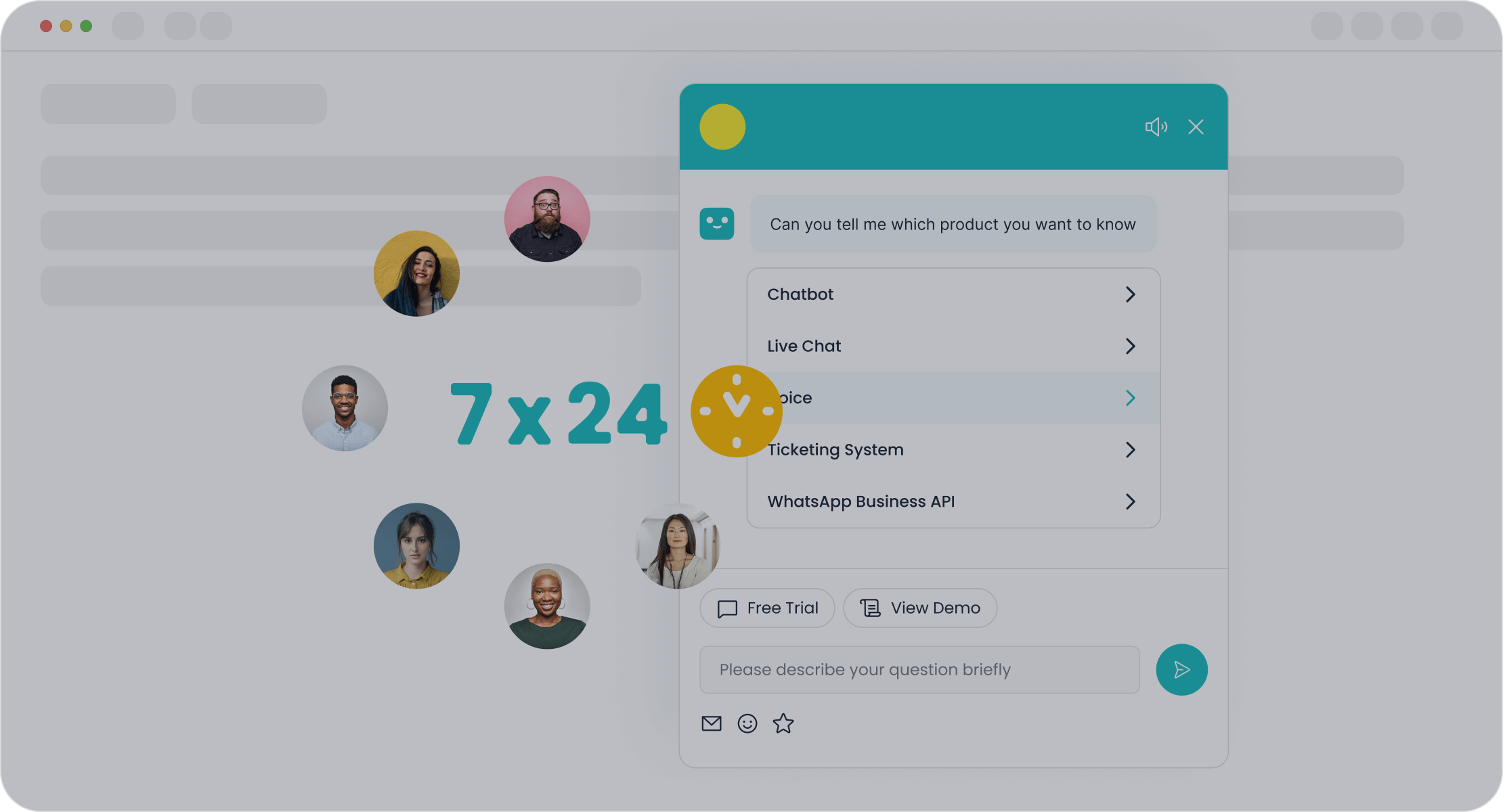
Sobot's AI-powered chatbot leverages advancements in NLP technologies to deliver round-the-clock support. It autonomously resolves common queries, improving productivity by 70%. By integrating natural language understanding and generation, the chatbot provides accurate and contextually relevant responses. This ensures seamless customer interactions, reducing operational costs by up to 50%. For example, OPPO achieved an 83% resolution rate using Sobot's chatbot, highlighting its efficiency in handling high query volumes.
Real-time language translation for global customer interactions
Real-time language translation has become essential for businesses operating globally. Sobot's chatbot uses advanced NLP systems to facilitate multilingual communication, ensuring inclusivity for diverse customer bases. It supports a wide array of languages and dialects, enabling you to engage with customers in their native languages. This capability enhances customer satisfaction and fosters stronger relationships across regions.
Ethical Considerations in Deep Learning NLP
Privacy concerns in customer data
Deep learning models often require large datasets, raising privacy concerns. Sensitive customer data must be protected through encryption and anonymization. For example, Sobot ensures data security by adhering to strict privacy standards, safeguarding your information during processing. These measures build trust and ensure compliance with global regulations.
Addressing bias in AI models
Bias in NLP models can lead to unfair outcomes, such as perpetuating stereotypes. This often stems from biased training data or algorithmic design. Addressing this issue involves curating diverse datasets and implementing fairness checks. By prioritizing ethical AI development, you can ensure that NLP technologies deliver equitable and unbiased results.
The Future of NLP and Its Impact on Customer Service
Emerging Trends in NLP
Multimodal AI and zero-shot learning
The future of NLP is being shaped by groundbreaking trends like multimodal AI and zero-shot learning. Multimodal AI integrates data from various sources, such as text, images, and audio, to enhance understanding and generation. For example, virtual assistants can now analyze both spoken words and visual cues to provide more accurate responses. Zero-shot learning, on the other hand, allows NLP models to perform tasks or understand languages they haven't been explicitly trained on. This innovation expands the capabilities of NLP, enabling you to interact with systems in less common languages or contexts without prior training. These advancements promise to make NLP technologies more versatile and inclusive.
Advances in hyper-personalized customer interactions
Hyper-personalization is revolutionizing customer service by delivering individualized experiences. By analyzing customer data, NLP systems can cater to unique needs, fostering emotional connections and long-term loyalty. For instance, virtual assistants equipped with NLP can remember past interactions, offering tailored recommendations that exceed expectations. This approach not only enhances customer satisfaction but also strengthens brand relationships, ensuring your experience feels personal and valued.
Sobot's Vision for the Future of NLP
Predictive analytics for proactive customer support
Predictive analytics represents a key future direction for NLP. It enables businesses to anticipate customer needs and take preemptive actions. For example, a utility company could analyze weather patterns to predict service disruptions and notify customers in advance. Sobot envisions leveraging predictive analytics to enhance its AI-powered chatbot, allowing it to identify potential issues before they arise. This proactive approach ensures smoother customer experiences and builds trust by addressing concerns before they escalate.
Enhancing customer satisfaction with AI-driven solutions
AI-driven solutions are transforming customer service by automating routine tasks and improving response times. Sobot's chatbot exemplifies this by providing instant, 24/7 support and intelligent routing to the right departments. Advanced sentiment analysis also enables empathetic responses, ensuring your concerns are addressed with care. Real-time analytics further allow businesses to tailor services to your specific needs, creating a seamless and satisfying customer journey. These innovations highlight how NLP technologies continue to redefine customer interactions.
Ethical and Societal Implications
Ensuring fairness and transparency in NLP systems
As NLP evolves, fairness and transparency remain critical challenges. Models often reflect biases in their training data, leading to discriminatory outcomes. For example, virtual assistants may unintentionally favor certain demographics due to skewed datasets. Ensuring fairness requires careful data selection and regular audits. Transparency also plays a vital role, as the opaque nature of some NLP models complicates understanding their decision-making processes. By prioritizing explainability, developers can build trust and accountability in NLP systems.
Balancing automation with human oversight
Automation in NLP offers immense benefits, but it must be balanced with human oversight. While virtual assistants can handle routine tasks efficiently, complex or sensitive issues often require human intervention. For instance, Sobot's chatbot works alongside human agents, ensuring a seamless blend of automation and empathy. This hybrid approach maintains service quality while leveraging the strengths of both humans and machines, ensuring you receive the best possible support.
The journey of natural language processing has been remarkable, evolving from rule-based systems to deep learning and transformer models. Each phase has brought advancements in efficiency, accuracy, and understanding. Rule-based systems relied on handcrafted rules, statistical NLP introduced data-driven models, and deep learning revolutionized the field with neural networks and transformers like GPT. These innovations have made NLP indispensable across industries.
In customer service, NLP has transformed interactions. Companies like Cheapflights use chatbots to handle inquiries, while Uber employs smart reply systems to enhance communication. Sobot's AI-powered chatbot exemplifies this transformation by providing 24/7 multilingual support, reducing costs, and improving customer satisfaction. For instance, OPPO achieved an 83% resolution rate using Sobot's solutions.
As NLP advances, ethical considerations become crucial. Addressing biases, ensuring privacy, and maintaining transparency are essential for responsible development. Future possibilities include advanced sentiment analysis, multi-language support, and voice-activated interactions. These innovations promise to revolutionize customer experiences, making them more personalized and engaging.
FAQ
What is natural language processing (NLP), and why is it important?
NLP enables machines to understand and respond to human language. It powers tools like chatbots and voice assistants, making customer interactions faster and more efficient. For example, Sobot's AI-powered chatbot uses NLP to provide 24/7 multilingual support, improving productivity by 70% and cutting costs by up to 50%.
How do chatbots use NLP to enhance customer service?
Chatbots use NLP to interpret queries and generate accurate responses. They automate repetitive tasks, reduce wait times, and improve customer satisfaction. Sobot's chatbot, for instance, autonomously resolves common issues, saving businesses time and resources while boosting conversions by 20%.
Can NLP handle multiple languages effectively?
Yes, modern NLP systems support multilingual communication. Sobot's chatbot excels in this area, offering real-time language translation and interacting in various languages. This feature ensures inclusivity and helps businesses engage with global customers seamlessly.
What industries benefit the most from NLP-powered solutions?
Industries like retail, finance, gaming, and education benefit significantly. For example, OPPO used Sobot's chatbot to achieve an 83% resolution rate during peak shopping periods, enhancing customer satisfaction and increasing repurchase rates by 57%.
How does Sobot ensure ethical use of NLP technologies?
Sobot prioritizes data security and fairness. It adheres to strict privacy standards and uses diverse datasets to minimize bias in its AI models. These measures ensure ethical and transparent NLP applications, fostering trust and reliability in customer interactions.
See Also
Understanding The Functionality Of IVR Voice Recognition Software
Best 10 Speech Analytics Solutions For Call Centers In 2024
Exploring The Concept Of Voice Analytics In Call Centers

