Your Guide to Enterprise Chatbots for Retail

Large retail brands face immense pressure to enhance the digital customer experience and boost ecommerce sales. Conversational AI offers a solution, as AI-powered chatbots can manage high inquiry volumes and guide customer journeys. Evaluating chatbot companies is a key part of modern customer experience strategies. This comparison of each ecommerce chatbot platform provides a starting point.
| Platform Name | Best For | Key Retail Features | Pricing Model |
|---|---|---|---|
| Sobot | All-in-One Contact Center | Omnichannel AI chatbot, proactive messaging, no-code setup | Custom/Quote-Based |
| Salesforce | Salesforce Ecosystem Integration | Deep CRM connection, unified customer data, AI insights | Per User/Month |
| Gorgias | Dedicated Ecommerce Support | An enterprise chatbot service for ecommerce with deep Shopify & Magento integration | Usage-Based |
| Zendesk | Scalable Live Chat & Support | Powerful ticketing, flexible AI chatbot, extensive app marketplace | Per Agent/Month |
This enterprise AI chatbot platform overview helps you choose the right chatbot for your ecommerce needs.
Key Features for a Retail Enterprise AI Chatbot
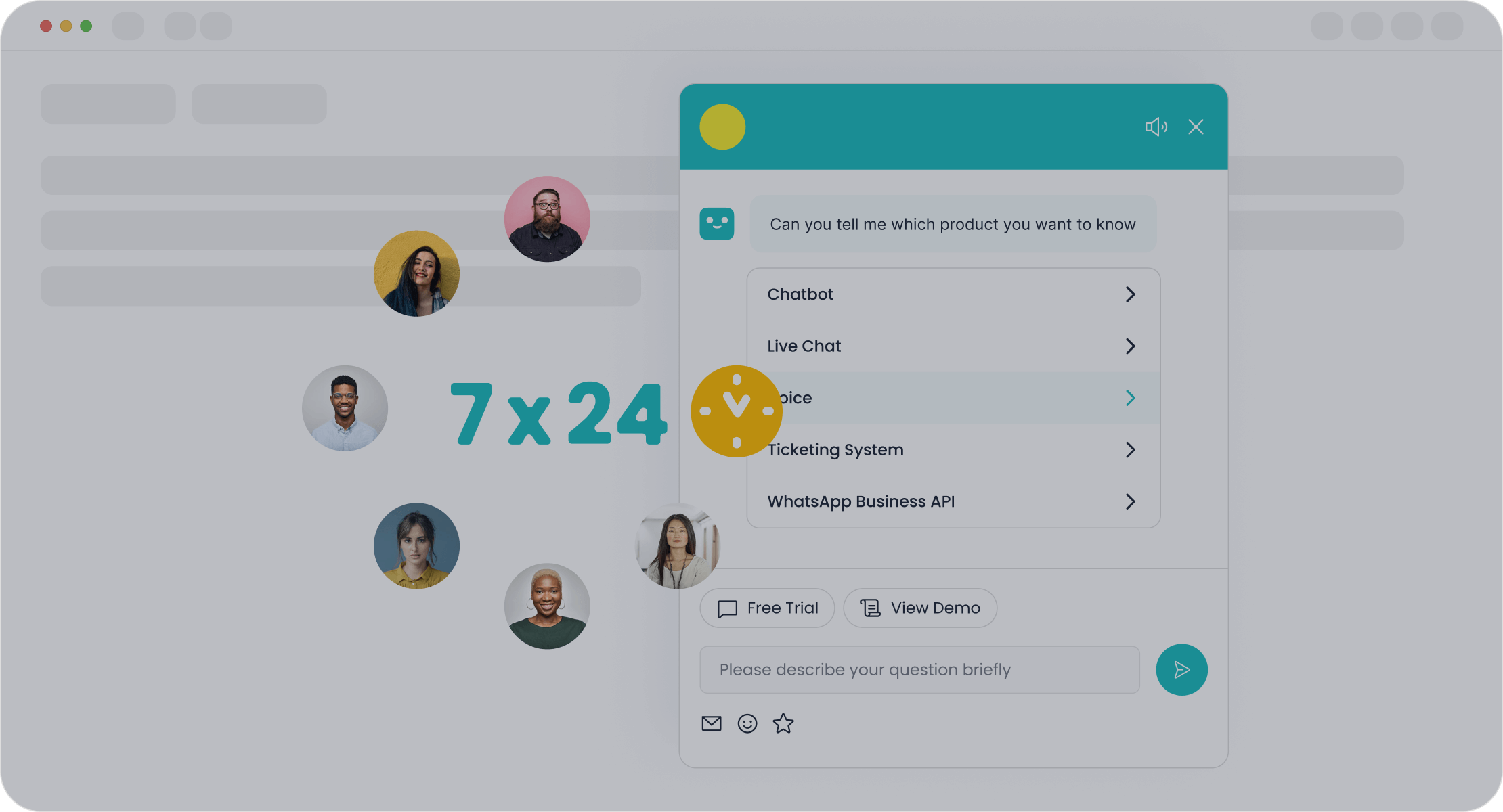
Selecting the right enterprise AI chatbot requires understanding its core capabilities. A powerful platform goes beyond simple Q&A. It becomes a central part of your ecommerce strategy. The best conversational AI solutions offer features that directly impact sales and customer loyalty.
24/7 Automated Support & Order Management
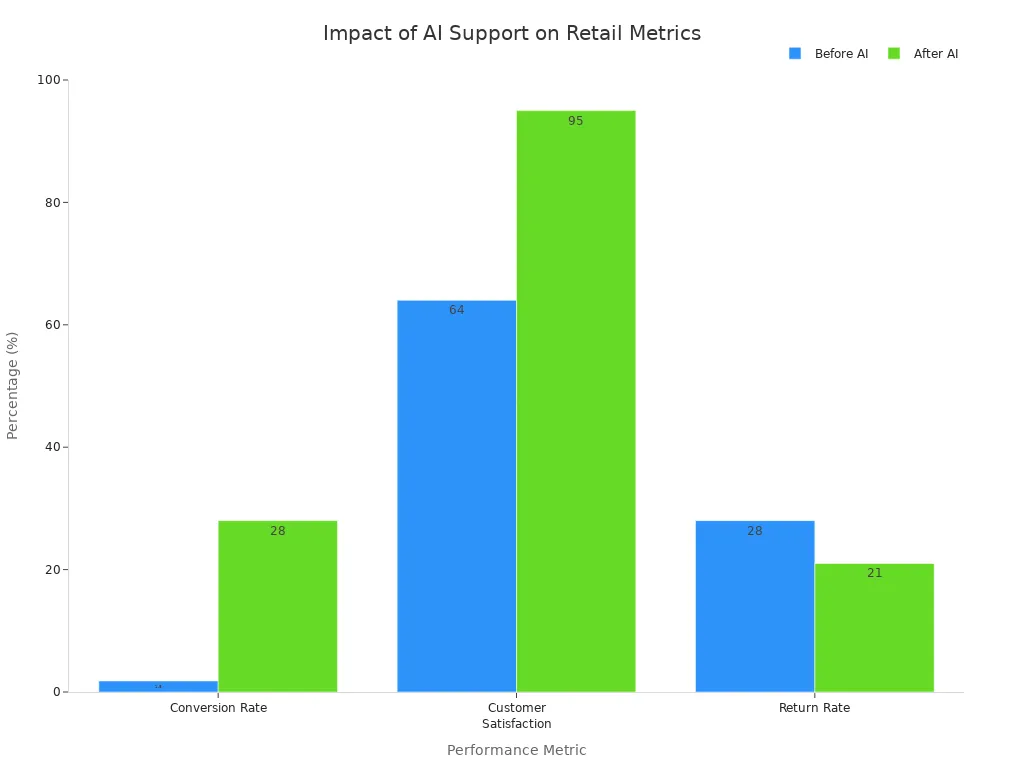
A modern customer expects instant support at any hour. An AI chatbot provides 24/7 customer support automation for routine inquiries. This includes tracking orders, processing returns, and answering common questions. This constant availability improves the customer experience. It also frees human agents to handle more complex issues. Implementing AI-powered support dramatically boosts key retail metrics.
AI-Powered Product Recommendations & Upselling
A sophisticated chatbot acts like a digital sales assistant. This conversational AI agent can offer personalized product recommendations based on browsing history and customer data. This technique can increase average order values by 10-30%. For example, some brands use their chatbot to offer discounts and proactively promote other deals. This conversational approach turns a support interaction into a sales opportunity. Effective product recommendations are a key function of any ecommerce chatbot.
Seamless Human Agent Handover with Full Context
Not every chatbot interaction will resolve an issue. A seamless handover to a human agent is critical. The AI chatbot must provide the agent with the full context of the conversation. This includes a summary of the customer's issue and steps already taken. This process prevents the customer from repeating information. It ensures a smooth transition and maintains high satisfaction throughout all customer interactions.
Deep Integration with Ecommerce & CRM Systems
An enterprise chatbot service for ecommerce must connect with your existing technology. A standalone chatbot has limited value. The platform must integrate with ecommerce systems like Shopify and CRMs like Salesforce. This integration gives the AI chatbot access to product catalogs and customer records. This leads to faster resolutions and higher conversion rates for your ecommerce business. A good platform makes these customer interactions seamless.
Advanced Analytics for Sales and Customer Satisfaction
You must measure the impact of your customer support AI chatbot. A strong analytics dashboard is essential. The platform should track metrics that show both sales performance and customer happiness.
Key metrics to monitor include:
- Customer Satisfaction (CSAT) Score: Measures satisfaction with a specific chatbot interaction.
- Goal Completion Rate: Shows how often the AI successfully resolves a query.
- Conversion Rate: Tracks how the chatbot drives actions like a purchase.
These analytics help you optimize the AI chatbot for better ROI and a superior ecommerce experience.
Reviewing the Top Ecommerce Chatbot Platforms
Choosing the right platform is a critical decision. Each of the leading chatbot companies offers a unique approach to conversational AI. Your choice will depend on your existing technology, business goals, and desired level of customization. This review explores the top options for an enterprise AI chatbot in the ecommerce space.
Sobot: All-in-One Solution for Omnichannel Retail
Sobot positions itself as a comprehensive, all-in-one contact center platform. It is designed for retail businesses that need to unify customer service across every channel. This platform combines an AI chatbot, live chat, and a ticketing system into a single, cohesive workspace. This approach eliminates data silos and creates a seamless experience for both agents and the customer. The platform is built for scalable customer service.
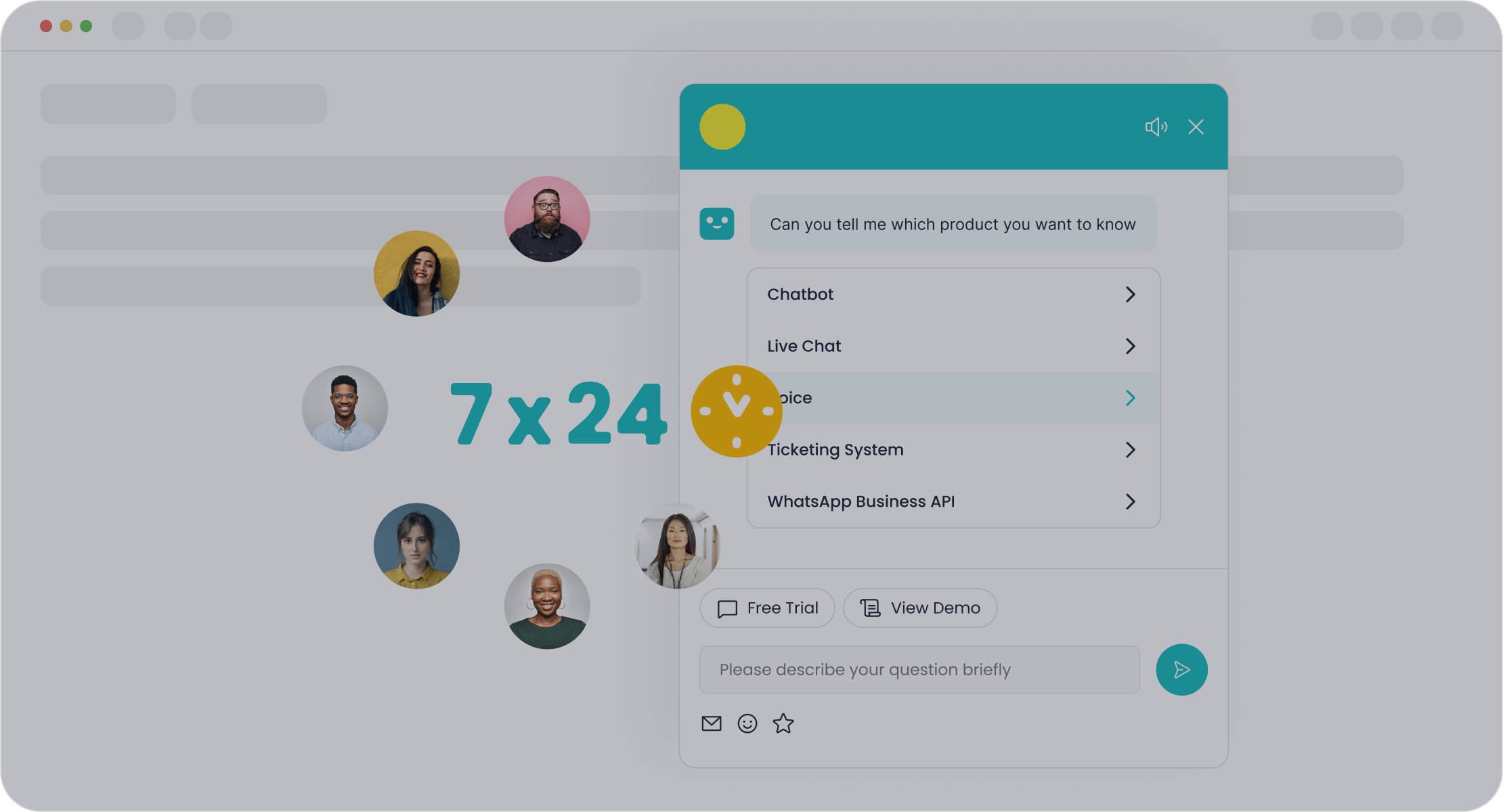
Sobot's AI chatbot offers powerful features tailored for ecommerce. It helps businesses automate support and drive sales effectively.
- Shopping cart integration with platforms like Shopify and Amazon.
- Automated order tracking for instant shipping updates.
- Abandoned cart recovery through proactive messaging.
- AI-powered product recommendation engine during conversations.
- Payment support integration for seamless checkout processes.
This focus on ecommerce functionality allows the chatbot to manage customer inquiries across multiple selling platforms from one interface. It handles repetitive questions 24/7, which frees human agents for more complex issues.
Success Story: OPPO
Global smart device leader OPPO needed to improve service efficiency during peak shopping periods. By implementing Sobot's chatbot and ticketing system, OPPO created a powerful human-machine workflow. The AI chatbot handled routine queries, while agents focused on high-value interactions. This strategy led to an 83% chatbot resolution rate and a 57% increase in customer repurchase rate. You can read more about this success on the Sobot blog.
Sobot uses a custom, quote-based pricing model. This ensures that enterprise clients receive a solution tailored to their specific operational needs and scale, making it a flexible choice among chatbot companies.
Salesforce: Best for Deep Ecosystem Integration
Salesforce is a dominant force in the CRM world. Its conversational AI offering, Einstein Bots, is the ideal choice for businesses already invested in the Salesforce ecosystem. The primary benefit is its native integration with Service Cloud and Sales Cloud. This connection provides the AI chatbot with a complete, 360-degree view of the customer, enabling highly personalized and context-aware support.
The platform delivers significant benefits for large ecommerce operations.
- Cost Savings: The AI chatbot handles simple interactions, allowing support teams to focus on complex cases.
- Improved Customer Experience: Efficient problem-solving by the chatbot leads to higher satisfaction.
- Process Automation: Einstein Bots can automate tasks like order management and appointment scheduling.
- Increased Revenue: The chatbot can assist with lead generation and personalized product recommendations.
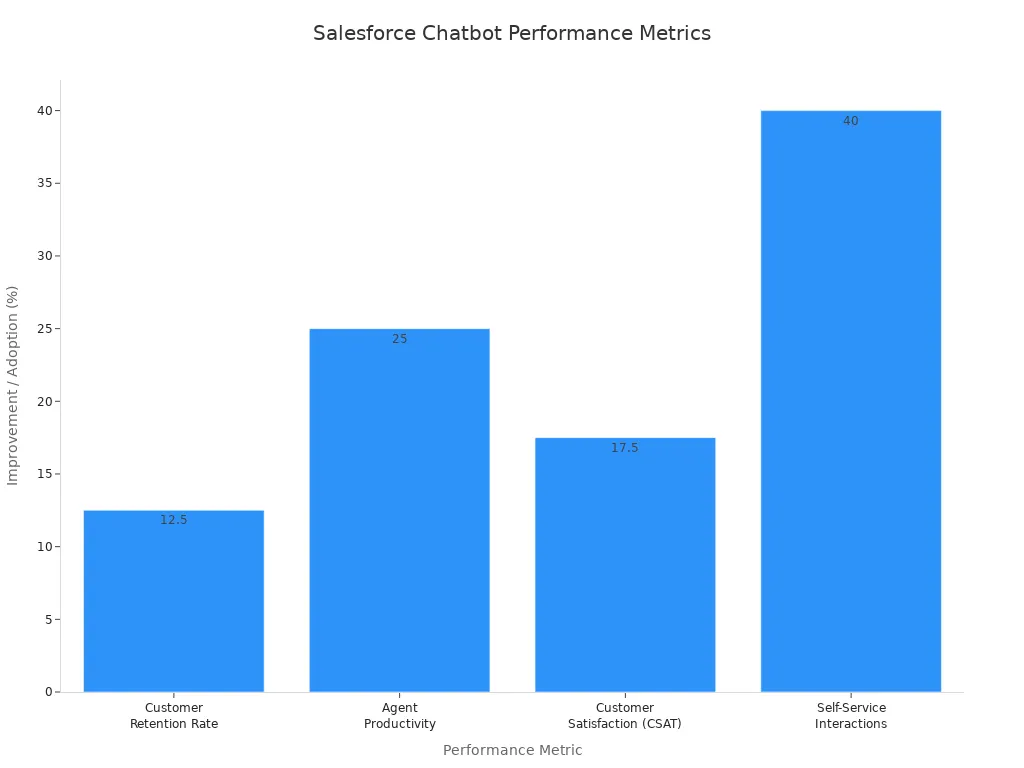
A case study of a leading hardware retailer highlights the platform's impact. The company struggled with scattered customer data and slow responses. After implementing a Salesforce chatbot, they saw major improvements.
| Feature/Benefit | Description/Result |
|---|---|
| AI Chatbot Deployment | Handled frequent queries like order status, returns, and product recommendations. |
| Customer Retention Rate | Improved by 10-15% within the first year. |
| Agent Productivity | Increased by 25% through automation. |
| Customer Satisfaction (CSAT) | Rose by 15-20% with a significant drop in negative feedback. |
| Self-Service Interactions | Grew to over 40%, reducing support costs. |
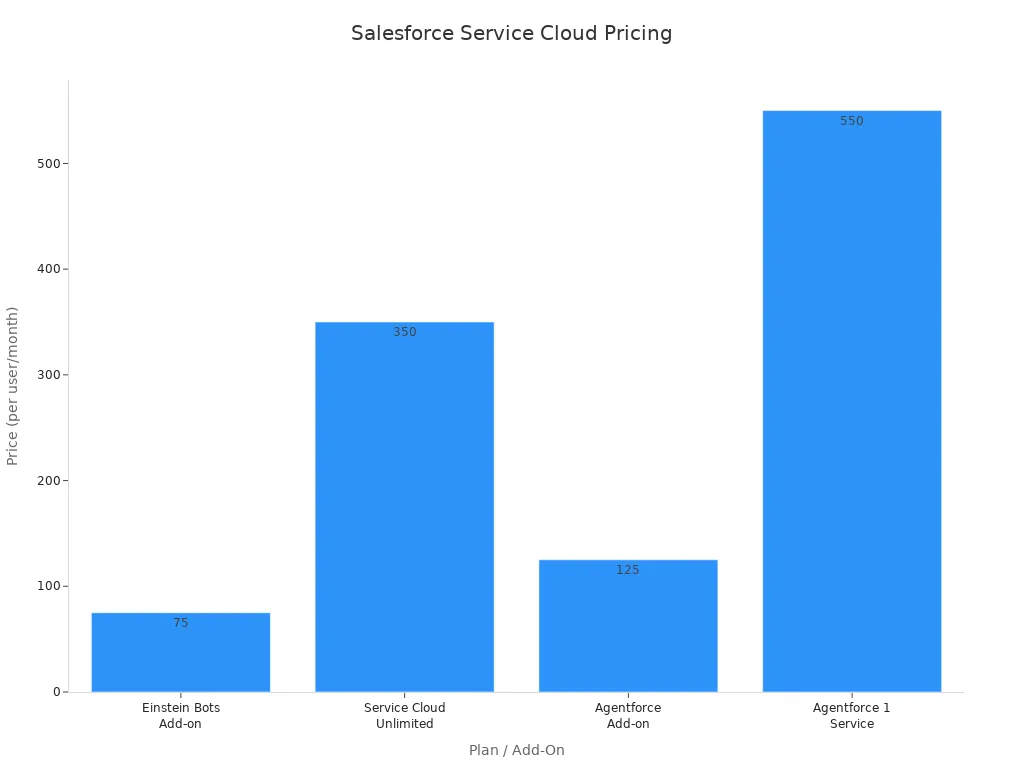
Salesforce pricing is tied to its Service Cloud licenses. You cannot purchase the chatbot as a standalone product. This makes it a strategic investment for existing Salesforce users.
Gorgias: A Dedicated Enterprise Chatbot Service for Ecommerce
Gorgias is an enterprise chatbot service for ecommerce built specifically for online stores. Its core strength is its deep integration with ecommerce platforms like Shopify, Magento, and BigCommerce. This focus makes it one of the most effective chatbot companies for direct-to-consumer (DTC) brands. The entire platform is designed to manage common ecommerce inquiries.
The conversational AI agent from Gorgias can perform tasks that other platforms cannot.
- AI Agent trained on your help center, macros, and Shopify data.
- Self-service flows for order tracking, returns, and cancellations.
- Omnichannel support across email, chat, SMS, and social media.
- Shopify Actions to edit orders or process refunds directly from the chat.
- Seamless agent handoff with full conversation context.
For an ecommerce brand, this means the chatbot can instantly answer "Where is my order?" with real-time tracking data. It can even initiate a return without needing a human agent. This level of automation is a key differentiator.
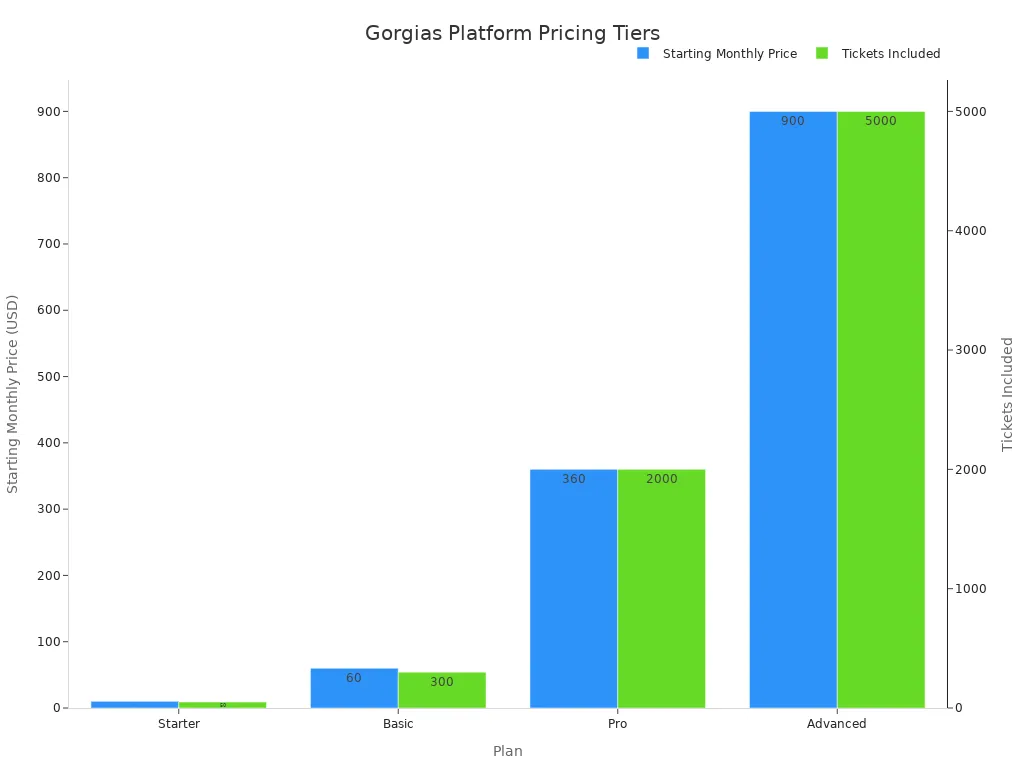
Gorgias offers a tiered pricing model based on ticket volume. This usage-based approach allows ecommerce businesses to scale their plan as they grow. AI features are typically included in the higher-tier plans.
Zendesk: Scalable and Flexible Live Chat for Retail
Zendesk is a well-known leader in the customer service industry. Its platform is recognized for its powerful ticketing system, flexibility, and extensive app marketplace. For retail, Zendesk provides a robust solution for managing high volumes of customer interactions. Its AI Agents and unified workspace help teams deliver fast and personalized support.
A key advantage of the Zendesk platform is its ability to unify all communication channels.
“Previously, we were juggling between a live chat platform, a ticketing platform, and a phone platform … Our goal was to find a solution [that was] as close to omnichannel as possible. And Zendesk offered that. We adopted it as a single hub to meet our customers on their preferred channels and get a holistic view of each person and interaction.” —Adam McPherson, customer experience manager at Universal Store
This omnichannel approach ensures agents have full customer context, from purchase history to previous support tickets. The AI chatbot can automate repetitive questions, guide users to help articles, and reduce overall response times.
Success Story: Hello Sugar
The beauty and wellness business Hello Sugar used Zendesk's AI to automate its customer support. They achieved a 66% automation rate for common inquiries about services and appointments. This success saved the company $14,000 per month in agent costs while delivering near-instant response times.
Zendesk's pricing for large businesses is typically based on its Suite Enterprise plan. This plan is designed for teams with over 200 agents and costs approximately $200-$219 per agent per month. It includes advanced security, compliance, and customization features needed for enterprise-level ecommerce operations.
How to Successfully Implement a Retail Chatbot
Deploying a chatbot for your ecommerce business is a strategic project. Success requires more than just choosing a platform. It demands a clear plan for retail operations managers and IT leaders. Following these steps ensures your conversational AI investment delivers measurable results and enhances customer interactions.
Step 1: Define Your Goals and Key Performance Indicators
First, you must define what success looks like. Your goals for the ecommerce chatbot should be specific and measurable. Are you trying to reduce support costs, increase sales, or improve customer satisfaction? Once goals are set, establish Key Performance Indicators (KPIs) to track progress.
Key metrics for an ecommerce chatbot include:
- Number of conversations: This shows how many users engage with your AI chatbot. A high number indicates strong adoption.
- Automation rate: This measures the percentage of queries the AI chatbot resolves without human help. A high rate means greater efficiency.
Step 2: Choose a Platform that Integrates with Your Tech Stack
Your conversational AI platform must connect with your existing systems. A standalone chatbot creates data silos and limits its effectiveness. The right platform integrates seamlessly with your ecommerce software, CRM, and inventory management tools. This integration gives the AI chatbot access to real-time data for a better customer experience. A platform with a no-code interface, like Sobot, simplifies this process, allowing for easier implementation without extensive IT resources.
Step 3: Train the Bot on Retail Scenarios and Product Data
An effective ecommerce chatbot needs deep knowledge. You must train the AI on industry-specific scenarios. This includes product information, pricing, return policies, and shipping details. The AI chatbot should understand the unique language of your brand and customers. A continuous feedback loop is also essential. This process uses customer interaction data to help the AI learn and improve over time, making the chatbot smarter with every conversation.
Step 4: Deploy Across Key Channels like Website, App, and WhatsApp
Your customers are everywhere. Your chatbot should be too. A successful strategy involves multichannel deployment. You should place the AI chatbot on your website, mobile app, and popular messaging platforms like WhatsApp. This omnichannel presence ensures you can offer instant support wherever your customers choose to engage. This approach creates a consistent and accessible support experience across all touchpoints.
Step 5: Monitor Performance and Continuously Optimize for ROI
The work is not over after launch. You must constantly monitor your chatbot’s performance against your KPIs. Analyze the data to see what works and what does not. Use these insights to refine the chatbot's responses and workflows. This continuous optimization ensures your platform delivers a strong return on investment and adapts to changing customer needs.
Measuring the ROI of Your Retail Chatbot
Implementing an AI chatbot is a significant investment for any ecommerce business. Justifying this expense requires a clear method for measuring its return on investment (ROI). Tracking the right metrics demonstrates the value of your chatbot and guides future optimization efforts. A successful AI strategy connects chatbot performance directly to key business outcomes.
Tracking Conversion Rate and Average Order Value
A primary goal for any ecommerce chatbot is to drive sales. You can measure this impact by tracking conversion rates. Shoppers who use a chatbot convert at a rate nearly four times higher than those who do not. This sales lift often ranges from 7-25%. An effective AI chatbot guides the customer journey, answers product questions, and reduces friction at checkout. This direct interaction boosts sales. You should also monitor the Average Order Value (AOV) for customer interactions involving the chatbot.
Analyzing Cost Reduction in Customer Support
An AI chatbot significantly reduces operational costs. Most companies see a 40-60% reduction in customer service expenses after implementation. The chatbot handles simple, common questions, which can account for up to 80% of all support tickets. This automation frees human agents to focus on complex issues. Calculating this ROI involves comparing agent-related costs before and after the chatbot deployment. The savings in salaries and resources provide a clear financial benefit for your ecommerce operation.
Evaluating Customer Satisfaction (CSAT) and Net Promoter Score (NPS)
A positive customer experience is crucial for loyalty. You can measure this with CSAT and NPS surveys. An AI chatbot improves these scores by providing instant, 24/7 support.
Key drivers for higher satisfaction scores include:
- Faster Responses: AI-enabled teams can reduce first response times by 37%.
- Quicker Resolutions: Support tickets handled with AI automation are resolved 52% faster.
- Personalized Service: A smart chatbot uses customer data to tailor the interaction, which can increase revenue.
These improvements create more promoters and fewer detractors for your ecommerce brand.
Calculating Long-Term Customer Lifetime Value (CLV)
A great chatbot contributes to long-term customer loyalty. By providing a seamless and helpful support channel, the AI chatbot enhances the overall brand relationship. This positive effect encourages repeat purchases. Tracking the CLV of customers who interact with the chatbot versus those who do not can reveal its long-term value. An increased CLV shows that your investment is not just cutting costs but also building a more profitable customer base for the future.
Selecting the right enterprise AI chatbot is not about finding a single "best" platform among chatbot companies. Success comes from aligning a conversational AI solution with specific ecommerce goals, like reducing cart abandonment by up to 29%. A strategic approach is essential for any retail business. This involves deep integration, like Sobot's omnichannel capabilities, and continuous optimization of the AI. This ensures your enterprise AI chatbot improves the customer experience and delivers measurable results for your ecommerce operations. The right enterprise chatbot service for ecommerce transforms customer interactions and drives growth.
Begin by auditing your current customer service gaps to identify the highest-impact use case. Ready to see how an all-in-one conversational AI solution can help? Explore the Sobot Chatbot today.
FAQ
How long does it take to implement a retail chatbot?
Implementation time varies. Simple chatbots can deploy in weeks. Complex enterprise chatbots for retail may take a few months. Platforms with no-code interfaces, like Sobot, significantly speed up this process by simplifying the setup and integration stages for your team.
What is the main benefit of using a chatbot for ecommerce?
The primary benefit is increased efficiency. Chatbots automate up to 80% of routine customer inquiries. This automation frees human agents for complex issues, reduces operational costs, and provides instant 24/7 support to improve the overall customer experience.
Can a chatbot integrate with my existing Shopify store?
Yes. Most modern chatbot platforms are designed for deep ecommerce integration. Solutions like Sobot and Gorgias connect directly with Shopify. This allows the chatbot to access order data, track shipments, and even process returns without needing human intervention.
How do I measure the success of my chatbot?
Measure success with clear Key Performance Indicators (KPIs). Key metrics include the chatbot's automation rate, customer satisfaction (CSAT) scores, and its impact on sales conversion rates. Tracking these numbers demonstrates the direct ROI of your enterprise chatbot investment.
See Also
Leveraging Shopify Live Chat Effectively for Retail Business Success
Implementing Live Chat Solutions for Your Shopify Retail Business
Selecting the Optimal Live Chat Platform for Retail Operations
Enhancing E-commerce Customer Satisfaction Through Smart Chatbot Integration
Achieving Excellence in Live Chat Support for Retail Businesses

