What Makes an AI Chatbot 'Enterprise'?

Many businesses use simple chatbots. However, true enterprise chatbots are different. These enterprise chatbots are strategic tools. With 74% of companies using chatbots, the shift to advanced conversational AI is part of a larger digital transformation. An enterprise solution like the Sobot enterprise ai platform is a core part of a modern contact center. It improves customer engagement using generative ai and enterprise llm technology. So, what makes these enterprise chatbots truly enterprise? This enterprise ai chatbot solution for ecommerce and other industries relies on security, integration, scalability, and advanced ai. These enterprise chatbots define modern enterprise operations. The best enterprise chatbots are key enterprise assets. These enterprise chatbots are essential. The enterprise chatbots are powerful. The enterprise chatbots are enterprise. The enterprise chatbots use ai. This enterprise ai uses ai. This ai is enterprise. This is enterprise.
Enterprise-Grade Security & Compliance

For any enterprise, security is the foundation, not an afterthought. Consumer-grade chatbots can create serious risks. They might expose personal information found in chat logs or be used for phishing scams. True enterprise chatbots are built differently. These advanced chatbots prioritize security from the ground up. An enterprise solution uses strong security protocols to protect sensitive information. This makes enterprise chatbots a safe choice for any business. The best enterprise chatbots offer peace of mind. This is a core feature of an enterprise ai system. These chatbots are designed for a secure enterprise environment.
Data Encryption and Secure Storage
Protecting data is a top priority for enterprise chatbots. Data must be safe both when it moves and when it is stored. Enterprise chatbots use end-to-end encryption. This process scrambles messages during transit, preventing unauthorized parties from reading them. This level of data protection is essential for building customer trust.
For example, Sobot's AI Solution demonstrates a strong commitment to data privacy. It uses powerful data encryption and performs continuous encrypted backups. This ensures that all conversational data handled by the ai chatbots is secure. This is what makes it an enterprise platform.
User Authentication and Access Control
Not everyone in a company should see all customer data. Enterprise chatbots provide tools to manage who sees what. This is called access control. It ensures that employees can only access the information they need to do their jobs. This principle helps prevent internal data breaches. These security features are standard for enterprise chatbots. The ai technology in these chatbots supports these controls. Many enterprise chatbots use role-based access to manage permissions effectively. This is a key part of an enterprise strategy.
Compliance Certifications and Audit Trails
Businesses must follow important data privacy laws. These include regulations like GDPR in Europe and HIPAA in the healthcare industry. Enterprise chatbots are designed to meet these strict standards. They include features that help companies stay compliant.
- Audit Trails: These are detailed logs of all interactions. They show who accessed data and when, which is crucial for accountability.
- Data Minimization: The ai in these chatbots is designed to collect only necessary information.
- User Rights: These chatbots provide ways for users to access or delete their data.
These features show that enterprise chatbots are serious tools for a modern enterprise. The ai helps manage compliance automatically. These chatbots make it easier for an enterprise to follow the rules.
Deep Integration with Business Systems

An enterprise chatbot does not work alone. It acts as a central hub for business processes. This deep data integration transforms simple chatbots into powerful enterprise tools. Standalone chatbots can answer questions, but integrated enterprise chatbots drive action. They connect your entire tech stack. This creates a seamless flow of information. The result is higher operational efficiency and a smarter enterprise. These enterprise chatbots become essential for a connected enterprise. The ai in these chatbots leverages data from all connected systems. This makes the chatbots more effective. True enterprise chatbots are defined by this connectivity.
Connecting CRMs for Personalized Customer Service
Connecting enterprise chatbots to a Customer Relationship Management (CRM) system is crucial. This data integration allows chatbots to deliver true personalization. The ai can access customer history and preferences from the CRM. This context helps the chatbots provide relevant and helpful answers. This level of personalization improves customer service significantly.
- 24/7 Availability: The chatbots offer immediate, informed responses anytime.
- Full Customer Context: Agents receive a complete history of interactions, enabling better support.
- Real-Time Updates: Every conversation is logged in the CRM, keeping records synchronized.
This connection turns chatbots into a vital part of the customer service team. These enterprise chatbots enhance the entire enterprise.
Automating Workflows Across Applications
Enterprise chatbots excel at automation. They can do more than just talk. They automate tasks across different applications. This workflow automation streamlines business operations. For example, enterprise chatbots can handle customer inquiries, qualify sales leads, and process orders automatically. This automation frees up human agents to focus on complex problems. This makes the entire enterprise more productive. The ai in these chatbots learns to manage sequential tasks smoothly.
A great example is OPPO. They used Sobot's enterprise chatbots to integrate global channels and business systems. This eliminated data fragmentation and improved agent efficiency, showing the power of integrated automation.
Sobot's API-First Architecture for Custom Connections
Flexibility is key for any enterprise solution. An API-first architecture provides this flexibility. It allows enterprise chatbots to connect with any system, custom or standard. This approach makes data integration easier and faster. New ai tools and services can be added without disrupting the entire system. Sobot's platform is built with this principle. It allows an enterprise to create a unified ecosystem. Tools like the chatbot, live chat, and ticketing system work together seamlessly. This ensures that the chatbots can grow with the enterprise. These enterprise chatbots are future-proof.
Scalability for High-Performance Enterprise Chatbots
A simple chatbot might work for a small business. An enterprise needs much more. Scalability is a key feature of high-performance enterprise chatbots. The architecture of these chatbots is different. It is built for massive scale. This allows an enterprise to handle huge volumes of customer interactions without slowing down. These advanced chatbots support business growth. The right ai platform ensures the enterprise can expand its services. True enterprise chatbots are designed for reliability under pressure. This makes these chatbots essential for a large enterprise.
Handling High-Volume Concurrent Conversations
An enterprise often deals with thousands of customers at once. Basic chatbots cannot handle this load. Enterprise chatbots are built to manage unlimited concurrent conversations. They use a modular service design, often based on microservices. This architecture separates tasks like handling requests and processing messages. This design allows the chatbots to scale specific parts of the system independently. This ensures the chatbots remain responsive even under high load. This is a core function for any enterprise that values customer experience. The ai in these enterprise chatbots can support millions of connections.
Omnichannel Deployment and Consistency
Customers contact a business through many channels. They use websites, social media, and messaging apps. A successful enterprise provides a consistent experience everywhere. This is called multi-channel deployment. Enterprise chatbots excel at this. They ensure the conversation feels the same on WhatsApp as it does on the website. This consistency builds trust. Simple chatbots often fail here, creating a fragmented experience. A good multi-channel deployment strategy is vital for a modern enterprise. These enterprise chatbots maintain context as customers switch channels. The ai helps deliver a seamless journey. These chatbots make multi-channel deployment simple for an enterprise.
Guaranteed Uptime and SLAs
An enterprise cannot afford downtime. Customers expect 24/7 availability. Enterprise chatbots deliver this with guaranteed uptime. This is often defined in a Service Level Agreement (SLA). High uptime is crucial for business resilience. It means the chatbots are always online to help customers. This reliability comes from a robust technical foundation.
For example, Sobot's platform demonstrates true enterprise-level reliability. It handles over 6 million daily online communications. It maintains 99.99% system stability. This proven performance shows what enterprise chatbots can do for an enterprise.
Advanced Enterprise AI and Customization
The intelligence of enterprise chatbots sets them apart. General AI tools use public data. Business-specific enterprise ai understands company context. This advanced conversational ai is tailored to the unique needs of an enterprise. Customization is not just a feature; it is the core of an effective enterprise ai strategy. Solutions like Sobot offer a no-code interface and multilingual support. This allows any enterprise to build powerful chatbots. The use of generative ai makes these chatbots even smarter. These enterprise chatbots learn from your business data. This makes the ai a true asset for the enterprise.
Training on Proprietary vs. Public Data
The data used for training an ai model is very important. Many chatbots use a public large language model. This can lead to security risks. Attackers can inject bad data, creating biased or false responses. An enterprise cannot afford these risks. True enterprise chatbots train on proprietary data. This gives the enterprise full control.
| Feature | Private AI (Proprietary Data) | Public AI (Public Data) |
|---|---|---|
| Model Control | Full control over the ai model | No access to the model structure |
| Customization | Tailored with internal data | Generic outputs with minor tweaks |
| Transparency | Full visibility into ai logic | Operates as a black box |
Training on your own data makes the enterprise llm highly relevant. The ai learns your company’s terms and processes. This ensures the enterprise chatbots provide accurate, secure answers. This is a core part of a strong enterprise ai platform.
An Enterprise AI Chatbot Solution for Ecommerce
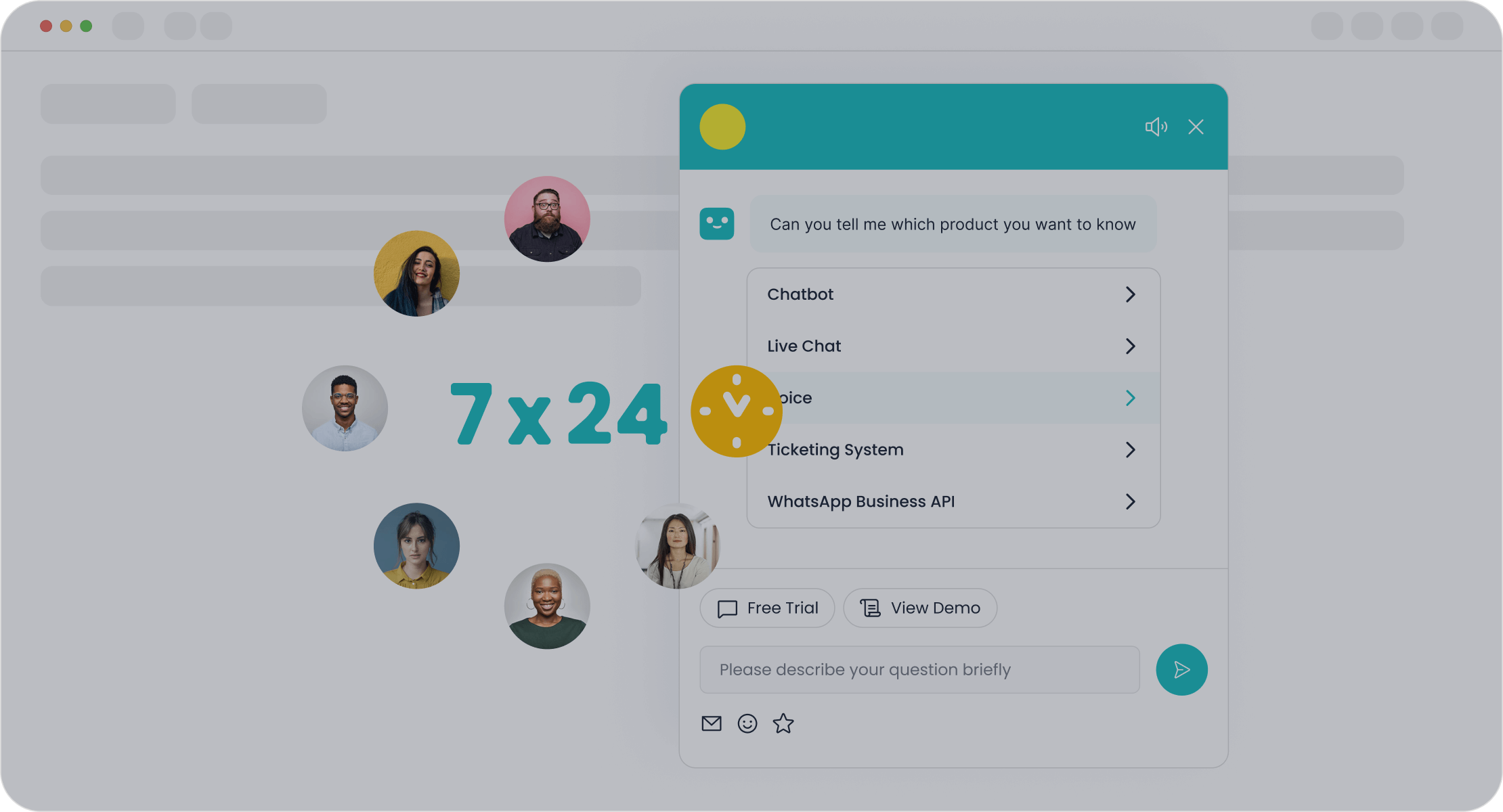
An enterprise ai chatbot solution for ecommerce can transform online sales. These chatbots do more than answer questions. They drive revenue. An effective enterprise ai chatbot solution for ecommerce uses generative ai for deep personalization. These chatbots act as smart shopping assistants. They help with product discovery and prevent cart abandonment. This level of automation boosts conversion rates. A good enterprise ai chatbot solution for ecommerce integrates with your business systems. This creates a powerful tool for any online enterprise. This specific enterprise ai chatbot solution for ecommerce is a game-changer.
Seamless Handoff to Human Agents
Even the best chatbots sometimes need help. A seamless handoff to a human agent is crucial for good customer service. Enterprise chatbots make this process smooth. The ai can detect when a person needs human help. It then transfers the conversation without losing context. The customer never has to repeat their issue.
A powerful example of advanced ai is OPPO's success with Sobot. Their enterprise chatbots achieved an 83% resolution rate for customer inquiries. This shows how effective a well-trained large language model and enterprise llm can be.
When a handoff is needed, the enterprise llm ensures the agent has the full history. This makes the entire process efficient for the enterprise. These chatbots and agents work together as one team. This is the power of generative ai in a modern enterprise.
Robust Analytics for Better Customer Engagement
An enterprise chatbot is more than a conversational tool; it is a source of valuable business insights. Simple chatbots cannot provide the deep analysis an enterprise needs. True enterprise chatbots come with robust analytics. These tools measure performance and guide improvements. This data-driven approach is essential for enhancing customer engagement. An enterprise uses this information to refine its customer service strategy and boost operational efficiency. The ai in these chatbots not only talks to customers but also learns from every conversation.
Performance Dashboards and Conversation Analytics
Performance dashboards give an enterprise a clear view of how its chatbots are doing. These dashboards track important numbers, called metrics, that show the value of the ai. Conversation analytics dive deep into the chat logs to uncover trends. This helps an enterprise understand customer behavior.
Key metrics for enterprise chatbots include:
- Resolution Rate: The percentage of customer inquiries the chatbots solve without human help.
- Customer Satisfaction (CSAT): Scores from post-chat surveys that measure happiness.
- Conversation Volume: The total number of interactions the chatbots handle.
- User Engagement Rate: How actively users interact with the chatbots.
Tracking these numbers provides powerful business insights and improves customer engagement.
Tools for Content and Conversation Design
Robust analytics do more than just report numbers. They provide tools to make the chatbots smarter. When chatbots fail to answer a question, analytics tools flag these gaps in knowledge. An enterprise can see exactly where the ai needs more training. By analyzing conversation patterns, a business can identify confusing parts of a conversation. This allows the enterprise to redesign the chat flow for a better user experience. These tools help an enterprise continuously improve its chatbots, ensuring the ai provides accurate and helpful responses.
Lifecycle Management and Version Control
An enterprise needs its chatbots to be stable and reliable. Lifecycle management provides a structured way to update and improve the ai over time. Version control is a key part of this process. It allows an enterprise to save different versions of its chatbots. This means you can test new features on a new version without affecting the live, working chatbot. If a new update causes problems, the enterprise can quickly switch back to a previous, stable version. This careful management ensures that the chatbots remain a dependable asset for customer engagement.
True enterprise chatbots are defined by five key pillars: security, integration, scalability, advanced ai, and analytics. These features transform basic chatbots into strategic enterprise assets. Solutions like Sobot embody these principles for the modern enterprise. The best enterprise chatbots use powerful automation to manage complex processes and handle employee requests. This automation improves both customer and employee experiences. Ultimately, these advanced chatbots deliver measurable business value, making them essential for any successful enterprise. This is the power of enterprise ai. These enterprise chatbots are vital enterprise tools. The enterprise chatbots are the future for your enterprise.
FAQ
What is the main difference between regular chatbots and enterprise chatbots?
Regular chatbots often handle simple questions. Enterprise chatbots are different. These advanced chatbots integrate with business systems. Enterprise chatbots also have strong security. This makes enterprise chatbots a safe choice for any enterprise. These chatbots are powerful tools. The best enterprise chatbots are built for a modern enterprise.
How do enterprise chatbots improve business operations?
Enterprise chatbots automate many tasks. These chatbots can answer customer questions 24/7. This frees up human agents for complex issues. An enterprise AI chatbot solution improves efficiency. These chatbots help an enterprise run smoothly. The chatbots are a key part of an enterprise strategy.
Can enterprise chatbots handle a large number of customers?
Yes, enterprise chatbots are built for scale. These chatbots can manage thousands of conversations at once. This is a core feature for a large enterprise.
For example, Sobot's platform shows how powerful these chatbots are. It handles millions of daily communications, proving the reliability of enterprise chatbots.
Why is an enterprise AI chatbot a good investment for an enterprise?
An enterprise AI chatbot delivers real value. These chatbots cut costs by automating support. The chatbots also boost sales with smart assistance. An enterprise AI chatbot is a strategic asset. These chatbots help an enterprise grow. The chatbots provide a strong return on investment.
See Also
Evaluating Top AI Solutions for Enterprise Call Center Excellence
Discovering the 10 Best AI Tools for Your Enterprise Contact Center
Your Essential Guide to Selecting the Optimal Chatbot Software
Elevating E-commerce Customer Satisfaction Through Smart Chatbot Integration
Effortlessly Implementing Effective Website Chatbot Examples for Enhanced Engagement

