Top Tips for Handling Active Waiting Calls Efficiently


Managing active waiting calls (AW) in communication apps can be challenging. High call volumes often lead to long wait times, which frustrate users and disrupt workflows. For instance, a high number of active waiting calls indicates insufficient staffing, negatively impacting customer retention. Keeping these calls low ensures smoother operations and better user experiences. Tools like Sobot's Voice/Call Center streamline call management by improving response times and increasing call-handling capacity. With features like intelligent IVR and AI-powered Voicebots, Sobot helps reduce wait times and enhance customer satisfaction, making it an essential solution for efficient communication.
Understanding Active Waiting Calls in Communication Apps
What Are Active Waiting Calls (AW)?
Definition and examples in team communication apps
Active waiting calls (AW) represent the number of callers waiting to connect with an agent in real-time. This metric provides valuable insights into how efficiently your team handles calls. For example, in team communication apps, AW can highlight the balance between calls being actively managed and those left on hold. Monitoring this metric helps you identify inefficiencies and improve workflows.
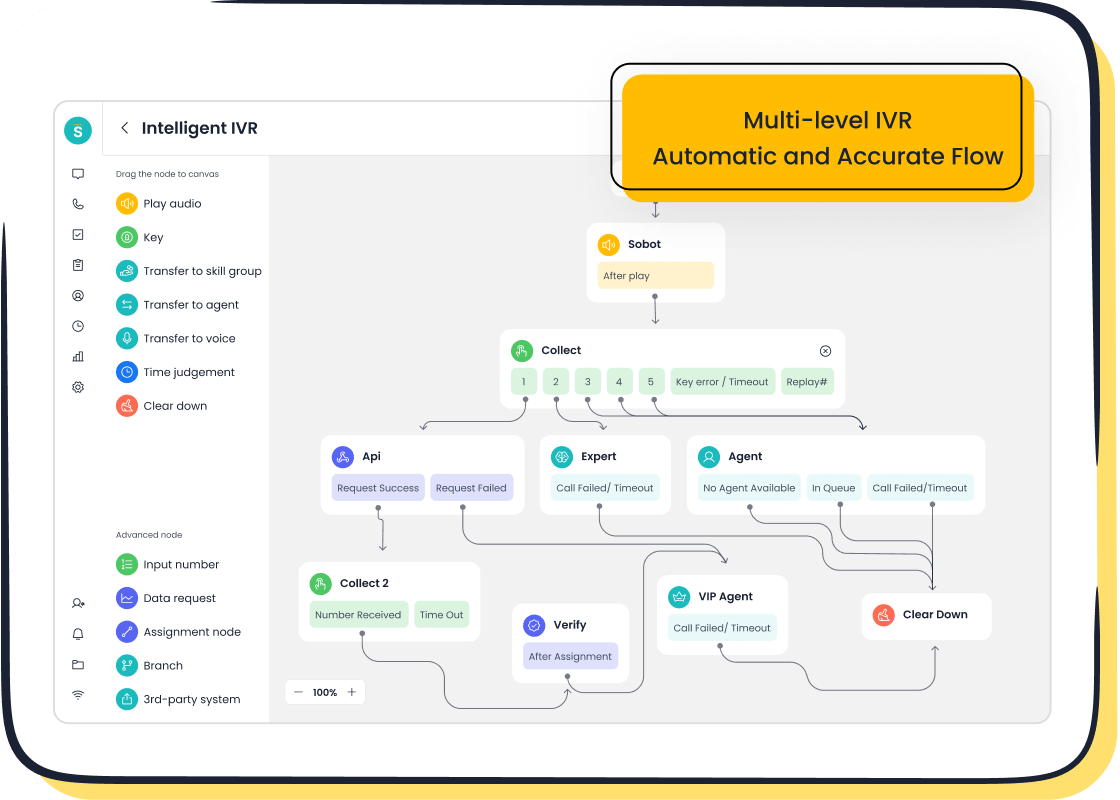
In practice, AW often arises in scenarios like customer support hotlines or sales teams managing high call volumes. For instance, a team using Sobot's Voice/Call Center can track AW to ensure agents prioritize urgent calls. By leveraging tools like intelligent IVR and smart call routing, you can reduce the number of callers waiting and enhance overall communication efficiency.
Common scenarios where active waiting calls occur
Active waiting calls frequently occur in situations where demand exceeds capacity. Examples include:
- Customer service teams during peak hours, such as holiday seasons.
- Sales teams handling promotional campaigns with high inbound call volumes.
- Technical support teams managing complex issues requiring longer resolution times.
In these scenarios, AW can indicate inefficiencies like slow Average Speed of Answer (ASA). Addressing these issues with tools like Sobot's AI-powered Voicebot can streamline communication and reduce wait times.
Challenges of Active Waiting Calls
User frustration and communication delays
Long wait times often lead to user frustration, which can harm your brand's reputation. Metrics like the Call Abandonment Rate reveal how many customers hang up before reaching an agent. High abandonment rates often result from prolonged delays in team communication apps. For example, if your AW metric remains high, it signals a need for better resource allocation or workflow optimization.
Sobot's Voice/Call Center addresses these challenges by offering features like real-time monitoring and intelligent call routing. These tools help you minimize delays and improve user satisfaction.
Impact on customer service and satisfaction
Active waiting calls directly affect customer service quality. A high AW count can overwhelm your team, leading to rushed interactions and unresolved issues. This impacts customer satisfaction scores and retention rates.
By using Sobot's unified workspace, you can equip your agents with the tools needed to manage calls efficiently. Features like bulk outbound tasks and AI-powered Voicebots ensure smoother communication, reducing the strain on your team and improving service quality.
Key Strategies for Efficient Call Handling

Prioritization Techniques in Team Communication Apps
Identifying high-priority calls using tools like Sobot Voice/Call Center
Efficient call handling begins with identifying which calls need immediate attention. Tools like Sobot Voice/Call Center simplify this process by offering features such as real-time monitoring and smart call routing. These tools allow you to prioritize calls based on urgency or customer type. For example, a VIP customer’s call can be routed directly to a senior agent, ensuring faster resolution. By focusing on high-priority calls, you can improve customer satisfaction and reduce wait times.
Implementing call queues and categorization
Organizing calls into queues based on categories like issue type or department ensures smoother workflows. Sobot Voice/Call Center enables you to create customized call queues, helping agents focus on their areas of expertise. For instance, technical issues can be routed to IT specialists, while billing inquiries go to the finance team. This strategy minimizes confusion and enhances real-time collaboration among your team.
Leveraging Automation for Active Waiting Calls
Auto-routing calls with AI-powered tools

Automation plays a vital role in managing active waiting calls. AI-powered tools like Sobot’s Voicebot can auto-route calls to the right agent or department. This reduces manual intervention and speeds up the process. According to recent data, automation can make call handling 35% faster and boost customer satisfaction by 30%. These improvements not only enhance efficiency but also ensure a seamless experience for your users.
| Metric | Results |
|---|---|
| Call Handling Time | 35% faster |
| Customer Satisfaction | 30% higher |
Using Sobot's intelligent IVR for efficient call management
Sobot’s intelligent IVR system takes automation a step further. It allows you to customize greetings, build menus, and route calls effortlessly. For example, during peak hours, the IVR can guide customers to self-service options, reducing the load on agents. This strategy ensures that even during high call volumes, your team maintains efficiency and engagement.
Enhancing User Experience During Active Waiting Calls
Providing real-time updates through in-app messaging
Keeping users informed during active waiting calls improves their experience. In-app messaging can provide real-time updates about their position in the queue or estimated wait time. This transparency reduces frustration and builds trust. For example, a simple message like “You are third in line” reassures users that their call will be answered soon. Real-time collaboration tools integrated with in-app messaging also allow agents to resolve issues faster.
Offering self-service options with AI-powered Voicebots
AI-powered Voicebots, like those offered by Sobot, empower users to resolve issues independently. These bots can handle common queries, such as account updates or payment statuses, without involving an agent. This strategy not only reduces active waiting calls but also enhances user engagement. Studies show that self-service options significantly improve customer satisfaction, making them a valuable addition to your call management system.
Best Practices for Seamless Transitions Between Calls

Tools for Smooth Call Switching
Utilizing Sobot Voice/Call Center's call transfer features
Efficient call switching ensures uninterrupted communication. Sobot Voice/Call Center simplifies this process with its advanced call transfer features. You can seamlessly transfer calls between agents or departments without losing context. For example, when a customer needs technical support, the system routes the call directly to the appropriate specialist. This reduces confusion and ensures faster resolutions.
Sobot's unified workspace further enhances this process by displaying all relevant customer information during the transfer. Agents can quickly review past interactions, ensuring continuity in the conversation. This feature not only saves time but also improves customer satisfaction by eliminating the need for users to repeat their concerns.
Integrating CRM systems for context continuity
Integrating CRM systems with your call management tools ensures smooth transitions. Sobot Voice/Call Center offers seamless CRM integration, allowing agents to access customer histories instantly. For instance, when a call is transferred, the receiving agent can view details like previous inquiries or purchase history. This context helps resolve issues faster and builds trust with customers.
Businesses using integrated systems report up to 70% greater efficiency in administrative processes, according to Gartner. By combining Sobot's call management features with CRM tools, you can streamline workflows and enhance the overall user experience.
Techniques for Reducing Transition Delays
Training agents on multitasking and call handling
Proper training equips agents to handle multiple tasks efficiently. Multitasking skills are essential for managing active waiting calls and ensuring smooth transitions. For example, agents trained to use AI-powered tools like Sobot's Voicebot can manage multiple communication streams simultaneously.
Research from MIT’s Technology Review shows that businesses using AI receptionists experience a 67% reduction in abandoned calls. These tools allow agents to focus on complex issues while automation handles routine tasks. Regular training sessions help your team adapt to these technologies, improving both efficiency and customer satisfaction.
Establishing clear protocols for call transfers
Clear protocols minimize delays during call transfers. You should define steps for agents to follow, such as verifying customer details and providing a brief summary before transferring a call. This ensures a smooth handoff and reduces confusion.
AI integration also plays a key role here. Sobot's intelligent IVR system can route calls automatically, reducing manual intervention. With real-time access to databases, agents can provide accurate information quickly. These strategies not only reduce transition delays but also enhance the overall efficiency of your call management system.
Technical Requirements for Effective Call Management
Ensuring System Reliability in Communication Apps
Importance of uptime and minimal disruptions
System reliability is crucial for effective call management. When your communication app experiences downtime, it disrupts customer support operations and reduces productivity. Users expect seamless service, and even a few minutes of downtime can lead to frustration. For example, a technical glitch during peak hours can result in missed calls and dissatisfied customers.
To ensure reliability, you need to focus on three key metrics: availability, correctness, and recovery. These metrics define how well your system performs under pressure. The table below explains these metrics in detail:
| Metric Type | Description |
|---|---|
| Availability targets | Define the quality standards for system accessibility and functionality. |
| Correctness targets | Ensure the workload performs its functions with consistent quality, measured through quantifiable indicators. |
| Recovery targets | Correspond to RTO, RPO, MTTR, and MTBF metrics, quantifying the effectiveness of business continuity and disaster recovery plans. |
Sobot's Voice/Call Center guarantees a 99.99% SLA, ensuring minimal disruptions. This high uptime standard means your customer service team can operate smoothly, even during high call volumes. With Sobot, you can maintain trust and deliver consistent support to your users.
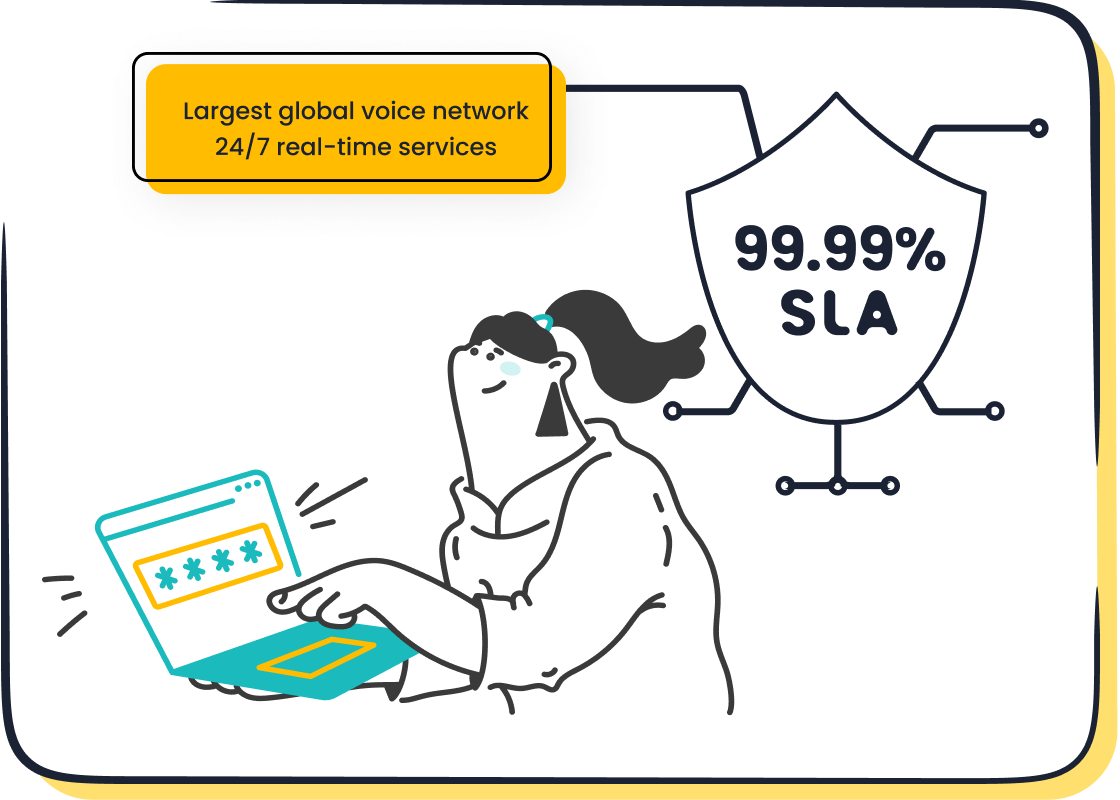
Sobot's 99.99% SLA for stable call management
Sobot's 99.99% SLA ensures your system remains stable and reliable. This level of uptime means less than an hour of downtime annually, which is critical for uninterrupted customer support. For instance, during a holiday rush, Sobot's robust infrastructure ensures your team can handle calls without delays. This reliability boosts productivity and enhances customer satisfaction.
Scalability and Integration for Team Communication Apps
Adapting to high call volumes with Sobot's global network
Scalability is essential for handling fluctuating call volumes. During peak times, your system must adapt to increased demand without compromising performance. Sobot's global network, with 110 points of presence across 93 cities, ensures seamless scalability. Whether you're managing a small team or a large enterprise, Sobot's infrastructure supports your needs.
For example, a retail business experiencing a surge in calls during a sale can rely on Sobot's Voice/Call Center to manage the load. This scalability ensures your customer service team remains efficient, even under pressure. By adapting to high call volumes, you can maintain smooth operations and improve customer satisfaction.
Seamless integration with third-party tools
Integration with third-party tools enhances your team's productivity. Sobot's Voice/Call Center integrates effortlessly with CRM systems, enabling agents to access customer histories and streamline workflows. For instance, when a call is transferred, the receiving agent can view past interactions, ensuring continuity.
This integration reduces manual tasks and improves efficiency. Businesses using integrated systems report higher productivity and better customer support outcomes. With Sobot, you can unify your tools and create a seamless communication experience for your team and customers.
Measuring Success and Iterating for Better Call Management
Key Metrics to Track in Active Waiting Calls
Average wait time and call resolution time
Tracking metrics like average wait time and call resolution time helps you evaluate the efficiency of your call management system. Average wait time measures how long users stay in the queue before speaking with an agent. A shorter wait time improves user satisfaction and reduces frustration. For example, most call centers aim for an average speed of answer (ASA) between 20 and 30 seconds. Reducing ASA from 60 to 25 seconds can significantly enhance user experience.

Call resolution time, on the other hand, tracks how quickly agents resolve issues. Faster resolutions mean fewer repeat calls and happier users. Tools like Sobot's Voice/Call Center provide real-time monitoring of these metrics, helping you identify areas for improvement. By focusing on these benchmarks, you can ensure smoother communication and better service quality.
Customer satisfaction scores and feedback
Customer satisfaction scores (CSAT) and feedback offer direct insights into how users perceive your service. CSAT measures satisfaction levels after each interaction, while feedback highlights specific pain points. For instance, a high CSAT score indicates that users are happy with the service, while low scores suggest areas needing attention.
Sobot's unified workspace allows agents to collect and analyze feedback efficiently. This data helps you understand user expectations and make informed decisions. Tracking these metrics ensures continuous improvement and builds trust with your users.
Continuous Improvement Strategies
Analyzing data to identify bottlenecks
Data analysis plays a crucial role in improving call management. Metrics like first call resolution (FCR) and average handle time (AHT) help you pinpoint bottlenecks. For example, a low FCR rate may indicate that users frequently need to call back to resolve the same issue. Similarly, a high AHT suggests inefficiencies in handling calls.
Sobot's Voice/Call Center provides detailed analytics to help you identify these challenges. By addressing bottlenecks, you can optimize workflows and enhance user satisfaction. Regularly reviewing data ensures your system adapts to changing demands.
Implementing iterative changes based on user feedback
User feedback is a valuable resource for continuous improvement. By analyzing comments and suggestions, you can implement changes that align with user needs. For example, if users frequently mention long wait times, you can adjust staffing levels or enhance automation.
Sobot's AI-powered tools make it easy to gather and act on feedback. Features like intelligent IVR and Voicebots allow you to test new strategies and measure their impact. Iterative changes based on real-world data ensure your system evolves to meet user expectations, fostering loyalty and satisfaction.
Efficiently managing active waiting calls ensures smoother communication and higher user satisfaction. By prioritizing calls, leveraging automation, and ensuring seamless transitions, you can reduce delays and improve service quality. For instance, AI voicebots handle multiple customer queries simultaneously, maintaining high service standards even during peak times. These tools also provide 24/7 support, ensuring faster resolutions and consistent availability.
Adopting strategies like gradual implementation and continuous monitoring enhances operational efficiency while minimizing disruptions.
| Strategy | Description |
|---|---|
| Gradual Implementation | Introduce automation in phases to allow for smoother transitions and continuous improvement. |
| Continuous Monitoring | Regularly evaluate systems to optimize performance and boost customer satisfaction. |
Explore Sobot Voice/Call Center to streamline your call management process. Its intelligent IVR and AI-powered Voicebots help you scale operations effortlessly while maintaining exceptional service quality. Learn more at Sobot Voice/Call Center.
FAQ
What is the importance of managing active waiting calls in apps?
Efficiently managing active waiting calls ensures better user experiences and smoother workflows. High wait times can frustrate users and reduce satisfaction. Tools like Sobot's Voice/Call Center help you streamline call handling, improving response times and ensuring your team operates effectively.
How does Sobot's Voice/Call Center improve team communication?
Sobot's Voice/Call Center enhances centralized team communication by integrating multiple modes of communication into one platform. Features like intelligent IVR, AI-powered Voicebots, and real-time monitoring ensure seamless collaboration and faster resolutions, boosting your team's productivity.
Can push notifications help reduce active waiting calls?
Yes, push notifications keep users informed about their queue status or estimated wait times. This transparency reduces frustration and builds trust. Sobot's tools enable you to send timely updates, ensuring users feel valued and engaged during their waiting period.
How does automation enhance productivity in communication apps?
Automation simplifies workflows and reduces manual tasks. Sobot's AI-powered tools, like Voicebots and intelligent IVR, auto-route calls and handle routine queries. This allows your team to focus on complex issues, leading to enhanced productivity and better service quality.
Why is scalability important for communication apps?
Scalability ensures your app can handle fluctuating call volumes without compromising performance. Sobot's global network supports high-demand periods, like holiday sales or promotional campaigns, ensuring your team maintains efficiency and delivers exceptional service.
See Also
Understanding The Efficiency Of Call Center Automation
Top Strategies For Effective Call Center Quality Management
Effective Strategies For Managing Live Chat Representatives
Enhancing Call Center Performance Through Effective Monitoring

