Outbound Call Management to Boost Sales

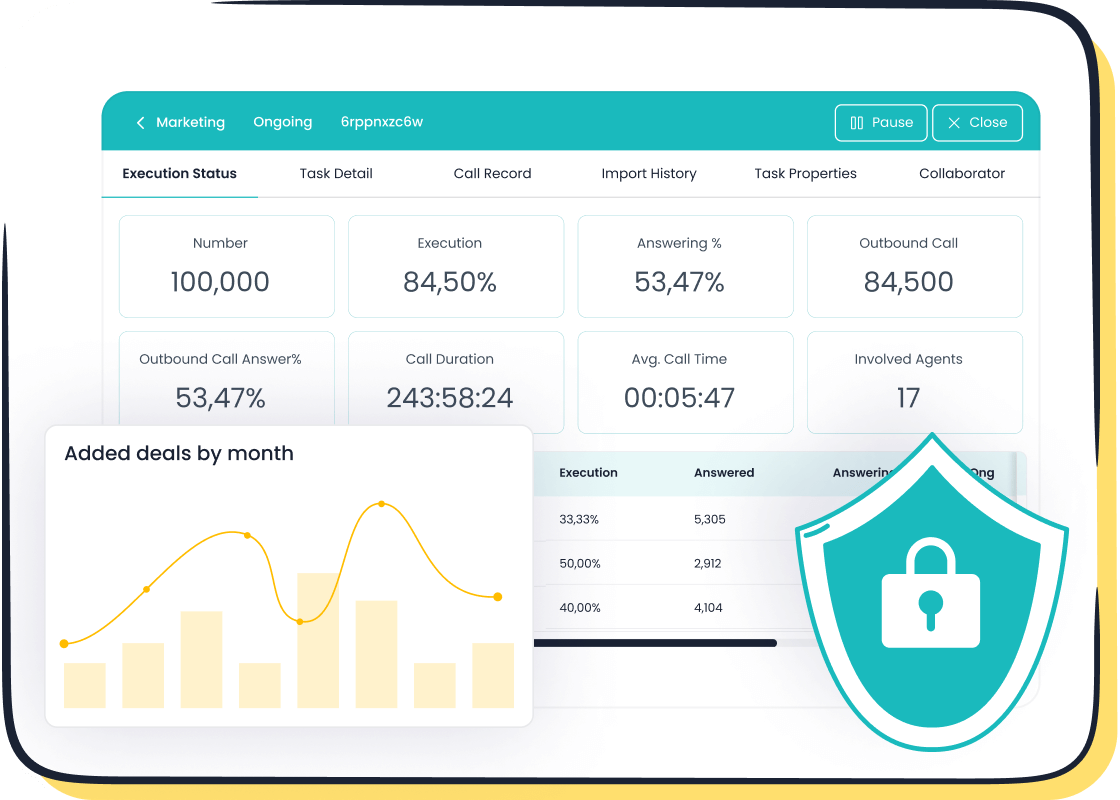
Your outbound sales calls hit a wall. The average cold calling success rate is just 2.3%. This turns sales into a frustrating numbers game. The key to success is not more dials, but smarter outbound call management. A powerful outbound calling strategy transforms your entire approach to outbound sales.
What if you could turn your outbound sales from a guessing game into a predictable engine for sales growth and opportunity?
This guide delivers the proven outbound sales strategies you need for effective outbound calling. You will learn the strategies to boost sales growth, powered by tools like the Sobot call center and Sobot AI.
Understanding Outbound Call Management
Effective outbound sales require more than just a phone and a list of numbers. You need a system. Outbound call management is that system. It turns random dialing into a structured process designed for one thing: boosting your sales. This approach provides the foundation for sustainable growth.
Moving Beyond Dialing to Strategic Management
You must move past traditional cold calling. Modern outbound sales is about smart, targeted engagement. Strategic outbound call management uses data and technology to connect with the right people at the right time. This shift transforms your efficiency and results. The difference in these outbound sales strategies is clear.
| Feature | Traditional Cold Calling | Strategic Outbound Call Management |
|---|---|---|
| Targeting | Broad, untargeted outreach | Targeted outreach to pre-qualified leads |
| Personalization | General, one-size-fits-all pitch | Highly personalized based on research |
| Efficiency | Low efficiency, many rejections | High efficiency with intelligent tools |
| Approach | Proactive contact without context | Data-driven outreach using buying signals |
Core Components of a Management Framework
A winning framework for outbound sales has several key parts. You need these components working together to drive sales.
- Accurate Customer Data: You start with clean, segmented lead lists in your CRM. This ensures your team calls the most promising prospects.
- Powerful Technology: You use tools for automated dialing, call analytics, and real-time monitoring. This technology helps you personalize outreach and improve performance.
- Continuous Training: You invest in your team's skills. Regular coaching on objection handling and role-playing based on real calls builds confidence and improves sales outcomes.
The Impact on Sales Predictability
When you implement strong outbound call management, you stop guessing. Your sales become predictable. By tracking metrics and using real-time data, you gain clear insight into your pipeline. This data-driven approach helps you forecast sales with much greater accuracy. You can identify patterns, understand what works, and apply successful outbound sales strategies consistently. This predictability is the key to scalable business growth and better sales team performance.
Building a Winning Outbound Calling Strategy
A successful outbound calling strategy is your blueprint for converting prospects into loyal customers. You cannot achieve consistent sales growth with random effort. You need a plan. This plan starts with knowing who to call, what to say, and when to say it. Building this strategy transforms your outbound sales from a game of chance into a predictable system for revenue generation. These outbound sales strategies are fundamental to your success.
Defining Your Ideal Customer and Target Audience
Your first step is to define your ideal customer. You must know exactly who you are trying to reach. An ideal customer profile (ICP) is a detailed description of the perfect company for your product or service. Without a clear ICP, your sales team wastes time on prospects who will never buy. A strong ideal customer profile guides your entire outbound sales effort.
You create your ideal customer profile by analyzing your best existing customers. Look for common traits. Then, you must continuously refine it. This is not a one-time task.
- Gather Feedback: Talk to your sales reps. They know which customer traits predict a successful deal. Use their insights from post-sale reviews to understand what works.
- Track Metrics: Monitor key sales metrics to validate your targeting. Your analytics will show if your ICP is effective.
- Iterate Regularly: Your market changes. Your ICP must evolve with it. Review your profile quarterly with a team from sales, marketing, and customer success to keep it sharp.
Use data to measure the effectiveness of your targeting. A higher win rate or larger deal size for ICP-aligned accounts proves your strategy is working. This focus on the right customer is crucial for effective outbound sales strategies.
| Metric | What It Tells You About Your ICP |
|---|---|
| Win Rate | A high win rate for ICP accounts means you are targeting the right companies. |
| Average Deal Size | Larger deals from ICP accounts show strong value alignment. |
| Sales Cycle Length | Shorter sales cycles for ICP accounts indicate a better fit and a more efficient process. |
| Customer Lifetime Value (CLTV) | High CLTV proves your ICP identifies customers who bring long-term value. |
| Lead-to-Opportunity Rate | A high conversion rate here shows your prospecting is attracting quality leads. |
Sourcing and Cleansing High-Quality Prospect Data
Once you define your ideal customer, you need accurate data to find them. The quality of your prospect list directly impacts the success of your outbound sales calls. Bad data leads to wasted time, low connection rates, and frustrated reps. Your goal is to build a list of high-quality leads for your outbound lead generation.
You can source data from various providers. Each has unique strengths. Choose a vendor that aligns with your needs for data quality, compliance, and integration.
| Provider | Key Strengths for High-Quality Lists |
|---|---|
| Cognism | Offers high-quality, compliant global data, especially for European markets. |
| Kaspr | Provides fresh, verified contact data, great for individual LinkedIn prospecting. |
| ZoomInfo | Gathers real-time data with detailed company insights and buyer intent signals. |
| Clearbit | Excellent for enriching existing data and automating marketing workflows. |
| Demandbase | Uses AI to help with account-based marketing and database enrichment. |
Sourcing data is only half the battle. You must also clean it. B2B data decays quickly. People change jobs, and companies change focus. Regular data cleansing is essential for effective prospecting.
- Define Data Rules: Create clear policies for how your team collects, enters, and manages data. This prevents bad data from entering your system in the first place.
- Remove Bad Data: Get rid of duplicate records, outdated contacts, and incomplete entries. A clean database is the foundation of efficient outbound sales.
- Enrich and Update: Use tools to fill in missing information like phone numbers or job titles. Set up an automated, regular cleaning schedule to keep your data fresh and accurate. This ensures you always have high-quality leads.
Crafting Compelling and Adaptable Call Scripts
Your sales reps need a guide for their conversations. Effective call scripts provide structure and confidence, but they should not sound robotic. The best scripts are flexible frameworks, not word-for-word mandates. They empower your team to adapt to the flow of a real conversation while keeping key objectives in mind. This is a core part of your outbound sales strategies.
A winning script has several key components.
- Strong Opening: Start with a brief, powerful introduction that states your value proposition and asks for permission to continue.
- Engaging Questions: Use open-ended questions to uncover the prospect's pain points. This helps you qualify them and tailor your pitch.
- Objection Handling: Prepare for common objections. Build responses directly into your script so reps can handle them smoothly.
- Clear Call to Action: End every call with a specific next step, like scheduling a demo or a follow-up meeting.
Tip: Don't just create one script. Use A/B testing to find what works best. Test different opening lines or value propositions with different segments of your prospect list. Analyze the results to continuously refine your approach and improve conversion.
Planning Your Outbound Sales Cadence
A single call is rarely enough. A sales cadence is a scheduled sequence of touchpoints you use to engage with a prospect over time. It combines calls, emails, and social media interactions into a cohesive outbound calling strategy. This persistence increases your chances of connecting and starting a meaningful conversation. Planning your cadence is vital for successful sales prospecting.
Your cadence structure depends on your industry and sales cycle. Some popular strategies include:
- Aggressive Cadences: These involve multiple touches over a short period (e.g., 10 touches in 10 days) for fast-moving sales.
- Extended Cadences: For longer sales cycles, you might use a cadence with 20+ touchpoints spread over several weeks.
- Hybrid Cadences: Many teams use a balanced approach, like Brandon Huang's 22-day cadence with 13 touchpoints, alternating between calls and emails.
The first touch in your cadence is often a phone call. A call is the fastest way to build rapport and shorten the sales cycle. However, balance is key. Making too many calls can hurt your conversion rate. A good rule of thumb is 6-8 calls per day per prospect as part of a multi-channel prospecting effort. This approach ensures your outbound sales strategies are persistent without being annoying. Ultimately, a well-planned cadence drives engagement and moves prospects through your sales funnel.
Executing Effective Outbound Sales Strategies with Tech
A great strategy needs great execution. You need the right tools and techniques to turn your outbound calling plan into a revenue machine. Technology powers modern outbound sales. It changes manual work into smart, efficient action. When you mix powerful software with proven sales strategies, you build a system that gets results. This section shows you how to execute your outbound sales strategies. You will learn to use technology to connect with more prospects and close more deals.
Leveraging a Platform like Sobot Voice for Sales
Your technology stack is the backbone of your outbound sales execution. A platform like Sobot Voice for Sales is designed to solve the biggest challenges in telesales and boost your conversion rates. It gives your team the tools to work smarter, not just harder.
One of the biggest hurdles in outbound sales is simply getting prospects on the phone. Sobot Voice for Sales tackles this head-on. It provides global phone numbers and high-quality caller ID. This helps you establish a local presence anywhere in the world, even without a physical office. Prospects are more likely to answer a local number, which instantly increases your connection rates and builds trust. This simple feature significantly improves your outbound sales calls.
Sobot Voice for Sales can boost your team's outbound productivity by an impressive 79% and increase outbound call volume by over 170%.
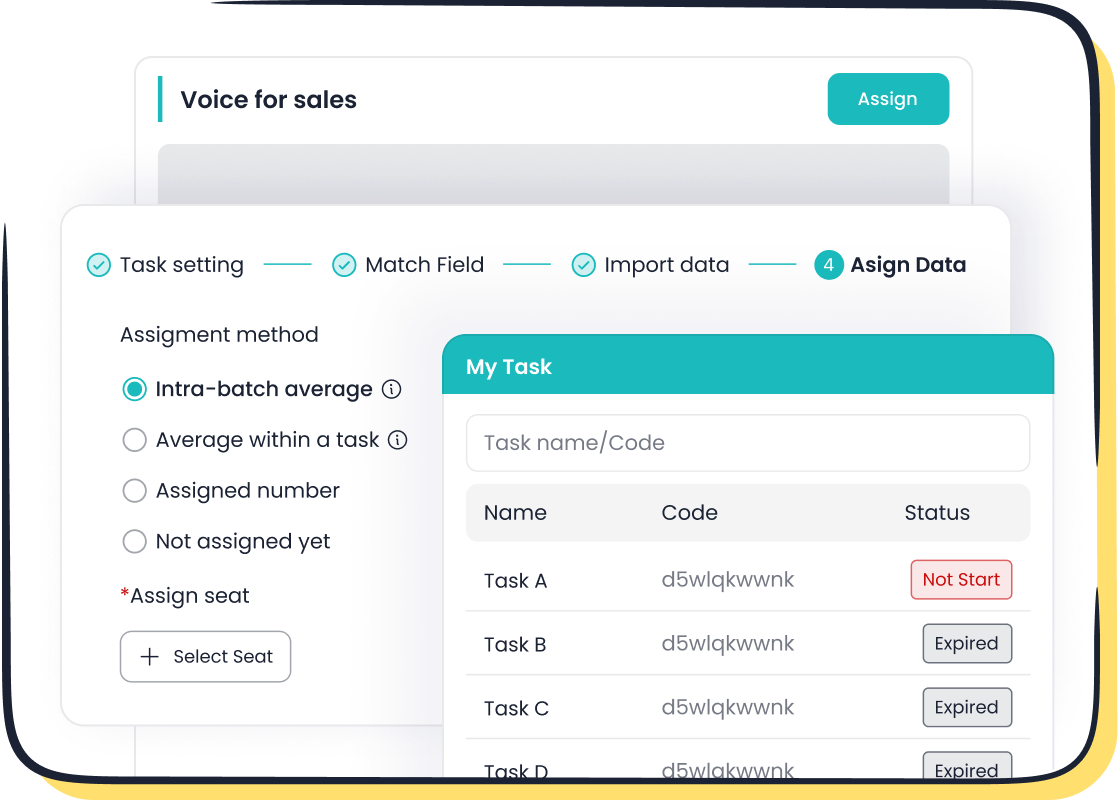
Automated dialing features are another game-changer for your sales team. Instead of manually dialing each number, tools like power-dialers and auto-dialers handle the repetitive work. This allows your reps to spend more time talking to high-quality leads and less time listening to dial tones. Sobot Voice for Sales automates these dialing processes and even uses AI to identify the best times to call, improving your overall results. It also includes invalid number detection, so your team avoids wasting time on disconnected lines. This efficiency is crucial for successful prospecting.
Seamless integration with your CRM is essential. Sobot Voice for Sales integrates with popular platforms like Salesforce and HubSpot in under 30 minutes. This means all your call data, notes, and follow-up tasks are automatically synced. Your reps have a complete view of every customer interaction without switching between systems. This unified approach ensures no opportunity falls through the cracks and makes your entire sales process more efficient.
Personalizing Outreach with Pre-Call Research
In today's market, a generic pitch will get you nowhere. Personalization is the key to cutting through the noise and capturing a prospect's attention. Before you even pick up the phone, you should invest time in pre-call research. This effort shows prospects you have done your homework and value their time.
Effective research doesn't have to take hours. You can streamline the process by focusing on key information.
- Check the Company Website and LinkedIn: Look for recent news, product launches, or leadership changes. Understand the company's priorities and challenges. This information helps you tailor your pitch.
- Use Sales Intelligence Tools: Platforms like LinkedIn Sales Navigator, ZoomInfo, or Cognism provide deep insights. You can find contact details, company data, and even the technology stack a company uses. This helps you personalize interactions.
- Review Your CRM: Always check your CRM for past interactions. Notes from previous calls or emails can reveal past objections or potential roadblocks, helping you prepare for the conversation.
Tip: Set a time limit for your research. Allocate about 10-15 minutes per prospect. Focus on finding one or two key details you can use to make your outreach relevant and compelling. This keeps your prospecting efficient.
Implementing Proven Sales Strategies and Follow-Ups
Once you connect with a prospect, you need a framework to guide the conversation. Proven sales qualification frameworks like BANT and MEDDIC help you identify the right opportunities and focus your efforts. These strategies ensure you are talking to prospects who have a real need and the ability to buy.
| Framework | What It Stands For | Best For |
|---|---|---|
| BANT | Budget, Authority, Need, Timeline | High-volume, transactional sales where speed is key. |
| MEDDIC | Metrics, Economic Buyer, Decision Criteria, Decision Process, Identify Pain, Champion | Complex, high-value enterprise sales with longer cycles. |
Choosing the right framework depends on your sales process. BANT is simple and quick, making it great for fast-moving sales. MEDDIC is more detailed and is a powerful tool for outbound prospecting in enterprise software sales, as it helps you navigate complex buying committees and reduce risks.
Persistence is crucial in outbound sales. A single call is rarely enough. You need a structured follow-up plan. A strategic follow-up sequence keeps you top-of-mind and builds the relationship over time. Your follow-up calls should always provide new value. Don't just call to "check in." Instead, share a relevant case study, invite them to a webinar, or offer a new insight. This approach demonstrates your expertise and commitment to helping the customer. A consistent follow-up strategy turns initial interest into a real sales opportunity.
Best Practices for Voicemail and SMS Communication
Not every call will connect. That is why you need effective strategies for voicemails and SMS messages. These touchpoints are valuable parts of your outbound sales strategies when used correctly.
Leaving a great voicemail is an art. The goal is not to make a sale, but to earn a callback.
- Keep it Short: Aim for 20-30 seconds. Quickly state your name, company, and the reason for your call.
- Create Curiosity: Don't give away everything. Tease a piece of information about how you can solve a specific pain point to make them want to learn more.
- Be Confident: Speak slowly and clearly. An enthusiastic tone makes you sound more credible and interesting.
- Pair it with an Email: Send a follow-up email that reinforces your message. This gives the prospect two easy ways to respond.
SMS can be a powerful tool for follow-up, but you must use it carefully and ethically. It is a direct and personal channel, so respect is key.
- Get Permission First: Always get express written consent before sending a prospect a text message. This is required for compliance and builds trust.
- Identify Yourself: Start every message by stating your name and company.
- Provide Value: Use SMS for timely reminders, quick confirmations, or to share a link you discussed. Keep messages concise and relevant.
- Include an Opt-Out: Always give recipients a clear and easy way to opt out, such as texting "STOP."
By mastering these execution tactics, you can turn your outbound sales plan into a powerful engine for growth. The right technology, combined with personalized outreach and smart follow-up strategies, will dramatically improve your prospecting results and drive more sales.
Measuring and Optimizing Performance
You cannot improve what you do not measure. Effective outbound call management requires a constant focus on data. By tracking the right metrics, you can pinpoint what works, coach your team for better performance, and turn your outbound sales efforts into a predictable engine for growth. This is how you ensure your strategies meet your sales objectives.
Key Performance Indicators (KPIs) to Track
To understand the health of your outbound sales program, you must track key performance indicators (KPIs). These metrics give you a clear picture of your team's effectiveness and highlight areas for improvement. Focus on the numbers that directly impact your bottom line.
- Conversion Rate: The percentage of calls that result in a sale or booked meeting.
- Average Revenue per Call: The average income generated from each call.
- Sales Cycle Length: The time it takes to turn a lead into a customer.
- First-Call Resolution: The rate at which you resolve issues on the first contact.
- Average Handling Time: The average duration of a customer interaction.
Analyzing Connection and Conversation Rates
Your first challenge in outbound sales is getting someone on the phone. You should aim for a connection rate of at least 5%. Once connected, your goal is to turn that conversation into a qualified opportunity. A strong benchmark for converting a prospect into a sales-qualified lead (SQL) is 10%. This means for every 10 prospects you speak with, you should book at least one meeting. Tracking these rates helps you refine your scripts and calling times for better engagement.
Tracking Meetings Booked and Lead Conversion
Booking a meeting is a major win, but the journey doesn't end there. You need to track how many of those meetings actually happen and how many turn into a closed deal. A reasonable sales close rate from outbound sales efforts is around 20%. This shows the quality of the leads your team is generating. Consistent follow-up is critical to guide each opportunity through the sales funnel and maximize your conversion potential. This focus on the entire lifecycle is key to sustainable growth.
Using Call Analytics for Team Coaching
Data provides the foundation for powerful coaching. Platforms like Sobot Voice for Sales offer real-time analytics and AI-driven call monitoring to make this process simple. You can use call recordings to review both successful and failed calls with your reps.
With AI-powered tools, you can automatically spot keywords related to objections or buying signals. This allows you to provide targeted, in-the-moment feedback and create personalized training modules. This data-driven approach to coaching improves your team's skills, boosts sales, and ensures a consistent follow-up strategy.
Overcoming Common Outbound Challenges
Even the best outbound sales strategies face obstacles. Your team will encounter call blocks, tough gatekeepers, and dips in motivation. You can overcome these common challenges with the right preparation and tools. This proactive approach keeps your sales engine running smoothly.
Navigating Caller ID Authentication (STIR/SHAKEN)
Your outbound sales calls must reach the customer. Modern phone networks use STIR/SHAKEN rules to fight spam. If your number is not verified, carriers might block your calls or flag them as "Potential Spam." This hurts your connection rates before you even speak.
- Full Attestation (A): Your carrier knows you and verifies you own the number. This gives you the best chance to connect.
- Partial Attestation (B): Your carrier knows you but cannot verify the number. Your calls are more likely to be filtered.
- Gateway Attestation (C): Your call has little verification. It will likely be flagged or blocked.
Failure to register your numbers properly can get your traffic blocked, crippling your outbound sales efforts. You need a system that ensures your calls have the highest attestation level.
Ensuring Compliance with Do Not Call Lists
You must respect a customer's privacy. Ignoring Do Not Call (DNC) lists can lead to heavy fines and damage your brand's reputation. Effective compliance is a cornerstone of ethical sales.
You must have a written policy for your internal DNC list and train all employees to honor requests immediately. Keep records of these requests for at least five years.
Regularly scrub your lists against national and internal DNC databases. You should also provide a clear opt-out option on every call. This builds trust and keeps your cold calling efforts compliant.
Handling Gatekeepers and Common Objections
Gatekeepers are not roadblocks; they are opportunities. You can turn them into allies. Before calling, research the company and the decision-maker. This helps you build credibility. When you speak to a gatekeeper, be polite, confident, and honest about your purpose.
- Treat them with respect. They are professionals doing their job.
- Use the prospect's first name. This suggests a prior relationship.
- Don't sell to the gatekeeper. Your goal is to reach the decision-maker.
- Ask for help. A simple, "I was hoping you could help me," can build rapport.
This respectful approach improves your chances of getting through and boosts customer engagement.
Maintaining Sales Rep Motivation and Morale
Outbound sales can be tough. Rejection is part of the job, so keeping your team motivated is essential for long-term success. A positive environment fuels high performance. You can boost morale with a mix of recognition, incentives, and support.
- Recognize Success: Publicly celebrate wins, no matter how small.
- Use Fun Incentives: Create friendly sales contests with team-based goals or personalized rewards.
- Foster a Feedback Culture: Actively listen to your team's frustrations and provide regular coaching.
When your reps feel valued and supported, their performance and engagement will soar.
Effective outbound calling is not about luck. Your success comes from a well-managed process. You learned the key pillars for growth: a solid outbound calling strategy, smart execution, and consistent measurement. These outbound sales strategies transform your outbound sales. Your effective outbound sales strategies are the foundation for predictable sales growth. Effective outbound call management turns your sales team into a revenue engine.
Ready to implement these powerful sales strategies? Discover how Sobot Voice for Sales can help you execute your outbound sales strategies and boost your sales. Explore the solution here: https://www.sobot.io/voice-for-sales/
FAQ
How quickly can I see results from new outbound sales strategies?
You can see improvements in connection rates and team productivity within weeks. With a platform like Sobot Voice for Sales, most sales teams achieve a full return on investment (ROI) within six months by consistently applying effective outbound call management.
What is the most important part of outbound call management?
High-quality data is the most important part. Your success starts with a clean, accurate list of prospects who fit your ideal customer profile. Great data ensures your team spends its time on calls that have the highest potential to convert.
Can technology really improve my team's outbound sales calls?
Yes. Technology automates repetitive tasks like dialing and logging calls. Platforms like Sobot Voice for Sales also provide local numbers to boost connection rates and AI analytics for coaching. This helps your team focus on building relationships and closing deals.
How do I keep my sales team motivated with outbound calling?
You can maintain high morale with clear goals, regular coaching, and celebrating wins. Use fun incentives and recognize both effort and results. A supportive culture helps your team overcome rejection and stay focused on their targets.
See Also
Elevate Call Center Performance Through Effective Monitoring Strategies
Streamlining Operations: The Efficiency of Call Center Automation
Mastering Customer Engagement: Your Omnichannel Call Center Software Guide
Essential CRM Call Center Software Features for Enhanced Customer Service
Achieving Excellence: Best Practices in Call Center Quality Management

