Top 5 Chatbot Trends for Ecommerce

Five key AI chatbot trends are reshaping e-commerce: Hyper-Personalization, Multimodal Interactions, In-Chat Payments, Hybrid AI Support, and Proactive Marketing. These trends transform chatbots from basic tools into essential sales drivers. Nearly 40% of internet users now favor chatbots for their speed. This customer preference is why AI platforms are expected to generate $20.9 billion in retail sales by 2026. The modern customer service chatbot for ecommerce is no longer an option. Embracing these advanced AI chatbots is vital for the future of AI in commerce, helping businesses like those using Sobot stay competitive.
Trend 1: Hyper-Personalization in E-commerce
Modern AI chatbots are moving far beyond simple, scripted answers. This is one of the most important AI chatbot trends. They are becoming sophisticated personal shoppers. These advanced chatbots create hyper-personalized conversations that guide customers to the perfect products. This shift is fundamental for any ecommerce business looking to build loyalty and drive sales.
From Generic Responders to Personal Shoppers
The days of generic chatbot greetings are over. Today’s AI chatbots act like expert sales associates. They engage customers in meaningful dialogue to understand their unique needs. This approach transforms the shopping experience from a simple transaction into a guided journey. The chatbot becomes a helpful partner, making customers feel valued and understood.
Using Customer Data for Tailored Recommendations
Advanced AI powers this new level of service. AI chatbots analyze customer data to deliver precise suggestions. This data includes browsing history, past purchases, and items left in the cart. For example, Sobot's AI chatbot uses this information to build customer segments and predict future behavior. This allows the chatbot to offer recommendations that truly match a customer's style and preferences, creating personalized shopping experiences.
Adapting Conversational Tone and Guidance
Personalization goes beyond just product suggestions. A key part of current AI chatbot trends involves adapting the conversational style. The best chatbots adjust their tone to match the customer's, creating more natural and effective hyper-personalized conversations. This tailored guidance helps customers make decisions faster. The results of this deep personalization are clear.
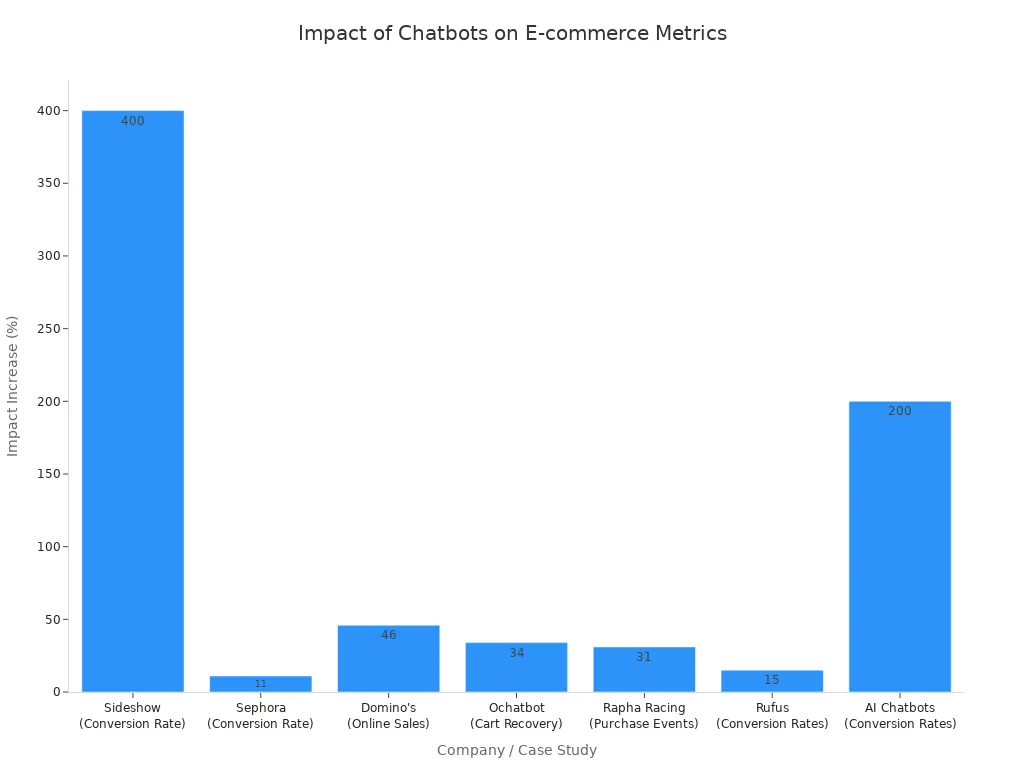
As the data shows, chatbots that use customer insights can dramatically increase conversions.
Creating a Unique Customer Buying Journey
Ultimately, personalization helps create a memorable buying journey for each customer. When chatbots offer relevant advice, the entire purchase process feels seamless and supportive. Luxury brand Michael Kors used Sobot’s platform to provide this level of service. The result was a 95% customer satisfaction rate and a 20% increase in conversion rates. This proves that a well-executed personalization strategy is a powerful tool for e-commerce growth.
"Within twenty-four hours of scoping the website, Ava pretty much understands our product better than us and certainly more accurately." – Tom Jeffrey, Creative Director at Wave Spas
This level of AI understanding is what sets modern chatbots apart.
Trend 2: Voice and Multimodal Commerce
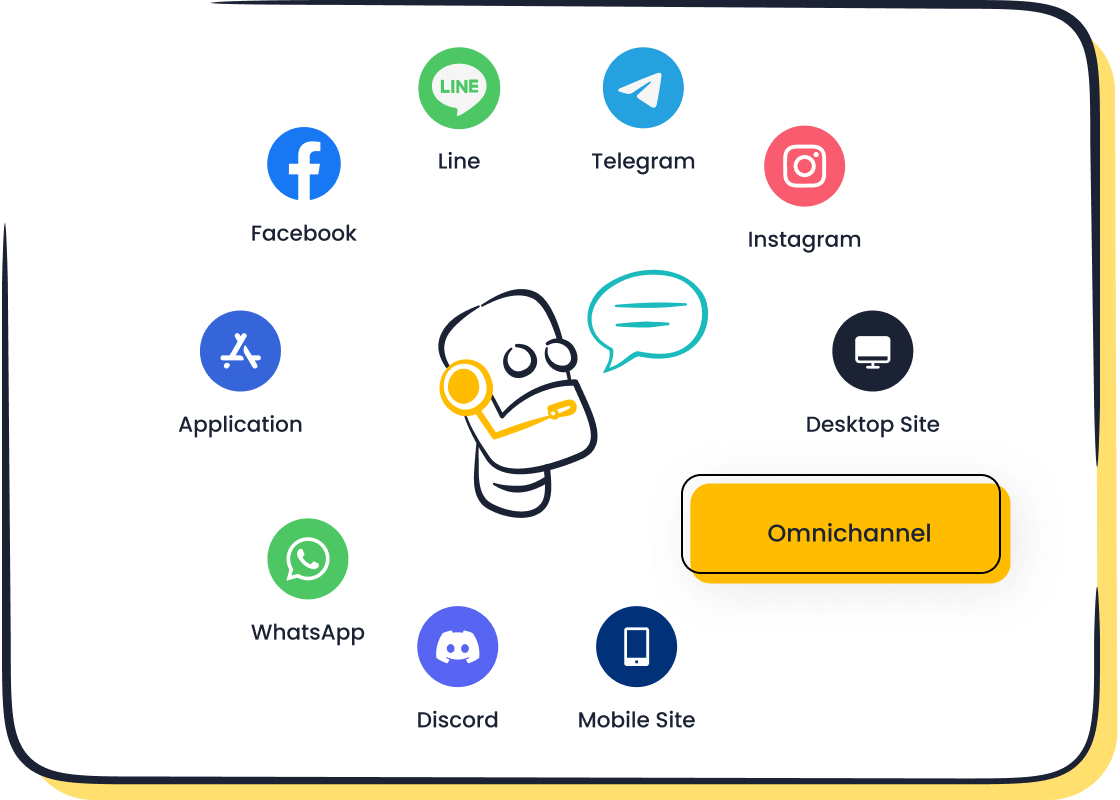
The way customers interact with online stores is changing. Shoppers now expect more than just text-based chats. This shift toward voice and visual interactions is one of the most significant AI chatbot trends. It pushes e-commerce brands to adopt multimodal chatbots that combine text, voice, and images for a richer experience.
The Shift to Hands-Free Interactions
Convenience drives modern commerce. Customers increasingly use voice commands in their daily lives with smart speakers and phone assistants. They now expect the same hands-free ease when shopping online. This trend forces chatbots to evolve beyond keyboards. Multimodal AI chatbots allow a customer to start a conversation by speaking, typing, or even uploading a photo, creating a flexible and accessible shopping journey. This is a key part of the future of commerce.
The Evolution of Voice-Enabled Chatbots
Today’s voice-enabled AI commerce bots are incredibly sophisticated. The AI technology behind these chatbots is complex but works seamlessly.
- Automatic Speech Recognition (ASR) converts spoken words into text.
- Natural Language Processing (NLP) helps the AI understand the customer's intent.
- Large Language Models (LLMs), like those powering Sobot's AI, generate natural, human-like responses.
This process allows voice-enabled AI commerce bots to handle complex queries without human help. These AI chatbots are not just responding; they are understanding and conversing.
Using Visual Search to Find Products
Multimodal commerce also includes visuals. Imagine a customer sees a product on social media. Instead of trying to describe it, they can simply upload a picture to the chatbot. The chatbot uses AI to analyze the image and find the exact item or similar products. This powerful feature removes friction from the buying process. It turns visual inspiration directly into a sales opportunity, making the chatbot an essential tool for social commerce.
Building an Intuitive Customer Experience
The ultimate goal of these AI chatbot trends is to create a better user experience. A great multimodal chatbot lets users switch between interaction types smoothly. A customer might ask a question with their voice, see product options in a visual carousel, and then type in their shipping details. This blend of inputs makes the entire process feel intuitive and personal. By combining voice, visuals, and text, AI chatbots deliver a dynamic and engaging experience that meets modern shopper expectations.
Trend 3: Integrated In-Chat Payments
One of the most powerful AI chatbot trends is the move toward integrated payments. AI chatbots with built-in payments are no longer just for conversation; they are now complete points of sale. This evolution allows businesses to convert customer engagement directly into revenue within a single chat window. The entire sales funnel, from discovery to purchase, now exists inside a messaging app.
Turning Conversations Directly into Revenue
Modern chatbots turn dialogue into dollars. A customer can ask questions, receive recommendations, and complete a purchase without ever leaving the chat. This seamless experience is especially powerful on social platforms. As an official WhatsApp Business Solution Provider (BSP), Sobot enables businesses to leverage WhatsApp and social commerce chatbots for direct sales. This capability transforms a support channel into a primary revenue stream for any e-commerce brand. The AI chatbot guides the user through the entire process.
How In-Chat Payments Reduce Cart Abandonment
Cart abandonment is a major challenge in ecommerce. Customers often leave a site if the checkout process is too complex or requires creating an account. In-chat payments eliminate this friction. For example, payment gateways like Stripe allow AI chatbots to generate a secure payment link directly in the conversation. The customer simply taps the link to pay, often using pre-filled details. This simple, one-click process keeps the customer engaged and dramatically increases the chances of completing the purchase.
Transforming Ecommerce with In-Chat Payments
This trend is reshaping global commerce. Solutions like Citcon support over 100 payment methods, including PayPal and Venmo, directly within chat apps. In Brazil, the Pix instant payment system is integrated into WhatsApp, allowing users to send money through simple messages. These advancements mean that WhatsApp and social commerce chatbots are becoming full-featured storefronts. The AI handles everything from product questions to payment verification, creating a new frontier for social commerce. These AI chatbots with built-in payments are essential for modern retail.
The Benefits of a Frictionless Checkout
A frictionless checkout process builds customer trust and boosts sales. The core benefit of in-chat payments is convenience, but security is just as important. AI chatbots that handle payments must follow strict security protocols to protect customer data.
Note: To be PCI compliant, payment systems must meet several key requirements. This ensures customer data remains safe during every transaction.
Key security measures include:
- Encrypting Cardholder Data: Using strong protocols like TLS/SSL to protect data transmitted over public networks.
- Protecting Stored Data: Masking card numbers and purging unnecessary data regularly.
- Maintaining Secure Systems: Ensuring all applications that handle payments meet strict security standards.
These protocols ensure that the AI chatbot offers a checkout experience that is not only easy but also incredibly secure.
Trend 4: The Hybrid Customer Service Chatbot for Ecommerce
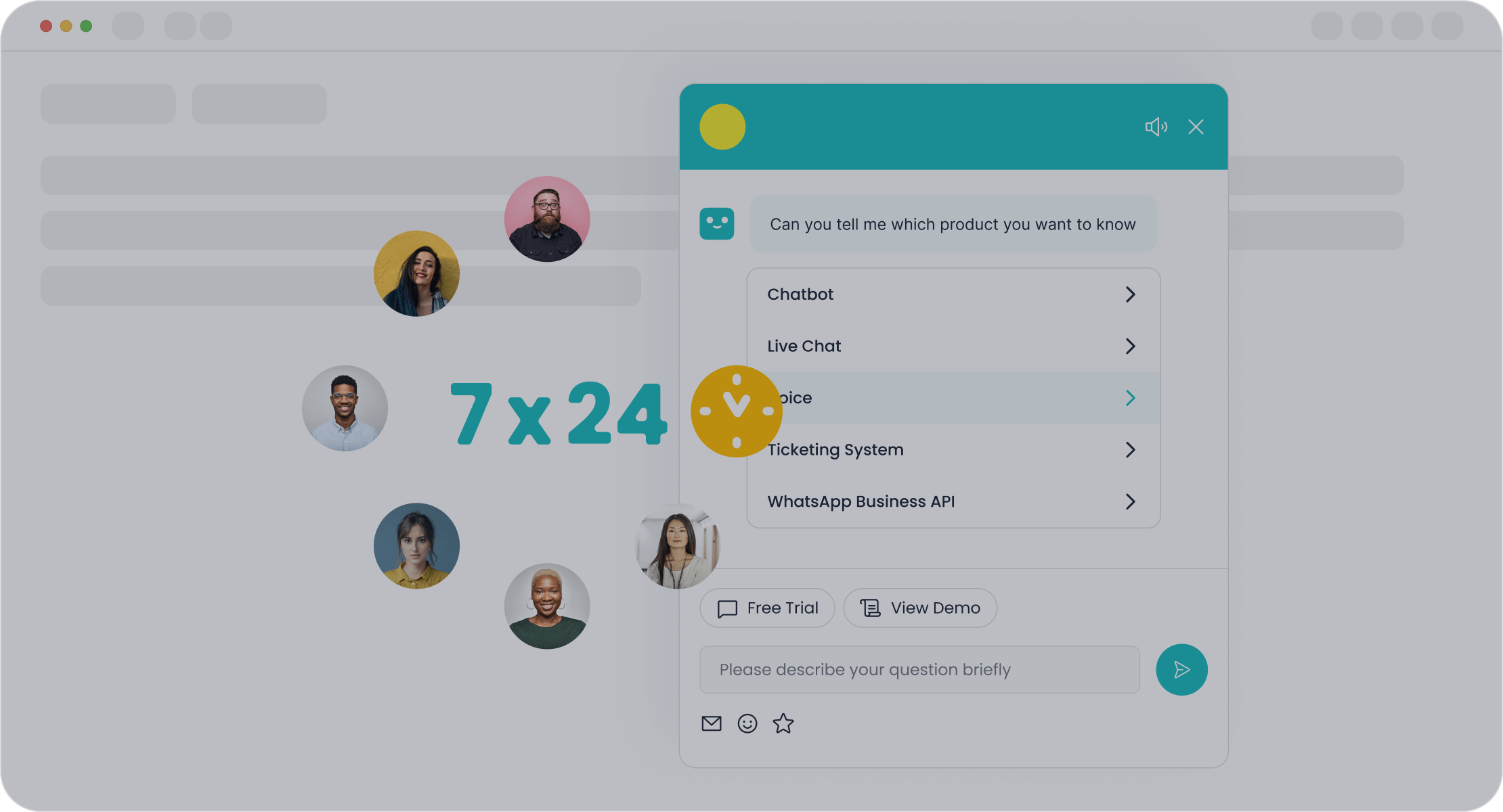
The most effective e-commerce brands are not choosing between AI and human support. They are combining them. This hybrid model is one of the most practical AI chatbot trends. It uses a customer service chatbot for ecommerce to manage simple tasks while empowering human agents to handle complex issues. This collaboration creates a support system that is both efficient and empathetic.
How AI Augments Human Agents
AI chatbots act as powerful assistants for human agents. In Sobot's hybrid model, an AI copilot works alongside the support team in real time. This partnership boosts agent productivity by up to 70%. The AI provides agents with the tools they need to deliver faster, more accurate customer support.
An AI copilot enhances an agent's ability by:
- Providing instant conversation summaries.
- Drafting context-aware replies for review.
- Offering real-time grammar and spelling corrections.
- Accessing knowledge bases to find trusted answers about products or policies.
This support allows human agents to focus their energy on solving high-value customer problems.
Automating Routine Queries with AI
A key role for AI chatbots is automating high-volume, repetitive questions. A customer service chatbot for ecommerce can operate 24/7, cutting support costs by up to 50%. These chatbots instantly handle common inquiries, providing customers with real-time solutions.
Common automated tasks include:
- Order Tracking: Answering "Where is my order?"
- Product Information: Checking stock levels or specifications.
- Returns and Refunds: Initiating processes for returns and guiding customers on refunds.
By managing these queries, chatbots ensure customers get immediate help. This frees up human agents for more difficult tasks.
Seamless Escalation to Human Agents
A successful hybrid model requires a smooth handoff from the chatbot to a person. The best AI chatbots know when to escalate an issue. When a customer's problem is too complex or requires a personal touch, the chatbot seamlessly transfers the conversation. Crucially, it passes the entire chat history to the human agent. This means the customer never has to repeat their issue, avoiding frustration and creating a better experience. The chatbot gathers the initial details, so the agent can step in with full context.
Balancing Efficiency and Empathy
The hybrid approach perfectly balances AI's efficiency with human empathy. The customer service chatbot for ecommerce provides speed and data-driven answers for routine issues like returns. Human agents then use this efficiency to dedicate more time to conversations that require emotional intelligence and creative problem-solving. This combination of chatbots and skilled agents is central to modern AI chatbot trends. It ensures every customer interaction is handled appropriately, building trust and loyalty for the ecommerce brand.
Trend 5: Proactive Marketing with AI Chatbots
AI chatbots are evolving from reactive support tools into powerful proactive marketing engines. Instead of waiting for customers to start a conversation, modern chatbots initiate contact to guide users, recover sales, and build brand loyalty. This shift makes the chatbot a vital part of any e-commerce marketing strategy. The AI uses data to engage customers at the perfect moment.
A Powerful New Marketing Channel
Chatbots open a direct and personal marketing channel. They can segment customers and deliver tailored messages that drive engagement. This proactive approach helps brands build awareness and collect valuable customer data for future marketing campaigns. Top e-commerce brands already use this strategy successfully.
| Brand | Proactive Marketing Strategy | Key Impact |
|---|---|---|
| LEGO | Offers personalized product recommendations based on user interests and budget. | Accelerates sales and drives high ROI. |
| Patrón Tequila | Provides tailored cocktail recipes to build brand awareness and recall. | Drove a 39% click-through rate from Twitter. |
| H&M | Analyzes user choices to fine-tune retargeting messages. | Improves sales figures by accumulating user data. |
Recovering Sales with Cart Reminders
Shopping cart abandonment is a major issue for online stores. Proactive AI chatbots can significantly reduce this problem. These chatbots monitor user activity and can send timely reminders to customers who leave items in their cart.
A chatbot can boost engagement by:
- Reminding users about items left in their cart.
- Offering real-time assistance on product pages.
- Providing personalized coupon codes to encourage a purchase.
This AI-driven intervention turns a potential lost sale into a completed order.
Driving Urgency with Back-in-Stock Alerts
Another effective strategy is using chatbots to create urgency. When a popular item is out of stock, customers can ask the chatbot to notify them when it becomes available. The AI chatbot then sends an automatic alert, bringing the interested shopper back to the site. This simple AI function recovers sales that would otherwise be lost. Data shows this method improves key metrics.
| Metric | Impact After Chatbot |
|---|---|
| Fill Rate | +6 points |
| Support Contacts/Order | -15% |
These alerts reduce customer support queries and directly contribute to revenue.
Using Sobot for Proactive Engagement
Sobot’s AI chatbot excels at proactive engagement. It uses push messaging to send abandoned cart reminders and exclusive offers directly to customers. This feature helps businesses boost conversions by 20% and generate 30% more leads. The platform’s AI capabilities allow for smart, timely outreach that feels helpful, not intrusive. By leveraging these advanced chatbots, companies can transform their customer interactions and drive significant growth.
The latest AI chatbot trends are clear. Hyper-personalization, multimodal commerce, in-chat payments, hybrid AI, and proactive marketing are reshaping e-commerce. These advancements show that chatbots are no longer optional tools but fundamental pillars of a modern commerce strategy. Businesses must integrate these AI trends to enhance the customer experience. Exploring advanced AI chatbots and solutions from Sobot helps companies secure a competitive edge in the evolving world of ecommerce. These powerful chatbots and AI solutions are key to future success.
Embark on Your Contact Journey.
FAQ
What is the main purpose of an AI chatbot in e-commerce?
An AI chatbot automates customer interactions. The AI solves regular queries on its own and assists human agents. This approach improves productivity and creates a better experience for each customer.
How does an AI chatbot help a business save money?
The AI chatbot operates 24/7. It triages customer questions without needing extra agents. This constant availability can save businesses up to 50% on support costs. The AI handles high-volume tasks efficiently.
Is it difficult to set up an AI chatbot?
No, many modern AI platforms do not require coding. For example, Sobot’s AI chatbot uses a simple point-and-click interface. This feature allows businesses to design and launch their chatbot workflows easily.
What is the future of AI in e-commerce customer service?
The future of AI involves creating fully integrated experiences. AI will manage the entire customer journey, from proactive marketing to in-chat payments. These systems will become smarter, more personal, and essential for business growth.
See Also
Best Live Chat Platforms for Online Stores This Year
Elevating E-commerce Customer Happiness Through AI Chatbots
Leading 10 Website Chatbot Solutions for the Current Year

