Right Choice Help Desk or Contact Center

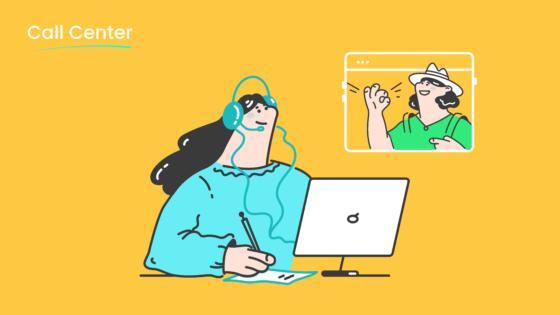
You use a help desk to provide internal employee support. A contact center, or call center, helps you engage your external customer base. Answering "do i need a help desk or a contact center?" depends on your primary business goal. The market for contact center software is growing rapidly, with modern platforms like Sobot now offering integrated solutions. These systems combine excellent service tools, blurring the lines between a traditional help desk and a modern contact center.
Defining the Help Desk: Internal IT Support
A help desk is your company's central point for internal technical support. You can also call it a service desk. Its main job is to keep your employees productive by resolving IT-related issues quickly and efficiently. The help desk team provides a crucial service that ensures your internal operations run smoothly. A modern service desk acts as the backbone of your internal support structure.
Core Focus: Technical Problem Resolution
The primary goal of a help desk is to solve technical problems for your staff. This focus on internal technical support is what separates it from a customer-facing contact center. The responsibilities of a help desk team typically include:
- Managing the help desk and its ticketing system.
- Troubleshooting employee hardware and software issues.
- Finding and fixing the root cause of recurring IT problems.
Your employees might need help with common issues like forgotten passwords, slow computers, or Wi-Fi connectivity problems. A good service desk provides the technical support they need to get back to work.
Key Functions: Ticketing and Asset Management
A modern help desk relies on specialized tools to manage its workload. The most important tool is help desk software, which uses a ticketing system to organize requests. This software automates ticket creation and routes issues to the right agent, which improves response times and agent productivity. Good help desk software allows your team to track, prioritize, and resolve every support request systematically. This organized approach is a key part of providing excellent internal service.
Another key function is asset management. When you integrate asset management with your help desk software, your technical support team gets a complete view of every device. They can instantly see who has a specific laptop, its repair history, and its current status. This eliminates guesswork and helps the help desk process tickets more efficiently. This integration is vital for any service desk aiming for top-tier service. The help desk software makes the entire support process seamless.
When to Choose a Help Desk
You should choose a help desk if your primary objective is to support your internal team. It is the ideal solution for managing technology, resolving technical issues, and maintaining your company's IT infrastructure.
Tip: If your main goal is to provide efficient technical support for your employees and manage internal IT resources, a help desk is the right choice. A service desk ensures your team has the support it needs to succeed.
Understanding the Contact Center: Customer Engagement Hub

A contact center is your command center for all external customer interactions. Unlike a help desk focused on internal staff, a contact center is designed to manage and enhance the entire customer journey. You can think of it as a modern, more powerful version of a traditional call center. A modern contact center integrates every communication channel to provide a unified service experience.
Core Focus: Omnichannel Customer Experience
The main goal of a contact center is to deliver a seamless omnichannel customer experience. This approach synchronizes all your communication channels, such as voice, email, and live chat, into a single platform. When a customer contacts you, your agents see their entire interaction history. This means the customer never has to repeat their story.
An omnichannel contact center gives your team a complete view of every customer. This allows you to provide a consistent and personalized service, no matter how a customer chooses to reach out. This unified service is what separates a true omnichannel contact center from a multichannel call center, where channels operate independently.
Key Functions: Sales, Service, and Marketing
A contact center is a versatile hub that supports more than just customer service. It plays a vital role in your company's growth by handling functions across different departments. A contact center helps you manage everything from initial sales inquiries to post-purchase support.
The core functions of a contact center include:
- Sales: Your agents can identify prospects, answer product questions, and close deals.
- Service: The team provides excellent customer service by answering questions, resolving issues, and handling customer complaints.
- Marketing: You can use the contact center for proactive outreach and to gather customer feedback through surveys.
This integrated approach turns your contact center into a powerful engine for building strong customer relationships.
When to Choose a Contact Center
You should choose a contact center if your primary goal is to manage and improve external customer relationships. It is the right solution for businesses that want to provide exceptional service and create a seamless experience for every customer.
Tip: A contact center is essential if you operate in a competitive industry like retail, e-commerce, or financial services. If you need to manage a high volume of customer interactions across multiple channels, a contact center provides the tools you need to succeed.
Call Center vs Help Desk: A Side-by-Side Comparison
You might hear people use the terms call center and help desk interchangeably. However, they serve very different purposes within a business. Understanding the distinction in the call center vs help desk debate is crucial for choosing the right solution. A help desk focuses inward on your employees, while a call center looks outward to your customers. This core difference shapes everything from their goals to the way they measure success.
Primary User: Employees vs. Customers
The most fundamental difference is who you are serving. A help desk is an internal service desk built exclusively for your employees. Your team members are the primary users. They contact the help desk for technical assistance with their hardware, software, and network access. Because the help desk serves a known group, it can be tailored to your company's specific technology and internal processes.
A call center, on the other hand, is designed for your external customer base. The primary user is the customer. Your industry and customer types directly influence the structure of your support. For example, a retail business needs a call center team that can handle general questions, while a B2B technology company requires agents with deep technical knowledge. A modern contact center expands on the traditional call center to manage interactions from every possible channel.
Main Goal: Resolving Issues vs. Managing Relationships
The primary goal of a help desk is to resolve technical issues efficiently. The main objective for your service desk is to restore employee productivity as quickly as possible. Each interaction is typically transactional. An employee has a problem, the help desk fixes it, and the ticket is closed. The focus of this service is on operational uptime and internal efficiency. A good service desk ensures your business runs smoothly from the inside.
In contrast, the main goal of a call center or contact center is to manage and nurture the customer relationship. The objective is not just to answer a question but to create a positive experience that builds loyalty. Each interaction is part of a larger customer journey. This makes the service provided by a call center a key part of your sales, marketing, and retention strategies.
A help desk fixes tools. A call center builds relationships. This simple idea captures the essential difference in their purpose. Your service desk keeps the engine running, while your contact center steers the customer experience.
Key Metrics: Resolution Time vs. CSAT
Because their goals differ, you measure their success with different metrics. A help desk is judged on speed and efficiency. Key metrics for a service desk often include:
- First Contact Resolution (FCR): How many issues are solved in the first interaction?
- Average Resolution Time: How long does it take to close a ticket? Industry benchmarks show that a high-performing help desk might resolve over 54% of tickets with a single time entry.
- Tickets Closed Same Day: A common goal for a service desk is to close a high percentage of tickets quickly. For example, a help desk might see about 45.7% of its tickets closed on the same day.
A call center or contact center, however, is measured by customer perception and experience. While efficiency is still important, the primary focus is on quality. Key metrics for a call center include:
- Customer Satisfaction (CSAT): How satisfied was the customer with the interaction?
- Net Promoter Score (NPS): How likely is the customer to recommend your company?
- Customer Effort Score (CES): How easy was it for the customer to get their issue resolved?
The table below provides a clear, scannable summary of the call center vs help desk comparison.
| Feature | Help Desk / Service Desk | Call Center / Contact Center |
|---|---|---|
| Primary User | Internal Employees | External Customers |
| Main Goal | Resolve technical issues, restore productivity | Manage customer relationships, build loyalty |
| Key Metrics | Resolution Time, Ticket Volume, FCR | CSAT, NPS, Customer Effort Score |
| Channels | Email, Ticketing Portal, Internal Chat, Phone | Voice (Call Center), Email, Live Chat, Social Media, SMS (Contact Center) |
Ultimately, the choice between a help desk and a call center depends entirely on who you need to support. If your focus is internal, a help desk or service desk is the right tool. If you need to engage with your external customer base, you need a call center or a more advanced contact center.
Do I Need a Help Desk or a Contact Center?
Choosing the right platform feels like a major decision. You can simplify the process by following a clear, three-step guide. This framework will help you answer the question, "do i need a help desk or a contact center?" by focusing on your core needs. You will look at who you serve, what you want to achieve, and how you communicate.
Step 1: Identify Your Primary User
First, you must identify who you are supporting. Your choice between a help desk and a contact center depends entirely on this answer. Are you serving internal employees or external customers?
A help desk is built for your internal team. You should ask yourself a few key questions to confirm if your users are internal:
- Are you supporting trusted members of your organization?
- Do these users need access to internal company systems to do their jobs?
- Will you be managing their permissions and access levels?
If you answered yes, your primary user is an employee. You need a help desk, also known as a service desk. The service desk is the perfect tool for managing internal IT requests and keeping your team productive. A service desk provides the structure needed for internal support.
A contact center, however, is designed for your external customer. If your users are people who buy your products or services, you need a platform that can manage those relationships. You need a contact center to handle interactions with the public.
Step 2: Define Your Business Objectives
Next, you need to define your main business goals. What are you trying to accomplish with this platform? Your objectives will point you directly to the right solution. Answering "do i need a help desk or a contact center?" becomes much easier when you know your goals.
Consider this scenario: An employee's laptop is running slow. Your objective is to fix the technical issue so they can get back to work. This goal points directly to a help desk. The service desk exists to solve these internal problems efficiently.
Your objectives for a help desk or service desk are purely operational. You want to:
- Resolve technical issues quickly.
- Minimize employee downtime.
- Track company hardware and software assets.
A service desk is your tool for maintaining internal efficiency. Every function of the help desk supports this mission. The service desk ensures your internal operations run without interruption.
Now, imagine a different scenario. A customer is unhappy with a recent purchase and wants a refund. Your objective is not just to process the return but to provide a positive experience that encourages them to shop with you again. This goal requires a contact center.
Your objectives for a contact center are focused on the customer experience. You want to:
- Increase customer satisfaction (CSAT).
- Build long-term brand loyalty.
- Support sales and marketing efforts.
- Manage relationships across the entire customer journey.
A help desk fixes tools. A contact center builds relationships. If your goals are centered on external engagement and satisfaction, you need a contact center. A service desk is not equipped for this. The help desk is an internal tool, while the contact center is your face to the world. A service desk is not designed to handle the complexities of customer interactions.
Step 3: Assess Your Channel Requirements
Finally, you must assess the communication channels you need. The channels you use to communicate will be very different for a help desk versus a contact center. This final step will solidify your answer to "do i need a help desk or a contact center?".
A help desk or service desk typically uses a limited set of internal channels. Your employees will likely reach the service desk through:
- An internal ticketing portal
- Company email
- An internal chat application
- A dedicated phone line
These channels are direct and designed for efficiency. The help desk does not need to be on social media. The focus of the service desk is on structured, trackable requests. A good help desk streamlines these internal pathways.
A contact center must support a much wider array of channels to meet customer expectations. You need an omnichannel platform that can manage interactions from everywhere. Your channel checklist for a contact center should include:
- Voice: A robust call routing system for inbound and outbound calls.
- Digital Channels: Support for email, SMS, web chat, and social media.
- Self-Service: Tools like IVR menus and AI-powered chatbots to help customers find answers 24/7.
- Video: The ability to offer face-to-face support for complex issues.
If your customers expect to reach you on their preferred channel, you need a contact center. A simple help desk cannot manage this complexity. A service desk is not built for this kind of public-facing, multi-channel engagement. The modern help desk is powerful, but its scope is internal.
The Modern Solution: Sobot's All-in-One Contact Center
The lines between internal and external support are blurring. You no longer have to choose between a help desk and a call center. Modern platforms now offer all-in-one solutions. Sobot's Omnichannel Solution is a prime example of a modern contact center. It combines powerful features to manage all your communications from a single, stable platform. This approach provides a superior service for every customer.
Unifying Communications with an Omnichannel Platform

A modern contact center unifies all your communication channels. You can manage external customer support and internal team collaboration from one place. Sobot provides a unified workspace for your agents. This single interface gives your team a complete view of every customer interaction. The platform's features let you manage calls, emails, and social media messages without switching tools. This unified service is a key feature of a modern call center.
Enhancing Efficiency with AI and Automation
You can boost your team's efficiency with AI and automation. These powerful features handle repetitive tasks. This allows your agents to focus on complex customer issues. Sobot's contact center includes many helpful features:
- AI-powered chatbots provide 24/7 self-service options.
- Smart call routing directs each customer to the right agent.
- Real-time agent assistance offers guidance during live calls.
These automation features improve your customer service and reduce agent workload. The call center becomes a more productive environment. The service your team provides becomes faster and more accurate.
Achieving Success with an Integrated Solution
An integrated solution drives real business results. You can achieve higher satisfaction rates and greater efficiency. For example, Samsung used Sobot's all-in-one contact center to unify its communication channels. The company saw amazing results:
Samsung achieved a 97% customer satisfaction rate and a 30% boost in agent efficiency.
This success comes from a stable and powerful platform. Sobot's Voice/Call Center offers 99.99% uptime and global reach. Its features ensure your call center operates smoothly. The platform integrates seamlessly with your existing CRM systems. This provides a complete solution for your customer service needs. The call center has many features to support your business. The service is reliable. The features are robust. The call center provides excellent service.
Answering "do i need a help desk or a contact center?" is simple. You need a help desk for internal tech support. A help desk is a service desk. This service desk provides a key service. Your service desk is an internal service desk. A help desk is not for customer service. This help desk provides IT support. The service desk is a great service desk. For superior service, an integrated platform is the future. It combines AI and omnichannel support. This service desk offers a better service desk experience. The service desk is a modern service desk.
For businesses aiming for a superior customer experience and operational efficiency, an integrated solution like Sobot's Omnichannel platform is the forward-thinking choice. This service provides the best support.
Embark on Your Contact Journey.
FAQ
Can a small business use one tool for both?
Yes, you can. Modern platforms like Sobot's Omnichannel Solution are flexible. You can manage both customer and employee support from one place. However, you should first identify your primary goal to ensure the platform's features align with your main business need.
What is the difference between a help desk and a service desk?
People often use these terms interchangeably. A help desk focuses on fixing technical problems. A service desk is a broader concept. It manages all IT services for your business, including problem resolution, and aligns IT with your overall business goals.
Can a contact center handle IT support tickets?
A contact center can manage internal tickets. However, a dedicated service desk is built specifically for internal IT support workflows. It offers specialized features for asset management and technical problem-solving that a contact center may lack, making the service desk more efficient for this task.
Which platform is better for improving customer loyalty?
You should choose a contact center to improve customer loyalty. Its features focus on creating positive customer experiences and building relationships. A service desk, on the other hand, is designed to improve internal employee satisfaction by resolving technical issues efficiently.
See Also
Optimizing Call Center Performance: Essential Quality Management Strategies
Leading Contact Center Platforms: Comprehensive Reviews and Analysis for 2024
Mastering Call Center Excellence: A Guide to Quality Assurance Software
Evaluating Premier Cloud Contact Center Services: In-Depth Reviews for 2024
Navigating Omnichannel Communication: A Comprehensive Guide to Call Center Software

