Inbound vs Outbound Call Center Pros & Cons


Your business must decide its primary goal. Do you need inbound calls for exceptional customer service and customer satisfaction? Or do you require outbound calls for proactive business growth? This guide weighs the pros and cons. The difference between inbound and outbound call center strategies is clear. Inbound is for reactive customer service, while outbound drives sales. The right technology from Sobot unifies both. A Sobot call center using Sobot AI can manage inbound calls and outbound calls seamlessly, maximizing results for your business and every customer.
Understanding Inbound Calls: Pros and Cons

What Are Inbound Calls?
Inbound calls are communications initiated by a customer to your business. Your team does not make the call; it receives it. These inbound interactions are central to your customer service strategy. A customer may call for many reasons.
- Customer support inquiries
- Product or service questions
- Billing and account management
- Technical support issues
The primary function of an inbound call center is to engage and satisfy your customer. You persuade new clients, resolve problems, and retain loyal promoters for your business.
Pro: Higher Customer Satisfaction
One of the main benefits of a strong inbound system is higher customer satisfaction. When you resolve a customer's issue on the first contact, their satisfaction increases. Research shows a 1% improvement in first-call resolution can lead to a 1% increase in customer satisfaction. You can achieve this with the right tools. Sobot’s intelligent, drag-and-drop IVR and smart call routing quickly connect each customer to the right agent. This speed and accuracy are key benefits that boost satisfaction.
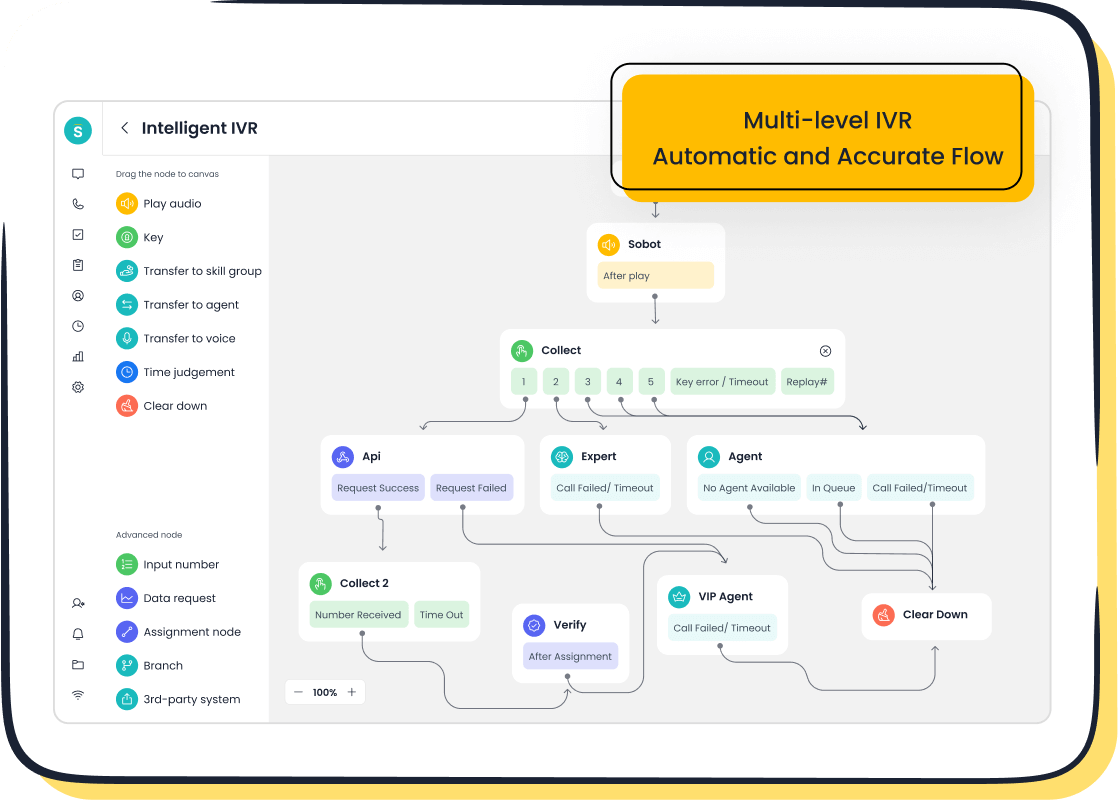
Pro: Builds Brand Loyalty
Excellent inbound customer service directly builds customer loyalty. A positive support experience makes a customer far more likely to buy from you again. In fact, 81% of customers state they would make another purchase after a good service interaction. You build trust with every resolved inbound call. This trust turns a one-time buyer into a long-term, loyal customer who feels valued by your business.
Con: Reactive and Unpredictable
A major challenge with inbound calls is their unpredictable nature. This is one of the cons of this model. Over 43% of contact centers report daily call volume swings of 30% or more. Your call center might face a sudden surge after a product launch or during a service outage. This reactive footing can strain resources. A unified workspace like Sobot's helps your agents manage these spikes. It puts all customer information in one place, allowing your team to handle inbound calls efficiently, no matter the volume.

Con: Requires Deep Product Knowledge
Effective inbound support demands deep product knowledge from your agents. Customers expect the person they speak with to have answers. If an agent cannot solve a problem, the customer gets frustrated. This can damage the quality of your customer support and negate the pros of your inbound strategy. Your team must be well-trained to handle a wide range of inbound calls and provide expert assistance.
Mastering Outbound Calls: Pros and Cons

What Are Outbound Calls?
Outbound calls are communications your team makes to a customer or potential customer. Unlike inbound, where you receive calls, your outbound call center team initiates the contact. The purpose of these outbound calls is proactive engagement. Your business can use outbound calls for many goals:
- Generating new sales leads
- Setting appointments for your sales team
- Conducting market research and surveys
- Following up with a customer after a purchase
These outbound interactions are a powerful tool for business growth.
Pro: Proactive Lead Generation
One of the biggest benefits of outbound calls is proactive lead generation. You do not wait for a customer to find you; you actively seek them out. This strategy directly fuels your sales pipeline. Well-executed outbound campaigns can achieve a 9% appointment booking rate from connected calls. To manage this process, your sales team can use a tool like Sobot's 'Bulk Outbound Task' feature. It helps automate your outbound outreach and assign new leads to agents efficiently, turning potential interest into real sales opportunities.
Pro: Direct Market Research
Outbound calls offer your business a direct line to your target audience for market research. You can conduct live surveys to gather valuable feedback on products, services, or brand perception. This direct interaction helps you build a more intelligent database and refine your marketing strategies. The insights you gain from these outbound calls allow you to make data-driven decisions that improve the quality of your offerings and strengthen your market position.
Con: Risk of Negative Perception
A significant challenge with outbound calls is the risk of creating a negative brand perception. Unsolicited outbound sales calls can feel intrusive to a potential customer.
Research shows that 71% of consumers report a negative brand perception after aggressive sales outreach.
If your outbound strategy is not handled carefully, you risk alienating the very people you want to attract. This is one of the major cons you must manage in your outbound call center.
Con: Strict Regulatory Compliance
Your outbound call center must follow strict regulations. Laws like the TCPA in the United States and GDPR in Europe govern how and when you can contact a customer. These rules cover consent, calling hours, and data protection. Failing to comply can lead to heavy fines and damage your business reputation. Using a professional and compliant platform for your outbound calls is essential. It ensures your team follows all legal requirements, protecting your business while you pursue growth.
The Critical Difference Between Inbound and Outbound Call Center
Understanding the difference between inbound and outbound call center operations is vital for your strategy. These two models have critical differences in their goals, workflows, and measures of success. Your choice impacts everything from agent training to your company's bottom line.
Purpose: Service vs. Sales
The primary difference between inbound and outbound call center models is their core purpose.
- Inbound: The goal of inbound calls is customer service and support. Your team receives inbound calls from an existing customer who needs help. This focuses on problem-solving and strengthening relationships.
- Outbound: The purpose of outbound calls is proactive outreach, usually for sales. Your agents make outbound calls to generate leads, schedule appointments, or close deals. This drives business growth.
Call Flow: Reactive vs. Proactive
The flow of communication also marks a key difference between inbound and outbound call center setups. Inbound calls are reactive. Your call center team responds when a customer initiates contact. You must be ready to handle inquiries as they come. In contrast, outbound calls are proactive. Your team controls the interaction by initiating outbound calls based on a planned campaign or sales strategy. This proactive approach puts your business in the driver's seat for growth.
Agent Skills: Empathy vs. Persuasion
The skills required for inbound and outbound agents differ greatly. For inbound calls, agents need strong empathy and deep product knowledge for customer support. They must listen carefully and solve problems efficiently. For outbound calls, agents need persuasion and resilience. Their main job is to engage prospects, handle rejection, and guide conversations toward a sales goal.
Key Metrics: FCR vs. Conversion Rate
You measure success differently for inbound and outbound calls. For inbound, a key metric is First Call Resolution (FCR). Top-performing call centers achieve FCR rates of 80% to 85%, though only 5% of centers reach this world-class standard. A high FCR shows your customer service team is effective.
For outbound sales, you track Conversion Rate. This metric shows how many outbound calls result in a sale or appointment. Benchmarks vary by campaign type.
| Campaign Type | Good Conversion Rate | Excellent Conversion Rate |
|---|---|---|
| B2C Sales | 3%–5% | 5%–8% |
| B2B Sales | 5%–10% | 10%–15% |
Achieving excellent B2B sales rates requires deep research and personalized outbound outreach. This clear difference between inbound and outbound call center metrics helps you evaluate your team's performance accurately.
Choosing the Right Strategy with Sobot
You must align your call center strategy with your core business objectives. Your choice between an inbound or outbound focus will shape your team's structure, training, and technology needs. Sobot provides the tools to excel with either model or to combine them for maximum impact.
Choose Inbound For: Customer Support
You should choose an inbound strategy if your primary goal is to deliver exceptional customer service and build lasting relationships. An inbound focus is perfect for businesses that want to retain their existing customer base. Your team becomes a hub for problem-solving and support. Success with inbound calls is not just about answering the phone. You must measure performance to ensure high-quality interactions.
Key metrics for a successful inbound operation include:
- First Contact Resolution (FCR): The percentage of inbound calls resolved in a single interaction.
- Average Handle Time (AHT): The average time an agent spends on each customer interaction.
- Customer Satisfaction (CSAT): A direct measure of a customer's happiness with the support they received.
A strong inbound strategy turns your call center into a value-creation engine. It nurtures loyalty and strengthens your brand with every positive customer interaction. Your focus on inbound calls demonstrates a commitment to your current customers.
Choose Outbound For: Proactive Growth
You should choose an outbound strategy when your main objective is proactive business growth. This approach is ideal for generating new sales, setting appointments, and expanding your market reach. Instead of waiting for leads, your team actively creates them through outbound calls. This direct outreach can dramatically accelerate your sales pipeline. For example, the company Proposify increased its outbound sales meetings by 6X by implementing a focused outbound strategy.
To measure the effectiveness of your outbound calls, you should track metrics centered on growth:
- Conversion Rate: The percentage of outbound calls that result in a sale or a qualified appointment.
- New Business Revenue: The amount of revenue generated directly from your outbound sales efforts.
- Pipeline Velocity: The speed at which your team moves leads through the sales funnel.
A well-executed campaign of outbound calls is a powerful tool for any business looking to scale. Your team's outbound calls directly contribute to revenue and market expansion. This makes outbound calls essential for aggressive growth targets. The quality of your outbound calls will determine your success in generating new leads.
The Hybrid Model: A Unified Approach
Why choose one when you can have the benefits of both? A hybrid model combines inbound customer support with proactive outbound sales. This unified approach offers incredible flexibility and efficiency. Your business can provide excellent service to an existing customer and follow up with new leads, all from a single platform.
A hybrid call center improves collaboration, enhances the customer experience, and reduces operational costs. Agents can seamlessly switch between handling inbound calls and making outbound calls, maximizing their productivity.
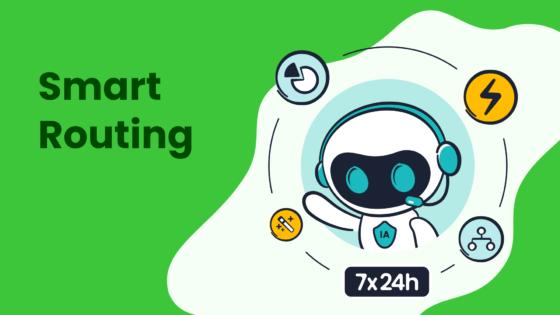
Sobot's Omnichannel Solution makes this possible. It integrates voice, chat, and ticketing into one unified workspace. This eliminates the need for agents to jump between different applications. An agent can handle an inbound support ticket and then immediately make outbound calls to follow up on sales leads. This creates a fluid workflow that boosts efficiency and ensures no customer opportunity is missed.
How Weee! Boosted Efficiency with Sobot
Real-world results show the power of the right solution. Weee!, America's largest online Asian supermarket, faced challenges with its inbound system. The company struggled with an inflexible IVR, language barriers, and time zone differences. These issues created friction for both customers and agents.
Weee! implemented Sobot's voice product to solve these problems. The results were remarkable:
- Agent efficiency increased by 20%.
- The customer satisfaction score reached an impressive 96%.
Sobot provided a flexible, intelligent IVR that routed each customer to the right agent. The integrated workbench gave agents a unified view of customer information, streamlining communications. This powerful combination allowed Weee! to overcome its challenges and deliver superior service. The case proves that choosing the right technology partner is critical for turning your call center into a center for excellence and efficiency.
You now see the clear difference between inbound and outbound call center strategies. Your inbound call center nurtures each customer relationship, boosting satisfaction. Your outbound efforts are a powerful engine for business growth. The optimal choice aligns with your business objectives. A modern hybrid approach, combining inbound and outbound, is often the most effective strategy for any business. Sobot provides the ideal all-in-one Voice Call Center solution for your inbound and outbound needs. Embark on Your Contact Journey and explore how we can help your customer and your outbound sales team succeed.
FAQ
What is the main difference between an inbound and outbound call center?
An inbound call center receives calls from customers, focusing on service and support. An outbound call center makes calls to customers or prospects. Its main goal is sales, lead generation, or market research. Your team is either reacting to needs or proactively creating opportunities.
Can a small business use both inbound and outbound calls?
Yes. A small business can benefit greatly from a hybrid model. You can use inbound calls for customer support and outbound calls for sales follow-ups. A unified platform like Sobot's Voice Call Center makes it easy to manage both functions without needing separate teams.
Which is more important: inbound or outbound calls?
Neither is more important. The right choice depends on your business goals. You need an inbound strategy for customer retention and satisfaction. You need an outbound strategy for proactive growth and sales. Many businesses find a balanced, hybrid approach provides the best results.
See Also
Exploring the Advantages and Disadvantages of Remote Call Center Operations
Evaluating the Leading Contact Center Platforms and Solutions for 2024
Implementing Effective Quality Management Strategies in Call Center Environments
A Comprehensive Review of Leading Cloud Contact Center Services in 2024
Understanding Medical Call Center Services: Their Functions and Key Benefits

