Analyzing AI's Impact on Customer Service and Satisfaction

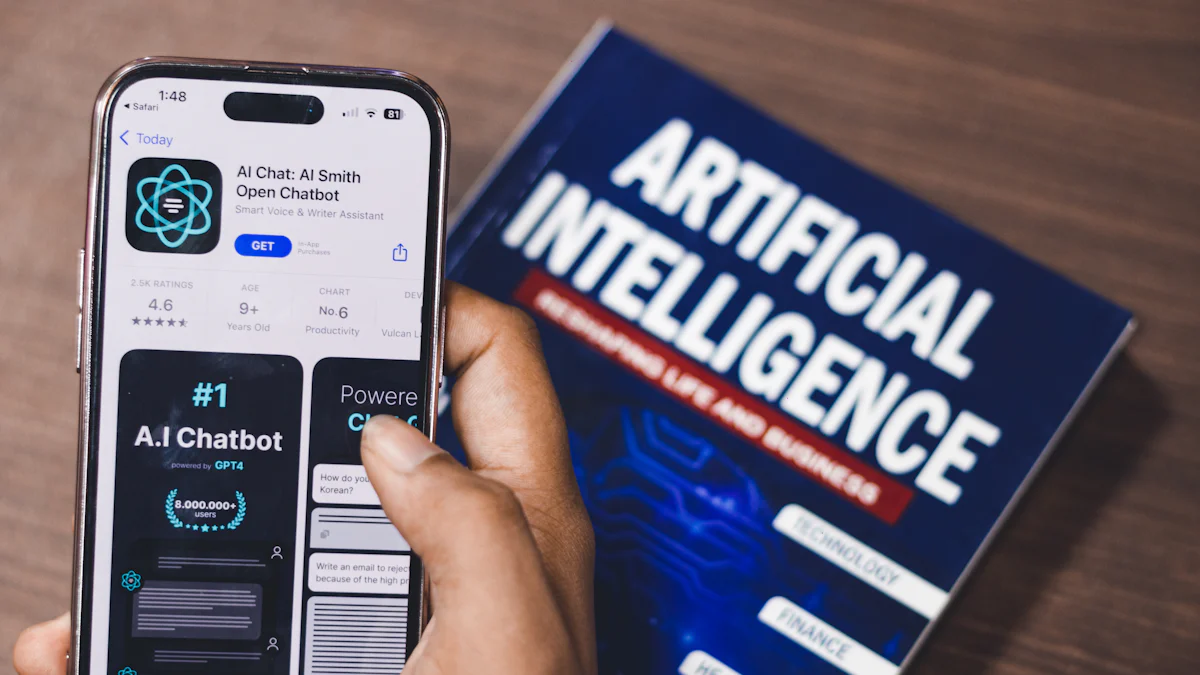
AI is reshaping the customer service industry with its transformative impact on how businesses interact with clients. By automating repetitive tasks and delivering personalized service, AI solutions improve customer satisfaction while boosting customer service efficiency. For instance, 84% of executives now use AI to engage with clients, and 88% believe automated systems enhance user loyalty. These advancements highlight the growing reliance on AI-powered customer service tools.
Sobot, a leader in AI-driven operational efficiency, offers cutting-edge solutions like AI chatbots and virtual assistants. These tools streamline customer service using AI, enabling businesses to provide faster, more accurate responses. With 96% of companies optimistic about Generative AI's potential to improve interactions, Sobot AI continues to set the standard for innovation in this space.
The Role of AI in Customer Service Using AI
Automation in Customer Interactions
Streamlining repetitive tasks with AI chatbots
AI chatbots have revolutionized how businesses handle repetitive tasks in customer service. These tools automate routine inquiries, such as providing order status updates, answering questions about business hours, and troubleshooting simple issues. By automating these interactions, you can reduce call volumes and free up human agents to focus on more complex problems. For example, Sobot’s AI chatbots efficiently manage appointment settings, collect feedback, and even complete transactions like placing orders. This level of automation not only saves time but also ensures a smoother customer journey.
Reducing response times with AI-powered tools
AI-powered tools significantly reduce response times by providing instant solutions to customer queries. Chatbots offer 24/7 support, ensuring immediate responses even outside business hours. They also deflect simple questions, allowing human agents to resolve complex issues faster. For instance, Sobot’s AI systems streamline ticket creation and routing, ensuring inquiries reach the right department without delay. This efficiency enhances the overall customer experience, making interactions more seamless and satisfying.
Personalization and Predictive Analytics
Tailoring customer experiences with AI insights
Personalization has become a cornerstone of modern customer service using AI. Unlike traditional methods, AI analyzes vast amounts of customer data to detect patterns and preferences. This allows you to tailor experiences based on individual needs. For example, Sobot’s AI tools use real-time adaptation to recommend products or services that align with customer behavior. This approach not only improves engagement but also fosters loyalty by making customers feel valued.
Anticipating customer needs through predictive models
Predictive analytics enables businesses to anticipate customer needs before they arise. By analyzing historical data, AI can forecast demand, optimize resource allocation, and predict individual preferences. For instance, Sobot’s predictive models help you understand peak service times and prepare accordingly. This proactive approach ensures smoother operations and a more satisfying customer journey.
Enhancing Customer Engagement
AI-driven virtual assistants for 24/7 support
AI-driven virtual assistants have transformed customer engagement by offering round-the-clock support. These assistants handle a wide range of tasks, from guiding customers through troubleshooting steps to answering complex queries. For example, companies like Anthem have reported a 40% reduction in call center traffic thanks to voice AI assistants. Sobot’s virtual assistants deliver similar benefits, ensuring your customers receive timely and accurate assistance at any hour.
Real-time language translation for global customers
Real-time language translation powered by AI breaks down communication barriers for global customers. This feature allows you to interact with customers in their native language, ensuring clear and efficient communication. It also improves first-contact resolution rates by helping agents understand issues better. Sobot’s AI tools enhance customer satisfaction by making every interaction feel personal and inclusive, regardless of language differences.
Real-World Applications of AI in Customer Satisfaction

Chatbots and Virtual Assistants
Sobot's AI chatbots and their impact on customer satisfaction
AI chatbots have become essential tools for improving customer satisfaction. These systems handle routine interactions, allowing you to resolve issues quickly and efficiently. For example, Sobot’s AI chatbots empower customers to self-serve by providing instant answers to common questions. They also summarize customer support interactions, giving agents better context to address more complex needs. By automating tasks like transaction processing and intelligent routing, Sobot ensures a seamless experience for your customers. These features reduce wait times and enhance satisfaction by making every interaction smoother and more effective.
Improving first-contact resolution rates with AI
First-contact resolution (FCR) is a critical metric for customer service success. AI significantly boosts FCR rates by providing accurate and timely solutions during the first interaction. Studies show that 82% of teams using AI report higher FCR rates. Sobot’s AI tools, for instance, analyze conversation history and customer sentiment to suggest the best responses. This approach not only improves resolution rates but also reduces operating costs. Klarna’s AI assistant, which performs the work of 700 agents, demonstrates how AI allows human teams to focus on complex issues, further enhancing the customer experience.
Fraud Detection and Security
AI's role in identifying suspicious activities
AI plays a vital role in safeguarding customer interactions by detecting fraudulent activities. It uses machine learning and predictive analytics to analyze large datasets in real time. This enables you to identify suspicious patterns and anomalies that may indicate fraud. AI systems continuously adapt to new techniques, ensuring robust protection. Automated fraud detection processes also reduce response times compared to traditional methods, helping you maintain secure and trustworthy interactions with your customers.
Building customer trust through secure interactions
Artificial intelligence enhances customer trust by prioritizing data privacy and security. It ensures transparency in processes and addresses biases in algorithms, creating a fairer system. These measures foster confidence in your services. Sobot’s AI solutions, for example, focus on secure interactions, ensuring that customers feel safe sharing their information. Trust is a cornerstone of customer satisfaction, and AI helps you build it by delivering secure and reliable experiences.
Sentiment Analysis and Feedback
Using AI to analyze customer sentiment
AI enables you to understand customer emotions through sentiment analysis. This technology provides real-time insights into feedback, helping you address concerns quickly. It also identifies trends, allowing you to tailor interactions based on individual preferences. For example, AI can predict customer needs by analyzing historical data, reducing churn risks. By understanding sentiment, you can create personalized experiences that enhance satisfaction and loyalty.
Leveraging feedback for continuous improvement
Customer feedback is a goldmine for improvement, and AI helps you unlock its full potential. AI-powered systems analyze feedback in real time, identifying emerging trends and issues. This allows you to respond promptly and prevent escalations. Sobot’s tools, for instance, use feedback to personalize customer interactions and inform strategic decisions. By integrating feedback analysis into your processes, you can continuously refine your services to meet customer expectations and drive satisfaction.
AI Operational Efficiency in Business Processes
Workflow Optimization
Automating routine processes to save time
AI tools excel at automating repetitive tasks, allowing you to focus on strategic goals. For instance, AI can handle data entry, appointment scheduling, and status updates. These automated processes reduce the time spent on administrative duties, freeing up your team for more critical work. Sobot’s AI solutions streamline workflows by automating customer service tasks like ticket routing and follow-ups. This not only saves time but also ensures consistent and accurate execution of routine operations.
Enhancing team productivity with AI tools
AI enhances team productivity by optimizing time management and improving collaboration. Tools powered by AI prioritize tasks based on urgency, helping your team meet deadlines more effectively. Additionally, AI-driven platforms provide real-time updates and insights, ensuring everyone stays aligned. Sobot’s AI tools, for example, offer dashboards that display project statuses and accountability metrics. These features empower your team to work more efficiently, even in remote or hybrid environments.
Cost Reduction
Lowering operational costs through automation
AI significantly reduces operational costs across various industries. For example, McKinsey reports that AI-driven automation can cut costs by 10% to 19% in supply chain management and up to 32% in manufacturing. Companies like Tesla and Airbnb have successfully implemented AI to streamline operations and reduce expenses. Sobot’s AI solutions help businesses lower costs by automating customer interactions and optimizing resource allocation, ensuring you achieve maximum efficiency.
Reducing human error with AI-driven systems
AI minimizes human error by taking over repetitive and data-intensive tasks. Unlike humans, AI operates consistently without fatigue, ensuring accurate results every time. For example, AI can analyze vast datasets to identify trends and anomalies that might be overlooked. Sobot’s AI systems enhance operational efficiency by automating error-prone processes like data handling and transaction verification. This not only improves accuracy but also builds trust with your customers.
Data-Driven Decision Making
Leveraging AI insights for strategic planning
AI provides actionable insights that help you make informed decisions. In retail, for instance, AI analyzes sales data to optimize pricing strategies. In logistics, it identifies efficient delivery routes by considering traffic and weather conditions. Sobot’s AI tools offer similar capabilities, delivering real-time analytics that guide your strategic planning. These insights enable you to anticipate challenges and seize opportunities, ensuring your business stays ahead of the competition.
Real-time analytics for faster decision-making
Real-time analytics powered by AI accelerates decision-making by providing up-to-date information. AI algorithms quickly identify patterns and trends, allowing you to respond to changes immediately. For example, in healthcare, AI predicts patient inflow patterns to optimize staffing levels. Sobot’s AI solutions deliver real-time data analysis, helping you make quick and accurate decisions. This agility enhances your operational efficiency and ensures you meet customer expectations effectively.
Challenges and Opportunities in AI Implementation
Ethical Concerns
Addressing bias in AI algorithms
AI systems can unintentionally perpetuate biases, especially when trained on unbalanced datasets. For example, biases based on race, gender, or age can lead to unfair outcomes in customer interactions. You must ensure that AI models are designed and trained to minimize these biases. Tools like fairness toolkits can help assess and mitigate these issues. Additionally, human oversight is essential to audit AI decisions and prevent poor customer experiences. By addressing these concerns, you can create a more equitable and inclusive customer service environment.
Ensuring transparency in AI decision-making
Transparency in AI decision-making builds trust with your customers. You can achieve this by documenting and disclosing how AI systems operate. Explainability tools, such as SHapley Additive exPlanations, clarify how AI models make predictions. Adhering to ethical guidelines and using auditing frameworks ensures compliance with transparency standards. For example, Sobot’s AI solutions prioritize clear documentation and ethical practices, helping you maintain customer trust while delivering reliable service.
Data Infrastructure
The need for robust data collection and storage
AI relies on vast amounts of data to function effectively. To support this, you need robust infrastructure, including secure data storage, high-performance computing power, and seamless connectivity. Efficient data collection strategies, such as automation and diverse datasets, enhance AI performance. For instance, Sobot’s AI tools utilize scalable storage solutions and advanced data management practices to ensure optimal functionality. Investing in these systems ensures your AI operates efficiently and securely.
Overcoming data privacy challenges
Data privacy remains a significant challenge in AI implementation. AI systems often handle sensitive information, such as personally identifiable data, which requires strict compliance with regulations like GDPR and CCPA. Privacy policies can sometimes hinder AI initiatives, increasing costs and affecting ROI. To address this, you should adopt secure storage solutions and transparent data practices. For example, Sobot’s AI tools focus on protecting customer data while maintaining compliance, ensuring both security and operational efficiency.
Change Management
Training employees to work with AI systems
Training your employees to work with AI systems is crucial for successful implementation. Start by involving them in the design and oversight of AI tools. Provide comprehensive training programs to enhance their understanding and reduce intimidation. For example, piloting AI tools before full-scale deployment allows your team to adapt gradually. Sobot supports businesses by offering resources that empower employees to integrate AI into their workflows effectively.
Managing resistance to AI adoption
Resistance to AI adoption often stems from fear of change or job displacement. You can address this by communicating transparently and frequently about the benefits of AI. Demonstrate how AI complements their work rather than replacing it. Foster a culture of innovation and provide examples of successful AI implementations. For instance, Sobot’s AI solutions showcase how automation can reduce repetitive tasks, allowing employees to focus on more meaningful work. This approach builds trust and encourages a positive attitude toward AI.
AI continues to revolutionize how you deliver customer service and improve operational efficiency. Tools like Sobot’s AI-driven solutions ensure consistent experiences across platforms, offering features such as multilingual support, 24/7 availability, and advanced analytics. These innovations simplify workflows and enhance customer satisfaction. For example, Sobot’s seamless omnichannel interactions unify communication, creating a cohesive customer journey.
The future of AI holds even greater potential. Advancements like emotionally intelligent systems and generative AI will redefine customer interactions. Nearly 50% of CEOs predict rising customer expectations will accelerate the adoption of these technologies. By embracing AI, you can stay ahead of trends and provide exceptional service.
FAQ
What is the role of AI in improving customer service?
AI enhances customer service by automating repetitive tasks, reducing response times, and personalizing interactions. Tools like Sobot’s AI chatbots provide 24/7 support, ensuring faster resolutions. According to Gartner, 85% of customer interactions are now managed without human agents, showcasing AI’s transformative impact.
How does AI contribute to customer satisfaction?
AI improves satisfaction by delivering tailored experiences and anticipating customer needs. Predictive analytics, like those in Sobot’s tools, help you understand preferences and resolve issues proactively. Studies show that 73% of customers prefer businesses that use AI for personalized service.
Can AI reduce operational costs in customer service?
Yes, AI reduces costs by automating workflows and minimizing human error. For example, Sobot’s AI systems streamline ticket routing and data handling, saving time and resources. McKinsey reports that AI-driven automation can cut operational costs by up to 32% in some industries.
Is AI secure for handling customer data?
AI systems prioritize security by detecting fraud and ensuring data privacy. Sobot’s AI solutions comply with regulations like GDPR, safeguarding sensitive information. A PwC study found that 68% of customers trust AI when companies demonstrate transparency and robust security measures.
How can small businesses benefit from AI in customer service?
AI levels the playing field for small businesses by offering scalable solutions. Sobot’s AI tools, for instance, provide cost-effective chatbots and analytics, enabling you to deliver exceptional service without large teams. This boosts efficiency and customer loyalty, even with limited resources.
See Also
Enhancing Efficiency With AI-Driven Customer Service Solutions
An In-Depth Look At AI Solutions For Call Centers
Transforming Support With AI-Powered Customer Service Agents

