How to Schedule Customer Service Activities Effectively


Effective customer service scheduling plays a crucial role in keeping your operations smooth and your customers happy. When done right, it ensures that your team is always ready to meet customer demands without unnecessary delays or confusion. Did you know that 41% of customers prefer online booking because it reduces wait times and enhances convenience? Tools like automated reminders also help keep customers informed, easing their concerns about missed appointments.
However, challenges like understaffing or juggling multiple platforms can make scheduling tricky. You can tackle these issues by using shared calendars or AI-powered solutions like Sobot’s tools. For instance, Sobot’s intelligent systems streamline scheduling and help your team focus on what matters most—delivering exceptional service. By addressing these hurdles, you’ll not only boost efficiency but also create a more personalized experience for your customers.
Understanding Customer Service Scheduling
Definition and Key Components
Customer service scheduling is all about organizing tasks, resources, and communication to ensure smooth operations and happy customers. It’s not just about assigning tasks; it’s about doing so in a way that maximizes efficiency and minimizes delays. Let’s break it down into three key components:
Task Assignment and Prioritization
Assigning the right task to the right person is crucial. Imagine a technician skilled in repairs being sent to handle billing inquiries—it’s a mismatch that wastes time and resources. Smart scheduling tools help match tasks to the right team members, ensuring successful service delivery. Prioritizing tasks based on urgency also keeps your team focused on what matters most.
Resource Allocation and Optimization
Efficient resource allocation prevents scenarios where demand exceeds supply. For example, route planning can minimize travel time for field teams, allowing them to handle more tasks in a day. Workflow automation also reduces manual errors, streamlining operations and saving time.
Communication and Coordination
Real-time tracking bridges the gap between office and field teams. It ensures everyone stays on the same page, improving overall service efficiency. Whether it’s updating schedules or notifying teams about changes, clear communication is the backbone of effective customer service scheduling.
Importance of Customer Service Scheduling
Enhancing Customer Satisfaction
Efficient scheduling eliminates long wait times and lets customers choose service slots that work for them. Did you know that 41% of customers prefer online booking? It’s a clear sign that flexibility and convenience matter. By meeting these expectations, you create a seamless experience that keeps customers coming back.
Boosting Team Productivity and Efficiency
Smart algorithms can optimize routes for technicians, cutting down travel time and increasing productivity. When your team spends less time on the road and more time solving problems, everyone wins. Plus, streamlined schedules reduce stress, helping your team perform at their best.
Challenges in Customer Service Scheduling
Even the best plans can face hurdles. Customer service scheduling comes with its own set of challenges, from managing limited resources to adapting to sudden changes. Let’s explore these obstacles and how you can overcome them.
Resource Constraints
Managing Limited Staff Availability
When your team is stretched thin, it’s tough to meet customer demands. But you can make the most of your resources with a few smart strategies:
- Streamline workflows to eliminate unnecessary steps and boost productivity.
- Prioritize tasks that directly impact your business, focusing on what truly matters.
- Cross-train employees so they can step into multiple roles when needed.
For example, if a team member calls in sick, a cross-trained colleague can step in without disrupting operations. These approaches ensure your team stays agile, even during busy periods.
Addressing Budgetary Limitations

Budget constraints can limit your ability to hire more staff or invest in advanced tools. However, optimizing your current resources can help. Tools like Sobot’s Voice/Call Center offer cost-effective solutions by automating repetitive tasks and improving efficiency. For instance, its AI-powered Voicebot can handle routine inquiries, freeing up your team for more complex issues. This not only saves money but also enhances service quality.
Real-Time Adjustments
Handling Last-Minute Changes
Last-minute changes are inevitable, whether it’s a sudden employee absence or a shift in customer priorities. Real-time scheduling tools can help you adapt quickly. They allow you to:
- Reassign tasks instantly to cover gaps.
- Minimize downtime by ensuring resources are allocated efficiently.
- Communicate changes to your team in real time, reducing confusion.
This flexibility keeps your operations running smoothly, even when surprises arise.
Managing Unexpected Downtime
Downtime can disrupt your entire schedule. Whether it’s a system outage or a delayed delivery, quick action is key. Real-time adjustments let you reallocate resources and keep your team productive. For example, if a field agent is delayed, you can reroute another team member to handle the task. This ensures minimal impact on your customers and keeps your team on track.
Balancing Efficiency and Personalization
Avoiding Over-Scheduling
Over-scheduling can lead to burnout and mistakes. To avoid this, allocate specific time blocks for different activities. For instance, set aside time for follow-ups, administrative tasks, and breaks. This not only improves efficiency but also ensures your team stays energized and focused.
Ensuring Tailored Customer Support
Balancing efficiency with personalization is tricky. Automation can handle routine tasks, but personal interactions are crucial for building trust. Sobot’s intelligent routing system strikes this balance by directing customers to the right agents based on their needs. This ensures a personalized experience without compromising efficiency.
Strategies for Effective Customer Service Scheduling
Leveraging Automation Tools like Sobot
Benefits of Using Sobot's Voice/Call Center
Automation tools like Sobot's Voice/Call Center can transform how you handle customer service scheduling. Here’s how they help:
- Increased Efficiency: Manage more inquiries at once, saving time and resources.
- Faster Response Times: Provide instant responses, reducing customer wait times.
- Cost Savings: Automate repetitive tasks to lower operational costs.
- 24/7 Availability: Offer round-the-clock support to meet customer needs anytime.
- Improved Customer Satisfaction: Deliver accurate and timely responses for a better experience.
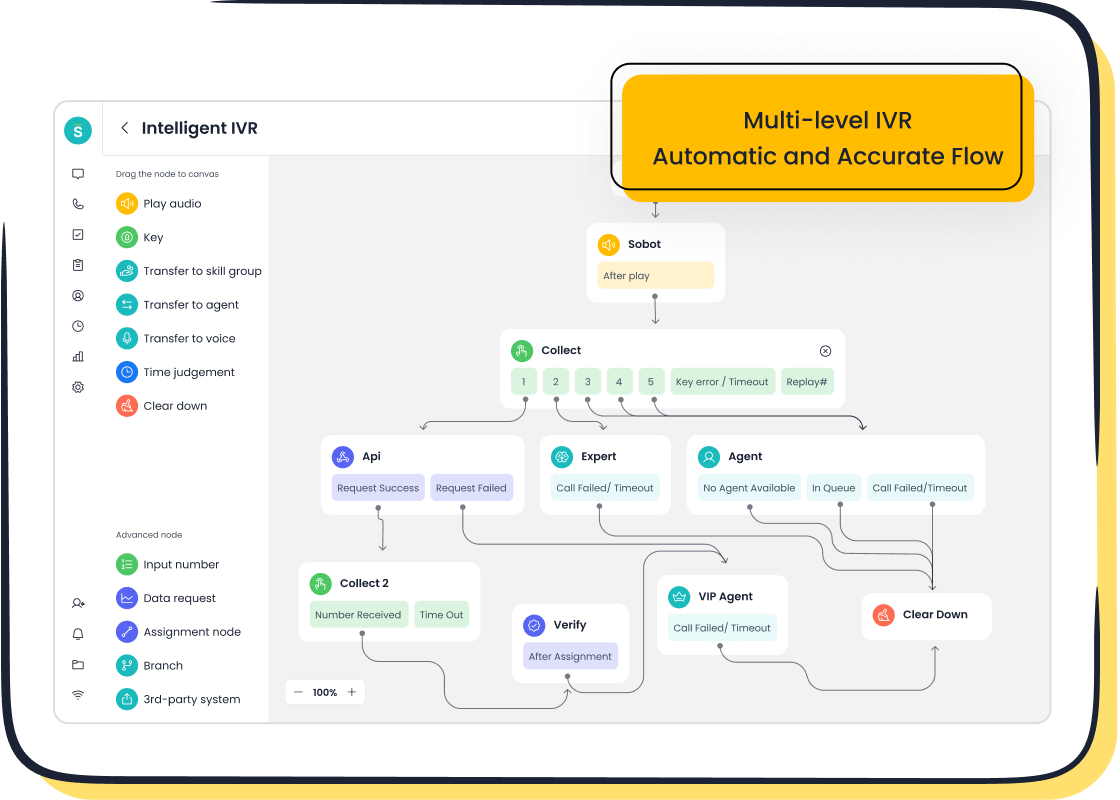
Sobot’s AI-powered Voicebot, for example, can handle routine inquiries, freeing up your team to focus on complex tasks. This balance between automation and human interaction ensures your customers always feel valued.
Features That Streamline Scheduling
Sobot’s Voice/Call Center includes features designed to simplify scheduling. Intelligent IVR routes calls to the right agents, while real-time monitoring ensures you can adjust schedules as needed. The platform also supports global time zones, making it easier to serve customers across different regions. These tools not only improve efficiency but also help you stay ahead of customer expectations.
Optimizing Workflows
Streamlining Task Prioritization
To streamline task prioritization, automation is key. Tools like Sobot analyze workloads and deadlines to help you focus on what matters most. Visual aids like Kanban boards or Gantt charts can also make it easier to track progress and identify bottlenecks. By centralizing communication and providing real-time updates, you’ll keep your team aligned and productive.
Creating Flexible and Adaptive Schedules
Flexibility is essential for effective customer service scheduling. Dynamic scheduling systems, like those offered by Sobot, allow you to adjust in real time. Whether it’s reallocating tasks or accommodating last-minute changes, these tools ensure your team stays agile. Mobile apps also let you manage schedules on the go, giving you the freedom to adapt wherever you are.
Prioritizing Customer Needs
Aligning Schedules with Peak Demand Times
Understanding when your customers need you most is crucial. Use data insights to predict busy periods and align staffing accordingly. For example, cross-train employees to handle multiple roles during peak times. Dynamic scheduling tools can also help you adjust in real time, ensuring you’re always prepared for fluctuations in demand.
Understanding Customer Preferences
Customers value convenience. Studies show that 41% of customers prefer online booking because it’s quick and easy. By offering flexible scheduling options and accommodating special requests, you create a personalized experience that builds trust. Sobot’s tools, with their ability to analyze customer data, make it simple to tailor your services to individual preferences.
Tips for Continuous Improvement in Customer Service Scheduling
Monitoring and Analyzing Performance Metrics
Key Metrics to Track for Success
Tracking the right metrics helps you measure the effectiveness of your customer service scheduling. Focus on these key indicators:
- First Contact Resolution Rate: This shows how often customer issues are resolved in the first interaction. A higher rate means quicker solutions and happier customers.
- Customer Satisfaction Score (CSAT): This metric captures how customers feel after interacting with your team. It’s a direct reflection of their experience.
- Average Resolution Time: This measures how long it takes to resolve customer issues. Faster resolution times indicate a more efficient team.
- First Response Time: This tracks how quickly your team responds to customer inquiries. A shorter response time can significantly improve customer satisfaction.
By monitoring these metrics, you can identify areas for improvement and ensure your team stays on track.
Using Data Insights to Refine Processes

Data is your best friend when it comes to refining processes. For example, if your First Response Time is lagging, you might need to adjust staffing during peak hours. Tools like Sobot’s Voice/Call Center provide real-time analytics, helping you make informed decisions. Use these insights to tweak workflows, allocate resources better, and improve overall efficiency.
Adapting to Feedback
Collecting Feedback from Customers and Teams
Feedback is a goldmine for improvement. To gather it effectively:
- Ask the right questions at the right time.
- Use email surveys, which have a high completion rate of 74%.
- Implement surveys across multiple channels like websites, mobile apps, and emails.
- Try exit-intent surveys to capture feedback from customers about to leave.
These methods create a seamless experience, encouraging both customers and team members to share their thoughts.
Implementing Changes Based on Insights
Once you’ve collected feedback, act on it. For instance, if customers mention long wait times, consider using Sobot’s intelligent routing system to connect them to the right agent faster. Similarly, if your team struggles with task overload, adjust schedules to include more breaks or redistribute workloads. Small changes based on feedback can lead to big improvements in satisfaction and efficiency.
Regularly Reviewing and Updating Schedules
Adjusting for Seasonal Variations
Seasonal trends can impact customer demand. By adjusting schedules, you can:
- Ensure adequate staffing during peak seasons, like holidays, when spending increases by 8% annually.
- Avoid last-minute costs like overtime or expedited shipping.
- Reduce waste by preventing overstaffing during slower periods.
Planning ahead makes your operations more resilient and cost-effective.
Incorporating New Tools and Technologies

Technology evolves quickly, and staying updated is essential. Tools like Sobot’s Voice/Call Center offer features like AI-powered Voicebots and real-time monitoring, which can revolutionize your scheduling process. Regularly evaluate your tools to ensure they meet your needs. Adopting new technologies can streamline workflows and keep you ahead of the competition.
Benefits of Effective Customer Service Scheduling
Improved Customer Satisfaction
Faster Response Times

Quick responses make a huge difference in how customers perceive your service. Clear SLAs (Service Level Agreements) set expectations, helping you prioritize tasks and allocate resources effectively. For instance, Sobot’s Voice/Call Center uses intelligent routing to connect customers to the right agent instantly. This reduces wait times and ensures faster resolutions.
| Key Factor | Impact on Customer Experience |
|---|---|
| Quick Responses | Higher satisfaction rates as customers feel valued. |
| 24/7 Customer Support | Boosts loyalty by being available whenever customers need help. |
| Help Desk Automation | Speeds up response times and ensures consistency. |
By responding quickly, you not only enhance satisfaction but also build a reputation for reliability.
Enhanced Customer Experience
Efficient scheduling eliminates the frustration of long waits and complicated booking processes. Customers can easily choose their preferred times, fostering a sense of value and respect. Automated reminders, like those offered by Sobot, reduce no-shows and keep customers informed. With 41% of customers preferring online booking, providing this convenience strengthens their trust in your service.
Increased Team Productivity
Reduced Burnout and Stress
Your team performs better when they’re not overwhelmed. Flexible schedules and regular breaks help employees recharge. Sobot’s tools, like real-time monitoring, make it easier to manage workloads and set clear expectations. This balance prevents burnout and keeps your team motivated.
- Prioritizing work-life balance improves well-being.
- Flexible scheduling options reduce pressure during peak times.
- Encouraging breaks helps staff stay energized and focused.
Better Collaboration and Coordination
Collaboration tools streamline communication, ensuring everyone knows their roles. Sobot’s unified workspace allows agents to share updates and resolve issues faster. This reduces duplication of efforts and speeds up service delivery.
- Clear communication prevents errors.
- Quick sharing of information ensures timely updates for customers.
- Advanced tools boost productivity by enabling seamless teamwork.
Long-Term Business Success
Building Customer Loyalty
Positive experiences encourage customers to return. Personalized interactions and proactive communication make them feel valued. For example, 89% of customers are more likely to return after a great service experience. Sobot’s intelligent systems help you deliver this level of care consistently.
Gaining a Competitive Edge with Sobot Solutions
Effective scheduling sets you apart. Sobot’s automation tools streamline booking processes and enhance communication. Features like global time zone support and AI-powered Voicebots ensure you meet diverse customer needs. This efficiency not only boosts satisfaction but also strengthens your position in the market.
Effective customer service scheduling is the backbone of operational efficiency and customer satisfaction. By prioritizing customer preferences, optimizing resource allocation, and leveraging tools like Sobot’s Voice/Call Center, you can streamline workflows and reduce wait times. Flexibility in scheduling not only improves customer experiences but also builds trust and loyalty.
To ensure sustained success, focus on continuous improvement. Analyze performance metrics, adapt to changing needs, and personalize interactions. These steps will help you stay competitive while fostering long-term relationships with your customers. Start refining your processes today to deliver exceptional service every time.
FAQ
What is customer service scheduling, and why is it important?
Customer service scheduling organizes tasks, resources, and communication to meet customer needs efficiently. It ensures your team is available when customers need help, reducing wait times and improving satisfaction. Tools like Sobot’s Voice/Call Center make scheduling seamless with features like intelligent routing and real-time monitoring.
How can automation improve customer service scheduling?
Automation simplifies scheduling by handling repetitive tasks, optimizing workflows, and reducing errors. For example, Sobot’s AI-powered Voicebot manages routine inquiries, freeing your team to focus on complex issues. This boosts efficiency and ensures customers get timely, accurate support.
What are the best tools for real-time scheduling adjustments?
Real-time scheduling tools like Sobot’s Voice/Call Center help you adapt quickly to changes. Features like bulk task reassignment and global time zone support ensure smooth operations, even during unexpected disruptions. These tools keep your team agile and your customers happy.
How do I balance efficiency with personalized customer service?
Use tools that combine automation with human interaction. Sobot’s intelligent routing system connects customers to the right agents based on their needs. This ensures personalized support while maintaining efficiency, helping you build trust and loyalty.
Can customer service scheduling improve team productivity?
Absolutely! Efficient scheduling reduces burnout and stress by evenly distributing workloads. Sobot’s unified workspace streamlines communication, helping your team collaborate better. With clear schedules and fewer manual tasks, your team can focus on delivering exceptional service.
See Also
Strategies for Effectively Overseeing Live Chat Representatives
Understanding the Efficiency of Call Center Automation
Ten Ways to Enhance Customer Satisfaction via Live Chat

